
This site is supported by our readers. We may earn a commission, at no cost to you, if you purchase through links.

Less than 1% of registered dogs in North America carry the Basenji name, and that scarcity shows up fast in your wallet. A pet-quality puppy from a reputable breeder runs $1,500 to $3,000, while champion bloodlines push past $5,000 before you’ve bought a single bag of food.
Rescue offers a cheaper path, with adoption fees landing between $200 and $500, but you’ll trade lower upfront costs for fewer guarantees about temperament and health history.
Basenji price depends on more than sticker shock, though. Pedigree, coat pattern, registration type, and breeder reputation all shift the number you’ll actually pay, and the puppy is only the opening expense in a much longer financial commitment.
Table Of Contents
- Key Takeaways
- Basenji Price at a Glance
- What Affects Basenji Puppy Prices?
- Breeder Vs Rescue: Cost Differences
- First-Year Basenji Ownership Costs
- Ongoing Basenji Costs and Value
- Frequently Asked Questions (FAQs)
- How much does a Basenji puppy cost?
- How much does it cost to adopt a Basenji?
- Should you buy a purebred Basenji?
- How much does Basenji insurance cost?
- Why are basenjis so expensive?
- What is the downside of Basenji?
- Are basenjis good house dogs?
- Do Basenji dogs smell?
- How often should I groom my Basenji?
- How much exercise does a Basenji need?
- Conclusion
Key Takeaways
- Basenji puppies from reputable breeders typically cost $1,500 to $3,000, while champion bloodlines can push prices past $5,000, compared to rescue adoption fees of just $200 to $500.
- Pricing under $1,000 is a major red flag, often signaling unverified parentage, missing health testing, or incomplete paperwork rather than a genuine bargain.
- The puppy price is only the starting cost, since first-year expenses (supplies, vet visits, vaccines, training) and ongoing annual costs (food, vet care, preventive meds, insurance) add hundreds to thousands more over the dog’s life.
- Factors like pedigree documentation, registration type (full vs. limited), coat rarity, breeder reputation, and regional demand all significantly influence what you’ll actually pay for a Basenji.
Basenji Price at a Glance

Basenji prices swing wider than most people expect, and knowing why helps you budget with confidence.
Whether you’re eyeing a breeder puppy, a rescue dog, or a future show contender, the number you’ll pay depends on several specific factors. Here’s a quick breakdown of what you can expect to spend, starting with the basics.
If you’re drawn to a specific hybrid, this guide to Pug Lab mix prices and traits shows how mixed-breed costs can stack up against purebred options.
Puppy Price Range
Expect to pay $1,500 to $3,000 for a Basenji puppy from a reputable Basenji breeder, with Basenji cost climbing toward $5,000 for champion-sired premiums and proven bloodlines. Color premium trends, import lineage costs, and pedigree documentation fees all nudge the Basenji puppy price upward.
Breeding rights value matters too: full registration costs noticeably more than limited, pet-quality paperwork. Costs may also increase because genetic health testing is a key investment for responsible breeders.
Adoption Fee Range
If buying isn’t your path, animal shelters and breed-specific rescues offer a far gentler route.
Adoption fees usually run $200 to $500 in the US, covering vet checks and shots. In Germany, expect 200–450 euros, with neutering, senior discounts, and admin fees of 50–100 euros shaping your final cost to adopt a Basenji.
Show-Quality Pricing
Adoption gets you a companion; show-quality breeding gets you a Basenji built for the ring. A show-level Basenji runs $3,000–$5,000, reflecting Champion Bloodline Value, Rare Coat Premiums, and Conformation Standard Costs.
A reputable breeder’s price often includes:
- Breeder Support Packages for training and socialization
- Registry Inclusion Benefits with full AKC/UKC papers
- Documented pedigree quality across generations
- Health-tested, show-quality Basenji puppies with guarantees
Regional Price Differences
Where you live changes your Basenji price more than you’d think. Urban Demand Spikes push West Coast and Northeastern prices 20–40% above Midwest rates, thanks to Metropolitan Hub Access and competition among breeders.
Transport Logistics Costs add up for remote buyers, while Local Breed Clubs keep pricing standardized. Regional Economic Impact matters too—European imports run $4,000–$7,000, reflecting local cost of living.
Registration and Breeding Rights
Before you sign anything, ask what registration type comes with your pup. Full registration lets you breed and register offspring; limited registration blocks that entirely. A reputable breeder explains:
- Pedigree lineage proof
- Health clearance documentation
- Breeding contract terms
- Ownership documentation transfer
Registries also conduct audits, so purebreds with papers from breeding stock cost more, fairly.
What Affects Basenji Puppy Prices?

Not every Basenji puppy carries the same price tag, and there’s usually a clear reason why. Breeders weigh several factors when they set their numbers, some obvious and some you might not expect. Here’s what actually drives the cost up or down.
Pedigree and Bloodlines
A dog’s paperwork tells a story long before you ever meet the puppy. Pedigree lineage reveals sire and dam connections, inbreeding coefficients, and ancestral achievements like championship titles.
Beyond the paperwork, prospective owners should weigh ongoing expenses, since husky ownership costs often include monthly preventative care well into the hundreds.
Reputable breeders publish bloodline histories as genetic roadmaps, helping you weigh canine genetic health risks. Strong registry traceability and lineage diversity justify higher prices, since documented bloodlines reduce hereditary surprises down the road.
Coat Color and Markings
Color rarely makes or breaks a Basenji’s health, but it absolutely affects what’s in your wallet.
Standard color patterns (red or fawn with white markings and black masks) price normally. Rare coat patterns like unusual white marking distribution or striking mask color variations push prices higher, since pigment genetics influence rarity, and rarity drives purebred dog pricing among show-quality Basenji puppies.
Basenji Rarity
Basenjis make up under 1% of registered dogs across North America, and that scarcity alone shapes Basenji price. Limited breeder pools, tighter genetic diversity, and niche market demand all push costs upward.
- A breed standing out at the dog park, simply because nobody recognizes it
- Waitlists stretching months for a single litter
- Regional population density clustering near breed clubs
- Global registration trends staying flat, not booming
- Reputable Basenji breeders fielding more inquiries than puppies
Health Testing Costs
That $1,500-$3,000 price tag often hides a stack of vet bills the breeder already covered. Genetic panel pricing, orthopedic imaging fees, and cardiac diagnostic costs commonly run $500-$1,000 per litter.
| Test Type | Typical Cost |
|---|---|
| Genetic/eye screening | $150-$400 |
| Cardiac echo | $200-$500 |
| Certification fees | $50-$150 |
Ophthalmology exam charges and documentation fees add up fast—real veterinary expenses, not padding.
Breeder Reputation
Reputation is the price tag you can’t see on the pedigree paper. A breeder who’s spent years verifying health records, checking club affiliations, and evaluating facility standards earns the right to charge more for show-quality Basenji puppies.
When you’re paying for responsible dog breeding, you’re really paying for trustworthy canine genetic lineage and solid health guarantees:
- Reviewing buyer contracts before signing
- Checking temperament documentation
- Confirming Basenji Club of America ties
Breeder Vs Rescue: Cost Differences
The sticker price only tells half the story when you’re weighing a breeder against a rescue. What you actually get for that money, paperwork, health work, registration rights, and even the dog’s history, varies a lot between the two paths. Here’s what separates a fair deal from a risky one.
Reputable Breeder Inclusions

Pay $1,500 to $5,000 to a reputable breeder, and you’re buying far more than a puppy—you’re getting pedigree documentation, registration papers, and health guarantees.
| Inclusion | Typical Cost Range | What It Covers |
|---|---|---|
| Health screening | $500–$1,000/litter | Fanconi, PRA testing |
| Registration | Included | AKC/UKC papers |
| Guarantee | Included | Congenital conditions |
Responsible dog breeding means contractual restrictions, proven canine genetic lineage, and ongoing breeder support after you bring your pup home.
Shelter Adoption Inclusions
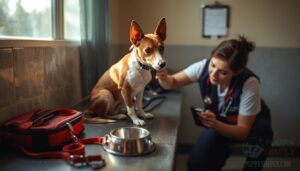
Adopt a Basenji through breed-specific rescues or animal rescue groups, and you’ll pay $200 to $500 while skipping the breeder price tag entirely.
| Inclusion | Typical Cost | Coverage |
|---|---|---|
| Vet bundle | Included | Wellness exam, vaccines |
| Spay/neuter | Included | Pre-adoption surgery |
| Starter kit | Included | Collar, leash, food |
Adoption screening and microchip transfer protocols help promote responsible pet ownership and animal welfare from day one.
Red Flags Under $1,000

That bargain price tag should make you pause, not celebrate. A Basenji listed under $1,000 often means suspiciously low prices hiding unverified parentage, incomplete vaccination history, or missing health guarantees entirely.
A Basenji under $1,000 isn’t a deal, it’s a warning sign of hidden health risks and missing paperwork
| Warning Sign | What It Usually Means |
|---|---|
| No parent health testing | Hidden genetic risks |
| No pedigree paperwork | Unclear, possibly false lineage |
| Pressure for instant deposit | Breeder avoiding scrutiny |
Skip these shortcuts—legitimate puppy acquisition costs reflect real care, not corner-cutting.
Limited Vs Full Registration

Flip your puppy’s papers over: a purple border means full registration, orange means limited.
Breeding rights impact the price tag directly—full status runs higher since it permits future litters and show eligibility, while limited papers keep your pup pet-only. Most breeders sell purebreds with papers as limited unless you’re buying show-level Basenji stock. Upgrading later means fees and breeder approval.
Rescue Availability

Wondering how fast a rescue can place a Basenji in your home? It varies—animal rescue adoption timelines hinge on regional access and staffing readiness levels, not just availability.
| Factor | Impact on Wait |
|---|---|
| Regional access challenges | Longer waits in rural areas |
| Staffing readiness levels | Faster matches with active volunteers |
Mutual aid networks between shelters speed things up, easing one piece of your long-term Basenji cost equation.
First-Year Basenji Ownership Costs

Bringing your Basenji home is just the beginning, since that purchase price is only one piece of the puzzle. Your first year comes with its own set of expenses, from everyday supplies to a few essential vet visits. Here’s what you can expect to budget for during those critical first twelve months.
Starter Supplies
Bringing home a Basenji puppy means walking into a pet store with a checklist, not a wish list. Budget $70 to $130 for basics: food, bowls, treats, toys. Three categories matter most:
- Grooming kit – comb, brush, nail clippers
- Feeding gear – non-spill bowls, portion trays
- Training tools – soft vest, treat pouch, clicker
Skipping these early purchases just delays costs, not avoids them.
Crate and Bed
A den-and-cushion combo costs $60 to $400, depending on size and materials. Coated steel resists chewing better than wood.
| Crate Size | Best For |
|---|---|
| 24" | Tiny puppies |
| 36"-48" | Adult Basenjis |
Memory foam beds with washable, non-skid covers add comfort. Check latches monthly; a loose one undoes your whole pet budgeting effort.
Initial Vet Visits
That first vet trip should happen within 48 to 72 hours of bringing your puppy home, not weeks later.
Expect a full physical exam covering heart, lungs, eyes, ears, joints, and abdomen, plus a parasite screening and deworming. Bring a stool sample and adoption paperwork.
Budget $150 to $800 for this visit, and ask about nutrition and a follow-up schedule before you leave.
Vaccines and Microchipping
Two simple steps protect your Basenji for life: shots and a chip.
Your puppy needs a booster schedule covering distemper, parvo, and rabies through 16 weeks. Microchipping costs little extra at this visit, embedding RFID identification under the skin permanently.
- Essential vaccines guard against severe illness
- Microchip registry needs current contact info
- Scanning reunites lost dogs with owners
Keep both records updated—it’s cheap insurance against heartbreak.
Puppy Training Classes
A Basenji’s independent streak makes obedience training non-negotiable, not optional. Budget $60 to $500 for a quality program covering puppy socialization, leash handling, and recall around distractions.
Group classes (4-6 puppies) offer real-world exposure—strangers, sounds, other dogs—building confidence early. This canine behavioral training investment pays off for years, shaping a well-mannered companion instead of a stubborn, barkless escape artist.
Ongoing Basenji Costs and Value

Bringing your Basenji home is just the beginning, since the real financial commitment shows up year after year. These costs won’t hit all at once, but they add up steadily across five main areas. Here’s what you can expect to budget for, one category at a time.
Food and Treats
Plan on $240 to $800 a year just to keep your Basenji’s bowl full, with quality dog food and treats driving most of that range. Watch caloric intake management—treats should stay under 10% of daily calories.
- Lean protein-first kibble
- Freeze-dried meat treats
- Pumpkin puree or blueberries
- Cool, dry storage
- Skip chocolate, grapes, onions
Routine Veterinary Care
Once your Basenji’s diet is dialed in, annual wellness exams become your next budget line, running $280 to $650 yearly. Vets cover important essential sign monitoring, dental health screening, and weight management strategies during each visit.
| Service | What’s Checked | Why It Matters |
|---|---|---|
| Physical exam | Eyes, ears, coat | Catches early issues |
| Lab tests | Blood, urine | Detects hidden problems |
| Dental check | Gums, tartar | Prevents pain |
Preventive Medications
Beyond wellness exams, parasite prevention adds $190 to $700 annually. Heartworm chewables run monthly; flea-tick topicals apply between shoulder blades, often killing fleas within hours.
- Monthly heartworm tablets
- Topical flea-tick treatments
- Oral chewable options
- Intestinal dewormers for roundworms, hookworms
- Weight-based dosing accuracy
Never skip doses — missed protection windows mean catch-up plans, not simple restarts. Confirm suitability with your vet.
Pet Insurance
Once those preventive meds become routine, the bigger question is how you’ll handle a major illness. Pet insurance usually reimburses 70-90% after your deductible, running $30-$70 monthly. Compare plan types and watch for coverage exclusions like pre-existing conditions.
| Plan Type | What It Covers |
|---|---|
| Accident-only | Injuries, not illness |
| Accident & illness | Both, varying deductibles |
| Lifetime | Chronic conditions ongoing |
| Time-limited | Set period per condition |
Emergency Savings
Peace of mind has a price tag, too, and it’s the one folks forget to budget. Insurance won’t cover everything, so keep a dedicated pet emergency fund of $1,000-$5,000 for canine medical costs.
Park it somewhere liquid, automate small deposits monthly, and review the target yearly as vet costs rise. This habit keeps surprise medical expenses from becoming high-interest debt.
Frequently Asked Questions (FAQs)
How much does a Basenji puppy cost?
Plan on $1,200 to $2,000 from a reputable breeder, with show-quality Basenji puppies climbing toward $4, Regional demand and pedigree value can shift that range another $200 to $1,500, so budget accordingly before bringing one home.
How much does it cost to adopt a Basenji?
Skip the breeder route entirely and adoption costs far less: usually €200 to €600, covering vet checks and microchipping. Rescue availability varies by region, though, so timelines can stretch longer than buying a puppy outright.
Should you buy a purebred Basenji?
If your lifestyle fits an independent, cat-like temperament and you’re ready for long-term commitment, buying purebred makes sense.
Show-quality Basenji puppies cost more, but you’ll get health guarantees and predictable temperament—worth it for serious owners embracing this quirky, barkless breed.
How much does Basenji insurance cost?
Expect $35 to $75 monthly, with age, deductible, and reimbursement level driving cost. Younger pups cost less; full coverage plans run higher than accident-only. Factor breed-specific riders for Fanconi syndrome into your annual expenses and long-term Basenji budgeting.
Why are basenjis so expensive?
Rare doesn’t mean cheap—just ask anyone hunting for a yodeling, barkless needle in a haystack. Breed rarity, genetic testing costs, and bloodline scarcity all stack up, turning a simple puppy purchase into a small investment.
What is the downside of Basenji?
Their stubborn streak makes training tough, and high prey drive means cats or rabbits aren’t safe. Add intense exercise needs, boredom-driven chewing, yodeling instead of barking, and genetic risks like PRA, and you’ve got a demanding companion.
Are basenjis good house dogs?
Picture a cat curling up in a sunbeam, content within four walls — that’s a Basenji indoors. They’re clean, quiet groomers suited to apartments, but need daily mental stimulation and supervised socializing with strangers to curb indoor mischief.
Do Basenji dogs smell?
Not really—Basenjis carry a naturally light scent compared to most breeds. Good diet, regular grooming, and proper dental care keep odor minimal, while skipped baths or skin issues can make them smellier than their reputation suggests.
How often should I groom my Basenji?
Brushing twice weekly keeps coats shiny, while weekly nail trims and ear checks prevent overgrowth and infection.
Bathe every 8–12 weeks, increase brushing during seasonal shedding, and inspect paw pads monthly—quality grooming essentials make this routine simple and stress-free.
How much exercise does a Basenji need?
Plan on 30 to 60 minutes of daily activity, split into two or three sessions—walks, fetch, or safe off-leash sprints. Add puzzle toys or training for mental stimulation.
Puppies need gentler play; older dogs benefit from reduced intensity as energy naturally tapers.
Conclusion
A Basenji is less a purchase than a promise, paid in installments across thirteen quiet, barkless years. The basenji price you see at adoption is just the entry fee; food, vet visits, and unexpected emergencies write the real total over time.
Choose a reputable breeder or rescue, budget honestly, and that upfront number stops feeling steep. What you’re really buying isn’t a dog. It’s a decade of companionship that happens to walk on four legs.
- https://www.akc.org/expert-advice/dog-breeding/signs-of-a-responsible-breeder/
- https://vcahospitals.com/know-your-pet/progressive-retinal-atrophy-in-dogs
- https://www.avma.org/resources-tools/animal-health-and-welfare/animal-health/canine-influenza-veterinary-resources
- https://www.basenji.org/
- https://pethelpanswers.com/first-vet-visit