This site is supported by our readers. We may earn a commission, at no cost to you, if you purchase through links.

It often starts as a well-meant treat — a leftover pork rib bone after dinner, still fragrant with smoky flavor. Your dog’s eyes light up, tail thumping, and for a second it seems harmless to share.
But what feels like a small indulgence can become a serious medical emergency within hours. Pork rib bones can splinter into sharp fragments that cut, choke, or block the digestive tract, and even a single bite can cause painful injuries.
Understanding why dogs can eat pork rib bones isn’t as simple as it sounds—and knowing the safer options can make all the difference.
Table Of Contents
- Key Takeaways
- Can Dogs Eat Pork Rib Bones?
- Dangers of Pork Rib Bones for Dogs
- Raw Vs. Cooked Pork Rib Bones
- What to Do if Your Dog Eats a Pork Rib Bone
- Safe Alternatives to Pork Rib Bones
- Frequently Asked Questions (FAQs)
- Can I give my dog a pork rib bone?
- Which pork bones are safe for dogs?
- What bones are safe for dogs to eat?
- Can you eat pork rib bones?
- Are some breeds more likely to chew bones safely?
- How long can dogs safely chew on approved bones?
- Can puppies eat any type of bone safely?
- Do dental chews provide the same benefits as bones?
- Are there any health benefits to giving dogs bones?
- Can puppies safely chew on pork rib bones?
- Conclusion
Key Takeaways
- Pork rib bones are unsafe for dogs because they splinter easily, causing choking, internal injuries, or blockages.
- Both raw and cooked pork rib bones carry risks like bacterial contamination, dental fractures, and pancreatitis from high fat levels.
- If a dog eats a pork rib bone, pet owners should stay calm, avoid inducing vomiting, and contact a veterinarian immediately.
- Safer alternatives include soft raw bones, vet-approved chew toys, and supervised chew sessions with properly sized, non-cooked items.
Can Dogs Eat Pork Rib Bones?
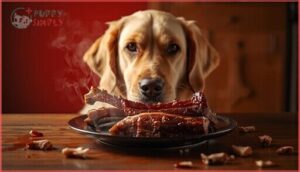
That plate of pork rib bones may look like a harmless treat, but for your dog, it’s a bundle of risk, not a reward. From a pet health and Dog Nutrition standpoint, the Pork Bone Risks are high and the benefits are very small.
For a detailed look at why these bones can splinter and cause harm, check out this guide on pork rib dangers for dogs.
Both raw and cooked pork rib bones can splinter, carry bacteria like salmonella and E. coli, and create a serious choking hazard that threatens dog health and Canine Wellness. Even when you’re careful, these bones don’t meet basic Bone Safety standards we use in veterinary advice.
Even though some raw meaty bone benefits are recognized for dogs, pork rib bones specifically still carry far greater safety concerns than advantages. So if you’re wondering whether pork rib bones belong in your dog’s bowl, the safest, most responsible answer is simple: they don’t.
Dangers of Pork Rib Bones for Dogs

While pork rib bones might seem like a tasty treat, they can actually cause more harm than good. Even a small piece can create serious problems inside your dog’s mouth or stomach.
Here are some of the biggest dangers you should know about before handing over a bone.
Choking Hazards
A pork rib bone may look harmless, but it’s a serious choking hazard. Its narrow shape can block your dog’s airway or throat in seconds, leading to life-threatening airway obstruction or esophageal damage.
Common signals include:
- Pawing at the mouth
- Gagging or retching
- Sudden coughing
- Difficulty breathing
Prompt choking prevention saves lives. They can also cause serious internal digestive injuries if bone fragments are swallowed.
Bone Splintering and Internal Injuries
Even when choking doesn’t happen, bone fragmentation can still cause serious harm. Cooked ribs splinter easily under your dog’s strong bite, creating sharp shards that puncture the gut lining or stomach wall. These splinter injuries can lead to gut perforation, internal bleeding, and painful abdominal trauma that quickly becomes life-threatening.
Splintered pork rib bones can tear a dog’s gut and cause deadly internal bleeding
| Risk Type | Injury Caused | Severity |
|---|---|---|
| Bone Fragmentation | Sharp splinters in tissue | High |
| Splinter Injuries | Gut perforation, bleeding | Severe |
| Internal Bleeding | Blood loss, weakness | Critical |
| Abdominal Trauma | Swelling, pain | High |
| Pancreatitis | Inflammation, vomiting | Serious |
Intestinal Blockages
Fragments that escape chewing can build up and cause a dangerous intestinal blockage. Large pieces from cooked bones harden, while smaller ones clump with food or hair—both Blockage Causes that stop digestion.
For a deeper look at how bone splinters form and why they’re risky, see this guide on the dangers of dogs eating rib bones.
Early Symptoms include vomiting, loss of appetite, and strain to poop. Only a Veterinarian can confirm blockage through Diagnosis Methods and prevent Complication Risks.
Dental Damage and Broken Teeth
Hard rib bones put dog teeth at real risk of tooth fracture and bone splintering. These fracture causes and damage types create serious pain risks and long-term oral health problems. Know the key warning signs and focus on prevention:
- Dropping food while chewing
- Avoiding hard chewing bones
- Chewing on one side
- Pawing at the mouth
- Sudden, noticeably worsening bad breath
Risk of Pancreatitis
Rich, greasy meat on Pork Rib Bones turns into a “High Fat Meal” that can overload your dog’s pancreas and spark acute Pancreatitis, not just mild Digestive Issues or a simple tummy upset. This Pancreas Strain is a major Dog Health Risk, especially with Breed Susceptibility, so my clear Veterinary Advice is to skip rib bones altogether.
| Risk Factor | Why It Matters |
|---|---|
| High Fat Meal | Sudden fat surge stresses the pancreas and can trigger Pancreatitis. |
| Pancreas Strain | Extra enzyme release may inflame the organ and cause severe pain. |
| Breed Susceptibility | Miniature Schnauzers and some small breeds react badly to greasy treats. |
| Past Pancreatitis | Any rib-bone “cheat” can cause dangerous relapse and worsening Digestive Issues. |
Raw Vs. Cooked Pork Rib Bones

For pork rib bones, how they’re prepared makes a big difference in safety. Raw and cooked bones behave very differently once your dog starts chewing.
For a detailed look at safe alternatives and what to do if your dog swallows a bone, check out this guide on what dogs can safely eat, including chicken nuggets.
Here’s what you need to know before deciding which, if either, is safe to offer.
Splintering Risks Compared
Ever wondered why pork rib bones splinter so easily? Rib Bone Fragility is the main issue—cooked bones dry out and snap under pressure, while raw bones still crack with strong Chewing Force Impact. Compared with Other Bone Types, these slender ribs shatter easily, raising the risk of sharp splinters or intestinal blockages.
| Bone Type | Durability | Splinter Risk |
|---|---|---|
| Pork Rib Bones | Weak | High |
| Beef Bones | Strong | Low |
| Raw Meaty Bones | Moderate | Medium |
Bacterial Contamination
Bacteria are the “invisible splinters” you can’t see but your dog’s body still has to fight. Raw Pathogen Risks from raw bones include Salmonella, E. coli, Listeria, and even Trichinella, so strict Food Safety for Dogs really matters. Cooked Bone Hygiene helps a bit, but re‑contamination from dirty hands, trash, or old leftovers can still trigger bacterial infection. Dog Gut Defenses (strong stomach acid and protective saliva) lower the risk, but they don’t erase it—puppies, seniors, and sick dogs are especially vulnerable.
| Bone Type | Main Risk | Key Food Safety Step |
|---|---|---|
| Raw pork rib | Raw Pathogen Risks | Chill, separate, disinfect |
| Cooked pork rib | Cooked Bone Hygiene | Refrigerate, discard early |
| No pork bones | Minimal bacteria | Choose safer chews |
Allergic Reactions
Allergic reactions to pork can appear suddenly—even a small bite can trigger itching, vomiting, or diarrhea in sensitive dogs. Some breeds react more often, tied to how their bodies process pork proteins. That’s why close monitoring and elimination diet trials remain necessary for confirming canine allergies and reactions linked to food toxicity.
| Allergy Symptoms | Prone Breeds |
|---|---|
| Itchy skin, hives | Labrador Retriever |
| Vomiting, diarrhea | Cocker Spaniel |
| Hair loss, redness | West Highland White Terrier |
| Lethargy, digestive upset | German Shepherd |
What to Do if Your Dog Eats a Pork Rib Bone

If your dog has managed to snag a pork rib bone, don’t panic—but don’t ignore it either. How you respond in the next few minutes can make a big difference. Here’s what to do and what signs to watch for next.
Immediate Steps to Take
If your dog swallows pork rib bones, act fast but stay calm. First, secure the area so no more bones are eaten. Check the mouth gently for lodged pieces, but don’t dig deep.
Call your vet right away for advice. Avoid actions like inducing vomiting—these can cause internal injuries.
Then follow your vet’s home monitor plan carefully.
Warning Signs of Distress
After following your vet’s advice, keep watch for distress. Breathing issues, repeated vomiting, or sudden diarrhea often appear first.
Signs like abdominal discomfort, gut problems, or straining can point to an intestinal blockage.
Lethargy and behavior shifts—such as hiding or restlessness—mean pain or anxiety.
These warning signals warrant prompt emergency pet care.
When to Contact a Veterinarian
When those warning signs appear, treat them as Urgent Symptoms, not “wait and see” problems. Call a veterinarian immediately for choking hazard, repeated vomiting, severe pain, or any sign of intestinal blockage.
Delayed Issues and Digestive Concerns can worsen fast, so respect your Monitoring Limits and start Vet Prep: note timing, amount of pork rib bones, and your dog’s habits.
Safe Alternatives to Pork Rib Bones
You don’t have to choose between your dog’s safety and their love of chewing. There are much safer options than pork rib bones that still keep your dog busy and satisfied.
In the next sections, you’ll see vet-recommended bones, chew toys, and simple habits that make chewing time safer for your dog.
Recommended Raw Bones
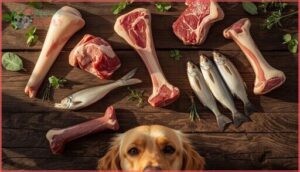
When you want safer bones with real nutritional benefits, think soft, edible raw bones rather than hard pork ribs.
Poultry Necks, Lamb Ribs, and even whole small Fish Bones are considered raw bones your dog can chew and digest, supporting Bone Safety for Dogs, Bone Size control, and basic canine dental care when matched carefully to your dog’s jaw and chewing style.
Vet-Approved Chew Toys
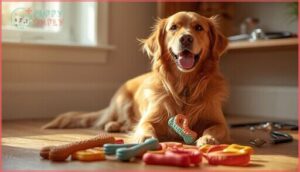
If raw bones make you uneasy, vet-recommended products like chew toys made from pet-safe materials offer safe enrichment without the risks.
Look for non-toxic alternatives built from natural rubber or nylon that meet chew toy safety standards. These toxic-free toys support dog safety and provide satisfying bone alternatives approved by veterinarians.
Tips for Safe Chewing Practices

Think of safe chewing as a small routine of dog safety precautions you repeat every time. Choose the right Bone Size so it’s longer than your dog’s muzzle, and avoid cooked bones completely because they’re a serious choking hazard.
Use clear Session Limits with supervised chewing, then stop and do quick Bone Checks for cracks or small pieces.
Afterward, rely on sturdy bone alternatives, and practice Proper Storage by refrigerating or discarding used bones so bacteria and splintering don’t creep up on you later.
Frequently Asked Questions (FAQs)
Can I give my dog a pork rib bone?
Absolutely not—pork rib bones are a classic “looks harmless, causes chaos” treat. Vet Recommendations and real-world Risk Assessment show Cooked Bones and even raw pork rib bones can splinter, cause Choking Hazard, Intestinal Blockage, and serious Digestive Health issues.
For Safety First and better Owner Decisions, a Veterinarian would steer you toward safer chews instead.
Which pork bones are safe for dogs?
Veterinary consensus is that no pork bone types are fully safe for dogs. Because of their bone hardness, fat content, and parasite risk, veterinarians recommend avoiding pork rib bones altogether and choosing safer bones or chew toys instead.
What bones are safe for dogs to eat?
Like choosing the right key for a lock, safe bones depend on your dog’s bone size, chewing style, and dental health. Veterinary advice favors large, raw bones from beef or lamb, plus careful supervision and strict dog bone safety, while pork rib bones remain off the list of safe bones.
Can you eat pork rib bones?
You technically can chew and swallow small pieces of pork rib bones, but it isn’t recommended for Human Consumption because they splinter, damage teeth, and can injure your throat or gut. Instead, use pork rib bones for Culinary Uses like long-simmered Bone Broth and Flavor Extraction, where the Nutritional Value is pulled safely into the liquid.
For dog bone safety, veterinary advice is clear that the risks of feeding dogs bones that can splinter, especially pork rib bones, outweigh any benefit, so keep these “treats” off your dog’s menu to avoid serious risks of feeding dogs bones.
Are some breeds more likely to chew bones safely?
Some breeds manage bones more safely due to stronger Jaw Structure, moderate Bite Force, and steady Chewing Style. However, differences in Body Size and Dental Health mean all dogs still face real risks of feeding bones.
How long can dogs safely chew on approved bones?
Over time, you’ll find a rhythm that balances joy and safety. For most healthy adults, aim for a Session Duration of about 10–20 minutes on safe bones, with Chewing Frequency around 2–3 times per week for dental protection and overall canine safety.
Age Adjustments matter: puppies and seniors usually need shorter chewing windows and softer dog bones.
Supervision Needs are non‑negotiable. Stay close, watch how your dog interacts with the chew, and remove even approved bones—especially pork rib bones—the moment they splinter, shrink too small, or change your dog’s normal chewing style.
Can puppies eat any type of bone safely?
Puppies shouldn’t chew any hard bones because their jaws and teeth are still developing. Teething risks, splinter hazards, and raw bone bacteria make pork rib bones unsafe. Your vet can guide safer options to avoid health risks.
Do dental chews provide the same benefits as bones?
Dental chews can give your dog many of the same dental health benefits as bones, including Plaque Reduction, Tartar Prevention, Fresher Breath, and Jaw exercise through chewing, while lowering the risks linked to periodontal disease in Canine Dental Care.
Are there any health benefits to giving dogs bones?
Like a good puzzle toy for the body and brain, the right kind of raw, dog-safe bones can offer real health benefits when used carefully. They can support Dental Health by scraping plaque, stimulating gums, and boosting Saliva Production, which helps wash away food and bacteria.
Some raw meaty bones also add nutritional benefits through natural calcium and other minerals, improving Mineral Intake and supporting bones, teeth, and Jaw Strength.
On top of that, the act of chewing itself provides Mental Enrichment, helping your dog relax, focus, and burn off stress in a natural, satisfying way.
Can puppies safely chew on pork rib bones?
No, puppies aren’t a Safe Puppy choice for chewing pork rib bones. Their Puppy Vulnerability, Smaller Airways, and Digestive Sensitivity mean a single splinter can cause choking, internal injury, or Infection Risk.
So, veterinary advice for pet owners is to avoid them for dog safety and health.
Conclusion
Regarding pork ribs, this is one bone you shouldn’t let your dog pick. The real question isn’t can dogs eat rib bones pork, but whether the risk is ever worth it. Weighing choking, splintering, and pancreatitis, most vets would say no.
You protect your dog best by choosing safer chews, supervising closely, and calling your veterinarian early if something seems wrong. That steady caution is one of the deepest forms of love.
- https://www.care.com/c/can-dogs-eat-rib-bones-why-these-bones-are-d/
- https://www.pawstruck.com/blogs/pawstruck-press/can-dogs-eat-pork-bones-safe-feeding-tips-and-better-alternatives
- https://www.thefarmersdog.com/digest/are-pork-bones-safe-for-dogs/
- https://pmc.ncbi.nlm.nih.gov/articles/PMC10758012/
- https://www.thehonestkitchen.com/blogs/pet-food-ingredients/rawhide-alternatives-for-dogs