This site is supported by our readers. We may earn a commission, at no cost to you, if you purchase through links.

Your Husky’s ice-blue eyes and boundless energy make it easy to imagine them racing through snow forever, but the reality is that most Siberian Huskies live between 12 and 14 years. That might seem generous compared to some larger breeds, yet genetics, diet, exercise habits, and preventative care can shift that number up or down by several years.
A female Husky, for instance, often outlives her male counterpart by about a year, and dogs fed high-quality protein with omega-3s tend to maintain healthier joints well into their senior stages.
Understanding what influences your Husky’s longevity—from the food bowl to the vet’s office—gives you practical ways to help your furry companion enjoy more happy, active years by your side.
Table Of Contents
- Key Takeaways
- How Long Do Huskies Live on Average?
- Husky Life Stages and Aging
- Key Factors Affecting Husky Lifespan
- Common Health Issues in Huskies
- Diet and Nutrition for Longevity
- Exercise and Care for a Longer Life
- Tips to Extend Your Husky’s Lifespan
- Frequently Asked Questions (FAQs)
- What is the leading cause of death in Huskies?
- What is considered old for a Husky?
- Can a Husky live for 20 years?
- At what age do Huskies slow down?
- What are the most common causes of death in older huskies?
- How can I monitor my huskys health as they age?
- What are the signs of cognitive decline in senior huskies?
- How can I adjust my huskys care as they transition to their senior years?
- What are signs a husky is nearing end of life?
- Can huskies live longer than 15 years?
- Conclusion
Key Takeaways
- Siberian Huskies typically live 12 to 14 years, with females outliving males by about a year when you provide excellent care through proper nutrition, exercise, and preventative health measures.
- Your Husky’s diet should contain 20-28% protein from lean meats and 12-18% healthy fats from fish or flaxseed, while daily exercise needs run 60 to 90 minutes to prevent obesity and maintain joint health throughout their lifespan.
- Regular veterinary checkups catch problems early—annual exams for adults and twice-yearly for seniors over age seven—while spaying or neutering eliminates reproductive cancers and reduces emergency surgery risks.
- Cancer remains the leading cause of death in Huskies, particularly in senior dogs, though genetic conditions like hip dysplasia and eye disorders (cataracts, progressive retinal atrophy, glaucoma) significantly impact quality of life when left unmanaged.
How Long Do Huskies Live on Average?
If you’re thinking about bringing a Husky into your family, one of the first questions you’ll probably ask is how long these gorgeous, spirited dogs stick around. The good news is that Huskies are generally healthy, hardy dogs with a decent lifespan compared to many other breeds.
Their gentle nature with children also means less stress for the dog, which contributes to their overall longevity—something worth considering if you’re weighing whether Huskies are good with kids.
Let’s break down what you can realistically expect regarding your Husky’s years with you.
Average Lifespan of Siberian Huskies
Your Siberian Husky’s lifespan usually ranges from 12 to 14 years, with many reaching their mid-teens when you provide excellent care. Genetic factors play a significant role in husky longevity, which is why health screening from responsible breeders matters so much. Female Huskies often outlive males by about a year, and the aging process stays remarkably steady when you maintain preventative health measures throughout their husky life stages.
Siberian Huskies typically live 12 to 14 years, with females outliving males by about a year when given excellent care
For more insights on best practices like, consult reputable sources to support your dog’s well-being.
Comparison to Other Dog Breeds
When comparing husky lifespan to other breeds, you’ll notice they sit comfortably in the middle range for dog life expectancy.
Here’s a quick breed size comparison:
- Small breeds like Chihuahuas often reach 15–17 years
- Medium breeds (Huskies, Beagles) average 12–14 years
- Large breeds (Newfoundlands, Labs) usually live 10–12 years
Energy level differences, training challenges, and breed-specific health issues all influence these outcomes.
Female Vs. Male Husky Lifespan
Regarding gender lifespan differences, female huskies generally outlive males by a modest margin—averaging 13 to 15 years compared to males’ 12 to 14 years. These sex differences in husky longevity often relate to hormonal factors and metabolism variations. Spaying or neutering can influence these health disparities, potentially extending your Siberian husky’s average lifespan regardless of gender.
For a deeper understanding of how breed type also impacts longevity, explore the effects of.
Husky Life Stages and Aging
Your husky’s journey from a tiny, sleepy pup to a wise senior companion happens in distinct stages, each with its own quirks and care needs. Understanding these phases helps you know what to expect as your dog grows and ages, from the chaos of adolescence to the slower pace of their golden years.
Let’s walk through what each stage looks like and how you can tell where your husky is in their life journey.
Puppy and Adolescent Stages

Think of those early months as the blueprint for your Husky’s entire lifespan—every positive encounter and healthy habit you build now shapes their future health and wellness. Puppy socialization between 3 and 14 weeks sets the stage for behavioral development, while adolescent training from 6 to 18 months requires patience as your pup tests boundaries.
To support this critical window:
- Schedule regular vet visits every 6 to 12 weeks for growth monitoring and vaccinations
- Provide steady exercise adapted to developing joints, avoiding overexertion during growth spurts
- Maintain good diet and nutrition with high-quality puppy formula rich in protein and DHA
- Practice daily tooth brushing and gentle handling to establish grooming routines
- Use short, positive reinforcement sessions to build recall and impulse control
Nutrition planning during rapid growth prevents obesity while supporting brain and bone development, and consistent routines reduce stress as your Husky matures emotionally around 12 to 24 months.
Planning ahead for these nutritional and routine needs also helps you budget effectively, especially since understanding the full cost of a Husky includes ongoing expenses like quality food and preventive vet care during their crucial growth phases.
Adult and Senior Stages

Once your Husky reaches adulthood around 2 to 5 years, you’ll notice peak strength and endurance that gradually shifts into senior dog care needs by age 7 to 9, when aging symptoms like mobility issues and cognitive function changes become more apparent, signaling the shift from prime canine life stages into the senior years requiring specialized husky health and wellness attention.
| Life Stage | Age Range | Key Health Focus |
|---|---|---|
| Adult | 2–5 years | Peak fitness, weight management, joint health |
| Middle Age | 5–7 years | Metabolism monitoring, dental care, early screening |
| Senior | 7–9+ years | Arthritis prevention, vision/hearing support, gentle exercise |
| Geriatric | 10+ years | Comfort measures, frequent vet visits, quality of life |
As dog life expectancy progresses, health decline indicators like grey muzzle fur, slower recovery times, and reduced heat tolerance help you adjust care accordingly, ensuring your companion receives appropriate senior care throughout their husky lifespan.
How to Tell Your Husky’s Age

Determining your dog’s true age relies on teeth condition, coat changes, and eye health clues. Sharp white puppy teeth wear to yellowed molars by 6 to 8 years, while graying fur and cloudy eyes signal advancing canine life stages.
Regular veterinary checks combine these aging signs with bloodwork to estimate dog life expectancy, helping you tailor husky health and wellness care as husky behavior and psychology shift through their husky lifespan.
Key Factors Affecting Husky Lifespan

Your husky’s lifespan isn’t written in stone—it’s shaped by several controllable factors you can influence every single day. From the genes they inherit to the food in their bowl and the exercise they get, each piece plays a role in how many years you’ll share together.
Let’s look at the key factors that determine whether your husky lives a shorter, average, or exceptionally long life.
Genetics and Hereditary Conditions
Your dog’s DNA holds blueprints for more than just those striking blue eyes. Breed genetics shape your husky’s lifespan through inherited diseases like progressive retinal atrophy and hip dysplasia, both influenced by genetic disorders passed from parents.
Genetic testing reveals carrier status for breed-specific health issues, so you can work with your vet on preventative care. Understanding hereditary traits and DNA research helps you protect your husky’s health and longevity.
Diet and Nutrition
What you feed your husky shapes how long you’ll enjoy those sled-dog smiles. Pet nutrition and diet directly influence husky health through proper nutrient balance and digestive health.
Your meal planning should include:
- 20-28% protein from lean meats like chicken or fish, supporting muscle health while preventing food allergies
- 12-18% healthy fats from fish or flaxseed for energy and coat quality
- Complex carbohydrates from vegetables and whole grains to maintain steady caloric intake without weight gain
Exercise and Activity Level
Think of exercise as your husky’s fountain of youth—daily physical conditioning through vigorous exercise routines directly impacts longevity. You’ll want 60 to 90 minutes of playtime activities like brisk runs or outdoor adventures each day, combining fitness training with exercise and mental stimulation through puzzle toys.
This husky exercise regimen bolsters dog health and wellness while preventing obesity-related issues that shorten lifespan, making husky care and maintenance essential for exercise and dog health.
Environment and Living Conditions
Your husky’s home environment shapes their lifespan just as much as diet or genetics. Indoor climate between 60 to 70 Fahrenheit, outdoor safety with secure fencing, and air quality free from smoke or chemical cleaners all support a healthy lifestyle.
Noise reduction during storms and well-ventilated living spaces further contribute to their well-being. Exercise and mental stimulation together create ideal husky care and maintenance—essential ingredients for dog care that extends longevity.
Common Health Issues in Huskies

While huskies are generally hardy dogs, they’re prone to certain health conditions that can impact their quality of life and longevity. Understanding these common issues helps you catch warning signs early and work with your vet to keep your husky thriving.
Let’s look at the most significant health concerns you should be aware of as a husky owner.
Eye Disorders (Cataracts, PRA, Glaucoma)
Vision problems can quietly steal your Siberian Husky’s quality of life, but catching them early makes all the difference. Three major eye disorders affect this breed: cataracts that cloud the lens and blur sight, progressive retinal atrophy (PRA) causing gradual blindness starting with night vision loss, and glaucoma from dangerous pressure buildup.
Regular eye care tips include annual vet exams and watching for squinting or bumping into objects, since cataract surgery and glaucoma treatment work best when started promptly.
Hip Dysplasia and Joint Health
Just as important as your Husky’s eyes, their hips can silently deteriorate when the socket doesn’t properly cover the ball joint, creating looseness and uneven wear that leads to arthritis management challenges.
Watch for limping or trouble standing up, since early screening through veterinary radiographs helps you choose between non-surgical approaches like joint supplements and weight control, or surgical options including hip replacement for severe cases affecting your Siberian Husky’s lifespan.
Diet and Nutrition for Longevity

What you feed your Husky matters more than you might think—it’s one of the most powerful tools you have to extend their life and keep them thriving. A well-balanced diet customized to their unique needs can prevent obesity, support joint health, and even reduce the risk of certain diseases down the road.
Let’s break down what your Husky’s bowl should look like, how to keep their weight in check, and what happens when nutrition falls short.
Optimal Diet Composition for Huskies
A balanced husky diet puts animal protein center stage, with 20 to 30 percent of calories from sources like chicken, beef, or fish. Fat requirements sit at 15 to 25 percent for steady energy, while carbohydrate limits shouldn’t exceed 30 percent of their intake. Nutrient balance means pairing these macros with essential minerals, vitamins, and omega-3 fatty acids for coat health and joint support.
- Protein sources: Choose named animal ingredients as primary components in your husky’s meal planning
- Fat requirements: Include fatty fish or fish oil to deliver omega-3s for skin and coat quality
- Carbohydrate limits: Select complex carbs from whole grains and vegetables, avoiding simple sugars
Maintaining a Healthy Weight
Keeping your husky lean adds years to their life, plain and simple. Weight management through a balanced diet and nutrient intake prevents joint stress and metabolic disease, so you’ll want to feel your dog’s ribs easily without seeing them prominently.
Portion control means measuring meals rather than free-feeding, while healthy snacking limits treats to no more than 10 percent of daily calories.
Risks of Poor Nutrition
Malnutrition effects ripple through your husky’s entire body, weakening bones with calcium shortfalls and compromising immune defenses when vitamins A, C, and E run low.
Nutrient deficiencies slow wound healing, while dietary imbalance tips the scale toward obesity risks that strain joints and invite diabetes.
Digestive issues from inadequate fiber or imbalanced minerals further reduce canine health, ultimately shortening your companion’s years with you.
Exercise and Care for a Longer Life
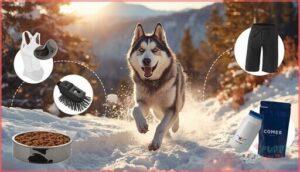
A husky isn’t built for couch life—these dogs are happiest when they’re moving, working, and exploring. Getting the exercise and care routine right doesn’t just keep your husky entertained, it actually adds healthy years to their life.
Here’s what you need to focus on to keep your husky thriving for the long haul.
Daily Exercise Requirements
Think of your Siberian Husky as an endurance athlete; without proper physical activity, their fitness levels drop and health suffers. To support your husky’s lifespan and overall dog care, aim for the following:
- 90 to 120 minutes daily of varied exercise routines for adults
- Two sessions splitting morning workouts and afternoon play
- Mix steady walks with sprint intervals for cardiovascular benefits
- Adjust intensity based on age and weather conditions
- Monitor fatigue signs to fine-tune energy management and prevent overexertion
Mental Stimulation and Enrichment
Mental enrichment is just as essential as physical exercise for extending your Siberian Husky’s lifespan. Puzzle toys challenge problem-solving abilities for 15 to 45 minutes per session, while scent games tap into natural hunting instincts. Mix in weekly training sessions teaching new tricks, interactive feeders that extend mealtimes, and supervised social playdates. This blend fosters animal behavior and training needs, reducing stress-related health problems and sharpening cognitive function throughout your husky’s life.
| Enrichment Type | Duration/Frequency | Key Benefit |
|---|---|---|
| Puzzle Toys | 15–45 min/session | Extended focus time |
| Scent Games | Under 15 min | Instinct stimulation |
| Training Sessions | 5–10 min daily | Cognitive resilience |
Grooming and Hygiene Practices
Your Siberian Husky’s grooming routine directly impacts their lifespan through disease prevention.
Coat maintenance demands daily brushing during twice-yearly shedding peaks, while dental health requires brushing 2 to 3 times weekly to ward off periodontal disease.
Trim nails every 3 to 4 weeks, check ears weekly for infection signs, and maintain skin hygiene with strategic bathing every 3 to 4 months—overbathing strips protective oils.
Tips to Extend Your Husky’s Lifespan

You’ve already done the heavy lifting with good food, daily runs, and mental games—now let’s talk about the finishing touches that can add quality years to your husky’s life.
These aren’t complicated tricks or expensive fixes, just smart, practical steps that work with everything else you’re already doing.
From routine vet visits to creating a calm home environment, here’s what really moves the needle.
Regular Veterinary Checkups
Regular vet visits serve as your husky’s safety net, catching problems before they snowball into serious conditions. Wellness exams should happen at least annually, but senior huskies benefit from twice-yearly checkups.
During these appointments, your veterinarian will perform health screenings, review vaccine schedules, assess dental care needs, and check for parasites—all critical factors that directly influence your Siberian husky’s lifespan and quality of life.
Preventative Healthcare and Vaccinations
Protecting your husky against disease starts with a solid vaccine schedule. Core vaccines—covering distemper, parvovirus, and adenovirus—begin at six to eight weeks, with boosters every three to four weeks until 16 weeks. Rabies shots, legally required in most states, commonly start at 12 to 16 weeks.
These preventative healthcare measures, combined with parasite control and regular vet visits, directly impact husky lifespan.
Spaying/Neutering Benefits
Spaying and neutering offer measurable health outcomes that directly influence husky lifespan. Beyond reducing pet population concerns and lowering medical costs tied to reproductive cancers, sterilization decreases behavioral changes like roaming and aggression. Surgical risks remain minimal with modern techniques, and recovery usually wraps up in 10 to 14 days. Here’s how sterilization aids your Siberian husky’s longevity:
- Eliminates ovarian, uterine, and testicular cancers entirely
- Reduces mammary tumor risk when done early
- Prevents life-threatening uterine infections like pyometra
- Lowers prostate problems in older males
- Decreases emergency surgeries related to pregnancy complications
Creating a Safe, Stress-Free Environment
Beyond medical care, your husky thrives when home feels like a true sanctuary. Quiet spaces with soft lighting and temps between 65 and 75 degrees lower stress during rest, while safe fencing prevents wandering.
Enrichment zones with puzzle feeders and rotating toys keep minds sharp, and routine household hazard checks—cords, toxic plants, cleaners—protect curious noses.
Stress reduction through predictable routines directly bolsters husky lifespan and overall dog care and health.
Frequently Asked Questions (FAQs)
What is the leading cause of death in Huskies?
Cancer causes the most husky deaths, particularly in senior dogs, while bloat, genetic disorders like cardiac defects, organ failure, and trauma also contribute to mortality rates across breed-specific health issues affecting husky lifespan.
What is considered old for a Husky?
Most Siberian Huskies enter their senior years around eight to ten years old, when you’ll notice slower activity levels, joint stiffness, and other aging symptoms that signal they need adjusted care and veterinary attention.
Can a Husky live for 20 years?
While it’s possible but exceptionally rare, a Husky reaching 20 years would be truly remarkable—outlasting the average lifespan by over six years.
This feat requires perfect genetics, nutrition plans, health supplements, and careful preventive care throughout the aging process.
At what age do Huskies slow down?
Most Huskies show noticeable Slowdown Signs around 6 to 8 years, when Senior Husky Care becomes essential. You’ll see reduced bursts during activity, longer recovery times, and increased napping as normal Aging Symptoms emerge.
What are the most common causes of death in older huskies?
As your Siberian Husky ages, organ failure, particularly kidney and liver disease, becomes increasingly common.
Alongside these issues, cancer causes like lymphoma and osteosarcoma are significant contributors to senior health decline and mortality rates.
How can I monitor my huskys health as they age?
Track your aging Siberian Husky’s health through regular veterinary care, monitoring weight and mobility changes, adjusting nutrition planning for senior wellness, and watching for aging signs like decreased energy or appetite shifts.
What are the signs of cognitive decline in senior huskies?
As your Siberian Husky enters their golden years, canine dementia may emerge through disorientation in familiar rooms, house-training accidents, sleep disruptions, memory loss with forgotten commands, and increased anxiety—hallmark aging symptoms affecting senior health.
How can I adjust my huskys care as they transition to their senior years?
As your Siberian Husky enters their senior years around age seven, you’ll want to switch to senior diet plans with higher fiber, schedule semi-annual vet visits for age-related diseases, and provide joint care tips like orthopedic bedding.
What are signs a husky is nearing end of life?
Like a candle flickering low, your aging companion shows telltale signs: appetite decline, mobility loss, labored breathing changes, confusion, and withdrawal.
These behavior shifts signal it’s time for compassionate veterinary care as dog aging reaches its natural end.
Can huskies live longer than 15 years?
Yes, some Siberian Huskies can reach beyond 15 years with superb genetics and ideal care.
While uncommon, extended living into the mid to high teens represents the max lifespan potential for this breed’s healthy aging journey.
Conclusion
Here’s the irony: worrying endlessly about how long do huskies live won’t add a single day to your dog’s life, but feeding quality protein, scheduling annual vet visits, and ensuring daily runs absolutely can.
Your Husky doesn’t need you to obsess over every statistic—just consistent care, preventative health measures, and enough exercise to satisfy that legendary stamina.
Do those things right, and you’ll likely enjoy many more years of ice-blue stares and playful howls together.
- https://www.aaha.org/your-pet/pet-owner-education/ask-aaha/canine-cancer/
- https://a-z-animals.com/blog/husky-lifespan-how-long-do-huskies-live/
- https://thehappypuppysite.com/husky-lifespan/
- https://www.bemidjipioneer.com/news/local/bagleys-balto-might-be-the-worlds-oldest-living-siberian-husky
- https://www.ridgecrestca.com/news/siberian-husky-soon-to-turn-19-world-record-pending/article_43bc80ee-ed96-11ec-8b2d-9b237740b528.html