This site is supported by our readers. We may earn a commission, at no cost to you, if you purchase through links.
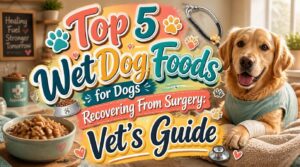
Your dog sniffs the bowl, looks up at you, and walks away. After surgery, that’s often the first sign something’s off—not pain, not lethargy, just a refusal to eat. I’ve seen this scenario play out in clinic after clinic, and it usually traces back to one thing: the food itself.
Recovery puts real demands on the body. Wounds need protein and zinc to rebuild tissue, inflammation needs omega-3s to settle down, and a stressed gut needs something gentle, not another challenge. Wet dog foods for dogs recovering from surgery solve a lot of this at once, offering moisture, palatability, and nutrients that dry kibble simply can’t match during those fragile first weeks.
Here’s what I look for on the label, and the five formulas that consistently earn a spot in my recommendations.
Table Of Contents
Key Takeaways
- Wet dog food supports post-surgery recovery by delivering hydration, palatability, and softer texture that’s easier on sore mouths and sensitive stomachs than dry kibble.
- Key recovery nutrients include protein and zinc for tissue repair, omega-3s to calm inflammation, and vitamins A, C, and D for immune and bone healing.
- Owners should avoid excess sodium, artificial dyes, heavy grease, hard-to-digest fillers, and table scraps, since these can strain a healing gut and slow recovery.
- Contact a veterinarian immediately if a dog refuses food for over 24 hours, vomits repeatedly, shows incision redness or discharge, or experiences sudden weakness, since these signal emergencies beyond nutritional fixes.
Top 5 Wet Dog Foods After Surgery
When your dog is recovering from surgery, the right wet food can make all the difference in getting them back on their paws. I’ve looked at nutrition profiles, ingredient quality, and real-world palatability to narrow down the best options. Here are five wet foods worth considering for your pup’s recovery journey.
If your pup is turning up their nose at mealtime, these tips on getting a sick dog to eat can help pair perfectly with the right recovery-friendly wet food.
1. Iams Proactive Health Chicken Rice
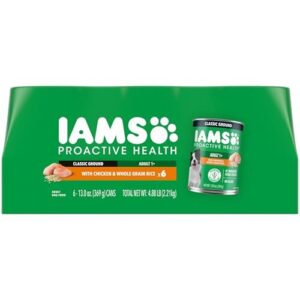
Iams Proactive Health Chicken Rice puts real chicken first on the label, which matters when your dog’s appetite is shaky post-op. Brown rice offers gentle, digestible carbs, while the added fish oil contributes omega-3s that help calm inflammation around the incision site.
At 78% moisture and 468 kcal per can, it keeps hydration and energy in check. I appreciate the balanced mix of vitamins—A, D3, B12—supporting immune recovery without overwhelming a sensitive gut.
| Best For | Adult dogs who need a complete, everyday wet food that supports muscle, skin, and coat health without any life-stage-specific requirements. |
|---|---|
| Food Form | Wet canned |
| Life Stage | Adult |
| Primary Protein | Chicken |
| Package Count | 6 cans |
| Artificial Additives | Yellow 6 |
| Fillers/Grain Free | Whole grain rice |
| Additional Features |
|
- Made with real chicken and high-quality animal protein for muscle support
- Formulated with whole grain rice for easy digestion
- 100% complete and balanced nutrition for adult maintenance
- Contains artificial coloring (Yellow 6)
- Includes carrageenan and gums (guar, xanthan) as thickeners
- Not suitable for puppies or senior dogs with specific life-stage needs
2. Hills Prescription Diet Onc Care Chicken
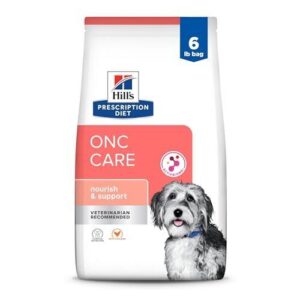
When your dog’s diagnosis goes beyond routine surgery, this formula earns its place. ActivBiome+ technology helps maintain gut microbiome balance, which matters for dogs facing cancer treatment alongside recovery. Chicken and chicken liver flavor drive palatability, while chicken fat and fish oil supply omega-3s at 0.34%.
Sodium stays low at just 0.02%, easy on compromised kidneys. Added zinc oxide and ferrous sulfate support cell division and healing. It’s prescription-only, so you’ll need your vet’s sign-off first.
| Best For | Dogs undergoing cancer treatment who need extra support maintaining weight, energy, and appetite during recovery. |
|---|---|
| Food Form | Dry kibble |
| Life Stage | Adult |
| Primary Protein | Chicken |
| Package Count | N/A |
| Artificial Additives | None listed |
| Fillers/Grain Free | N/A |
| Additional Features |
|
- ActivBiome technology helps keep gut microbiome balance in check during treatment
- Omega-3s from chicken fat and fish oil support immune function
- Low sodium content (0.02%) is gentler on compromised kidneys
- Requires a veterinary prescription, so it’s not something you can just pick up
- Not suitable as a everyday food for healthy dogs
- Formulated for a specific medical need, so it may not fit dogs with other health conditions
3. Pedigree Beef and Country Stew Dog Food
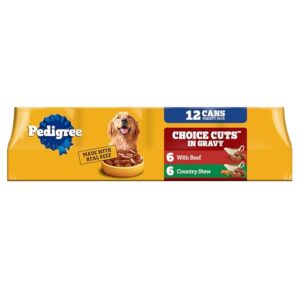
Not every recovering dog needs a prescription diet, and that’s where Pedigree Beef and Country Stew fits in nicely. Real beef leads the ingredient list, delivering the animal protein your dog needs for muscle repair, all wrapped in a gravy that appeals to reluctant appetites.
With over 50% moisture, it helps with hydration during recovery. Do watch for wheat gluten and Yellow 6 dye, though, since sensitive stomachs may not tolerate either one well.
| Best For | Adult dogs recovering from illness or with a picky appetite who need an easy-to-eat, high-moisture meal to support hydration and muscle repair. |
|---|---|
| Food Form | Wet canned |
| Life Stage | Adult |
| Primary Protein | Beef |
| Package Count | 12 cans |
| Artificial Additives | Yellow 6 |
| Fillers/Grain Free | Wheat flour |
| Additional Features |
|
- High-quality animal protein supports lean muscle maintenance and recovery
- Over 50% moisture content helps keep dogs hydrated
- No added sugar, artificial flavors, or high fructose corn syrup
- Contains wheat flour and wheat gluten, which may not suit sensitive stomachs
- Includes Yellow 6 artificial coloring in the Country Stew recipe
- Not suitable for puppies, as it’s formulated for adult dogs only
4. Purina ONE Chicken and Beef Dog Food
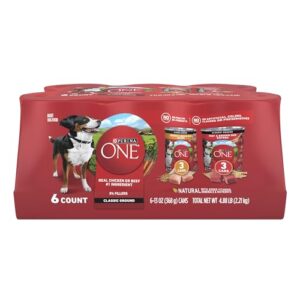
If gravy-based stews feel too rich for a sensitive belly, Purina ONE’s SmartBlend offers a gentler middle ground. Real chicken leads the ingredient list, with beef added for flavor and extra amino acids, and there’s no poultry by-product filler weighing it down.
I appreciate that it skips artificial colors and flavors, which matters for dogs already dealing with digestive stress. The soft, moist texture goes down easy, and added vitamins support immune and bone health—calcium and phosphorus included—during a vulnerable recovery window.
| Best For | Adult dogs with sensitive stomachs who need a nutrient-dense, easy-to-digest wet food without artificial fillers. |
|---|---|
| Food Form | Wet canned |
| Life Stage | Adult |
| Primary Protein | Chicken/Beef |
| Package Count | 6 cans |
| Artificial Additives | None listed |
| Fillers/Grain Free | Grain free |
| Additional Features |
|
- Real chicken and beef provide high-quality protein without corn, wheat, or soy
- No poultry by-products, keeping the formula simple and easy on digestion
- Added antioxidants and vitamins support immune health and overall wellness
- Contains carrageenan and guar gum, which some sensitive dogs may not tolerate well
- Includes egg products, which could be an issue for dogs with egg allergies
- Not tailored specifically for puppies or senior dogs, limiting its use across life stages
5. Blue Buffalo Beef and Chicken Dog Stew
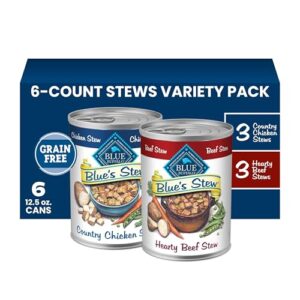
Rounding out the list is Blue Buffalo’s Beef and Chicken Stew, a solid pick when your dog needs variety without sacrificing quality. Real beef and chicken lead each recipe, chunks simmered in gravy for easy swallowing.
I like that it’s grain-free with no by-product meals or artificial preservatives. Peas, carrots, and potatoes add gentle fiber, while zinc, iron, and B vitamins support tissue repair. The variety pack (three beef, three chicken) keeps mealtime interesting during a long recovery stretch.
| Best For | dogs recovering from illness or surgery who need a palatable, easy-to-eat meal along with owners who want variety without switching brands. |
|---|---|
| Food Form | Wet canned |
| Life Stage | Adult |
| Primary Protein | Beef/Chicken |
| Package Count | 6 cans |
| Artificial Additives | None listed |
| Fillers/Grain Free | Grain free |
| Additional Features |
|
- Real beef and chicken lead the ingredient list in every can
- Grain-free formula skips corn, wheat, soy, by-product meals, and artificial preservatives
- Variety pack offers two flavors to keep mealtime interesting
- Minimum crude protein of 8.0% is lower than some other therapeutic or recovery diets
- Beef recipe also contains chicken, which isn’t ideal for dogs with poultry sensitivities
- Any unused portion needs refrigeration, so it’s less convenient than dry food
Why Wet Food Supports Recovery
Wet food isn’t just easier for your dog to eat—it actually works with their body to speed things along. Between hydration, appetite, and comfort, there’s a lot happening in that bowl after surgery. Here’s what makes it such a smart choice during recovery.
Just make sure treats stay off the menu for now—even something seemingly harmless like mint candy can upset a healing dog’s stomach and slow recovery down.
Easier Chewing After Surgery
Sore jaws don’t handle crunching well. After oral or jaw surgery, your dog needs soft food diets that require minimal chewing effort. Wet dog food beats soft bite kibble hands-down for mashable texture.
Recovery guidance follows stepwise diet progression:
- Liquids or purées first
- Soft, minced textures next
- Regular food once healed
This gradual approach protects mouth comfort while keeping meals easily digestible and appetizing. Maintaining adequate hydration levels is also essential to support the healing process.
Higher Moisture for Hydration
Getting enough fluids after surgery matters as much as pain control, and wet dog food delivers water your dog might otherwise skip drinking. Compared to kibble, moisture content runs far higher, easing kidney workload during recovery.
| Method | Hydration Boost | Monitoring Tip |
|---|---|---|
| Low-sodium broth | High | Track urine color |
| Small frequent meals | Moderate | Log fluid intake |
| Warmed portions | Moderate | Watch stool changes |
Strong Aroma Boosts Appetite
Ever notice your dog’s nose twitch before she even opens her eyes? That’s the cephalic phase response at work—odors alone trigger digestive priming and saliva flow.
Warmed wet dog food releases stronger aromas, sparking sensory appetite priming and learned aroma cues from past meals. This odor-driven intake encourages faster meal initiation, supporting appetite stimulation during postoperative nutrition when your recovery diet needs every advantage.
Softer Texture for Comfort
Think of chewing after surgery like walking on a sore ankle—every unnecessary step hurts. Pate-style textures need almost no effort, while chunks in gravy can be mashed smoother for easier handling.
Softer consistency means less mouth irritation and better swallowing ease, especially with sore teeth or a healing jaw. Stirring in warm broth gives you full texture consistency control, supporting comfortable postoperative nutrition without sacrificing palatability.
Helps Hide Medications
Pilling a groggy, post-op dog can feel like a standoff nobody wins. That’s where wet food earns its keep: the moist, gravy-rich texture makes pill crushing safety simple and hides taste completely.
Crush tablets fine, fold into pate, and the strong aroma masks any bitterness. This flavor-masking trick solves pill refusal fast, without stress for you or your dog.
Nutrients Dogs Need for Healing
Healing isn’t just about what your dog eats—it’s about what’s actually in that food. Your dog’s body needs specific building blocks right now to repair tissue, fight inflammation, and bounce back stronger. Here are the five nutrients you’ll want to check for on that label.
Protein for Tissue Repair
Your dog’s incision needs building blocks, not just calories. Amino acids like glycine and proline drive collagen synthesis, letting fibroblasts remodel tissue as it heals.
Highly digestible protein from real animal sources also preserves muscle mass while activity drops, and fuels immune cell proliferation. That’s why quality wet dog food emphasizing meat-first protein genuinely accelerates muscle repair and tissue repair together.
Omega-3s for Inflammation
Omega-3 fatty acids, particularly EPA and DHA, work differently—they calm inflammation rather than just fueling repair. They reduce inflammatory cytokines and compete with arachidonic acid in the eicosanoid pathway, easing swelling.
- Less post-op swelling
- Calmer, more comfortable healing
- Better appetite return
Compared to standard diets, an anti-inflammatory recovery diet with quality wet dog food helps with pro-resolving mediators and gentler cell membrane remodeling.
Zinc for Cell Growth
Zinc works at the cellular level, quietly directing DNA synthesis and RNA transcription every time new tissue forms. It’s a key player in cellular signaling and even shapes the structure of proteins your dog’s body needs for repair. Zinc deficiency slows healing noticeably.
| Zinc’s Role | Effect on Recovery |
|---|---|
| DNA/RNA synthesis | New cell formation |
| Signaling | Regulates proliferation |
| Deficiency | Slower wound healing |
| Transport | Balances cellular uptake |
Iron for Oxygen Transport
Every heme group in hemoglobin holds an iron ion, and that’s what actually grabs oxygen for the trip through your dog’s bloodstream. Without enough iron, hemoglobin levels drop and less oxygen reaches healing tissue.
Iron also fuels cellular energy production and keeps oxidative damage in check. That’s why recovery diets built around real, highly digestible protein matter so much for metabolic support.
Vitamins A, C, and D
Three vitamins do heavy lifting here: A, C, and D. Vitamin A maintains epithelial tissue health, keeping your dog’s gut lining and immune barrier function intact. Vitamin C drives collagen synthesis, essential for incision healing. Vitamin D takes care of bone mineralization support, useful post-orthopedic surgery.
- Smooth, resilient skin knitting back together
- A sturdy immune shield lining the gut
- Bones quietly rebuilding their mineral framework
Together, they’re antioxidant protection and postoperative care rolled into one recovery diet.
Ingredients to Look For
Once you know why nutrients matter, the next step is reading labels like a pro. Not every can of wet food delivers on that promise, even when the marketing sounds convincing. Here are five ingredients worth checking for before it goes in your dog’s bowl.
Real Meat First
Look for real chicken or beef listed as the first ingredient, not a meal or by-product. That’s your clearest sign of highly digestible protein.
I appreciate brands sourcing antibiotic-free poultry or grass-fed beef—quality matters here. Whole organs add organ nutrient density, too. Human-grade sourcing signals strict meat quality standards, something every recovering dog deserves.
Digestible Rice or Potatoes
Not all carbs digest the same way. White rice works well post-surgery because cooking gelatinizes its starch, speeding digestion—unlike waxier or high-amylose varieties, which break down slower. Sweet potatoes offer similarly gentle carbohydrate absorption.
I’ve noticed dogs handle these easier than grain-heavy fillers. Skip reheated leftovers, though—resistant starch can form during storage, complicating digestion when your dog’s gut needs simplicity, not a science experiment.
Pumpkin for Gentle Fiber
Pumpkin isn’t just a fall fad—it’s a gut-healing multitasker. Canned pumpkin offers both soluble and insoluble fiber, helping stool consistency and prebiotic gut benefits simultaneously.
What to look for:
- 100% pumpkin, no spiced mixes
- Small starting dose, scaled by weight
- Monitor stools before increasing
Start small, watch closely. This easily digestible addition helps gastrointestinal recovery without overwhelming a sensitive system.
Low-sodium Broth
Bone broth sounds simple, but sodium hides in surprising places. Even "no salt added" broths carry natural sodium from meat and bones.
| Read This | Why It Matters |
|---|---|
| Sodium per serving | Confirms true low-sodium status |
| Ingredient list | Flags herbs, not potassium substitutes |
Watch for potassium salt risks—not always dog-safe. Homemade broth, simmered with dog-safe herbs, keeps sodium controlled and hydration high.
Added Probiotics
A probiotic label listing "probiotics" alone tells you little—look for strain specificity, like LGG, plus CFU labeling showing viable counts. Strains matter because effects on digestive health vary widely.
Quality probiotics support gut colonization, crowd out pathogens, and aid microbiota normalization after antibiotics or surgery. Metabolite production, including short-chain fatty acids, helps restore microbiome balance—one more reason wet dog food benefits recovery so well.
Ingredients to Avoid Post-Surgery
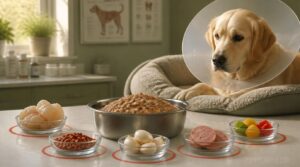
Knowing what to feed your dog matters, but knowing what to skip matters just as much. Some ingredients can quietly stress a healing gut or slow recovery without you even noticing. Here are five things worth keeping off your dog’s plate right now.
Excess Sodium
Salt seems harmless, sprinkled into so many pet foods for flavor—but for a healing dog, it’s a quiet troublemaker.
Excess sodium triggers sodium-induced swelling, raises blood pressure strain on a recovering heart, and adds kidney health risks your dog can’t afford right now.
- Check labels for "low sodium" wording
- Avoid processed table scraps
- Watch for bone density impacts long-term
- Know sodium poisoning symptoms: excessive thirst, vomiting
- Prioritize gentle, nutritional rehabilitation
Artificial Colors
Bright colors in dog food exist for one reason: to catch your eye, not your dog’s nose. Synthetic dyes like Red 40 or Yellow 5 offer zero nutritional value and add unnecessary chemical load during healing.
Check labeling accuracy—true ingredient analysis matters more than appearance now. Regulatory standards permit these dyes, but "approved" isn’t the same as "beneficial." Choose naturally-colored formulas whenever possible.
Heavy Grease
Color’s cosmetic, but grease is functional overload—your dog’s gut doesn’t need either right now.
Excess fat mimics lubricant film thickness in machinery: too much, and it just sits there, undigested, straining bile production during wound healing.
- Greasy toppers slow digestion
- Can trigger pancreatitis flare-ups
- Reduces palatability for sensitive stomachs
- Adds calories without immune support
- Increases GI upset risk post-surgery
Choose lean, easily digestible food instead.
Hard-to-digest Fillers
Grease isn’t the only bulk offender—cheap fillers cause trouble too. Ingredients like maltodextrin spike glycemic response fast, while xanthan or guar gums cause bloating and gas. Emulsifiers like soy lecithin trigger digestive irritation in sensitive stomachs.
| Filler Type | Effect | Better Choice |
|---|---|---|
| Maltodextrin | Blood sugar spike | Sweet potato |
| Gums/Thickeners | Bloating, fermentation | Pumpkin |
| Emulsifiers | GI irritation | Bone broth |
Choose highly digestible ingredients instead.
Unapproved Table Scraps
Since your dog’s dinner table is off-limits during recovery, resist those pleading eyes. Dangerous bone fragments splinter easily, toxic seasoning risks like garlic lurk in gravies, and dairy intolerance issues worsen gastrointestinal upset.
Xylitol poisoning threats hide in sweetened scraps, while spoiled food bacteria thrive on countertops. Stick to a bland diet or soft food diet for safe canine dietary management.
Feeding Tips During Recovery
Choosing the right food is only half the battle—how you feed it matters just as much during recovery. Your dog’s appetite, digestion, and comfort all respond to the small details in your feeding routine. Here are five simple tips I recommend to every pet owner dealing with post-surgical care.
Serve Small Frequent Meals
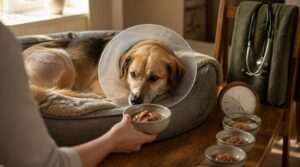
Think of your dog’s healing gut like a patient easing back into work—too much, too soon backfires. Offer meals every 2-4 hours instead of one or two large ones. This keeps feeding volume distribution manageable, easing digestive strain.
Watch appetite at each sitting. If your dog skips one, don’t panic—just adjust the next portion size accordingly.
Warm Food Slightly
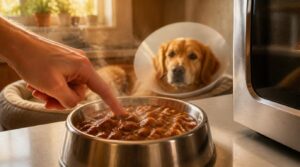
Popping cold food straight from the fridge? Most dogs turn up their noses—especially post-surgery. A few seconds in the microwave changes everything: warming triggers aroma release, making the best canned dog food after surgery smell irresistible even to a picky patient.
Test it on your wrist first, like a baby bottle. Mouth irritation makes hot food genuinely painful, so aim for lukewarm, never steaming.
Add Broth for Moisture
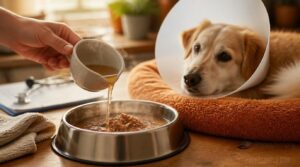
A splash of low-sodium chicken or bone broth turns dry, unappetizing kibble into something your dog actually wants to eat. Add it gradually, checking texture as you go, since too much leaves meals runny and too little stays dry.
Skip anything with garlic, onion, or xylitol—common toxic seasonings hiding in flavored broths. Plain, warm broth boosts hydration and palatability without the risk.
Monitor Stool Changes
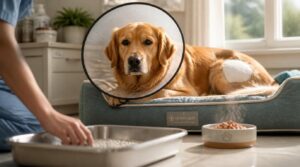
Your dog’s litter box tells a story worth reading. Healthy stool should look light to dark brown and hold a soft, solid shape—think Bristol type 4.
Watch for black, tarry, or pale stool, or any blood, and call your vet if loose stools or straining last more than a couple days. Tracking frequency helps catch gastrointestinal upset early.
Transition Foods Gradually
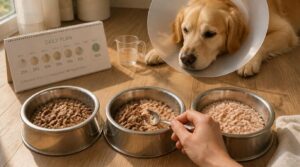
Once your dog’s ready for regular meals again, resist the urge to swap bowls overnight. A gradual mixing ratio—75% old food, 25% new—started over 7-10 days protects digestive comfort.
Watch for digestive adaptation signs like normal stool and steady appetite before increasing the new portion. If upset appears, pause the staged feeding timeline. Customizing switch speed matters most for sensitive pups.
Homemade Wet Recovery Meals
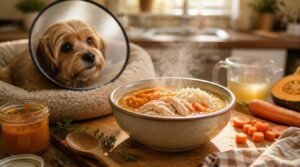
Sometimes the best recovery meal is one you make yourself, with ingredients already in your kitchen. Homemade options give you full control over what goes into your dog’s bowl, which matters when their gut is still healing. Here are five simple recipes worth keeping on hand.
Chicken and White Rice
Chicken and white rice is still the go-to for post-surgical bland diets, and for good reason. This mild pairing offers lean protein for wound healing while keeping fat and fiber low.
I like blending it with warm broth for a spoonable, hydrating texture dogs digest easily. Shredded chicken plus soft rice means gentler swallowing—ideal comfort food during those tender first recovery days.
Turkey and Sweet Potato
Once your dog’s ready for more variety, ground turkey mixed with mashed sweet potato makes a nutrient-dense upgrade. Skip ultra-lean turkey—some fat aids healing and palatability.
Bake sweet potato until fork-tender, mash it in. Season lightly with cinnamon or garlic powder, add low-sodium broth for moisture, and portion into small batches for easy digestive comfort during wound healing.
Pumpkin Banana Purée
Some dogs turn their nose up at meat by day three—that’s when I reach for something sweeter. Mix canned pumpkin puree with one ripe banana until smooth; no flour or thickeners needed, since the pair naturally creates a thick, spoonable texture.
Add a pinch of cinnamon for aroma. Refrigerate up to three days, and thin with water if your dog needs easier swallowing during recovery.
Eggs With Cottage Cheese
Scrambled eggs mixed with cottage cheese make a protein-rich, easy-to-swallow meal your pup can actually finish.
Egg protein offers a complete amino acid profile with excellent digestibility, while cottage cheese adds calcium and B12.
- Gentle, moist bites that soothe a healing belly
- Calcium supporting bone strength
- Choline nourishing brain function
- High-quality animal protein for repair
- Easy, comforting nutrition when appetite lags
Oatmeal for Sensitive Stomachs
A spoonful of plain oatmeal can work wonders when your dog’s gastrointestinal system needs a gentler touch. The soluble fiber and beta glucan create a gel-like texture that helps with healthy stool formation.
Prepared with water (never milk), this low-irritant option offers gentle carbohydrate energy without added fats or sodium. Mix a small portion into wet dog food, and you’ve got easy, highly digestible support for a sensitive stomach during recovery.
When to Call Your Veterinarian
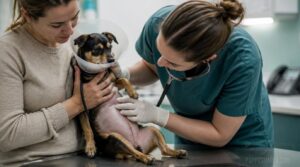
Even with the best food and the most patience, some situations call for more than home care. Knowing which warning signs matter most can save you a stressful ER visit or, worse, a delay in real trouble. Here’s what should prompt a call to your vet, no hesitation needed.
Refusing Food Over 24 Hours
One full day without eating is your cutoff, no exceptions. By 24 hours, glycogen stores are gone and your dog’s body starts breaking down fat and protein for energy—triggering fatigue, dehydration risk, and electrolyte imbalances.
Even mild appetite loss during canine convalescence deserves a call if it stretches past a day. Don’t wait for weakness or cognitive changes to show clinical concern.
Repeated Vomiting
How many times is too many? More than two episodes in a day, or any vomiting lasting past 24 hours, warrants a call.
Watch for:
- Coffee-ground or bloody vomit
- Repeated heaving with nothing coming up (possible GI blockage)
- Cyclic patterns with brief "well" spells
- Lethargy or dry gums (dehydration warning signs)
- Refusal of even wet food or water
Electrolyte imbalance happens fast—don’t wait it out.
Diarrhea After Feeding
A little loose stool isn’t alarming, but a pattern is. If it follows meals consistently, think medication timing, portion size, or a sudden temperature change in the food.
| Trigger | Common Cause | Action |
|---|---|---|
| New protein | Sensitivity | Switch back |
| Large meal | Overload | Reduce portions |
| Cold food | GI upset | Warm slightly |
If it persists past a day, call your vet.
Incision Redness or Discharge
Your dog’s incision tells a story, and you’re the one reading it daily. Mild redness at the edges is normal; spreading redness, red streaks, warmth, or swelling isn’t.
Watch drainage color too—clear or slightly pink fluid is fine, but thick, cloudy, or foul-smelling discharge signals infection. Wound dehiscence (the incision reopening) needs immediate vet attention, alongside good nutrition supporting tissue repair and immune defense.
Sudden Weakness or Pain
Weakness that comes on suddenly is never something to feed through—it’s a neurological emergency sign, not a nutrition problem. Watch for one-sided limpness, breathing difficulty, or bladder control loss.
Sudden weakness isn’t a nutrition problem—it’s a neurological emergency that means stop feeding and call your vet now
Nerve compression symptoms or rapidly progressing weakness alongside surgical recovery mean stop the wet dog food and call your vet now. Even the best therapeutic nutrition can’t fix what needs urgent hands-on care.
Frequently Asked Questions (FAQs)
What words do dogs hear best?
Short, sharp, and sung like a happy little bell — that’s the sweet spot. Crisp consonants in words like "sit" or "come," paired with an upbeat, high-pitched tone, grab attention fastest and stick best in your dog’s memory.
Can puppies eat the same recovery food as adults?
Only short-term, and with vet approval. Puppies have growth stage requirements for protein, fat, and minerals that adult recovery formulas won’t meet — feeding it too long risks puppy nutrient gaps and calorie imbalances during a critical developmental window.
Is it safe to mix wet and dry food?
Funny how "just mix it in" sounds simple, yet it’s where calorie density shifts and stool consistency changes sneak up fastest. Go gradual, watch hydration, and recalculate portions—your dog’s gut will thank you.
How much wet food should a recovering dog eat?
Base portions on calorie density, not cup size—check the label, then use weight-based portioning guidelines. Split the daily total into frequent small meals, favor hydration over extra calories, and adjust gradually if stools loosen during recovery.
Conclusion
Recovery is a bridge, and the right bowl is one plank holding steady while the rest heals. Choosing wisely among wet dog foods for dogs recovering from surgery isn’t about brand loyalty; it’s about matching moisture, protein, and gentleness to what your dog’s body is asking for.
Watch the bowl, watch the stool, watch the energy return. Small, careful choices now build the foundation for a full recovery—one meal, one day, one wagging tail at a time.
- https://www.petsmart.com/dog/food/canned-food/iams-proactive-health-classic-ground-chicken-and-rice-adult-wet-dog-food-13-oz-can-84298.html
- https://www.ncbi.nlm.nih.gov/books/NBK559201/
- https://pmc.ncbi.nlm.nih.gov/articles/PMC3512364/
- https://purformhealth.com/blog/zinc-and-cell-growth/
- https://academic.oup.com/jn/article-abstract/130/5/1500S/4686427?redirectedFrom=fulltext