
This site is supported by our readers. We may earn a commission, at no cost to you, if you purchase through links.
Most dog owners grab a training collar off the shelf without knowing there’s a fundamental difference in how these tools communicate with your dog. A vibration collar sends a tactile buzz—think of it like a gentle tap on the shoulder. A shock collar delivers an electrical pulse through contact points pressed against the skin. Same remote, very different sensations.
Understanding the difference between shock and vibration training collars matters because the wrong choice can create stress, confusion, or even physical harm. Each tool fits a specific dog, situation, and training goal—and knowing which is which puts you in control before you ever click that remote.
Table Of Contents
Key Takeaways
- Vibration collars use a motor to create a tactile buzz, while shock collars deliver an electrical pulse through contact points — same remote, but completely different sensations for your dog.
- Picking the wrong collar for your dog’s temperament can quietly damage trust and create stress, so always match the tool to the individual dog, not just the behavior you want to fix.
- Vibration collars are the safer default for sensitive, anxious, or hearing‑impaired dogs, while shock collars should only be considered in high‑stakes safety situations and with proper training guidance.
- No matter which collar you choose, pairing it with positive reinforcement and starting at the lowest effective level is what turns the tool into something that actually builds your bond.
Shock Vs Vibration Collar Basics
Before picking a training collar, it helps to know what you’re actually working with. These two tools look similar but work in very different ways.
Getting the fit right is just as important as the type you choose, so it’s worth reviewing how to properly fit a training collar on your dog before you commit to one.
Here’s a quick breakdown of the basics.
What a Vibration Collar Is
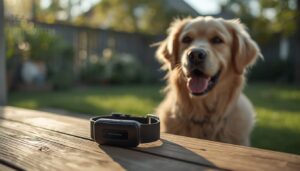
vibration collar is exactly what it sounds like — a device that sends gentle vibrations to your dog’s neck instead of a shock. Inside sits a small motor actuator design that converts battery power into a tactile buzz. It’s a nonpainful correction that simply gets your dog’s attention. Research shows that an adjustable vibration intensity helps dogs focus without pain.
| Feature | What It Means for You |
|---|---|
| Adjustable intensity settings | Match the buzz to your dog’s size and sensitivity |
| Vibration pattern customization | Choose short pulses or longer rumbles |
| Comfortable fit materials | Safe for all-day wear |
| Battery life indicator | No surprise shutoffs mid-session |
wireless communication protocol connects the collar to your remote instantly.
What a Shock Collar Is
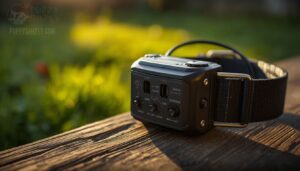
A shock collar takes a different approach. Instead of a buzz, it delivers a brief electric shock through contact points pressed against your dog’s skin.
The device housing materials are built tough for outdoor use, and most models come with legal compliance labels required in many regions.
From my experience, understanding what you’re working with matters.
| Feature | What It Does | Why It Matters |
|---|---|---|
| Contact Point Design | Presses against skin to deliver electric shock | Ensures consistent stimulus delivery |
| Adjustable Intensity | Varies aversive training level | Reduces unnecessary discomfort |
| User Training Guidance | Included in most manuals | Facilitates responsible negative reinforcement use |
| Safety Shutoff | Stops stimulation automatically | Key safety consideration for electronic training collars |
| Legal Compliance Labels | Region-specific regulatory warnings | Keeps you legally protected |
How Each Collar Activates

Both collars rely on radio frequency signaling to connect your remote to the receiver on your dog’s neck. Press the button, and the signal travels almost instantly.
A vibration collar spins an eccentric motor to create that tactile buzz. A shock collar uses contact prong activation against the skin.
Some models even support proximity geofencing triggers and smart battery power management.
| Activation Feature | Vibration Collar | Shock Collar |
|---|---|---|
| Signal Method | Radio frequency remote | Radio frequency remote |
| Stimulus Source | Eccentric motor vibration | Contact prong activation |
| Auto Trigger Option | Sound/bark sensor | Sound/bark sensor |
| Range | Up to 1,000 meters | Up to 1,000 meters |
Pulse Stimulation Vs Tactile Buzz

Think of it this way — one tool rattles, the other zaps. Dog collar vibration creates a gentle buzz, your dog feels as a physical shake, while a shock collar delivers a brief electrical pulse. Stim vs. vibration really comes down to sensation type.
For older dogs especially, that difference matters — vibration and tone collars for senior dogs tend to be far kinder on aging, sensitive systems.
| Feature | Vibration | Shock Collar |
|---|---|---|
| Sensory Perception | Tactile buzz | Electrical pulse |
| Signal Timing | Sustained buzz | Brief stim pulse |
| Adjustable Intensity Settings | Fixed vibration intensity | Multi-level adjustable |
Stimulus Strength and Control

Once you’ve got a handle on how each collar works, the next question is how much control you actually have over the stimulus. That depends on a few key factors — and they’re pretty different between the two collar types.
Here’s what to look at.
Adjustable Shock Intensity Levels
One of the biggest advantages of a shock collar is control — you’re not locked into one setting. Most models offer adjustable intensity settings, letting you dial up or down based on your dog’s response. Think of it like progressive calibration: start low, observe, adjust.
Here’s how adjustable levels generally work:
- Start at the lowest setting — always begin there, no exceptions
- Increase in small increments — one or two steps at a time
- Test across different situations — stress impact varies by environment
- Use electronic control features — some models auto-adjust via sensors
The goal is to find the lowest effective level.
Fixed Vibration Strength
Vibration collars work differently — there’s no stimulus intensity adjustment here.
Your vibration collar runs at a fixed vibration intensity, delivered by a solid-state actuator built for long-term actuator durability and calibration tolerance across thousands of cycles.
That consistency is actually a strength. Consistent cueing means your dog gets the same predictable buzz every time, which facilitates reliable learning.
Fixed output also improves energy efficiency and battery longevity.
Remote Range and Trigger Modes
Most remotes control your collar from 300 to 1,000 meters out, depending on the model. Dual-channel remotes let you switch between stimulus types without fumbling.
Features like signal strength indicators and proximity sensor integration help you stay aware of your dog’s position. Range detection algorithms adjust for obstacles, and boost ramp triggers escalate response if your dog ignores the first cue.
Continuous Buzz Vs Brief Pulse
A steady buzz and a brief pulse feel completely different for your dog.
continuous buzz works like a gentle tap on the shoulder — low arousal impact, great for attention duration during calm redirection.
Static pulse, by contrast, is sharper and more startling, which shortens the pattern learning curve but risks sensory adaptation faster.
Your vibration collar or shock collar choice here often comes down to owner preference and your dog’s sensitivity.
Best Uses for Each Collar

Each collar has its sweet spot, and knowing where that is makes all the difference in your training results. The right tool depends on what your dog needs and what situation you’re dealing with.
Here’s a look at where each collar generally works best.
Training Deaf or Hearing-impaired Dogs
Deaf dogs aren’t broken — they just speak a different language. A remote vibrating collar bridges that gap by delivering a tactile touch cue your dog can actually feel. Pair vibratory cue training with Hand Signal Clarity and Positive Reinforcement Markers in Low-Distraction Sessions first.
Deaf dogs don’t need words — they need a language you can give them through touch
Key steps to get started:
- Introduce the remote vibrating collar without activating it for a few days
- Use the pager function as a cue for deaf dogs to get attention
- Pair each vibration with a clear hand signal immediately after
- Reward correct responses using Positive Reinforcement Markers like treats
- Practice Name Recognition Training through consistent visual and tactile pairing
Silent Recall and Attention Cues
Silent recall is where a remote vibrating collar truly shines. Your dog doesn’t need to hear you — they feel you.
With Pattern Consistency and Timing Precision, your dog learns that one buzz means "come back now." Pair it with clear Body Language and Reward Synchronization, and Distraction Management becomes much easier.
From my experience, attentional cues work best when your response is immediate and predictable.
Behavior Interruption for Urgent Situations
When your dog bolts toward traffic, attention cues aren’t enough — you need immediate behavior correction.
That’s where Remote Trigger Timing matters most. Activate the collar the instant you see the unwanted behavior begin, not after. A well-practiced Learned Interrupt Sequence helps your dog understand what comes next.
Keep Escalation Limits firm, and follow a Safe Stop Protocol the moment your dog responds.
Routine Training Vs Emergency Correction
Think of vibration as your everyday teaching tool and shock as a last resort.
For routine work, consistent vibration cues build Trainer Consistency and Behavioral Generalization over time — your dog learns through repetition and Signal Clarity.
But when urgent correction is needed, adjustable intensity settings allow for Immediate behavior correction with lower Response Latency.
Cue Timing always determines the outcome.
Safety, Risks, and Laws

Both collar types come with real trade-offs you need to understand before strapping one on your dog. Safety isn’t just about the device itself — it’s about how you use it, how often, and whether it’s even legal where you live.
Here’s what you should know.
Stress and Discomfort Concerns
Both collar types can affect your dog’s emotional state, but not equally. Shock collars are linked to hormone elevation and visible behavioral signs of distress — restlessness, avoidance, even aggression.
These anxiety indicators reflect real physiological stress. Vibration collars rarely cause that kind of reaction, though hyper-sensitive dogs may still show dog anxiety.
Either way, dog’s comfort and stress and fear management should always guide your choice.
Skin Injury and Overuse Risks
Beyond stress, there’s a physical side to collar risks worth knowing. Prolonged wear can cause pressure ulcers, friction irritation, and moisture maceration — especially when a collar stays on through sweaty outdoor sessions.
Microtrauma accumulation happens quietly, turning minor rubbing into real skin irritation over time. Broken skin becomes infection entry points fast.
Pressure sores and collar safety go hand in hand — overuse is where things go wrong.
Responsible Use and Lowest Effective Level
Responsible use starts with Baseline Calibration — setting the lowest level that gets your dog’s attention without causing distress. From there, Gradual Intensity Adjustment means increasing only when needed, one small step at a time.
Owner Documentation tracks each session honestly. Progress Monitoring weekly keeps things on course. And Ethical Consent means you fully understand the tool before using it.
Legal Restrictions on Shock Collars
If you’re training in Europe, the legal status of electronic dog collars matters more than you might think. Germany bans shock collar sales outright. The UK and Ireland restrict use entirely.
Country regulations vary widely, with European ban scope treating this as an animal welfare issue. Some jurisdictions enforce age restrictions and require veterinary oversight.
Enforcement penalties can include fines and equipment seizure.
Choosing The Right Training Tool

Picking the right collar comes down to knowing your dog — their personality, their triggers, and what you’re actually trying to fix. There’s no one-size-fits-all answer here, but a few key factors make the decision a lot clearer.
Here’s what to think through before you choose.
Matching The Collar to Temperament
Your dog’s personality is the map — let it guide your decision. Temperament Matching isn’t a bonus step; it’s the foundation.
- Anxious or sensitive dogs: Anxiety Sensitivity means low stimulation, gradual adjustment, and vibration first.
- High-energy dogs: Energy Level Fit favors brief pulses with adjustable intensity settings for safety.
- Reactive dogs: Reactive Cue Timing demands fast, discrete signals — not prolonged buzzing.
When Vibration is The Safer Choice
For sensitive or hearing-impaired dogs, vibration is often the clear winner. It’s a Low Stress Indicator — the tactile cue causes little to no distress, which helps Anxiety Reduction during sessions.
Tactile Cue Consistency keeps your dog focused without fear.
Owner Training Simplicity is a real advantage here too: most people can use it confidently from day one, prioritizing Dog Comfort and Ethical Training Practices.
When Shock May Be Considered
Sometimes, a vibration collar simply isn’t enough. In Critical Safety Scenarios — think Emergency Escape Prevention or Aggressive Lunging Control — a shock collar may be warranted.
High-Energy Dog Management can demand faster behavioral interruption than a buzz provides.
That said, ethical implications of aversive training methods are real.
Owner Skill Assessment matters here: guidelines for responsible use of training collars and safety considerations for electronic training collars should always come first.
Pairing Collars With Positive Reinforcement
No collar works in isolation — think of it as half the equation. Whether you’re using a vibration collar or shock collar, pairing it with positive reinforcement training transforms the cue into something meaningful.
Reward Timing matters most: deliver Treat Pairing, Verbal Praise, or Play Incentives within one second of the correct response. Cue Consistency across sessions seals the learning.
Why Professional Guidance Matters
Pairing tools with rewards is step one — knowing how to use them correctly is step two.
A professional manages Fit Assessment, Intensity Calibration, and Trigger Timing so your dog gets a clear, consistent signal. They also track Behavior Monitoring and Session Documentation to catch problems early.
That’s ethical training practices in action — and it protects your dog every step of the way.
Frequently Asked Questions (FAQs)
Why are people against shock collars?
People push back on shock collars because of real ethical controversy — research findings show pain, trust erosion, and owner guilt are common.
Community advocacy has driven legal restrictions on these devices worldwide.
Can vibration collars work for cats or small pets?
Yes, vibration collars can work for cats and small pets. Look for size-appropriate design, adjustable fit, and water resistance.
Always seek veterinary guidance before starting, and use the lowest vibration function setting.
How long do collar batteries typically last?
Battery life generally runs 40–60 hours per charge cycle. GPS drain cuts that substantially. Power saving modes help extend runtime, and most collars recharge fully in about two hours.
Are these collars safe for puppies under six months?
Both collar types carry real risks for puppies under six months. Their skin is more delicate, and their developing brains react strongly to aversive stimuli.
Vibration is safer, but even then keep sessions short.
Can both collars be used alongside a regular leash?
Both training collars work fine with a regular leash. For leash compatibility, simply clip your leash to a standard collar while the vibration or shock unit processes remote cues separately.
How do these collars compare in price range?
Budget vs premium options vary quite a bit. Vibration collars generally run 30–180 euros, while shock collars range from 25–250 euros, with mid‑tier pricing around 60–120 euros for both.
Conclusion
The wrong collar on the wrong dog doesn’t just slow training—it can quietly damage the trust you’ve spent months building. That’s the real stakes behind understanding the difference between shock and vibration training collars.
One taps your dog’s attention. The demands it.
Choose based on your dog’s temperament, your training goals, and always start at the lowest effective level.
The right tool, used responsibly, doesn’t just correct behavior—it strengthens your bond.