This site is supported by our readers. We may earn a commission, at no cost to you, if you purchase through links.
Every spring, your dog doesn’t just shed—it undergoes a full biological reset. Hair follicles respond to shifting daylight hours, not rising temperatures, triggering a hormonal cascade that pushes out the entire winter undercoat within weeks. This explains why the fur seems to multiply overnight, coating your furniture before the season even warms up.
Seasonal shedding follows a precise internal clock, a cycle even indoor dogs can’t escape. Understanding what drives these cycles—and distinguishing normal coat turnover from something worth calling your vet about—empowers you to manage the chaos.
Table Of Contents
Key Takeaways
- Your dogs’ coat cycles are driven by daylight length, not temperature—shifting photoperiods trigger hormonal changes that cause the entire undercoat to shed within weeks, which is why indoor dogs shed seasonally too.
- Double-coated breeds like Huskies and Samoyeds experience two dramatic shedding periods per year, while single-coated breeds shed steadily year-round with no concentrated surge.
- Bald patches, symmetrical thinning, persistent itching, or shedding outside the spring/fall windows are not seasonal—they signal hormonal disorders, parasites, allergies, or skin infections that require veterinary evaluation.
- Daily brushing with the right tool for your dogs’ coat type, combined with omega-3s, adequate protein, and consistent hydration, is the most effective way to keep seasonal shedding manageable at home.
What Seasonal Shedding Means
Seasonal shedding isn’t random — it’s your dog’s coat doing exactly what it was built to do.
Understanding why dogs shed so much and how to manage it can make the whole process a lot less stressful for both of you.
How much fur ends up on your couch depends on breed, coat type, and biological cues most owners don’t realize are at play. Here’s what’s actually driving it.
Definition of Seasonal Shedding in Dogs
Seasonal shedding is your dog’s built-in coat reset. Hair growth follows predictable shedding cycles tied to seasonal triggers — not random, not a problem. Here’s what’s actually happening:
- Older hairs loosen and fall out to make room for new growth
- Undercoat volume shifts to match the coming season
- Double-coated breeds shed most visibly during peak transitions
- Coat types determine how dramatic this looks
Understanding seasonal shedding patterns is key to proper dog care.
Why Dogs “blow Coat” in Spring and Fall
Coat blow" occurs when shedding cycles accelerate during seasonal transitions. Photoperiod’s effects—changes in daylight length—trigger hormone shifts that prompt the undercoat to release. In spring, the dense winter layer sheds; in fall, the lighter summer coat clears out.
Double-coated breeds experience this process most dramatically. Seasonal pet care routines exist precisely because coat renewal follows biological timing, not the thermostat.
How Seasonal Shedding Differs From Year-round Shedding
The difference comes down to timing. Seasonal shedding patterns follow synchronized coat cycles — most follicles enter the shedding phase together, which is why you’ll notice waves of loose fur during seasonal triggers like spring and fall. Year-round shedding runs asynchronously; hair growth cycles overlap constantly, so the coat thins gradually.
Breed-specific shedding patterns and double-coated breeds make this contrast especially clear.
Why Indoor Dogs May Still Shed Seasonally
Your dog doesn’t need to spend time outdoors to shed seasonally. Indoor light cues — natural daylight through windows — still trigger the same hormone shifts that drive seasonal adaptation. Photoperiod signals melatonin changes, nudges follicles into synchronized shedding phases around seasonal transitions.
Even double-coated breeds living fully indoors follow these environmental triggers, making shedding patterns and canine coat health management relevant regardless of lifestyle.
What Triggers Seasonal Shedding
Shedding isn’t random — your dog’s body is responding to very specific biological cues.
The biggest driver isn’t temperature; it’s light, and what light does to your dog’s hormones.
Here’s what’s actually setting those cycles in motion.
Daylight Changes and Photoperiod Effects
Your dog doesn’t check the thermometer — it reads the clock. Photoperiod, meaning day length, is the real driver behind seasonal shedding. As daylight shifts across seasonal transitions, your dog’s suprachiasmatic nucleus resets its circadian rhythms accordingly.
Your dog doesn’t watch the thermometer — it watches the clock, following daylight to know when to shed
This photoperiod history accumulates over weeks, not overnight. Even indoor light exposure influences these seasonal cues, making canine coat health management a year-round consideration, especially for double-coated breeds.
Melatonin and Hormonal Coat Signals
Melatonin is the messenger. Produced by the pineal gland in response to darkness, it communicates night length to the rest of the canine endocrine system. As photoperiod response shifts across seasons, melatonin effects ripple through hormone regulation pathways — altering prolactin, thyroid signaling, and ultimately coat cycles.
Hormonal imbalances from conditions like hypothyroidism disrupt this chain. Watch for the following:
- Dull, thinning fur outside normal shedding windows
- Patchy loss unrelated to seasonal transitions
- Hormonal changes confirmed via bloodwork
- Hormonal disorders in dogs often masking as "heavy shedding"
These disruptions highlight how systemic endocrine issues manifest through coat health, emphasizing the need for veterinary evaluation when unusual shedding patterns arise.
Spring Shedding From March to June
Around March, your dog’s coat shifts into full renewal mode. This is spring shedding at its most predictable — a biological reset, not a problem. Seasonal shedding patterns ramp up as days lengthen, triggering double-coated breeds to release winter undercoat in clumps.
For extra help managing the clumps, these DIY dog grooming tips for shedding season walk you through the whole process without the salon price tag.
| Spring Shedding Phase | What to Expect |
|---|---|
| March–April | Heavy fur release begins |
| May | Peak coat renewal, most fur volume |
Spring grooming and consistent fur management make seasonal transitions manageable.
Fall Shedding From September to November
Fall shedding follows the same photoperiod logic as spring — just in reverse. As days shorten from September through November, your dog’s summer coat loosens to make way for a denser winter layer. Seasonal shedding patterns peak mid-fall for most double-coated breeds during this coat blow window.
- Loose guard hairs shed first, then undercoat follows
- Shedding intensity varies with outdoor light exposure
- Consistent grooming reduces indoor fur buildup greatly
Temperature Shifts That Intensify Coat Loss
Photoperiod drives shedding, not temperature. However, thermal stress amplifies it. Cold snaps can loosen the undercoat prematurely, leaving dogs in a patchy mid-molt before the new coat fully grows in.
Humidity slows coat drying, making normal shedding appear worse. Wind shedding accelerates undercoat loss during outdoor activity. These environmental factors—cold, humidity, and wind—do not reset seasonal shedding cycles but stretch and intensify them.
Coat Types and Breed Patterns
Not all dogs shed the same way — and breed coat type explains most of that difference.
Whether your dog dumps fur in two dramatic waves a year or sheds lightly and steadily, it comes down to how their coat is built. Here’s how the main coat types break down.
Double-coated Breeds and Heavy Seasonal Blowouts

Double-coated breeds don’t just shed—they blow coat. Think Huskies, Golden Retrievers, Samoyeds. Their double coat anatomy runs two layers deep: coarse guard hair function on top, dense undercoat below. Twice yearly, undercoat release sends shedding fur clumps everywhere.
Here’s what that looks like in practice:
- Spring blowout strips the winter undercoat completely.
- Fall reset sheds the summer coat before regrowth.
- Breed blowout intensity varies—Samoyeds shed harder than Labs.
- Deshedding tool and undercoat rake reach past guard hairs to pull loose fur efficiently.
Single-coated Breeds With Steadier Shedding
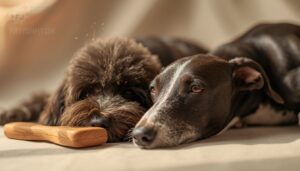
Single-coated breeds like Poodles and Greyhounds work differently. Their Single Coat Texture—a single layer with no undercoat—means no dramatic blowouts. Instead, expect an Even Shedding Pattern year-round. This results in Less Visible Fur Buildup, but beware of Low-Shed Myths: they still shed.
Breed-specific shedding patterns are critical to understand. While these coats may appear low-maintenance, consistent care is essential. Weekly brushing simplifies canine coat health management, ensuring simplicity and consistency.
Northern Breeds With Dramatic Seasonal Changes
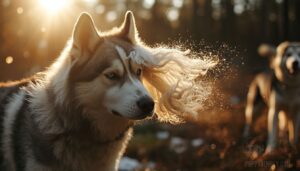
Northern breeds operate on a different level entirely. Husky Blowouts, Malamute Recoating, and Samoyed Fluff Cycles are not random — they are Arctic Breed Rhythms driven by photoperiod, not temperature. These double-coated breeds shed their winter undercoat in one concentrated coat blow, then rebuild Spitz Coat Density each fall.
Climate-adapted breeds like these do not shed gradually — they go all in, twice a year.
Warm-climate Breeds With Milder Shedding Cycles

Warm-climate breeds tell a quieter story. Short single coats and low undercoat density mean there’s no massive underlayer waiting to release all at once.
Heat-adapted fur sheds in brief shedding peaks—a short uptick in spring, a minor one in fall—then returns to baseline. Indoor pattern blurring can make even these subtle shifts feel barely noticeable.
Hairless and Low-shedding Breeds
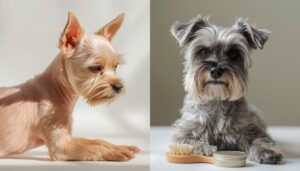
At the far end of the spectrum sit hairless and low-shedding dogs. Breeds like the Chinese Crested or American Hairless Terrier skip the fur drama entirely, but Hairless Skin Care becomes the trade-off. Exposed skin requires sunscreen, moisturizer, and gentle cleaning.
Low-shedders like Schnauzers rely on Wire Coat Upkeep and Curly Coat Retention to trap loose hairs, making breed-specific care non-negotiable.
When Shedding Becomes Concerning
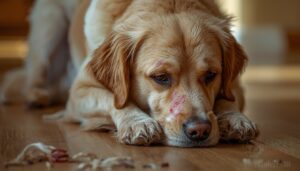
Most shedding is normal, but some signs cross the line from seasonal into something worth investigating. Knowing the difference can save your dog from weeks of unnecessary discomfort.
Here’s what to watch for.
Normal Seasonal Shedding Vs Excessive Shedding
There’s a clear line between seasonal rhythm and something worth worrying about. Normal shedding patterns follow a predictable on-off cycle — heavier in spring and fall, calmer in between. Watch for these shedding pattern clues:
- Skin condition check: Healthy skin underneath means normal shedding patterns.
- Fur loss baseline: Sudden year-round increases signal excessive shedding.
- Scratching behavior signals: Frantic itching alongside coat texture changes suggest an underlying medical condition.
Double-coated breeds shed heavily — but the skin stays calm.
Bald Spots, Thinning, and Uneven Coat Loss
Patchy bald areas don’t lie — they’re your dog’s skin sending a distress signal. Unlike normal shedding, alopecic patches appear uneven, sometimes with sparse coat texture along the sides or inner thighs. These patterns often indicate specific health issues rather than random hair loss.
The table below outlines common balding patterns and their potential causes:
| Pattern | Possible Cause |
|---|---|
| Symmetrical fur thinning | Hormonal imbalance |
| Lesion-prone zones (face, legs) | Mange or ringworm |
| Excessive licking damage | Allergy or anxiety |
| Patchy bald spots with flaking | Bacterial or fungal infection |
These patterns suggest an underlying medical condition — not seasonal excess. Early veterinary consultation is critical to address the root cause and prevent complications.
Itching, Redness, Scabs, and Hot Spots
Itching that doesn’t stop is rarely just irritation — it’s the start of a cycle. The Itch-Scratch Cycle drives skin barrier breakdown fast: scratching creates micro-injuries, saliva wets the area, and hot spot onset can happen within 24–48 hours.
Dog skin conditions like these favor warm, matted zones — paws, armpits, rump. Scab formation follows when inflamed fluid dries.
Hot spots need prompt attention.
Parasites, Allergies, and Skin Infections
Flea Allergy Dermatitis triggers intense reactions from just a few bites, while Mange Mite Infestations cause scaling and crusting that mimics dry skin.
Environmental Contact Dermatitis, Bacterial Skin Overgrowth, and Yeast Odor Flares compound the damage.
Parasites, allergies, and skin infections all disrupt dog skin health — hot spots often follow.
Hormonal Causes Such as Hypothyroidism
Thyroid Hormone Imbalance runs deeper than most owners expect. Hypothyroidism slows the canine endocrine system’s influence on follicle cycling. Slowed follicle cycling means hair stalls in shedding phases instead of regrowing normally.
Dry skin effects follow: coats turn dull, brittle, and rough.
Thyroid Testing Basics — a simple T4 and TSH panel — confirm the diagnosis.
Treatment response signs include improved coat texture within weeks of hormone therapy.
Signs That Warrant a Veterinary Visit
Sudden lameness, breathing trouble, or collapse need same-day care. These symptoms demand immediate attention and should not be ignored.
Behavior changes like hiding or appetite loss signal systemic illness, not a grooming problem. Such shifts warrant prompt veterinary evaluation.
Eye discharge, open skin sores, and non-stop itching point to skin infections, parasitic infections, or allergies in dogs. These conditions require timely treatment to prevent complications.
Endocrine disorders follow the same rule: don’t wait. Early intervention is critical for managing these underlying health issues effectively.
Managing Seasonal Shedding at Home
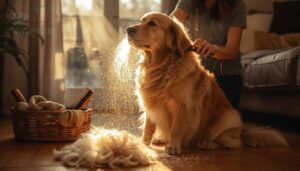
Shedding season doesn’t have to mean fur on every surface and a vacuum running nonstop. With the right routine, you can stay ahead of it instead of constantly reacting to it.
Here’s what actually works, from daily brushing to knowing when to call in a professional.
Best Brushing Routines During Peak Shedding
During peak season, Tool Selection Basics matter more than most owners realize. Match your tools to coat type — an undercoat rake or deshedding tool for double coats, a slicker brush for longer fur.
Daily grooming beats reactive cleanup. Use the Section Brushing Method, working systematically from shoulders down.
Apply Gentle Brushing Pressure throughout.
Finish with Mat Prevention Checks, especially under the legs.
Bathing and Coat Care During Spring and Fall
Once brushing becomes routine, bathing can be integrated into the schedule. Bath Timing is crucial—bathing every 4 to 6 weeks during shedding season helps maintain a healthy coat without stripping natural oils.
Overbathing Risks are significant: excessive washing leads to dry, irritated skin. To avoid this, adhere to the following seasonal bath checklist:
- Use a pH-balanced dog shampoo, never human formula
- Apply conditioner mid-length to ends to reduce tangles
- Practice Safe Coat Drying with low heat
- Run a deshedding tool post-bath, continuing regular brushing
Nutrition That Supports Healthy Skin and Fur
What goes into the bowl matters as much as what goes on the coat. Protein for keratin production keeps hair shafts strong — without adequate protein intake, you’ll notice dullness before you notice shedding.
Omega-3 fatty acids reduce skin inflammation; zinc fortifies the skin barrier; and biotin supports coat health, improving fur texture.
Nutritional deficiencies show up on the outside fast.
Hydration and Stress Reduction for Coat Health
Diet builds the coat from the inside — but hydration and stress levels maintain it day to day. Daily Water Access keeps skin pliable and reduces dryness-driven shedding.
After baths, Post-Bath Moisture matters; stripped skin fats lead to frizz and itch.
Elevated cortisol from chronic stress disrupts hair cycles — Calming Daily Routines and regular exercise lower those Cortisol Coat Effects noticeably.
Cleaning Tips for Managing Dog Hair Indoors
Shedding season turns your home into a fur factory — fast. Pet Hair Vacuuming with a pet hair vacuum (rotating brushes, HEPA filter) address embedded carpet fibers. Robot vacuums handle daily maintenance between sessions.
Damp Dusting traps hair on shelves and baseboards instead of scattering it. Lint rollers reset upholstery quickly.
Anti-Static Control sprays reduce cling on fabric. Washable Covers on sofas simplify laundering during peak months.
Air purifiers catch airborne particles, and Carpet Deep Cleaning removes what surface tools miss.
When Professional Deshedding Sessions Help
Some coats simply outpace what home brushing can manage. Professional grooming services reach loose undercoat that surface tools miss — especially in double-coated breeds during peak blowouts. Consider booking when you notice:
- Deep Undercoat Removal falling behind despite daily effort
- Compacted Coat Relief needed after matting sets in
- Matting Reset Sessions to restore grooming progress
- Anxious Dog Handling for stress-sensitive breeds
- High-velocity dryer and coat-safe techniques for thorough results
Top 3 Shedding Care Products
The right tools make shedding season manageable. These three products consistently stand out for coat care, whether your dog sheds lightly or goes full blow out twice a year.
Here’s what’s worth having on hand.
1. Burt’s Bees Hypoallergenic Dog Shampoo
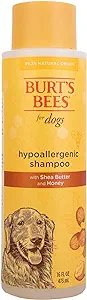
Bathing a sensitive dog during peak shedding requires gentle care. Burt’s Bees Hypoallergenic Dog Shampoo delivers a 95% natural-origin formula, free of sulfates, parabens, and dyes, ensuring cleanliness without damage.
Shea butter and honey in the shampoo deeply condition the coat while supporting the dog’s natural skin pH. These ingredients provide essential moisture and protection for irritated skin.
The fragrance-free formulation is critical for dogs with inflamed, reactive skin, minimizing further irritation.
One practical consideration is the watery consistency, which necessitates using more product per bath. However, for dogs with dermatitis or allergy-prone skin, this trade-off is worth it—prioritizing skin health over convenience.
| Best For | Dogs with sensitive skin, allergies, or chronic skin conditions like dermatitis who need a gentle, natural cleanse without harsh chemicals. |
|---|---|
| Primary Use | Bathing & skin care |
| Coat Compatibility | All coat types |
| Sensitive Skin | Hypoallergenic formula |
| Ease of Use | Low-lather, easy rinse |
| Shedding Support | Conditions coat, reduces dryness |
| Eco/Build Quality | 80% recycled packaging |
| Additional Features |
|
- 95% natural ingredients with shea butter and honey that soothe irritated skin and condition the coat
- Fragrance-free and pH-balanced formula reduces the risk of reactions in allergy-prone dogs
- Eco-friendly packaging made from 80% post-consumer recycled materials
- Watery consistency means you’ll go through the bottle faster, raising the cost per bath
- Low lather makes it hard to tell if you’ve covered the whole coat evenly
- Struggles with heavy dirt or oil, so it may not cut it after a muddy adventure
2. Wahl Cordless Pet Grooming Clippers

For heavy-shedding breeds, clippers are essential maintenance. The Wahl Cordless Pet Grooming Clippers offer two hours of runtime on a full charge, ensuring uninterrupted grooming for double coats. Featuring self-sharpening stainless-steel blades, they efficiently handle thick fur, while the adjustable taper lever allows seamless length changes without attachment swaps.
Weighing just 1.6 pounds, the clippers minimize hand fatigue during use. However, extended sessions may cause overheating, so take breaks when working on dense coats.
| Best For | Dog owners with large or thick-coated breeds who want to skip the groomer and handle trims at home without breaking the bank. |
|---|---|
| Primary Use | Clipping & trimming |
| Coat Compatibility | Thick & heavy coats |
| Sensitive Skin | Ergonomic, low-stress design |
| Ease of Use | Cordless, ergonomic grip |
| Shedding Support | Trims and thins heavy coat |
| Eco/Build Quality | Hard storage case included |
| Additional Features |
|
- Two hours of battery life means you can get through even the fluffiest coats without stopping to recharge.
- Self-sharpening stainless-steel blades cut through thick fur smoothly, no tugging or snagging.
- At 1.6 pounds, it’s light enough to use for a full grooming session without your hand giving out.
- Run it too long and it starts to overheat — you’ll need to pause and let it cool down during big jobs.
- It runs a little loud, which can spook noise-sensitive pets.
- The storage case feels cheap and has no compartments to keep the accessories organized.
3. Hertzko Self Cleaning Dog Brush
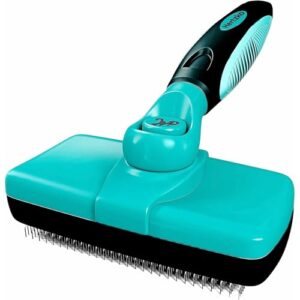
Daily brushing doesn’t have to mean a messy cleanup every time. The Hertzko Self Cleaning Dog Brush manages loose fur, tangles, and dirt across all coat types — then clears itself with one button press, retracting the fine wire bristles so trapped hair slides right off.
At 8.47 ounces and $13.99, it’s light enough for arthritic hands and gentle enough for anxious pets.
If the self-cleaning button sticks over time, a light water spray reduces static and keeps things moving.
| Best For | Pet owners who groom daily and hate the cleanup — especially those with arthritis or pets that get anxious around brushes. |
|---|---|
| Primary Use | Brushing & detangling |
| Coat Compatibility | All coat types |
| Sensitive Skin | Gentle bristles, no irritation |
| Ease of Use | One-button self-cleaning |
| Shedding Support | Removes loose hair directly |
| Eco/Build Quality | Lightweight durable plastic |
| Additional Features |
|
- One-button self-cleaning makes hair removal quick and mess-free
- Gentle enough for sensitive skin and grooming-anxious pets
- Light and easy to hold, even with arthritic hands
- The self-cleaning button can stick or malfunction over time
- Static buildup can be an issue, though a light water spray helps
- If the mechanism fails, you’re back to pulling hair off manually
Frequently Asked Questions (FAQs)
Is seasonal shedding normal for dogs?
Yes, it’s completely normal.
Most dogs shed more heavily during spring and fall as their coats adjust to shifting daylight and temperatures. It’s biology at work — predictable, cyclical, and nothing to worry about.
What words do dogs hear best?
Dogs respond best to short, crisp words — especially one-syllable cues like "sit," "stay," or their own name. Consistent pairing with rewards sharpens recognition faster than any word choice alone.
Can diet changes reduce my dogs shedding?
Think of your dog’s coat like a garden — what you put in the soil shows up in the blooms.
Correcting fatty acid or protein gaps can visibly reduce shedding within weeks.
Does spaying or neutering affect shedding patterns?
Spaying or neutering won’t stop seasonal shedding. Daylight and temperature drive those cycles, not sex hormones.
You may notice temporary coat texture changes post-surgery, but the spring and fall blowouts? They’ll still show up on schedule.
How does pregnancy impact a dogs coat cycle?
Pregnancy shifts progesterone levels, which can push hair follicles into a resting phase — a pattern called telogen effluvium. Your dog’s coat may look shinier, shed more, or both.
It usually resolves within a few months postpartum.
Can anxiety medications change how much dogs shed?
Anxiety medications treat behavior, not follicles — they don’t rewire your dog’s coat cycle.
That said, reducing chronic stress can indirectly calm stress-driven shedding, since cortisol disrupts normal hair retention over time.
Conclusion
Seasonal shedding patterns in dogs run like clockwork—your dog’s biology doesn’t negotiate with your lint roller. Daylight shifts the hormones, hormones move the coat, and your floors pay the price twice a year.
What separates manageable shedding from a medical concern is pattern recognition: timing, symmetry, and skin condition.
Brush consistently, feed well, and watch for red flags. When the coat changes on its own schedule, your job is simply to stay one step ahead.