This site is supported by our readers. We may earn a commission, at no cost to you, if you purchase through links.

Rough, bristly, almost sandpaper-like—coarse hair dog breeds wear a coat built for work, not compliments. That wiry texture isn’t a grooming accident or a genetic quirk. It’s engineering.
Guard hairs up to 15 mm long deflect mud, brambles, and rain before any of it reaches the skin.
These dogs were bred to chase quarry through dense undergrowth, retrieve birds from icy water, and come out looking only slightly disheveled.
Whether you’re eyeing a scrappy Border Terrier or a towering Irish Wolfhound, understanding what makes that coat tick changes everything—including how you’ll care for it.
Table Of Contents
Key Takeaways
- A coarse or wiry coat isn’t just a look — it’s a two-layer weather system, with stiff guard hairs blocking mud and rain while a dense undercoat locks in warmth.
- Hand stripping beats clipping every time, if you want the coat to actually work; clipping softens the texture and kills the weather resistance these dogs were built with.
- No wiry dog is truly hypoallergenic, dander and saliva proteins still circulate, so regular grooming and HEPA vacuuming are your real defense, not the breed label.
- Size shapes everything from lifespan to exercise needs, small terriers can hit 15 years, while giants like the Irish Wolfhound rarely make it past 8, so know what you’re signing up for.
What Defines Coarse Hair Dogs?

Not all scruffy dogs are the same — there’s actually a real difference between wire-haired and rough-coated breeds, and it matters more than you’d think. That coarse, bristly coat isn’t just a look; it’s a working tool built for mud, rain, and thorny brush.
Choosing the right tool matters just as much as knowing the coat — lightweight deshedding brushes designed for seniors can make tackling that tough, wiry texture far less of a workout.
Here’s what actually defines a coarse-coated dog, starting from the outside in.
Wire-haired Vs. Rough-coated Dog Breeds
Both sound similar — but wire coat and rough and wiry outer coat dogs aren’t identical twins.
- Wire-haired coats demand hand stripping to preserve coat durability.
- Rough-coated breeds tolerate regular clipping with lower maintenance costs.
- Both share low-shedding traits and historical roles in working terrain.
- Grooming requirements for wiry coats are more intensive overall.
- Training approaches differ slightly based on energy and temperament.
Harsh Outer Coat and Dense Undercoat
Think of a wire coat like a two-layer jacket. The stiff guard hairs — usually 5 to 15 millimeters long — provide Guard Hair Stiffness that locks out debris and resists tangling on rough trails. Underneath, a dense undercoat delivers serious Undercoat Heat Retention, keeping your dog warm even when wet. Together, they manage Temperature Regulation year-round.
A wire coat works like a two-layer jacket — stiff guard hairs lock out debris while a dense undercoat keeps dogs warm even when wet
| Layer | Function | Care Need |
|---|---|---|
| Guard hairs | Repel debris and moisture | Hand stripping 2–3x yearly |
| Dense undercoat | Insulates against cold | Weekly brushing |
| Combined coat | Temperature regulation | Coat-specific shampoo |
| Texture over time | Coat Texture Longevity | Avoid frequent clipping |
| Seasonal change | Seasonal Shedding Cycle | Groom during peak shedding |
Coarse and short coats on these breeds don’t shed like a Labrador’s — but their grooming needs are real. Skipping hand stripping softens the wire coat and shortens its lifespan fast.
Why Coarse Coats Repel Water and Debris
That two-layer jacket does more than keep things warm. The Guard Hair Structure works like a natural raincoat — stiff hollow shafts channel water away before it reaches the skin. Oil Sebum Production helps droplets bead right off. Meanwhile, Air Pocket Insulation keeps the undercoat dry longer.
The functional benefits of wiry coat in dogs go further:
- Debris Shedding Mechanism flicks dirt off as your dog moves
- Mineral Repellence means mud and salt sit on the surface, not the skin
- Coarse and short coats need wire coat maintenance to preserve these built‑in protections
That’s the waterrepelling wiry coat doing exactly what evolution designed it for — insulation and protection, built right into every strand.
Beards, Eyebrows, and Facial Furnishings
That wiry protection doesn’t stop at the body. Coarse haired dog breeds grow beards, eyebrows, and moustaches that serve real jobs.
Eyebrows deflect debris mid-run — their Sensory Eyebrow Function is practically built-in safety gear. Beards shift with Seasonal Beard Length changes and trap warmth around the muzzle.
Dense furnishings even fill a Sun Protection Role, shielding sensitive skin. Breed-specific Furnishing Patterns, like the Schnauzer’s signature scruffy look, aren’t just aesthetic — they’re functional, shaped by each breed’s working history.
Low-shedding Traits and Allergy Considerations
Wire coats shed less visibly — hairs stay trapped in the outer layer instead of drifting onto your couch. But here’s the honest truth: no dog is truly hypoallergenic.
Dander, saliva, and skin proteins still circulate. Managing allergens means HEPA vacuuming regularly, investing in allergy friendly bedding, and keeping up with hand stripping.
Good grooming requirements for wiry coats aren’t optional — they’re your first line of defense.
Small Coarse Hair Dog Breeds
Small wire-haired dogs punch way above their weight — big personality, serious coat, and enough energy to outlast most of their owners. They’re compact enough for apartment life, but still need real exercise and consistent grooming to stay happy.
That wiry coat and tenacious spirit make a lot more sense when you understand what dachshunds were originally bred to do — hunting underground prey takes serious grit.
Here are five small coarse-haired breeds worth knowing.
Border Terrier

The Border Terrier packs a lot into 11–16 pounds. That wiry, low-shedding wire coat needs hand stripping twice yearly to stay weather-resistant — clipping softens it fast.
Brush weekly to manage furnishings. Grooming requirements for wiry coats also mean watching the beard for mats.
Health-wise, watch for epilepsy risks, patellar luxation, and dental care. Good nutrition and early socialization strategies round out a resilient, affectionate little dog. Owners should monitor for hip dysplasia risk during routine veterinary examinations.
Wire Fox Terrier

Few coarse haired dog breeds match the Wire Fox Terrier’s compact punch — 12 to 18 pounds of muscle, curiosity, and attitude.
That dense wire coat isn’t just about looks; it’s a weather shield. Hand stripping every few months preserves texture.
Breed history rooted in fox hunting shaped both show standards and temperament. Health screening for lens luxation matters. High-protein nutrition needs support coat quality and energy.
Scottish Terrier

The Scottish Terrier packs a big personality into a 10-inch frame. This breed’s wire coat is famously low-shedding, making it a solid pick for apartment living.
Hand stripping keeps texture sharp; aim for grooming frequency guidelines of every 6–8 weeks.
Historically favored by celebrities including U.S. presidents, Scotties need dental care and kidney monitoring as priorities.
Stubborn, loyal, excellent.
Brussels Griffon

Few dogs look more like a tiny grumpy philosopher than the Brussels Griffon. Weighing just 8–12 pounds, this coarse haired dog breed hides serious personality behind that scruffy, almost human face.
- Wire coat grooming tools: slicker brush weekly, stripping knife twice yearly
- Grooming frequency guidelines: bathe every 4–6 weeks
- Hand stripping preserves harsh texture; clipping softens it
- Brachycephalic breathing issues worsen with obesity — weight management isn’t optional
- Dental health needs weekly brushing; tiny mouths crowd teeth fast
That stubborn temperament and fierce owner loyalty make wire coat grooming tools worth mastering early.
Jack Russell Terrier
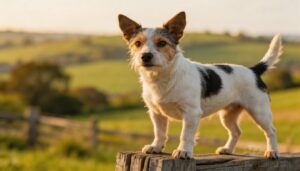
The Jack Russell Terrier packs a surprising amount of chaos into 13–17 pounds. That wirehaired coat needs weekly brushing and hand stripping twice yearly — skip it, and you’ll notice.
Their prey drive is relentless, and training stubbornness is real, so consistency matters. Watch for patellar luxation and prioritize dental health early.
Agility success comes naturally to this coarse haired dog breed.
Best Small Wiry Breeds for Active Homes

Every breed in this section brings playful energy in a compact package — but a few stand out for active homes.
The Jack Russell Terrier and Wirehaired Fox Terrier thrive on fast-paced games and structured training tips.
The Scottish Terrier suits calmer apartments well.
Watch health monitoring closely across all five.
Consistent nutrition needs — especially omega-3s — keep those wiry coats sharp and skin happy.
Medium Coarse Hair Dog Breeds
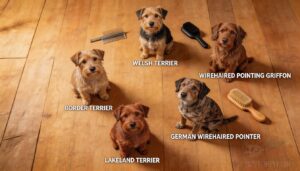
Medium wire-haired breeds hit a sweet spot — sturdy enough for real work, manageable enough for most homes. They bring sharp personalities, low-shedding coats, and enough energy to keep you honest.
Here’s a closer look at five breeds that define this category.
Miniature Schnauzer
The Miniature Schnauzer packs a lot into 12–14 inches. That wiry, low-shedding coat makes it a top pick for allergy-sensitive households — hand stripping keeps the texture honest, while regular dog grooming techniques prevent beard matting.
They thrive on obedience training and need 40–60 minutes of daily activity. Don’t skip dental care or eye health checks — both are genuine weak spots.
Standard Schnauzer
Scale up from the Miniature and you get the Standard Schnauzer — the original. This German Heritage breed spent centuries as a Farm Guard, ratting and herding on Central European homesteads.
That Square Build (17.5–19.5 inches, 30–50 lbs) means serious muscle.
The wirehaired Pepper‑Salt coat stays low-shedding and nearly hypoallergenic through regular hand stripping and grooming.
Monitor Joint Health closely — they live 13–16 years.
Welsh Terrier
From Germany to Wales — same wiry attitude, different postcode. The Welsh Terrier’s historical origin traces back to British hunting terrain, and its breed standard reflects that: 15–17 lbs of bold, black-and-tan muscle.
Temperament traits run confident and curious.
Watch obesity risks — portion control matters.
Dental care is non-negotiable.
Among wirehaired dog breeds, coat maintenance through hand stripping keeps grooming and texture sharp.
Lakeland Terrier
Meet the Lakeland Terrier — a compact, 15–17 lb powerhouse built for the rugged Lake District terrain. Here’s what ownership actually looks like:
- Exercise Requirements: 45–60 minutes of brisk daily activity
- Apartment Suitability: Yes, with consistent outdoor time
- Health Screening: Watch for skin allergies and dental care needs
- Mental Stimulation: Puzzle toys prevent destructive boredom
Hand stripping keeps this wire‑haired dog care routine sharp, preserving the harsh texture that defines coarse‑haired dog breeds. Grooming and coat maintenance for wiry coats isn’t optional — it’s the job.
Irish Terrier
Bold, fiery, and built like a compact athlete — the Irish Terrier earns its Daredevil of the dog world nickname quickly.
Historical origin traces to Ireland’s working farms, where breed standard demands a dense wiry coat needing weekly brushing and regular hand stripping.
Temperament highlights include fearless loyalty and sharp intelligence.
Health concerns cover skin sensitivities.
Mental stimulation keeps this wirehaired dog care routine balanced.
Energy Levels and Trainability Differences
Medium wire-haired breeds pack serious energy into a mid-sized frame. Expect burst activity followed by calm — not chaos all day.
Their scent drive keeps training interesting, but short sessions work better than marathon drills.
Consistency cues matter most; change your signal once and they’ll notice.
Rotate varied environments to sharpen recall.
For high-energy terriers, training and socialization early aren’t optional — it’s the whole game.
Large Coarse Hair Dog Breeds

Large wire-haired breeds bring a whole different level of presence to the picture — we’re talking 30 pounds and up, with the muscle and drive to match.
These dogs weren’t built for lap sitting; they were built for work, weather, and wide-open spaces.
Here’s a closer look at the large coarse-coated breeds worth knowing.
Airedale Terrier
The Airedale Terrier — the self-appointed King of Terriers — brings serious historical working roles to the table, from hunting to wartime service. Among wirehaired dog breeds, it’s one of the most adaptable.
Hand stripping keeps the coarse coat show-ring sharp, while consistent coat maintenance prevents skin issues.
Family compatibility is strong with proper socialization, though training challenges and health screening for hip dysplasia deserve your attention.
German Wirehaired Pointer
German Wirehaired Pointer is built like a field biologist’s dream — 50 to 70 pounds of hunting versatility packed into a wiry, weather-resistant frame.
coat insulation for cold terrain is no accident; the harsh outer layer and dense undercoat shed water like a raincoat.
Water retrieval skills, training independence, and smart color genetics round out a breed that demands consistent wirehaired dog care and joint health management.
Wirehaired Vizsla
The Wirehaired Vizsla is basically a German Wirehaired Pointer’s affectionate cousin — same hunting instinct, softer heart. Weighing 40–60 pounds, this coarse-haired dog breed needs daily vigorous exercise and positive reinforcement training.
Weight management protects joints long-term. Their wire coat maintenance and hand‑stripping techniques preserve that rugged texture.
Seasonal coat care keeps things tidy — hypoallergenic bonus included.
Spinone Italiano
If the Wirehaired Vizsla leans affectionate, the Spinone Italiano doubles down on calm. This Italian hunting roots breed — built for pointing and retrieving across rugged terrain — weighs 65–85 pounds and thrives on patience, not pressure.
Positive reinforcement training works beautifully here.
Its color palette options range from white to orange roan.
Joint support nutrition matters long-term.
Classic handstripping keeps that coarse‑haired dog breed’s texture intact.
Otterhound
Where the Spinone stays calm, the Otterhound stays wet. This rare coarse haired dog breed carries serious River Hunting Heritage — bred to track otters through cold English rivers.
It stands up to 28 inches and weighs 115 pounds.
Size and energy level considerations for owners matter here: plan daily swims or long walks.
Baying Vocalization, Droopy Ear Care, Stubborn Training Needs, and Weight Management Tips all demand consistent grooming frequency and patience.
Giant Schnauzer
Where the Otterhound wades through rivers, the Giant Schnauzer commands a room. This working dog means business — males reach 27.5 inches and 85 pounds of focused energy.
Size and energy level considerations for owners are real here. Three things define ownership:
- Guard instincts need early socialization
- Hand stripping preserves coat texture
- Nutrition needs support joint health
Family bonding, health screening, and grooming frequency round out responsible Schnauzer care.
Irish Wolfhound
If the Giant Schnauzer is intense in a coat, the Irish Wolfhound is quiet authority on four legs — standing up to 34 inches tall and tipping scales past 180 pounds. Their historical role as wolf hunters in Ireland shaped a wiry, weather‑resistant double coat built for rugged terrain.
Size and energy level considerations for owners matter here. Health concerns like bloat, osteosarcoma, and heart disease are real, and their 6–8‑year lifespan makes proactive care non‑negotiable. Dietary needs lean toward giant‑breed formulas split across two meals daily — a single large meal raises bloat risk considerably.
Wire coat maintenance and hand stripping techniques stay straightforward: weekly brushing with a pin brush, followed by a medium‑toothed comb, keeps the coat clean and tangle‑free between sessions. Breed‑specific grooming frequency and tools don’t need to be complicated for pet dogs — consistent brushing beats sporadic deep sessions every time.
Training tips are simple: keep it calm, consistent, and reward‑based. They’re gentle learners, not pushovers. Health and longevity of large wirehaired breeds like this one hinge on longevity factors — weight management, regular vet screenings, and omega‑3 support for joints and coat health.
| Category | Details | Owner Action |
|---|---|---|
| Health Concerns | Bloat, heart disease, osteosarcoma, hip dysplasia | Bi‑annual vet screenings; cardiac checks |
| Dietary Needs | Giant‑breed formula, split into 2+ meals daily | Avoid single large meals; monitor weight |
| Wire Coat Maintenance | Weekly pin brush + medium comb; hand strip as needed | Use breed‑specific shampoo every 4–8 weeks |
Space, Exercise, and Family Fit
Large coarse-haired dog breeds don’t just need space — they need purposeful space.
- Secure yard with solid fencing prevents escape-driven bolts.
- Multi-zone play areas support daily activity without chaos.
- Noise tolerance and child safety planning matter before day one.
Space and energy level considerations for owners shape everything. Exercise requirements for high-energy breeds like these make family suitability of wiry-coated dogs a real conversation worth having early.
Grooming Coarse-Coated Dog Breeds
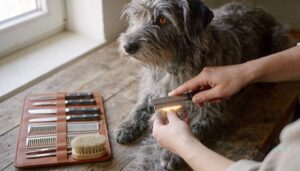
Grooming a wiry coat isn’t complicated, but it does require the right approach — and the wrong one can quietly ruin everything that makes these coats special. From how often you bathe your dog to which tools you reach for first, each decision adds up.
Here’s what you need to know to keep that coarse coat doing exactly what it was built to do.
Hand Stripping Vs. Clipping
The hand stripping versus clipping debate comes down to one question: do you want the coat to work, or just look tidy?
Hand stripping pulls dead hair from the root, preserving weather resistance impact, and color depth preservation.
Clipping cuts the shaft, softening texture over time.
Skill level requirements and cost comparison favor clipping for convenience, but seasonal grooming timing makes hand stripping the smarter long-term choice.
Brushing Tools for Wiry Coats
Choosing the right brush types for wiry coats makes every session faster and less frustrating. Start with a pin brush to lift loose hair, then follow with a slicker brush for deeper detangling.
Slicker pin length matters — shorter pins for sensitive spots, longer for thick sections. An ergonomic brush handle reduces fatigue.
Use a detangling comb for beards. Clean tools weekly.
Bathing Frequency and Coat-safe Shampoos
Every 4–8 weeks is your sweet spot for wire-coated breeds — enough to keep skin healthy without stripping natural oils. Stick to pH balanced formulas with sensitive skin ingredients like colloidal oatmeal or panthenol.
Always use a warm water rinse and rinse thoroughly — shampoo residue prevention matters more than people think.
Adjust your bathing schedule guidelines seasonally, especially after heavy outdoor work.
Preventing Mats in Beards and Furnishings
Beards and leg furnishings are your biggest friction zones — they tangle fast where collar, bowl, and chest fur meet. Comb them two to three times weekly using a slicker or pin brush, then follow with a comb check to catch hidden knots.
Detangling sprays loosen stubborn spots without yanking. Always dry furnishings fully after walks — wet hair mats faster than anything.
Professional Grooming Schedules by Breed
Wire coats run on a schedule. Most breeds fit a 6–8 week professional grooming cycle — that’s your baseline for breed-specific grooming frequency and tools. Terriers like the Border often stretch to 10–12 weeks.
Schnauzers and Pointers need tighter breed trim intervals. Build a seasonal grooming cycle around your dog’s coat growth, and ask your groomer about professional grooming packages that bundle stripping, bathing, and facial tidy-ups.
How Grooming Affects Coat Texture and Appearance
How you groom directly shapes what your dog’s coat becomes. Hand stripping wins the hand stripping versus clipping debate for a reason — it preserves texture hardness and coat color vibrancy by pulling dead hair from the root.
Clipping just trims the tip, leaving soft, faded regrowth. Regular brushing manages oil distribution across the outer coat, while proper stripping promotes skin health and undercoat density maintenance long-term.
Frequently Asked Questions (FAQs)
What kind of dogs have coarse hair?
Rough around the edges — literally. Wirehaired dogs carry a bristly outer coat built for work, weather, and terrain.
Think terriers, pointers, and schnauzers: coarse haired dog breeds shaped by climate adaptations and centuries of working roles.
Do dogs inherit more from mother or father?
Neither parent "wins." Dogs inherit coat traits from both mom and dad equally. Coat texture is polygenic — meaning many genes decide it, not just one parent’s contribution.
Which dogs chase cats?
Terriers and hunting dogs top the list. Strong prey drive in terriers — especially wirehaired breeds — makes cats prime targets.
Leave It Training and reading Body Language Cues early keep the peace.
How long do coarse-haired dogs typically live?
Most coarse-haired dogs live 10 to 14 years. Size impact is the biggest factor — small terriers often hit 15, while giant breeds like the Irish Wolfhound rarely pass
Are wire-haired breeds good with young children?
Wire-haired breeds can be wonderful with kids — with the right setup. Temperament Compatibility varies by breed, but early socialization and Supervision Guidelines make all the difference for family-friendly dog breeds.
What health issues affect wiry-coated dogs most?
Skin allergies, ear infections, dental disease, and joint problems top the list.
Genetic risks vary by breed — Schnauzers face pancreatitis, Scotties have higher bladder cancer rates, and Wire Fox Terriers can develop epilepsy.
How much does owning a wiry dog cost?
Owning a wiry dog runs about 150–300 euros monthly when you stack vet costs, grooming fees, food budget, training costs, and insurance premiums together. Manageable — if you plan ahead.
Conclusion
Wrapping up, think of coarse hair dog breeds as rugged outdoorsmen—built for action, not pampering. Their wiry coats are like armor, shielding them from the elements.
As you care for your coarse-coated companion, you’re not just grooming; you’re preserving their built-in protection. With the right techniques and tools, you’ll keep their coat in top condition.
Embracing the unique needs of coarse hair dog breeds means a happy, healthy pet—and a bond that’s truly unbreakable with your coarse hair dog breeds friend.
- https://www.akc.org/expert-advice/health/wired-coat-care-stripping/
- https://www.happyhoundsgrooming.com/what-dog-breeds-need-hand-stripping
- https://www.thetrainingofdogs.com/post/the-training-of-irish-wolfhounds-what-every-owner-needs-to-know
- https://www.wowgrooming.co.uk/blogs/wow-grooming-blogs/wire-hair-dogs-and-how-to-groom-them?srsltid=AfmBOoplejXTiIyOm1dM3I1gz4yRbXBLjjNRdKMuRnMr1Nv-19FUwjFA
- https://www.veterinary-practice.com/article/shampooing-dogs-facts-and-myths