
This site is supported by our readers. We may earn a commission, at no cost to you, if you purchase through links.

Your dog just swallowed something he shouldn’t have—and the clock started the moment it happened. Most poisoning cases that end badly do so not because the toxin was untreatable, but because the window for action closed while someone was still searching the internet. That window is roughly two hours.
What you do inside it determines whether this becomes a scary story you tell at the dog park or a trip to an emergency clinic. Knowing how to induce vomiting in dogs—and when not to—is the difference between helping your dog and accidentally making things worse.
Table Of Contents
- Key Takeaways
- Act Fast After Suspected Poisoning
- When Vomiting May Help
- When Not to Induce Vomiting
- Call Your Vet First
- Hydrogen Peroxide Dosage Guide
- How to Give Hydrogen Peroxide
- What to Do After Vomiting
- Risks and Warning Signs
- Unsafe Home Remedies to Avoid
- Top 5 Support Items
- Frequently Asked Questions (FAQs)
- How can I make a dog vomit at home?
- Should I Make my Dog Vomit?
- Can you make a dog vomit if he eats something poisonous?
- Can a dog throw up after eating a foreign substance?
- Should I be concerned if my dog threw up out of nowhere?
- What should I do if I’m not sure what my dog ate was dangerous?
- Can I give my dog hydrogen peroxide at home?
- Is it okay to induce vomiting in dogs?
- What can I give a dog for throwing up at home?
- Should I make my dog throw up if he swallowed something?
- Conclusion
Key Takeaways
- You have two hours after ingestion to act — after that, most toxins have moved past the stomach and vomiting won’t help.
- Only use 3% hydrogen peroxide at 1 teaspoon per 5 pounds of body weight (max 3 tablespoons), and only if your dog is fully alert, breathing normally, and has swallowed a non‑caustic substance.
- Never induce vomiting if your dog swallowed batteries, sharp objects, caustics, or hydrocarbons — or if they are seizing, collapsed, or struggling to breathe, as it will cause more harm than the toxin itself.
- Call your vet or a poison hotline before doing anything at home; the details you share in the first two minutes — what was swallowed, how much, and when — drive every decision that follows.
Act Fast After Suspected Poisoning
Every second counts when your dog gets into something toxic.
Knowing which foods are toxic to puppies before an emergency happens can make all the difference.
Before you do anything else, there are a few things you need to observe and gather right away. Here’s what to focus on first.
Check What Your Dog Swallowed
Scanning the environment immediately gives you first real clue. Check trash cans, low cabinets, and any open containers for signs of chewing or missing items.
Substance identification matters — grab the original packaging, note hazard symbols, and photograph everything.
Behavioral observation helps too: pawing at the mouth or sudden restlessness signals trouble.
Identifying toxic substances early puts poison control in a better position to help you quickly.
Watch for signs of abdominal swelling, a key indicator of foreign object ingestion.
Note The Amount and Time
Once you’ve identified what your dog swallowed, two numbers become critical: how much and when. Accurate quantity recording and a clear exposure timeline drive every decision that follows — including dose calculation if vomiting becomes necessary.
The math is simple: 1 teaspoon per 5 pounds, capped at 3 tablespoons (45 ml). Time sensitivity is real — that weight ratio only works within roughly two hours.
If you notice blue or gray gums, seek immediate veterinary care.
Watch for Vomiting, Diarrhea, or Seizures
Once you know what and how much was swallowed, start watching your dog closely. Early symptom timing matters — some toxins hit within minutes, others take hours. Look for vomiting, diarrhea, blood in stool, or gum color changes like pale or yellowish gums. These aren’t minor details. They tell you how fast things are moving.
- Behavioral tremors or shaking can signal nervous system involvement
- Seizures or collapse require emergency care immediately — don’t wait
- Respiratory distress means aspiration pneumonia is a real risk
- A dog that’s lethargic or comatose shouldn’t have vomiting induced
- Vomiting longer than 45 minutes needs urgent veterinary attention
Keep The Packaging or Sample
While you’re watching for symptoms, grab the original packaging — label identification is that fast. The product label tells your vet the exact ingredients, concentration, and registered formulation.
If packaging is gone, sample collection matters: scoop a small amount of the substance into a sealed bag. Take a photo documentation of anything you can’t transport safely.
Secure transport of any container keeps it readable and intact.
Prevent Your Dog From Eating More
Stopping further exposure buys critical time before help arrives. Every extra bite increases toxin absorption — and changes what a vet can safely do next.
- Use leash control or baby gates to confine your dog immediately.
- Remove hazardous items from the floor and counter.
- Secure food storage areas so other pets can’t access them.
- Train "Leave it" as a long-term prevention tool.
When Vomiting May Help

Vomiting can actually work in your dog’s favor — but only under the right conditions.
Not every situation calls for it, and getting this wrong can make things worse.
Here’s when it makes sense to think about it.
Toxin Swallowed Within Two Hours
The two-hour mark is your critical window. When to induce vomiting in dogs comes down to timing — rapid absorption risks increase sharply once the toxin clears the stomach.
Early intervention benefits are real: most of what your dog swallowed is still retrievable before it reaches the intestines. After that, time-sensitive emetic efficacy drops quickly.
Act within that window. Every minute counts.
Non-caustic Substances and Foods
Not every ingestion justifies emesis — but the right ones absolutely do.
Chocolate Toxicity, Grapes Ingestion, Xylitol Poisoning, Aspirin Overdose, and Human Medication Risks all qualify when caught early.
For these non‑caustic substances, hydrogen peroxide — specifically a 3 hydrogen peroxide solution — follows safe dosage guidelines tied to your dog’s weight. That dose, given correctly, is when to induce vomiting in dogs, and actually makes clinical sense.
Dog is Alert and Breathing Normally
Before you reach for the hydrogen peroxide, do a quick mentation check. Your dog needs to be genuinely alert — head up, responding to its name, tracking movement. A normal respiratory rate sits between 12 and 30 breaths per minute, smooth and unlabored.
Four signs that confirm it’s safe to proceed:
- Eyes are focused, with a normal pupil light reflex
- Posture stability is solid — standing or sitting without swaying
- Breathing is quiet, not forced or gasping
- No sudden shift from alertness to confusion or weakness
These aren’t formalities. Signs that contraindicate emesis induction include labored breathing or altered consciousness — both raise the risk of aspiration pneumonia considerably.
When to safely induce vomiting in dogs depends entirely on this baseline. Veterinary guidance for pet poisoning always starts here.
Dog Can Swallow Without Trouble
Your dog’s swallowing reflex tells you a lot. Watch for smooth gulping, normal saliva flow, and calm swallowing reflex — all signs of an unobstructed esophagus and easy throat passage.
If you notice hesitation, gagging, or drooling, stop. These are signs that contraindicate emesis induction. Sharp objects and caustic materials dramatically raise the risk of aspiration. A dog that can’t swallow cleanly shouldn’t be given anything orally.
Why Timing Affects Success
Timing isn’t just a detail — it’s the whole game. Vomiting works best within 30 to 90 minutes of ingestion, when toxin absorption speed is still low and stomach content volume remains high. After two hours, gastric emptying rate has likely moved the material past the stomach.
Vomiting works best within 90 minutes of ingestion; after two hours, the toxin has likely moved beyond reach
- Earlier = more recoverable material
- Onset of symptoms signals absorption is underway
- Veterinary guidance timing shapes the timeline for effective vomiting induction
- A full stomach improves emesis yield by 40–60%
When Not to Induce Vomiting

Inducing vomiting sounds like a logical first move, but in certain situations it can make things considerably worse.
Some substances cause more damage coming back up, and some dogs simply aren’t safe candidates for emesis at all.
Here’s when you should skip it entirely.
Batteries, Caustics, and Sharp Objects
Inducing vomiting can turn a bad situation into a catastrophic one when dealing with batteries, caustic cleaners, and sharp objects.
| Substance | Why Vomiting Makes It Worse |
|---|---|
| Batteries | Causes esophageal necrosis and electrical tissue damage within 15 minutes |
| Caustic chemicals | Corrosive ingestion signs worsen as chemicals re‑burn the throat |
| Sharp objects | Requires sharp foreign body imaging, emergency endoscopy, not emesis |
Call your vet.
Hydrocarbons and Corrosive Chemicals
The same rule applies to gasoline, kerosene, paint thinner, and corrosive cleaners. These fall into a category where vomiting creates a second injury.
Hydrocarbons coat the esophagus on the way back up, and hydrocarbon inhalation dangers mean aspiration pneumonia becomes a real threat the moment your dog retches. Rinsing and rushing to a clinic — not inducing emesis.
Lethargy, Collapse, or Seizures
If your dog is lethargic, collapsed, or seizing, stop. These neurologic warning signs are emergency intervention criteria — not a setup for home treatment.
Toxin-induced seizures and shock indicators like pale gums or a racing pulse mean the body is already in crisis. Risks of inducing vomiting in dogs multiply quickly when clinical signs of poisoning are this severe. Call an emergency veterinarian now.
Trouble Breathing or Swallowing
Breathing distress adds another hard stop. Airway obstruction signs — labored breathing, wheezing, or gasping — make aspiration risk factors dangerously high the moment your dog tries to vomit. Watch for these gag reflex cues and neck stretch indicators:
- Noisy or rapid breathing
- Blue or pale gums
- Repeated gulping with neck stretching
- Drooling with visible swallowing difficulty
Esophageal injury risk from induced vomiting, plus respiratory complications in dogs already struggling to breathe, can turn a home attempt into a crisis. Preventing aspiration during emesis is not possible when breathing difficulty during vomiting induction is already present — get to a clinic.
Brachycephalic Breeds and Aspiration Risk
Flat-faced breeds carry a structural disadvantage that makes vomit induction dosage decisions far more dangerous. Breed‑specific anatomy — stenotic nostrils, elongated soft palates, hypoplastic tracheas — creates airway obstruction risks that spike during retching. Dysphagia risks and reflux management challenges compound this further.
| Breed | Primary Risk Factor |
|---|---|
| English Bulldog | Severe airway narrowing |
| French Bulldog | Dysphagia and reflux |
| Pug | Aspiration pneumonia |
| Boston Terrier | Combined airway defects |
Contraindications for canine emesis include any brachycephalic breed. These dogs aspirate at four times the rate of normal‑airway dogs — post‑vomiting monitoring alone won’t save them.
Ingestion Happened Too Long Ago
Once two hours have passed, the absorption timeline has already done its damage. Here’s why timing changes everything:
- After 2 hours, ~90% of stomach contents have moved to the intestine
- Toxin blood levels may already be peaking
- The activated charcoal window is more effective than vomiting now
- IV fluid therapy becomes the priority treatment
- Gastric lavage timing requires anesthesia — clinic only
Contact a veterinarian immediately. The risk of aspiration pneumonia now outweighs any benefit.
Call Your Vet First

Before you do anything else, call your vet or a poison helpline.
What you tell them in the first two minutes can shape every decision that follows.
Here’s exactly what to have ready when someone picks up.
What Details to Share Immediately
When you contact a veterinarian or pet poison control helpline, lead with the most critical details first: the Product Label name, Exposure Route (eaten, inhaled, or skin contact), and exactly when it happened — that two-hour window matters.
Also share your Owner Contact information and any Environmental Context around the incident.
Identifying toxic substances for pets quickly helps the vet act fast.
Your Dog’s Weight and Health History
Your dog’s weight drives every dosing calculation—weight-based dosing for hydrogen peroxide starts at 1 teaspoon per 5 pounds, so an inaccurate number creates real health‑risk assessment problems. Share a recent weight immediately.
Equally important: mention megaesophagus risk, any breed‑specific considerations like brachycephalic anatomy, age‑related factors, and past surgeries. These details shape contraindications for emesis before veterinary guidance is even given.
Current Medications and Medical Conditions
Medications rewrite the rules. Before any hydrogen peroxide administration guidelines apply, your vet needs a complete drug list—because Sedative Interactions, Antiemetic Contraindications, and underlying disease can flip a reasonable plan into a dangerous one fast.
Share these four immediately:
- Sedatives or antiemetics — maropitant, ondansetron, or metoclopramide block the vomiting reflex
- Neurologic Impairment history — seizures or altered mentation raise aspiration pneumonia risk sharply
- Cardiac Risk Factors or Liver Metabolism issues — both change how emetic drugs behave
- Megaesophagus diagnosis — an absolute contraindication for emesis
Emergency Vet and Poison Helpline Questions
Both helplines run the same playbook — and knowing what’s coming speeds everything up.
| Question Category | What They Ask | Why It Matters |
|---|---|---|
| Exposure Timeline | When did ingestion occur? | Determines decontamination window |
| Dose Estimation | Amount swallowed | Guides risk severity |
| Symptom Reporting | Current signs | Confirms toxin type |
Always request a Case Number Transfer before heading to emergency veterinary services — your vet picks up exactly where the call left off.
When to Go Straight to a Clinic
Skip the phone call if your dog shows pale gums, rapid breathing, seizures onset, loss of consciousness, or excessive bleeding — these are signs that indicate you shouldn’t induce vomiting.
Drive straight to an emergency vet.
Risks of home vomiting induction spike dangerously when neurologic or cardiovascular symptoms appear.
Contact a veterinarian only if you’re already en route.
Follow guidelines for emergency veterinary care without delay.
Hydrogen Peroxide Dosage Guide
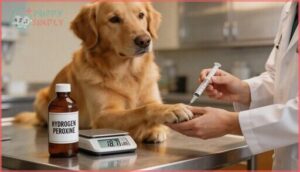
Getting the dose right is everything here — too little won’t work, and too much can cause real harm.
Your dog’s weight drives every number, and the concentration of peroxide you use matters just as much.
Here’s exactly what you need to know before measuring out a single drop.
Use Only 3% Hydrogen Peroxide
One number matters more than anything else on that bottle: 3%. For safe use of hydrogen peroxide in dogs, concentration verification isn’t optional — it’s the first step. Higher concentrations corrode tissue.
Always do a freshness check and confirm label accuracy before use, since expired or weakened solution foams poorly and loses effectiveness. Store it properly, and never dilute it yourself — dilution mistakes change the dose unpredictably.
Weight-based Dosing Basics
Once you’ve confirmed that 3% hydrogen peroxide is what you have, dosing comes down to one simple formula: 1 teaspoon per 5 pounds of body weight. That’s roughly 1 mL per pound.
Accurate scale use matters here — don’t guess.
Metric conversion tip: divide pounds by 2.2 for kilograms, then apply the dose calculation formula accordingly.
For obese dogs, adjustments for obesity mean using ideal weight, not current.
Maximum Dose for Large Dogs
The formula scales cleanly up to a point — then it stops. For dogs over 45 pounds, the maximum volume is 3 tablespoons, or 45 ml, full stop.
More hydrogen peroxide doesn’t mean better results; it means more risk. That’s the safety buffer built into every hydrogen peroxide dosage guideline.
Key cap limits to remember:
- Weight tiering tops out at 45 ml regardless of size
- Dose calculation uses dogs’ weight, not guesswork
- Maximum volume stays fixed even for very large breeds
Measuring With a Syringe or Baster
Measuring accurately is the difference between effective and harmful. Use an oral syringe for syringe mark calibration — hold it level and apply the meniscus reading technique, aligning the liquid’s curved bottom to your target line. Pull slightly past 5 ml, then push out air bubble removal before final adjustment. For cheek delivery angle, tilt the tip slightly sideways.
| Dog Weight | Dose | Tool |
|---|---|---|
| 10 lbs | 10 ml | 1 ml syringe ×10 |
| 25 lbs | 25 ml | Large oral syringe |
| 45+ lbs | 45 ml | Turkey baster |
A turkey baster works — baster precision tips include aiming into the cheek pouch, never straight down the throat. Confirm your hydrogen peroxide dosage chart before drawing.
Why Stronger Concentrations Are Dangerous
Anything stronger than hydrogen peroxide 3% isn’t just less safe — it’s genuinely harmful. Higher concentrations mean tissue burn risk before vomiting even starts, and the damage compounds fast.
- Gastric lesion formation can occur within hours of exposure.
- Aspiration increase is more likely with forceful, repeated retching.
- Dose toxicity narrows your margin for error substantially.
- Delayed systemic harm and esophageal injury risk from induced vomiting can persist 24+ hours.
Don’t give more than 2 doses. Don’t use expired hydrogen peroxide.
How to Give Hydrogen Peroxide
Getting the peroxide into your dog correctly matters just as much as the dose itself.
A few simple steps will help the process go smoothly and safely.
Exactly what to do from start to finish.
Prepare a Safe, Easy-clean Area

Before you give a single drop, room matters as much as the dose. Choose a bathroom or laundry area — hard floors make cleanup supplies and pet‑safe cleaning products far easier to deploy quickly.
| Setup Priority | Why It Matters |
|---|---|
| Floor protection | Contains mess; prevents spread |
| Containment setup | Keeps dog focused, safe |
Close the door, clear the floor, and turn off fans for ventilation control.
Give The Dose Into The Cheek

Placement is everything here. Aim for the cheek pocket — the space between the cheek and back teeth — rather than squirting straight down the throat. The Cheek Placement Technique lets your dog swallow naturally, dramatically Minimizing Aspiration Chance and Preventing Choking Risk.
- Use an oral syringe for precise hydrogen peroxide dosage guidelines
- A turkey baster works for larger doses — Syringe vs Baster choice depends on your dog’s weight
- Deliver slowly; don’t rush the full dose of hydrogen peroxide at once
- The 3 tablespoons or 45 ml maximum applies to dogs over 45 lbs
- Cheek Pocket Comfort keeps the dog cooperative and the process controlled
Keep Your Dog Calm and Upright

Once the dose is in, your job is to stay steady. A Soothing Voice and Gentle Restraint do more than you’d think — a calm dog is less likely to struggle, fall, or aspirate.
Keep your dog upright on a Stable Surface with Minimal Distractions.
Controlled Breathing on your end helps regulate theirs.
Never force them onto their back — that’s how preventing aspiration during emesis fails fast.
Walk Briefly After Dosing

A gentle post-dose walk isn’t optional — it’s part of the hydrogen peroxide administration guidelines.
Moving your dog helps the peroxide slosh around the stomach, encouraging faster emesis.
Keep it a supervised leash stroll at a calm pace — no running, no play.
Short outdoor activity also means easier cleanup.
Watch closely: immediate vomit response can happen with little warning.
When to Repeat One Final Dose

If no vomiting occurs within 10–15 minutes, one repeat dose is permitted — but only after helpline confirmation. Before repeating, run through a quick toxin type check and swallowing ability assessment: if your dog is weakening, gagging uncontrollably, or showing new symptoms, stop immediately.
Symptom monitoring overrides any schedule. The maximum dose limit is two total — don’t give more than 2 doses under any circumstance.
When to Stop and Seek Help

Two doses are the hard limit. If vomiting still hasn’t happened, contact a veterinarian immediately.
Severe breathing issues, uncontrolled seizures, sudden collapse, rapid heart rate, or visible blood in vomit are signs that indicate you shouldn’t induce vomiting — not even a second attempt. Aspiration risk climbs fast when a dog is distressed. Veterinary guidance for emesis exists precisely for moments like this.
What to Do After Vomiting

Once your dog vomits, the hard part isn’t over — what you do in the next few minutes still matters.
You want to keep things calm, keep your dog safe, and gather information your vet will need. Here’s exactly what to do right after.
Prevent Re-ingestion of Vomit
As soon as your dog starts retching, move them to your Isolation Area Setup — a bathroom or laundry room works well.
Use Leash Control Techniques to keep them away from the puddle while you grab Disposable Cleanup Gear.
Don’t let your dog eat vomit; re-ingestion undermines the entire process.
Wipe surfaces thoroughly — Surface Decontamination Methods matter here.
Then stay close: Supervised Post-Vomiting Monitoring starts now.
Collect a Sample for The Vet
While you’re keeping your dog away from the puddle, grab a clean, sealable container — your first aid kit for pets should already have one. Timing of Collection matters: fresh vomit gives your vet the most diagnostic value.
Use gloves, avoid touching the container rim, and follow Transport Guidelines by keeping it upright and cool. Label it with your dog’s name and the time, then contact a vet immediately.
Monitor for Continued Retching
Watch your dog closely once retching stops — postvomiting monitoring isn’t optional.
Track retching frequency carefully: one or two episodes are expected, but continued or worsening episodes signal trouble.
Monitor your dog for adverse reactions like abdominal swelling, gum color changes, breathing difficulty, or a painful abdomen. These are signs of aspiration pneumonia or GDV.
Either warrants immediate veterinary attention, not a wait-and-see approach.
Offer Water Carefully
Once retching slows, offer water in small sips — not a full bowl. Chugging triggers more nausea.
- Small sips: Let your dog lick or drink gradually from a clean bowl with no soap residue.
- Temperature control: Keep water at room temperature; very cold water is harder to tolerate post‑vomiting.
- Swallowing signs: Stop immediately if gagging, coughing, or wet‑sounding breathing returns after drinking.
Hydration monitoring matters — tacky gums mean your vet needs to know now.
Resume Food With a Bland Diet
Once your dog keeps water down, bland food is the next step — but go slow.
| Food | Why It Helps | Serving Tip |
|---|---|---|
| Plain Rice Meal | Low-fiber, easy to digest | Start with 2–3 tablespoons |
| Low-Fat Protein (chicken) | Mild, aids recovery | Boiled, unseasoned only |
| Cooked carrots or potato | Gentle on inflamed gut | Mashed, no butter |
| Plain white bread | Simple starch, low irritation | Small pieces only |
| Cottage cheese (low-fat) | Mild protein add-on | Only if well-tolerated |
Avoid Spices, sauces, and fat entirely. Gradual Portion Increase over 48 hours aids post‑vomiting care and digestive upset treatment options. Monitor Stool — loose output signals the gut still needs bland food and possible gastrointestinal protectants.
Record Symptoms and Treatment Details
Your notes are the vet’s first window into what happened.
Write down the exact time symptoms started, how long each episode lasted, and whether things improved or got worse.
Log your Treatment Dosage, the amount given, and the method used.
A clear Symptom Timeline, Monitoring Notes, and Documentation Checklist help your vet make faster, smarter decisions during veterinary consultation.
Risks and Warning Signs

Inducing vomiting isn’t risk-free, even when you do everything right. Complications show up fast, and missing them can turn a manageable situation into an emergency.
Here’s what to watch for after the process begins.
Aspiration Pneumonia Symptoms
Aspiration pneumonia in dogs can develop quickly after induced vomiting.
Signs of aspiration pneumonia include rapid breathing, wheezing sounds, nasal discharge, and fever, and lethargy.
Your dog may extend its neck forward or refuse to lie down.
Blue gums mean oxygen levels are dropping — that’s an emergency.
Monitor your dog for adverse reactions closely, as prevention of aspiration during emesis starts with keeping your dog upright.
Prolonged Vomiting and Dehydration
Prolonged vomiting drains your dog faster than you’d expect. Each episode pulls water and electrolytes — sodium, chloride, potassium — out of the body, and Electrolyte Imbalance can quietly push toward Kidney Risk within hours.
Watch for tacky gums, Skin Tenting, and rapid weight loss; Weight Monitoring matters here.
Fluid Therapy, not home fluids, corrects serious deficits.
Postvomiting care and observation, plus your vomiting induction dosage guidelines, should always include a vet call if dehydration signs appear.
Bloat and Abdominal Swelling
Dehydration isn’t the only thing that can spiral after vomiting induction.
Bloat — or gastric dilatation-volvulus (GDV) — is one of the most dangerous risks associated with canine emesis.
Abdominal Distension Signs include a tight, rapidly expanding belly just behind the ribs, often paired with unproductive retching and Pain Behavior Indicators like restless pacing.
GDV Early Detection matters because Respiratory Compromise follows quickly.
This is when to avoid inducing vomiting in dogs entirely — Emergency Surgical Intervention is the only fix.
Lethargy, Weakness, or Collapse
Bloat isn’t the only sign telling you to stop. Lethargy, weakness, or collapse after ingestion means the toxin is already working — and that changes everything. Watch for:
- Neurologic signs — staggering, behavioral disorientation, or tremors
- Circulatory indicators — pale, blue, or bright red gums signaling poor oxygen delivery
- Kidney failure signs — sudden weakness hours after grape or raisin ingestion
These are clear signs that indicate you shouldn’t induce vomiting in dogs. Seek emergency response for canine poisoning immediately.
Mouth, Throat, or Esophagus Injury
Beyond neurological collapse, the physical damage from vomiting deserves equal attention.
Hydrogen peroxide** irritates tissue from mouth to stomach — even at 3%.
Watch for these Oral Burn Signs and Throat Swelling Indicators:
| Warning Sign | What It Suggests |
|---|---|
| Drooling, pawing at mouth | Mucosal Irritation Effects |
| Refusing food or water | Painful Swallowing Symptoms |
| Repeated retching, gagging | Throat Swelling Indicators |
| Visible mouth sores | Esophageal Ulcer Risk |
Repeated vomiting inflames the esophagus — esophageal ulcers can develop even when recovery looks smooth.
When Emergency Treatment is Urgent
Some warning signs mean stop everything and go — no waiting, no second dose. Seizure emergency, Emergency Breathing Issues, or Rapid Collapse Response situations require immediate transport, not phone calls.
Critical Bloat Signs, like a tight, swollen belly with unproductive retching, escalate within minutes.
If you’re unsure when to induce vomiting in dogs, call the Urgent Poison Hotline at 888-426-4435 now.
Unsafe Home Remedies to Avoid

Not every home remedy you’ll find online is safe — some are genuinely dangerous.
A few common ones can cause more harm than the toxin your dog already swallowed.
Here’s what to skip entirely.
Salt Water Dangers
Salt water sounds simple, but it’s one of the most dangerous emetic shortcuts you can take. Using it as a pet poisoning emergency response puts your dog at serious risk — the guidelines for administering salt water emetic don’t exist because it’s simply not safe.
- Dehydration Risk: excess sodium pulls fluid from tissues fast
- Skin Irritation: salt dries and inflames sensitive tissue
- Eye Burning: splashed salt water causes redness and tearing
- Contaminated Water Infection: bacteria in impure water worsens GI illness
- Aspiration Choking: forceful retching increases airway exposure risk
Baking Soda Risks
Baking soda seems harmless sitting in your kitchen cabinet, but it’s genuinely dangerous as a dog emetic.
It causes sodium overload, metabolic alkalosis, and rapid gastric bloating from CO2 gas — sometimes triggering gastric dilatation-volvulus.
Electrolyte imbalance and neurological effects like tremors or seizures can follow quickly.
Toxic doses are reached easily in small dogs.
Don’t use it.
Mustard as an Emetic
Mustard has a long history as a traditional emetic use remedy — people once gave it in higher doses to trigger gastric nerve stimulation and force vomiting after suspected poisoning.
The irritant mechanism is real, but so are the risks. For dogs, that same gastrointestinal irritation can cause severe vomiting, excessive GI damage, and unpredictable results.
Mustard contraindications outweigh any perceived benefit, and its efficacy compared to proven veterinary emetics is simply not there. Skip it.
Ipecac and Other Old Remedies
Ipecac sounds like a reasonable fix — it’s been in medicine cabinets for decades — but it’s one of the most dangerous home remedies for dog vomiting you can reach for. Its active compound, emetine, carries real Cardiac Risks, including slowed heart rate and abnormal rhythm.
- Ipecac Toxicity can worsen quickly in dogs with heart or breathing issues
- Historical Emetics like ipecac are now flagged in veterinary references as unsafe
- Unsafe Kitchen Remedies delay proper care and can create a second poisoning
- Veterinary Alternatives — like apomorphine — induce vomiting in dogs far more safely
Gagging or Forcing by Hand
forcing your hand down your dog’s throat won’t induce vomiting in dogs — it just causes harm. Dogs have an ineffective gag reflex compared to humans, so the technique simply doesn’t work. Instead, you risk throat injury, stress trauma, and aspiration pneumonia from uncontrolled retching.
Owner bite danger is real too, with roughly 40% of attempts ending in a bite. Follow veterinary guidance. Skip the hand.
Why Veterinary Emetics Are Safer
Veterinary emetics aren’t just "better options" — they’re purpose-built for this exact situation. Apomorphine induces vomiting in about 94% of dogs; hydrogen peroxide at 3% hits roughly 90%. Both work through Controlled Dosage and Standardized Formulations that eliminate guesswork.
- Clinical Efficacy: Proven recovery rates backed by data
- Reduced Aspiration Risk: Controlled induction limits dangerous inhaling of vomit
- Professional Supervision: Complications caught and managed immediately
- Veterinary guidance on emesis: Right drug, right dog, right moment
- Alternative veterinary emetics: Options exist if one agent is contraindicated
Top 5 Support Items
Once your dog has vomited and you’re past the emergency, having a reliable items on hand makes recovery a lot smoother.
These aren’t replacements for veterinary care — they’re practical tools to support your dog’s gut health and comfort in the hours that follow.
Here are five worth keeping in your corner.
1. Amazon Basics Hydrogen Peroxide Antiseptic
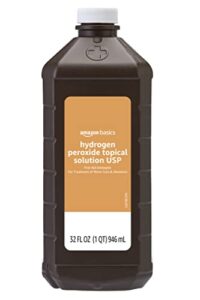
A 32-ounce bottle of Amazon Basics 3% hydrogen peroxide is the one item worth keeping in your emergency kit before you ever need it. This USP-grade, stabilized solution contains exactly the concentration recommended for inducing vomiting in dogs — not 6%, not 10%, just 3%.
It’s paraben-free and comes in a pour-friendly container that works well with an oral syringe. Buy it now, check the expiration date regularly, and replace it when it’s due.
| Best For | Households that want a reliable, no-frills antiseptic on hand for minor cuts, scrapes, and everyday first-aid needs. |
|---|---|
| Primary Use | Wound antiseptic |
| Form | Liquid solution |
| Pet Suitability | Dogs (vet-directed) |
| Vet Guidance Advised | Yes, for deep wounds |
| Price | Not specified |
| Made in USA | Not stated |
| Additional Features |
|
- Big 32 oz bottle means you won’t run out anytime soon — great for home first-aid kits
- USP-grade, stabilized 3% solution with no parabens, phthalates, or latex
- Works beyond wound care — handy for stain removal and surface disinfecting too
- Some users noticed little to no bubbling, which can make it feel like the solution isn’t doing much
- No added preservatives, so it can degrade if stored somewhere warm or bright
- Bulk shoppers might find a better deal at warehouse stores like Costco
2. HomeoPet Digestive Support for Cats Dogs

Once the vomiting episode is over, your dog’s stomach may still feel unsettled.
That’s where HomeoPet Digestive+ comes in. It’s a liquid homeopathic supplement — 15 mL, roughly 350 drops — formulated by a veterinarian for cats and dogs of all ages.
A few drops directly in the mouth or mixed into water can help ease lingering nausea, gas, or appetite loss. It won’t treat poisoning itself, but as post-incident gut support, it’s a gentle option worth having nearby.
| Best For | Pet owners looking for a gentle, easy-to-administer supplement to help dogs and cats recover from mild digestive upset like nausea, gas, or loose stools. |
|---|---|
| Primary Use | Digestive upset relief |
| Form | Liquid drops |
| Pet Suitability | Dogs, cats, small animals |
| Vet Guidance Advised | Yes, for severe cases |
| Price | $19.49 |
| Made in USA | Not stated |
| Additional Features |
|
- Simple to give — a few drops in the mouth, water, or food makes dosing stress-free
- Works for pets of all ages, including seniors and young animals
- Formulated by a vet, with a natural, gentle profile and no known side effects
- No clinical studies back up the effectiveness claims — it’s anecdotal at best
- Ingredient list and expiration date aren’t on the bottle, which makes it hard to verify safety
- Won’t cut it for serious GI issues, infections, or underlying conditions — a vet visit is still needed
3. Vets Preferred Dog Diarrhea Relief
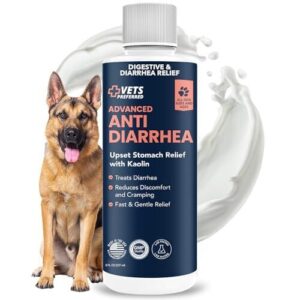
Diarrhea often follows a vomiting episode, and that’s where Vets Preferred Dog Diarrhea Relief earns its spot in your cabinet. This 8 oz liquid formula combines kaolin clay and pectin — two well-established gut-settling ingredients — to absorb excess fluid in the intestines and firm up loose stools.
Dose every 12 hours: 1 teaspoon for dogs under 15 lbs, 2 teaspoons for 16–50 lbs, or 1 tablespoon for dogs over 51 lbs. Most dogs see improvement within 2–3 days.
| Best For | Dog owners dealing with acute diarrhea or post-vomiting gut upset who want a fast, easy-to-dose liquid they can mix right into their dog’s food. |
|---|---|
| Primary Use | Anti-diarrheal relief |
| Form | Liquid formula |
| Pet Suitability | Dogs all sizes |
| Vet Guidance Advised | Yes, for severe symptoms |
| Price | $12.78 |
| Made in USA | Yes |
| Additional Features |
|
- Kaolin clay and pectin are proven gut-settlers that firm up loose stools without causing dehydration
- Easy to give — mix it into food or dose directly, works for any breed or size
- Affordable at $12.78 and made in the USA under veterinary-grade standards
- Only treats the symptoms, not the root cause — diarrhea can come right back if the underlying issue isn’t addressed
- Some dogs pick up on the mint or chalky taste and won’t touch it
- Stock can be hit or miss, and prices tend to creep up on third-party sellers
4. MediNatura T Relief GI Digestive Drops
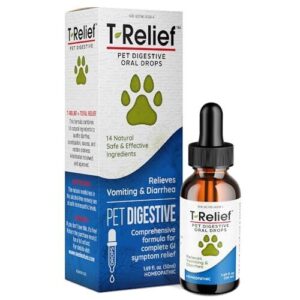
Once loose stools are under control, settling the stomach itself is the next priority.
MediNatura T-Relief GI Digestive Drops ($23.20) delivers a homeopathic blend of 14 plant and mineral actives — including Nux vomica and Chamomilla — in liquid drop form. Give large dogs half a dropperful three times daily, mixed directly into food or water.
It’s compatible with probiotics and anti-diarrheal meds, and works without synthetic additives. Especially useful for dogs with chronic conditions who don’t tolerate conventional anti-nausea drugs well.
| Best For | Dogs (and cats or horses) with recurring stomach issues, especially those who can’t handle conventional anti-nausea meds. |
|---|---|
| Primary Use | GI distress relief |
| Form | Liquid drops |
| Pet Suitability | Dogs, cats, horses |
| Vet Guidance Advised | Yes, for serious conditions |
| Price | $23.20 |
| Made in USA | Not stated |
| Additional Features |
|
- Works with probiotics and anti-diarrheal meds — no known conflicts
- Easy to give; just drop it into food or water, no fuss
- Free of synthetic preservatives and fillers, which is a plus for sensitive pets
- Effectiveness is mostly anecdotal — clinical proof is thin
- Not a replacement for the vet if things get serious or don’t improve
- Homeopathic micro-dosing means results can vary a lot from pet to pet
5. Under the Weather Dog Bland Diet
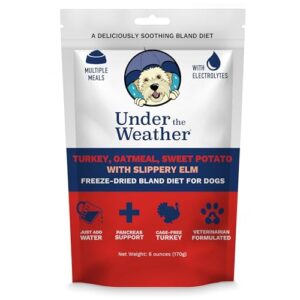
Once vomiting stops, your dog’s gut needs time to reset — and that’s exactly where Under the Weather Dog Bland Diet earns its place. This freeze-dried mix of turkey breast, oats, sweet potato, and slippery elm rehydrates in minutes with hot water.
At $15.99 for a 6 oz pouch, it’s vet-formulated, human-grade, and built with electrolytes to support hydration during recovery. Feed it as a short-term phase before returning to your dog’s regular food.
| Best For | Dogs recovering from vomiting, diarrhea, or pancreatitis who need a gentle, easy-to-digest meal to help their gut get back on track. |
|---|---|
| Primary Use | GI upset diet |
| Form | Freeze-dried powder |
| Pet Suitability | Dogs all life stages |
| Vet Guidance Advised | Yes, for prolonged illness |
| Price | $15.99 |
| Made in USA | Yes |
| Additional Features |
|
- Vet-formulated with clean, human-grade ingredients — no fillers, gluten, or artificial junk
- Ready in minutes (just add hot water), which is a lifesaver when your dog is sick and you need to act fast
- Built-in electrolytes help keep your dog hydrated during recovery
- Only works as a short-term fix — it’s not nutritionally complete for everyday feeding
- The 6 oz pouch goes fast with bigger dogs, so you may need to stock up
- Electrolyte details aren’t listed, which could be a concern for dogs with specific health conditions
Frequently Asked Questions (FAQs)
How can I make a dog vomit at home?
The safest way is 3% hydrogen peroxide — 1 teaspoon per 5 pounds of body weight, up to 3 tablespoons max.
Use a syringe, aim for the cheek pouch, and only do this after calling your vet.
Should I Make my Dog Vomit?
Not always. It depends on what your dog swallowed, when it happened, and how they’re acting right now. The wrong call can cause more harm than the poison itself.
Can you make a dog vomit if he eats something poisonous?
Yes, but only in specific situations. If your dog swallowed something toxic within the last two hours and is fully alert, a vet may guide you to safely trigger vomiting.
Can a dog throw up after eating a foreign substance?
Dogs can vomit after swallowing a foreign substance, either naturally or with intervention. Whether that’s safe or helpful depends entirely on what was swallowed, how much, and when.
Should I be concerned if my dog threw up out of nowhere?
One isolated vomit with no other symptoms usually isn’t a cause for alarm.
But if you notice repeated vomiting, blood, lethargy, or a swollen belly, that changes things fast — get veterinary help immediately.
What should I do if I’m not sure what my dog ate was dangerous?
When in doubt, act like it’s dangerous. Call your vet or a poison hotline immediately, save any packaging or sample, note the time, and watch your dog closely for symptoms.
Can I give my dog hydrogen peroxide at home?
You can, but only with a vet’s go-ahead. Use 3% hydrogen peroxide — nothing stronger — at 1 teaspoon per 5 pounds of body weight, up to 3 tablespoons maximum.
Is it okay to induce vomiting in dogs?
Sometimes, yes — but only under veterinary guidance.
If your dog swallowed something toxic within the last two hours and is alert and breathing normally, inducing vomiting may help remove the substance before it causes serious harm.
What can I give a dog for throwing up at home?
The only stomach settler worth reaching for at home is 3% hydrogen peroxide. It irritates the gut enough to trigger vomiting within 10–15 minutes. Nothing else is safe or reliable.
Should I make my dog throw up if he swallowed something?
Not always. It depends on what was swallowed, how long ago, and whether your dog is alert. Some situations make vomiting dangerous. Call your vet or a poison hotline first.
Conclusion
Studies show that over 90% of pet poisoning deaths are preventable with fast, informed action. Knowing how to induce vomiting in dogs correctly—and when it will do more harm than good—puts that outcome in your hands.
The two-hour window doesn’t wait. Keep 3% hydrogen peroxide stocked, your vet’s number saved, and the ASPCA Poison Control line ready.
Preparation isn’t paranoia. It’s the difference between a close call and a tragedy.
- https://www.akc.org/expert-advice/health/how-to-make-a-dog-throw-up/
- https://enviroliteracy.org/animals/when-should-you-not-induce-vomiting-in-a-dog/
- https://www.preventivevet.com/dogs/inducing-vomiting
- https://vcahospitals.com/know-your-pet/hydrogen-peroxide-3-oral
- https://vetgirlontherun.com/podcasts/should-we-be-using-3-hydrogen-peroxide-as-an-emetic-agent-in-dogs-vetgirl-veterinary-continuing-education-podcasts/