This site is supported by our readers. We may earn a commission, at no cost to you, if you purchase through links.
Garlic sits on most kitchen counters looking harmless, even healthy.
For your dog, though, that same clove can quietly act like a slow fuse.
Garlic is about five times more toxic to dogs than onions, and it targets their red blood cells in a way your body can easily handle but theirs cannot.
A small “taste” from the cutting board, a garlic-heavy sauce, or a sprinkle of garlic powder on leftovers can push a sensitive dog past a dangerous threshold.
Understanding how much garlic is toxic to dogs, by amount and form, gives you real control and peace of mind.
Table Of Contents
- Key Takeaways
- Why Garlic is Toxic to Dogs
- How Garlic Harms a Dog’s Body
- Dangerous Amounts of Garlic for Dogs
- Symptoms of Garlic Poisoning in Dogs
- Forms of Garlic and Relative Toxicity
- What to Do if Your Dog Eats Garlic
- Treatment for Garlic Toxicity in Dogs
- Preventing Garlic Toxicity in Dogs
- Using a Dog Garlic Toxicity Calculator
- Frequently Asked Questions (FAQs)
- Conclusion
Key Takeaways
- Garlic is much more toxic to dogs than onions, and directly damages their red blood cells, which can lead to hemolytic anemia, especially in sensitive breeds like Akitas and Shiba Inus.
- The risk depends on dose by body weight and form—roughly 15–30 g of garlic per kg can be toxic, powders and bouillon are far more concentrated, and no amount is considered truly safe for dogs.
- Garlic poisoning often starts with vomiting, diarrhea, lethargy, pale gums, and garlic‑smelling breath, and can progress over days to dark urine, jaundice, breathing trouble, collapse, seizures, and organ failure that require emergency vet care.
- If your dog eats garlic, remove access, keep them calm, calculate a rough dose, and call a vet or poison control right away, and for prevention avoid all garlic‑flavored foods, check labels on treats and supplements, and stick to plain, dog‑safe snacks instead.
Why Garlic is Toxic to Dogs
In this section, you’ll see what makes garlic itself dangerous to dogs, how their bodies react differently than ours, and how it compares to onions and other related plants.
You can dig into which everyday foods are toxic to dogs to understand why garlic hits their system so much harder than onions do.
Understanding these basics will help you judge the real level of risk if your dog eats something flavored with garlic.
Here’s what you need to know about why garlic is toxic in the first place.
Toxic Compounds in Garlic
Inside each clove, Garlic Biochemistry generates Organosulfur Compounds that become harmful for your dog once allicin formation occurs after chewing. These molecules include Thiosulphates and Disulfides that disrupt sulfur metabolism and trigger thiosulfate effects on red blood cells.
Enough exposure reaches a Toxic Dose, driving Hemolytic Anemia and full‑blown Garlic Toxicity even from what looks like a small snack today.
Garlic is five times more toxic than onions, according to veterinary experts.
Sensitivity of Dogs Vs. Humans
Those same compounds that barely bother people hit Dogs much harder.
Because of enzyme deficiency and metabolic differences, canine red blood cells suffer oxidative stress, glutathione depletion, and damage at lower Toxic Amounts.
Certain Japanese breeds show higher breed susceptibility, so the Toxic Dose is smaller and Symptoms of Garlic Toxicity appear sooner, such as:
- Weakness
- Pale gums
- Rapid breathing
The toxic dose can cause hemolytic anemia risk.
Garlic Vs. Other Allium Plants
Because your dog is already more vulnerable than you are, it also matters which allium it eats. In the Potency Ranking for Garlic Toxicity, garlic sits above Onions, Chives, and Leeks.
Its allyl-based Thiosulfate Levels mean lower Dose Thresholds, so smaller bites cause Garlic Poisoning. Processed Form Risks, like powders, intensify harm, especially with Species Sensitivity in many dogs and puppies.
How Garlic Harms a Dog’s Body

Knowing that garlic is toxic is one thing; understanding how it actually harms your dog’s body is another.
In simple terms, garlic attacks the red blood cells and can slowly strip the blood of its ability to carry oxygen.
Garlic slowly damages your dog’s red blood cells, robbing their blood of vital oxygen
To help you see the full picture, here are the main ways garlic affects a dog’s body.
Effects on Red Blood Cells
Think of your dog’s Red Blood Cells as tiny delivery trucks, and Garlic Toxicity as corrosive rust that quietly slows every trip.
- Methemoglobin formation blocks oxygen loading, causing Reduced oxygen capacity.
- Oxidative membrane damage weakens.
- Heinz bodies appear as clumps of damaged hemoglobin.
- Eccentrocytosis distorts shape and flexibility.
- Injury leads toward Hemolytic Anemia, harming Dog Health and requiring Veterinary Care.
Development of Hemolytic Anemia
Garlic Toxicity as a slow squeeze on your dog’s blood supply. Oxidative Stress scars Red Blood Cells, leading to Heinz Body Formation and fragile eccentrocytes that the spleen clears them out early.
As destruction outpaces Bone Marrow Compensation, Hemolytic Anemia develops. Ongoing damage and possible Immune‑Mediated Hemolysis deepen anemia and quietly threaten overall Dog Health in this high species sensitivity.
Impact on Canine Health
When garlic toxicity takes hold, the damage spreads far beyond the bloodstream.
Even small amounts in salad dressing can trigger anemia and breathing issues, as detailed in this guide to salad dressings and dogs.
Gastrointestinal irritation hits first — drooling, vomiting, abdominal pain.
Then comes respiratory strain as oxygen‑starved tissues push the lungs harder.
Renal stress follows, with kidneys struggling to filter debris from destroyed red blood cells.
Cardiovascular load climbs as the heart compensates.
Without veterinary care for dogs, long‑term organ damage becomes a real risk.
Dangerous Amounts of Garlic for Dogs

Knowing exactly how much garlic can harm your dog makes a real difference in how quickly you act.
The answer depends on your dog’s weight, the form of garlic involved, and a few other factors that can shift the risk up or down.
Here’s what you need to know.
Toxic Thresholds by Weight
Surprisingly, you need to think in Garlic Dose, not cloves: the Toxic Threshold for Garlic Toxicity in Dogs is about 15–30 g per kg body weight, with Emergency Dose Levels near 2 g per pound.
These Weight‑Based Limits, Breed‑Specific Adjustments, Cumulative Toxicity, and Dose‑Calculator Guidance anchor Dog Health and Safety decisions around overall Garlic Toxicity to guide everyday feeding choices.
Fresh Vs. Powdered Garlic Risks
Here’s the key difference for you to remember: Fresh garlic causes trouble after allicin activation, while garlic powder starts dangerous due to a much higher toxin concentration from the drying process and strong powder stability.
That means less product, faster impact, and higher toxicity risk, so dose timing matters a lot for dog health and nutrition and garlic toxicity in dogs.
Factors Influencing Toxicity
Ever wonder why one dog gets sick and another seems fine after the same Garlic Dose?
Breed genetics, Age metabolism, and Dose concentration all shift Toxicity Levels and Dog Health Risks.
Exposure frequency and Preexisting health conditions add more danger, so Pet Safety means avoiding garlic and seeking prompt Veterinary Advice whenever ingestion is uncertain, for your dog’s long-term health.
Symptoms of Garlic Poisoning in Dogs
When a dog eats too much garlic, the signs don’t always show up right away, and they can be easy to miss at first.
In this section, you’ll see what early changes to watch for, what more serious symptoms look like, and how they tend to progress.
Use this list to quickly compare what you’re seeing at home with the most common patterns of garlic poisoning.
Early Warning Signs

You spot garlic trouble in the little things first. Early Gastrointestinal upset and subtle Behavioral changes can look mild, but they matter. Pay attention to these early clues, especially in the first day after exposure:
- Vomiting, diarrhea soon after eating
- Lethargy, weakness on walks
- Breath odor suddenly like garlic
- Gum pallor or pale gums
- Mildly elevated heart rate at rest
Severe and Advanced Symptoms

When early signs are ignored, things can escalate quickly. Garlic’s damage to red blood cells builds quietly — then hits hard.
| Symptom | What It Signals |
|---|---|
| Hemoglobinuria (dark urine) | Red blood cell destruction |
| Jaundice (yellow gums/eyes) | Liver overwhelm |
| Shock or collapse | Critical oxygen loss |
| Seizures | Brain oxygen deprivation |
| Organ failure | Systemic toxin overload |
Lethargy, weakness, vomiting, diarrhea, and abdominal pain alongside these signs mean one thing — get to a vet immediately.
Timeline of Symptom Onset

Those severe signs rarely appear out of nowhere; they follow a predictable timeline of Symptoms. Initial GI upset—Vomiting, Diarrhea, mild Lethargy—often shows within 6–24 hours.
- Weakness creeping in as Delayed anemia develops
- Breed sensitivity causing faster decline
- Cumulative exposure suddenly “tipping” the dog
- A five‑day Veterinary monitoring window where things can still worsen after ingestion
Forms of Garlic and Relative Toxicity

Not all garlic looks the same in your kitchen, and it doesn’t behave the same in your dog’s body, either.
Raw cloves, cooked pieces, powders, and seasonings can all carry very different levels of risk. Here’s how the main forms of garlic compare, so you know what to watch for most carefully.
Raw Vs. Cooked Garlic
Although cooked garlic may seem milder, you should treat raw and cooked Garlic as risky for Dogs after Garlic Ingestion.
Raw cloves have higher Allicin Potency and faster Absorption Speed, so Symptoms can appear sooner, but Cooking Temperature Effects don’t remove Thiosulfate Retention.
That’s why Garlic Toxicity remains possible either way, only altering Symptom Onset Timing, not the overall risk.
Garlic Powder and Granules
Raw and cooked cloves are risky, but Garlic Powder and granulated Garlic worry me more because of their concentration differences.
Just a teaspoon can pack several cloves’ worth of toxin, raising the risk of Garlic Toxicity and Garlic Poisoning in dogs.
Careful Label Reading, awareness of Pet Food Additives, Spill Cleanup, and a Dose Calculator or Toxicity Calculator help greatly.
Hidden Sources in Foods
Garlic hides where you least expect it. Beyond obvious sources like garlic bread, these three everyday items quietly carry real garlic toxicity risk:
- Bouillon cubes — one cube can push small dogs toward toxic levels
- Frozen pizza toppings — sauce and seasoning mixes combine for hidden garlic powder exposure
- Baby food ingredients — savory jars often contain garlic
Always check pet food labels. Food and diet restrictions matter.
What to Do if Your Dog Eats Garlic
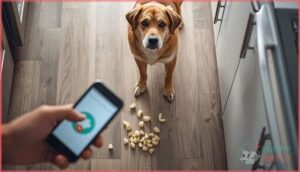
If your dog just ate garlic, it’s hard to know whether to wait, watch, or rush to the clinic.
This next section walks you through the first actions to take, when it’s time to call a veterinarian, and what information will help them assess the risk. Use the list below as a clear, calm checklist in those first stressful minutes.
Immediate Steps to Take
Think of suspected Garlic Poisoning in Dogs as Dog Emergency and First Aid.
Immediately Remove garlic access, Limit activity, and keep your dog resting. Don’t try remedies or induce vomiting.
Calculate dose risk from weight and amount eaten, Monitor critical signs, then Contact veterinarian for Veterinary Care and Advice on Poisoning Prevention and Treatment and Pet Safety and Prevention.
When to Contact a Veterinarian
When your dog eats any garlic, treat it as Dog Emergency and First Aid: follow your Emergency Contact Protocol and call your vet or Poison Control at once for Vet Care and Veterinary Care and Advice.
High‑Risk Breed Alert, Powdered Garlic Ingestion, or Delayed Symptom Onset are automatic Risk Calculator Trigger points for urgent Pet Safety and Wellness today, immediately.
Information to Provide The Vet
Your vet protects your dog through the details you share.
Start with dog weight and Ingestion timing, then describe Garlic form and estimated amount.
Give a clear symptom list, note any Recent treatments you tried, and bring packaging to support Toxicity Risk Assessment, Dog Health and Wellness, Pet Care and Safety in Veterinary Medicine for Garlic Poisoning in Dogs.
Treatment for Garlic Toxicity in Dogs

When garlic toxicity is suspected, treatment focuses on two main goals: stopping more toxin from being absorbed and protecting your dog’s red blood cells. Your vet will choose specific steps based on how much garlic was eaten, your dog’s size, and current symptoms.
Below are the key treatment stages you’re likely to hear about.
Decontamination Methods
In a dog emergency involving Garlic Poisoning, your goal is fast decontamination within the critical Timing Window.
Under veterinary medicine guidance, Emesis Induction and Activated Charcoal usually come first; Gastric Lavage is reserved for massive doses. Skip unsupervised home decontamination and seek prompt Toxicity Risk Assessment to protect Pet Care and Safety and reduce long‑term blood cell damage.
Supportive Veterinary Care
In a Dog Emergency, your dog’s best chance is calm support in hospital.
IV Fluid Therapy stabilizes blood pressure and protects kidneys after animal poisoning and toxicity. Oxygen Therapy eases breathing when red cells are low, and Blood Transfusion restores oxygen delivery.
Anti‑Nausea Medication and Comfort Care round out Veterinary Medicine and Care centered on Pet Care and Toxicity Prevention.
Recovery and Prognosis
Once your dog is stable, most owners want to know: will they be okay? The good news is yes — with prompt care, the recovery timeline is genuinely encouraging.
- Mild cases resolve within 7–14 days, with energy and appetite returning steadily.
- Prognosis factors like age, dose, and preexisting conditions shape how quickly blood monitoring confirms improvement.
- Long-term outlook after a single incident is generally excellent — no lasting damage.
Aftercare activity stays light: short leash walks only until pale gums, vomiting, dehydration, and loss of appetite fully clear. Animal poisoning and toxicity is serious, but early action makes all the difference.
Preventing Garlic Toxicity in Dogs

Preventing garlic toxicity starts with simple daily choices about what you feed and what you keep out of reach.
A few clear rules can greatly lower your dog’s risk and make mealtimes much safer.
Next, we’ll look at specific habits and products to focus on so you know exactly what to do.
Safe Feeding Practices
Safe Feeding Practices sound strict, they’re about Dog Safety and Garlic Toxicity Prevention.
You prioritize routine meals, then tiny extras, all garlic as Toxic Food** and Substances.
| Practice | Example |
|---|---|
| Portion control | Treats under 10% of daily calories |
| Label reading | Skip items listing garlic or onion |
| Human food sharing | Plain chicken, carrots, or green beans only |
| Table-refusal training | Reward ignoring dropped table scraps |
A Garlic-free home and mindful Pet Nutrition and Diet keep choices clear when you’re tired.
Avoiding Garlic-Based Products
Reading labels isn’t just for human food anymore. Plenty of dog treats, supplements, and even flea products contain garlic — sometimes hidden under “natural flavorings” or “seasoning blends.” That’s a real Garlic ingestion risk hiding in plain sight.
Check every product for ingredient awareness before it reaches your dog:
- Garlic-free treats verified by manufacturer label
- Supplements free of garlic extract or garlic oil
- Alternative flavorings like parsley or turmeric instead
- Flea products reviewed by a pet product vet first
- No “immune-support” blends listing garlic as active
Pet Safety Tip: Label reading is your best approach for Garlic Toxicity Prevention and overall Dog Safety.
Using a Dog Garlic Toxicity Calculator

When you’re worried your dog ate garlic, it helps to have a quick way to gauge the risk before you panic.
A dog garlic toxicity calculator lets you plug in your dog’s weight and the amount eaten so you can see how concerned you should be.
Here’s what to know about how it works, how to read the results, and when you still need a vet’s help.
How The Calculator Works
Think of the Dog Garlic Toxicity Calculator as a cautious nurse for your pet. You enter weight and Garlic Ingestion, and Input Validation Rules reject typos while Unit Conversion Logic standardizes units.
Behind the scenes, a Live Dose Calculation compares Garlic Dose to a Toxic Threshold using Concentration Multipliers, then passes that value to the Toxicity Calculator’s Risk Band Thresholds.
Interpreting Calculator Results
From the moment you hit “calculate,” the Dog Garlic Toxicity Calculator turns your Garlic Ingestion into a Garlic Dose Calculation and Result Percentages.
Green Color Coding usually means low Risk Levels and home monitoring. Yellow suggests calling your vet. Red, especially with Breed Sensitivity notes or Pale Gums, means emergency care now.
Treat the Toxicity Calculator as guidance, not gospel.
Limitations and Best Practices
Since the Dog Garlic Toxicity Calculator can’t see your dog, use it as a compass, not a verdict:
- Prioritize Pet Safety Tips over Calculator Accuracy; always round Garlic Dose upward.
- Remember Breed Sensitivity; dogs hit the Toxic Threshold faster.
- Treat Cumulative Doses as risky even with “low” results.
- Rely on Symptom Monitoring, not numbers.
- Choose rapid Vet Consultation for doubt.
Frequently Asked Questions (FAQs)
Are some dog breeds more vulnerable to garlic?
Yes. Japanese breeds like Akita and Shiba Inu face heightened genetic blood factors that make red blood cells especially vulnerable. Size-related risks and existing health conditions also influence how quickly garlic triggers toxicity onset.
How does age or size affect garlic risk?
Why do age and size reshape Garlic Toxicity risk in dogs?
Puppy Metabolism makes Small Breed Dose higher; Weight‑Based Toxicity, Age‑Related Hemolysis lower the Toxic Threshold, threaten Canine Health, and point to Dog Garlic Toxicity Calculator.
Is any amount of garlic ever considered safe?
Regulatory Guidelines and Long‑Term Studies on Garlic Toxicity conclude no Garlic Dose is safe for Dogs; because Toxic Threshold varies,
Risk Communication favors Alternative Flavorings and strict Food Safety for Dogs despite Pet Owner Perceptions.
How is garlic poisoning diagnosed with blood tests?
Vets diagnose Garlic Poisoning using Animal Toxicology.
Smear Heinz bodies on Red Blood Cells, Methemoglobin assay, CBC changes with hemoglobin loss and Reticulocyte count, plus Oxidative markers confirming severe Anemia from Toxic Substances and Poisoning.
Conclusion
Use the technique of satire to provide a visual representation of ideas: imagine garlic auditioning as a health hero, only to be quietly fired from your dog’s menu.
Knowing the garlic toxic dogs amount, the forms that matter, and the symptoms to watch turns worry into a clear plan.
Measure risk, call your vet early, and treat garlic like bleach under the sink—helpful for you, but never a taste test for them, not worth it.
- https://noblevetclinic.com/blog/can-dogs-eat-garlic
- https://www.spotandtango.com/blog/can-dogs-eat-garlic
- https://operationgoodboy.com/blogs/info-and-learning/garlic-and-dogs-what-the-science-really-says
- https://www.petmd.com/dog/nutrition/can-dogs-eat-garlic
- https://canina.de/en/products/130207-knoblauch-pulver