This site is supported by our readers. We may earn a commission, at no cost to you, if you purchase through links.
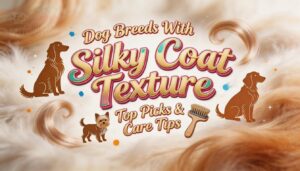
Run your hand through an Afghan Hound’s coat and you’ll understand why people stop mid-conversation to stare. That liquid-smooth, almost impossibly glossy fur isn’t an accident—it’s the result of specific coat biology that sets silky coat texture dogs apart from every other type.
Fine hair strands, tightly packed cuticle scales, and low-density growth all work together to create that signature shine and feathered elegance.
Whether you’re drawn to a pocket-sized Yorkshire Terrier or a sweeping Irish Setter, the right silky-coated breed rewards your time with a dog that looks as good as it feels to own.
Table Of Contents
- Key Takeaways
- What Makes a Dog Coat Silky?
- Small Silky-Coated Dog Breeds
- Medium Silky-Coated Dog Breeds
- Large Dogs With Silky Coats
- Grooming Needs of Silky-Coated Dogs
- Preventing Mats and Keeping Shine
- Are Silky Dogs Right for You?
- Frequently Asked Questions (FAQs)
- Which dog breeds have a silky fur?
- What is a silky-coated dog?
- What does a silky dog coat look like?
- Why does my dog have a silky coat?
- What country loves their dogs the most?
- Which silky breeds are easiest to travel with?
- Can puppies silky coats change texture as they age?
- How do silky-coated dogs behave around other pets?
- Conclusion
Key Takeaways
- Silky coats get their signature shine and feathered elegance from fine hair strands, tight cuticle scales, and low-density growth — and keeping them that way means brushing several times a week, especially behind the ears, legs, and armpits where mats sneak in fast.
- From pocket-sized Yorkies and Maltese to sweeping Afghan Hounds and Irish Setters, silky-coated breeds span every size, so you can find one that fits your living space, energy level, and grooming time without compromise.
- No silky breed is truly hypoallergenic — the real allergens come from dander, saliva, and urine, not the coat itself, so a HEPA air purifier and regular grooming are your best tools for keeping allergens manageable at home.
- What your dog eats directly shapes how their coat looks and feels, since animal proteins and omega-3s from fish oil build the strong, glossy hair fibers that make silky coats so beautiful from the inside out.
What Makes a Dog Coat Silky?
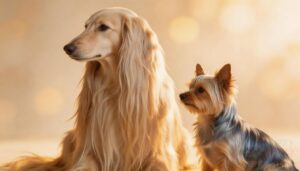
Not every dog coat is created equal, and silky coats have a way of stopping people in their tracks. There’s a handful of specific qualities that set them apart from other textures you’ll find at the dog park.
If you’re curious how that compares, short coat grooming frequency and care follows a completely different set of rules than silky coats do.
Here’s what actually makes a coat earn that "silky" label.
Fine, Smooth Hair Texture
Fine, silky fur feels completely different from a coarse or fluffy coat the moment you run your hand through it. Each strand is thin and flexible, so coat lays flat against the body with very little Coat Density or bulk.
- Low Heat Insulation means fine hair traps less air
- Breakage Zones form quickly at collars and behind ears
- Skin Visibility increases because smooth touchable fur follows the dog’s outline closely
Natural Shine and Soft-to-the-touch Feel
That flat, smooth texture you felt in the previous section? It’s also the reason silky coats catch light so beautifully.
When cuticle scale alignment is tight and even, soft and shiny fur practically glows.
Healthy sebum distribution balance keeps luxurious fur shiny and sleek from root to tip, while proper moisture retention and skin health maintenance, supported by gentle conditioning, give that coat shine its signature buttery softness.
Feathering on Ears, Legs, Chest, and Tail
Silky coats don’t stop at that gorgeous sheen — feathered fur takes everything a step further. Here’s where you’ll notice it most:
- Ears – Long fringe hangs past the jawline, collecting ear dust accumulation from bowls and outdoor air.
- Legs – Feathering grows along the backs of legs, causing leg grip issues on smooth floors when untrimmed.
- Chest – A soft bib forms at the neck, making chest mat prevention a weekly priority near collar lines.
- Tail – The plume sweeps low, so tail plume styling keeps it clean and tangle-free through every walk.
Single Coats Vs Double Coats
Not every silky coat works the same way under the surface. single coat has just one layer of fine hair, so you’ll feel less bulk but also less warmth — insulation differences really show up on chilly walks.
double coat adds a soft undercoat beneath, boosting heat retention noticeably. That undercoat role also changes your grooming needs for silky fur dogs, raising grooming complexity and allergy sensitivity.
Silky Vs Soft, Wooly, and Wiry Textures
Not all coats feel the same in your hands.
A silky coat has smooth, slick strands with strong light reflection, giving dogs a polished, glossy look.
Soft fur feels cushioned and fluffy, while wooly coats puff outward with springy volume.
Wiry textures feel crisp and rough.
Silky coat grooming requirements focus on matting zones like ears and armpits, where silky coat preservation tips and coat maintenance frequency really matter most.
Small Silky-Coated Dog Breeds
Small dogs with silky coats pack a lot of beauty into a tiny package, and some of the most stunning ones are also the most popular family companions.
You don’t need a big yard or hours of free time to enjoy one of these breeds, but you do need to know what you’re getting into coat-wise.
Here are six small silky-coated dogs worth knowing about.
Yorkshire Terrier
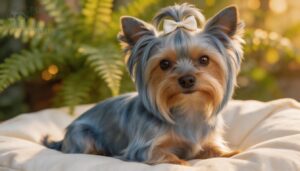
The Yorkshire Terrier packs a surprisingly luxurious silky coat into a tiny 7‑pound frame. That fine, steel‑blue and tan hair isn’t just beautiful — it’s nearly hypoallergenic, making Yorkies a popular pick for sensitive households. Topknot styling keeps hair from their bright eyes, but their grooming needs are real.
Here’s what every Yorkie owner should know:
- Cold Weather Protection — Their small size makes them chill fast, so a warm coat outdoors isn’t optional.
- Health Watch — Hypoglycemia risk in puppies, collapsed trachea, and dental crowding are breed‑specific concerns worth discussing with your vet.
- Coat Maintenance — That gorgeous silky coat needs brushing several times weekly to stay tangle‑free and shiny.
Owners should also consider the breed’s daily exercise needs to keep them healthy and happy.
Maltese
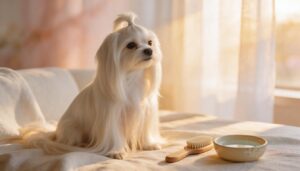
The Maltese is one of the oldest small companion silky breeds, with Mediterranean Heritage dating back over 2,000 years. Weighing under 7 pounds, this Toy Breed Longevity champion regularly lives 12–15 years. That single, floor-length silky coat is a dream to touch — but it needs real commitment.
| Feature | Details | Owner Tip |
|---|---|---|
| Coat Type | Long, single, white silky coat | Brush daily to prevent tangles |
| Common Issues | Tear Staining Issues, Luxating Patella Risks | Wipe eyes regularly; use leash |
| Dental Care Tips | Toy breeds accumulate plaque fast | Brush teeth several times weekly |
Among hypoallergenic breeds, the Maltese stands out for its low shedding and gentle nature, making dog grooming feel worthwhile every single time.
Papillon
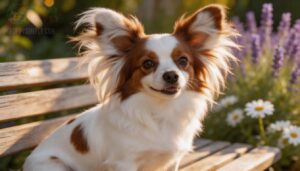
The Papillon is one of the most joyful small companion silky breeds you’ll find.
Their playful spirit and loving nature make them a standout pick among fluffy small dog breeds beloved by families.
That single, feather-light silky coat needs brushing two to three times weekly, focusing on the signature ear fringe where tangles love to hide. The drop-eared Phalene Variety shares the same grooming needs.
With vibrant Color Marking Patterns, natural Agility Competition Traits, and a 14–16‑year Lifespan Health Outlook, this breed rewards consistent dog grooming beautifully.
Shih Tzu
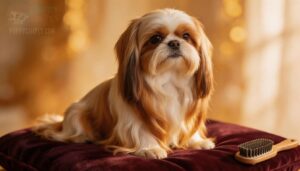
Few small breeds wear their history as proudly as the Shih Tzu, a lap dog bred for Chinese imperial families.
That long, silky coat with its soft undercoat and stunning Color Variations demands daily brushing, especially around Facial Feathering on the ears and armpits where mats form quickly.
Solid silky coat maintenance keeps dog coat health strong, and those flowing furnishings looking truly regal.
Australian Silky Terrier
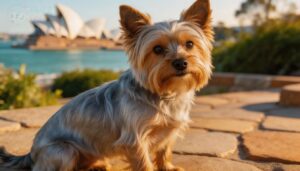
The Australian Silky Terrier carries its Sydney Origins proudly — a Toy Terrier-sized companion with a flat, glossy silky coat that parts naturally down the back. Don’t let the elegant look fool you, though.
This breed is a Vocal Watchdog with bold terrier confidence.
Grooming needs of silky fur dogs like this include brushing several times weekly, plus regular dental care to prevent buildup and watch for patellar luxation.
Japanese Chin
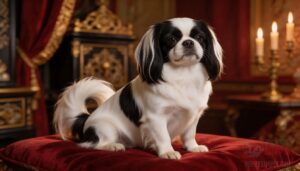
From bold terrier to aristocratic lap dog — the Japanese Chin is a study in contrasts. This breed carries a single, straight silky coat with a natural sheen that keeps white markings looking crisp.
Its Square Proportions and Elegant Gait reflect its Historical Origin as imperial Chinese royalty. Facial Markings, feathered ears, and a plumed tail complete the Companion Size package.
Grooming needs of silky fur dogs like this one stay manageable with brushing two to three times weekly.
Medium Silky-Coated Dog Breeds
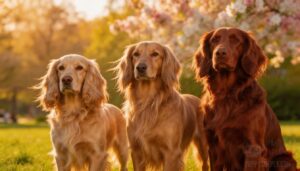
Medium-sized dogs often hit the sweet spot — not too big, not too small, and some of them come with the most gorgeous silky coats you’ll ever run your hands through.
These breeds tend to be easygoing enough for family life while still turning heads on a walk.
Here are some of the best medium silky-coated dogs worth knowing about.
Cocker Spaniel
The Cocker Spaniel is a wonderful medium-sized breed with a silky coat that turns heads everywhere. Here’s what you should know:
- Breed History: Originally bred as a gun dog for flushing game.
- Temperament Traits: Friendly, gentle, and enthusiastic to please.
- Exercise Requirements: Daily walks and playtime keep them happy.
- Training Tips: Responds well to positive reinforcement.
- Health Issues: Ears need regular cleaning to prevent infections.
Their grooming needs of silky fur dogs like this one are real — line brushing several times weekly keeps that coat tangle‑free. Good silky coat grooming tips and silky coat preservation tips make all the difference.
Cavalier King Charles Spaniel
Another spaniel worth knowing is the Cavalier King Charles Spaniel, a breed with rich historical background as a beloved royal companion.
Its silky coat feels soft and flat against the body, with beautiful feathering on the ears, chest, and tail. Breed standard keeps it natural and untrimmed. Grooming needs of silky fur dogs like this one stay manageable with brushing two to three times weekly, plus silky coat preservation tips like combing behind the ears, where tangles love to hide.
Its gentle breed temperament makes training tips simple — this dog genuinely wants to be near you.
Havanese
From Cuba with love — the Havanese brings affectionate loyalty and a silky coat that feels almost weightless in your hands.
Its rectangular body shape and springy gait make it surprisingly sturdy for a toy breed. Grooming needs of silky fur dogs like this one stay manageable with a few brushing sessions weekly.
silky coat preservation tips, training versatility, and low shedding make it a top pick among hypoallergenic dogs.
English Springer Spaniel
If you love an active, family friendly dog with a gorgeous silky coat, the English Springer Spaniel is hard to beat. Their hunting instincts run deep, yet their obedient training nature makes them wonderfully manageable.
Keep these coat maintenance tips in mind:
- Brush feathered ears and legs several times weekly
- Schedule professional grooming every 6–8 weeks
- Watch for hip dysplasia risk as they age
High energy, big heart.
Tibetan Spaniel
Few breeds carry as much history as the Tibetan Spaniel, a monastery companion with deep Monastic Origins and a proud Watchdog Role.
Its silky coat, complete with a gorgeous mane, makes Mane Grooming part of your routine.
| Feature | Detail | Care Tip |
|---|---|---|
| Coat Type | Double, silky topcoat | Brush weekly |
| Health Watch | Patellar Luxation, Retinal Atrophy | Annual vet checks |
| Hypoallergenic | Low shedding, not fully hypoallergenic | Groom consistently |
Coat Length, Shedding, and Upkeep Differences
For medium silky-coated breeds, coat length shapes your whole routine. A full Havanese coat traps loose hair inside rather than dropping it on your floor, but it mats fast at the armpits and collar.
Springers and Cavaliers shed steadily, with heavier seasonal shedding patterns in spring and fall. Feathering tangle risks are real — those fringes knot first, every time.
Large Dogs With Silky Coats

Big dogs can pull off a silky coat better than you might expect. Some of the most stunning breeds in the world are also among the largest, pairing impressive size with gorgeous, flowing fur.
Here are the large silky-coated breeds worth knowing about.
Afghan Hound
The Afghan Hound carries a mountain hunting heritage that shaped everything about it — including that breathtaking, silky coat. Here’s what you need to know:
- Its independent temperament means patient, calm training works best.
- A strong prey drive makes secure yards essential.
- That signature tail ring curl and foot pad thickness are breed trademarks.
- Luxurious fur demands consistent grooming needs — mats hide close to the skin quickly.
Irish Setter
The Irish Setter is a dog breed with a rich history as a field dog, and that stunning mahogany silky coat tells the whole story. Red coat genetics give it that deep, glossy warmth that turns heads on any trail.
Energy levels run high, so plan for daily exercise.
Regular grooming two to three times weekly controls shedding and keeps feathering tangle-free.
Borzoi
The Borzoi is a living piece of Russian hunting heritage — long, lean, and draped in a silky coat that waves or lies flat depending on the dog. This large sighthound silky breed carries a naturally independent temperament and serious prey drive, so a secure yard matters.
Brush once or twice weekly, focusing on feathering near the ears and legs, where tangles love to hide.
Saluki
The Saluki swaps the Borzoi’s waves for something sleeker — a close-lying silky coat with feathering that drapes softly on the ears, legs, and tail.
This ancient hunting heritage breed is a large sighthound silky breed with serious sighthound speed, hitting nearly 40 mph.
Weekly brushing covers your grooming schedule well, since the fine coat resists matting; though ears and tail feathering need extra attention.
Flat-Coated Retriever
Flat-Coated Retriever brings something different to this list — a working heritage gundog with a smooth, close-lying silky coat that practically glows.
Black or liver are your only color standards here, and both look polished.
Weekly brushing manages coat maintenance well, though feathered ears and legs need extra attention.
Just know the lifespan overview is shorter, around 8–10 years, with notable health concerns around cancer.
Size, Exercise Needs, and Grooming Trade-offs
Each large silky breed asks something different of you, and size and weight variations among silky breeds matter more than most people expect.
- Living Space & Size Impact: Borzoi can reach 32 inches tall — crates, cars, and sofas all feel that.
- Exercise Commitment: Irish Setters need 1–2 hours daily; Salukis need secure fencing more than marathon runs.
- Coat Maintenance: Afghan Hounds demand the heaviest grooming frequency — think several brushing sessions weekly.
- Owner Strength: Bigger dogs mean real handling strength during bathing and drying.
Grooming Needs of Silky-Coated Dogs
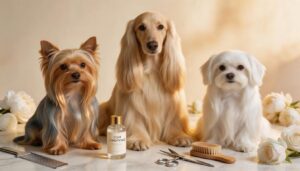
Silky coats are stunning, but they don’t stay that way on their own. little consistency goes a long way toward keeping that shine intact and your dog comfortable.
Here’s what grooming routine should actually cover.
Daily Brushing Vs Weekly Brushing
Daily brushing wins for silky coats, and here’s why it matters. Short brushing duration sessions—just a few minutes—keep fine hair smooth before knots form.
Weekly brushing schedule sessions run longer because tangles build up fast.
Your tolerance levels stay higher with gentle daily contact, and physical activity influence is real—active dogs collect debris faster, making grooming frequency essential for silky coat maintenance.
Best Brushes and Combs for Silky Fur
Choosing the right grooming tools for dogs with silky coats makes every session easier and gentler.
Start with a Pin Brush — long, polished pins glide through fine hair without snagging. Follow with a steel comb, using wider teeth first, then finer Comb Tooth Spacing near the ears.
A soft slicker manages small tangles, while a Bristle Finish brush leaves the coat smooth and gleaming.
Bathing Frequency and Gentle Shampoos
Most silky-coated dogs do well with a bath every four to six weeks, but your Bathing Schedule really depends on lifestyle. Active dogs that hike or swim need washes closer to every two to four weeks.
For Skin Oil Balance, always use a Mild Shampoo with gentle ingredients like oatmeal or aloe vera. Spot Cleaning between baths keeps feathering fresh without disrupting silky coat preservation.
Drying Methods That Protect Coat Texture
How you dry your dog matters just as much as the bath itself. Start with Microfiber Towel Patting — press and blot, never rub, to protect delicate feathering. Then use Low Heat Airflow with careful Nozzle Distance Control to dry evenly without frizz.
- Brush Assisted Drying smooths strands while still slightly damp.
- Complete Drying Finish prevents hidden moisture from forming mats.
- Regular grooming and daily brushing keep that silky coat preservation intact.
Trimming Schedules for Long Silky Hair
Trim timing isn’t one-size-fits-all.
Most pet-style silky coats need a full tidy every four to eight weeks, while show coat maintenance calls for light neatening every two to four weeks.
Paw hair management and sanitary area trims often come up sooner, around every two to four weeks.
Facial feathering timing and seasonal trim frequency shift with activity level and weather, so stay observant.
When Professional Grooming Helps Most
Some jobs are just better left to a pro. When heavy mats form behind the ears, in the armpits, or around the collar, professional dematting protects your dog’s skin while clearing the knot safely. Here’s when booking a salon appointment makes the biggest difference for your silky coat:
- Ear mat removal and ear hair management keep moisture and wax from building up in drop-eared breeds like Cocker Spaniels.
- Paw pad cleaning removes trapped fur, burrs, and grit that make smooth floors slippery for lighter dogs.
- Skin lesion detection happens naturally during a full groom, since brushed and parted hair exposes what casual petting misses.
- Bathing and blow-drying with high-velocity dryers reach the skin, preventing the damp clumping that ruins coat maintenance tips for silky coats.
- Adjusting your grooming frequency around seasons and activity level keeps your daily grooming schedule for silky dogs realistic and manageable.
Preventing Mats and Keeping Shine
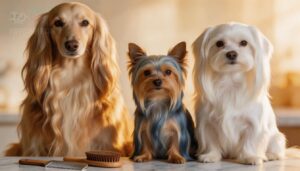
silky coat is genuinely beautiful, but keeping it that way takes a little know-how. Mats can sneak up fast, especially if you’re not sure where to look or how to handle them gently.
Here’s what you need to know to stay ahead of tangles and keep that coat looking its best.
Common Tangle Zones Behind Ears and Legs
Some spots tangle faster than others, and knowing where to look saves your dog real discomfort.
Ear Base Matting happens quickly because the ear flap traps moisture and rubs constantly.
Front Leg Feathering and Armpit Knotting build up after every walk.
Rear Leg Friction hides knots at the hocks.
Daily brushing with the right grooming tools for dogs keeps these Moisture Traps clear.
Line Brushing for Long Silky Coats
Once you’ve handled those tangle hotspots, line brushing is what keeps the whole coat honest underneath.
Think of the Layered Parting Method like reading a book page by page — you work from the lowest layer upward, exposing a 1–2 inch section at a time:
- Use Hand Hold Stability to keep each section steady while brushing
- Practice Section Thickness Control, so brush pins actually reach the skin
- Apply Stroke Speed Management with short, controlled passes — not fast sweeps
- Lean into the Dry Coat Advantage; freshly dried long fine silky hair separates more cleanly
- Finish every layer with a downward comb stroke to confirm it’s fully clear
Daily brushing done this way makes silky coat maintenance genuinely manageable, and it’s the foundation of all grooming requirements for long‑haired dogs that need to prevent tangles before they start.
Detangling Without Pulling or Breakage
Even after line brushing, a sneaky knot can pop up — and that’s where slip sprays earn their keep. A light detangling mist, a minute to soak in, then short 1–2 cm strokes with root support make all the difference.
Use low damage tools, respect tangle size limits, and keep session control short. Regular grooming protects silky coat health and mat prevention long‑term.
Coat Care After Swimming or Wet Weather
Wet days call for quick action. After a swim or rainy walk, your rinse technique matters — work cool water through every layer, especially around the armpits, belly, and collar line.
Ear moisture management is non-negotiable for drop-eared breeds, so blot those flaps dry. Don’t skip paw debris removal, and let cool air drying finish the job before you brush.
Nutrition and Hydration for Coat Health
Good coat care starts from the inside out.
Your dog’s silky coat depends heavily on Protein Adequacy — animal proteins like chicken, eggs, and fish supply the amino acids that build strong, glossy hair fibers. Pair that with Omega-3 Balance from fish oil, and you’re feeding that Luxury fur characteristics from within.
A silky coat is built from within — protein and omega-3s are its true foundation
Don’t overlook Zinc & Copper for pigment and cell turnover, Biotin Support for keratin production, and steady Daily Water Intake — even mild dehydration leaves silky coat maintenance feeling like an uphill battle.
Warning Signs of Coat Damage or Neglect
Your dog’s coat often tells you when something’s wrong before anything else does. Watch for these red flags:
- Red skin patches or hot spots hiding under mats
- Foul odor, dull sheen, or hair that feels sticky and heavy
- Hair breakage and uneven length where flyaway strands stick out from otherwise flat sections
Catching these early makes coat maintenance, mat prevention, and regular grooming so much easier.
Are Silky Dogs Right for You?
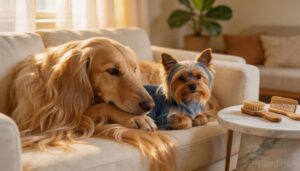
Silky dogs are stunning, but they’re not the right fit for everyone. Before you fall head over heels for that glossy coat, it’s worth asking a few honest questions about your lifestyle, your home, and how much time you can realistically give.
Here’s what to think about before making your choice.
Shedding and Allergy Expectations
Silky coats often mean less visible hair around your home, but no breed is truly hypoallergenic. Dander, saliva, and urine carry the real allergens — not the hair itself.
Low-shedding breeds like the Maltese or Yorkshire Terrier help reduce allergen buildup, but seasonal shedding still happens.
Male dog allergen, carpet allergen retention, and airborne dander mean HEPA air filtration always helps.
High-maintenance Vs Low-maintenance Silky Breeds
Not every silky coat demands the same time commitment or skill level. Afghan Hounds and long-coated Shih Tzus need daily brushing and regular grooming — skipping even a week raises cost implications fast.
Papillons and Japanese Chins, though, offer a low-maintenance coat with a forgiving weekly routine.
Seasonal shedding stays minimal across most silky coat breeds, and travel compatibility improves when you choose a lower-maintenance silky coat maintenance plan.
Best Silky Breeds for Apartments
Apartment living pairs beautifully with small companion dog breeds like the Maltese, Papillon, and Japanese Chin. Their space requirements are minimal, and their low shedding keeps your home tidy.
Lifestyle compatibility matters, so consider noise sensitivity too — Yorkies can bark, making early training essential.
Travel friendliness, hypoallergenic qualities, and health screening round out why these silky coat breeds suit compact, cozy spaces so well.
Best Silky Breeds for Active Families
Active families need a dog that keeps up — and several silky dog breeds are built exactly for that life. Energy compatibility matters most when you’ve got kids, hiking trails, and weekends full of motion.
These family-friendly companion dogs check every box:
- Irish Setter – built for speed and long outdoor adventures
- English Springer Spaniel – strong stamina, loves active owners
- Papillon – surprisingly energetic with playful temperament
- Flat-Coated Retriever – thrives on exercise needs and water play
First-time Owner Friendly Options
If you’re new to dog ownership, a few silky dog breeds make the learning curve feel much shorter.
The Cavalier King Charles Spaniel and Havanese both bring gentle temperaments, low grooming demand, and small space friendly size that first-time owners really appreciate.
Regular grooming stays manageable, and their easy house training nature means fewer frustrating moments early on.
Budget-friendly care and calm personalities make both great starting points.
Matching Coat Care Time to Your Lifestyle
Honestly, the best match comes down to your honest weekly grooming time per week.
If busy workdays leave you with only minutes, a Papillon or clipped Havanese fits your Workday Brush Strategies far better than a floor-length Afghan Hound.
Active owners hiking trails need extra post-walk coat checks, while apartment living suits lighter silky coat breeds beautifully.
Seasonal Care Adjustments, like more frequent brushing in wet months, help keep everything manageable.
Frequently Asked Questions (FAQs)
Which dog breeds have a silky fur?
Like liquid glass, silky fur reflects light in a way that’s hard to ignore.
Breeds like the Maltese, Yorkshire Terrier, Afghan Hound, and Cavalier King Charles Spaniel are most beloved silky dog breeds.
What is a silky-coated dog?
A silky coat dog grows fine, smooth hair that lies flat, reflects light naturally, and swings freely with movement — giving it that cool, slippery feel you notice the moment you run your hand through it.
What does a silky dog coat look like?
Forget the myth that all shiny dogs look the same.
A silky coat glows with a Silky Light Sheen, flows in one Linear Hair Direction, and drapes in Delicate Feather Draping — effortlessly elegant.
Why does my dog have a silky coat?
Your dog’s silky coat comes down to genetic inheritance — it’s simply baked into their DNA.
Dietary fats, skin health, and consistent coat maintenance all keep that natural shine looking its best.
What country loves their dogs the most?
Lithuania leads the world in per capita ownership, with nearly one in three residents owning a dog. France is also a standout, welcoming dogs into restaurants, shops, and public transport.
Which silky breeds are easiest to travel with?
Yorkies, Maltese, and Papillons check almost every box — small enough for cabin carrier size tips, low-maintenance coats that travel clean, and calm personalities that settle fast in unfamiliar spaces.
Can puppies silky coats change texture as they age?
Yes, a puppy’s silky coat absolutely changes with age.
Puppy Coat Development means that soft, fluffy baby fur gradually gives way to sleeker, more polished adult hair, usually between four and twenty-four months.
How do silky-coated dogs behave around other pets?
Most silky-coated dogs are cuddle-friendly dogs with gentle, family-friendly temperaments, though prey drive tendencies vary by breed. Proper dog socialization timing and smart introduction protocol tips make a real difference.
Conclusion
The universe of silky-coated dogs is a treasure trove of beauty and companionship. Once you dip your toes into this furry pool, you’ll be hooked.
Silky coat texture dogs bring joy, elegance, and a dash of glamour to your life.
With the right breed and care, you’ll enjoy a lifelong friendship. So, take the leap and discover the magic of silky-coated companions – your heart (and your hands) will thank you for embracing silky coat texture dogs.
- https://www.als-journal.com/submission/index.php/ALS/article/view/988
- https://www.barkbusters.com/breed-of-the-month/yorkshire-terrier
- https://canna-pet.com/breed/yorkshire-terrier/
- https://bark.co/blogs/breeds/yorkshire-terrier-guide?srsltid=AfmBOorc7ujfOVzSKOGfLsPwfS-Vjv7q3VNDbQbieiCcZd5-3ieS5NXt
- https://www.orvis.com/yorkshire-terrier.html?srsltid=AfmBOoqOiI5AgavZjB7GYsq9W4ITA_uYzNE2olIOd0DaYYpNRez_R-8I