This site is supported by our readers. We may earn a commission, at no cost to you, if you purchase through links.
Most dog owners know grapes are off‑limits, but fewer realize a single raisin can trigger acute kidney failure—no safe dose exists, not even a small one. That gap between "I heard that’s bad" and knowing exactly why and what to give instead is where dogs get hurt.
The good news is that the list of genuinely safe, nutritious swaps is longer than most people expect. Whether your dog swiped something off the counter or you’re rethinking their treat rotation entirely, understanding safe food swaps for dogs means you can act with confidence instead of panic.
Table Of Contents
Key Takeaways
- Even a single grape or raisin can trigger acute kidney failure in dogs — no safe dose exists — but blueberries and sliced strawberries make direct, nutritionally comparable replacements.
- How you prepare a safe food matters as much as which food you choose: remove pits, seeds, and rinds; cook meats plain and fully; and skip all seasonings, salt, butter, and xylitol-containing products.
- Keep all swapped treats under 10% of your dog’s daily calories, and introduce each new food one at a time in teaspoon-sized portions, watching for vomiting, loose stool, or lethargy within 24–48 hours.
- Label reading is non-negotiable — xylitol hides in "sugar-free" snacks and processed meat alternatives, and garlic or onion contamination can cause delayed, serious red blood cell damage even when symptoms don’t appear right away.
Safe Food Swaps Every Dog Owner Should Know
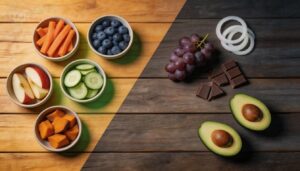
Knowing which foods you can safely swap out — and which ones to avoid entirely — makes a real difference in keeping your dog healthy. Some common human foods that seem harmless are actually dangerous, while others make surprisingly good substitutes.
For example, knowing whether dogs can safely eat Reese’s Pieces helps you catch the kinds of sneaky, chocolate-based dangers that catch many pet owners off guard.
Here are the key swaps every dog owner should have on their radar.
Replacing Toxic Fruits With Dog-Safe Alternatives
Grapes and raisins trigger acute kidney failure — no safe dose exists. Cherries carry fruit toxicity in dogs through cyanide compounds hidden in the pits.
When identifying and avoiding toxic fruits in dog diets, swap grapes for blueberries and cherries for sliced strawberries. These safe fruit options for dogs offer nutrient matching without digestive tolerance testing concerns, making seasonal fruit alternatives both practical and genuinely safer.
wash fruit thoroughly to remove pesticide residues before offering any fruit to your dog.
Swapping Dangerous Proteins for Lean, Cooked Options
Where fruit swaps protect kidneys, protein swaps defend your dog’s gut. Protein Toxicity Sources like raw or seasoned meats can trigger digestive upset or worse.
Lean cooked chicken, Turkey Cooked and Unseasoned, or Beef Cooked at safe temperatures offer clear Lean Meat Benefits.
Portion Size Management matters—small, gradual servings help prevent protein sensitivity.
Stick to a Gradual Introduction Protocol for best results.
Carbohydrate Swaps for Sensitive Stomachs
Just like with proteins, the carb you choose matters more than most owners realize.
White rice sits at the top of the list — it’s a gentle, low FODMAP carb that’s easy on sensitive guts.
Sweet potato and pumpkin bring resistant starch benefits and prebiotic fiber swaps that feed good bacteria.
Keep portions small; even gluten-free alternatives can trigger upset when overfed.
Vegetable Swaps as Low-Calorie Treat Replacements
Vegetables make surprisingly good treat swaps — especially when your dog needs low-calorie snack options or low glycemic treats.
Carrot Coins offer a satisfying crunch, Green Bean Bites add fiber without sugar, and Zucchini Rounds stay light and moist. Cucumber Slices are mostly water, making them solid low sugar alternatives for sensitive dogs.
Bell Pepper Strips round out your dog-friendly vegetable toolkit.
Dairy and Snack Swaps Without Xylitol or Sweeteners
When choosing dairy swaps, the label matters as much as the food itself. Plain unsweetened yogurt and plain cottage cheese are solid options — but only if they’re free of xylitol, a sweetener toxic to dogs even in small amounts.
Xylitol-free chews, low-sugar snack options, and small cheese cubes round out the list. Stick to portion control guidelines: a teaspoon or two keeps these low glycemic treats safe.
How to Serve Safe Food Swaps Correctly
Choosing the right food swap is only half the job — how you prepare it matters just as much. A safe ingredient can still cause problems if it’s served the wrong way.
Here’s what to keep in mind before offering any swapped treat to your dog.
Washing, Peeling, and Cutting Into Small Pieces
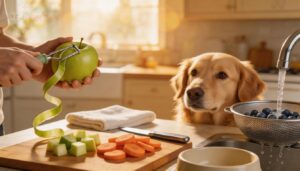
Good prep work is half the battle. Before any fruit reaches your dog’s bowl, proper washing, peeling, and cutting small pieces matter more than most owners realize.
- Rinse techniques: Use running water and scrub methods on firm produce like apples and carrots — surface sanitization removes pesticide residue effectively.
- Air drying: Let washed pieces dry on a clean towel before serving.
- Uniform bite sizes: Cut smaller than your dog’s typical bite to prevent gulping.
- Safe fruit options for dogs: Peeled, portioned blueberries or apple slices are ideal starting points.
- Portion control rules: Even clean, correctly cut fruit preparation for dogs should stay supplemental — never the main meal.
Removing Pits, Seeds, Stems, and Rinds
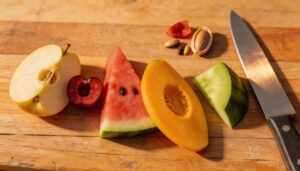
Removing pits, seeds, stems, and rinds isn’t optional — it’s the difference between a safe treat and a trip to the emergency vet. Apple and cherry pits release cyanogenic compounds when chewed.
Hidden pit inspection matters too: frozen mixes and canned fruit can hide fragments.
Follow rind trimming guidelines and seed extraction methods consistently, and fruit preparation for dogs stays straightforward and safe.
Serving Meats Plain and Fully Cooked

Meat is one of the safest protein swaps you can offer — but only when it’s fully cooked and plain. Chicken, fish, lean beef, and turkey all meet the guidelines for feeding cooked meats to dogs.
Always verify full cooking before serving. Cool before serving to avoid mouth burns. Reheat safely if needed.
A quick label check keeps hidden additives out of your dog’s bowl.
Skipping Seasonings, Salt, Butter, and Oils
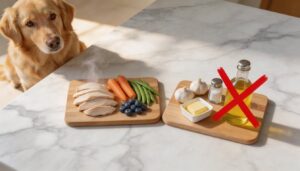
Plain cooking isn’t just a preference — it’s one of the most effective Sodium Control Strategies you can apply at home. Garlic powders, seasoning blends, and curing salts hide inside everyday ingredients, making seasoning avoidance for pets non‑negotiable.
- Skip butter and oils — Fat Reduction Tips start with Oil Free Cooking methods like boiling or steaming
- Use Seasoning Free Meals and Low Sodium Baking approaches for safe human foods for dogs
- Always check labels for xylitol and hidden salt as part of basic food safety for pets
Keeping All Swapped Treats Under 10% of Calories
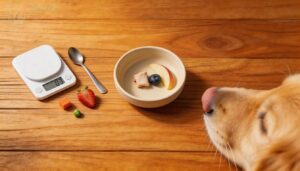
Even "healthy" swaps add up fast. Every swapped treat — fruit, protein bite, or training reward — counts toward the same daily calorie total. Calorie Tracking and Portion Weighing keep you honest; Label Math tells you exactly what you’re working with.
| Swap Type | Max Daily Portion | Treat Budget Planning |
|---|---|---|
| Fruit swaps | 1–2 tsp (small dogs) | Under 10 of your dog’s calories |
| Protein bites | Thumbnail-sized piece | Count with meal calories |
| Training Reward Limits | Pea-sized per session | Reduce other treats accordingly |
Best Fruit Swaps for Hydration and Low Sugar
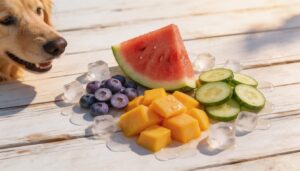
Not all fruits are created equal regarding your dog’s health, and some are genuinely better suited for warm days or for dogs with blood sugar concerns. The right picks can do double duty — keeping your dog hydrated while staying gentle on their system.
Here are the best fruit swaps to evaluate based on hydration, sugar content, and your dog’s specific needs.
Choosing Watery Fruits for Warm-Weather Hydration
When warm weather hits, hydrating fruit treats can serve double duty as a snack and a cooling tool for dogs. Dog-friendly fruit alternatives with the highest water content comparison scores include:
- Cucumber — 95% water, minimal sugar
- Watermelon — 92% water, served seedless and rindless
- Strawberries — 91% water, one or two at a time
- Apples — 86% water, sliced without seeds
Hydration timing tips matter: offer chilled fruit safety-conscious swaps during or after outdoor activity, not as a water replacement. Watch digestive tolerance indicators like loose stool, which signals you’ve offered too much too fast.
Low-Sugar Fruit Options for Diabetic or Senior Dogs
Sugar matters more when your dog is older or managing diabetes.
Blueberries, raspberries, and small apple slices rank well on the glycemic index, meaning they support steady blood sugar control without sharp glucose spikes. These low-sugar fruit alternatives for diabetic or senior dogs also deliver a solid fiber boost and antioxidant benefits.
Unsweetened cranberries work too, offered occasionally as safe fruit treats for dogs.
Adjusting Portions for Puppies, Seniors, and Diabetic Dogs
Portion size shifts depending on who you’re feeding.
For puppies, weight-based portioning promotes healthy growth without overloading a developing gut.
Seniors need calorie density adjustments since metabolism slows with age.
For diabetic dogs, meal timing consistency is non-negotiable — the same amount, same time, every day.
Keep all fruit treats under 10% of daily calories, and introduce gradual portion changes when adjusting.
Using Frozen Fruit Swaps for Enrichment and Cooling
Frozen fruit takes a simple treat and turns it into Texture Enrichment and Sensory Stimulation that your dog actually works for.
Try these three easy setups:
- Freeze blueberries or watermelon chunks on a flat tray, then scatter them as Hydrating fruit alternatives for dogs on warm days.
- Practice Ice Chunk Safety by softening pieces for 1–2 minutes before serving small dogs.
- Follow Freezing Hygiene — wash, pit, and seal fruit in airtight containers before freezing.
The Chill Playfulness keeps them engaged longer.
Food Swaps to Avoid — Still Dangerous for Dogs
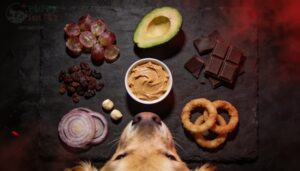
Not every food swap is a safe one — some options are just as dangerous as what you’re trying to replace. Even well-meaning swaps can hide serious risks if you don’t know what to watch for.
Here’s what you should keep off your dog’s plate, no matter how harmless it might seem.
Why Grapes, Cherries, and Avocado Have No Safe Swap
Some fruits that seem harmless simply aren’t negotiable — grapes, cherries, and avocado fall into that category.
Kidney Failure Risk from even a small grape is real and unpredictable.
Cherry pits carry a Cyanide Pit Hazard that doesn’t disappear with removal.
Avocado’s Persin Gastrointestinal Irritation affects dogs regardless of portion.
Processing Ineffective Safety and Dose Uncertainty Issues make these three non-starters for fruit swaps to replace unsafe fruits.
| Fruit | Primary Danger | Safe Swap |
|---|---|---|
| Grapes/Raisins | Kidney Failure Risk | Blueberries |
| Cherries | Cyanide Pit Hazard | Strawberries |
| Avocado | Persin Gastrointestinal Irritation | Cucumber slices |
Identifying Xylitol in Store-Bought Snack Replacements
Reading labels carefully is your first line of defense against xylitol, one of the most dangerous toxic foods for dogs. Label Ingredient Scanning matters because Sugar-Free Misconception is real — "no sugar" doesn’t mean safe.
Use Xylitol Synonym Detection by flagging anything starting with "xyl." Ingredient Order Clues help too; xylitol near the top signals higher concentration.
Check Front-of-Pack Warnings, and when uncertain, contact the Pet Poison Control Center.
Why Garlic and Onion Must Be Absent From Any Swap
Garlic and onion aren’t just dangerous human foods for dogs — they’re a category of their own. Their organosulfur toxicity directly triggers red cell breakdown, leading to hemolytic anemia that can turn serious fast.
What makes this worse is delayed symptom onset; your dog may seem fine for days before pale gums or weakness appear.
Check every swap for seasoning contamination, and contact the Pet Poison Control Center if exposure happens.
Recognizing Hidden Toxins in Processed Meat Alternatives
Processed meat risks for dogs often hide in plain sight. Synthetic preservatives like TBHQ, color additives such as Red 3, and emulsifier concerns—think methylcellulose—can slip into plant-based meat swaps. Excess sodium and mycotoxin risk from poorly stored ingredients add to the mix.
If your dog shows food toxicity symptoms, rethink those “meatless” treats; safer swaps are always better.
When a Healthy Human Food is Still Risky for Dogs
Some foods that keep you healthy can quietly harm your dog.
Grapes and raisins cause acute kidney failure.
Caffeine Toxicity and Alcohol Poisoning can be fatal even in small amounts.
Raw Dough Risks are real — yeast ferments in the stomach, producing ethanol.
High Fat Risks and Sugar Alcohol Toxicity round out the danger list:
- Grapes and raisins — no safe dose exists; fruit toxicity in dogs strikes fast
- Xylitol avoidance is non-negotiable — even trace amounts trigger seizures or liver failure
- Caffeine from coffee or tea causes rapid, potentially fatal reactions
- High-fat scraps like pizza or fried foods raise pancreatitis risk
- Alcohol and raw dough demand immediate veterinary attention
Introducing Food Swaps Without Upsetting Digestion
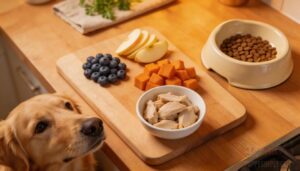
Changing up your dog’s food can be tricky, especially if their stomach is sensitive. It’s important to approach new swaps with care and watch for any signs of trouble.
Here’s what you need to know to keep their digestion on track.
Starting With Single-Ingredient Swaps in Small Amounts
One ingredient at a time — that’s the golden rule for safe food swaps. Start with micro‑portion testing: offer just 1–2 teaspoons of a single new food, whether you’re exploring fruit swaps to replace unsafe fruits in canine snacks or testing a lean protein. Keep a 24‑hour observation window before trying anything else.
Always introduce new foods to your dog one at a time, starting with tiny amounts and watching for any reaction
| Swap Type | First Portion | Incremental Ratio Increase |
|---|---|---|
| Fruit (blueberries, apple) | 1–2 tsp | Double after 48 hrs if tolerated |
| Lean protein (chicken, turkey) | 1–2 tsp | Add small amounts every 2–3 days |
| Carb (sweet potato, rice) | 1–2 tsp | Increase gradually over one week |
| Dairy (plain yogurt) | ½ tsp | Scale up only if no gas or loose stool |
| Veggie (carrot, green bean) | 1–2 tsp | Offer more frequently after 24 hrs clear |
Baseline stool monitoring and owner record keeping — dates, portions, reactions — make patterns easy to spot and keep your dog’s digestion on steady ground.
Signs Your Dog is Not Tolerating a New Food
Even with careful testing, your dog’s body doesn’t lie. Diarrhea Episodes, Excessive Flatulence, and vomiting and diarrhea symptoms are the clearest signs of gastrointestinal upset.
Watch also for Appetite Refusal, Skin Itchiness, or Respiratory Distress — all point to food intolerance in dogs. Monitoring for vomiting, diarrhea, or lethargy within 24–48 hours of introducing anything new helps you catch identifying signs of digestive sensitivity in dogs early.
Slowing Down Swaps for Reactive or Sensitive Dogs
If your dog already showed warning signs with the last swap, the answer isn’t pushing forward — it’s pulling back. A reactive stomach needs a slow changeover, meaning a gradual ratio increase only when stools stay firm.
Keep a consistent feeding schedule, introduce new foods in a low-stress environment, and pause and revert the moment anything looks off.
Choosing The Right Food for Delicate Digestion
For a reactive stomach, what goes in matters as much as how slowly it’s introduced.
Lean proteins, plain cooked carbs like white rice, and soluble fiber — think pumpkin or sweet potato — support microbiome balance without overwhelming delicate digestion. Prebiotic sources and digestive enzymes help, too.
Smaller, consistent meals improve meal frequency tolerance and reduce flare-ups in dogs managing food intolerance.
What to Do When The Switch is Not Going Well
If the switch isn’t going well, pause adjustment immediately and return to what your dog tolerated before. Hold the next meal, then offer a bland diet — plain chicken and white rice work well.
Track stool consistency over 24 hours; persistent diarrhea, bloody stool, or lethargy are emergency flags requiring a vet call.
When you restart, decrease dose and go slower.
Frequently Asked Questions (FAQs)
What is the 7 7 7 rule for dogs?
Ironically, the 7 7 7 rule isn’t about food at all. It maps a dog’s adjustment through seven seconds assessment, seven minutes sensory exploration, and seven days adjustment to new environments.
Can food swaps replace a balanced dog diet?
Food swaps add variety, but they can’t replace a balanced canine diet. Without veterinary guidance, micronutrient gaps in long-term health are likely.
Stick to formulated food as your dog’s nutritional foundation.
Are seasonal or holiday foods safe swap options?
Most holiday foods aren’t great swap options. Seasonal spreads often hide garlic, onions, rich fats, and alcohol — all harmful to dogs. Stick to plain, single-ingredient foods instead.
How do food allergies affect safe swap choices?
Allergies change everything.
When your dog has a diagnosed food allergy, generic "safe" swaps won’t cut it — Allergen Identification comes first because the trigger is always a specific protein, not a food category.
Should swap foods differ by dog breed size?
Yes, size matters. Small dogs burn calories faster, so calorie density, digestibility needs, and portion math all shift.
Large breeds need joint support and tighter calorie budgeting to stay within healthy weight management guidelines.
Can swap foods support dogs with kidney disease?
Swap foods can support kidney disease when chosen carefully — focus on low phosphorus choices, controlled protein levels, sodium-free swaps, and moisture-rich meals.
Calorie-conscious treats help maintain kidney support without overloading fragile systems.
Conclusion
Consider a dog like Max, who once ingested a grape and required emergency care. Thankfully, his owner had a list of safe food swaps for dogs to turn to.
Now, Max enjoys sweet potatoes and carrots instead.
By making informed choices, you can prevent accidents and nourish your pet with confidence. Prioritize their health with every snack and meal. A few simple swaps can make a big difference in their well-being and longevity every day.
- https://www.petpoisonhelpline.com/
- https://www.aspca.org/pet-care/animal-poison-control/people-foods-avoid-feeding-your-pets
- https://www.webmd.com/pets/dogs/what-are-safe-fruits-for-dogs-to-eat
- https://www.lovet.com/blog/what-fruits-can-dogs-eat/
- https://www.petscare.com/en-au/news/faq/are-any-fruits-toxic-to-dogs-6