This site is supported by our readers. We may earn a commission, at no cost to you, if you purchase through links.

A pudgy puppy might look adorable, but those extra pounds put serious stress on developing bones and joints—setting the stage for lifelong mobility issues and metabolic conditions like diabetes. The challenge isn’t just reducing calories; your growing pup still needs specific nutrients to support healthy development while shedding excess weight.
Standard adult weight management formulas don’t cut it because puppies require higher protein levels, precise calcium-to-phosphorus ratios, and carefully calibrated fat content to fuel growth without packing on unnecessary pounds. The right puppy food for weight management walks this tightrope, delivering complete nutrition in a controlled calorie package.
We’ve analyzed the top formulas that support lean muscle development, promote satiety through ideal fiber content, and provide the essential fatty acids your puppy needs—without the caloric overload that contributes to obesity.
Table Of Contents
- Key Takeaways
- 10 Best Puppy Foods for Weight Management
- 1. Pro Plan Weight Management Dog Food
- 2. Hills Science Diet Weight Management Dog Food
- 3. Blue Buffalo Healthy Weight Dog Food
- 4. Light Chicken Dog Food Formula
- 5. Healthy Weight Dog Food Formula
- 6. Natural Healthy Weight Dog Food
- 7. Healthy Weight Dog Food Option
- 8. Eukanuba Large Breed Weight Control Food
- 9. Small Breed Turkey Dog Food
- 10. Light Liver Loaf Dog Food
- Identifying Overweight Puppies and Health Risks
- Key Nutrients in Puppy Weight Management Food
- Calorie Control and Feeding Strategies
- Exercise and Lifestyle Tips for Weight Loss
- Frequently Asked Questions (FAQs)
- How does weight management food affect puppy growth?
- Are there specific breed considerations for weight management?
- Can homemade diets be used for puppy weight control?
- How can I track my puppys weight changes effectively?
- Can puppies develop eating disorders from dieting?
- Does neutering affect puppy weight gain risk?
- Are grain-free foods better for weight control?
- How does breed size influence weight targets?
- What role does gut bacteria play?
- Conclusion
Key Takeaways
- Overweight puppies face serious long-term health risks, including joint problems, metabolic dysfunction like diabetes, and reduced lifespan—making early weight management critical for their development.
- The best puppy weight management foods balance 20-28% protein with controlled fat (8-12%) and higher fiber (5-9%) to support lean muscle growth while creating a calorie deficit of 10-15% below standard formulas.
- Successful weight control requires precise calorie calculation based on your puppy’s resting energy requirement (70 × body weight^0.75), portion control across 3-4 daily meals, and gradual food transitions over 7-14 days to avoid digestive upset.
- Weight loss strategy must combine proper nutrition with age-appropriate exercise (15-40 minutes daily depending on age), weekly weigh-ins to track 1-2% body weight loss per week, and swapping 25% of treats for low-calorie alternatives like vegetables.
10 Best Puppy Foods for Weight Management
Finding the right weight management food for your puppy means balancing lower calories with the nutrients growing dogs need to develop properly. You want a formula that promotes healthy weight loss without compromising muscle development, bone growth, or immune function.
Here are ten veterinary-backed options that meet these nutritional requirements while helping your puppy reach a healthier weight.
1. Pro Plan Weight Management Dog Food
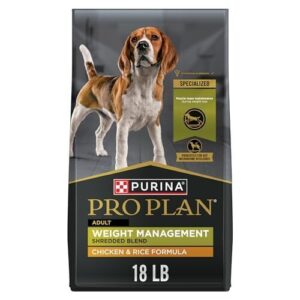
Purina Pro Plan’s weight management formula delivers 23-28% crude protein to safeguard your puppy’s lean muscle while cutting calories to approximately 300-350 kcal per cup. You’ll find real chicken as the primary ingredient, paired with 6-9% fiber to keep your pup satisfied between meals.
This vet-recommended option includes probiotics for digestive health and contains 15% less fat than standard Pro Plan formulas. The rice-based recipe provides balanced vitamins and minerals that meet AAFCO standards, supporting healthy development while addressing excess weight.
Best For: Dog owners managing their puppy’s weight during growth phases while maintaining lean muscle and energy levels under veterinary guidance.
- High protein content (23-28%) supports lean muscle retention while reducing calories to 300-350 kcal per cup for effective weight control
- Includes probiotics for digestive health and 6-9% fiber to help puppies feel fuller between meals
- Real chicken as the first ingredient with balanced vitamins and minerals meeting AAFCO standards for healthy development
- Higher price point at $77.48 may be challenging for multi-pet households or budget-conscious owners
- Some puppies require a gradual 1-2 week transition period to avoid digestive upset
- Heavy bag sizes can be awkward to handle and store for some owners
2. Hills Science Diet Weight Management Dog Food
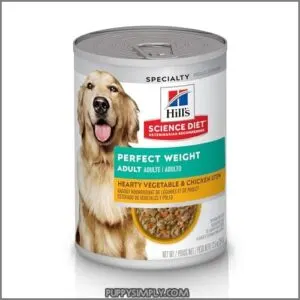
Hill’s Science Diet Weight Management formula stands out with 25% protein that protects your puppy’s developing muscles during controlled growth. You’ll get roughly 345-360 kcal per cup—precise portioning that makes dog weight management straightforward without leaving your pup hungry.
The 8-9% fiber content promotes satiety while supporting healthy digestion, and the omega fatty acid balance aids brain development. Hills Nutrition backs this veterinary advice with feeding recommendations ranging from 1-3 cups daily, adjusted to your puppy’s breed size and weight trajectory.
Best For: Dog owners managing their adult dog’s weight (ages 1-6) who want veterinarian-recommended food with proven results in 10 weeks, especially useful for diabetic dogs or those needing lean muscle support.
- Delivers visible weight loss results within 10 weeks while supporting lean muscle mass with balanced nutrition
- Versatile feeding options—works as a standalone meal or mixed with kibble for added texture and palatability
- Veterinarian recommended and made in USA, giving you confidence in quality and safety standards
- Higher price point compared to other weight management dog foods, which adds up over time
- Inconsistent texture reported by some users, with complaints about watery or runny consistency
- Some dogs experience digestive upset including diarrhea or vomiting, requiring gradual introduction or brand switching
3. Blue Buffalo Healthy Weight Dog Food
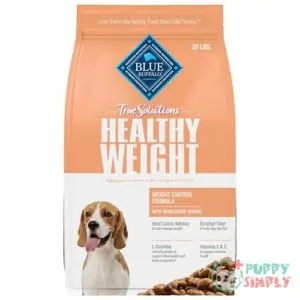
Blue Buffalo balances 23% protein with 12-14% fat, delivering around 3200 kcal/kg that maintains lean muscle without excess calories. L-carnitine works behind the scenes to help convert fat into energy, while 5-6% fiber keeps your puppy feeling full between meals.
Real chicken leads the ingredient list, and the formula skips chicken by-products, corn, wheat, and soy.
Shift gradually over 7-10 days to avoid digestive upset, then watch portion sizes closely—this food quality shines when you pair it with consistent feeding routines.
Best For: Owners of adult dogs who need to shed a few pounds or maintain a healthy weight without sacrificing muscle tone.
- Real chicken is the first ingredient, and the formula cuts out fillers like corn, wheat, and soy.
- L-carnitine and moderate calories (around 3200 kcal/kg) help manage weight while keeping energy steady.
- Higher fiber content (5-6%) helps dogs feel satisfied longer, reducing begging between meals.
- Some owners report their dog’s stool has a stronger smell after switching to this food.
- Mixed reviews on value—a few customers feel the price doesn’t match the results they see.
- A handful of dogs turn their nose up at the taste or texture, so picky eaters might need coaxing.
4. Light Chicken Dog Food Formula
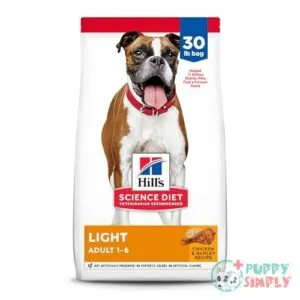
Light chicken formulas bring 20-25% protein and 8-12% fat to the table, hitting that sweet spot where your puppy gets growth support without calorie overload. Named chicken protein anchors these recipes, often paired with fiber sources like beet pulp that keep hunger at bay between feedings.
You’ll see retail prices ranging $1.50-$3.00 per cup depending on brand extras. These formulas meet AAFCO nutrient profiles for growth while trimming 10-15% of calories from standard puppy diets—a practical approach when you’re managing weight without sacrificing development.
Best For: Puppies who need to shed extra pounds or stay lean during growth without missing out on the protein and nutrients required for healthy development.
- Balanced calorie reduction (10-15% lower than standard puppy food) supports gradual weight loss while meeting AAFCO growth standards
- High protein content (20-25%) helps maintain lean muscle as your puppy slims down, so they’re losing fat instead of muscle mass
- Fiber-rich ingredients like beet pulp keep puppies feeling satisfied between meals, cutting down on begging and food-seeking behavior
- Price point runs higher at $1.50-$3.00 per cup, which adds up fast for larger breed puppies or multi-dog households
- Requires careful portion control and regular vet check-ins every 4-6 weeks to make sure weight loss stays on track without stunting growth
- Not a one-size-fits-all solution—some puppies may need different formulations if they have specific health issues or food sensitivities
5. Healthy Weight Dog Food Formula
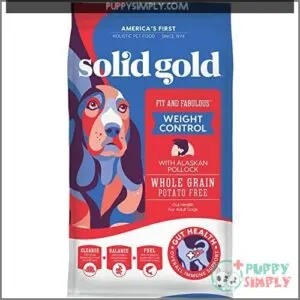
Solid Gold Fit & Fabulous delivers nutrient balance with 24-28% protein and 8-12% fat—calorie density sits around 3.5 kcal/g, making weight loss manageable while supporting growth. Fiber content is at 5-8% total, paired with omega fatty acids that keep coat health on track.
This formula variety spans all life stages with probiotic support for gut balance, though some puppies need gradual transitions to avoid upset.
At $72.99 for 24 pounds, it’s positioned as a complete dog weight management option when you’re tackling healthy dog food choices.
Best For: Dog owners managing their pet’s weight across all life stages who want a high-fiber, probiotic-rich formula that supports digestion and coat health.
- Balanced macros with 24-28% protein and 8-12% fat keep calorie density around 3.5 kcal/g for steady weight loss without sacrificing nutrition
- Probiotic support and 5-8% fiber content promote gut health and help dogs feel fuller longer
- Omega fatty acids maintain skin and coat quality even during calorie restriction
- Some dogs experience digestive upset like diarrhea, especially without a gradual 7-10 day transition period
- At $72.99 for 24 pounds, the cost per serving is higher than standard formulas, which some owners find steep
- New packaging dropped the resealable zipper, making storage less convenient for the large bag size
6. Natural Healthy Weight Dog Food
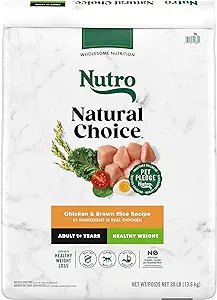
Nutro’s offering targets healthy dog food standards with 14–22% protein, moderate fat, and 280–360 kcal per cup—calorie counts align with weight control needs while supporting growth.
Natural ingredients include chicken, rice bran, and whole grain brown rice, paired with beet pulp as prebiotic fiber for digestion and satiety. Omega-3 and omega-6 fatty acids keep coat health strong, while antioxidants like vitamin E support immunity.
This nutrient-dense formula balances high fiber content with natural formulas designed for weight management, though gradual transitions help avoid digestive upset in sensitive puppies.
Best For: Dog owners looking for a natural, grain-inclusive formula that supports healthy weight management while promoting skin, coat, and digestive health in adult dogs.
- Balanced omega fatty acids and antioxidants support immune health, skin condition, and a shiny coat
- Includes natural prebiotic fiber from beet pulp to aid digestion and help dogs feel fuller longer
- Whole food ingredients like chicken and brown rice provide quality nutrition without artificial additives
- Some dogs experience digestive issues including diarrhea or vomiting when switching to this food
- Higher price point compared to many other dog food brands on the market
- Reports of damaged packaging with holes or tears that can compromise freshness
7. Healthy Weight Dog Food Option
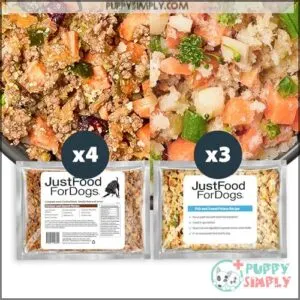
JustFoodForDogs delivers human-grade weight management through fresh whole foods that boost nutrient absorption—40% better digestibility than kibble aids calorie management without compromising dog nutrition.
You’ll find two low-calorie recipes: Venison & Squash and Fish & Sweet Potato, each designed for healthy feeding during weight control programs.
This healthy dog food option tackles food allergies while promoting dog weight management, though the premium price and fragile packaging require careful storage. Many owners blend it with kibble to balance cost while maintaining weight loss tips that work.
Best For: Dog owners looking to manage their pet’s weight with fresh, whole-food meals that are easier to digest than traditional kibble.
- 40% more digestible than kibble with human-grade ingredients that help with weight control and can reduce allergies or skin issues
- Two low-calorie recipe options (Venison & Squash and Fish & Sweet Potato) give you variety while keeping calories in check
- Improves overall health with noticeable benefits like shinier coat, more energy, and better digestion
- Expensive compared to regular dog food, though some owners mix it with kibble to stretch their budget
- Packaging can be fragile with reports of holes that waste food and require careful storage since it’s frozen
- May not work well for small dogs and needs proper handling to maintain freshness
8. Eukanuba Large Breed Weight Control Food
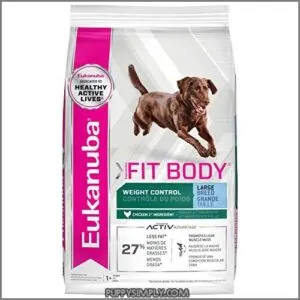
Eukanuba Large Breed Weight Control handles the unique challenge large-breed puppies face—they’re growing fast but gaining too much weight. You’ll get 27% less fat with L-carnitine to support weight reduction while maintaining nutrient balance through 27% protein from chicken.
The formula manages calorie intake without sacrificing canine nutrition, plus glucosamine and chondroitin support joints stressed by extra pounds.
For large breed weight control, it’s designed for food shift over 7–14 days to prevent digestive upset during your dog’s weight management journey.
Best For: Large breed dogs that need to lose weight or maintain a healthy weight while still getting complete nutrition and joint support.
- 27% less fat with L-carnitine helps dogs slim down without losing muscle mass
- Glucosamine and chondroitin protect joints that are stressed by carrying extra weight
- High-quality chicken protein keeps them satisfied and energized during weight loss
- Higher price point than regular dog food might not fit every budget
- Can be hard to find in stores, so you might need to order online
- Weight loss results vary by dog—some owners report it doesn’t work as well as expected
9. Small Breed Turkey Dog Food
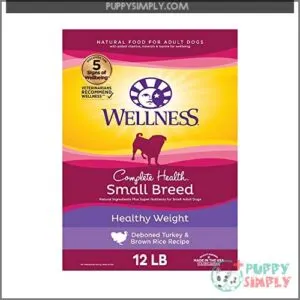
When you’re managing a small breed puppy’s weight, turkey nutrition brings moderate fat and high-quality protein without excess calories. This formula delivers 22–28% protein with 8–12% fat—perfect for lean growth in dogs under 20 pounds.
You’ll find fiber levels around 6–9% to keep your puppy satisfied between meals while supporting digestion. The calorie density sits at 350–450 kcal per cup, letting you control portions without leaving your pup hungry.
Turkey-based small breed formulas support dog wellness through balanced canine nutrition customized for weight management during critical growth phases.
Best For: Small breed adult dogs that need to lose weight or maintain a healthy weight without sacrificing protein quality or taste.
- Turkey as the first ingredient provides lean, high-quality protein to support muscle maintenance while managing calories
- Includes wholesome grains like brown rice and oatmeal for sustained energy and digestive health
- Made in the USA without meat byproducts, fillers, or artificial preservatives
- Some dogs may refuse to eat it due to personal taste preferences or texture sensitivity
- Can cause digestive upset like diarrhea in dogs with sensitive stomachs during transition
- Small kibble size may lead to swallowing without chewing, which can be a choking risk for some dogs
10. Light Liver Loaf Dog Food
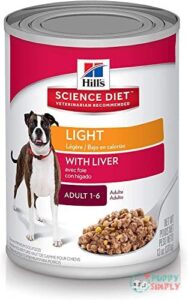
Liver Loaf Benefits include a palatable wet format that delivers 18–22% protein and 300–350 kcal per cup—ideal Weight Management support when your puppy needs controlled portions. You’ll follow Feeding Guidelines of about 1.0–1.5 cups per 10 pounds daily, adjusting for activity and age.
The Dog Food Ingredients feature natural fiber at 4–8% to boost satiety, while omega-6s and vitamin E maintain Dog Health during calorie restriction.
Veterinary Care and regular Pet Nutrition monitoring guarantee Nutrient Balance facilitates lean growth without sacrificing essential fatty acids or minerals your puppy requires.
Best For: Adult dogs (1-6 years) who need to lose weight or maintain a healthy body weight while still enjoying a tasty wet food option.
- High protein (18-22%) and natural fiber (4-8%) keep dogs feeling full between meals, making portion control easier during weight loss.
- Supports healthy skin and coat with omega-6 fatty acids and vitamin E, so your dog still looks great while slimming down.
- Made with natural ingredients and no artificial colors, flavors, or preservatives—manufactured in the USA.
- Some dogs don’t love the liver flavor, and picky eaters might turn their nose up at it.
- Contains ground corn as a filler ingredient, which some pet owners prefer to avoid.
- Packaging issues like dented or damaged cans can happen during shipping, and price/availability fluctuates.
Identifying Overweight Puppies and Health Risks
Spotting weight gain early in puppies isn’t always straightforward, especially when they’re growing so fast. Carrying extra pounds at a young age can set the stage for serious health problems down the road, so knowing what to watch for matters.
Here’s what you need to recognize in an overweight puppy, the risks involved, and when it’s time to get your vet involved.
Signs Your Puppy May Be Overweight

Spotting excess weight early protects your puppy’s long-term dog health. You’ll notice ribs that are difficult to feel under heavy fat cover, a missing waist when viewed from above, and a flat belly instead of an abdominal tuck. Growth patterns that spike upward across centile lines signal excessive weight gain.
Watch for reduced activity levels, labored breathing after mild play, and reluctance to jump or climb stairs—all signs weight management may be needed.
Monitoring for canine health risks is vital in preventing long-term complications.
Health Risks Associated With Puppy Obesity

Carrying extra pounds sets your puppy up for serious trouble down the road. Obesity increases orthopedic disorders by up to 2.5 times, worsens hip dysplasia, and accelerates joint damage during growth. It also raises blood pressure and triples the risk of early-onset canine diabetes in vulnerable breeds. Understanding web server issues can help in managing online resources for puppy care.
Key health consequences include:
- Joint problems – Excess weight strains developing bones and cartilage
- Metabolic dysfunction – Elevated glucose and insulin signal trouble ahead
- Reduced lifespan – Overweight puppies face earlier onset of chronic diseases
- Activity limitations – Heavy puppies exercise 20–40% less than healthy peers
When to Consult a Veterinarian

If your puppy shows persistent weight gain after 2–4 weeks of diet changes, it’s time for veterinary guidance. Watch for lethargy, coughing, or exercise intolerance—these warrant immediate health checks. Joint swelling or limping alongside rapid weight gain needs emergency care.
Puppies with diabetes risk or orthopedic issues require vet-recommended nutrition advice before you adjust their feeding plan. Regular weight monitoring promotes canine health and wellness.
Key Nutrients in Puppy Weight Management Food
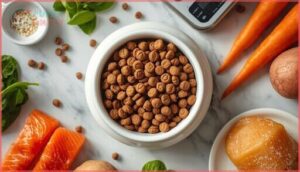
Getting the nutrition right matters more than just cutting calories when you’re helping a puppy slim down. Weight management food needs to support their growth while creating a healthy deficit, which means certain nutrients become especially important.
Let’s look at the key components that make puppy weight management formulas work safely and effectively.
High-Quality Protein Sources
When your puppy needs to slim down, lean protein becomes the foundation of every meal. You’ll want real chicken, turkey, or fish as the first ingredient—these animal-based proteins deliver complete amino acid profiles and enhanced digestibility compared to plant alternatives.
Here’s what to prioritize:
- Named meat meals (chicken meal, turkey meal) offering 23–31 g protein per 100 g
- Egg protein for complete nutritional balance
- Fish sources providing omega-3s alongside lean protein
- Controlled fat content (8–12% dry matter basis)
- High protein efficiency supporting muscle while managing calories
Quality matters: digestible protein sources help your puppy feel satisfied on fewer calories, supporting healthy growth without excess weight gain. Always choose formulas listing specific animal proteins first, avoiding vague “meat by-products” or grain-heavy recipes that compromise nutrient balance.
Importance of Dietary Fiber
Fiber makes all the difference in helping your puppy feel full without overloading on calories. You’ll want soluble sources like beet pulp that support digestive health and slow gastric emptying—keeping hunger at bay between meals.
Balance is critical: too little won’t aid weight control, but excessive fiber can interfere with mineral absorption during vital growth phases. Choose fiber-rich ingredients that support your puppy’s nutrition plan without compromising essential nutrient uptake.
Essential Fatty Acids for Growth
Quality fats aren’t optional—they’re fundamental for your puppy’s brain, joints, and coat during this rapid growth phase. Here’s what omega-3 benefits and DHA supplements deliver:
- DHA during weeks 1–12 boosts cognitive function by up to 6% while supporting retinal development
- EPA research shows 4–8% mobility improvements in large-breed puppies during growth spurts
- Fatty acid ratios of 5:1 to 10:1 (omega-6 to omega-3) calm inflammation and support healthier skin
Target 1–2% body weight as daily fat to meet dietary needs without compromising weight management.
Balanced Vitamins and Minerals
Micronutrients keep your puppy’s metabolism running smoothly even when you’re cutting calories. Look for formulas where 93% of commercial options meet AAFCO vitamin minimums and calcium-to-phosphorus ratios land between 1.1:1 and 1.6:1—this balance fosters bone health without overloading growing joints.
Selenium, zinc, and vitamin E (around 100–300 IU/kg) protect immune function and skin during weight management.
Calorie Control and Feeding Strategies

Getting the calories right is the cornerstone of any puppy weight management program. You can’t eyeball portions and hope for the best—you need a clear plan that accounts for your puppy’s age, breed, and activity level.
Let’s break down how to calculate daily calorie needs, control portions effectively, and shift to a weight management diet without upsetting your puppy’s system.
Calculating Your Puppy’s Caloric Needs
Determining your puppy’s caloric intake starts with their resting energy requirement: 70 × (body weight in kg)^0.75. Growing puppies usually need 2× RER or more, depending on breed and activity level.
Large-breed puppies often require 60–100 kcal/kg/day early on, while smaller breeds may need higher per-kilogram energy.
Use growth charts and monthly weigh-ins to adjust these targets and prevent underfeeding during critical development phases.
Portion Control and Meal Frequency
You’ll want to split your puppy’s daily calorie intake into three to four smaller meals—this approach keeps energy levels steady and prevents overeating. Measure portion sizes carefully using a standard cup, and stick to consistent meal timing each day.
Feeding frequency matters: younger puppies benefit from more frequent, controlled portions that support weight management without compromising their growth needs or triggering hunger-driven begging behaviors.
Safe Transitioning to Weight Management Food
Introduce your new weight management dog food over 7–14 days to ease the shift and support healthy weight loss. Start with a 25% new, 75% current mix, then shift to 50/50 by day five.
This gradual diet change with careful meal scheduling minimizes digestive upset from fiber introduction and calorie reduction.
Monitor stool quality daily—if vomiting or diarrhea persists beyond 72 hours, seek veterinary guidance immediately.
Exercise and Lifestyle Tips for Weight Loss

Weight management for puppies isn’t just about what’s in the bowl—it’s about how your pup moves through their day. Exercise needs to match their developmental stage, and lifestyle changes work hand-in-hand with diet to support healthy weight loss.
Let’s look at practical ways to keep your puppy active, track their progress, and build habits that stick.
Age-Appropriate Exercise Routines
Your puppy’s exercise routine should match their development stage to support safe weight management. For 8–12 week old pups, stick to 15–20 minutes of gentle leash training and playtime activities twice daily.
As they grow to 3–6 months, extend sessions to 20–40 minutes total, incorporating socialization techniques and basic obedience. Skip high-impact workouts until skeletal maturity—think low-stress activities that promote canine health without joint strain.
Monitoring Progress and Adjusting Plans
Once you’ve started your puppy’s weight management plan, check progress every 2–4 weeks with veterinary guidance. Aim for steady 1–2% weekly weight loss—track body condition scores and adjust portions if you hit a plateau.
Most puppies respond well to 5–10% calorie tweaks paired with activity logs. Regular dietary planning keeps nutrition balanced while targeting safe, measurable results.
Reducing Treats and Encouraging Activity
Beyond tracking numbers, your puppy’s daily habits drive real weight loss. Research shows that swapping just 25% of treats for low-calorie alternatives cuts body fat by 8% over 12 weeks, while 150 minutes of weekly activity boosts energy expenditure by 15%—supporting healthy snacks and calorie management without sacrificing growth.
Swapping 25% of treats for low-calorie options cuts puppy body fat by 8% over 12 weeks while 150 minutes of weekly activity boosts energy expenditure by 15%
- Replace high-calorie treats with carrots or green beans for guilt-free rewards
- Schedule five short play sessions per week to increase activity levels naturally
- Combine portion control with 20–30 minutes of daily walks to preserve lean muscle
- Track treat frequency and exercise routines to fine-tune your weight management plan
Frequently Asked Questions (FAQs)
How does weight management food affect puppy growth?
Here’s the straight scoop: weight management formulas with 25–35% protein support lean muscle while limiting fat gain, slowing growth slightly without compromising skeletal development when nutrient balance and healthy development targets are met.
Are there specific breed considerations for weight management?
Yes—breed size, genetic predispositions, and health risks shape weight management strategies. Large breeds need controlled calcium and energy to protect joints, while small breeds require precise portions. Brachycephalic dogs often need lower-calorie feeding strategies to prevent respiratory complications.
Can homemade diets be used for puppy weight control?
Sure, toss together leftover chicken and rice—what could go wrong?
In reality, homemade diets for puppy weight control demand precise calorie calculation, nutrient balance, and veterinary guidance to avoid growth complications and micronutrient deficiencies.
How can I track my puppys weight changes effectively?
Track your puppy’s weight with weekly weigh-ins using digital scales, record measurements alongside body scoring, and compare progress to breed-specific growth charts.
Schedule veterinary guidance every four weeks to confirm healthy weight management remains on target.
Can puppies develop eating disorders from dieting?
Could diet stress harm your puppy’s relationship with food? Research shows 22% of puppies on caloric restriction develop abnormal eating habits within six months, including food anxiety and compulsive behaviors around meals.
Does neutering affect puppy weight gain risk?
Neutering effects on puppy obesity risk are significant—neutered males gain weight 18% faster post-surgery, while spayed females show 12% higher overweight likelihood.
However, structured calorie restriction and increased activity effectively offset these weight gain risks.
Are grain-free foods better for weight control?
Grain-free diets feel like a wellness trend, but nutrition research reveals no proven weight loss advantage over grain-inclusive options when calories and fiber match.
Pet owner perceptions don’t always align with dietary outcomes backed by evidence.
How does breed size influence weight targets?
Breed size factors dramatically shape weight targets and caloric needs. Small breeds reach maturity faster, requiring tighter portion control, while large breeds need careful growth rates to prevent joint issues and long-term obesity risk.
What role does gut bacteria play?
Your puppy’s gut microbiome directly influences weight by affecting how efficiently calories are extracted from food and how satiety signals are sent to the brain, making bacterial diversity a key factor in healthy weight management.
Conclusion
Think of your puppy’s weight like a savings account—small deposits today prevent costly withdrawals tomorrow. Choosing the right puppy food for weight management isn’t about deprivation; it’s about strategic nutrition that protects joints, prevents metabolic disease, and sets the foundation for a longer, more active life.
Monitor their body condition regularly, adjust portions as they grow, and remember: a leaner puppy today means fewer vet visits down the road.