
This site is supported by our readers. We may earn a commission, at no cost to you, if you purchase through links.

Most pitbull owners are shocked to learn their dog could live well past 14 years—or fall short of 10—depending on decisions made early in life. The breed carries a reputation for toughness, but beneath that muscular frame sits a dog with specific health vulnerabilities that quietly chip away at longevity if left unaddressed.
Pitbull lifespan isn’t a fixed number. It shifts based on breed type, sex, living environment, and how consistently you manage their health. A well-cared-for American Staffordshire Terrier can reach 16 years. An American Bully, built heavier, often tops out closer to 13.
What separates a long, healthy life from an early decline usually comes down to a handful of factors—most of them within your control.
Table Of Contents
- Key Takeaways
- What is The Pitbull Lifespan?
- Pitbull Lifespan by Breed Type
- Factors That Affect Pitbull Longevity
- Common Pitbull Health Problems
- Helping Your Pitbull Live Longer
- Frequently Asked Questions (FAQs)
- Can pitbulls live up to 20 years?
- What is the leading cause of death for pitbulls?
- What is the oldest living Pitbull?
- What are pitbulls most allergic to?
- How long do pit bulls live?
- How long do Red Nose Pitbulls live?
- How long do pit bull mixes live?
- How long do pitbull terriers live?
- Do Pitbulls live longer than other dogs?
- Which Pitbull breed has the longest life expectancy?
- Conclusion
Key Takeaways
- Your pitbull’s lifespan ranges from 10 to 16 years depending on breed type, sex, and daily care — with American Staffordshire Terriers living longest and American Bullies shortest.
- Cancer causes over 42% of deaths in older pitbulls, making routine vet visits twice a year your most powerful tool for catching problems early.
- Indoor living, consistent exercise, and weight control can quietly add years to your dog’s life by reducing joint stress, parasite exposure, and environmental hazards.
- Dental disease affects 80% of dogs by age two and can shorten your pitbull’s life by 1 to 3 years if left untreated — brushing several times a week isn’t optional, it’s essential.
What is The Pitbull Lifespan?

Pitbulls don’t all follow the same timeline — their lifespan depends on the type, their living situation, and even their sex. Most live somewhere between 8 and 15 years, but that range shifts quite a bit depending on the specific variety you have. Here’s what the numbers look like across the most common categories.
French Pitbull mixes, for instance, tend to land on the longer end, with most living well into their early teens.
Average Pitbull Life Expectancy
Most pitbulls live 12 to 16 years with consistent care. That range shifts based on three key factors:
- Genetics — inherited conditions narrow or extend potential
- Environment — indoor dogs often outlive outdoor ones
- Preventive care — regular checkups catch problems early
Female dogs tend to outlive males by up to two years. Even so, individual health variation means no single number tells the whole story. Understanding the average pitbull lifespan can help owners prepare for their pet’s aging process.
Lifespan by Pitbull Type
Breed type shapes lifespan more than most owners realize. American Pit Bull Terriers and American Staffordshire Terriers both average 12 to 16 years. Staffordshire Bull Terriers range from 12 to 14 years.
American Bullies usually live 10 to 13 years — their heavier frames carry more joint stress.
| Breed | Lifespan | Key Risk |
|---|---|---|
| Am. Pit Bull Terrier | 12–16 yrs | Hip dysplasia |
| Staffordshire Bull Terrier | 12–14 yrs | L-2-HGA |
| American Bully | 10–13 yrs | Cardiac issues |
Indoor Pitbull Lifespan
Where your dog lives matters. Indoor pitbull lifespan usually reaches 12 to 15 years — noticeably higher than dogs kept outside.
Controlled temperatures reduce joint pain flare-ups, and you can spot early warning signs like limping or weight changes before they worsen. Fewer parasites, traffic risks, and toxic hazards also quietly work in your dog’s favor every single day.
Male Vs Female Lifespan
Sex can shape pitbull lifespan by up to two years. Female pitbulls generally outlive males, driven by hormonal differences, stronger immune responses, and lower-risk behavior patterns.
- Males roam more, increasing traffic and conflict exposure
- Testosterone raises inflammation risk over time
- Neutering can narrow the lifespan gap in males
- Females face more chronic late-life conditions despite living longer
Can Pitbulls Reach 20?
Reaching 20 is rare — but not impossible. Most pitbulls live 8 to 16 years, placing age 20 well beyond the norm for pitbull life expectancy. Some owners have reported it, making it technically possible rather than expected. Genetic survival odds, consistent vet care, and avoiding major illness early are what separate truly long-lived dogs from the average dog.
| Factor | Effect on Canine Longevity | Influence on Reaching 20 |
|---|---|---|
| Strong bloodlines | Reduces inherited disease risk | High |
| Consistent vet care | Catches conditions early | High |
| Healthy body weight | Lowers organ and joint strain | Moderate |
| Dental hygiene | Prevents systemic organ damage | Moderate |
| Heart disease or cancer | Can shorten senior pitbull years by a lot | Major barrier |
Pitbull Lifespan by Breed Type
Not all pitbulls are the same, and that difference shows up in how long they live. Each breed type comes with its own size, build, and health tendencies that shape its average lifespan. Here’s a closer look at what you can expect from each one.
Understanding the distinctions between the most common pitbull breed types can help you anticipate their unique health needs and lifespan ranges.
American Pit Bull Terrier

The American Pit Bull Terrier is a compact, muscular dog built for movement. That athletic body structure and short coat make grooming simple — but their high energy levels demand real daily commitment.
Their typical lifespan ranges 12 to 14 years. Five traits defining this breed:
- Short, low-maintenance coat
- Natural agility
- Strong prey drive
- Deep family loyalty
- Eager-to-please temperament
American Staffordshire Terrier

Known affectionately as the AmStaff, this breed usually lives 12 to 16 years — one of the longer ranges among pitbull-type dogs. Their medium frame, usually 40 to 70 pounds, puts less strain on joints than heavier bully breeds.
That muscular build does require cardiovascular monitoring as they age. Short coat, easy grooming — but don’t let the low-maintenance exterior distract from consistent vet checkups.
Staffordshire Bull Terrier

The Staffordshire Bull Terrier is small but built like a coiled spring — compact, muscular, and surprisingly strong for its size. Typical lifespan runs 12 to 14 years. The Kennel Club describes the breed as bold, fearless, and totally reliable, with a natural affinity for children.
Don’t let that tough stance fool you. This dog lives to be near its people.
American Bully
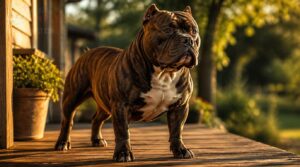
The American Bully trades longevity for presence. That broad, blocky head and extreme muscle mass come with a cost — a shorter lifespan of 10 to 13 years, compared to most pitbull types.
Its short, glossy coat needs minimal grooming, and its temperament is genuinely friendly. But watch the joints. All that compact power puts real strain on hips as your Bully ages.
English Bull Terrier
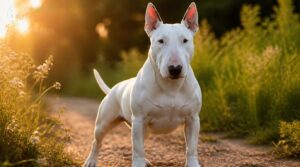
That egg-shaped head is unmistakable. The English Bull Terrier lives 11 to 14 years — solid for the type.
Three traits define ownership:
- Stubborn temperament demands consistent, patient training
- Strong prey drive requires careful pet management
- Energetic gait needs daily purposeful activity
Their short coat sheds moderately. Watch for congenital heart defects and joint strain as they age.
Factors That Affect Pitbull Longevity

How long your pitbull lives isn’t just written in their DNA — it’s shaped by the daily choices you make for them. Everything from what they eat to where they sleep plays a real role in their health and longevity. Here are the key factors worth knowing about.
Genetics and Bloodlines
Your pitbull’s genetic inheritance quietly shapes how long they’ll live before you even bring them home.
Hereditary conditions like hip dysplasia, congenital heart defects, and thyroid problems run through certain bloodlines. Inbreeding weakens immune systems and lowers fertility. Cerebellar ataxia affects roughly 1 in 400 pitbulls, disrupting balance. Knowing your dog’s ancestry — and requesting health-tested parents — gives you a real head start.
Diet and Weight Control
What your pitbull eats directly shapes how long they live.
High-quality protein keeps muscle intact and helps them feel full between meals. Pair that with fiber-rich snacks like carrots to reduce calorie density without cutting volume. Watch meal timing — consistent schedules curb late-night overeating.
- Swap sugary drinks for plain water
- Choose low-calorie-dense foods at each meal
- Avoid free-feeding to control daily intake
Exercise and Activity
Diet and nutrition set the foundation, but movement is what keeps your pitbull’s body working well.
Aim for 30 to 45 minutes of light daily activity. For seniors, low-impact exercise like swimming protects joints while maintaining muscle. Build intensity slowly — short walks before longer ones. Even sniffing around the yard counts as incidental movement that keeps their mind and body engaged.
Indoor Vs Outdoor Living
Where your pitbull sleeps and spends their days matters more than most owners realize.
Indoor pitbulls benefit from stable temperatures, reduced parasite exposure, and fewer environmental hazards like traffic or toxic plants. Outdoor living raises risks from ticks, allergens, and uneven terrain that stresses aging joints. For life expectancy of a pitbull, indoor living can extend it to 12–15 years.
Spaying and Neutering
Spaying or neutering your pitbull is one of the clearest forms of preventative medicine you can offer them.
Five key health benefits:
- Eliminates testicular or uterine cancer risk
- Reduces roaming and urine-marking behaviors
- Prevents pyometra, a dangerous infection
- Lowers prostate disease risk in males
- Most pets go home that day
Both use general anesthesia with a brief, manageable surgical recovery.
Common Pitbull Health Problems

Pitbulls are generally sturdy dogs, but like any breed, they carry some health vulnerabilities worth knowing about. A few conditions show up more often than others, and catching them early can make a real difference. Here’s what to watch for.
Hip Dysplasia
The hip socket — called the acetabulum — should cup the femoral head snugly. When it’s too shallow, the joint loses its natural "suction seal," causing instability and labral strain. That altered mechanics shows up in your dog’s walk long before pain becomes obvious.
| Sign | Hidden Cause | What You’ll Notice |
|---|---|---|
| Waddling gait | Bilateral joint instability | Duck-like movement |
| Stiffness after rest | Shallow acetabular coverage | Slow to rise |
| Muscle loss | Compensatory soft tissue stress | Narrowing hindquarters |
Watch for reduced hip extension and reluctance on stairs — early red flags worth acting on.
Heart Disease
Heart disease quietly ranks among the most serious breed-specific health risks pitbulls face. Congenital heart defects, cardiomyopathy, arrhythmias, and valve disorders can all reduce the life expectancy of a pitbull by a lot.
Coronary plaque buildup narrows arteries, cutting oxygen to heart tissue — sometimes triggering a heart attack. Routine veterinary care, including annual cardiac screenings, catches these conditions early, when canine health management options are still effective.
Thyroid Problems
Thyroid problems are a recognized genetic risk in pitbulls. Hypothyroidism — when the thyroid produces too little hormone — causes weight gain, fatigue, and dry skin. Hyperthyroidism does the opposite, speeding metabolism.
- Autoimmune thyroiditis can gradually destroy thyroid function
- Goiter may develop, visibly swelling the neck
- Thyroid hormone replacement restores metabolic health long-term
- Metabolic changes affect cholesterol and organ function
- Early screening protects pitbull life expectancy a great deal
Dental Disease
Dental disease affects 80% of dogs by age two — and pitbulls aren’t exempt.
Plaque biofilm builds silently, hardening into tartar. Bacteria trigger gingivitis, then periodontitis, destroying bone that anchors teeth. Oral infection can reach the kidneys, liver, and heart, cutting lifespan by 1 to 3 years.
Unchecked plaque silently destroys teeth, bone, and organs — shaving years off your dog’s life
| Stage | What’s Happening |
|---|---|
| Plaque | Bacteria coat teeth daily |
| Gingivitis | Gums bleed and swell |
| Tartar | Plaque hardens permanently |
| Periodontitis | Bone loss begins |
| Infection | Organs become affected |
Routine cleanings are non-negotiable preventive care.
Arthritis and Mobility Issues
One in five dogs develops arthritis — and pitbulls, with their dense muscle mass, feel it hard.
Joint pain causes abnormal gait changes, muscle atrophy, and balance loss over time. Low-impact exercise like swimming maintains strength without grinding damaged joints. At home, rubber mats and supportive bedding reduce strain when rising. Harnesses help during walks. Catching stiffness early keeps your senior pitbull moving comfortably longer.
Helping Your Pitbull Live Longer

You can’t control everything that comes with age, but you can control a lot of what shapes it. Small, consistent habits — the kind that don’t take much time but add up over years — make a real difference in how your pitbull feels at 10, 12, even 14. Here’s where to start.
Regular Vet Checkups
Twice a year, senior pitbulls need wellness exams — not just when something’s wrong.
Each checkup covers:
- Routine blood screening and urinalysis for organ health
- Mobility and gait assessment for joint issues
- Skin health inspection for parasites or infection
- Preventive vaccine schedules review
- Weight and posture evaluation
These visits let your vet catch problems early — before they shorten your dog’s life.
Healthy Senior Nutrition
Good checkups often reveal your dog’s next need — and it’s usually food.
High-quality protein helps senior pitbulls hold muscle as they age. Pair it with fiber-rich oats or brown rice for steady digestion. Omega-3 sources like salmon reduce joint inflammation. Calcium from yogurt or tofu keeps bones strong.
| Nutrient | Primary Source |
|---|---|
| Protein | Lean meats, eggs |
| Fiber | Oats, brown rice |
| Omega-3 | Salmon, sardines |
| Calcium | Yogurt, tofu |
Fresh water matters too — aging dogs dehydrate much faster than you’d expect.
Daily Low-Impact Exercise
Nutrition fuels the body — movement keeps it working.
Thirty to 45 minutes of light activity daily helps your senior pitbull manage weight and protect aging joints. Walking works well. Swimming reduces joint stress even further, using water buoyancy to ease pressure on stiff hips.
Avoid repeated jumping. Steady, controlled cardio builds endurance without wear.
Dental Care Routine
Teeth are easy to overlook — until they cause real damage.
Dental disease affects 80% of dogs by age two. Left untreated, tartar buildup strains the kidneys, liver, and heart. Brush your pitbull’s teeth several times a week using dog-safe toothpaste. Dental chews help between brushings. Professional cleanings remove what brushing can’t, protecting organs long-term.
Mental Stimulation for Seniors
Your senior pitbull’s mind needs exercise just as much as their body.
Cognitive Dysfunction Syndrome affects 28% of dogs by age 11–12 — watch for disorientation, restlessness, or disrupted sleep.
Keep their brain active with:
- Puzzle feeders to slow eating and encourage problem-solving
- Sniffari walks letting them follow scents freely
- MCT oil supplements supporting brain health
- Rotating toys for sensory enrichment
Small changes, lasting impact.
Frequently Asked Questions (FAQs)
Can pitbulls live up to 20 years?
Living to 20 years would be a once-in-a-century miracle for any dog. Most pitbulls live 12 to 16 years, making 20 an extreme outlier — possible only with wonderful genetics, perfect care, and astonishing luck.
What is the leading cause of death for pitbulls?
Cancer is the leading cause of death in pitbulls, accounting for over 42% of deaths in older dogs. Lymphoma and mast cell tumors are the most common aggressive forms.
What is the oldest living Pitbull?
The dog the world argues about most has no verified Guinness record for longevity — a quiet irony. Broad breed identification challenges and missing lineage documents prevent any extreme age outlier from being officially confirmed.
What are pitbulls most allergic to?
Pitbulls are most commonly allergic to beef proteins, dairy, and grains like wheat or corn. Environmental triggers — pollen, grass, dust mites, and mold — also cause itchy skin, ear infections, and chronic inflammation.
How long do pit bulls live?
Think of a candle burning bright — some flame longer than others. Most pit bulls live 10 to 14 years, though many reach 12 to 16 with consistent care and genetics on their side.
How long do Red Nose Pitbulls live?
Red nose pitbulls usually live 12 to 16 years. With consistent veterinary care, balanced nutrition, and weight control, some reach closer to 15 or 16 years — slightly longer than many other pit bull varieties.
How long do pit bull mixes live?
Mixed heritage can be both a gift and a question mark. Most pit bull mixes live 12 to 16 years, with indoor living, good nutrition, and regular vet care pushing toward that upper range.
How long do pitbull terriers live?
Most pitbull terriers live 12 to 14 years on average. With proper care — good nutrition, regular vet visits, and daily exercise — some reach 15 or beyond.
Do Pitbulls live longer than other dogs?
Compared to the overall companion dog average of 23 years, most pitbulls fall right in line — living roughly 12 to 14 years. That puts them slightly above average, not far outside it.
Which Pitbull breed has the longest life expectancy?
The American Staffordshire Terrier leads with the longest pitbull life expectancy, commonly reaching 12 to 16 years. Staffordshire Bull Terriers follow closely at 12 to 14 years, with American Bullies averaging just 10 to 13 years.
Conclusion
Think of your dog’s life like a marathon, not a sprint. The pitbull lifespan isn’t written in stone—it’s shaped by every vet visit you don’t skip, every meal you measure, and every joint you protect with gentle daily walks.
Dogs who reach 14, 15, even 16 years don’t get there by luck. They get there because someone paid attention. Start now. The years you invest in their health today are the ones they’ll live tomorrow.
- https://www.wellnesspetfood.com/blog/7-lesser-known-pitbull-facts
- https://fruitvillevet.com/client-resources/breed-info/american-pitbull-terrier
- https://codadog.com/pages/dog-age-calculator/american-pitbull-terrier
- https://spiritdogtraining.com/how-long-do-pitbulls-live
- https://bark.co/blogs/breeds/how-long-do-pit-bulls-live