
This site is supported by our readers. We may earn a commission, at no cost to you, if you purchase through links.

Somewhere between a full-size Siberian Husky and a dog that actually fits on your couch, the mini husky occupies a sweet spot that a lot of people didn’t know they were looking for. Breeders started developing them in the early 1990s by selectively pairing smaller Huskies—no crossbreeding shortcuts, just patience and careful lineage tracking.
The result looks like someone hit "scale down" on one of the most striking dogs alive, then kept everything else: the piercing blue eyes, the thick double coat, the howling at nothing in particular. Don’t let the smaller frame fool you, though—this dog’s energy didn’t shrink with it.
Table Of Contents
- Key Takeaways
- What is a Mini Husky?
- Mini Husky Appearance
- Mini Husky Temperament
- Mini Husky Training
- Mini Husky Care and Health
- Mini Husky Cost and Fit
- Frequently Asked Questions (FAQs)
- Is there a mini version of a husky?
- Is a pomsky a Mini Husky?
- What calms down a husky?
- Is there a miniature huskies?
- Is a Mini Husky a Pomsky?
- Where can I buy a Mini Husky?
- What is the average lifespan of a Mini Husky?
- How much exercise does a Mini Husky require?
- Are Mini Huskies hypoallergenic?
- What are the grooming requirements for a Mini Husky?
- Conclusion
Key Takeaways
- Mini Huskies are purebred Siberian Huskies selectively bred to be smaller since the 1990s—not a mix—topping out at 17 inches and 35 pounds while keeping the full-size dog’s energy, coat, and striking looks.
- Their energy didn’t shrink with their size, so plan on 45–90 minutes of daily exercise plus regular mental stimulation, or you’ll come home to a very creative mess.
- Without AKC recognition, buying one means doing your homework—demand health screenings, lineage documentation, and a breeder contract before handing over the €800–€2,500 price tag.
- They thrive in apartments and busy families, but their strong prey drive means early socialization and supervised introductions to kids, cats, and small pets aren’t optional—they’re essential.
What is a Mini Husky?
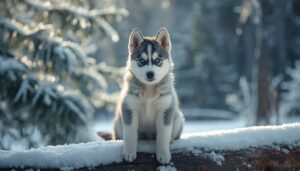
The Mini Husky is exactly what it sounds like — a smaller version of the Siberian Husky, packed with the same wolf-like looks and big personality.
The Pomeranian Husky mix captures that same wild, wolf-like charm in an even tinier, fluffier frame.
But before you fall head over heels for those piercing eyes, there’s a lot worth knowing about where this breed actually comes from. Here’s what sets the Mini Husky apart from similar breeds and why so many people mix them up.
Mini Husky Origin and Breeding Background
Back in the 1990s, US Breeding Programs set out to capture everything people loved about the Siberian Husky — just in a smaller package. Through Selective Runts Breeding, they developed this 1990s Sled Dog companion without crossbreeding.
The breed traces its roots to early 1990s selective breeding. Here’s what shaped the Mini Husky’s foundation:
- Originated purely from Siberian Husky lineage
- Bred by selecting naturally smaller individuals
- Developed for compact living without losing husky traits
- Relies on Genetic Health Screening to minimize hereditary risks
- Requires Lineage Documentation from responsible breeders
Mini Husky Vs. Siberian Husky
Same DNA, smaller footprint — that’s the simplest way to describe the Mini Husky versus the Siberian Husky. Siberian stands 20–23.5 inches and weighs up to 60 pounds, while the Mini tops out around 17 inches and 35 pounds.
Your owner lifestyle matters here: less space, easier travel compatibility, similar training time demands.
| Feature | Mini Husky vs Siberian Husky |
|---|---|
| Height | 12–17 in vs 20–23.5 in |
| Weight | 15–35 lbs vs 35–60 lbs |
| Energy Level | High vs High |
| Show Eligibility | None vs AKC recognized |
| Rescue Availability | Limited vs More accessible |
Mini Husky Vs. Alaskan Klee Kai
The Alaskan Klee Kai is often mistaken for a Mini Husky, but they’re genuinely different dogs. Klee Kai were purpose-developed in the 1970s with defined standards, real show eligibility, and stricter health testing from reputable breeders.
Mini Huskies are heavier — up to 35 pounds — while Klee Kai cap at around 20.
Temperament-wise, Klee Kai tend to be more reserved around strangers, where Mini Huskies lean friendlier out of the gate.
Breed Recognition and Common Confusion
That confusion between the Klee Kai and Mini Husky hints at a bigger issue — kennel club recognition. Neither the AKC nor the SHCA officially recognizes the Mini Husky, which creates real breed labeling policies problems and genetic ancestry confusion for buyers.
Visual misidentification is common even among professionals. DNA breed testing helps confirm what you actually have. Watch for:
- No standardized Mini Husky breed history documentation
- Controversy over Mini Husky classification among breeders
- Frequent mix-ups affecting medical and behavior records
Mini Husky Appearance
One of the first things people notice about a Mini Husky is how much they look like a full-sized Siberian Husky — just scaled down in the best possible way. From their striking eyes to their plush, weather-ready coat, every detail feels intentional.
Here’s a closer look at what makes this breed so visually distinct.
Thick Double Coat and Shedding
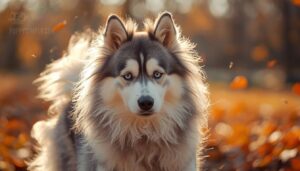
That fluffy Miniature Husky coat isn’t just for looks — it’s doing real work. The double coat has two layers: a soft undercoat for insulation and a tougher outer coat that manages moisture and dirt.
Regular grooming during early training keeps that double coat healthy, and pairing it with puppy obedience classes near you helps build good habits from the start.
Seasonal molt timing hits twice yearly, spring and fall, when double coat shedding peaks sharply.
Brush three times weekly for undercoat care and shedding prevention. Bathing frequency should stay minimal — every month or two — so natural oils protect heat regulation year-round.
Coat Colors and Markings
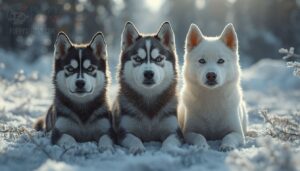
Your Miniature Husky coat can show up in a surprisingly wide range of colors — from bold black-and-white to soft silver, sable, or all-white. Pattern genetics drive everything, mixing Masking & Saddle patterns, piebald patches, and even Merle & Brindle effects.
Seasonal color shifts can subtly change apparent shade during double coat shedding.
Watch for three standout patterns:
- Masked face with darker muzzle contrast
- Saddle markings across the back
- White chest and paw patches
Ears, Tail, and Eye Color
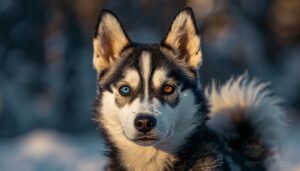
Beyond the coat, the Physical Characteristics of the Miniature Husky really come alive in the details.
Triangular ears sit high, with Ear Feathering Patterns adding soft tufts in lighter dogs, while Ear Tip Pigmentation is darker.
The tail curves into a plume, with Tail Base Shading and Tail Curl Variations shifting with mood.
Eye Heterochromia Frequency is genuinely high — heterochromia and piebald genetics make every gaze unique.
| Feature | What to Expect |
|---|---|
| Ear tips | Often darker than surrounding fur |
| Tail curl | Tightens when excited or alert |
| Eye color | Blue, brown, amber, or mixed |
| Heterochromia | Common, especially in piebald coats |
Watch for Eye Conditions linked to unusual pigmentation.
Height, Weight, and Adult Size

Most Mini Huskies top out between 12 and 17 inches tall and weigh 15 to 35 pounds — compact enough for apartment life, sturdy enough to keep up on a trail. Growth Plate Closure generally happens around 6 to 8 months, though full Miniature Husky size settles closer to 12 to 18 months.
Regular Body Condition Scoring and Weight Monitoring Frequency help you catch changes early.
Mini Husky Temperament
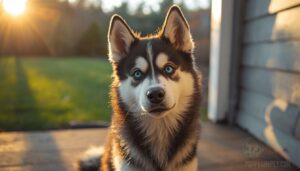
Mini Huskies pack a lot of personality into a small frame, and understanding their temperament is key to knowing if one fits your life. They’re loyal, spirited, and sometimes a little dramatic — in the best possible way.
Here’s what you need to know about how they think, feel, and interact with the world around them.
Personality and Affection Level
These dogs wear their hearts on their sleeves. Mini Husky temperament and personality leans toward warm and people‑focused — you’ll notice bonding signals like following you from room to room, leaning in, or choosing your side at rest.
Their affectionate body language is subtle but consistent. Trust building happens through routine attachment and gentle touch preference, making Miniature Husky temperament and behavior genuinely family‑oriented.
Energy Needs and Activity Level
Think of a Mini Husky as a sports car parked in your living room — built to run, not sit idle. These high-energy dogs need 45 to 90 minutes of Mini Husky exercise daily, and calorie matching matters just as much as activity scheduling:
- Vary exercise intensity with jogging or agility training
- Support resting metabolism on rest days with mental stimulation for dogs
- Practice weight monitoring weekly to catch imbalances early
Prey Drive and Vocalization
All that energy has to go somewhere — and when a squirrel darts across the yard, you’ll see exactly where.
Mini Huskies carry a strong prey drive, and their stalking cues are easy to spot: head lowered, ears angled forward, posture stiff.
Chase mechanics kick in fast, often paired with a vocal burst — shifting from a whine straight into a howl.
Socialization With Kids and Pets
That prey drive doesn’t disappear around your kids or cat — but it absolutely softens with the right groundwork.
Supervised introductions, calm handling signals, and clear play boundaries make a real difference early on.
Reward interaction whenever your Mini Husky stays gentle, and keep sessions short.
Miniature Husky temperament and behavior around families are genuinely warm — puppy socialization just has to come first.
Mini Husky Training

Training a Mini Husky is rewarding, but it takes patience — these dogs are sharp, social, and a little headstrong all at once. The good news is that with the right approach, you can work with their personality instead of against it.
Here’s what you need to know to get started on the right foot.
Positive Reinforcement Methods
Because Mini Huskies are smart but famously stubborn, positive reinforcement training isn’t just helpful — it’s essential. Nail these five fundamentals and you’ll actually see progress:
- Targeted Reward Timing — deliver the treat within two seconds of the behavior
- High-Value Treats — use real chicken or cheese, not dry kibble
- Behavioral Marker Praise — say "yes!" the moment they get it right
- Clicker Training Integration — the click bridges the gap between behavior and reward
- Variable Ratio Schedule — reward randomly once the behavior is solid to keep motivation high
Puppy Socialization Basics
Socialization is where all that positive reinforcement work pays off in real life. Those first 12 to 16 weeks are your golden window for early puppy socialization and training.
| What to Practice | Why It Matters |
|---|---|
| Noise Desensitization | Builds calm around doorbells and vacuums |
| Surface Exploration | Grass, pavement, and sand reduce walk anxiety |
| Handling Tolerance | Paw and ear touches prepare for grooming |
| Visual Stimuli Exposure | Bikes and cars won’t spook a prepared pup |
Use Gradual Interaction — let your puppy approach new things at their own pace.
Managing Stubborn Behavior
Stubborn moments with your Mini Husky usually have a reason behind them — that’s why Root Cause Identification matters first. Training a Mini Husky successfully means combining Consistent Boundaries with smart Reward Timing and Distraction Reduction.
Try this:
- Limit choices to two options
- Reward within seconds of good behavior
- Simplify the environment before repeating a command
Positive reinforcement and Obedience click fastest when you stay predictable.
Recall, Leash Work, and Impulse Control
Training a Mini Husky outdoors starts with cue consistency — pick one recall word and stick with it every single time. A long line safety setup lets you practice in real environments without losing your dog to a squirrel.
Loose leash criteria, forward drive redirection, and impulse pause release all build on positive reinforcement, making miniature husky training and exercise feel less like a battle and more like a conversation.
Mental Stimulation and Boredom Prevention
A bored Mini Husky is basically a chaos machine — and that’s where puzzle feeding, scent work, and enrichment rotation save your sanity. Rotate interactive toys every couple of days, freeze a lick mat for calm chews during downtime, and hide treats around the house for quick nose games.
A bored Mini Husky is a chaos machine — keep the brain busy or pay the price
Short daily training sessions round out Mini Husky training and exercise needs through positive reinforcement beautifully.
Mini Husky Care and Health
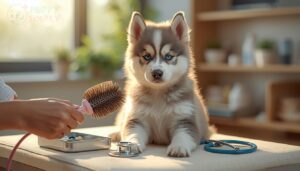
Taking care of a Mini Husky isn’t complicated, but it does take consistency across a few key areas. From coat brushing to vet visits, each piece of the routine plays a real role in keeping your dog healthy and happy.
Here’s what you need to know about caring for your Mini Husky.
Grooming and Coat Maintenance
That double coat is stunning — and a little demanding.
Grooming a Miniature Husky means brushing three times a week at minimum, daily during heavy shedding seasons, using de-shedding tools like undercoat rakes to pull loose fur from both layers.
Stick to a bathing schedule of every one to two months, dry the undercoat thoroughly after every bath, and do quick skin spot checks while you brush.
Feeding Guidelines and Nutrition
Feeding a Miniature Husky is simpler than you’d think — just consistent and intentional. Stick to two meals daily for adults, three to four for puppies, and always keep fresh water available.
Miniature Husky feeding guidelines come down to four essentials:
- Meal Frequency: Two set mealtimes daily beats free-feeding every time.
- Portion Control: Adjust based on body condition, not just the scale.
- Balanced Ingredients: Choose complete-and-balanced food rich in protein, healthy fats, and omega fatty acids.
- Treat Limits: Cap treats at 10% of daily calories — and introduce new foods gradually over a week to avoid tummy trouble.
Solid Miniature Husky diet and nutrition requirements aren’t complicated, but they do reward consistency.
Common Health Issues
Like most purebreds, Mini Huskies come with a few health tendencies worth knowing.
Miniature Husky Health Issues span several categories: Skin Allergies and Skin Conditions can cause itching and hot spots, while Eye Disorders and Eye Conditions — including Hip Dysplasia, cataracts, and progressive retinal atrophy — need monitoring.
Dental Disease, Dental Problems, Digestive Upset, and Joint Problems round out the list.
Lifespan and Vet Screenings
Most Mini Huskies live 12 to 15 years, which is solid for any dog.
Good Lifespan Management starts early — weight control, consistent Veterinary care and health maintenance for Mini Huskies, and staying ahead of Mini Husky health concerns like Hip Dysplasia and Progressive Retinal Atrophy.
Around age seven, Senior Wellness Exams shift to every six months, with Age-Related Labs tracking kidney and thyroid trends. Screening Frequency increases as your dog ages.
Dental, Ear, and Nail Care
Beyond annual checkups, the everyday stuff matters too — teeth, ears, and nails are easy to overlook but make a real difference.
For dog dental care, your Dog Toothbrush Choice should favor soft bristles and dog-safe toothpaste. Plaque Control Tips start with brushing a few times weekly.
Follow a consistent Ear Cleaning Routine and watch for Ear Infection Signs.
Nail Trimming Safety means trimming gradually to avoid the quick.
Mini Husky Cost and Fit
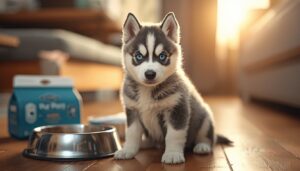
Bringing a Mini Husky home is exciting, but the costs can catch you off guard if you’re not prepared. From the upfront puppy price to monthly food and vet bills, there’s a lot to think through before you commit.
Here’s what you need to know to figure out if this breed fits your budget and lifestyle.
Puppy Price and Adoption Options
Expect to spend anywhere from €800 to €2,500 when buying from a breeder — and breeder reputation matters more than you’d think. Health screening costs, pedigree papers, and microchip registration all factor in.
Adoption options for Mini Huskies run €150 to €600, often including vaccines and spay or neuter.
Don’t forget potential travel expenses if your nearest reputable source isn’t local.
Ongoing Food and Vet Expenses
Your monthly food budget will likely run €25 to €70, depending on whether you choose premium kibble or budget brands.
Vaccination expenses and routine checkups add roughly €150 to €300 annually. Don’t underestimate parasite prevention costs — flea, tick, and heartworm products recur every month. Build an emergency savings buffer too, because unexpected vet bills hit fast.
Senior care costs climb as your Mini Husky ages.
Apartment Living and Space Needs
Here’s the truth about Mini Husky suitability for apartment living: their Mini Husky size and weight specifications — just 15 to 35 pounds and under 17 inches tall — make them a surprisingly apartment-friendly dog.
Prioritize Compact Exercise Zones nearby, Vertical Storage Solutions for gear, Noise-Reducing Design for those famous howls, Pet Friendly Amenities in your building, and Efficient Feeding Stations to keep routines tight.
Family Compatibility and Other Pets
Mini Huskies genuinely thrive in busy family homes — but their prey drive and behavior around small animals mean you’ll want a solid Cat Integration Plan before day one.
Use Pet Interaction Supervision consistently, set up Small Animal Barriers for rabbits or guinea pigs, and practice Resource Guarding Prevention around food and toys.
Family Routine Coordination keeps everyone calm, making Miniature Husky Suitability for Families surprisingly strong.
Finding Responsible Breeders
Finding reputable Mini Husky breeders takes patience, but it’s worth every bit of effort. Look for full Breeder Transparency — health certifications, genetic screening results, and documented lineage shared openly.
Breeder Contracts should include clear return policies in writing. Ethical considerations in Mini Husky breeding mean responsible breeding and health screening come before profit.
Adoption options for Mini Huskies also exist through rescues, often at lower cost.
Frequently Asked Questions (FAQs)
Is there a mini version of a husky?
Yes — think of it like a husky in a smaller package. The Miniature Husky shares the same striking look but stands just 12 to 17 inches tall and weighs between 15 and 35 pounds.
Is a pomsky a Mini Husky?
Not exactly. A Pomsky is a Pomeranian-Siberian Husky cross, while a Mini Husky leans on Husky lineage with sturdier proportions.
Breeder marketing and naming confusion often blur the line between both.
What calms down a husky?
A quiet safe space, structured exercise, and a ThunderShirt Vest or Pheromone Diffuser can work wonders. Calming Music also helps settle an overstimulated dog fast.
Is there a miniature huskies?
Miniature Huskies do exist, though size genetics and legal classification vary by breeder.
They’re not a formally recognized breed, but real dogs bred smaller with the same striking husky look and temperament.
Is a Mini Husky a Pomsky?
No, a Mini Husky isn’t a Pomsky. A Pomsky is a designer breed — a Pomeranian-Husky cross.
A Mini Husky comes from selective breeding of purebred Huskies down in size, keeping the same genetic lineage intact.
Where can I buy a Mini Husky?
Finding reputable Mini Husky breeders takes patience. Explore breed-specific directories, regional seller hubs, pet fair connections, or rescue adoption pathways.
Online marketplace verification helps avoid scams. Adoption options for Mini Huskies often include vaccines and microchipping.
What is the average lifespan of a Mini Husky?
Don’t let the small size fool you — these dogs live big.
The average Mini Husky lifespan runs 12 to 15 years, rivaling many larger breeds when genetic factors, weight management, and early detection remain priorities.
How much exercise does a Mini Husky require?
These high energy dogs need about 1 to 2 hours of daily exercise.
Split that into smaller sessions and mix walking with high-intensity play to meet their daily exercise time without overwhelming them.
Are Mini Huskies hypoallergenic?
No, they aren’t. Despite their smaller size, Mini Huskies trigger allergies just as readily as full-size dogs — heavy dander and seasonal shedding make allergy concerns very real for sensitive owners.
What are the grooming requirements for a Mini Husky?
Grooming a double coat takes consistency.
Brush two to three times weekly, daily during shedding season, use an undercoat rake, bathe every one to two months, and monitor skin at every session.
Conclusion
Small in size, massive in personality, and endlessly devoted—the mini husky rewards the right owner with a bond that’s genuinely hard to match.
They need real exercise, consistent training, and a family that treats their independence as a feature, not a flaw.
Go in prepared, and this compact northern dog becomes less of a pet and more of a permanent adventure partner who just happens to fit a little better on the couch.