This site is supported by our readers. We may earn a commission, at no cost to you, if you purchase through links.

That dusty-tan coat with a silvery sheen isn’t just rare—it’s the result of a genetic lottery involving two recessive dilution genes working in tandem. An Isabella French Bulldog carries the bbdd genotype, meaning both parents passed down chocolate and blue dilution genes to create this sought-after fawn-lilac fusion.
You’ll recognize these dogs by their light, almost translucent-looking coats that glow honey-gold in bright sunlight, paired with pale eyes and pinkish noses.
But before you fall for those ethereal good looks, you need to understand what comes with dilute coat genetics: potential color dilution alopecia, heightened skin sensitivity, and the same brachycephalic challenges that affect all Frenchies—just with a few extra considerations.
Table Of Contents
- Key Takeaways
- What is an Isabella French Bulldog?
- Genetics Behind Isabella Coloring
- Physical Features and Appearance
- Isabella Vs. Other Rare Frenchies
- Personality and Temperament Traits
- Common Health Concerns
- Special Care and Grooming Needs
- Nutrition and Exercise Requirements
- Cost of an Isabella French Bulldog
- Responsible Ownership and Breeding
- Frequently Asked Questions (FAQs)
- How much does an Isabella Frenchie cost?
- How do I know if my dog is Isabella?
- What is the personality of an Isabella Frenchie?
- What is the rarest Frenchie bulldog?
- How does the Isabella color vary in shade and fade over time?
- Are Isabella French Bulldogs hypoallergenic or low-shedding?
- Can Isabella Frenchies live in hot climates?
- Do Isabella French Bulldogs bark more than others?
- What age do Isabella puppies show final color?
- Conclusion
Key Takeaways
- Isabella French Bulldogs carry the rare bbdd genotype—two recessive genes (chocolate and blue dilution) working together to create their distinctive dusty-tan coat with silvery sheen, accounting for just 1-2% of registered Frenchies.
- Beyond their striking appearance, these dogs face heightened health risks including color dilution alopecia (a hereditary condition causing hair breakage and patchy thinning), severe skin sensitivity requiring daily sun protection, and the same brachycephalic respiratory challenges that affect all French Bulldogs.
- Responsible breeding requires genetic testing of parent dogs for the bbdd genes plus comprehensive health screenings (OFA certifications, cardiovascular assessments, DNA panels), with ethical breeders providing transparent records and prioritizing puppy welfare over profit.
- Expect to invest $5,000-$15,000 upfront for an Isabella Frenchie, plus ongoing annual costs of $500-$1,500 for routine vet care, specialized grooming every 4-6 weeks, potential emergency expenses for brachycephalic flare-ups, and daily maintenance including wrinkle cleaning and sunscreen application.
What is an Isabella French Bulldog?
If you’ve stumbled across the term “Isabella French Bulldog” and aren’t quite sure what makes these pups different, you’re in the right place. These rare Frenchies sport a stunning coat color that’s equal parts fawn, lilac, and silver-gray—a combination you won’t see in your average French Bulldog.
This distinctive look comes from a dilute gene that affects traditional French Bulldog colors, creating that signature pale, shimmery appearance.
Let’s break down what sets Isabella Frenchies apart, from their distinctive appearance to why breeders and dog lovers can’t get enough of them.
Distinctive Coat Color and Markings
The Isabella color variation emerges from coat color genetics—specifically, the dilution gene acting on chocolate, producing a warm, light brown hue with subtle red undertones. Darker shading around the muzzle and ears creates a gentle contrast.
Marking patterns can include small white chest or toe patches, though these aren’t defining traits. Under bright light, the fawn tones show a honey-like glow—a beautiful effect of dilution effects on melanin.
How Isabella Differs From Other Frenchies
Unlike standard fawn or brindle Frenchies, Isabella French Bulldogs carry two recessive genes (the dilution gene at both B and D locus), creating that signature dusty-tan look you won’t find in typical coat variations.
Most breed comparisons highlight how Isabella’s unique characteristics—pale nose leather, light eye colors—set them apart from blue or lilac varieties. Color genetics determine these rare traits, making fawn variations like Isabella stand out in any lineup.
For more insight into their care needs and personality, explore their distinctive physical traits in detail.
Popularity and Rarity
That signature look explains why Isabella French Bulldogs remain among the rarest dog breeds—accounting for just 1–2 percent of registered French Bulldogs in 2024–2025. Market dynamics show breeder waitlists stretching months longer than for standard colors, and price trends reflect demand analysis: Isabella puppies usually command 10–25 percent premiums over fawn or brindle varieties.
Rarity factors and breeder ethics both shape availability, making genuine Isabella French Bulldogs a coveted find.
Genetics Behind Isabella Coloring

That stunning Isabella coat isn’t just a happy accident—it’s the result of two specific recessive genes working together in perfect harmony. Understanding the genetics behind this rare coloration can help you appreciate why these Frenchies are so uncommon and what breeders need to know before pairing parent dogs.
Let’s break down the science that creates this beautiful diluted fawn color.
The B Locus and D Locus Genes
Think of the Isabella gene as a two-part recipe in canine genetics. The B Locus determines your Frenchie’s base pigment—whether it starts with black (dominant B alleles) or chocolate-brown (recessive b). Meanwhile, the D Locus controls dilution: dominant D keeps colors vivid, while recessive d lightens them.
Genetic testing reveals these locus interactions, helping breeders make accurate breed predictions about color inheritance and gene expression in future puppies.
How The Bbdd Genotype Creates Isabella
When your Frenchie carries two copies of both recessive genes—bb at the B Locus and dd at the D Locus—that bbdd genetic makeup produces the Isabella phenotype.
The Isabella coat appears when a Frenchie inherits bb and dd recessive genes at both color loci, creating that distinctive warm, diluted phenotype
The bb genes shift the base pigment from black to chocolate, while the dd genes dilute that chocolate into a warm, lighter brown.
These genetic interactions create the distinctive fawn-with-blue-gray color expression you’ll see across the coat.
Breeding for The Isabella Color
Producing Isabella French Bulldogs requires breeding two dogs that both carry the recessive genes—you can’t get Isabella pups from a single carrier parent.
Reputable breeders rely on:
- Genetic testing to confirm bb and dd alleles before pairing dogs
- Pedigree analysis tracking Isabella gene inheritance across multiple generations
- Health screening prioritizing temperament and wellness over color alone
- Clear communication about color prediction, costs, and realistic litter outcomes
Ethical breeding strategies balance rarity with responsible dog welfare.
Due to their unique coat color and gentle personality, these dogs are highly prized among rare French Bulldog enthusiasts.
Physical Features and Appearance
Once you understand the genetics, it’s easy to spot an Isabella Frenchie in a lineup—they’ve a look that’s hard to miss. From their velvety coat to their distinctive facial features, these dogs carry their rare genes in every physical detail.
Let’s break down exactly what makes their appearance so unique.
Coat Texture and Color Variations
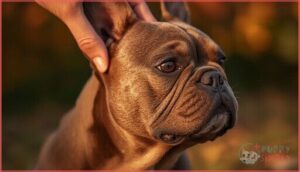
Your Isabella’s coat feels smooth and dense under your hand—short hairs lying close, almost velvety. The dilution effects from recessive genes create that warm chocolate-tan shade, though fawn tones can shift slightly under bright light, revealing cinnamon undertones.
Color depth stays uniform across the body, but you’ll notice coat shine peaks in cooler months. The Isabella gene produces texture types that resist wind while staying soft, with moderate seasonal shedding twice yearly.
Eye, Nose, and Paw Pad Colors

Pigment genetics shape the finer details—your Isabella French Bulldogs carry subtle color variations that extend beyond their coat. Eye health remains stable with dark brown to amber irises, creating striking contrast against pale fur, while recessive genes influence nose shades from dark brown to taupe.
- Dark-rimmed eyes intensify definition, with occasional hazel flecks dancing in the iris
- Noses range from black to pinkish-brown, sometimes deepening with sun exposure
- Paw pads mirror nose pigment—dark brown, black, or lighter taupe tones
- Balanced coloration across features creates cohesive Isabella French Bulldog characteristics
Common Markings in Isabella Frenchies
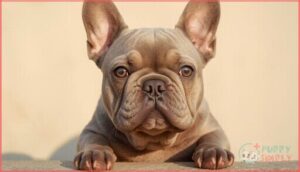
Markings don’t follow a strict blueprint—you’ll notice coat patterns in Isabella French Bulldogs lean toward subtle gradients rather than sharp boundaries. Facial marks may include faint masking or lighter cheek tones, while nose colors shift from pale brown to pinkish hues.
Paw pad shades echo the nose, and eye tones usually range from amber to soft gray. French Bulldog genetics layering rare colors creates these delicate Isabella French Bulldog characteristics.
Isabella Vs. Other Rare Frenchies
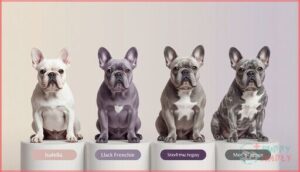
Isabella Frenchies often get mixed up with other rare color varieties, and it’s easy to see why. The differences come down to subtle genetic tweaks that create distinct shades, from lilac to blue to merle, each with its own breeding quirks and recognition status.
Here’s how Isabella stacks up against the other showstoppers in the Frenchie color world.
Lilac Vs. Isabella French Bulldogs
You’ll often hear folks use “lilac” and “Isabella” interchangeably—but they’re not quite twins. Both stem from color genetics involving dilution genes, though the Isabella French Bulldog carries a bbdd genotype that creates a silvery brown coat, while lilac French Bulldogs lean cooler grey-lavender. Genetic testing clears up confusion since rare colors in French Bulldog genetics can overlap visually, and neither usually appears in official dog registration standards.
| Feature | Isabella | Lilac |
|---|---|---|
| Coat Tone | Silvery grey with light brown undertone | Cool grey to lavender tint |
| Nose Color | Pale pink to light brown | Pinkish or light brown |
| Genetic Basis | bbdd dilution + chocolate genes | Diluted cocoa pigment pathway |
| Visual Contrast | Uniform, minimal brindle | More pronounced muzzle/ear contrast |
| Rarity | Extremely rare variety | Rare among breed history |
Blue, Merle, and Other Color Comparisons
Stepping beyond lilac, you’ll find blue French Bulldogs show a solid slate-grey coat from dd dilution effects, while merle patterns create irregular pigment patches across darker base tones—something Isabella French Bulldogs never display. Blue merles often sport heterochromatic eyes; Isabellas lean toward amber or copper. French Bulldog genetics get complex fast, since coat variations like these fall outside breed standards and require careful genetic testing.
| Coat Type | Visual Signature |
|---|---|
| Blue | Solid slate-grey from dd dilution |
| Merle | Irregular pigment patches, marbled look |
| Isabella | Warm brownish tone, uniform distribution |
| Blue Merle | Speckled contrast with possible blue eyes |
Recognized Vs. Non-Standard Colors
Official Breed Standards draw a bright line between classic fawn, brindle, and cream versus the Isabella French Bulldogs you’re eyeing. Registration Rules exclude dilution colors—no matter how stunning—from many kennel-club shows, though Pedigree Verification still tracks them. Color Genetics isn’t the issue; rare dog colors like Isabella simply don’t meet traditional French Bulldog colors criteria, limiting show eligibility but not home-companion appeal.
| Category | Examples |
|---|---|
| Recognized Colors | Fawn, brindle, cream, pied variations |
| Non-Standard Colors | Isabella, blue, lilac, merle |
| Show Eligibility | Recognized colors qualify for most registries |
| Health Screening | Both groups benefit from color dilution alopecia testing |
| Breeding Documentation | Dilution Effects require careful genetic records |
Personality and Temperament Traits

Beyond their stunning coat, Isabella French Bulldogs share the same lovable, goofy personality that makes Frenchies such wonderful companions. These dogs form deep bonds with their families and tend to be affectionate without being overly demanding—though they’ll never say no to a cuddle session on the couch.
Let’s look at what you can expect from your Isabella’s temperament and how they fit into everyday life.
Typical Behavior of Isabella Frenchies
You’ll notice right away that Isabella Frenchies bring big personalities wrapped in compact, velvety frames. These companion dogs thrive on human connection—they’ll shadow you from room to room, nuzzle against your leg during movie night, and greet you with enthusiastic wiggles every single time you walk through the door.
Key behavioral traits you can expect:
- Affectionate and people-oriented – They crave daily cuddling sessions and constant companionship.
- Playful yet low-key – Short bursts of fetch or puzzle toys satisfy their curiosity without exhausting them.
- Adaptable to apartment living – Moderate exercise needs and quiet indoor behavior make them ideal urban pets.
- Sensitive to tone and environment – They respond best to positive reinforcement training methods and gentle handling.
- Social with proper introductions – They generally welcome guests warmly and bond closely with one primary caregiver.
Their emotional intelligence shines through in how they read your mood—offering reassurance when you’re down, settling beside you when you’re relaxed. Understanding French Bulldog behavior helps you appreciate why training tips for French Bulldogs emphasize consistency over intensity. These dogs don’t respond well to harsh corrections; instead, they flourish with reward-based training methods that tap into their eagerness to please.
Canine communication with Isabellas involves watching subtle cues—a happy tail wag, soft body language when meeting new dogs, or bringing you a favorite toy as an invitation to play. Their temperament leans gentle and friendly, though some individuals may show stubbornness during training sessions (a classic Frenchie trait across all colors).
Because of their brachycephalic structure, you’ll notice they’re sensitive to temperature extremes—too hot and they’ll pant heavily; too cold and they’ll shiver. This sensitivity extends to their emotional world, too. Loud noises or sudden movements can startle them, so gradual introductions and calm environments help them feel secure. When you understand dog behavior through the lens of their unique physical and emotional needs, you’ll build a stronger bond.
Playful interactions don’t require marathon fetch sessions—15 minutes of tug-of-war or hide-and-seek with treats keeps them mentally stimulated without overtaxing their respiratory system. Socialization techniques work best when started early, exposing your Isabella puppy to different people, sounds, and environments in short, positive bursts. This foundation shapes a confident, well-adjusted adult who deals with new situations with curiosity rather than fear.
Socialization and Family Compatibility
Your Isabella Frenchie will thrive when you introduce them to household routines early—gentle, supervised child interactions teach tolerance, while daily exposure to family voices and activities prevents reactivity.
Family dynamics shape their confidence: consistent training involving all caregivers reinforces dog behavior and obedience.
Gradual pet harmony builds through controlled introductions to resident animals, supporting French Bulldog temperament.
Household adaptation and dog socialization strengthen through positive experiences with visitors, grooming, and varied environments—foundations for a well-adjusted companion.
Playfulness and Adaptability
During short bursts of energetic play—usually 5 to 15 minutes several times daily—your Isabella Frenchie shows playful traits through interactive games like treat puzzles and gentle fetch. Adaptive training with positive reinforcement boosts focus by roughly 25 percent, while social bonds deepen when you include them in calm family activities.
These companion dogs mirror your household’s rhythm, adjusting environmental responses quickly and displaying classic French Bulldog temperament alongside impressive flexibility in dog behavior and training routines.
Common Health Concerns

Like all French Bulldogs, Isabellas face some breed-specific health challenges—and their unique coloring adds a few extra considerations to watch for.
Understanding these potential issues helps you catch problems early and keep your pup comfortable throughout their life. Let’s look at the most common health concerns you’ll want to discuss with your vet.
Brachycephalic Respiratory Issues
Like all French Bulldogs, your Isabella is wired for respiratory issues thanks to that adorable squished face. Airway obstruction from nasal stenosis, elongated soft palates, and sometimes even tracheal collapse can turn playtime into respiratory distress—especially when temperatures spike.
You’ll notice snoring, loud breathing, or rapid fatigue during walks. Severe cases may require surgical interventions to widen nostrils or trim excess tissue, though prevention through weight management and climate control works wonders.
Color Dilution Alopecia Risks
Your Isabella’s gorgeous coat comes with a genetic catch—color dilution alopecia, a hereditary disorder where pigment clumps weaken hair shafts, causing hair breakage and patchy thinning over time.
This condition, linked directly to the dilute genes in French Bulldog health, has no cure.
Genetic testing before breeding helps responsible breeders screen for risk, while coat management focusing on gentle grooming and health monitoring minimizes skin irritation as affected areas become more exposed.
Skin Sensitivity and Sun Care
That distinctive fawn-blue coat means thinner melanin—your Isabella’s sensitive skin practically begs for dedicated UV protection. Here’s your daily defense:
- Apply dog-safe, fragrance-free mineral sunscreen (SPF 30+) to exposed areas every two hours outdoors
- Moisturize with ceramide-rich formulas to strengthen the skin barrier against environmental stress
- Seek shade during peak sun hours (10 AM–4 PM) when UV rays intensify
- Use protective clothing or UV-blocking shirts for extended outdoor time
- Monitor for redness, itching, or irritation signaling sun damage
Daily moisturizing paired with sunscreen application transforms Isabella French Bulldog care into proactive wellness.
Special Care and Grooming Needs
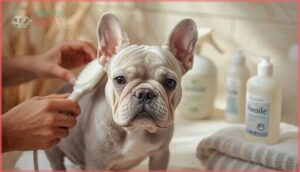
Isabella French Bulldogs need a bit more attention than your average Frenchie—their unique coat and sensitive skin mean you can’t just wing it with grooming.
From managing those adorable wrinkles to protecting their diluted coat, there’s a handful of care strategies that’ll keep them comfortable and healthy.
Let’s walk through the specific grooming needs every Isabella owner should know.
Coat Maintenance Tips
Weekly brushing with a soft natural bristle brush keeps your Isabella French Bulldog’s velvety coat gleaming and controls shedding. Brush gently in the direction of hair growth—no hard pressing needed—to remove surface dust and distribute natural oils.
Here’s your quick grooming toolkit:
| Grooming Tools | Purpose |
|---|---|
| Soft bristle brush | Daily coat brushing |
| Damp cloth | Stain removal and spot cleaning |
| Mild dog shampoo | Monthly bathing routine |
Managing Skin Folds and Allergies
Those adorable facial wrinkles require daily attention to prevent infections and allergic reactions. Clean each fold with a fragrance-free wipe or damp cloth, then pat completely dry—moisture breeds bacteria fast. If your pup shows redness or itching, switch to hypoallergenic products and check for food allergens.
Here’s your fold management checklist:
- Daily cleaning with gentle, unscented wipes
- Thorough drying after every cleaning session
- Weekly inspection for odor, discharge, or inflammation
Bathing and Brushing Routines
Beyond those folds, bathing techniques and brushing tools shape your Isabella’s overall coat conditioning and skin care. Bathe every 4 to 6 weeks with pH-balanced shampoo, rinse thoroughly, then brush 2 to 3 times weekly using a slicker or rubber curry brush. These grooming tips prevent shedding buildup and maintain that velvety sheen—plus they’re perfect bonding moments for French Bulldog care and health.
| Grooming Task | Frequency |
|---|---|
| Warm bath with dog-specific shampoo | Every 4–6 weeks |
| Brushing with slicker or curry brush | 2–3 times per week |
| Wrinkle cleaning and drying | Weekly (or daily if needed) |
| Blow-dry on cool/low heat | After each bath |
Nutrition and Exercise Requirements

Your Isabella Frenchie’s health depends just as much on what goes into their bowl—and how much they move—as it does on their genetics.
These dogs have a knack for packing on pounds if you’re not careful, so getting their diet and activity level right isn’t optional.
Let’s break down what they need to thrive without tipping the scale.
Recommended Diet for Isabella Frenchies
Your Isabella Frenchie thrives on high-quality protein from animal sources—think chicken, beef, or fish—to maintain lean muscle and energy. A balanced nutrient balance promotes digestive health and tackles food allergies common in dilute-coated dogs.
Here’s what solid meal planning includes:
- Omega-3 and omega-6 fatty acids for skin sensitivity
- Easily digestible carbs like brown rice or sweet potato
- Consistent feeding schedules with fresh water available
This foundation in dog nutrition keeps your pup healthy.
Portion Control and Obesity Prevention
Even the best dog nutrition falls short if you overfeed. Portion sizes directly shape calorie management—measuring each meal with a kitchen scale prevents weight gain that stresses brachycephalic airways.
Aim for healthy feeding by checking your Frenchie’s body condition every two weeks, adjusting portions when ribs disappear under fat. Small daily reductions support canine health better than crash diets, keeping nutrient balance intact while protecting animal health and wellness against obesity-linked dog health concerns.
Suitable Exercise Activities
Short daily walks and gentle intervals of brisk play suit your Isabella’s brachycephalic structure better than marathon runs. Low-impact sessions—ten to fifteen minutes twice a day—meet exercise requirements without stressing their airways.
Play sessions with tug toys or indoor fetch keep physical characteristics like compact muscle tone healthy, while dog training games add mental stimulation.
Cool mornings prevent overheating in this heat-sensitive French Bulldog.
Cost of an Isabella French Bulldog

If you’ve fallen for the Isabella Frenchie’s unique charm, you’re probably wondering what it’ll cost to bring one home. The price tag on these rare pups can be eye-opening—and that’s just the beginning.
Let’s break down what you can expect to pay upfront and the ongoing expenses you’ll need to budget for.
Typical Price Range in 2026
If you’re budgeting for one of these rare and unique dog breeds, expect Isabella French Bulldogs to run you anywhere from $1,800 to $3,500 for pet-quality pups in 2026. Show-quality specimens with champion lineage? You’re looking at $4,000 to $6,500—sometimes more.
These expensive price tags reflect their scarcity, but don’t forget hidden initial fees like health testing and microchipping, which can tack on another $200 to $800.
Factors Affecting Cost
Beyond rarity alone, several factors push Isabella French Bulldogs into premium territory. Here’s what drives those pet prices and costs:
- Breeding Costs — Genetic testing panels, health screenings, and selecting the right bbdd pairing add hundreds to thousands per litter.
- Market Trends — Flash demand spikes from social media can inflate prices overnight.
- Breeder Reputation — Established kennels with champion bloodlines command higher purchase fees.
- Location — Shipping and regional veterinary expenses vary widely.
Ongoing Ownership Expenses
Annually, you’ll spend $200–$500 on routine vet care costs through preventive plans covering exams, vaccines, and parasite control—and that’s before dental cleanings ($300–$700). Pet insurance and veterinary care run $25–$75 monthly, while grooming expenses hit $40–$100 every four to six weeks. Medication costs for supplements or allergy relief add $15–$60 each month.
Emergency funds matter—brachycephalic flare-ups or skin infections can cost hundreds without warning, making these dog costs and expenses ongoing, not occasional.
Responsible Ownership and Breeding

Bringing an Isabella French Bulldog into your life means more than just admiring that stunning coat—it’s a commitment to ethical practices that protect both the breed and your future companion.
Because these rare pups come with specific genetic considerations, responsible breeding and careful breeder selection aren’t optional extras.
Let’s walk through what ethical ownership really looks like, from health testing protocols to the red flags you absolutely need to spot.
Ethical Breeding Practices
Responsible dog breeding practices aren’t just guidelines—they’re essential to protecting Isabella Frenchies from preventable suffering. When you’re choosing a breeder, look for these non-negotiable markers of responsible breeding:
- Breeder accountability through verified membership in ethical breeding programs
- Genetic testing performed on both parents before mating
- Puppy welfare prioritized with enriched environments and early socialization
- Owner education provided before you take your pup home
- Transparent records showing lineage, dog breeding and genetics data, and health outcomes
Responsible pet ownership starts with choosing breeders who value health over hype.
Health Screening for Parent Dogs
Before two Frenchies ever produce an Isabella puppy, a thorough parent screening process should confirm they’re genetically sound. Responsible dog breeding practices demand DNA testing for genetic disorders, OFA certifications for hips and elbows, and cardiovascular assessments—all documented through health certifications that meet breeding standards. Your breeder should eagerly show you these veterinary checks, proving their commitment to the dog’s genetic makeup and long-term health issues prevention.
| Screening Type | What It Checks |
|---|---|
| Genetic Testing | Inherited conditions, carrier status for breed-specific genetic disorders |
| Orthopedic Evaluations | Hip dysplasia, elbow dysplasia, spinal health through OFA or PennHIP |
| Cardiovascular Checks | Congenital heart defects, murmurs, anesthesia risk factors |
| Eye & DNA Panels | Hereditary eye diseases, blood clotting issues, respiratory function |
Choosing a Reputable Breeder
Finding a trustworthy French Bulldog breeder requires detective work—think references, kennel services visits, and transparent puppy contracts. Your Isabella French Bulldog deserves a breeder who prioritizes breeding ethics over profit.
- Verify kennel club registration and breeder identification numbers for credibility
- Request health guarantees covering hereditary conditions in writing
- Ask for references from families who’ve purchased puppies recently
- Confirm parent dogs have documented genetic screenings and veterinary care
- Secure ongoing owner support after you bring your Frenchie home
Frequently Asked Questions (FAQs)
How much does an Isabella Frenchie cost?
You get what you pay for—Isabella French Bulldogs usually run $5,000 to $15,000, with breeding costs, pedigree, and that rare bbdd genotype driving prices higher than standard Frenchie colors.
How do I know if my dog is Isabella?
You’ll need genetic testing to confirm the dilution genes (bbdd), plus pedigree review showing Isabella lineage. Visual inspection alone can mislead—true Isabella French Bulldogs display pale champagne coats with specific nose and eye pigmentation matching documented genetics.
What is the personality of an Isabella Frenchie?
Picture a velvet-coated companion trailing you room to room, anxious for lap time—that’s your Isabella Frenchie.
These affectionate, playful pups thrive on social bonds, need consistent training, and respond beautifully to gentle, praise-based leadership.
What is the rarest Frenchie bulldog?
Merle French Bulldogs are often considered the rarest due to breeding challenges and controversy over health risks.
True Isabella and platinum variations remain exceptionally uncommon in the French Bulldog breed.
How does the Isabella color vary in shade and fade over time?
Isabella tones shift from light tan to rich whiskey depending on sunlight and age. Puppies darken or lighten within twelve months, while adults fade subtly due to seasonal shedding and environmental impact.
Are Isabella French Bulldogs hypoallergenic or low-shedding?
Unfortunately, these pups aren’t hypoallergenic. They shed moderately year-round and produce dander that can trigger pet allergies.
Regular brushing helps with shedding control and dander reduction, but allergy prevention isn’t guaranteed.
Can Isabella Frenchies live in hot climates?
Your Isabella can live in warmer regions, but you’ll need cooling strategies like air conditioning, morning walks, and dog-safe sunscreen.
Their brachycephalic structure and light skin demand extra heat tolerance precautions for pet care and health.
Do Isabella French Bulldogs bark more than others?
Good news: bark frequency in Isabella French Bulldogs mirrors standard French Bulldog vocalization patterns—moderate alert barks, not constant noise.
Training methods and environmental factors shape their temperament and behavior more than coat genetics ever will.
What age do Isabella puppies show final color?
Your pup’s unique fawn coloration usually reaches full coat stabilization by 8 to 12 weeks, when genetic timing locks in that signature blue-grey undertone—though some subtle deepening continues until around 16 weeks.
Conclusion
That lilac-tinged luminescence makes the Isabella French Bulldog unforgettable—but it’s the commitment to their specialized care that determines whether you’re truly ready.
Between dilute-coat vulnerabilities, brachycephalic breathing needs, and finding ethical breeders who prioritize health testing over hype, ownership demands intentionality.
If you’re prepared to navigate color dilution alopecia risks, invest in sun protection, and embrace the premium price tag, you’ll gain a stunning companion whose rarity matches their loyalty.
- https://vgl.ucdavis.edu/test/brown-dog
- https://www.mdpi.com/2073-4425/11/6/639/htm
- https://www.thekennelclub.org.uk/health-and-dog-care/health/health-and-care/a-z-of-health-and-care-issues/breathing-problems-brachycephalic-dogs/
- https://theswiftest.com/best-pet-insurance-compared/?transaction_id=&oid=30&affid=1444&creative_id=7
- https://www.instagram.com/countryclubfrenchies