This site is supported by our readers. We may earn a commission, at no cost to you, if you purchase through links.
Most dogs over three years old already have some form of gum disease—and their kibble bowl might be part of the problem.
Dry food has long carried a reputation as the dentist-approved choice for dogs, mostly because crunching on hard pieces sounds like it should clean teeth.
The reality is more complicated.
Kibble does create some mechanical scrubbing action against tooth enamel, and certain dental-specific formulas backed by the Veterinary Oral Health Council genuinely reduce plaque and tartar buildup.
But standard kibble rarely reaches below the gumline, and high-starch recipes can feed the bacteria that cause the damage you’re trying to prevent.
Understanding where dry food helps—and where it falls short—makes all the difference for your dog’s long-term oral health.
Table Of Contents
- Key Takeaways
- How Dry Food Affects Dog Teeth
- Pros and Cons of Dry Dog Food for Teeth
- Top Dry Foods for Dental Health
- Alternatives to Dry Food for Cleaner Teeth
- Best Practices for Canine Dental Care
- Frequently Asked Questions (FAQs)
- What is better for dogs’ teeth, dry or wet food?
- What’s the best dog food for Boston Terriers?
- What kind of food is best for dogs’ teeth?
- How does age affect a dogs dental needs?
- Are certain dog breeds more prone to dental disease?
- Do dental supplements work for dogs with existing tartar?
- How does stress affect a dogs dental health?
- Conclusion
Key Takeaways
- Standard kibble offers limited mechanical cleaning that stops at the gumline, but VOHC-certified dental formulas with denser fiber matrices can reduce tartar by up to 29–39% compared to wet food.
- High-starch kibble works against you — carbohydrate residue feeds oral bacteria and can harden into tartar within just 24 hours, making ingredient quality as important as food texture.
- No single diet keeps your dog’s teeth clean on its own; daily brushing, dental chews, and annual professional cleanings are what actually close the gap.
- Breed size, age, and stress all shape your dog’s dental risk, so the right approach isn’t one-size-fits-all — matching kibble type to your dog’s specific needs is where the real protection starts.
How Dry Food Affects Dog Teeth
Many dog owners assume dry food naturally cleans their dog’s teeth just by being crunchy — but the reality is a bit more complicated. How kibble actually interacts with your dog’s teeth depends on several factors, from the size and texture of each piece to how your dog chews.
Some dogs benefit from dental-friendly dry food formulated for smaller or active breeds, where kibble shape and texture are actually designed with tooth contact in mind.
Here’s a closer look at what’s really going on.
Mechanical Cleaning Action of Kibble
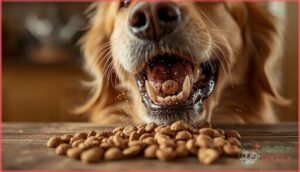
Chewing kibble does create some mechanical cleaning action on your dog’s teeth — but the effect is more limited than most people assume. Standard dry dog food shatters quickly, giving tooth surfaces only brief contact before crumbling.
Dental‑specific kibble uses a denser fiber matrix to resist that instant fracture, increasing tooth surface contact by roughly 20–30%.
The blind spot limitation, however, is real: neither option reaches under the gumline.
A 2025 study showed that raw fed dogs dental health is considerably better than that of kibble‑fed dogs.
Does Dry Food Prevent Plaque and Tartar?
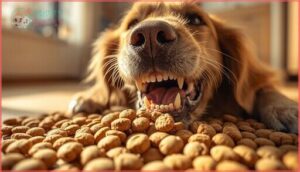
Dry dog food does reduce plaque and tartar — but results depend heavily on the formula. Regular kibble drops plaque accumulation by up to 39% compared to wet food, yet dental‑specific formulas outperform that substantially.
- Polyphosphate Binding blocks calcium from hardening into tartar
- Fiber Scrubbing Action and kibble size impact how long teeth stay in contact
- Microbiome Shifts toward healthier bacteria occur with consistent dry feeding
Look for the VOHC Seal to confirm clinical backing.
early dental disease prevalence shows that about 80% of dogs develop dental issues by age three, underscoring the importance of effective oral hygiene.
Differences Between Dry and Wet Dog Food

Food type shapes dental health more than most owners realize. Here’s how dry and wet options stack up:
| Factor | Dry Dog Food | Wet Dog Food |
|---|---|---|
| Moisture Levels | 8–12% | 75–85% |
| Protein Content | 25–40% | 10–15% |
| Carbohydrate Ratio | 30–50% | 10–30% |
| Shelf Life | 6 weeks opened | 7 days refrigerated |
| Cost Efficiency | $0.50–$1.50/serving | $1.20–$2.50/serving |
Wet food’s higher moisture content causes it to stick to teeth, accelerating plaque and tartar buildup compared to dry kibble.
Common Myths About Dry Food and Dental Health
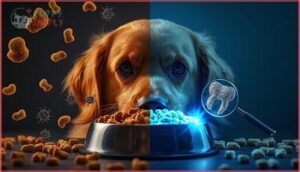
Most owners assume all kibble cleans teeth equally — that’s the Kibble Size Myth at work. Debunking dry dog food myths starts here:
- Carb Plaque Link: High starch feeds oral bacteria, not fights them
- Gumline Cleaning Limits: Mechanical cleaning action of dry food stops at the crown
- VOHC Approval Impact: Only certified dental kibbles offer real Texture Abrasion Effect
Standard dry dog food and teeth cleaning don’t mix as well as advertised.
Pros and Cons of Dry Dog Food for Teeth

Dry food isn’t a simple win or loss for dog’s dental health — it really depends on the type of kibble and how you’re using it.
Like most things in pet care, there are real benefits worth knowing about, but also some limitations that might surprise you. Here’s an honest look at both sides.
For example, dog food formulated specifically for dental health can tackle plaque and tartar in a way that fits naturally into your dog’s daily routine.
Potential Benefits for Dental Health
There’s more going on in your dog’s bowl than you might think.
The chewing action of kibble creates a mechanical cleaning action of dry food that scrapes plaque before it hardens.
It also boosts saliva production, which aids enamel remineralization and washes away bacteria.
Dental abrasives and tartar control agents in VOHC seal-approved formulas offer real residue reduction — and that means genuine dental health benefits at every meal.
Limitations and Risks of Dry Kibble
Kibble has real limits, and owner misconceptions about dry dog food and teeth cleaning are common.
Starch residue from high-carb recipes feeds bacteria that harden into tartar rapid formation within 24 hours — that’s rapid tartar formation working against you quickly.
High-carb kibble feeds the bacteria that harden into tartar within just 24 hours
Gumline neglect is the bigger concern, since mechanical cleaning action of dry food rarely reaches below the crown.
Over time, systemic health risks like heart and kidney damage can follow.
Soft Food Vs. Dry Food for Dental Care
When comparing soft dog food versus dry dog food for dental health, texture density makes a real difference. Dry food’s chewing duration encourages more abrasion against enamel, promotes a healthier saliva pH, and creates a bacterial profile less favorable to plaque and tartar buildup.
Soft food, while sometimes medically necessary, clings to teeth longer. Owner preference matters, but your dog’s mouth health often tips the scale toward dry.
Impact on Bad Breath and Gum Disease
Bad breath isn’t just unpleasant — it’s a warning sign. Bacteria in plaque release volatile sulfur compounds that create that distinct, sour odor.
Dry food helps by raising oral pH levels and slowing microbial shift toward harmful bacteria.
Here’s what that means practically:
- Lower sulfur breath compared to wet-fed dogs
- Reduced plaque that delays gum pocket depth progression
- Healthier tartar control through mild mechanical abrasion
- Decreased systemic health risks from bacteria entering the bloodstream
Dental health still requires more than kibble alone.
Top Dry Foods for Dental Health
Not all kibble is created equal regarding dental health. Some formulas are specifically designed to reduce plaque and tartar, making them a smarter choice than standard dry food.
Here are five worth considering for your dog’s oral care routine.
1. Royal Canin Small Dog Dental Dry Food
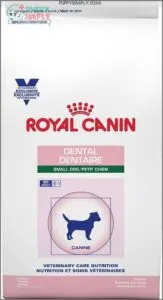
Royal Canin Small Dog Dental Dry Food stands out for small breeds — dogs under 22 pounds — that tend to build up tartar faster than larger dogs. The kibble is sized and shaped to encourage real chewing, creating a gentle scrubbing action against the tooth surface.
It carries the VOHC seal and, when fed as the sole diet, has been shown to reduce tartar by about 29 percent over 28 days. It also promotes urinary health, which is a nice bonus.
| Best For | Small dogs under 22 lbs who tend to build up tartar quickly and need daily dental support built right into their diet. |
|---|---|
| Primary Form | Powder |
| Dental Benefit | Teeth whitening |
| Artificial Additives | None listed |
| Target Age | All ages |
| Primary Ingredient | Hardwood charcoal |
| Grain-Free | N/A |
| Additional Features |
|
- Carries the VOHC seal — it’s clinically proven to cut tartar buildup by around 29% in under a month
- The kibble shape encourages real chewing, so it’s doing dental work without any extra effort from you
- Bonus urinary support helps reduce the risk of bladder crystals, two birds, one bag
- It’s pricier than most standard dry foods, which adds up over time
- It works best as the sole diet, so mixing it with other foods may limit the results
- Veterinary guidance is recommended, so it’s not quite a grab-and-go option
2. Hills Prescription Diet Dental Chicken Dry Dog Food
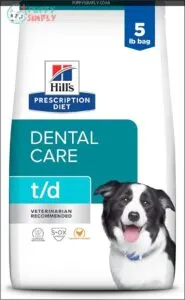
Hill’s Prescription Diet t/d Dental Care is one of the most clinically recognized options on the market. It’s a prescription food, so your vet has to sign off before you buy it — which actually works in your favor, since that oversight ensures it’s a good fit for your dog.
The kibble is oversized by design, using an aligned fiber matrix that scrubs teeth down to the gum line as your dog chews. It carries the VOHC seal and is formulated as a complete daily diet, not just a supplement.
| Best For | Dogs prone to plaque, tartar, and dental disease who need a vet-recommended, full-time dietary solution rather than just the occasional dental treat. |
|---|---|
| Primary Form | Dry Kibble |
| Dental Benefit | Reduces tartar buildup |
| Artificial Additives | Not specified |
| Target Age | Adult |
| Primary Ingredient | Chicken |
| Grain-Free | No |
| Additional Features |
|
- Clinically proven to reduce plaque, tartar, and staining — the oversized kibble actually scrubs teeth down to the gum line as your dog chews
- Works as a complete, balanced daily diet, so you’re tackling dental health at every meal without adding supplements
- Supports the immune system and helps reduce the risk of urinary crystals on top of the dental benefits
- Requires a vet prescription, which adds a step (and a cost) before you can even buy it
- The large kibble size can be a problem for smaller dogs who struggle to chew it properly
- It’s pricier than most standard dog foods, and some pet owners feel the ingredient quality doesn’t quite match the price tag
3. Hill’s Science Diet Adult Oral Care Dog Food
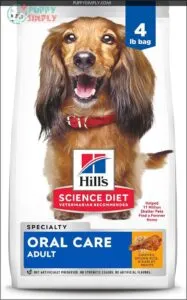
If you don’t need a prescription route, Hill’s Science Diet Adult Oral Care is worth a close look. It’s an over-the-counter option built around the same core idea — large kibble that physically scrubs teeth as your dog chews.
Each piece measures nearly an inch across, and the interlocking fiber structure works like a mild toothbrush with every bite.
It’s clinically proven to reduce plaque and tartar, uses chicken as the first ingredient, and skips artificial additives entirely.
| Best For | Adult dogs (ages 1–6) with dental health concerns whose owners want an effective over-the-counter option without a vet prescription. |
|---|---|
| Primary Form | Dry Food |
| Dental Benefit | Reduces plaque and tartar |
| Artificial Additives | Not specified |
| Target Age | Adult |
| Primary Ingredient | Chicken |
| Grain-Free | No |
| Additional Features |
|
- Clinically proven to reduce plaque and tartar — the large kibble physically scrubs teeth as your dog chews
- Made with real chicken as the first ingredient and no artificial colors, flavors, or preservatives
- Flexible enough to use as a main meal or a topper on top of your dog’s regular food
- The large kibble size isn’t a great fit for small or toy breeds
- Pricier than standard dog food, which adds up fast if you have a big dog or multiple dogs
- Only one flavor option, so picky eaters might not go for it
4. Purina Beyond Wild Turkey Liver Duck Dog Food
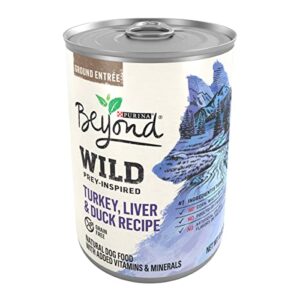
Not every dog needs a dental-specific formula to eat well.
Purina Beyond Wild Turkey, Liver & Duck takes a different angle — it’s grain-free, high-protein, and built around real turkey as the first ingredient, with organ meats like liver and duck rounding things out.
It won’t mechanically scrub teeth the way oversized kibble does, but a clean, simple ingredient list with no artificial additives means less dietary junk that could contribute to inflammation or gum irritation over time.
| Best For | Dogs with active lifestyles, sensitive stomachs, or food allergies who need a high-protein, grain-free meal built from real, recognizable ingredients. |
|---|---|
| Primary Form | Pellet |
| Dental Benefit | Reduces plaque and tartar |
| Artificial Additives | None |
| Target Age | Adult 1-6 years |
| Primary Ingredient | Chicken |
| Grain-Free | No |
| Additional Features |
|
- Real turkey is the first ingredient, with liver and duck adding nutrient-rich variety
- Grain-free with no artificial colors, flavors, or preservatives — a clean label you can actually read
- High protein supports lean muscle, making it a solid pick for active or working dogs
- Contains carrageenan, which some pet owners flag as a potential inflammation trigger
- The liver source isn’t specified, which could be a concern if your dog has specific protein allergies
- A few buyers have noted cans occasionally running short on the stated fill weight
5. Natures Logic Grain Free Duck Salmon Dog Food
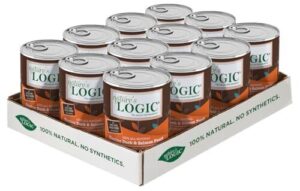
Nature’s Logic Grain Free Duck & Salmon takes a whole-food approach that sets it apart.
With 95% animal proteins and no synthetic vitamins, it keeps the ingredient list clean and digestible.
The hard kibble texture — low moisture, millet-based — does provide some mechanical scrubbing action against plaque during chewing.
It’s not a dedicated dental formula, but for dogs with sensitive stomachs or grain allergies, it balances real nutrition with the kind of crunch that at least works with your cleaning routine, not against it.
| Best For | Dogs with sensitive stomachs or grain allergies who need a high-protein, whole-food diet across all life stages. |
|---|---|
| Primary Form | Pate |
| Dental Benefit | Not specified |
| Artificial Additives | None |
| Target Age | Adult |
| Primary Ingredient | Turkey |
| Grain-Free | Yes |
| Additional Features |
|
- 95% animal proteins with 100% natural ingredients — no fillers, no synthetic junk
- Works for all life stages and doubles as a topper or standalone meal
- Free from common allergens like wheat, corn, and soy
- Contains porcine plasma, which can be a problem for dogs with pork sensitivities
- Not a complete meal on its own — needs to be paired with a full-nutrition food
- Higher price point, and some cans have arrived dented
Alternatives to Dry Food for Cleaner Teeth

Dry food alone isn’t always enough to keep your dog’s teeth clean, and that’s completely normal.
There are several other options that can make a real difference, whether you use them alongside kibble or on their own.
Here’s a look at some of the most effective alternatives worth considering.
Dental Chews and Treats
Dental chews are one of the most practical tools you can add to your dog’s oral care routine.
VOHC Certified options like Greenies and Purina DentaLife use Texture Benefits and Enzyme Chews to scrub plaque through friction — daily use can cut buildup by up to 70%.
Always follow Chew Size Safety guidelines, and skip products with unnecessary Flavor Additives that add calories without dental value.
Raw Meaty Bones: Benefits and Risks
Raw meaty bones can deliver impressive plaque removal and tartar control — studies show gnawing cortical bones reduces tartar by up to 70% in 12 days. They also offer a real nutrient boost, supplying calcium, collagen, and natural enzymes that support dental health.
But bacterial hazards like Salmonella, and the risk of tooth fracture are serious. Following safe feeding practices and scheduling regular veterinary checkups keep things balanced.
Natural Teeth Cleaning Methods
Beyond raw meaty bones and dental chews, a few simple at-home methods can make a real difference:
- Coconut Oil Rinse – lauric acid cuts bacteria and reduces plaque by up to 68%
- Crunchy Veggie Chews – carrots and celery scrape teeth mechanically
- Parsley Breath Freshener – chlorophyll neutralizes odor and fights bacteria
- Homemade Toothpaste Mix or Natural Dental Sprays – antimicrobial ingredients support daily natural teeth cleaning between dental toys and brushing sessions
Professional Dental Cleanings
Even the best dental hygiene routine has limits — and that’s exactly where professional cleanings earn their place in your dog’s dental health plan.
Your vet uses ultrasonic scaling techniques to clear subgingival plaque, followed by polishing methods that smooth enamel and deter buildup.
Radiographic diagnostics catch hidden disease, while anesthesia safety protocols and post‑procedure recovery support make the whole process far safer than most owners expect.
Best Practices for Canine Dental Care

Keeping your dog’s teeth healthy takes more than just picking the right food.
A solid routine combines daily habits, regular vet visits, and knowing what warning signs to watch for.
Here’s what actually has an impact.
Daily Brushing and Oral Hygiene
Nothing replaces daily brushing for dog teeth cleaning. Plaque forms within 24–48 hours, so frequency guidelines matter — brush at least three times weekly, ideally daily. Follow these basics:
- Brushing Technique: Hold bristles at 45 degrees toward the gums
- Tool Options: Use finger brushes or angled dog-specific toothbrushes
- Toothpaste Selection: Choose enzymatic, VOHC-approved formulas
- Training Steps: Start slow — let your dog lick paste first
- Frequency Guidelines: Daily sessions run just two minutes total
Veterinary Dental Checkups
Brushing at home is your first line of defense — but it’s not the whole story. Annual vet-recommended professional cleanings include a Conscious Oral Exam, Full Mouth Radiographs, Periodontal Probing, and Dental Charting to catch what you can’t see.
| What Happens | Why It Matters |
|---|---|
| Radiographs detect hidden bone loss | 27.8% of findings are invisible externally |
| Probing measures gum pockets | Depths over 5mm signal serious disease |
Post-Procedure Recovery is straightforward with proper veterinary dental care recommendations.
Choosing The Right Diet for Dental Health
Diet is one of your most powerful dental tools. Look for dry dog food with VOHC Certification — it’s proof that the formula actually reduces plaque and tartar in clinical tests.
Ingredient synergy matters too: sodium tripolyphosphate, zinc, and omega-3s working together outperform any single ingredient alone. Match breed-specific kibble to your dog’s jaw size for real texture optimization, and you’ll get meaningful daily protection.
Monitoring for Signs of Dental Problems
Choosing the right food gets you halfway there — but watching your dog closely closes the gap. Early dental problems rarely announce themselves loudly, so knowing what to look for matters.
- Eating habit changes — dropping kibble, chewing one-sided, or refusing hard treats
- Gum swelling signs — red, bleeding gums signal active periodontal disease
- Bad breath cues — persistent odor means bacteria, tartar buildup, or gum disease
- Drooling patterns and weight loss indicators — thick saliva or gradual weight drop often trace back to dental plaque problems left too long
Frequently Asked Questions (FAQs)
What is better for dogs’ teeth, dry or wet food?
dry dog food edges out wet food for dental health, mainly due to food texture impact — hard kibble scrapes some plaque away. But no diet alone guarantees long-term oral health without brushing.
What’s the best dog food for Boston Terriers?
For Boston Terriers, small-breed kibble with real meat, controlled calories, and omega-3s works best. Look for allergy-friendly recipes with simple ingredients — salmon or turkey — sized for their small mouths.
What kind of food is best for dogs’ teeth?
Dental diets with a VOHC seal offer the best combination of texture, size impact and nutrient enrichment to fight plaque and tartar.
For most dogs, specially formulated dry kibble is your strongest daily defense.
How does age affect a dogs dental needs?
Age rewrites the rulebook on dental care at every stage.
Puppy teething demands gentle handling.
young adult plaque needs daily brushing.
middle-aged tartar requires cleanings.
senior gum recession calls for softer food.
Are certain dog breeds more prone to dental disease?
Yes — absolutely.
Small breed risk is real: Toy Poodles, Greyhounds, and Chihuahuas face considerably higher canine dental disease rates, while brachycephalic risk and genetic predisposition mean flat-faced dogs like Pugs struggle too.
Do dental supplements work for dogs with existing tartar?
They help, but not alone. Post cleaning supplements like enzyme powder and probiotic tartar reduction formulas work best after a vet removes heavy buildup.
Combined chew powder routines can reduce tartar up to 37 percent.
How does stress affect a dogs dental health?
Stress quietly undermines your dog’s gum health.
Cortisol‑induced gum inflammation weakens local defenses, immune suppression lets bacteria thrive, and stress‑related chewing damages enamel.
Anxiety‑driven dental neglect means missed brushing and skipped veterinary checkups, accelerating periodontal disease.
Conclusion
Dry food is one piece of the puzzle, not the whole picture.
Asking is dry food good for dog teeth deserves an honest answer: it helps, but only if you choose wisely and pair it with real dental habits.
VOHC-approved kibble, daily brushing, and regular vet checkups work together the way a strong foundation holds up a house—each layer matters.
Your dog can’t book their own dental appointment, so the responsibility, and the reward, is yours.
- https://texasveterinarydentalcenter.com/dry-or-soft-food-diet-better-for-dog-dental-health/
- https://www.houndsy.com/blogs/modern-tails/is-dry-food-better-for-dogs-teeth-understanding-the-impact-of-diet-on-dental-health
- http://swdsi.org/blog/top-5-benefits-of-dry-dog-food/
- https://vcahospitals.com/know-your-pet/dogs-nutrition-and-periodontal-disease
- https://hungryhound.com/merrillville/blog/the-big-lie-of-kibble-debunking-the-myth-of-cleaning-your-dogs-teeth-september-18th/