This site is supported by our readers. We may earn a commission, at no cost to you, if you purchase through links.

Around 10–20% of people are allergic to dogs—yet millions of them share their homes with one anyway. Not because they enjoy the sneezing, but because the right breed makes coexistence genuinely manageable.
Here’s the thing most allergy sufferers don’t hear upfront: no dog is truly allergen-free. The culprit isn’t fur—it’s proteins found in dander, saliva, and dried urine. Low-shedding breeds simply spread those proteins less aggressively, which is why living with a Maltese feels nothing like living with a Golden Retriever if you’re sensitive.
Finding your match comes down to knowing which breeds shed least, how to groom them properly, and what environmental changes actually move the needle.
Table Of Contents
- Key Takeaways
- What Hypoallergenic Really Means
- Best Small Hypoallergenic Dog Breeds
- Best Medium Hypoallergenic Dog Breeds
- Best Large Hypoallergenic Dog Breeds
- Living With Hypoallergenic Dogs
- Frequently Asked Questions (FAQs)
- Which dog is the most hypoallergenic dog?
- What dogs are usually not allowed in apartments?
- What dogs listen the most?
- What are the least smart dogs?
- Which dog is the most hypoallergenic?
- Is any dog 100% hypoallergenic?
- What is the most low maintenance hypoallergenic dog?
- Can hypoallergenic dogs still trigger other allergies?
- How much do hypoallergenic breeds typically cost?
- Are there hypoallergenic dog foods available?
- Conclusion
Key Takeaways
- No dog is truly allergen-free — reactions come from proteins in dander, saliva, and urine, not fur, so "hypoallergenic" means fewer allergens spread, not zero.
- Low-shedding breeds like Poodles, Bichon Frises, and Maltese reduce allergen exposure because hair stays on the dog instead of drifting onto furniture and into the air.
- Managing your home matters as much as breed choice — weekly baths, HEPA air purifiers, and keeping your bedroom dog-free can dramatically cut your daily allergen load.
- Before adopting, spend real time in a home with that specific breed, since two dogs of the same breed can trigger wildly different reactions in the same person.
What Hypoallergenic Really Means

The word "hypoallergenic" gets thrown around a lot in dog listings and breeder websites, but it doesn’t mean what most people hope it does.
The term actually originated in the cosmetics industry, which is why understanding how poodle coat types affect allergen levels matters more than any marketing label ever could.
Every dog produces allergens — the real difference comes down to how much and how easily those proteins spread through your home. Here’s what you actually need to know before you start browsing breeds.
No Breed is Allergen-free
Every dog produces allergens — no exceptions. The term "hypoallergenic" is a marketing label, not a medical guarantee. Even hairless breeds trigger reactions because allergens come from skin proteins, saliva, and urine, not fur alone.
Every dog produces allergens — hypoallergenic is a marketing label, not a medical guarantee
Microscopic allergen particles spread through your home regardless of breed. Two dogs of the same breed can produce wildly different allergen levels. Choosing low-shedding dog breeds can help minimize the spread of allergens in your living space.
Dander, Saliva, and Urine
So where do these reactions actually come from? Three sources: dander, saliva, and urine.
Dander — tiny flakes of dead skin — carries allergenic proteins that become airborne when your dog moves or gets brushed. Saliva dries onto fur, breaks into fine particles, and spreads into household dust. Even dried urine residue can aerosolize during cleanup, quietly contaminating floors and soft furnishings throughout your home.
Low-shedding Coat Benefits
That’s where low-shedding coats change the equation. When fur stays on the dog instead of drifting onto furniture, there’s simply less surface area for dander and dried saliva particles to travel on.
Single-layer coats shed up to 30 percent less during seasonal peaks, keeping indoor air noticeably cleaner. Less fabric hair buildup means fewer trapped allergens — and far less vacuuming.
Allergy Testing Before Adoption
Before committing to dog ownership with allergies, get tested first. Skin prick testing exposes your skin to diluted allergen extracts and shows a reaction within 15–20 minutes. Blood IgE testing measures antibody levels in a lab sample — useful when skin testing isn’t suitable.
Neither test is foolproof, though. Spending time in a pet-owning home before adoption gives you real-world evidence no lab result can fully replicate.
Best Small Hypoallergenic Dog Breeds
Small dogs are often a smart starting point for allergy-prone households — easier to bathe, less surface area to shed, and generally lower dander output overall.
That said, not every small breed fits every lifestyle, so it’s worth knowing what sets each one apart. Here are five of the best small hypoallergenic breeds worth considering.
Maltese

The Maltese packs a lot of personality into roughly seven pounds. Gentle and affectionate, Maltese dogs thrive indoors, making them a natural fit for smaller living spaces.
Their silky, low-shedding coat also makes them one of the top picks among hypoallergenic dog breeds for allergy-sensitive owners.
Its long, silky white coat looks high-maintenance — and honestly, it is. Daily brushing keeps tangles and trapped dander under control. The good news? That single-layer, low-shedding coat releases far less allergen-carrying hair than double-coated breeds.
Bichon Frise

Few small breeds match the Bichon Frise for sheer charm. Weighing 12 to 18 pounds, these cheerful dogs bond deeply with their people and adapt well to apartment life.
Their dense, curly coat sheds minimally, which helps keep allergens from spreading. Grooming every four to six weeks prevents matting. With a lifespan of 14 to 15 years, a Bichon is a long-term companion worth the upkeep.
Yorkshire Terrier

The Yorkshire Terrier’s fine, silky hair behaves more like human hair than typical dog fur — which means less shedding and fewer airborne allergens.
Key traits allergy-sensitive owners appreciate:
- Non-shedding coat that traps less dander
- Compact 4–7 pound frame suited to apartment living
- Bold, affectionate personality despite small size
Watch their dental health closely — tooth crowding is common. With lifespans reaching 15 years, Yorkies reward committed owners generously.
Chinese Crested

Few small dogs offer two such different looks in one breed. The Chinese Crested comes hairless or powderpuff — both are low-shedding canine coat types suited to allergy-sensitive homes.
The hairless variety needs daily sunscreen outdoors; exposed skin burns easily. Weighing 9–12 pounds, Cresteds bond deeply with their people and train well using positive reinforcement. Expect 13–18 years of devoted companionship.
Miniature Schnauzer
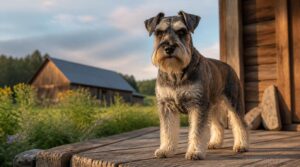
The Miniature Schnauzer started life chasing rats on German farms — that same bold, alert energy still lives in every 12–14 pound frame today.
Their wiry double coat sheds minimally, making them a practical pick for allergy-sensitive homes. Brush weekly, groom every 6–8 weeks, and watch the diet — this breed has a metabolic tendency toward high triglycerides. They’re vocal, so train early.
Best Medium Hypoallergenic Dog Breeds

Medium-sized dogs tend to hit a sweet spot — big enough to keep up on a hike, compact enough to settle on the couch without taking over.
If you’ve been looking past the small breeds, this next group is worth your attention. Here are five medium hypoallergenic dogs that are genuinely worth considering.
Miniature Poodle
Few breeds balance brains and low-shedding coats quite like the Miniature Poodle. Standing 11–15 inches tall and weighing 12–20 pounds, it fits comfortably into most homes.
That dense, curly coat traps loose hair instead of releasing it into the air — a real advantage for allergy-sensitive households. Weekly brushing and grooming every 6–8 weeks keeps dander low and tangles away.
Portuguese Water Dog
If the Miniature Poodle won you over with brains, the Portuguese Water Dog brings that same intelligence with a working-dog edge. Originally bred to herd fish into nets and retrieve gear for fishermen along Portugal’s coast, this breed is built for action.
Webbed feet make them natural swimmers. Their water-resistant, low-shedding coat keeps dander manageable — though regular grooming prevents matting.
Daily exercise is non-negotiable.
Soft Coated Wheaten Terrier
Where the Portuguese Water Dog thrives in water, the Soft Coated Wheaten Terrier thrives in your living room — and your heart.
This medium breed carries a single, low-shedding coat that ranges from pale to golden wheaten. Less shedding means less dander spreading through your home.
They’re cheerful, alert, and smart. Puzzle toys and scent games keep that terrier mind busy. Watch for protein-losing conditions — routine bloodwork catches problems early.
Bedlington Terrier
The Wheaten wins hearts indoors — the Bedlington Terrier wins them everywhere else.
That lamb-like curly coat is low-shedding and surprisingly hypoallergenic. But here’s the catch: this breed carries a real risk of copper toxicosis, a liver condition requiring lifelong monitoring and a copper-restricted diet.
They’re clever, mischievous, and bond tightly with family. Early socialization matters — without it, shyness creeps in fast.
Spanish Water Dog
If the Bedlington’s mischief keeps you on your toes, the Spanish Water Dog keeps you moving entirely.
This breed’s tight, curly coat is low-shedding and traps minimal dander — a genuine win for allergy-prone households. They weigh 35–50 pounds and live 12–15 years. Highly protective and intelligent, they need daily vigorous activity and thrive with water work. Groom every 6–8 weeks to prevent matting.
Best Large Hypoallergenic Dog Breeds
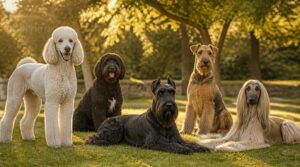
Big dogs don’t have to mean big allergy problems. Several large breeds are known for low-shedding coats that keep dander levels manageable, making them a real option if you’ve always wanted a larger companion. Here are five large hypoallergenic breeds worth knowing about.
Standard Poodle
Few large dogs combine a low-shedding coat with this level of elegance. Standard Poodles stand 18 to 24 inches tall and weigh up to 70 pounds — athletic enough for Poodle agility training, calm enough for apartment life.
Their dense, curly coat comes in black, white, apricot, and silver. Minimal shedding keeps allergens lower, though regular grooming every four to six weeks is non-negotiable.
Giant Schnauzer
Originally bred in Bavaria to drive cattle and guard estates, the Giant Schnauzer brings serious working-dog energy into your home. At up to 80 pounds, they’re imposing — but their wiry, low-shedding coat keeps dander manageable.
They need firm handling, daily exercise, and regular grooming. Watch for hip dysplasia. This breed suits experienced, active owners who want a loyal, intelligent protector.
Irish Water Spaniel
The Irish Water Spaniel is a striking, liver-colored retriever built for water. Their tight, curly coat sheds minimally, making them a practical pick for allergy-prone households.
Don’t underestimate their energy — these dogs need at least 90 minutes of daily activity, ideally swimming. Smart and a little stubborn, they respond best to consistent, reward-based training.
Afghan Hound
The Afghan Hound looks bred for a runway — silky, dramatic, and utterly indifferent. Their single, fine coat sheds minimally, making it a genuine hypoallergenic option.
Four things to know:
- They crave daily high-speed runs and lure coursing
- Training takes patience — independent streak included
- The coat needs regular grooming to stay mat-free
- Deep bonds form, but always on their own terms
Airedale Terrier
The King of Terriers earned that title honestly — the Airedale is the largest terrier breed, originally bred in Yorkshire’s Aire Valley to hunt otters and vermin.
That wiry, low-shedding coat traps loose hair instead of scattering it, which helps allergy sufferers considerably. Hand-strip it every few months to keep dander down. Bold, protective, and deeply loyal — this breed rewards confident owners who can match its energy.
Living With Hypoallergenic Dogs

Choosing a low-shedding breed is a great first step, but it’s only part of the picture. How you manage your home day-to-day makes just as much difference as the dog you bring through the door. Here are the five habits that’ll help keep your allergies in check.
Grooming Every Four Weeks
Professional grooming every four weeks isn’t optional for most hypoallergenic dog breeds — it’s the backbone of managing allergens at home.
Regular visits keep your dog’s coat, nails, and ears in check:
- Reduces undercoat buildup by up to 40%
- Prevents matting in low-shedding, curly dog coat types
- Maintains nail health safely
- Catches skin irritation early
- Controls ear wax prevention through consistent cleaning
Weekly Bathing Tips
Grooming takes care of the coat, but bathing experiences what grooming can’t — the allergen proteins sitting on your dog’s skin.
Aim for weekly baths using lukewarm water (36–38°C). Hot water dries skin fast. Use a fragrance-free, hypoallergenic shampoo, lather gently with your hands, and rinse thoroughly. Pat dry — don’t rub. Apply a dander-reducing product like Allerpet afterward to keep protein levels low between sessions.
HEPA Filters and Vacuums
Bathing cuts allergens on your dog, but dander still drifts through the air long after. That’s where HEPA air purifiers and vacuums earn their place.
A sealed HEPA system traps 99.97% of particles as small as 0.3 microns — including pet dander. Choose a bagged model for cleaner disposal. Replace pre-filters regularly, or suction drops fast.
Bedroom Allergy-free Zones
Your bedroom is the one room that should stay as allergen-free as possible. Keep your dog out — even low-shedding breeds deposit dander on fabric surfaces.
Encase your mattress and pillows in allergen-proof covers. Wash bedding weekly in hot water at 130°F. Maintain humidity between 30 and 50 percent to slow dust mite growth.
A HEPA purifier running overnight keeps airborne dander low while you sleep.
Cleaning Bedding and Carpets
Even with bedroom restrictions, dander travels. Wash bedding weekly in hot water at 60°C — it kills mites and breaks down allergen proteins clinging to fabric.
- Sprinkle baking soda on your mattress, wait 8–12 hours, then vacuum
- Steam clean carpets for deep allergen removal
- Use allergen-proof encasements on pillows and mattresses
- Vacuum slowly in multiple directions
- Schedule deep cleaning every 1–3 months
Frequently Asked Questions (FAQs)
Which dog is the most hypoallergenic dog?
Think of hypoallergenic as a dial, not a switch. No dog sits at zero. The Standard Poodle comes closest — its tightly curled, low-shedding coat keeps dander contained better than almost any other breed.
What dogs are usually not allowed in apartments?
Pit bulls, Rottweilers, and German Shepherds top most restricted breed lists. Dogs over 25 pounds often hit weight limits too. High-energy or vocal breeds risk noise complaints — and some trigger insurance exclusions entirely.
What dogs listen the most?
Poodles, Labradors, and German Shepherds listen best. They combine eagerness to please with sharp focus. Positive reinforcement and consistent cues bring out their full attention — making every training session feel less like work and more like a conversation.
What are the least smart dogs?
Afghan Hounds, Basenjis, and Beagles rank among the lowest on obedience tests. They’re not dumb — they’re just independent thinkers who need patience. Scent instincts run the show, not commands.
Which dog is the most hypoallergenic?
No dog wins the "sneeze-free" crown outright. The Standard Poodle comes closest — its dense, curly, low-shedding coat keeps allergen spread minimal. That said, your own immune system has the final vote.
Is any dog 100% hypoallergenic?
No, no dog is 100% hypoallergenic. Every dog produces proteins in their dander, saliva, and urine that can trigger reactions. The term simply means fewer allergens — not zero.
What is the most low maintenance hypoallergenic dog?
The Basenji tops the list. It grooms itself like a cat, sheds minimally, and produces less dander than most breeds — making upkeep simple and allergen levels relatively low.
Can hypoallergenic dogs still trigger other allergies?
Yes — dust, mold, and pollen can hitch a ride on your dog’s coat, compounding symptoms. Even if your dog triggers no reaction directly, those hidden hitchhikers might.
How much do hypoallergenic breeds typically cost?
Funny how the things that help you breathe easier tend to cost more. Expect $700–$2,500 for a puppy, or as little as $50–$350 through rescue — plus $600–$1,600 yearly for grooming and care.
Are there hypoallergenic dog foods available?
Yes — hypoallergenic dog foods exist and work by using hydrolyzed or novel proteins like venison or duck. Switch over gradually over 7–14 days and ask your vet about a dietary trial if symptoms persist.
Conclusion
The sneezing hasn’t stopped yet—but it might surprise you how rarely it does once you’ve made the right match. Hypoallergenic dog breeds don’t eliminate the problem; they shrink it to something livable.
Pick a breed that fits your lifestyle, groom consistently, and treat your home like part of the solution. A HEPA filter and a weekly bath routine can quietly change everything.
Your dog is out there. Allergies don’t have to be the reason you never find them.
- https://www.petmd.com/general-health/what-causes-pet-allergies-and-how-to-manage-them
- https://foxcitiesallergists.com/managing-pet-allergies
- https://vcahospitals.com/know-your-pet/hypoallergenic-dog-breeds-is-there-such-a-thing
- https://www.akc.org/dog-breeds/hypoallergenic-dogs
- https://www.dwightvet.com/hypoallergenic-dog-breeds-allergy-relief