This site is supported by our readers. We may earn a commission, at no cost to you, if you purchase through links.

Last week, a colleague removed a tennis ball fragment from a golden retriever’s intestine—the third surgery like this she’d performed that month. The culprit wasn’t some sketchy toy from a questionable manufacturer; it was a standard felt-covered ball that had seemed perfectly harmless until aggressive chewing turned it into a surgical emergency.
This scenario plays out in veterinary clinics daily, and it’s entirely preventable. When you’re figuring out how to choose safe chew toys, you’re not just picking something to keep your dog busy—you’re making a decision that directly impacts their safety and wellbeing.
The right toy satisfies their natural urge to chew while keeping them out of the operating room, but knowing which features actually matter (and which marketing claims to ignore) requires understanding what happens when things go wrong.
Table Of Contents
- Key Takeaways
- Why Chew Toys Matter for Your Dog
- What Makes a Chew Toy Safe
- Understanding Your Dog’s Chewing Style
- Matching Toys to Your Dog’s Age
- Breed and Size-Specific Toy Selection
- Top 4 Safe Chew Toys We Recommend
- Red Flags: When a Toy Isn’t Safe
- Maintaining and Inspecting Your Dog’s Toys
- Supervising Playtime and Emergency Preparedness
- Frequently Asked Questions (FAQs)
- Conclusion
Key Takeaways
- Chew toys aren’t optional extras—they deliver measurable stress relief through endorphin release, reduce plaque by 14-15% with VOHC-certified options, and prevent costly destructive behaviors when matched to your dog’s chewing intensity.
- Safe materials (natural rubber, nylon) and proper sizing (50% larger than windpipe diameter) prevent the most common emergencies I see in clinic—airway obstruction, intestinal blockages, and tooth fractures from toys that splinter or break.
- Your dog’s age and breed dictate toy selection: teething puppies need soft, pliable materials to protect developing teeth, while power chewers like German Shepherds require maximum-strength rubber that won’t shatter under 300+ PSI bite force.
- Active supervision isn’t negotiable—watch for sudden pawing at the mouth, violent gagging, or blue gums (choking signs requiring immediate intervention), and inspect toys weekly for cracks, missing chunks, or frayed edges that create swallowing hazards.
Why Chew Toys Matter for Your Dog
Chew toys aren’t just a nice extra—they’re essential tools that support your dog’s overall wellbeing in ways you mightn’t realize. From managing anxiety to keeping those teeth clean, the right toy does serious work behind the scenes.
Let’s look at three key reasons why every dog needs access to safe, appropriate chew toys.
Physical and Mental Health Benefits
Chewing isn’t just play—it’s medicine. When your dog gnaws on the right toy, you’re giving them stress relief through natural endorphin release, which calms anxiety and loneliness. Beyond emotional wellbeing, chewing delivers real health wins:
- Mental stimulation that sharpens cognitive function and working memory
- Oral health benefits by scrubbing away plaque and tartar
- Anxiety relief that soothes separation stress and boredom
- Activation of the parasympathetic nervous system for better digestion
- Reduced arousal behaviors, replacing jumping with quiet relaxation
Studies confirm dogs who chew regularly show fewer stress behaviors and better dental hygiene—making canine dental health and dog health inseparable from mental enrichment. Regular daily chewing habits are essential for maintaining a dog’s overall health and wellbeing.
Preventing Destructive Chewing Behavior
Beyond mental benefits, proper chew toys actively prevent destructive behavior that costs owners time and money. Dogs with separation anxiety or boredom tear through furniture, doors, and shoes—but offering durable, safe chewing outlets redirects those habits onto appropriate toys.
Before choosing any chew toy, check whether bones are safe for your dog’s breed to avoid splintering risks that could lead to costly vet visits.
Environmental management (keeping temptations out of reach) plus supervised playtime builds chew habit formation that protects your home while supporting dog anxiety reduction and healthy dog behavior patterns. Understanding separation anxiety is essential for addressing this issue.
Supporting Dental Health and Hygiene
The right chew toy doubles as preventive canine dental care, scraping away plaque while your dog enjoys playtime. Daily dental chews with VOHC certification can reduce plaque by 14–15% and calculus by 26–35% over several weeks, supporting gum health and oral hygiene without replacing professional cleanings.
Here’s what actually works for tooth safety and dental health:
- Choose textured toys that mechanically disrupt biofilm for effective plaque control
- Select appropriately soft materials (fingernail-indent test) to prevent tooth fractures
- Use VOHC-certified dental chews daily for measurable oral health improvements
What Makes a Chew Toy Safe

Not all chew toys are created equal, and what looks fun on the shelf might pose serious risks once your dog gets their teeth into it. As a vet, I’ve treated too many emergencies that started with the “wrong” toy—so I want you to know exactly what to look for before you buy.
If you have a Golden Retriever, check out these expert-recommended toy options that prioritize both safety and durability for their strong jaws.
As a vet, I’ve treated too many emergencies that started with the wrong toy—know what to look for before you buy
Let’s break down the three essential safety factors that separate the good toys from the dangerous ones.
Safe Materials: Rubber, Nylon, and Natural Options
When you’re scanning toy labels, look for natural rubber—it’s durable, non-toxic, and gentle on teeth. Nylon options like Nylabone work well for moderate chewers who need something harder, while sustainable rubber and natural fibers offer eco-friendly alternatives.
For dogs who thrive on active engagement, consider chew toys designed for interactive play that combine durable materials with mental stimulation.
You want phthalate-free materials that won’t leach chemicals, and biodegradable toys can be safe choices if your dog isn’t an aggressive destroyer.
Avoiding Toxic Chemicals and Additives
Toxic material risks lurk in soft vinyl toys that leach phthalates and BPA during chewing—chemicals linked to reproductive harm in lab studies.
Safer alternatives like BarkBox Super Chewer’s reinforced rubber options use non-toxic materials designed to withstand aggressive chewing without chemical leaching.
You’ll want BPA-free, phthalate-free alternatives with third-party toxicity testing, ideally meeting children’s toy standards like ASTM F963.
Ask manufacturers about lead, chromium, and formaldehyde content, and skip anything with strong chemical odors or vague “non-toxic” claims without proof.
For dogs who destroy standard toys within minutes, heavy-duty chew toys designed for aggressive chewers offer safer alternatives that won’t splinter or break apart.
Size and Shape Considerations
Size and shape prevent the most common Mouth Hazards—airway blockage and throat trauma—yet many owners eyeball toy dimensions without checking real Shape Safety guidelines. Chew Toy Dimensions need to exceed your dog’s windpipe diameter by at least 50 percent, and Dog Toy Safety demands proper Toy Ergonomics so toys stay controllable:
- Choose toys larger than your dog’s jaw width to prevent swallowing
- Avoid smooth balls sized near the throat opening in large breeds
- Skip elongated chews that break into cylinder-shaped, lodgeable chunks
- Select irregular surfaces that improve grip and reduce slippage risk
- Match size to manufacturer weight charts for Safe Chew Toys that won’t become choking hazards
Proper Size Guidelines and attention to Dog Toy Safety and Durability protect against expensive foreign-body surgeries.
Understanding Your Dog’s Chewing Style

Not all dogs chew the same way, and that’s exactly why a one-size-fits-all approach to toys can backfire (or worse, end up as a choking hazard). Some dogs treat their toys like delicate treasures, while others see them as personal demolition projects that need destroying within minutes.
Let’s break down the three main chewing personalities so you can match your dog with toys that’ll actually survive—and keep them safe.
Gentle Nibblers: Soft Toy Preferences
If your dog carries toys around like a security blanket rather than demolishing them, you’ve got a gentle nibbler. These quiet chewers need soft toy materials—think plush rubber or flexible nylon—that compress easily without risking tooth damage.
Gentle chew toys let them mouth and gnaw at their own pace, satisfying their low-risk chewing instinct while keeping pet safety front and center with non-toxic materials.
Average Chewers: Balanced Durability Needs
Most dogs fall somewhere in the middle—they’ll gnaw with purpose but won’t obliterate every toy in sight. Your average chewer needs moderate chewing support from balanced durability chew toy materials like standard-thickness rubber or nylon, which handle their dog jaw strength without being overkill.
These durable toys satisfy average chewer needs while supporting canine dental health, giving you the sweet spot between longevity and safety for most dog chews.
Power Chewers: Maximum Strength Requirements
If your dog treats toys like a demolition project, you’re dealing with a power chewer—breeds like Pit Bulls, German Shepherds, and Rottweilers excel at this thanks to intense jaw strength.
These dogs need maximum strength toys made from extra-thick rubber (like the KONG Classic) or reinforced nylon, because aggressive chewing can splinter weaker materials fast, creating choking hazards and costly vet visits.
Matching Toys to Your Dog’s Age

Your dog’s age isn’t just a number—it directly affects which toys are safe and appropriate for their mouth, teeth, and overall development. A teething puppy needs something completely different than a 10-year-old senior with sensitive gums, and choosing the wrong toy can lead to broken teeth, choking hazards, or frustration.
Let’s break down what works best at each life stage so you can match the toy to your dog’s current needs.
Puppies: Teething-Friendly Soft Toys
When those needle-sharp puppy teeth start coming in (usually around 3-4 weeks), your little one needs relief fast—and that’s where teething-friendly soft toys step in. Choose pliable, nontoxic materials like natural rubber or soft nylon that cushion tender gums without risking dental damage during this critical phase of chew education.
- Size appropriately to prevent accidental swallowing during enthusiastic puppy chewing sessions
- Opt for gentle chews that massage inflamed gums without creating aggressive resistance
- Supervise initial use to verify your puppy accepts the toy and chews safely
- Replace worn toys immediately to avoid exposure to small, dangerous fragments
Adult Dogs: Durable and Engaging Options
Once your dog’s adult teeth are in (around 6-8 months), you need durable toys that match their chew styles—power chewers require maximum-strength rubber, while average chewers thrive with medium-density options.
Look for engaging play features like treat-dispensing puzzles that satisfy both mental and physical needs, because dog satisfaction depends on balancing toughness with interactive elements that support canine health and dog safety through routine inspection.
Senior Dogs: Gentle, Joint-Friendly Choices
As your dog enters their senior years (usually around age 7-9), their jaw strength diminishes, and joint discomfort becomes a reality. Gentle chews with softer composites protect aging teeth, while lightweight, nonslip designs accommodate reduced mobility.
Soft toys offering mild gum stimulation support dental health without abrasive impact, and easy-to-clean materials reduce plaque buildup. This ensures elderly comfort through veterinary advice that prioritizes senior safety and canine health in every chew session.
Breed and Size-Specific Toy Selection
Your dog’s breed and size aren’t just details on their vet records—they’re critical factors that determine which toys will keep them safe and satisfied. A Chihuahua gnawing on a toy designed for a German Shepherd faces real injury risks, while a Rottweiler demolishing a flimsy toy meant for smaller dogs could swallow dangerous chunks.
Let’s break down how to match toys to your dog’s specific build and breed characteristics.
Small Breeds: Appropriately Sized Options

A tiny Chihuahua gnawing on a tennis ball meant for a Golden Retriever isn’t just comical—it’s a choking hazard waiting to happen. Small breeds need mini chew options designed for their petite jaws—think Kong Puppy toys or tiny rubber bones measuring 2-3 inches.
Breed size matters more than you’d think, because safe chew toys prevent airway obstruction and allow proper grip without jaw strain.
Medium to Large Breeds: Heavy-Duty Toys

Your Golden Retriever or German Shepherd needs chew toys that won’t fall apart in 10 minutes—seriously, those fragile squeaky toys are toast with big dogs. Heavy-duty toys built for power chewers deliver the durability you need:
- Ultra-durable rubber toys (rated 5/5 for toughness) withstand intense jaw pressure
- Food-grade engineered nylon chews resist breakage without splintering
- Large-diameter options prevent swallowing and throat obstruction
- Thick rubber rings offer resilient, long-lasting entertainment
- Appropriately weighted materials allow comfortable carrying without strain
Large breed needs demand durable materials, because toys that shred into fragments create real obstruction risks.
High-Energy Breeds With Intense Chewing Instincts

Working breeds like Border Collies, Belgian Malinois, and Jack Russell Terriers qualify as aggressive chewers with intense chewing habits fueled by sky-high energy.
High-energy breeds demolish standard toys fast, so power chew solutions become essential for destructive behavior prevention. Engineered rubber scoring 5/5 for chew toy durability and reinforced nylon options are ideal for these dogs.
These materials support canine dental health through high-energy play while resisting the relentless jaw pressure power chewers deliver.
Top 4 Safe Chew Toys We Recommend
After years in the clinic, I’ve seen just about every chew toy disaster you can imagine—and I’ve also seen which ones stand the test of time (and teeth).
The toys below have earned their spots through proven durability, safe materials, and happy feedback from countless dog owners.
Let’s look at four solid options that work for different chewing styles and breeds.
1. Kong Classic Dog Toy
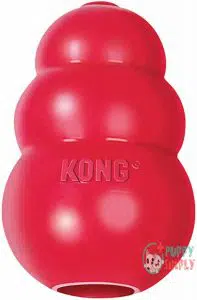
When you’re looking at safe chew toys, the Kong Classic stands out as a veterinary-approved benchmark for average chewers. Made from nontoxic natural red rubber, this durable toy ($13.96) offers mental stimulation through treat-stuffing while supporting pet oral health—the rubber texture massages gums and scrapes away plaque as your dog works.
Kong durability means it’ll outlast most competitors, though power chewers need the black Extreme version instead.
Just match the size to your dog’s weight (undersized = choking risk), practice regular chew toy maintenance by washing it after use, and follow dog toy safety guidelines by inspecting for cracks or damage during routine dog toy inspection.
| Best For | Dog owners seeking a veterinarian-recommended toy that combines mental enrichment with oral health benefits for average chewers. |
|---|---|
| Material | Natural rubber |
| Price | $13.96 |
| Dishwasher Safe | Yes |
| Chewer Type | All levels |
| Non-Toxic | Yes |
| Interactive Play | Yes |
| Additional Features |
|
- Durable natural rubber design massages gums and reduces plaque buildup while your dog chews, supporting better dental hygiene between brushings.
- Treat-stuffing capability turns mealtime into extended mental stimulation, helping reduce boredom and anxiety-driven behaviors.
- Dishwasher-safe and made in the USA with a satisfaction guarantee, making cleanup easy and purchase risk-free.
- Not suitable for power chewers—aggressive dogs can damage the red rubber, requiring an upgrade to the pricier black Extreme version.
- Undersized toys pose choking hazards, so you’ll need to carefully match the size to your dog’s weight and mouth dimensions.
- Requires regular inspection and cleaning to remove stuck food residue and catch cracks or wear before pieces break off.
2. Yomp Funny Bone Dog Chew Toy

For soft and medium chewers, the Yomp Funny Bone ($24.99) delivers silicone safety with hypoallergenic, BPA-free construction that meets material compliance standards for safe chew toys. This dog chew toy offers chew durability for gentler mouths while its ridged texture aids in dental cleaning—though power chewers will destroy it quickly.
Choosing safe dog chews means matching toy hardness to bite force, and this silicone option excels at dog satisfaction for appropriate chewers.
Following dog toy safety guidelines, practice toy maintenance by dishwasher-cleaning it weekly and inspecting for torn pieces, as pet safety and prevention depend on removing damaged toys immediately.
| Best For | Dog owners with puppies or soft to medium chewers who want a safe, easy-to-clean toy that helps with teething and redirects chewing behavior. |
|---|---|
| Material | Silicone |
| Price | $24.99 |
| Dishwasher Safe | Yes |
| Chewer Type | Soft and medium |
| Non-Toxic | Yes (BPA-free) |
| Interactive Play | Limited |
| Additional Features |
|
- Made from hypoallergenic, BPA-free silicone that’s non-toxic and dishwasher-safe for easy cleaning
- Textured ridges provide gentle dental cleaning while offering teething relief for puppies
- Wishbone shape makes it easy for dogs to carry and hold during play
- Not durable enough for hard or aggressive chewers who can quickly destroy it
- Small pieces can break off and create choking hazards, requiring regular inspection
- Some dogs may find it uninteresting for independent play, and material quality can be inconsistent
3. Yomp Interactive Dog Toy

If you want puzzle play that keeps your pup thinking, the Yomp Interactive Dog Toy combines treat-dispensing fun with hypoallergenic, BPA-free silicone construction—meeting Yomp Toy Safety standards for interactive play. This pet silicone toy suits soft and medium chewers, though its wobbly bounce and stuffable design don’t hold up for power chewers (those aggressive jaws will crack the edges quickly).
Following dog toy materials and durability guidelines, check for splits after each session, wash it weekly, and replace it when you spot any cracks—safe chew toys depend on your vigilance.
| Best For | Dogs who love puzzle play and treat challenges, especially soft to medium chewers who need mental stimulation during solo time. |
|---|---|
| Material | Silicone |
| Price | $24.99 |
| Dishwasher Safe | Yes |
| Chewer Type | Soft and medium |
| Non-Toxic | Yes (BPA-free) |
| Interactive Play | Yes |
| Additional Features |
|
- Stuffable design keeps dogs engaged while cleaning teeth and massaging gums as they work for their reward
- Made from hypoallergenic, BPA-free silicone that’s dishwasher safe and easy to maintain
- Wobbly bounce adds unpredictability to fetch games and keeps playtime interesting
- Not durable enough for aggressive chewers—edges can crack or break with powerful jaws
- May be too heavy for comfortable throwing during extended fetch sessions
- Requires regular inspection and replacement as wear appears, adding to long-term costs
4. Yomp Interactive Dog Tug Toy

Tug-of-war sessions turn into safe bonding time with the Yomp Interactive Dog Tug Toy, a ring-handle design made from non-toxic, hypoallergenic silicone that’s softer than natural rubber yet durable enough for medium chewers.
Tug Toy Safety means matching dog interaction to materials—this pet playtime essential works beautifully for puppies and gentle adults, but power chewers will crack those textured edges fast.
Following dog toy materials and durability standards, rinse it in the dishwasher weekly, inspect the rings for splits, and swap it out when wear appears—interactive toys demand active supervision.
| Best For | Puppies and soft-to-medium chewers who love interactive tug-of-war games with their owners. |
|---|---|
| Material | Silicone |
| Price | $10.99 |
| Dishwasher Safe | Yes |
| Chewer Type | Soft and medium |
| Non-Toxic | Yes |
| Interactive Play | Yes |
| Additional Features |
|
- Non-toxic, hypoallergenic silicone that’s gentle on developing puppy teeth and sensitive gums
- Dishwasher-safe design makes cleaning quick and easy
- Ring handles on both ends let you and your dog each grab a side for fun bonding sessions
- Not durable enough for aggressive or power chewers—edges can crack quickly with strong biters
- Requires regular inspection and supervision since no tug toy is truly indestructible
- Heavier than typical fetch toys, so it won’t fly well if you’re hoping for a frisbee substitute
Red Flags: When a Toy Isn’t Safe

Not every toy on the shelf deserves a spot in your dog’s toy box, and knowing what to avoid can literally save your dog’s life. I’ve treated too many emergency cases where well-meaning owners missed warning signs that a toy had become dangerous.
Let’s walk through the red flags that should send a toy straight into the trash, so you can spot trouble before it becomes a vet visit.
Small Parts and Loose Components
If your dog’s toy has buttons, plastic eyes, or squeakers that can pop out, you’re staring down a real choking hazard. These loose components are among the top culprits in over 200,000 annual pet choking incidents—fragment risks that turn “fun” into “emergency room.”
Power chewers will shred glued-on decorations in minutes, creating ingestion dangers you can’t always catch in time.
Signs of Wear and Damage
Even intact-looking toys can hide danger once damage begins. Surface cracks or tears create weak points that split under pressure, producing sharp edges that scrape gums or chip teeth. Missing chunks raise the risk of intestinal obstruction—swallowed fragments can require emergency surgery within six to twelve hours.
Fraying rope fibers wrap around molars and cause linear foreign body obstructions, while edge hardening from repeated washing turns flexible rubber into tooth-cracking hazards that no longer yield under your thumbnail.
Materials That Splinter or Break Easily
Beyond surface damage, certain materials pose an immediate fracture risk. Splintering wood sends slivers into soft tissue, while brittle plastics snap into jagged fragments under jaw pressure.
Avoid these breakable materials:
- Rawhide strips that turn into choking-size globs
- Cooked or fragile bones that shatter on impact
- Hard nylon that develops sharp edges after wear
- Thin plastic without BPAFree or PhthalateFree labels
- Compressed vegetable chews that crumble unpredictably
Choose nontoxic, flexible options instead—safe chew toys bend without breaking.
Maintaining and Inspecting Your Dog’s Toys

Even the safest chew toy won’t stay safe forever—wear and tear happen, and bacteria love to hang out on slobbery surfaces. You need a simple maintenance routine to keep your dog’s toys in good shape and free from hidden hazards.
Here’s how to clean, inspect, and rotate toys so they last longer and stay safe for your pup.
Regular Cleaning and Disinfecting Routines
You’ll want to establish a weekly cleaning schedule for daily-use chew toys, tackling toy sanitization with simple disinfecting methods that guarantee bacterial removal and microbial control.
Wash hard rubber toys in the dishwasher or soak them in equal parts warm water and white vinegar for 15 minutes, then rinse thoroughly.
Plush toys need machine washing with fragrance-free detergent every one to two weeks, supporting dog health and dental health through consistent veterinary care and advice on safe chew toys and pet safety.
When to Replace Worn Toys
Knowing the replacement guidelines can save you both money and a trip to the emergency vet. Watch for visible toy damage signs like cracks, holes, or frayed edges—these wear indicators mean it’s time to toss it. Hard chews that have softened (or vice versa) compromise safety inspection tips for chew toy hygiene. Replace any toy when pieces break off, persistent staining won’t wash out, or your dog suddenly loses interest after heavy use.
- Visible damage: Holes, cracks, missing parts, or unraveling seams create choking hazards
- Texture changes: Softening, hardening, or rough surfaces risk tooth fractures and ingestion
- Contamination: Persistent odors or stains after cleaning signal bacterial buildup
Toy Rotation for Longevity and Interest
Swapping dog chew toys every week keeps your dog engaged while extending toy durability—that’s the sweet spot for rotation benefits.
Store three to five toys in rotation, grouping them by chew variety (rubber, rope, puzzles) to maintain play frequency without overstimulation.
This toy scheduling approach combats boredom, spreads wear across multiple items, and gives you regular inspection windows to catch damage early and verify you’re choosing safe dog toys consistently.
Supervising Playtime and Emergency Preparedness

Even the safest toy can become dangerous if your dog isn’t supervised, which is why active monitoring during chew sessions isn’t optional—it’s essential. You need to know what choking looks like in real time and how to react if your dog swallows something they shouldn’t.
Here’s what every dog owner needs to understand about supervising playtime and handling emergencies before they happen.
Active Monitoring During Chew Sessions
You can’t rely on passive glances—chew session safety demands your full attention, because dogs showing intense gnawing or sudden mouth-pawing often signal hidden oral trauma or lodged fragments.
Watch for abrupt changes like dropped toys or restlessness during supervised play, and limit sessions to prevent fatigue-related swallowing problems.
Continuous toy damage prevention through real-time observation is your best defense in preventing choking hazards and ensuring emergency response planning works when seconds count.
Recognizing Choking Hazards Quickly
Sudden pawing at the mouth, violent gagging without vomit, or high-pitched wheezing signals airway obstruction—these choking signs demand emergency response within seconds. Blue gums (cyanosis) and collapse indicate severe aspiration risks from a lodged foreign body.
Preventing choking hazards starts with recognizing distress early: persistent drooling, panicked eyes, and ineffective coughing mean your dog can’t clear the object alone. Safe dog chew toys and vigilant pet safety tips become lifesaving chewing behavior management tools.
What to Do if Your Dog Swallows Something
If your dog swallows a toy piece, don’t panic—but act fast. Toxic ingestion or large objects require immediate vet guidance for emergency care. Never induce vomiting unless your veterinarian instructs you to.
- Monitor for vomiting, abdominal pain, lethargy, or fever
- Note what they swallowed and when it happened
- Bring your dog’s size and symptom details to the vet
- Seek emergency care immediately if choking occurs
Proper choking response and toxicity and hazard prevention start with veterinary medicine and advice you can trust, protecting dog health and wellness through informed pet safety tips and animal welfare practices.
Frequently Asked Questions (FAQs)
Can homemade chew toys be safe alternatives?
Yes, homemade chew toys can work when you use non-toxic, sustainable materials like natural rubber or untreated leather—just match the design to your dog’s chewing style and always supervise those first sessions.
How do I introduce new toys safely?
Start with supervised play sessions, inspecting each toy for defects beforehand. Introduce one at a time, pairing with treats to build positive associations.
Watch for choking signs, and keep removal tools ready during safe introduction.
Are flavored chew toys better for dogs?
Flavored chew toys can spark initial interest, but they’re not automatically better—some additives trigger allergies or stomach upset, and durability matters more than taste for safe, effective dental health and long-term engagement.
Should outdoor and indoor toys be different?
Absolutely—you’ll want tougher outdoor chew toys that resist sun and rain exposure, while indoor toys should prioritize gentler textures for easier cleaning and minimal noise in your living spaces.
Conclusion
The right toy prevents emergencies. The wrong one creates them. When you understand how to choose safe chew toys, you’re not just shopping—you’re protecting your dog from preventable harm.
Match the toy to your dog’s size, chewing style, and age, inspect it regularly for damage, and supervise playtime until you’re confident it’s holding up. That tennis ball looked harmless too, until it wasn’t. Your vigilance makes the difference between safe entertainment and surgical intervention.