
This site is supported by our readers. We may earn a commission, at no cost to you, if you purchase through links.
Most healthy dogs defecate once or twice daily, so when your dog misses a day, it’s natural to worry. While a single missed bowel movement rarely signals an emergency, dogs shouldn’t go longer than 48 to 72 hours without pooping—beyond that timeframe, constipation can lead to serious complications like gastrointestinal blockages or toxin buildup.
Several factors influence how long your dog can safely skip a bowel movement, including age, diet, hydration status, and underlying health conditions. Recognizing the early warning signs of constipation and understanding what’s normal for your individual dog helps you respond quickly before minor digestive slowdowns escalate into veterinary emergencies.
Table Of Contents
- Key Takeaways
- How Long Can a Dog Go Without Pooping?
- Normal Pooping Frequency in Dogs
- Factors That Affect Bowel Movements
- Common Causes of Constipation in Dogs
- Signs Your Dog is Constipated
- Health Risks of Infrequent Bowel Movements
- At-Home Ways to Encourage Pooping
- When to Seek Veterinary Help
- Preventing Constipation in Your Dog
- Frequently Asked Questions (FAQs)
- What to do if my dog hasn’t pooped in 3 days?
- How long can my dog go without pooping before I should worry?
- How long is too long for a dog to not poop?
- How do I help my dog poop?
- How do I tell if my dog is constipated or has a blockage?
- How long can a dog hold its poop?
- Can diet changes affect a dogs pooping frequency?
- How does aging impact a dogs bowel movement patterns?
- Can stress or anxiety cause a dog to stop pooping?
- Is it normal for puppies to poop more frequently?
- Conclusion
Key Takeaways
- Most healthy dogs can safely go 24 to 48 hours without pooping, but if your dog hasn’t had a bowel movement in 72 hours, you need to contact your veterinarian immediately to prevent serious complications like gastrointestinal blockages.
- Constipation in dogs stems from multiple factors including low fiber intake, dehydration, lack of exercise, certain medications, stress, and underlying medical conditions like hypothyroidism or pelvic nerve damage.
- You’ll recognize constipation when your dog strains repeatedly without producing stool, passes dry pebble-like stools, shows abdominal pain or swelling, loses appetite, or vocalizes during defecation attempts.
- You can often prevent and manage mild constipation at home by adding fiber-rich foods like canned pumpkin, ensuring constant access to fresh water, providing regular exercise, and maintaining consistent feeding schedules—but severe symptoms require professional veterinary care.
How Long Can a Dog Go Without Pooping?

Most healthy dogs can go about 24 to 48 hours without pooping before it becomes a concern, though this varies based on individual factors like age, diet, and overall health. While missing one bowel movement isn’t usually an emergency, understanding the normal timeframes helps you recognize when something might be wrong.
If your dog hasn’t pooped in over 48 hours, check out this complete guide on canine bowel movement frequency to understand when veterinary intervention becomes necessary.
Here’s what you need to know about how long is too long and when to take action.
Typical Timeframes for Healthy Dogs
Generally, most healthy adult dogs pass a stool once or twice daily, usually within the same predictable window each day. Puppies often defecate more frequently, sometimes three to four times daily, especially after meals as their digestive systems adapt.
If your dog’s bowel movements follow this pattern consistently, you’re seeing normal gastrointestinal health and healthy canine defecation at work.
Maximum Safe Duration
Most healthy dogs can safely go up to 48 hours without pooping, though individual dog variation plays a significant role. If your dog hasn’t defecated for two full days, watch closely for signs of dog constipation like straining or abdominal discomfort.
Beyond 48 hours, blockage risk increases sharply, and a constipated dog may develop an intestinal blockage requiring an urgent vet visit.
When Lack of Pooping Becomes Concerning
You’ll want to contact your veterinarian if your dog hasn’t pooped in 72 hours, even without other constipation signs. Sudden changes to your dog’s normal bowel movement pattern, especially paired with lethargy or appetite loss, also warrant veterinary care.
Call sooner if you notice straining, vomiting, abdominal pain, or blood in the stool, as these signal urgent canine digestive issues. Keep in mind that can be serious and require prompt attention.
Normal Pooping Frequency in Dogs

Most healthy dogs poop once or twice a day, though this can vary quite a bit depending on individual circumstances. Puppies and some smaller breeds may go three to four times daily, while larger dogs with slower metabolisms might only go once.
Understanding what’s normal for your dog requires looking at age, breed characteristics, and daily routine.
Average Bowel Movement Patterns
Most dogs follow a predictable pattern, pooping once or twice daily under normal conditions. You’ll usually notice bowel movements within a few hours after meals, thanks to the gastrocolic reflex that stimulates digestion.
Normal stool consistency should be firm yet moist, easy to pass without straining, and shaped like small logs. This regular pooping frequency helps you spot potential constipation early, so contact your veterinarian if patterns suddenly shift.
Keeping an eye on your dog’s stool can help identify changes in.
Keeping an eye on your dog’s stool can help identify changes in digestive health, which often ties back to wholesome dog food ingredients like named proteins and digestible carbohydrates.
Differences by Age, Breed, and Size
Your dog’s age, breed, and size shape bowel movements more than most owners realize. Puppies poop up to four times daily as their digestive systems mature and canine growth rates accelerate, while senior dogs may slow to once daily due to age-related changes in metabolism.
Small breeds typically have faster digestive transit times than giant breeds, making size-specific nutrition vital for preventing dog constipation and maintaining healthy bowel movements.
Variations Based on Lifestyle
Your routine dramatically influences your dog’s bowel movements, often more than diet alone. Active family routines with consistent outdoor access promote regular digestive health, while urban dog care involving leash-dependent schedules can create variability.
Rural pet habits usually align with structured mealtimes and exercise, whereas shelter dog health may suffer from stress-induced irregularity. Working dog schedules usually maintain predictable patterns.
If constipation develops, contact your veterinarian promptly.
Factors That Affect Bowel Movements

Your dog’s bowel movements don’t happen in a vacuum—they’re influenced by a variety of factors that work together to determine how often and how easily your dog poops. Understanding these factors can help you identify potential issues before they become serious problems.
Let’s look at the key elements that affect your dog’s digestive regularity.
Diet and Nutrition
What you feed your dog directly shapes how often they poop and how easily waste moves through their system. A balanced diet rich in fiber from whole grains and vegetables aids healthy canine digestive issues prevention, while high-quality proteins and adequate hydration promote regularity.
Poor diet quality, abrupt food transitions, or irregular feeding frequency can all disrupt your dog’s bowel movements, leading to constipation or digestive upset.
Exercise and Physical Activity
Physical activity acts as a gentle stimulant for your dog’s digestive system, promoting regular bowel movements through increased blood flow and intestinal muscle contractions. Daily exercise routines, from brisk dog walking sessions to engaging play activities and structured canine fitness programs, help prevent dog constipation by keeping things moving. Even short, frequent bursts of movement throughout the day support digestive health noticeably.
Hydration Status
Just like a car needs oil to run smoothly, your dog’s digestive system depends on proper fluid balance to move waste efficiently through the gastrointestinal tract.
Your dog’s digestive system needs proper hydration to move waste efficiently, much like a car needs oil to run smoothly
Water intake directly affects bowel movements, as dehydration signs like reduced stool moisture often lead to dog constipation.
Monitoring your dog’s hydration through water consumption and electrolyte levels promotes overall digestive health and prevents uncomfortable blockages.
Health Conditions and Medications
Certain chronic diseases and medications can slow your dog’s digestive transit, triggering constipation in dogs or other gastrointestinal problems in dogs. Conditions like kidney disease, diabetes, and hypothyroidism often alter bowel regularity, while opioids, antihistamines, and some health supplements reduce intestinal motility.
Medical diagnosis through veterinary care identifies these canine digestive issues, allowing medication interactions to be managed and proper veterinary medicine protocols established to restore normal function.
Emotional and Environmental Stress
Your dog’s emotional wellbeing directly influences gastrointestinal health, as chronic canine anxiety and environmental stress disrupt normal bowel patterns. Noise pollution, crowded spaces, extreme heat, and poor air quality boost cortisol, triggering constipation or diarrhea through altered gut motility.
Stress management aids dog behavior and stress reduction:
- Maintain quiet, calm spaces for elimination
- Secure consistent routines and personal boundaries
- Provide cooling options during heat waves
- Monitor changes after stressful events
Veterinary medicine recognizes that addressing emotional triggers restores regularity and promotes overall canine health.
Common Causes of Constipation in Dogs

Constipation in dogs doesn’t happen without reason, and understanding the underlying causes can help you address the problem more effectively.
From dietary issues to medical conditions, several factors can slow down or completely halt your dog’s digestive system.
Let’s look at the most common culprits that lead to constipation so you can identify what might be affecting your dog.
Low Fiber Intake
When your dog’s diet lacks sufficient fiber, digestive issues often arise, slowing bowel movements and creating harder, drier stools. Fiber deficiency compromises gut health by reducing stool bulk and limiting colonic stimulation, which can lead to dog constipation over time.
Below, you’ll find common low-fiber foods and their impact on canine nutrition and digestive health:
| Food Type | Fiber Content | Effect on Bowel Movements |
|---|---|---|
| White rice | 0-1g per serving | Reduces stool bulk, slows transit |
| Plain pasta | 1-2g per serving | Firms stool, decreases frequency |
| Peeled potatoes | Minimal fiber | Limits digestive stimulation |
| Canned fruits (no skin) | Low fiber | May contribute to harder stools |
| Refined breads | 0-2g per serving | Reduces regularity over time |
Adding fiber supplements or high-fiber vegetables can restore normal digestive function and prevent prolonged constipation in your dog.
Dehydration
Inadequate water intake disrupts fluid balance and electrolyte levels in your dog’s colon, creating hard, difficult-to-pass stools that contribute to dog constipation. You’ll notice dehydration signs like dry gums, decreased skin elasticity, and reduced bowel movements when your pet isn’t drinking enough.
Your veterinarian may recommend hydration therapy to restore normal digestive health and soften stools.
Medical Conditions
Beyond dehydration, several underlying gastrointestinal problems in dogs can trigger constipation. Hypothyroidism, spinal disorders, and pelvic nerve damage all impair normal defecation mechanics, while inflammatory diseases like colitis and bowel obstructions from tumors require immediate veterinary care.
Certain medications, particularly opioids, slow gut motility and worsen canine digestive issues. Your veterinarian will diagnose these gastrointestinal health in dogs concerns and recommend appropriate colitis treatment or other interventions to restore regular bowel movements.
Ingestion of Foreign Objects
When dogs ingest foreign objects—toys, fabric, rocks, or bones—these items can cause fecal obstruction and severe constipation. Object lodgment within the gastrointestinal tract disrupts normal bowel movements and creates potential for serious gastrointestinal injury.
Watch for these warning signs:
- Straining without producing stool
- Vomiting or loss of appetite
- Abdominal pain or swelling
- Lethargy or unusual behavior
- Blood in stool or vomit
Esophageal blockage and intestinal obstruction require urgent foreign body removal to prevent life-threatening complications and restore gastrointestinal health.
Effects of Surgery or Medication
After surgery, your dog’s digestive system often slows markedly due to anesthesia effects and pain management medications. Opioids commonly prescribed during post-op care can delay bowel movements for 24 to 72 hours, while surgical stress and reduced mobility compound the problem.
This temporary dog constipation during surgical recovery is normal, but monitoring matters—veterinary care ensures your pet’s gastrointestinal function returns safely.
Signs Your Dog is Constipated
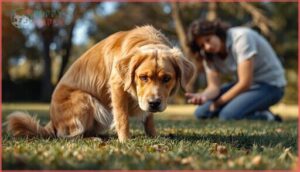
Recognizing constipation early can save your dog from unnecessary discomfort and prevent more serious complications down the road. Dogs can’t tell us when something’s wrong, so you’ll need to watch for physical and behavioral changes that signal a problem with their digestive system.
Here are the most common signs that your dog may be struggling with constipation.
Straining or Discomfort While Pooping
When your dog squats repeatedly but produces little or nothing, straining is often the first red flag of constipation. You might notice increased abdominal effort, whining during attempts, or signs of painful defecation like licking the anal area afterward.
Bowel straining that persists beyond a day or two, especially with visible discomfort, warrants veterinary attention to rule out anal fissures or blockages requiring digestive relief.
Dry, Hard, or Small Stools
Healthy stools should be firm yet pliable, but constipation in dogs often produces dry, hard pellets that resemble pebbles or crumble when expelled. When stool moisture drops due to prolonged colon transit, your dog’s bowel movements become difficult to pass and may appear smaller than usual.
Watch for these telltale signs of poor bowel health:
- Gritty, brittle texture that breaks apart easily
- Reduced fiber intake impacting stool bulk and digestive enzymes
- Sluggish gut motility allowing excess water reabsorption
These changes signal your dog’s digestive health needs attention.
Loss of Appetite or Lethargy
When constipation settles in, your dog’s discomfort often radiates beyond the bathroom, showing up as appetite changes and lethargy signs. Digestive health problems trigger reduced food interest because abdominal pressure suppresses hunger, while energy levels drop as your pet conserves strength.
These shifts in bowel movements warrant health monitoring—if dietary adjustments don’t restore vitality within 24 hours, contact your veterinarian to assess constipation in dogs.
Abdominal Pain or Swelling
A swollen or tender belly signals that constipation has progressed beyond simple discomfort, potentially indicating gastrointestinal issues such as bowel obstruction or inflammatory conditions.
Abdominal tenderness develops when trapped stool stretches intestinal walls, while abdominal pain intensifies as pressure builds.
If you notice these gastrointestinal problems alongside infrequent bowel movements, pursue veterinary diagnosis promptly to rule out serious dog constipation complications.
Whining or Vocalizing During Defecation
When your dog whines, groans, or cries during bowel movements, it often signals discomfort from hard stools straining the pelvic floor muscles. These vocalization patterns reflect defecation strains that shouldn’t be ignored, as they may indicate constipation in dogs or gastrointestinal issues.
While anxiety triggers can cause similar reflex actions, persistent vocal distress during pooping warrants veterinary attention to address underlying causes.
Health Risks of Infrequent Bowel Movements

When your dog doesn’t poop regularly, it’s not just uncomfortable—it can lead to serious health complications that affect multiple body systems. Understanding these risks helps you recognize when a simple bout of constipation has crossed into dangerous territory.
Let’s look at the specific health problems that can develop when bowel movements become too infrequent.
Gastrointestinal Blockages
One of the most serious risks of prolonged constipation in dogs is the development of a gastrointestinal blockage, which occurs when stool hardens and accumulates to the point of creating an intestinal obstruction.
This condition can lead to severe complications including bowel ischemia, abdominal pain, and tissue damage, often requiring surgical intervention if your dog can’t pass the impacted material naturally.
Toxin Build-Up
When your dog’s bowel movements slow or stop, waste accumulates in the colon, and metabolic waste can’t exit efficiently, which may lead to toxin accumulation over time.
Your dog’s detox mechanisms—primarily the liver and kidneys—handle environmental toxins and byproducts from biochemical reactions daily, but prolonged constipation in dogs strains these systems and can worsen gastrointestinal problems in dogs, potentially affecting overall digestive health.
Anal Gland Issues
Infrequent bowel movements can aggravate rectal problems, particularly when firm stool fails to naturally express your dog’s anal glands during defecation, leading to blockage relief issues and potential gland infections.
Watch for these warning signs of anal gland trouble:
- Scooting or dragging the rear along the ground to relieve discomfort from enlarged anal glands
- Excessive licking at the rectal area or base of the tail
- Foul odor from blocked or infected glands requiring immediate anal gland care
- Visible swelling near the anus, sometimes indicating tumor symptoms requiring veterinary evaluation
Impact on Overall Health
Digestive health isn’t just about bowel movements—it shapes your dog’s entire well-being. When dog constipation persists, nutrient absorption declines, draining energy levels and potentially disrupting electrolyte balance that affects heart and muscle function.
The gut microbiome weakens without regular gastrointestinal health, compromising immune function and leaving your pet more vulnerable to illness and chronic discomfort.
At-Home Ways to Encourage Pooping
If your dog hasn’t pooped in a while, there are several safe, vet-approved strategies you can try at home before heading to the clinic. These approaches focus on gentle dietary changes, adequate hydration, appropriate exercise, and simple natural remedies that support digestive health.
Here’s what you can do to help get things moving again.
Dietary Adjustments and Fiber

Adding fiber to your dog’s diet can gently promote digestive health and support regular bowel movements. High-fiber foods like canned pumpkin, oats, and green beans increase gut motility, while fiber supplements such as psyllium husk may improve gastrointestinal health when introduced gradually.
For best results with fiber intake and canine nutrition and diet, pair these dietary changes with digestive enzymes if your vet recommends them.
Hydration Strategies
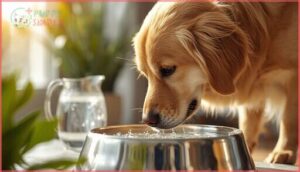
Proper hydration plays a critical role in dehydration prevention and aids fluid intake needed for smooth bowel movements. You should guarantee your dog has constant access to fresh, clean water, checking water quality daily.
An adult dog usually needs about one ounce of water per pound of body weight each day, though hydration plans may vary based on activity level, diet, and electrolyte balance to maintain peak canine digestive issues and overall animal health.
Safe Physical Activities

Regular movement stimulates your dog’s digestive tract naturally, helping prevent canine digestive issues without stressing their system. Walking benefits include gentle stimulation of gastrointestinal health through easy 10 to 15 minute strolls, while playtime tips suggest low-impact activities like fetch or gentle tug sessions.
Exercise routines should match your dog’s fitness levels for injury prevention, supporting overall dog wellness through consistent, moderate physical activity.
Natural Remedies Like Canned Pumpkin

Canned pumpkin stands out among natural remedies for constipation, offering pumpkin fiber benefits through its 2 to 3 grams of dietary fiber per 100 grams.
This fiber-rich food acts as one of the safest natural laxatives for canine gut health, supporting digestive health when you add one to two tablespoons daily for small dogs.
Always use pure pumpkin without added sugars or spices as dietary supplements.
When to Seek Veterinary Help

While home remedies can help mild constipation, there are certain situations where you shouldn’t wait to contact your veterinarian. Some warning signs indicate more serious underlying problems that require professional diagnosis and treatment.
Recognizing when your dog’s bowel issues have crossed from normal variation into medical territory can make a real difference in their health outcome.
Extended Time Without Pooping
If your dog hasn’t passed a stool for 48 to 72 hours, it’s time to call your veterinarian, especially if you notice reduced appetite or lethargy alongside the lack of bowel movements. This extended delay often signals constipation and declining gut motility.
Dehydration effects can worsen stool quality, creating hard masses that your dog can’t pass, turning a simple case of dog constipation into a medical emergency requiring professional intervention.
Severe Symptoms or Blood in Stool
Blood in your dog’s stool—whether bright red streaks or dark, tarry patches—demands immediate veterinary attention, as these stool colors reveal bleeding causes ranging from colitis and inflammatory bowel disease to gastrointestinal problems in dogs like vascular malformations.
Emergency signs include heavy bleeding, severe vomiting, weakness, or diarrhea paired with fever, prompting diagnostic steps such as endoscopy, imaging, and blood work to identify the underlying condition.
Signs of Pain or Distress
Beyond bleeding, watch for pain signals like whining, panting at rest, or a hunched posture guarding the abdomen—vocal cues and facial expressions such as narrowed eyes or flattened ears reveal abdominal discomfort tied to constipation.
Behavioral changes including hiding, irritability, or refusing food indicate dog constipation causes requiring urgent care, as these symptoms of constipation in dogs signal declining canine gastrointestinal health and overall dog health and wellness.
Underlying Medical Conditions
Sometimes, constipation signals deeper problems like inflammatory bowel disease, colitis, or neurological disorders affecting gut motility. Conditions such as hypothyroidism, pelvic nerve damage, and gastro blockages from tumors require professional diagnosis, as do medications like opioids that slow intestinal movement.
If gastrointestinal issues persist despite home care, your veterinarian can identify underlying inflammatory diseases or structural abnormalities causing dog constipation.
Preventing Constipation in Your Dog

Preventing constipation is much easier than treating it, and a few simple strategies can keep your dog’s digestive system running smoothly. Most cases of constipation can be avoided with proper attention to diet, hydration, and lifestyle factors.
Here are the key preventive measures every dog owner should implement.
Balanced, High-Fiber Diet
A high-fiber diet is one of your best defenses against constipation in dogs. Fiber benefits gut health by adding bulk to stools, supporting digestive regularity. Aim to provide balanced canine nutrition that includes fiber sources like whole grains, vegetables, and certain fruits—similar to the 25-38 grams adults need daily. Thoughtful diet planning and meal preparation guarantee nutrient balance while promoting smooth bowel movements.
Regular Exercise and Activity
Regular exercise keeps your dog’s digestive system moving smoothly, reducing constipation risk and promoting healthy bowel movements. Daily walks combined with aerobic training for at least 20 to 30 minutes stimulate intestinal motility, helping waste move through the colon efficiently.
Physical conditioning through varied exercise routines—brisk walking, gentle jogging, or interactive play—maintains canine fitness while encouraging regular pooping patterns that protect overall dog health.
Adequate Water Intake
Water quality and consistent fluid balance matter tremendously for preventing constipation in your dog. Hydration needs vary with activity level and climate, so guarantee fresh, clean water is always available to support healthy bowel movements.
Dehydration effects on the colon include hard, dry stools that cause discomfort. Encouraging good drinking habits by replacing bowls frequently protects dog health and promotes regular, comfortable pooping patterns essential for pet care.
Routine Veterinary Check-Ups
Annual or biannual checkups with your veterinarian form the backbone of effective preventive medicine, allowing early detection of digestive issues before they escalate into constipation.
During these routine vet visit schedules, your veterinarian reviews pet health records, adjusts veterinary care plans, and screens for underlying conditions affecting dog health.
Consistent veterinary care strengthens your ability to maintain peak bowel function through proactive veterinary medicine.
Monitoring and Early Intervention
Keeping a simple log of your dog’s poop schedules helps you spot trouble early, well before constipation takes hold. Health tracking systems, even basic calendars marking each bowel movement, give you baseline data to share during veterinary checks.
When patterns shift—fewer trips, straining, or harder stools—early intervention through veterinary medicine and advice prevents canine digestive issues from becoming serious dog health and wellness concerns.
Frequently Asked Questions (FAQs)
What to do if my dog hasn’t pooped in 3 days?
Three days without a bowel movement signals a red flag requiring immediate attention. Call your vet right away, make sure fresh water is available, and offer a small amount of canned pumpkin to stimulate bowel movement.
How long can my dog go without pooping before I should worry?
Most healthy dogs can safely go 24 to 48 hours without pooping, but you should contact your veterinarian if bowel movements haven’t occurred within 48 to 72 hours, especially with signs of constipation or discomfort.
How long is too long for a dog to not poop?
Most vets consider 72 hours without a bowel movement the critical threshold requiring immediate evaluation, as constipation beyond this point often signals bowel obstruction or serious digestive issues needing professional intervention.
How do I help my dog poop?
If your dog hasn’t pooped, start with dietary fiber adjustments like canned pumpkin, increase canine hydration, and encourage bowel movements through regular exercise and a consistent poop routine to support gut health.
How do I tell if my dog is constipated or has a blockage?
Constipation signs include straining with little or no stool production, pebble-hard stools, and decreased appetite.
Blockage symptoms often involve vomiting, abdominal pain, a distended belly, and complete absence of stool requiring immediate veterinary guidance.
How long can a dog hold its poop?
Think of your pup’s digestive system like a clock—most adult dogs comfortably hold bowel movements for 8 to 10 hours, though overnight stretches may extend to 12 hours without compromising gut motility or overall bowel health.
Can diet changes affect a dogs pooping frequency?
Yes, diet changes can shift your dog’s pooping frequency. Adjustments in fiber content, protein digestibility, and hydration impact bowel patterns. Shifting gradually aids canine nutrition and helps maintain predictable dog pooping habits without digestive upset.
How does aging impact a dogs bowel movement patterns?
As the old saying goes, “Age ain’t nothing but a number”—until it affects your senior dog’s gut health.
Aging digestive systems slow down, reducing gut motility and causing harder stools, longer intervals between bowel movements, and increased constipation risk in older dogs.
Can stress or anxiety cause a dog to stop pooping?
Absolutely. Stress and anxiety can disrupt your dog’s gut-brain axis, slowing intestinal movement and leading to harder, drier stools that become difficult to pass, while appetite changes further reduce stool production and frequency.
Is it normal for puppies to poop more frequently?
Like clockwork in fast-forward, puppies usually poop three to five times daily due to rapid digestion and frequent feeding schedules. Breed differences and growth stages influence individual poop patterns. Consult your veterinarian if concerned about constipation.
Conclusion
Your dog’s digestive system operates like clockwork—until it doesn’t. While most dogs can survive several days without pooping, waiting beyond 48 to 72 hours risks serious complications that no pet owner wants to face.
Pay attention to your dog’s unique patterns, recognize the warning signs early, and don’t hesitate to contact your veterinarian when something feels off. Understanding how long a dog can go without pooping enables you to protect their health before minor issues become major emergencies.
- https://www.cabdirect.org/?target=%2fcabdirect%2fabstract%2f20173306273
- https://www.ncbi.nlm.nih.gov/pmc/articles/PMC7329990/
- https://www.researchgate.net/profile/Anton-Beynen/publication/337811246_Diet_and_anal-sac_impaction_in_dogs/links/5deb3317299bf10bc34659b9/Diet-and-anal-sac-impaction-in-dogs.pdf
- https://veterinarypartner.vin.com/default.aspx?pid=19239&catId=102899&id=4951463
- https://www.veterinaryemergencygroup.com/post/5-human-foods-dogs-shouldnt-eat