
This site is supported by our readers. We may earn a commission, at no cost to you, if you purchase through links.

Your morning alarm goes off at 5:30 AM, and before you can even stretch, there’s a wet nose nudging your arm and an enthusiastic tail thumping against the bed frame. If this sounds like your ideal wake-up call, you’re part of a growing tribe of active owners who don’t just tolerate high-energy dogs—they thrive alongside them.
Energetic dog breeds for active owners aren’t simply pets that need walks; they’re adventure partners who’ll match you stride for stride on mountain trails, keep pace during morning runs, and still have enough spark left over for an evening game of fetch.
These aren’t couch companions waiting for occasional outings—they’re athletes in fur coats who demand movement, mental challenges, and owners willing to embrace an outdoor-centric lifestyle. Finding the right high-energy breed means understanding which dogs will genuinely complement your active routine rather than exhaust it.
Table Of Contents
- Key Takeaways
- Key Traits of Energetic Dog Breeds
- Top Energetic Breeds for Active Owners
- Matching Breeds to Your Lifestyle
- Essential Exercise and Activities
- Tips for Success With High-Energy Dogs
- Frequently Asked Questions (FAQs)
- What dog breeds have the most energy?
- Do energetic dog breeds make good companions?
- Are some dogs more energetic than others?
- Which dog breed is best for an active owner?
- How do high-energy breeds impact family dynamics?
- Can energetic dogs coexist with small pets?
- Are there calmer periods in a high-energy dogs day?
- How does emotional sensitivity affect training energetic breeds?
- What grooming needs do active breeds typically have?
- What age should I start intense exercise routines?
- Conclusion
Key Takeaways
- High-energy breeds like Border Collies, Australian Shepherds, and Belgian Malinois need at least 60-120 minutes of daily vigorous exercise plus mental stimulation through puzzle toys, agility training, or scent work to prevent destructive behaviors and anxiety.
- Choosing the right energetic breed requires honest assessment of your actual activity level, living space, and family dynamics—these dogs aren’t weekend warriors but full-time adventure partners who demand consistent daily commitment.
- Success with high-energy dogs depends on creating structured routines that combine physical exercise with mental challenges, adapting activities to weather conditions, and monitoring health through regular vet visits and proper nutrition.
- Without adequate outlets for their drive and intelligence, energetic breeds will develop behavioral problems like excessive barking, destructiveness, and hyperactivity—making them unsuitable for sedentary lifestyles or owners seeking low-maintenance companions.
Key Traits of Energetic Dog Breeds
Not every dog is content with a quick walk around the block and a nap on the couch. Energetic breeds come wired differently, with traits that make them perfect partners for active lifestyles but challenging for couch potatoes.
Let’s break down what sets these high-octane dogs apart so you can recognize if one’s the right fit for your life.
High Drive and Endurance
High energy dog breeds pack serious drive, training potential, and endurance testing capabilities that’ll blow your mind. These dogs can run for hours without hitting the wall, making them perfect companions for running and hiking adventures. Their energy levels demand physical conditioning that matches their mental stamina, so you’re signing up for a lifestyle shift, not just a pet.
- Sustained performance across hours of work without significant fatigue or decline
- Genetic selection in working breeds correlates with elevated cardiovascular fitness
- Rapid task acquisition when motivation aligns with their natural drive levels
- Efficient gait mechanics and heat tolerance enable extended outdoor activities
- Regular conditioning programs reduce injury risk while building muscular endurance
For peak results, owners should focus on methodological rigor in their training approaches.
Intelligence and Trainability
You’ll find that Border Collies and Australian Shepherds aren’t just high-energy dog breeds; they’re genuinely exceptional problem-solvers with cognitive abilities that put them ahead of most canine companions.
Their trainability stems from laser-focused attention spans and responsiveness to cues, making dog training and obedience feel like a collaboration rather than a chore.
These intelligent breeds master complex learning strategies fast, especially when your training accesses their natural drive.
Need for Physical and Mental Stimulation
Smart, driven breeds like these don’t just need a good run—they crave mental challenges that keep their minds sharp and engaged. Without proper stimulation techniques and energy management, you’ll see pacing, destructiveness, and frustration take over. Physical exercise combined with dog training and mental stimulation lowers arousal levels, improving impulse control and play motivation throughout the day.
- Daily puzzle toys broaden focus and prevent boredom-related issues
- Structured obedience tasks satisfy instinctual problem-solving drives
- Regular activity strengthens your bond while maintaining behavioral wellness
Common Behavioral Challenges
When energy isn’t channeled properly, you’ll notice barking issues that go beyond normal alerts, destructive behavior like chewing furniture, and jumping that shows poor impulse control.
Hyperactivity management becomes critical because anxiety disorders can develop in under-stimulated dogs, making active owners essential for high-energy dogs needing consistent dog training and behavior support to thrive.
Top Energetic Breeds for Active Owners
If you’re ready to hit the trails with a four-legged partner who can keep up, you’re in luck. Some breeds are naturally wired for adventure, thriving on long runs, challenging hikes, and active play that would leave other dogs exhausted.
Let’s look at seven standout breeds that make excellent companions for owners who love to stay on the move.
Border Collie

If you’re searching for the ideal workout partner, the Border Collie stands out as one of the most intelligent breeds with serious herding instincts and boundless energy. These energetic companions thrive when you give them a purpose, making them perfect for active owners and dog breeds for active families.
Why Border Collies excel:
- Peerless intelligence – They master complex commands quickly, making Border Collie training a rewarding adventure.
- Tireless stamina – Expect at least 60 minutes of vigorous daily exercise plus problem-solving activities to keep them satisfied.
- Work-driven focus – Their breed history as herding experts means they crave structured tasks, agility work, and high energy dog exercises.
Australian Shepherd

Another powerhouse among energetic dog breeds, the Australian Shepherd brings herding instincts and athleticism that’ll match your adventurous spirit perfectly.
Their breed history as ranch workers means they crave long daily runs and intensive mental games, making training methods that include agility and problem-solving essential.
With moderate grooming needs and generally solid health, they’re excellent companions for active owners ready to commit.
Belgian Malinois
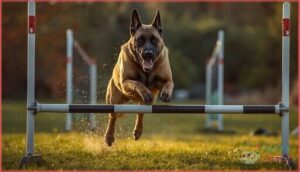
If you’re chasing an active lifestyle with dogs that’ll keep pace on trails and tackle intense workouts, the Belgian Malinois delivers peerless drive and athleticism. Their breed history as military and police dogs showcases their remarkable work ethic, making Malinois training both rewarding and essential for channeling their high energy constructively.
- Excels with intense daily workouts and expert training sessions
- Naturally strong work drive demands structured activities and clear boundaries
- Thrives in canine sports like agility, tracking, and protection work
- Requires experienced owners who understand high energy dogs’ exercise needs
- Malinois health benefits from consistent physical challenges and mental stimulation
Siberian Husky

If your idea of an active lifestyle with dogs involves long-distance runs in crisp air, the Siberian Husky embodies Arctic origins built for endurance. These energetic dog breeds need substantial daily outdoor activity and thrive in cold climate conditions, making them perfect for running and hiking adventures.
Understanding pack dynamics and proper Husky nutrition bolsters their stamina, while sled training heritage means they’ll challenge your limits with boundless energy.
Labrador Retriever

Labrador Retrievers are America’s favorite energetic dog breeds for good reason—they blend family dynamics with athletic drive, making them excellent companions for an active lifestyle. These powerhouse retrievers need a combination of aerobic activities and strength-building exercises daily, so running and hiking become shared adventures.
Proper dog nutrition and early Labrador training guarantee they channel that boundless enthusiasm into healthy habits rather than couch-destroying chaos.
German Shorthaired Pointer

If you’re craving canine companions for fitness who can match your trail runs and weekend hikes, German Shorthaired Pointers deliver that perfect blend of stamina and enthusiasm.
These adaptable hunting dogs with a rich breed history need daily exercise that pushes their athletic limits—think agility courses and field events that honor their natural hunting style.
Consistent training methods and minimal grooming tips make them surprisingly low-maintenance for such high-octane energetic dog breeds.
Vizsla

If German Shorthaired Pointers bring that unstoppable drive, Vizslas offer something equally thrilling with a velvet-soft twist. These Hungarian origins hunting dogs crave constant companionship and excel as dog breeds for running and hiking, needing vigorous daily exercise to match their high-energy dog breeds status.
Vizsla training benefits from positive reinforcement, while their affectionate family dynamics make them perfect for active lifestyle households seeking loyal, energetic dog breeds.
Matching Breeds to Your Lifestyle

Picking the right high-energy breed isn’t just about loving dogs, it’s about honestly matching their needs with your daily life, your living space, and what you can realistically handle. You wouldn’t bring home a marathon runner if you’re more of a weekend stroller, right?
Let’s walk through the key factors that’ll help you find your perfect active companion.
Assessing Your Activity Level
How intense is your week, really? Honest lifestyle assessment means tracking both your baseline habits and peak capacity—think daily step counts, energy expenditure patterns, and whether you can commit to consistent outdoor activities with dogs.
Fitness metrics reveal if you’re ready for high-energy dog breeds that demand running and hiking, or if you’ll both end up frustrated when physical limits don’t match their drive.
Considering Family and Living Space
Your household setup matters just as much as your fitness level when choosing high-energy dog breeds for active owners. Family dynamics, yard requirements, and neighborhood suitability all shape whether an energetic breed will truly thrive with you.
Space planning isn’t about square footage alone—consider these realities:
- Fenced yards or nearby parks give high-energy dog breeds safe outlets for daily runs and play
- Apartment living works if you commit to intensive exercise routines and mental stimulation to compensate
- Children’s ages and temperaments influence which family-friendly dog breeds mesh well with your home’s rhythm
- Home safety measures like durable flooring and designated dog zones prevent conflicts and damage
Matching breeds to your living situation prevents frustration for everyone involved.
Researching Breed-Specific Needs
Once you’ve narrowed down potential energetic dog breeds, dig into breed-specific traits that shape daily life. Exercise requirements vary wildly—Border Collies need intense mental work, while Vizslas crave companionship during runs. Understanding training challenges and breed characteristics upfront helps you choose the right dog breed that matches your reality, not just your dreams.
Research breed longevity, grooming needs, and health screenings for hip dysplasia or cardiac issues.
| Breed Aspect | What to Research |
|---|---|
| Exercise Requirements | Daily mileage, intensity levels, mental stimulation needs |
| Health Screenings | Hip dysplasia testing, cardiac exams, breed predispositions |
| Grooming Needs | Shedding patterns, coat maintenance frequency |
| Training Challenges | Socialization windows, common behavioral issues |
Connecting With Reputable Sources
Beyond breed club websites and breeder recommendations, you’ll want to verify claims through academic journals and veterinary associations that publish peer-reviewed studies on energetic dog breeds for active owners.
Cross-reference training methods and health data across at least two independent sources, checking publication dates to guarantee current welfare standards.
Fact-checking breed characteristics through credible research methods protects you from misinformation when choosing the right dog breed.
Essential Exercise and Activities

Keeping your high-energy dog happy isn’t just about throwing a ball in the backyard a few times a week. These breeds need varied, engaging activities that challenge both their bodies and minds, or you’ll quickly see boredom turn into chewed furniture and restless behavior.
Let’s explore the essential exercise options and activities that’ll help your energetic companion thrive.
Running, Hiking, and Outdoor Sports
If you’re looking for running partners or hiking buddies, energetic dog breeds transform outdoor activities into shared adventures.
Start with a 6–12 mile weekly run baseline, then add daily 60–120 minute hikes for endurance building. Trail safety matters, so pack outdoor gear and plan hydration breaks every 20–30 minutes.
Use fitness tracking to monitor progress, and adjust your weather planning and terrain adaptation strategies seasonally.
Agility and Canine Competitions
Agility training turns your high-energy dog breeds into canine sports superstars, channeling that natural drive into structured competition rules and thrilling course design challenges. Whether you’re drawn to local trials or national championships, dog handling skills develop through practice, transforming your canine companions into focused athletes.
Here’s what makes agility perfect for active dogs:
- Obstacle courses test speed, precision, and teamwork between you and your dog
- Training builds confidence while burning serious energy in controlled environments
- Dog sports and competitions offer community connections with fellow enthusiasts
- Progressive skill levels accommodate beginners through expert handlers equally well
Daily Mental Stimulation Games
Your energetic dogs crave mental workouts just as much as physical ones, and brain games deliver that essential cognitive challenge. Puzzle toys that dispense treats reward problem solving while keeping those sharp minds busy.
Scent work activities, like hide and seek with favorite toys or snacks, tap into natural instincts and provide excellent mental stimulation that tires high-energy dog breeds beautifully.
Socialization and Training Routines
Think of training routines as the backbone of a well-adjusted, energetic companion—structure shapes behavior, and consistency builds trust. Start puppy socialization early with positive reinforcement techniques to lay strong foundations for behavioral development and canine communication.
- Daily 5–15 minute sessions match your dog’s attention span and prevent burnout
- Training schedules that alternate mental and physical challenges keep high-energy breeds engaged and balanced
- Supervised play with diverse dogs and people sharpens social skills and reduces reactivity in active lifestyle settings
Tips for Success With High-Energy Dogs

Owning a high-energy dog can feel like an adventure when you’ve got the right strategies in place, but without them, you might find yourself dealing with chewed furniture and midnight zoomies. Success comes down to understanding your dog’s needs and staying one step ahead of boredom, which means being proactive rather than reactive.
High-energy dogs turn life into an adventure when you stay ahead of boredom, not reactive to chaos
Here are four essential tips that’ll help you and your energetic companion thrive together.
Preventing Boredom and Destructive Behaviors
Your high-energy companion needs more than just a quick walk around the block—they need purpose. Mental stimulation through puzzle toys and scent work can slash frustration-related behaviors by 25–60 percent, while rotating chew alternatives reduces destructive behavior by 30–50 percent. Here’s your game plan:
| Strategy | Impact |
|---|---|
| Daily puzzle toys & scent work | Cuts frustration behaviors 25–60% |
| Rotating safe chew alternatives | Reduces destruction 30–50% |
| Varied exercise routine | Decreases chewing 40% |
Mix obedience drills with high-intensity bursts—your dog craves both physical and mental challenges to truly thrive.
Creating a Consistent Exercise Schedule
Building your dog’s fitness tracking into a daily scheduling system transforms chaos into freedom. Start with a fixed time window each morning—your Border Collie or Vizsla needs that predictability.
Break the exercise routine into two 30-minute blocks instead of one marathon session, alternating high-energy dog breeds’ physical exercise with recovery time. This energy balance prevents burnout while keeping active dogs thriving, not just surviving.
Adapting Activities to Seasons and Weather
Once you’ve locked in that schedule, you’ll need to roll with Mother Nature’s curveballs. Seasonal exercise planning keeps your active dogs safe and satisfied year-round through climate adaptation and smart outdoor modifications.
Here’s your weather safety playbook for high-energy dog breeds:
- Summer scorchers (above 80°F): shift dog exercise to early mornings or late evenings, swap long runs for water-based outdoor activities
- Winter freezes: add insulated gear, shorten sessions but increase intensity
- Year-round planning: stock indoor enrichment alternatives when extreme weather hits
Monitoring Health and Wellness
Beyond weather planning, you’ll want to keep a close eye on your dog’s overall well-being. Regular veterinary care and health monitoring catch problems early, especially in high-energy dog breeds prone to joint stress. Pair those checkups with customized nutrition plans and injury prevention strategies like warm-ups before intense runs. Don’t overlook mental wellness either—behavioral changes often signal your pup needs more enrichment or rest.
| Health Area | What to Watch | Action Steps |
|---|---|---|
| Physical condition | Weight changes, limping, energy dips | Schedule vet visits every 6-12 months, adjust activity if needed |
| Nutrition & hydration | Appetite shifts, dehydration signs | Provide fresh water always, feed high-protein diets for active dogs |
| Mental state | Anxiety, compulsive habits, irritability | Add puzzle toys, maintain consistent routines, guarantee quality sleep |
Caring for active dogs means balancing excitement with smart oversight. Body condition scoring helps you prevent obesity, while watching for excessive panting or lethargy protects against heat stress during summer adventures. Your dog’s health and wellness routine should include parasite prevention, joint supplements when appropriate, and plenty of social interaction to keep tails wagging between workouts.
Frequently Asked Questions (FAQs)
What dog breeds have the most energy?
The calmest-looking pups often pack the biggest punch. Border Collies, Belgian Malinois, and Australian Shepherds lead the pack, with Siberian Huskies and Labrador Retrievers close behind in raw canine energy levels and athleticism.
Do energetic dog breeds make good companions?
Absolutely, energetic dog breeds make excellent companions for the right owner. When your lifestyle matches their exercise needs and you commit to consistent training, these high-energy dog breeds create incredibly rewarding, adventure-filled partnerships.
Are some dogs more energetic than others?
Ever wonder why some pups bounce off the walls while others prefer napping?
Energy levels vary widely among breeds, with working and herding dogs generally showing higher stamina than laid-back companion types.
Which dog breed is best for an active owner?
It depends on your lifestyle and activity planning—Border Collies excel in agility for outdoor enthusiasts, Vizslas match runners perfectly, and German Shorthaired Pointers suit varied adventures, each requiring different training needs.
German Shorthaired Pointers require daily exercise routines to stay healthy and happy.
How do high-energy breeds impact family dynamics?
They turn up the volume on everything—kids laugh harder during fetch, parents swap schedules for dawn runs, and everyone learns patience through training.
With clear routines and energy outlets, high-energy dog breeds become the glue strengthening family balance and cooperation.
Can energetic dogs coexist with small pets?
Yes, with commitment. Coexistence strategies like baby gates, impulse-control training, and supervised introductions work well. Success depends on your dog’s temperament, consistent household management, and using smart pet safety tips to prevent conflicts.
Are there calmer periods in a high-energy dogs day?
Most high-energy dog breeds cycle through intense activity and natural rest periods throughout the day.
After exercise or training, you’ll notice your dog settling into deep sleep, recharging for the next adventure.
How does emotional sensitivity affect training energetic breeds?
Sensitivity Training relies on reading subtle stress signals—like yawning or lip licking—so you can adjust your approach, preventing burnout in Reactive Dogs and fostering trust through Arousal Management and Canine Empathy during sessions.
What grooming needs do active breeds typically have?
You’d think tireless athletes wouldn’t need spa days, but high-energy dog breeds demand regular coat maintenance, nail care every few weeks, ear cleaning, dental hygiene, and skin health checks to stay adventure-ready.
What age should I start intense exercise routines?
Most veterinarians recommend waiting until your pup’s growth plates close—around 12 to 18 months for larger breeds—before starting intense workouts. This precaution helps protect joint health and ensures proper skeletal maturity during critical development.
Conclusion
Like finding the right trail partner who never complains about the distance, choosing energetic dog breeds for active owners means committing to a lifestyle where movement isn’t optional—it’s essential. These seven breeds won’t just keep up with your adventures; they’ll push you to explore harder, run farther, and embrace the outdoors with renewed purpose.
When you match their energy with consistent activity and mental challenges, you don’t just get a pet—you gain an unstoppable adventure companion.
- https://www.akc.org/expert-advice/dog-breeds/2020-popular-breeds-2019/
- https://academichelpexpress.blog/2024/08/please-use-the-bulleted-points-and-the-rubric-below-to-guide-your-work-your-pa/
- https://x.com/godofprompt/status/1990526288063324577
- https://www.sciencedirect.com/science/article/pii/S0749208123000268
- https://arxiv.org/html/2507.17948v2