
This site is supported by our readers. We may earn a commission, at no cost to you, if you purchase through links.

Your dog spots the ice cream cone before you do. That nose tilts up, tail goes into overdrive, and suddenly those eyes are locked on yours with pure, devastating hope.
Sharing a lick feels harmless—until you know that most commercial ice cream contains ingredients that can seriously hurt a dog, including xylitol, a sweetener toxic enough to cause liver failure within hours.
The good news? A dog ice cream recipe made with the right ingredients gives your pup that same frozen joy without the risk.
Safe, simple, and genuinely tail-wagging worthy.
Table Of Contents
- Key Takeaways
- Can Dogs Eat Ice Cream?
- Dog-Safe Ice Cream Ingredients
- How to Make Dog Ice Cream
- Easy Dog Ice Cream Recipes
- Top 6 Dog Ice Cream Items
- Frequently Asked Questions (FAQs)
- How to make ice cream at home for dogs?
- What are the ingredients of dog ice cream?
- How do you make dog ice cream?
- Can dogs eat ice cream?
- Can dogs with allergies eat homemade ice cream?
- Does Frosty Paws make dog ice cream?
- How do you freeze dog ice cream?
- Can dog ice cream be frozen?
- How do you make your own dog ice cream?
- What is doggie ice cream made of?
- Conclusion
Key Takeaways
- Common ice cream ingredients like xylitol, chocolate, and macadamia nuts aren’t just unhealthy for dogs — they can trigger liver failure, seizures, or hypoglycemia within 30 minutes.
- Swapping in lactose-free bases like oat milk like plain kefir, or unsweetened coconut milk makes frozen treats genuinely safe for dogs with dairy sensitivity.
- A simple blend of frozen banana, xylitol-free peanut butter, and plain yogurt — frozen in silicone molds for at least 4 hours — gives your dog a treat with real nutritional value.
- If your dog gets into xylitol, chocolate, or macadamia nuts, don’t wait for symptoms — call your vet immediately, since reactions can escalate fast.
Can Dogs Eat Ice Cream?

That question is worth asking before you scoop anything into your dog’s bowl. The short answer is: it depends entirely on what’s in it. Here’s what you need to know before treating your pup.
Some rice varieties are perfectly safe—even beneficial—but what dogs can and can’t eat when it comes to rice comes down to preparation, portion, and your dog’s individual health needs.
Human Ice Cream Risks
Most dogs go absolutely wild for ice cream — but human ice cream is genuinely risky for them.
It’s packed with fat and sugar, which can trigger pancreatitis, a painful and potentially serious condition. High sugar content also causes blood glucose spikes.
Emergency vet treatment for accidental pet poisoning isn’t cheap, so it’s worth knowing the risks first.
Toxic Ingredients to Avoid
Some ingredients in human ice cream aren’t just unhealthy — they’re genuinely dangerous.
Xylitol, a sweetener hiding in many frozen desserts, can cause rapid hypoglycemia within 30 minutes and potential liver failure. Chocolate and cocoa trigger vomiting, seizures, and heart irregularities. Even macadamia nuts can cause tremors and weakness.
Xylitol, chocolate, and macadamia nuts aren’t just unhealthy for dogs — they’re genuinely dangerous
Watch for artificial dyes, excess salt, and high fat too.
Even seemingly harmless preservatives such as BHA belong to endocrine disrupting preservatives and should be avoided in dog treats.
Lactose Sensitivity Concerns
Even without the toxic ingredients, dairy itself can be a problem. Many dogs are lactose‑intolerant, meaning their digestive systems can’t properly break down lactose — the natural sugar in milk.
Symptoms like diarrhea, gas, bloating, or vomiting can appear within hours.
Puppies and senior dogs tend to be especially sensitive, and repeated small doses can quietly add up to real discomfort.
Safer Homemade Alternatives
That’s actually great news, because making a safe homemade dog ice cream is easier than you’d think. Swap regular dairy for lactose-free bases like oat milk or unsweetened coconut milk.
Blend in dog-safe fruits — bananas, blueberries, or strawberries — for natural sweetness. A spoonful of xylitol-free peanut butter adds creaminess.
These simple swaps make a genuinely healthy dog snack your pup will love.
When to Call Your Vet
Even a single lick of the wrong ice cream can send you rushing to the emergency vet.
Call your vet immediately if your dog ate anything containing xylitol, chocolate, or macadamia nuts — symptoms like tremors, vomiting, or collapse can hit within 30 minutes.
Watch for persistent vomiting, bloody diarrhea, hunched posture, or dry gums — those are your "don’t wait" signs.
Dog-Safe Ice Cream Ingredients

The good news is that making dog ice cream at home starts with just a handful of wholesome, pup-approved ingredients. Knowing which ones are safe — and which to skip — makes all the difference between a treat your dog loves and one that lands you at the vet. Here’s what you’ll want to stock up on.
Plain Yogurt or Kefir
Plain yogurt and kefir milk aren’t just creamy fillers, they’re a real probiotic snack for dogs.
- Live cultures like Lactobacillus support gut health
- Fermentation means lactose reduction, easing dairy intolerance in dogs
- Protein levels help fuel playtime
- Watch for digestive reactions at first taste
- Choose plain, unsweetened only
Lactose-free Milk Options
Not every dog tolerates dairy well — and that’s okay.
Lactose-free milk options like unsweetened almond, oat, coconut, or soy milk work beautifully in homemade dog ice cream. Oat milk adds a naturally creamy texture, while soy milk brings 7–9 grams of protein per cup.
Always check labels: no xylitol, no added sugars, no artificial additives.
Peanut Butter Safety
Peanut butter is a dog-favorite, but not all jars are safe. Your biggest red flag? Xylitol, an artificial sweetener that can cause rapid blood sugar crashes and liver failure in dogs — sometimes within hours.
Beyond xylitol, watch for added salt and hydrogenated oils, and choose natural, unsalted brands that test for aflatoxin mold contamination. A little goes a long way.
Dog-safe Fruits
Fruits can turn your dog’s frozen treat into something nutritious, not just tasty.
Blueberries, strawberries, watermelon, and bananas are all fair game — and each one brings something useful. Blueberries deliver antioxidants; watermelon helps with hydration (just remove the rind and seeds).
Always wash fruit first, cut it into small pieces, and introduce new ones one at a time.
Pumpkin Puree Benefits
Pumpkin puree is a quiet powerhouse in any healthy dog ice cream recipe. It’s packed with beta-carotene for vision health support, fiber for digestive regularity, potassium for heart health, and vitamins C and E to keep immunity strong.
Just make sure you’re using plain canned pumpkin puree — not pie filling, which contains spices and sweeteners unsafe for dogs.
How to Make Dog Ice Cream
Making dog ice cream at home is easier than you might think — no fancy equipment, no complicated steps. You just need a blender, a few safe ingredients, and a little patience while it freezes. Here’s exactly how to pull it together from start to finish.
Blend The Base Ingredients
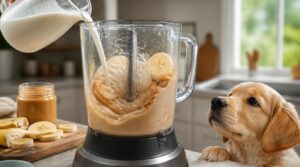
Blending your dog ice cream recipe together is easier than you think. Toss two frozen banana slices, ¼ cup plain yogurt, and ¼ cup natural peanut butter into a blender. Blend until smooth — about 30 seconds on high. Here’s what keeps it perfect:
- Add a splash of lactose-free milk if it’s too thick
- Chill the base 20 minutes before freezing to avoid ice crystals
- Reduce added liquid by a quarter cup when using frozen fruit
- Stop and scrape the sides for a truly smooth blend
Pour Into Molds

Once your base is smooth, it’s time to pour. Silicone paw molds work beautifully here — they’re nonreactive, freezer-safe, and release treats cleanly. Ice cube trays work just as well for quick portions.
Fill each cavity two-thirds full to leave room for expansion.
A dog-safe serving bowl catches any drips and keeps cleanup simple.
Freeze Until Firm
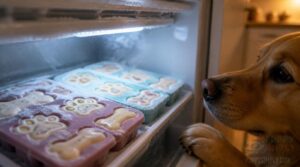
Now the molds are full — slide them straight into the freezer. Freeze for at least 4 hours, though overnight is ideal.
Your home freezer at around -18°C creates the small, uniform ice crystals that give homemade dog ice cream — that smooth, creamy texture your pup deserves.
Higher fat bases like yogurt freeze firmer and hold their shape longer.
Thaw Before Serving
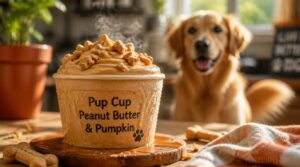
Your dog ice cream recipe is frozen solid — now patience pays off. Let it thaw 10–20 minutes at room temperature before serving. Skip the microwave; uneven heat separates the dairy base and ruins that creamy texture you worked for.
| Situation | Thaw Time |
|---|---|
| Standard indoor serving | 10–20 minutes |
| Hot day outdoors | 5–10 minutes |
| Cool water bath method | 15 minutes |
| Checking readiness | Soft touch, not runny |
| Maximum time out | 30 minutes |
Store Leftovers Safely
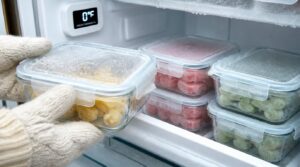
Once the treats are frozen solid, transfer to an airtight container and pop them back in the freezer. Keep your freezer at −18°C (0°F) or below — a fridge thermometer takes the guesswork out. Stored properly, they’ll stay fresh for up to 2 months. Never leave portions out longer than 30 minutes; bacteria don’t take days off.
Easy Dog Ice Cream Recipes
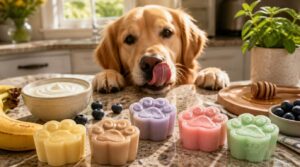
Now that you know what goes into dog-safe ice cream, it’s time to put it all together. These five recipes are simple, pup-approved, and easy to mix up on any afternoon. Pick one — or try them all — and see which tail-wagger becomes your dog’s favorite.
Peanut Butter Banana
Few things delight a dog like a cold, creamy treat on a warm day. This peanut butter banana dog ice cream recipe keeps it beautifully simple.
- Use ripe bananas — they blend smoother and taste sweeter naturally.
- Choose dog-safe peanut butter — no xylitol, no added salt.
- Keep portions to 1–2 tablespoons for healthy calorie control.
Blueberry Coconut
Blueberries are quietly one of the best dog-friendly fruits you can freeze. This Blueberry Coconut Dog Ice Cream combines antioxidant-rich berries with creamy coconut milk for a dairy-free treat your dog will love.
Blueberry’s natural pectin thickens the mixture beautifully, while coconut adds a rich, tropical mouthfeel. Blend, pour into molds, and freeze — simple as that.
Pumpkin Banana
Pumpkin and banana might sound like an autumn dessert, but this Pumpkin Banana Dog Ice Cream is a year‑round favorite. Pumpkin delivers digestive fiber and beta‑carotene for eye health, while banana adds potassium for heart support.
Use plain pumpkin puree only — never pie filling. Blend with yogurt, freeze in silicone molds, and serve slightly thawed.
Apple Peanut Butter
Apple and peanut butter are a classic pairing — and your dog can enjoy it too. This Peanut Butter Apple Dog Ice Cream blends unsweetened applesauce with natural peanut butter for a creamy, mildly sweet frozen treat.
Always choose xylitol-free peanut butter.
Freeze in silicone molds and thaw briefly before serving.
Carob-chip Yogurt
If your dog could choose a dessert, this one would top the list. Carob-chip yogurt is a safe chocolate substitute that’s naturally caffeine-free and low in sugar. Blend plain xylitol-free yogurt with unsweetened carob chips, then freeze in molds. The probiotics support gut health, while carob adds gentle fiber.
- Use low-fat plain yogurt
- Check labels for xylitol
- Add a ripe banana for natural sweetness
- Thaw 2–3 minutes before serving
Top 6 Dog Ice Cream Items
Once you’ve got the recipes down, having the right tools and ingredients makes everything so much easier. These six picks were chosen to help you prep, serve, and sweeten your dog’s frozen treats safely. Here’s what’s worth grabbing:
1. Pink Ice Cream Ball Mold Set
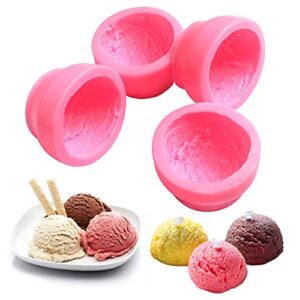
Four molds, one adorable set — that’s what you get with the Pink Ice Cream Ball Mold Set. Made from food-grade liquid silicone, each cavity creates a perfectly round frozen treat about 2.5 inches across.
They’re freezer‑safe, flexible for easy release, and dishwasher‑friendly for quick cleanup. The bright pink color uses a non‑toxic, pet‑safe dye, so no worries there.
Fill them with your pumpkin‑banana blend or blueberry coconut mix, freeze for four to six hours, and you’re done.
| Best For | Home bakers, crafters, and party hosts who want an easy, versatile mold for making fun ice cream-shaped treats, chocolates, candles, or soaps. |
|---|---|
| Primary Use | Molding desserts and crafts |
| Package Size | Pack of 4 molds |
| Food Safe | Yes, food-grade silicone |
| Form/Type | Flexible silicone mold |
| Dietary Notes | Multi-purpose, non-toxic |
| Best For | Parties and DIY crafts |
| Additional Features |
|
- Made from food-grade liquid silicone with a wide temperature range (–40 °C to 300 °C), so they work in the freezer, oven, and microwave
- Flexible and non-stick for effortless demolding and quick dishwasher cleanup
- Multi-purpose — great for desserts, resin crafts, candles, soaps, and more
- Each mold is on the smaller side (~2.64 inches), so larger batches require multiple rounds
- Not suitable for direct flame or temperatures above 300 °C
- Sharp objects can wear down the silicone surface over time, shortening lifespan
2. HomEdge Puppy Paw Bone Silicone Molds
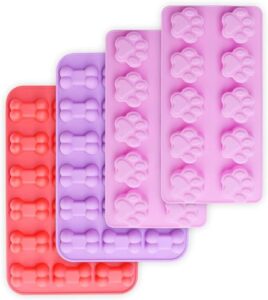
If you loved the round molds, these take things up a notch. The HomEdge Puppy Paw Bone Silicone Molds come in two adorable shapes — paw prints and bones — made from BPA-free, food-grade silicone that’s safe for your pup. They handle temperatures from -40°F to 446°F, so freezer use is no problem.
The flexible material pops treats out cleanly, and cleanup is dishwasher-safe. One tip: rest the molds on a baking sheet when filling — they’re quite flexible when loaded.
| Best For | Dog owners who want to make fun homemade treats like frozen pupsicles or biscuits in cute paw and bone shapes. |
|---|---|
| Primary Use | Homemade dog treat molds |
| Package Size | 2-mold kit |
| Food Safe | Yes, BPA-free silicone |
| Form/Type | Flexible silicone mold |
| Dietary Notes | BPA-free, non-toxic |
| Best For | Pet owners making treats |
| Additional Features |
|
- Two fun mold shapes (paw prints and bones) in one kit, made from safe, BPA-free silicone
- Handles a huge temperature range (-40°F to 446°F), making it freezer, oven, and microwave friendly
- Flexible material releases treats easily and the whole thing goes straight in the dishwasher
- The molds are quite floppy when filled — you’ll need a baking sheet underneath for stability
- Shallow cavities mean your treats will be thin, so don’t expect thick or chunky results
- May have a mild silicone smell out of the box that takes a few washes to go away
3. Nature Nate Raw Unfiltered Honey
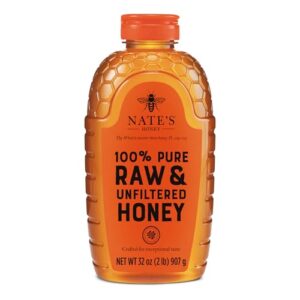
Now, honey might seem like an odd addition to dog ice cream — but a small drizzle goes a long way. Nature Nate Raw Unfiltered Honey is 100% pure, with no additives or artificial ingredients, and retains natural pollen and enzymes. That’s what sets it apart from standard store honey.
Just keep portions tiny. Honey is still sugar, so one teaspoon max per treat is plenty. The squeeze-top bottle makes measuring easy without the sticky mess.
| Best For | Home cooks, health-conscious households, and pet treat makers who want a pure, natural sweetener without any additives or processing. |
|---|---|
| Primary Use | Natural liquid sweetener |
| Package Size | 32 oz bottle |
| Food Safe | Yes, no additives |
| Form/Type | Raw liquid honey |
| Dietary Notes | Raw and unfiltered |
| Best For | Health-conscious baking |
| Additional Features |
|
- 100% raw and unfiltered, retaining natural pollen, enzymes, and antioxidants that processed honey loses
- The squeeze-top bottle makes dispensing clean and mess-free, with easy portion control
- Award-winning flavor with a thick, rich texture that works beautifully in drinks, baked goods, and yes — even dog treats
- Not certified organic, and the flower source of the pollen isn’t specified
- The thick consistency can get stubborn in cold weather and may need a quick warm-up to flow properly
- At 32 ounces, it’s a bigger commitment than most casual users need, and it comes at a higher price than standard grocery-store honey
4. Earthborn Holistic Lamb Wet Dog Food
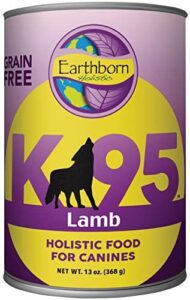
Treats are great, but your pup needs real nutrition too.
Earthborn Balanced Lamb Wet Dog Food brings 95% real lamb protein — with lamb broth and liver — plus spinach, apples, and chickpeas. It’s grain-free, gluten-free, and designed for active adult dogs.
Serve it alongside homemade frozen treats as a complete, balanced meal. Think of it as the foundation that makes the fun stuff possible — because a well-nourished dog enjoys every treat even more.
| Best For | Active adult dogs who thrive on high-protein, grain-free meals — especially picky eaters or dogs that benefit from added moisture in their diet. |
|---|---|
| Primary Use | Wet dog food meal |
| Package Size | 13 oz can |
| Food Safe | Yes, pet-safe formula |
| Form/Type | Wet pâté |
| Dietary Notes | Grain-free, gluten-free |
| Best For | Active adult dogs |
| Additional Features |
|
- 95% real lamb protein (with broth and liver) makes it a genuinely meat-forward meal, great for muscle maintenance and keeping dogs satisfied
- Grain-free and gluten-free formula supports easier digestion and may help dogs with sensitive stomachs or skin issues
- Versatile enough to serve solo or mixed with dry kibble, adding palatability and hydration for dogs who turn their nose up at dry food alone
- At $45.58 for a single 13 oz can, the price is steep — especially for larger dogs who’d need more than one can per meal
- Contains additives like sodium tripolyphosphate and gums, which may not be ideal for dogs on low-sodium or clean-ingredient diets
- Only formulated for adult dogs, so it’s not a fit for puppies or seniors with different nutritional requirements
5. Organic Lowfat Plain Kefir
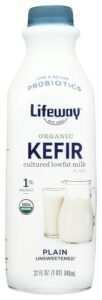
Most dog owners don’t realize kefir can double as an ice cream base — and a surprisingly good one. This organic low‑fat plain kefir is up to 99% lactose-free and packed with 12 live probiotic cultures, making it gentle on sensitive stomachs.
Blend it straight into any frozen treat recipe for a creamy, gut-friendly boost. With 11g of protein per bottle and no added sugar, it’s a smart swap your dog’s digestive system will quietly thank you for.
| Best For | Dog owners looking for a gut-friendly, high-protein frozen treat base that’s gentle on sensitive stomachs and free from lactose and gluten. |
|---|---|
| Primary Use | Probiotic dairy drink |
| Package Size | 32 fl oz bottle |
| Food Safe | Yes, certified gluten-free |
| Form/Type | Cultured liquid kefir |
| Dietary Notes | 99% lactose-free, gluten-free |
| Best For | Gut health support |
| Additional Features |
|
- Packed with 12 live probiotic cultures to support digestive health
- Up to 99% lactose-free and certified gluten-free — great for sensitive pups
- No added sugar and 11g of protein per bottle make it a genuinely nutritious ingredient
- Tart, slightly watery flavor may not appeal to all dogs (or humans)
- Not suitable for vegan households since it’s still a dairy product
- At around $5.54 per bottle, it’s pricier than standard milk alternatives
6. Organic Unsweetened Carob Chips
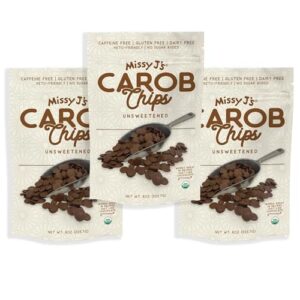
If your pup goes wild for the carob-chip yogurt recipe above, these organic unsweetened carob chips make it easy to keep a stash on hand. Made from Australian sweet-variety carob, they’re caffeine- and theobromine-free — so none of the toxicity concerns you’d have with chocolate. They’re also vegan, gluten-free, and non-GMO.
Melt them, blend them in, or sprinkle a few on top. Your dog gets the chocolatey experience. None of the risk.
| Best For | Dog owners who want a safe, chocolate-free treat option for their pets — especially those baking homemade dog snacks or following allergy-sensitive diets. |
|---|---|
| Primary Use | Chocolate baking substitute |
| Package Size | 8 oz bag |
| Food Safe | Yes, non-GMO certified |
| Form/Type | Thin round chips |
| Dietary Notes | Vegan, gluten-free, soy-free |
| Best For | Allergy-sensitive diets |
| Additional Features |
|
- Made from Australian sweet-variety carob, so they’re completely caffeine- and theobromine-free — no toxicity risk for dogs
- Free from a long list of common allergens: gluten, soy, corn, dairy, and GMOs
- Versatile and easy to use — melt them, blend them in, or sprinkle them on top
- Despite the "unsweetened" label, some buyers notice a mild sweetness, which may not suit everyone’s expectations
- The flavor won’t fully mimic real chocolate, so it may fall short for those wanting an authentic chocolate taste
- Contains palm oil, which is a dealbreaker for some environmentally conscious shoppers
Frequently Asked Questions (FAQs)
How to make ice cream at home for dogs?
Making it at home is simple: blend a safe base like plain yogurt or banana, pour into molds, and freeze for 4 hours. Always skip xylitol, chocolate, or added sugar.
What are the ingredients of dog ice cream?
The main ingredients are plain yogurt or coconut milk, frozen bananas, and xylitol-free peanut butter. Add dog-safe fruits like blueberries for flavor. Always skip sweeteners, chocolate, and anything artificial.
How do you make dog ice cream?
Blend your base ingredients until smooth, pour into silicone molds, and freeze for at least four hours. Thaw briefly before serving so it’s easy for your dog to enjoy.
Can dogs eat ice cream?
Dogs can eat a tiny lick of plain ice cream occasionally, but regular human ice cream isn’t safe for them — too much sugar, fat, and hidden toxic ingredients like xylitol or chocolate.
Can dogs with allergies eat homemade ice cream?
Yes — dogs with allergies can enjoy homemade ice cream when you swap out common triggers. Use dairy-free bases like coconut milk and xylitol-free ingredients to keep things safe and delicious.
Does Frosty Paws make dog ice cream?
Frosty Paws does make dog ice cream — small, individually sealed cups in flavors like vanilla and peanut butter, free from artificial flavors and added sugar. They’re a convenient, ready-to-serve option.
How do you freeze dog ice cream?
Freeze your dog ice cream for at least 4 hours — or you’ll wait a lifetime. Set your freezer to −18°C or below and use silicone molds for even, easy-to-pop portions.
Can dog ice cream be frozen?
Absolutely, it freezes solid at around minus 18°C in a standard freezer. Most batches firm up within 4 to 6 hours, and deep freezers work even faster thanks to their steady, colder temps.
How do you make your own dog ice cream?
Blend your base, pour into molds, and freeze for at least 4 hours. Thaw briefly before serving. It’s that simple — and your pup gets a treat made with love.
What is doggie ice cream made of?
Most recipes rely on a simple dairy base like plain yogurt or kefir, mixed with banana, peanut butter, or pumpkin puree. No sugar, no xylitol, no chocolate—just real, simple ingredients your pup can actually digest safely.
Conclusion
Your freezer is about to become the happiest, coldest place on earth, paws down.
That’s the magic of a good dog ice cream recipe: a few safe ingredients, ten minutes of mixing, and a treat your dog will genuinely dream about for days.
Skip the toxic stuff, stick to yogurt, pumpkin, and pup‑safe fruit, and you’ve traded risk for pure tail‑wagging joy.
Freeze a batch tonight, and watch those puppy eyes light up like fireworks.