This site is supported by our readers. We may earn a commission, at no cost to you, if you purchase through links.
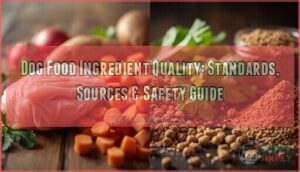
Your dog’s kibble contains 30-40 distinct ingredients, but only five or six truly determine whether that food nourishes or merely sustains. The difference between a thriving dog and one that merely survives often traces back to dog food ingredient quality—specifically, whether those ingredients deliver complete amino acid profiles, bioavailable minerals, and naturally occurring cofactors that synthetic additives can’t replicate.
Many premium brands charge double the price of standard formulas while using similar feed-grade components with clever marketing labels, and recalls tied to contaminated ingredients continue to expose gaps in manufacturing oversight that even reputable companies struggle to close.
Understanding what separates genuinely high-quality ingredients from marketing narratives requires looking beyond the front-of-bag claims to examine protein sources, nutrient bioavailability, processing methods, and the transparency standards that reveal which brands actually deliver on their promises.
Table Of Contents
- Key Takeaways
- What Makes Dog Food Ingredients High Quality?
- Essential Nutrients and Quality Protein Sources
- Carbohydrates, Fats, and Fiber Quality Standards
- Vitamins, Minerals, and Functional Ingredients
- How to Read and Evaluate Dog Food Labels
- Safety Concerns and Quality Control Measures
- Frequently Asked Questions (FAQs)
- How to tell if dog food is high-quality?
- What is the 95% rule in dog food?
- How does seasonal availability affect ingredient quality?
- Are organic ingredients always better for dogs?
- What role does moisture content play?
- How do storage conditions impact ingredient freshness?
- Can ingredient quality vary between production batches?
- Conclusion
Key Takeaways
- High-quality dog food hinges on bioavailable proteins from named animal sources (chicken, salmon, beef), whole-food nutrients, and transparent sourcing practices that exceed AAFCO minimums, not premium pricing or marketing claims that often disguise feed-grade ingredients identical to budget formulas.
- Ingredient labels reveal nutritional truth through specific order (descending by weight), with the first three to five components—ideally whole meats, quality fats, and nutrient-dense carbohydrates—determining whether your dog receives complete amino acid profiles and naturally occurring cofactors or merely empty fillers and synthetic additives.
- Safety and quality control depend on verifiable traceability systems, published supplier audits, third-party certifications, and transparent recall histories that demonstrate accountability beyond regulatory compliance, since contaminants like salmonella, listeria, and aflatoxins persist even in premium brands without rigorous batch testing.
- True nutritional adequacy requires evaluating protein digestibility (85-95% for animal sources), proper omega-3 to omega-6 ratios (1:5 to 1:10), and dry-matter nutrient density rather than guaranteed analysis percentages, which moisture content can distort and render misleading when comparing formulas across wet, dry, and freeze-dried formats.
What Makes Dog Food Ingredients High Quality?
When you’re standing in the pet food aisle trying to make the right choice for your dog, ingredient quality isn’t just marketing speak—it’s the foundation of your dog’s health, longevity, and daily vitality. The difference between high-quality and low-quality ingredients affects everything from nutrient absorption to your dog’s risk of contamination-related illness.
That’s why choosing healthy dog food options means looking beyond the front label to evaluate what’s actually inside the bag.
Ingredient quality isn’t marketing—it’s the foundation of your dog’s health, vitality, and protection from contamination
Understanding what separates premium ingredients from fillers requires looking at four key factors: the source of the ingredients, the standards they meet, how transparently they’re disclosed, and how processing affects their nutritional value.
Whole Food Ingredients Vs. By-Products
Whole food ingredients—fresh meat, whole grains, and non-GMO fruits and vegetables—retain their natural nutrient profiles through minimal processing, offering enhanced bioavailability compared to by-products. By-products, which include organs, bones, and other secondary animal components, while sometimes nutritionally adequate when sourced ethically, lack the ingredient transparency and organic sourcing standards found in high-quality ingredients.
High-quality ingredients utilize natural preservatives and adhere to ethical manufacturing practices, ensuring superior nutrition. Choosing products with can help guarantee ideal nutrition and minimize exposure to unnecessary additives.
Human-Grade Vs. Feed-Grade Standards
Understanding the distinction between human grade and feed grade standards enables you to evaluate ingredient quality with scientific rigor, since human grade products must meet stricter food safety protocols, facility inspections, and regulatory compliance overseen by the FDA and AAFCO. Feed grade ingredients, while nutritionally adequate under animal feed guidelines, undergo less stringent safety testing and pathogen screening than their human grade counterparts, which impacts:
- Ingredient traceability documentation and supply chain transparency
- Manufacturing sanitation controls and processing temperature standards
- Microbial testing frequency and acceptable contamination thresholds
- Facility licensing requirements and routine inspection protocols
For a deeper understanding of the differences between, it’s important to examine the impact on food safety and nutritional quality.
Ethical Sourcing and Transparency
Beyond regulatory compliance, responsible sourcing demands transparency that allows you to trace each ingredient from farm to finished product, evaluating animal welfare standards, sustainable sourcing practices, and supply chain ethics.
Transparent labeling backed by third-party audits, real-time traceability systems, and publicly disclosed supplier lists demonstrates commitment to fair trade practices, humane treatment, and regenerative farming—safeguarding both ingredient integrity and ethical accountability throughout production.
Ingredient Processing and Nutrient Retention
Even high-quality ingredients lose nutritional value during processing, so you’ll want to understand how milling effects and heat processing impact nutrient retention in your dog’s food. Gentle drying preserves protein preservation better than high-heat extrusion that triggers Maillard reactions, while controlled temperatures during fat incorporation maintain fat stability and protect essential fatty acids.
Shorter cooking times minimize vitamin degradation, ensuring the animal nutrition your dog receives actually meets stated nutritional requirements.
Essential Nutrients and Quality Protein Sources
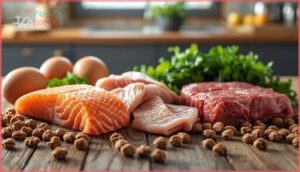
Your dog’s body runs on protein, and the source of that protein matters more than you might think. Not all proteins deliver the same nutritional value, which is why understanding animal-based sources, meat meals, plant alternatives, and bioavailability becomes essential when you’re choosing a quality diet.
Let’s break down what separates excellent protein sources from mediocre ones, so you can make informed decisions that support your dog’s health.
Animal-Based Proteins: Meat, Poultry, and Fish
When you’re scanning ingredient lists, named protein sources—like “chicken,” “beef,” or “salmon”—signal transparency and accountability, as reputable manufacturers specify exactly which animals contribute to your dog’s diet.
If you’re raising a smaller pup, choosing high-quality food formulated for small dog breeds with these clear protein labels ensures they get balanced nutrition without breaking the bank.
High-quality ingredients from ethically raised livestock deliver complete amino acid profiles, with chicken breast providing roughly 26 grams of protein per 3-ounce serving, while fatty fish like salmon supply omega-3 fatty acids alongside lean protein for ideal animal nutrition.
Meat Meals: Benefits and Limitations
Meat meal offers a protein density advantage because the rendering process removes moisture, concentrating amino acids and delivering more usable protein per gram than fresh meat, which can help formulas meet AAFCO minimums while maintaining compact kibble and extended shelf life through reduced water content.
- Nutrient retention varies: High-quality meat meals preserve essential amino acids reasonably well, though rendering may degrade heat-sensitive nutrients like taurine, requiring manufacturers to fortify formulas to match fresh meat profiles.
- Safety hinges on sourcing: Poorly controlled rendering facilities can introduce contaminants such as heavy metals or ethoxyquin preservatives, making transparency about ingredient traceability critical for animal welfare and long-term health.
- Label clarity matters: Species-specific names like “chicken meal” provide better accountability than vague terms like “animal meal,” helping you identify high-quality ingredients from reputable protein sources.
Plant-Based Protein Alternatives
Plant proteins—peas, lentils, chickpeas, and soy derivatives—now anchor many vegan options, delivering 28 to 31 percent crude protein on a dry-matter basis when properly blended with whole grains like oats to balance amino acids. Formulas should include taurine, L-carnitine, and vitamin B12, as these nutrients are naturally lacking in plants, despite protein digestibility reaching 82 to 85 percent. This matches recommended thresholds for high-quality ingredients and maintains nutrient balance.
| Protein Source | Crude Protein Digestibility | Key Nutrient Additions |
|---|---|---|
| Pea, lentil blends | ~85% | Taurine, methionine |
| Soy press cake | 82–85% | L-carnitine, B12 |
| Pumpkin, sunflower press cake | ~82% | Essential vitamins and minerals |
Protein Quality and Bioavailability
You want high-quality ingredients that deliver nutrients your dog can actually absorb, not just impressive numbers on a label. True protein efficiency depends on digestibility and essential amino acid profiles meeting AAFCO standards, which is why bioavailability metrics matter:
- Animal proteins reach 85–95% digestibility, maximizing nutrient absorption
- Plant proteins require strategic blending for complete amino acid coverage
- Processing methods preserve or degrade protein structure and essential vitamins and minerals
Carbohydrates, Fats, and Fiber Quality Standards
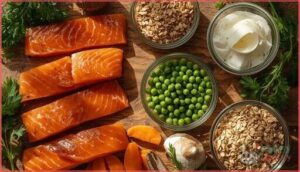
While protein often grabs the limelight in dog food discussions, carbohydrates, fats, and fiber play equally critical roles in maintaining your dog’s energy levels, digestive function, and overall health.
The quality of these macronutrients varies dramatically depending on their source, processing methods, and nutritional profile, which directly impacts how well your dog’s body can utilize them.
Understanding the standards that distinguish premium carbohydrate sources from empty fillers, identifying beneficial fat profiles rich in essential fatty acids, and recognizing fiber types that support gut health will help you evaluate whether a dog food truly delivers complete nutrition.
Whole Grains Vs. Refined Grains
When you’re evaluating dog food ingredients, understanding grain structure becomes essential to meeting your dog’s nutritional needs. Whole grains retain bran, germ, and endosperm—preserving fiber content, micronutrient density, and digestive health benefits that refined grains lose during milling.
While grain-free formulas have gained popularity, quality whole grains like brown rice and oats deliver steady glycemic impact, higher fiber, and B vitamins that support your dog’s overall vitality.
Quality Fat Sources for Energy and Health
Fat acts as your dog’s densest energy source, and the quality of fatty acid sources directly impacts fat metabolism, nutrient absorption, and long-term animal health. High-quality ingredients such as chicken fat, fish oil (salmon, sardines), and flaxseed deliver essential energy density while supporting cellular function, immune response, and organ vitality—provided you select formulas that maintain proper omega balance between saturated, monounsaturated, and polyunsaturated fats.
- Chicken fat supplies concentrated linoleic acid for skin and coat integrity.
- Fish oil from anchovies or mackerel provides EPA and DHA for cognitive and joint support.
- Flaxseed oil offers plant-based ALA, though dogs convert it to longer-chain omega fatty acids inefficiently.
- Coconut oil contains medium-chain triglycerides that your dog metabolizes rapidly into usable energy.
Omega-3 and Omega-6 Fatty Acids
Omega fatty acids—ALA, EPA, and DHA from fish oil or algae, along with linoleic acid from poultry fat or vegetable oils—are nutritional needs your dog can’t synthesize in adequate amounts.
Selecting formulas that balance omega-3 to omega-6 around 1:5 to 1:10 promotes inflammatory response, joint comfort, and skin health while meeting AAFCO nutrient requirements for complete dog food nutrition.
Fiber Sources and Digestive Health
Beyond omega fats, your dog’s gut health depends on quality fiber sources that support the canine microbiome, regulate transit time, and fuel digestive enzymes.
Beet pulp provides fermentable fiber benefits without spiking glucose, while inulin-based prebiotics feed beneficial bacteria, psyllium husk improves stool consistency, and rice or oat bran add bulk—each addressing specific canine dietary needs within complete dog nutrition and health formulas.
Vitamins, Minerals, and Functional Ingredients

Beyond the macronutrients that fuel your dog’s daily activities, a complex network of vitamins, minerals, and functional ingredients bolsters everything from immune function to cellular repair.
The quality and bioavailability of these micronutrients varies markedly based on their source, processing method, and chemical form, which directly affects how well your dog’s body can actually use them.
Understanding the difference between essential micronutrients and value-added functional ingredients helps you evaluate whether a food provides genuine nutritional benefits or just marketing appeal.
Essential Vitamins and Their Sources
Your dog’s nutritional needs hinge on vitamin sources that support cellular metabolism, immune function, and overall vitality. Vitamin D from fortified ingredients and fatty fish promotes calcium absorption for skeletal health.
Meanwhile, B-complex vitamins derived from quality protein and whole grains aid energy metabolism. Understanding nutrient bioavailability in pet nutrition helps you prevent vitamin deficiencies without relying solely on dietary supplements.
Mineral Quality and Absorption
Just as vitamin D drives calcium uptake, mineral bioavailability determines how efficiently your dog’s body harnesses nutrients like copper, zinc, and phosphorus. Absorption efficiency hinges on several factors that AAFCO-compliant formulas address through careful ingredient selection:
- Chelated minerals bind to amino acids, improving gut health and nutrient interactions
- Calcium-to-phosphorus ratios prevent skeletal imbalances
- Acidic environments boost iron solubility
- Competing minerals can block absorption when unbalanced
Mineral chelation often delivers better results compared to inorganic salts.
Superfoods and Beneficial Additives
Functional additives like turmeric, blueberries, and coconut oil deliver antioxidant benefits that support your dog’s cellular health when paired with wholesome nutrition from non-GMO fruits and vegetables.
Probiotic supplements and prebiotics boost gut microbiota, while omega-rich foods—salmon oil, flaxseed—provide essential omega fatty acids (EPA, DHA) that strengthen skin, coat, and inflammatory response.
These nutrient boosters complement high-quality ingredients, transforming standard formulas into all-encompassing wellness diets.
Synthetic Vs. Natural Nutrient Sources
Synthetic vitamins—isolated compounds engineered to replicate natural nutrients—often lack the cofactors and enzyme complexes found in whole food matrices, which can reduce nutrient bioavailability compared to natural additives derived from a natural diet.
While AAFCO permits both forms to meet nutritional needs, high-quality ingredients from nutrient complexes and bioengineered foods generally support enhanced absorption, helping you deliver peak wellness through targeted, evidence-based nutrition.
How to Read and Evaluate Dog Food Labels
You’ve chosen a high-quality dog food based on ingredients, but understanding the label itself is where real empowerment begins.
Pet food labels contain a wealth of information, yet the terminology can feel like a foreign language without proper guidance.
Let’s break down the four critical components you need to evaluate to make truly informed decisions about your dog’s nutrition.
Ingredient List Order and Significance
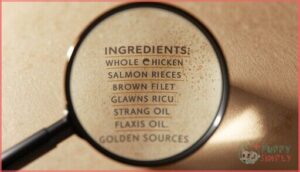
When you’re staring at a pet food label, the ingredient ranking system reveals your dog’s dinner in descending order by weight, meaning the first few items dominate the formula and dictate its nutritional profile.
- Protein Priority – Animal-based proteins (whole meat, poultry, fish) or protein meals listed first signal concentrated amino acid content, though moisture can inflate whole meat locations.
- Carbohydrate Placement – Whole grains or starches appearing early contribute significant energy and fiber.
- Fat Content – Quality oils positioned second or third provide essential fatty acids.
- Label Transparency – Ingredient analysis helps you distinguish purposeful nutrition from fillers.
Guaranteed Analysis Breakdown
Think of the guaranteed analysis as your baseline nutrient snapshot, listing minimum crude protein and fat percentages alongside maximum crude fiber and moisture content in accordance with AAFCO regulations.
To compare foods fairly, you’ll need dry matter calculations that strip out moisture content, revealing true nutrient density and protein quality beyond surface-level label claims that can mislead when evaluating what your dog actually receives.
AAFCO Nutritional Adequacy Statements

Beyond the numbers on the guaranteed analysis lies the nutritional adequacy statement, your definitive answer to whether a pet food truly meets your dog’s life stage requirements through AAFCO nutrient profiles.
- Feeding trials test products on real dogs over defined periods to verify growth or maintenance outcomes
- Formulation-based adequacy claims rely on calculated nutrient concentrations matching established profiles
- Adult maintenance statements require different protein and energy targets than growth and reproduction formulas
- All life stages designation means the dog food meets stricter nutritional needs across puppies, adults, and pregnant or nursing dogs
This statement confirms label compliance with standardized nutritional needs, helping you match food to your dog’s age and activity level.
Identifying Filler Ingredients and Additives

You’ll spot filler ingredients—corn starch, cellulose, or xanthan gum—listed toward the end of the ingredient panel, where they serve primarily as bulking agents rather than nutritional contributors.
Additive risks include artificial preservatives like BHA or undeclared processing aids that may escape routine ingredient screening despite regulatory compliance standards.
Effective filler detection requires comparing protein density against total weight, ensuring pet food safety isn’t compromised by excessive use of non-nutritive fillers and additives.
Safety Concerns and Quality Control Measures

Even the highest-quality ingredients won’t protect your dog if contamination occurs during processing, storage, or transport, which is why understanding safety protocols matters as much as reading labels.
The pet food industry operates under regulatory oversight designed to minimize microbial risks, chemical hazards, and manufacturing defects, though gaps in enforcement mean you’ll need to evaluate brands on their individual track records.
Let’s examine the specific contaminants that pose the greatest threat, the regulatory framework meant to prevent them, and how to assess whether a manufacturer truly prioritizes quality control.
Common Contaminants: Listeria, Salmonella, and Aflatoxins
Contaminants like listeria, salmonella, and aflatoxins represent significant bacterial risks and toxin control challenges in pet food safety, requiring rigorous contaminant testing and regulatory oversight.
Listeria can survive refrigeration and cause neurologic signs, while salmonella persists in low-moisture foods, triggering gastrointestinal illness.
Aflatoxins, produced by mold on corn and nuts, damage your dog’s liver through acute or chronic exposure.
FDA and AAFCO Regulatory Standards
Understanding who oversees pet food safety and regulation helps you make informed choices. The FDA regulates animal food under the FD&C Act, enforcing safety protocols for ingredients and labeling guidelines, while AAFCO provides industry standards through nutrient profiles and ingredient definitions that states adopt for regulatory compliance.
Together, these agencies establish enforcement actions against adulterated products, ensuring your dog’s food meets AAFCO standards for nutritional adequacy and food safety.
Brand Transparency and Ingredient Traceability
Regulations set the floor, but traceability and safety prove whether brands actually deliver high-quality ingredients beyond minimum compliance. Look for companies publishing supplier names, farm locations, and batch numbers that link every ingredient to its origin, ensuring ingredient sourcing transparency that exceeds AAFCO standards and reduces food recalls.
- Batch identifiers connect each bag to specific ingredient sources and processing dates
- Supplier audits with contaminant testing prove ongoing quality verification
- Third-party certifications validate animal welfare and environmental practices
- QR codes or product pages reveal country-of-origin data for transparency standards
- Supply chain visibility through public reports demonstrates accountability
Recall History and Quality Assurance
Traceability turns into action when food recalls occur, so review whether your brand documents lot-specific recall procedures and quality control audit standards within 24 hours of contaminant detection.
Companies with strong regulatory compliance maintain supplier certificates, batch testing records, and corrective action logs that prevent future safety failures, demonstrating that their supply chain and AAFCO-aligned food quality systems protect your dog beyond empty transparency claims.
Frequently Asked Questions (FAQs)
How to tell if dog food is high-quality?
High-quality dog food features specific animal proteins like chicken or salmon as the first ingredient, whole food sources rather than by-products, transparent ingredient sourcing, and AAFCO nutritional adequacy statements confirming balanced dietary needs.
What is the 95% rule in dog food?
When the label cuts through the noise, the 95% rule requires that named protein sources like chicken or salmon constitute at least 95 percent of the product’s weight, excluding processing water, ensuring AAFCO regulatory compliance.
How does seasonal availability affect ingredient quality?
Seasonal sourcing affects nutrient density and freshness because fresh harvest ingredients from peak crop rotation windows retain more vitamins and omega fatty acids.
Meanwhile, weather impact and supply chains can reduce quality when manufacturers substitute off-season alternatives.
Are organic ingredients always better for dogs?
Organic ingredients aren’t automatically preferable for pet nutrition, since complete, balanced nonorganic diets often deliver more reliable nutrients than organic formulas lacking AAFCO standards.
Though organic sourcing reflects environmental values and eco-friendly options, it offers benefits beyond measurable nutritional advantages.
What role does moisture content play?
You might think moisture levels don’t matter much, but water activity directly affects protein and fat ratios on a dry matter basis, altering nutrient density, shelf life, and your dog’s hydration needs.
How do storage conditions impact ingredient freshness?
Temperature Control, Humidity Levels, and Oxygen Exposure directly affect ingredient freshness, as refrigeration preserves nutrients while Light Protection prevents vitamin degradation.
Proper Moisture Management through airtight storage minimizes contaminants, ensuring safety without added preservatives.
Can ingredient quality vary between production batches?
Yes, ingredient quality varies between production batches due to raw material lot differences, processing conditions, and supplier variability.
This is why quality control testing and supply chain transparency matter when evaluating production consistency.
Conclusion
Your dog’s bowl isn’t just a meal—it’s a daily referendum on their long-term vitality. Dog food ingredient quality determines whether you’re investing in disease prevention or merely postponing nutritional deficiencies, and the distinctions between bioavailable proteins, whole-food nutrients, and marketing theater now rest squarely in your hands.
Armed with label-reading literacy and sourcing standards that separate ethical manufacturers from opportunistic brands, you’ve transformed from passive consumer into informed advocate for your dog’s health.
- https://blog.thepetstable.com/the-ultimate-wsava-dog-food-guide-standards-ingredients-vet-tips/
- https://www.aafco.org/consumers/understanding-pet-food/ingredient-standards/
- https://www.purina.com/articles/dog/health/nutrition/aafco-dog-food
- https://ud-machine.com/blog/fda-pet-food-recall-2024/
- https://www.fda.gov/animal-veterinary/animal-health-literacy/aflatoxin-poisoning-pets