This site is supported by our readers. We may earn a commission, at no cost to you, if you purchase through links.

You reach for a raw potato while prepping dinner, and your dog’s eyes light up with that familiar “share, please?” expression. Before you toss them a chunk, here’s what every dog owner needs to know: raw potatoes contain glycoalkaloids—toxic compounds that cooking destroys but raw consumption preserves.
These naturally occurring toxins, concentrated in green spots and sprouts, can trigger anything from mild stomach upset to serious neurological symptoms depending on how much your dog eats. While cooked potatoes offer vitamins and digestible carbohydrates, their raw counterparts pose genuine risks that aren’t worth gambling on.
Understanding the difference between safe and dangerous potato forms protects your dog from preventable poisoning while still letting you share this nutritious vegetable the right way.
Table Of Contents
- Key Takeaways
- Can Dogs Eat Raw Potatoes?
- Raw Potato Toxicity in Dogs
- How Raw Potato Affects Dog Health
- Symptoms of Raw Potato Poisoning
- Factors Influencing Toxicity Levels
- Safe Ways to Feed Potatoes to Dogs
- Comparing Potato Types for Dogs
- Health Benefits of Cooked Potatoes
- Healthy Alternatives to Raw Potatoes
- Top Potato-Based Dog Food and Treats
- Frequently Asked Questions (FAQs)
- Can cooked potatoes be shared with my dog?
- What are the potential health risks of feeding my dog potatoes?
- What is the best way to cook potatoes for my dog?
- How often can I feed my dog potatoes?
- Are potato skins safe for my dog to eat?
- Can dogs eat potato skins safely?
- Are instant mashed potatoes safe for dogs?
- What should I do if my dog ate a raw potato?
- Can puppies eat cooked potatoes?
- How often can dogs eat potatoes weekly?
- Conclusion
Key Takeaways
- Raw potatoes contain glycoalkaloids (solanine and chaconine)—toxic compounds concentrated in green spots and sprouts that cooking destroys but raw consumption preserves, triggering symptoms from stomach upset to neurological damage depending on dose.
- Cooking potatoes through boiling, baking, or roasting reduces glycoalkaloid levels by up to 40% while transforming resistant starch into digestible carbohydrates, making cooked potatoes a safe occasional treat when served plain and peeled.
- Toxicity severity depends on your dog’s size (smaller breeds reach dangerous thresholds faster), the amount consumed, and potato type—with green or sprouted potatoes carrying up to 500 mg glycoalkaloids per 100 grams compared to minimal levels in properly stored tubers.
- Sweet potatoes outperform white potatoes nutritionally for dogs, delivering more vitamin A, fiber, and antioxidants with a lower glycemic index, while cooked white potatoes should stay under 10% of daily calories to prevent weight gain and blood sugar spikes.
Can Dogs Eat Raw Potatoes?
No—dogs shouldn’t eat raw potatoes. The short answer comes with important context you need to understand before your dog encounters this common kitchen staple.
Let’s look at why owners even consider raw potatoes and what changes when you cook them.
Some owners lean toward raw feeding for perceived health benefits, while others prefer the safety and convenience of cooked meals—each approach has tradeoffs worth understanding in the raw vs cooked dog food debate.
Common Reasons Owners Consider Raw Potatoes
You might assume raw potatoes are harmless—just another crunchy snack. Owner misconceptions often stem from raw food trends or the belief that what dogs forage in nature is safe.
Online forums sometimes downplay dog toxicity risks from solanine and glycoalkaloids. Human influence and curiosity about pet nutrition drive these choices, but canine foraging instincts don’t protect against dog health risks.
When researching pet nutrition, it’s vital to consult a dictionary search engine for accurate information.
Differences Between Raw and Cooked Potatoes
Raw potatoes contain glycoalkaloids—solanine and chaconine—which cooking sharply reduces. Heat breaks down these compounds, lowering dog toxicity risk. Green or sprouted areas concentrate solanine.
Raw potato starch resists digestion, causing gas and bloating. Cooking gelatinizes starch, improving nutrient bioavailability (vitamin C, B6) and making potatoes easier on your dog’s system.
Cooking methods like boiling or baking increase safety and digestibility substantially. Researchers use scientific study methods to assess the nutritional value of cooked potatoes.
Raw Potato Toxicity in Dogs

Raw potatoes aren’t dangerous because they’re uncooked—they’re risky because of specific toxic compounds that survive in their raw state. These compounds belong to a chemical group called glycoalkaloids, and they’re part of the potato plant’s natural defense system.
If you’re also wondering about other foods your pup should avoid, check out which holiday foods are safe for dogs before sharing your next meal.
Understanding what these toxins are and why potatoes produce them helps explain the real risks your dog faces.
Glycoalkaloids (Solanine and Chaconine) Explained
Potatoes naturally produce glycoalkaloids—solanine and chaconine—as defense compounds against pests. These toxic alkaloids disrupt cell membranes in your dog’s body, forming pore-like structures that cause cellular damage.
Potatoes produce solanine and chaconine—toxic compounds that disrupt your dog’s cell membranes and cause cellular damage
They also inhibit acetylcholinesterase (an enzyme regulating nerve signals) and can cross the blood–brain barrier.
Green or sprouted potatoes contain markedly higher concentrations, making raw potato toxicity a genuine concern.
Nightshade Family Risks for Dogs
Potatoes belong to the Solanaceae family—nightshade plants that naturally accumulate glycoalkaloids for pest defense. When your dog ingests green potatoes or sprouted potatoes, solanine poisoning becomes a real risk. Canine neurotoxicity develops as these toxic compound effects disrupt nerve signaling and damage cells.
Watch for these glycoalkaloid risks:
- Gastroenteric signs (vomiting, diarrhea, abdominal pain)
- Neurologic effects (ataxia, disorientation, tremors)
- Cardiac complications with high-dose exposure
- Lethargy progressing to severe weakness
How Raw Potato Affects Dog Health

When your dog eats raw potato, the effects go beyond simple toxicity—there’s a cascade of physical reactions that hit the digestive system hard. Raw potato is tough to break down, and that creates real problems from throat to intestines.
While potatoes themselves aren’t ideal for dogs, exploring safe vegetable alternatives like those recommended for different breeds can help you add nutritious, digestible options to their diet without the raw potato risks.
Let’s walk through the two main ways raw potato disrupts your dog’s body.
If your dog does eat raw potato and develops digestive issues or skin irritation, switching to nutritious food that supports coat and gut health can help them recover faster.
Digestive Issues From Raw Potatoes
When your dog grabs a raw potato off the counter, you’re looking at more than a curious snack. Raw starch digestion is inefficient in canines, often triggering gastrointestinal upset. Uncooked potatoes resist breakdown, leaving larger fragments that ferment in the gut and cause vomiting, diarrhea, or bloating.
Green portions intensify gut irritation through solanine and other glycoalkaloid effects, compromising dog health and wellness beyond simple raw potato risks in canine nutrition.
Potential for Gastrointestinal Blockage
Beyond simple upset, starch fermentation can escalate into a genuine obstruction—raw potatoes swell in the stomach, and uncooked fragments may lodge in narrow passages of the intestinal tract.
Small dogs face higher gastrointestinal blockage risk when large pieces accumulate. Gut irritation compounds the problem, triggering vomiting that doesn’t always clear the material.
Digestive risks from canine toxicity demand immediate attention.
Symptoms of Raw Potato Poisoning

If your dog ate raw potato, you’ll want to know what to watch for. Symptoms range from mild digestive upset to more serious neurological effects—depending on how much solanine they ingested.
Here’s what mild and severe poisoning look like.
Mild Signs (Drooling, Nausea, Diarrhea)
If your dog grabs a chunk of raw potato, the earliest warnings often whisper through subtle changes. Drooling causes include oral irritation from glycoalkaloids—those bitter compounds trigger excess saliva.
Nausea symptoms like lip-licking and restlessness follow, signaling gastrointestinal upset brewing beneath the surface.
Diarrhea treatment starts with monitoring: loose stools within 24 hours suggest canine gastroenteritis from potato compounds, though mild cases usually resolve without aggressive intervention.
Severe Signs (Vomiting, Lethargy, Neurological Effects)
When gastrointestinal upset escalates beyond mild nausea, you’re facing severe toxicity territory. Solanine poisoning triggers a cascade demanding emergency care:
- Persistent vomiting lasting over two hours—vomiting causes include direct glycoalkaloid irritation and neurotoxic effects
- Profound lethargy symptoms with weakness or difficulty standing
- Neurologic signs like tremors, ataxia, or confusion indicating neurological damage
- Cardiorespiratory distress in severe cases
Toxicity and poisoning at this level require immediate veterinary intervention.
Factors Influencing Toxicity Levels

Not every dog faces the same risk when exposed to raw potato. The severity of glycoalkaloid toxicity depends on several measurable factors—some you can control, others you need to assess quickly.
Understanding these variables helps you gauge whether your dog’s situation requires immediate veterinary attention or careful monitoring at home.
Dog Size and Breed Sensitivity
Your dog’s body weight directly determines how much solanine becomes dangerous. Smaller breeds reach toxic thresholds with far less raw potato than large dogs—think mg per kg, not just total amount. Some herding breeds with MDR1 mutations may show heightened neurological sensitivity, though breed-specific glycoalkaloid data remain limited.
| Dog Size | Approximate Risk Threshold | Clinical Consideration |
|---|---|---|
| Toy/Small (25 kg) | Higher absolute quantity needed | Risk from bulk ingestion episodes |
| MDR1+ Breeds | Potential CNS vulnerability | Collies, Shepherds warrant caution |
| All Breeds | Dose-dependent toxicity | Size-dependent dosing principles apply |
Breed-specific risks and canine pharmacogenetics matter, but size-dependent dosing remains your primary safety calculation for glycoalkaloid sensitivity in dog health.
Amount and Type of Potato Consumed
Quantity matters more than you might think. A 50-gram piece of raw potato carries roughly 3.5–7 mg of solanine—well below toxic dose thresholds for most dogs. But increase that potato serving to several hundred grams, especially from green potato sources with elevated starch content, and you’re risking food poisoning.
Raw potatoes concentrate glycoalkaloids differently than cooked varieties, making veterinary medicine dosing calculations critical for dog nutrition and health.
Green and Sprouted Potato Risks
Green coloring flags glycoalkaloid toxicity at dangerous levels—up to 500 mg per 100 grams in sprouted potatoes. These toxic substances concentrate around the “eyes” where sprouts emerge, making sprout removal essential before any cooking.
Veterinary medicine data shows that improper potato storage under light accelerates solanine effects, turning a benign tuber into a genuine food poisoning risk for your dog.
Safe Ways to Feed Potatoes to Dogs
If you’ve decided to share potatoes with your dog, preparation matters more than you might think. The right approach removes toxins and makes nutrients available—while the wrong one can leave your dog facing digestive upset or worse.
Here’s how to prepare potatoes safely, from the sink to the bowl.
Proper Washing and Peeling Techniques

When preparing raw potatoes for canine diet plans, surface washing under running water removes surface contaminants—but that’s just the start. Soaking methods using diluted vinegar can increase glycoalkaloid removal from the peel.
Always peel to a depth of 3–4 millimeters to eliminate the majority of solanine. Cut away all eyes, sprouts, and green patches completely.
These potato preparation steps support food safety for pets through proper pet nutrition practices.
Importance of Cooking Potatoes Thoroughly

Thermal processing transforms raw potatoes into safe, digestible food for your dog. Cooking methods—boiling, baking, roasting—reduce glycoalkaloid levels by up to 40 percent while gelatinizing starch granules for ideal canine digestion.
You’ll see starch digestion jump from 60 to nearly 100 percent digestibility. This glycoalkaloid reduction protects pet health, aids nutrient retention, and ensures food safety for pets through proper canine nutrition practices.
Serving Size Recommendations

Once you’ve cooked your potatoes properly, portion control becomes your next safeguard in dog nutrition. Keep all treats—including potatoes—under 10 percent of your dog’s daily calorie intake to maintain proper nutrient balances.
- A 20-pound dog eating 600 calories daily gets no more than 60 treat calories
- Feed cooked potatoes 1–2 times weekly, never daily
- Start with bite-sized pieces: 1 teaspoon for small dogs, 1–2 tablespoons for large breeds
This feeding frequency protects against weight gain while supporting safe canine diet management.
Comparing Potato Types for Dogs

Not all potatoes are created equal in your dog’s bowl. White potatoes and sweet potatoes differ markedly in their nutritional profiles and how they impact canine health. Understanding these distinctions helps you make informed choices about which potato type—if any—belongs in your dog’s diet.
White Potatoes Vs. Sweet Potatoes
Sweet potatoes edge out white potatoes in dog nutrition by a clear margin. You’ll find they pack more vitamin A, fiber content, and antioxidants—all while carrying a lower glycemic index for steadier blood sugar.
White potatoes deliver quick energy but offer less micronutrient density. Neither belongs to toxic territory when cooked plain, yet sweet potatoes provide enhanced support for canine digestion and metabolic health.
Nutritional Benefits and Risks
Carb content in white potatoes runs high without proportional fiber benefits, triggering blood sugar spikes and weight gain risk—especially problematic for diabetic dogs.
Sweet potatoes deliver enhanced mineral values and energy sources through slower-digesting starch impact.
Raw potatoes carry solanine toxicity, causing vomiting and neurologic signs.
In animal nutrition, cooked sweet potato outperforms white potato across nearly every practical metric for canine health.
Health Benefits of Cooked Potatoes

Cooked potatoes aren’t just safe—they actually offer real nutritional value for your dog. When prepared correctly, they provide essential vitamins and minerals that support overall health.
Let’s look at the specific benefits you can expect when potatoes are part of your dog’s diet.
Vitamins and Minerals in Potatoes
When you cook a potato properly, you release a surprisingly dense mineral content and vitamin benefits your dog can actually absorb. A medium potato delivers roughly 27 mg of vitamin C, 620 mg of dietary potassium, plus measurable vitamin B6, iron, and magnesium—all contributing meaningfully to nutrient intake.
The low phytate structure enhances nutrient bioavailability, especially for iron absorption supported by that concurrent vitamin C.
Digestive Health Support
Cooked potatoes can help regulate your dog’s bowel movements—if you prepare them right. The digestible starch and fiber content work together to support colonic health through fermentation processes.
- Prebiotic effects: Potato fiber increases beneficial gut bacteria (Faecalibacterium, Blautia) while producing short-chain fatty acids that nourish intestinal cells
- Starch digestion: Cooking breaks down raw potato’s resistant starch, preventing vomiting and digestive upset from solanine exposure
- Fiber benefits: Moderate portions support stool quality without causing diarrhea
- Nutrient absorption: Cooked potatoes improve gut health markers when included properly in your dog diet
Never feed raw potato—stick to pet food safety guidelines limiting potatoes to 10 percent of daily calories.
Healthy Alternatives to Raw Potatoes

If you want to skip the guesswork with potatoes altogether, plenty of safer options give your dog nutrients without the nightshade baggage.
Fresh fruits and vegetables offer vitamins, fiber, and flavor—minus the solanine concern.
Let’s look at options that satisfy your dog’s taste buds while keeping toxicity off the table.
Safe Fruits and Vegetables for Dogs
You have safer options than raw potato for treats. Apples—minus seeds and core—deliver vitamin C and fiber your dog can digest easily. Blueberries offer antioxidants in bite-sized form. Carrots supply beta carotene without solanine risk. Cooked sweet potatoes provide fiber and B vitamins while avoiding the vomiting hazards raw potatoes present.
These choices support canine digestion and pet food safety principles.
Nutrient-Rich Dog Treat Options
Beyond fresh fruits and veggie snacks, veterinary guidance points to structured healthy chews and nutrient bites. Hydrolyzed-protein dog treats and snacks deliver 18 percent crude protein with 6–9 percent fat—ideal for sensitive stomachs under veterinary supervision.
Senior-targeted canine morsels contain glucosamine, chondroitin, and omega‑3 fatty acids supporting joint mobility and cognitive function.
These safe foods for dogs align with evidence-based dog nutrition and health principles for healthy eating.
Top Potato-Based Dog Food and Treats
If you want to include potatoes in your dog’s diet safely, commercially prepared options remove the guesswork. These products use cooked potatoes—eliminating solanine risks—and meet nutritional standards for canine health.
Below are three vet-recommended choices that balance safety with palatability.
1. Fromm Whitefish Dog Food
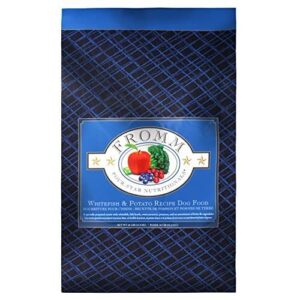
Fromm Four-Star Whitefish & Potato Recipe delivers fish-based protein alongside safe, fully cooked sweet potatoes and white potatoes—never raw potato, which poses solanine risk. This grain-inclusive Dog Food Reviews formula meets AAFCO standards for all life stages, featuring Whitefish Nutrition with approximately 23% crude protein and Fish Meal Benefits from menhaden and herring.
The Canine Diet Plans include omega-3s supporting skin health, while probiotics aid dog nutrition and diet balance.
Veterinary care professionals often recommend this for Pet Food Safety in dogs with sensitive stomachs, emphasizing proper pet owner responsibilities around cooked versus raw ingredients.
| Best For | Dog owners looking for a fish-based, all-life-stage formula that works for picky eaters or dogs with sensitive stomachs who need easily digestible protein. |
|---|---|
| Brand | Fromm |
| Age Range | All Life Stages |
| Item Form | Dry Kibble |
| Primary Ingredient | Whitefish |
| Contains Potato | Yes |
| Made in USA | Yes |
| Additional Features |
|
- Whitefish and multiple fish meals provide quality protein plus omega-3s that help keep your dog’s coat shiny and skin healthy.
- Meets nutritional standards for puppies through seniors, so you don’t need to switch foods as your dog ages or if you have multiple dogs at different life stages.
- Includes probiotics and a mix of grains, potatoes, and veggies for dogs who do well with complex carbs and need digestive support.
- Priced higher than many competitor brands at around $72 for a 26-pound bag, which adds up for larger dogs or multi-dog households.
- Some dogs may have loose stools or digestive upset when switching to this formula, especially if they’re not used to fish-based diets.
- Quality and availability can be inconsistent depending on where you buy it, and not every dog loves the fish flavor or kibble texture.
2. Portland Pet Food Fresh Dog Food Pouches
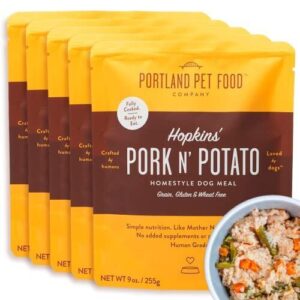
Portland Pet Food Company’s mixed fresh dog food pouches, including Hopkin’s Pork N’ Potato, use cooked potato flour, not raw potato, meeting Pet Food Safety standards with Fresh Ingredients human-grade quality.
These Meal Toppers support Dog Nutrition through limited ingredients (11 or fewer), providing B vitamins, iron, and magnesium while excluding preservatives and GMOs. Veterinary care professionals note their utility for Pet Wellness in picky eaters or sensitive stomachs.
As a pet owner responsibilities measure, use them as meal supplements or mixers—they approach but don’t fully meet AAFCO complete-diet thresholds, making rotation alongside balanced dog nutrition and diet essential.
| Best For | Dog owners looking for a flexible, human-grade topper or mixer to boost nutrition and appeal for picky eaters, senior dogs, or pets with sensitive stomachs. |
|---|---|
| Brand | Portland Pet Food Company |
| Age Range | All Life Stages |
| Item Form | Pate |
| Primary Ingredient | Pork |
| Contains Potato | Yes |
| Made in USA | Yes |
| Additional Features |
|
- Human-grade ingredients with no preservatives, fillers, or artificial additives—just whole meats, vegetables, and simple carbs like potato flour.
- Works three ways: as a full meal, a 50/50 mixer with kibble, or a topper to make regular food more appealing.
- Shelf-stable and microwave-safe pouches make feeding convenient at home or on the road.
- Not fully AAFCO-balanced as a standalone meal, so you’ll need to rotate recipes or pair with complete kibble for long-term feeding.
- Pricier than traditional kibble, which adds up fast if you have large dogs or multiple pets.
- Some dogs may have digestive upset during the transition, especially if they’re not used to richer, fresher food.
3. Healthfuls Sweet Potato Dog Treats
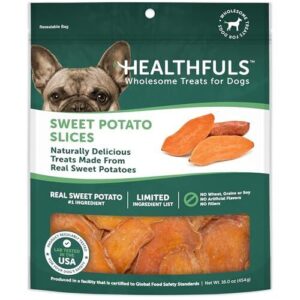
Sweet potatoes aren’t just safer than white potatoes—they’re nutritionally richer for your dog. Healthfuls Sweet Potato Dog Treats deliver dried sweet potato slices with skin intact, maximizing vitamin A (1814 IU/kg) and beta carotene (907 mcg/kg) for eye health and immune function.
At 34 calories per 12-gram wafer, they’re a low-fat training reward compliant with Pet Food Regulations and Natural Ingredients Benefits standards.
Feed 0.5 to 3 treats daily based on your dog’s weight, supporting Canine Digestive Health through 8% fiber content while maintaining Sweet Potato Nutrition principles central to healthy eating for dogs.
| Best For | Dog owners looking for a simple, low-fat treat made from a single whole-food ingredient, especially helpful for pups with food sensitivities or those needing extra fiber and vitamin A. |
|---|---|
| Brand | HEALTHFULS |
| Age Range | All Life Stages |
| Item Form | Wafer |
| Primary Ingredient | Sweet Potato |
| Contains Potato | Yes |
| Made in USA | Yes |
| Additional Features |
|
- Just one main ingredient (dried sweet potato with skin) means fewer allergens and fillers, plus you get natural vitamin A, beta carotene, and fiber in every slice.
- Low calorie and low fat (only 34 calories per treat, 0.5% fat) makes them a guilt-free training reward or everyday snack.
- Lab-tested in the USA and made in a facility certified to Global Food Safety Standards, so quality control is built in.
- The slices can be too big for small dogs and might need cutting with scissors, which adds a prep step.
- They dry out fast and turn rock-hard if you don’t seal the pouch tightly after opening.
- The chewy, dense texture isn’t every dog’s favorite—some pups find them hard to tear or just aren’t interested.
Frequently Asked Questions (FAQs)
Can cooked potatoes be shared with my dog?
Yes—but only plain boiled, baked, or steamed potatoes without butter, salt, or seasonings.
Cooked potatoes offer safe dog nutrition and diet support as an occasional treat, following pet food guidelines and veterinary advice on healthy treat options.
What are the potential health risks of feeding my dog potatoes?
Even cooked potatoes carry risks—glycoalkaloid toxicity from green skins, digestive issues from high starch, and potential obstruction.
They can also cause blood sugar spikes and contribute to obesity.
Additionally, fatty preparations may lead to pancreatitis, and rare potato allergies require emergency veterinary care.
What is the best way to cook potatoes for my dog?
Boiling without seasoning ranks as the safest cooking method—it softens starch, preserves nutrients, and avoids fats. Baking plainly works too, but skip oils.
Always peel, cool, and portion according to your dog’s size.
How often can I feed my dog potatoes?
You can offer your dog plain, cooked potatoes once daily in small amounts—within 10 percent of total daily calories.
Adjust feeding guidelines based on dog size, health conditions, and overall canine nutrition needs.
Are potato skins safe for my dog to eat?
Potato skins concentrate solanine, a toxin that triggers digestive hazards and solanine poisoning in dogs. Raw skin risks are highest; cooked skin safety improves slightly, but peeling eliminates toxic skin effects entirely, protecting dog nutrition and diet.
Can dogs eat potato skins safely?
No—you should remove potato skins before feeding your dog. Skins concentrate solanine and chaconine (glycoalkaloid toxins), even after cooking. Skin removal eliminates the highest-risk tissue and reduces both digestive risks and neurological effects.
Are instant mashed potatoes safe for dogs?
Instant mix products aren’t toxic by themselves, but sodium risks and seasoning dangers—including garlic or onion powder—make them unsafe.
Plain, home-cooked potatoes remain the better choice for canine nutrition and pet care.
What should I do if my dog ate a raw potato?
When panic strikes like a cold wave, stay calm. Remove any remaining potato immediately, note the amount and color, and watch for vomiting or neurologic signs within eight hours. Contact your vet or emergency pet care for toxicity levels assessment and vet guidance on solanine effects.
Can puppies eat cooked potatoes?
Yes, puppies can eat cooked potatoes in small amounts—plain, soft, and unseasoned. However, growing pups need protein-rich diets, so cooked potato should only supplement complete puppy food, not replace essential nutrients required for healthy development.
How often can dogs eat potatoes weekly?
Wondering if you can serve potatoes every day? Limit cooked potatoes to no more than once or twice weekly as occasional treats—never exceeding 10 percent of your dog’s total daily caloric intake to prevent weight gain.
Conclusion
Better safe than sorry holds especially true when considering whether dogs can eat potatoes raw. The glycoalkaloid risk isn’t worth the gamble—cooking eliminates toxins while preserving nutritional value.
Your dog depends on you to distinguish between harmless kitchen scraps and potential poisons. Stick with thoroughly cooked, plain potatoes in moderation, and you’ll provide safe nourishment without the neurological and gastrointestinal dangers raw varieties bring. Smart preparation protects your companion from preventable harm.