
This site is supported by our readers. We may earn a commission, at no cost to you, if you purchase through links.

You’ve probably reached for your morning oatmeal only to find your dog staring up at you with those irresistible eyes, silently begging for a taste. Before you share your breakfast, you need to know the truth: yes, dogs can eat cooked oatmeal, but only when it’s prepared the right way.
Plain oatmeal cooked in water offers fiber, vitamins, and minerals that support your dog’s digestive health, but the wrong preparation—like adding sugar, salt, or artificial sweeteners—can quickly turn this wholesome grain into a health hazard.
The key lies in understanding proper portions, safe cooking methods, and which dogs benefit most from this occasional treat.
Table Of Contents
- Key Takeaways
- Can Dogs Eat Cooked Oatmeal?
- Nutritional Benefits of Cooked Oatmeal for Dogs
- Risks of Feeding Cooked Oatmeal to Dogs
- How to Prepare Cooked Oatmeal for Dogs
- Safe Serving Sizes for Dogs
- Signs of Oatmeal Sensitivity or Allergy in Dogs
- Tips for Introducing Cooked Oatmeal to Your Dog
- Healthier Alternatives to Oatmeal for Dogs
- Oatmeal-Based Dog Foods and Treats to Try
- Frequently Asked Questions (FAQs)
- How much oatmeal should I feed my dog?
- How often should I feed oatmeal to my dog?
- What are the potential risks of feeding oatmeal to my dog?
- Are there any commercial foods that contain oatmeal?
- What is the best way to transition my dog to oatmeal?
- Can puppies safely eat cooked oatmeal too?
- Does oatmeal help with dog skin conditions?
- Can diabetic dogs eat cooked oatmeal regularly?
- Is steel-cut oatmeal better than rolled oats?
- Can oatmeal replace regular dog food meals?
- Conclusion
Key Takeaways
- Dogs can safely eat plain, cooked oatmeal made with water, but you should avoid adding sugar, salt, artificial sweeteners, chocolate, or raisins.
- Oatmeal offers fiber, vitamins, and minerals that support your dog’s digestion, energy, and overall health when served in moderation.
- Overfeeding oatmeal can lead to weight gain, digestive upset, or allergic reactions, so stick to small portions once or twice a week and watch for any signs of sensitivity.
- Start with a tiny taste, gradually increase the amount, and always consult your veterinarian if your dog has allergies, diabetes, or special dietary needs.
Can Dogs Eat Cooked Oatmeal?
Yes, your dog can eat cooked oatmeal, but only if it’s prepared the right way. Plain, unsweetened oatmeal cooked in water is generally safe for most canines and can fit into a balanced canine diet. The soluble fiber in oats, called beta-glucan, promotes healthy digestion in many dogs when you serve it in moderation.
However, you’ll need to skip any added sugar, salt, artificial sweeteners, or flavorings that often sneak into human breakfast bowls. Some dogs with grain sensitivities or oat allergies won’t tolerate it well, so watch for signs of digestive upset after the first serving. Always let the oatmeal cool to lukewarm before offering it to prevent mouth burns.
Think of oatmeal nutrition as a supplement to your pet’s regular meals, not a replacement for complete dog food safety. When evaluating the scientific basis of dog nutrition, consider the importance of methodological rigor in study summaries.
Nutritional Benefits of Cooked Oatmeal for Dogs

Cooked oatmeal isn’t just a filling breakfast for your dog—it’s packed with nutrients that support their overall health. From fiber that keeps digestion running smoothly to vitamins that fuel their body, oats offer real benefits when prepared correctly. But before adding any new food to their diet, check what Chihuahuas can and can’t eat to avoid common ingredients that might harm them.
Let’s break down the key nutrients in oatmeal and how they help your dog thrive. Just make sure it’s plain and unseasoned—dogs with sensitive skin need gentle ingredients, much like choosing the right products when bathing dogs with skin conditions.
Fiber and Digestive Health
One of oatmeal’s standout advantages is its fiber content, which plays a key role in your dog’s digestive health. The soluble fiber helps form softer, bulkier stools that move smoothly through the intestines, preventing constipation.
Meanwhile, this fiber feeds beneficial gut bacteria, supporting microbiome balance and producing short-chain fatty acids that keep your dog’s digestive system functioning well.
Vitamins and Minerals in Oatmeal
Beyond fiber and digestion, oatmeal delivers essential vitamins and minerals that benefit your dog’s overall health. Here’s what a serving provides:
- Manganese (2–3 mg per cup) assists in metabolism and antioxidant processes
- Phosphorus (180–230 mg) strengthens bones and energy pathways
- Magnesium (60–70 mg) promotes muscle and nerve function
- Iron (1–2 mg) aids oxygen transport throughout the bloodstream
- Vitamin B1 fuels energy production and metabolic efficiency
These nutrients work together, creating mineral balance that complements your dog’s regular diet. If your dog shows signs of sensitivity, consider safe vegetable alternatives like cucumber that are gentle on digestion and naturally hydrating.
Antioxidant Properties
Oatmeal contains polyphenol compounds called avenanthramides, which combat oxidative stress by neutralizing free radicals in your dog’s cells. These antioxidants reduce inflammation and foster cellular health, though canine-specific research remains limited. The antioxidant capacity depends on minimal processing—plain cooked oats preserve more beneficial compounds than instant varieties. For dogs with sensitive stomachs, combining oatmeal with easily digestible ingredients can maximize both nutritional benefits and gastrointestinal comfort.
| Antioxidant Component | Avenanthramides Benefits |
|---|---|
| Anti-inflammatory action | Reduces tissue inflammation |
| Free radical scavenging | Protects cells from damage |
| Fosters gut microbiota | Enhances digestive balance |
Risks of Feeding Cooked Oatmeal to Dogs

While cooked oatmeal offers nutritional benefits, it’s not without potential downsides for your dog. Even plain, properly prepared oatmeal can cause problems if you’re not careful about what you add, how much you serve, or how your individual dog responds.
Let’s look at the main risks you need to watch for when feeding oatmeal to your furry friend.
Additives and Harmful Ingredients
The wrong additives can turn a healthy bowl of oatmeal into something dangerous. Even trace amounts of certain ingredients can cause serious harm, so you’ll want to avoid anything pre-flavored or sweetened. Here’s what never belongs in your dog’s oatmeal:
- Artificial sweeteners (especially xylitol) are extremely toxic and cause life-threatening drops in blood sugar
- Chocolate or cocoa powder contains compounds poisonous to dogs
- Raisins, grapes, or macadamia nuts trigger severe toxicity
- Excessive salt leads to dehydration and sodium poisoning
- Nutmeg and certain spices cause gastrointestinal upset and other reactions
Stick with plain, unseasoned oatmeal cooked in water—nothing else added.
Overfeeding and Weight Gain
Even healthy treats can tip the scales if you’re not careful with portion control. Oatmeal is calorie-dense and carb-heavy, meaning daily caloric intake can quickly exceed your dog’s needs. A 10% daily caloric excess gradually produces measurable weight gain, raising obesity risks that affect roughly 25-30% of pet dogs.
Obesity increases the likelihood of diabetes, joint problems, and shortened lifespan, making healthy feeding practices essential for long-term dog health.
Obesity shortens your dog’s life and fuels diabetes and joint disease, so healthy feeding habits aren’t optional
Digestive Upset and Allergies
Sensitivity to oatmeal can show up as loose stools or diarrhea within 24 to 72 hours, especially when you’ve introduced it too quickly. True canine allergies to oats are uncommon compared with beef or dairy, but fiber overload can still trigger stomach issues like bloating or gas.
Watch for itching, ear infections, or skin redness—signs that your dog’s gut health may be reacting negatively to this grain.
How to Prepare Cooked Oatmeal for Dogs
Preparing oatmeal for your dog doesn’t require culinary skills, but it does require attention to a few important details. The right cooking method and ingredient choices can make the difference between a nutritious treat and a stomach-ache waiting to happen.
Let’s walk through the best practices, safe toppings, and ingredients you should never mix with your dog’s oatmeal.
Cooking Methods and Best Practices

Getting the prep right makes all the difference for your dog’s digestive health. Follow these steps for ideal nutrient retention and canine digestion:
- Start with plain rolled or quick oats—never flavored packets that hide harmful additives
- Boil in unsalted water until soft and gelatinous, making soluble fiber easier to absorb
- Cool completely before serving to protect your pup’s mouth and improve palatability
Recommended Ingredients and Toppings

You can boost plain oatmeal’s nutritional value with smart add-ins.
Try a dollop of plain, unsweetened yogurt as a Probiotic Supplement, or mix in pumpkin puree and ground flaxseed for extra Fiber Sources.
A small drizzle of olive oil adds Healthy Fats for coat health, while blueberries serve as Nutrient Boosters.
A tiny pinch of plain cinnamon counts among Safe Spices that won’t upset digestion.
Foods to Avoid Mixing With Oatmeal

Some toppings can turn a healthy bowl of oatmeal into a real danger for your dog. Never add chocolate, which contains theobromine that causes vomiting, rapid breathing, and heart problems. Raisins and grapes may trigger acute kidney failure, while artificial sweeteners like xylitol lead to seizures and liver damage.
Skip high-fat toppings like butter or cream—they increase pancreatitis risk. Avoid salt and salty mix-ins that cause dehydration and blood pressure spikes.
Safe Serving Sizes for Dogs

Getting the portion size right matters more than you might think. Too much oatmeal can lead to digestive upset or unwanted weight gain, while the right amount offers all the benefits without the risks.
Let’s break down how much cooked oatmeal is safe based on your dog’s size and how often you should serve it.
Portion Guidelines by Weight
Your dog’s size matters when measuring oatmeal portions. Small dogs under 10 pounds need just 1/4 cup dry oats (yielding about 1/2 cup cooked), while medium canines between 10–30 pounds can handle 1/2 to 1 cup cooked.
Large dogs weighing 30–60 pounds do well with 1 to 1.5 cups, and giant breeds over 60 pounds shouldn’t exceed 1.5 cups cooked per serving to maintain proper caloric intake.
Frequency of Feeding Oatmeal
Knowing the right portion is just the start—frequency matters too. You shouldn’t make oatmeal a daily staple in your dog’s diet. Instead, offer it once or twice weekly as a supplement or meal topper, adjusting other carbs to maintain balanced caloric intake.
Key feeding schedules for safe oatmeal portions:
- Start with very small servings and monitor digestion for 24–48 hours
- Limit to 1–2 times per week for most canine companions
- Prioritize regular dog food as the primary nutrient source
- Consult your veterinarian for breed-specific recommendations
Signs of Oatmeal Sensitivity or Allergy in Dogs

While most dogs tolerate oatmeal without any problems, some can develop sensitivities or allergic reactions to this grain. Knowing what to watch for helps you catch potential issues early, before they become more serious.
Let’s look at the signs that suggest your dog mightn’t be handling oatmeal well, and what steps you should take if a reaction occurs.
Common Allergic Reactions
Food allergies in dogs can show up in ways you mightn’t expect. Watch for skin reactions like itching, hives, or red patches—these signal canine hypersensitivity.
Gastrointestinal symptoms such as vomiting or diarrhea are common with food sensitivities. Facial swelling, respiratory distress, or even anaphylaxis response require immediate vet care.
Recognizing these dog food allergies early protects your dog’s overall canine health.
What to Do if Your Dog Reacts
If your dog shows signs of an allergic reaction, act fast. Stop feeding oatmeal immediately and watch for toxic symptoms that worsen. Seek emergency care if you notice difficulty breathing, facial swelling, or collapse. Contact your vet for veterinary guidance on managing food allergies and sensitivities. Here’s when veterinary advice becomes critical for canine health:
- Persistent vomiting or diarrhea lasting more than 24 hours
- Seizures or loss of consciousness requiring immediate intervention
- Swelling around the face, throat, or eyes
- Respiratory distress or labored breathing patterns
- Rapidly worsening symptoms despite stopping oatmeal
Document what your dog ate, when symptoms started, and their severity. Don’t give human medications—some are toxic to dogs. Follow your vet’s treatment plan carefully for reaction prevention going forward with dog food allergies and sensitivities.
Tips for Introducing Cooked Oatmeal to Your Dog

When you’re ready to add oatmeal to your dog’s diet, a slow and careful approach can make all the difference in how well they adjust to this new food. Start small, watch closely, and give your pup’s system time to adapt. Here’s what a healthy shift looks like:
- Begin with a tiny taste: Mix just one teaspoon of plain cooked oatmeal into your dog’s regular dog food, then monitor their response for 24-48 hours before offering more.
- Increase portions gradually: If there’s no digestive upset, slowly work up to the recommended serving size over 7-10 days.
- Keep a simple diary: Note what you fed, how much, and any changes in energy, stool quality, or appetite.
- Stick with plain recipes: During this gradual introduction phase, avoid adding toppings—you want to isolate how your dog manages the oatmeal itself before experimenting with canine nutrition extras.
Dog monitoring helps catch sensitivities early, protecting your dog’s digestive health.
Healthier Alternatives to Oatmeal for Dogs

Oatmeal isn’t the only grain-based option that can benefit your dog’s diet. If your pup shows sensitivity to oats, has specific dietary needs, or you’re simply looking to add variety, several wholesome alternatives offer similar nutritional advantages.
Let’s explore other safe grains and vegetables, plus guidance on when to reach for them instead.
Other Safe Grains and Vegetables
If your dog doesn’t tolerate oatmeal well, you’ve got plenty of nutritious options. Barley benefits canine digestion with its soluble fiber, while quinoa nutrition delivers complete protein. Brown rice works beautifully in bland diets, and millet facts show it’s gentle on sensitive stomachs.
Beyond grains, carrots and sweet potatoes offer fiber with fewer calories, supporting your dog’s overall diet without compromising digestive health.
When to Choose Alternatives
Tolerance isn’t universal—your dog’s unique physiology sometimes demands a different path. Choose gluten-free alternatives if allergy testing confirms food sensitivity, or when diet shift involves prescription foods that conflict with grains.
If caloric needs are already met, adding oatmeal risks excess weight. Dogs with food allergies or a sensitive stomach benefit from options that support canine digestive health without triggering persistent upset.
Oatmeal-Based Dog Foods and Treats to Try
If you’d rather not cook oatmeal from scratch every time, several dog food brands offer oatmeal-based products that are already balanced and convenient. These options take the guesswork out of preparation while still providing the nutritional benefits of oats.
Here are two trusted brands that incorporate wholesome oatmeal into their formulas.
Honest Kitchen Whole Grain Dog Food
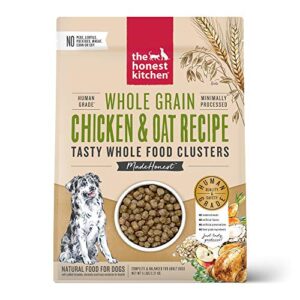
If you’re looking for a convenient way to add oatmeal to your dog’s diet, The Honest Kitchen Whole Grain Chicken & Oat recipe offers human-grade ingredients without fillers or artificial preservatives.
This dehydrated dog food features whole grain oats alongside real chicken, providing balanced dog nutrition that aids digestion and pet wellness. You can use it as a complete meal or sprinkle it over your pup’s regular food for a healthy ingredients boost.
At $27.59 for a 5-pound bag, it’s suitable for dogs of all life stages.
- Made with 100% human-grade ingredients including real chicken and whole grain oats, with no fillers, artificial preservatives, or questionable additives
- Cold-pressed and dehydrated process maintains nutrients and flavor while supporting better digestion and coat health
- Versatile enough to use as standalone food or as a nutritious topper for picky eaters across all life stages
- Higher price point at $27.59 for 5 pounds compared to standard kibble options
- Packaging issues reported by some users, including difficulty resealing and excessive powder at the bottom of bags
- Requires gradual transition period to prevent digestive upset, and may not suit dogs with specific grain sensitivities
Open Farm Oven Baked Dog Treats

For a crunchy, convenient treat option, Open Farm Oven Baked Dog Treats deliver farm-sourced chicken and wholesome oatmeal in an 8-ounce pouch for $9.99. These healthy dog treats are crafted with traceable, antibiotic-free ingredients and packed with probiotics to support pet wellness and dog nutrition.
They’re suitable for all life stages and work well for training or everyday rewards. Just remember that dog treats should complement, not replace, balanced dog food, and watch portion sizes to maintain your pup’s healthy weight through mindful pet care.
- Oven-baked crunch with farm-to-bowl chicken and no antibiotics or growth hormones
- Probiotics included to help support healthy digestion
- 100% traceable ingredients give you transparency about what you’re feeding
- Some dogs might not enjoy the taste or texture, and these aren’t returnable if your pup passes
- Treats can be smaller than expected based on the pouch size
- Overfeeding can lead to weight gain, so portion control matters
Frequently Asked Questions (FAQs)
How much oatmeal should I feed my dog?
Small dogs under 20 pounds can have ¼ cup of cooked oatmeal daily, medium dogs ½ cup, and large dogs ¾–1 cup. Offer it 1–2 times weekly as a supplement, not a meal replacement.
How often should I feed oatmeal to my dog?
Most dogs thrive when oatmeal portions remain occasional—twice weekly at most. This feeding frequency prevents digestive upset and maintains caloric balance in their diet.
It also aids dog nutrition without overwhelming their digestion or disrupting nutrient timing.
What are the potential risks of feeding oatmeal to my dog?
The main risks include toxic ingredients like xylitol or chocolate, fiber overload causing digestive issues, potential allergic reactions, and nutrient imbalance if oatmeal replaces balanced meals in your dog’s diet.
Are there any commercial foods that contain oatmeal?
Many brands now include wholesome grains in their formulas—you’ll spot oatmeal listed on pet food labels as “oats” or “rolled oats” among the first five ingredients, supporting dog nutrition with fiber and gentle digestibility.
What is the best way to transition my dog to oatmeal?
Start by mixing just 1–2 tablespoons of plain, cooked oatmeal into your dog’s regular food. Gradually increase the portion over 7–14 days while monitoring for digestive changes, ensuring a smooth shift.
Can puppies safely eat cooked oatmeal too?
Yes, puppies can enjoy small amounts of plain cooked oatmeal as an occasional treat. Picture a tiny spoonful—just 1–2 teaspoons for small breeds—offering gentle fiber support for their developing digestive systems without overwhelming delicate tummies.
Does oatmeal help with dog skin conditions?
Oatmeal may help soothe irritated skin in dogs through its anti-inflammatory compounds, particularly when using colloidal oatmeal products.
However, it’s not a cure for underlying dermatologic conditions—always consult your veterinarian for proper allergy testing.
Can diabetic dogs eat cooked oatmeal regularly?
While low-glycemic oatmeal might seem beneficial for canine blood sugar control, diabetic dog nutrition requires vet guidance before adding it.
A few tablespoons weekly can support health and fiber intake—if your veterinarian approves based on individual dog diabetes management.
Is steel-cut oatmeal better than rolled oats?
Both forms deliver comparable fiber and dog nutrition, so choose based on your pup’s texture preference.
Rolled oats cook faster and softer, while steel-cut oats offer a chewier bite with slightly slower digestion.
Can oatmeal replace regular dog food meals?
No, oatmeal shouldn’t replace regular dog food. It lacks complete protein, essential fatty acids, and critical vitamins your dog needs.
Think of it as a supplement to balanced diets, not a meal replacement for proper canine nutrition. For more information on safe oat consumption, consider the dog food guidelines.
Conclusion
The bowl you fill today shapes the health your dog will carry tomorrow. When you ask “can dogs eat oatmeal cooked,” the answer hinges on your choices: plain preparation, proper portions, and vigilant ingredient awareness.
This simple grain becomes either nutritious fuel or digestive trouble depending on how you serve it. Start small, watch closely, and let your dog’s response guide you. Their wellbeing lives in these details—and now you hold the knowledge to get them right.
- https://www.ncbi.nlm.nih.gov/pmc/articles/PMC4325078/
- https://www.journal-advocate.com/ci_20620060/hill-omega-3-and-be-inflammation-free/
- https://pangovet.com/?utm_source=dogster&utm_medium=article&utm_campaign=dog_eat_drink
- https://petcorner.pangovet.com/pet-nutrition/dogs/human-foods-that-are-safe-for-dogs-to-eat/
- https://www.amcny.org/find_doctor/carly-fox/