This site is supported by our readers. We may earn a commission, at no cost to you, if you purchase through links.
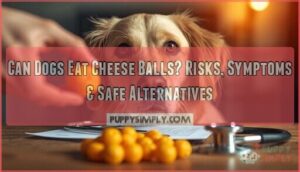
That satisfying crunch of cheese balls makes them hard to resist—and your dog knows it. The moment you crack open a container, those attentive eyes are watching, hoping for just one taste.
Before you toss one their way, you should know that cheese balls pack a dangerous combination of high fat, excessive salt, and artificial additives that can wreak havoc on your dog’s digestive system. While a single cheese ball likely won’t send you rushing to the emergency vet, regular snacking can trigger pancreatitis, sodium poisoning, and a host of uncomfortable symptoms.
Understanding what makes these snacks so appealing to dogs—and why they’re so problematic—helps you make smarter choices about treats that won’t compromise your pet’s health.
Table Of Contents
- Key Takeaways
- Can Dogs Eat Cheese Balls Safely?
- Health Risks of Cheese Balls for Dogs
- Toxic Ingredients in Cheese Balls
- Effects of Cheese Balls on Different Dogs
- Digestive and Nutritional Issues
- What to Do if Your Dog Eats Cheese Balls
- Safe Alternatives to Cheese Balls
- Guidelines for Safe Treat Feeding
- Frequently Asked Questions (FAQs)
- Can dogs have Cheetos cheese balls?
- Can dogs have cheese balls every day?
- Can dogs eat mozzarella cheese balls?
- Can dogs eat cheese puffs?
- Can dogs eat cheese balls?
- How many cheese balls should a dog eat a day?
- Can dogs eat Utz Cheese balls?
- Can I feed my dog cheese balls?
- Can my dog eat a Cheeto Puff?
- Are any cheeses toxic to dogs?
- Conclusion
Key Takeaways
- Cheese balls are not safe for dogs due to their dangerous combination of high fat (risking pancreatitis), excessive sodium (potentially causing poisoning), and artificial additives that can trigger digestive upset and allergic reactions.
- Some cheese ball varieties contain toxic ingredients like onion and garlic powder that damage red blood cells and cause hemolytic anemia, with powdered forms delivering concentrated doses that build up in your dog’s system over time.
- While a single cheese ball likely won’t require emergency care, you should watch for symptoms like vomiting, diarrhea, lethargy, breathing difficulty, or neurological changes within 2-24 hours and contact your vet if these persist or worsen.
- Safe alternatives include plain natural cheese in dice-sized portions, homemade cheese treats with controlled ingredients, or healthy snacks like carrots and blueberries that support your dog’s nutrition instead of threatening their health.
Can Dogs Eat Cheese Balls Safely?

The short answer is no—cheese balls aren’t safe for dogs. While your pup might be drawn to that cheesy smell and crunchy texture, these snacks pack ingredients that can cause real problems for their health.
The same goes for ice cream and frozen treats—they might seem harmless, but dairy and sugar spell trouble for your dog’s stomach.
Let’s look at why dogs find cheese balls so tempting, what’s actually in them, and the risks you should know about.
Why Dogs Like Cheese Balls
Canine taste buds naturally gravitate toward cheese balls for several compelling reasons. Your dog’s keen nose picks up on the strong aroma of cheese and seasonings, making these snacks irresistible. Here’s why cheese balls catch their attention:
- High fat content triggers their preference for rich, calorie-dense foods
- Salty, savory flavor profiles appeal to their taste preferences
- Crunchy textures hold their interest and encourage nibbling
- Cheese proteins provide familiar tastes many dogs readily recognize
However, it’s important to be aware of the potential dangers, such as the high fat and salt risks associated with cheese balls for dogs.
Common Cheese Ball Ingredients
Most cheese balls start with cream cheese or cheddar as the base, combined with sour cream or mayonnaise for creaminess.
You’ll find ingredients like cornmeal, whey, and cheese powder coating the outside. Commercial brands like Utz Cheese Balls pack in artificial flavors, high sodium content, and elevated fat levels.
While natural cheese appears harmless, the dairy content and additives make these snacks problematic for your dog. For more on classic appetizer cheese balls, their ingredients and how they differ from snack varieties, see this thorough guide.
General Risks for Dogs
Beyond problematic ingredients, you’re facing real pet safety concerns when your dog gets into these snacks. Overeating can trigger stomach upset and vomiting within hours.
High salt levels may cause excessive thirst or even sodium ion poisoning in severe cases. Fatty snack foods dramatically increase pancreatitis risk, showing up as abdominal pain and lethargy.
High salt in cheese balls can cause severe thirst, sodium poisoning, and pancreatitis in dogs
Some dogs experience allergic reactions to artificial additives, while choking hazards remain a constant worry requiring immediate veterinary care.
Health Risks of Cheese Balls for Dogs

While cheese balls might seem harmless, they pose several serious health risks that every dog owner should understand.
The combination of high fat, excessive sodium, and artificial ingredients can affect your dog’s body in ways that aren’t immediately obvious. Let’s look at the three main health concerns you need to watch for.
High Fat and Pancreatitis
One of the biggest dangers of fat intake from snacks like cheese balls is pancreatitis, a painful inflammation of your dog’s pancreas.
High fat treats flood the system with fatty acids, triggering metabolic stress and pancreas damage. Even a single high-fat binge can spark an attack, especially in vulnerable dogs, making dietary fats from processed snacks particularly risky.
Excessive Salt and Sodium Poisoning
Besides the fat content, cheese balls pack dangerously high salt levels that can cause sodium overload in your dog’s system. Excessive salt creates hypernatremia and electrolyte imbalance, pulling water from brain cells through fluid shifts.
Since many dogs are lactose intolerant, dairy-heavy foods like Alfredo sauce pose similar digestive risks and should be avoided alongside cheese balls.
This sodium ion poisoning leads to confusion, seizures, and in severe cases, life-threatening toxic effects. Even moderate amounts from these toxic foods for pets can harm your dog’s health and nutrition balance.
Artificial Additives and Allergic Reactions
Those bright orange coatings on cheese balls contain artificial flavors, dyes, and preservatives that trigger food allergies and additive reactions in sensitive dogs. Chemical sensitivities to synthetic antioxidants or flavor enhancers can cause gastrointestinal issues in dogs, including vomiting and diarrhea.
These toxic ingredients pose preservative risks that may lead to allergic reactions like hives or itching, making cheese balls particularly dangerous toxic foods for dogs.
Toxic Ingredients in Cheese Balls

Beyond the obvious concerns about fat and salt, some cheese balls hide ingredients that are downright dangerous for dogs.
You mightn’t think twice about onion or garlic powder on the label, but these common flavorings can cause serious harm to your pet.
Let’s look at the specific toxic ingredients you need to watch out for.
Onion and Garlic Powder Dangers
Many cheese ball brands contain onion and garlic powders, which present serious toxic compound risks for your dog. These seasonings contain thiosulfates that damage red blood cells and can trigger hemolytic anemia, even in small amounts.
What makes this particularly dangerous is cumulative exposure—the compounds build up in your dog’s system over time, increasing the risk with each exposure. Anemia symptoms like pale gums, rapid breathing, lethargy, and weakness may not appear for several days after ingestion.
The powdered forms deliver concentrated doses, making accidental garlic poisoning more likely than you’d expect from seemingly harmless snacks.
Harm From Flavorings and Preservatives
Beyond the obvious culprits, artificial flavorings and preservatives in cheese balls introduce subtle but real canine health risks that many pet owners overlook. These chemical additives don’t just make cheese balls taste better—they can trigger a cascade of problems for your dog.
Consider these additive dangers and preservative risks:
- Artificial colorings and flavorings may cause itching, skin rashes, or even restlessness from neuroactive compounds
- Benzoates and sulfites often provoke gastrointestinal upset in sensitive dogs
- Long-term exposure can disrupt appetite and digestion
- Flavor toxicity from certain chemical reactions affects nervous system function
- These toxic compounds mask spoilage, risking contaminated food ingestion
Preservatives compromise food safety for pets more than you’d think.
Effects of Cheese Balls on Different Dogs

Not all dogs respond to cheese balls the same way. Age and health status play a big role in how your dog’s body processes high-fat, high-sodium snacks.
Let’s look at how cheese balls affect puppies, senior dogs, and nursing mothers differently.
Puppies and Cheese Ball Risks
Puppies are especially vulnerable to cheese ball risks because their developing digestive systems can’t handle high fat or excessive salt. When you feed cheese balls to puppies, you’re potentially disrupting their canine development and puppy nutrition needs.
Even small amounts can trigger diarrhea or vomiting due to cheese toxicity and lactose intolerance. Your puppy’s health depends on following strict pet safety guidelines and avoiding toxic foods for dogs like cheese balls entirely.
Elderly Dogs and Health Concerns
If your senior dog is already battling arthritis or kidney disease, cheese balls can make things worse.
Aging Dog Nutrition requires careful attention to fat and sodium levels, especially when Canine Health Issues like declining organ function are present.
These snacks intensify Digestive Issues and exacerbate chronic conditions.
Senior Care Tips always emphasize Veterinary Advice: avoid Toxic Foods for dogs and focus on Elderly Dog Wellness through proper Canine Diet and Wellness choices supporting Geriatric Dog Support needs.
Nursing Dogs and Cheese Ball Safety
If you’re nursing a litter, keep Cheese Balls away from mom. Lactation Risks multiply when high fat and salt stress her system during this demanding period.
Cheese Toxicity from onion or garlic powder threatens Maternal Health and Canine Nutrition needs. Safe Foods for dogs during nursing focus on balanced Pet Nutrition that enhances her Nursing Diet without jeopardizing Dog Health and Nutrition or Canine Diet and Wellness.
Digestive and Nutritional Issues

Beyond the immediate dangers of fat and sodium, cheese balls create problems for your dog’s digestive system and offer nothing in return.
Many dogs can’t properly digest dairy, and the cornmeal base isn’t something their bodies are designed to handle. Let’s look at why these snacks are basically empty calories that can leave your pup feeling miserable.
Lactose Intolerance in Dogs
Most dogs can’t digest lactose well because they produce less lactase as they age, making dairy-heavy cheese balls problematic for canine nutrition and digestive health.
If your dog is lactose intolerant, you’ll likely notice diarrhea, bloating, or gas within an hour or two after eating dairy. Pet food safety experts recommend lactose testing through gradual introduction if you’re curious about your dog’s tolerance, though avoiding cheese balls altogether is smarter for canine diet management.
Cornmeal and Digestive Upset
Beyond lactose, cornmeal in cheese balls can trigger digestive issues ranging from mild gas to gastrointestinal upset. Dogs with fiber intolerance or starch sensitivity often struggle with cornmeal because they lack sufficient digestive enzymes to break down plant-based carbohydrates efficiently.
If your dog has compromised gut health or corn allergies, even small amounts can cause cramping, bloating, or loose stools within 12 to 24 hours after eating.
Lack of Nutritional Value
Even worse, cheese balls deliver empty calories with virtually no nutritional value for your dog. They’re packed with refined carbs and fat but offer a severe nutrient deficit—lacking dietary fiber, essential micronutrients, and quality protein.
As a pet nutritionist, I can’t recommend them as healthy snack options when your dog’s nutrition depends on foods that actually support their well-being.
What to Do if Your Dog Eats Cheese Balls

If your dog gets into a bag of cheese balls, don’t panic—most dogs will be fine, especially if they only ate a few.
The key is knowing what symptoms to watch for and when a vet visit is necessary. Here’s what you need to do to keep your pup safe and healthy.
Signs of Toxicity or Illness
Watch for digestive upset like vomiting within two to six hours or diarrhea appearing in six to 24 hours. You might notice breathing difficulty, neurological changes such as tremors or disorientation, or sudden energy loss.
Pancreatitis symptoms include hunched posture and abdominal pain. If you suspect food poisoning or serious toxicity, contact your vet or the Pet Poison Helpline immediately.
When to Call a Veterinarian
Contact your vet right away if your dog experiences any concerning canine symptoms after toxic exposure to cheese balls. Veterinary advice and care become essential when you spot these urgent care signals:
- Repeated vomiting or diarrhea lasting beyond 24 hours indicates a vet emergency
- Severe lethargy or collapse requires immediate vet consultation for pet poisoning assessment
- Breathing difficulty or pale gums signals critical pet health risks
- Seizures or neurological changes demand rapid veterinary evaluation
- Persistent abdominal pain warrants professional attention
Emergency Care Steps
If you suspect poison control is needed, move quickly through these first aid tips during a pet emergency. While awaiting veterinary help for crisis management, here’s what to do:
| Action | Purpose |
|---|---|
| Monitor breathing and pulse | Assess essential signs for vet consultation |
| Note vomiting or diarrhea timing | Track dehydration progression |
| Prevent further food access | Stop additional toxin intake |
| Keep your dog calm and resting | Reduce stress during veterinary advice and care |
Safe Alternatives to Cheese Balls
The good news is you don’t have to leave your dog out when snack time rolls around. There are plenty of safe alternatives that’ll make their tail wag without the risks that come with cheese balls.
Let’s look at some options that actually benefit your dog’s health instead of putting it at risk.
Healthy Dog-Friendly Snacks

You can swap out cheese balls for wholesome snacks that support dog nutrition and pet care and wellness. Try carrot sticks for a low-calorie crunch that also aids dental health, or offer blueberries packed with antioxidants.
Apple slices without seeds, green beans, and plain cooked sweet potato make excellent healthy snack options. These natural treat recipes align with canine diet plans and pet food safety guidelines.
Natural Cheese as Occasional Treats

Plain natural cheese can be a better choice than cheese balls when you want to share dairy benefits with your dog. Here’s how to keep healthy snacking safe:
- Choose unseasoned cheddar or mozzarella, which support pet wellness through protein and calcium for canine digestion
- Limit portions to a dice-sized piece for moderation in dog nutrition
- Pair cheese treats with fresh water and watch for any discomfort
Always prioritize healthy snacks over processed options.
Homemade Cheese Dog Treats

Making your own cheese dog treats lets you control ingredients and tailor homemade snacks to your pup’s canine dietary needs. Mix shredded cheddar with whole wheat flour, an egg, and a splash of broth to form simple dough, then bake at 350°F for about 20 minutes.
These cheese recipes satisfy cravings while keeping pet safety front and center.
| Baking Tips | Dog Nutrition Notes |
|---|---|
| Use cheddar or mozzarella | Provides protein and calcium |
| Roll dough thin for crunch | Controls fat per treat |
| Avoid garlic or onion powder | Prevents toxicity |
| Store in airtight container | Maintains freshness up to one week |
| Freeze extras for later | Extends shelf life several weeks |
Guidelines for Safe Treat Feeding

Keeping your dog healthy means being smart about what you offer as safe snacks. While cheese balls aren’t a good choice, plenty of safe snacks can make your pup happy without the risks.
Here are three essential guidelines to follow when treating your dog.
Moderation and Portion Control
Typically, dog treats should never exceed ten percent of your dog’s daily intake limits. That means if you choose to offer a cheese ball, keep it tiny—think golf-ball-sized for small dogs and tennis-ball-sized for larger breeds.
Tracking portions and scheduling snacks helps you maintain moderation, ensuring dog treats support pet care and safety without violating feeding guidelines or dietary restrictions.
Avoiding Table Scraps
Beyond watching portions, you should skip table scraps altogether. Cheese balls and similar human junk food items simply don’t fit into proper canine nutrition or pet feeding habits.
To establish solid table manners and dog health and safety:
- Feed your pet only from designated bowls, never from your plate
- Clear dishes right after meals to reduce begging and toxic foods exposure
- Keep snack bags sealed and stored out of paw’s reach
Healthy snacking starts with clear boundaries around food safety.
Choosing Nutritious Dog Treats
Once you’ve set those boundaries, it’s time to stock up on the right options. Healthy snacks built on nutrient balance and proper dog nutrition support pet wellness far better than cheese balls ever could.
Look for treats listing real chicken, beef, or salmon first—these deliver quality protein your canine diet needs. Choose minimally processed options with recognizable ingredients, avoiding artificial colors and fillers that compromise canine health and natural dog food principles.
Frequently Asked Questions (FAQs)
Can dogs have Cheetos cheese balls?
Better safe than sorry—Cheetos cheese balls pose the same risks as other cheese balls.
High fat content, excessive sodium, and artificial ingredients make them unsafe for your dog’s health and digestive system.
Can dogs have cheese balls every day?
No, you shouldn’t feed your dog cheese balls every day. Daily Cheese Risks like pancreatitis, sodium poisoning, and digestive upset outweigh any benefits, making Moderation essential for Dog Snack Safety.
Can dogs eat mozzarella cheese balls?
Mozzarella cheese balls aren’t toxic to dogs, but they pack plenty of fat and lactose that can trigger upset stomachs or worse in sensitive canines, so moderation matters more than you’d think.
Can dogs eat cheese puffs?
Cheese puffs aren’t safe for regular canine consumption due to high fat and sodium levels that can cause digestive upset and weight gain.
The crunchy texture also poses choking risks for smaller dogs.
Can dogs eat cheese balls?
Picture your pup eyeing those bright orange snack puffs on the coffee table.
While a single cheese ball won’t cause immediate harm, these fatty, salty treats offer zero nutritional value and pose real canine health risks.
How many cheese balls should a dog eat a day?
Ideally, your dog shouldn’t eat cheese balls at all due to their high fat and sodium content.
If you want to offer cheese, stick to plain natural cheese in tiny amounts—no more than one small cube daily.
Can dogs eat Utz Cheese balls?
Utz Cheese Balls pack a crunchy cornmeal punch with added salt and cheese flavor, but they’re not ideal for your pup.
Large dogs might tolerate a few pieces occasionally, though moderation matters for canine nutrition.
Can I feed my dog cheese balls?
You shouldn’t feed your dog cheese balls regularly due to canine health risks from high fat, excessive salt, and toxic ingredients like onion powder that threaten pet food safety and proper canine nutrition.
Can my dog eat a Cheeto Puff?
Your dog might tolerate one Cheeto Puff without immediate harm, but these processed snacks offer zero nutritional value and pack harmful sodium, fat, and artificial additives that risk digestive upset or worse.
Are any cheeses toxic to dogs?
Yes, blue cheese is toxic to dogs due to roquefortine C, which can cause vomiting, diarrhea, fever, and seizures. Flavored cheeses with garlic, onion, or xylitol are also dangerous.
Conclusion
Just like we instinctively protect our children from harmful foods, your dog depends on you to make safe choices on their behalf. Those cheese balls may trigger excited tail wags, but the temporary joy isn’t worth the potential hospital visit.
Now that you understand why can dogs eat cheese balls isn’t a simple yes-or-no question, you’re equipped to offer treats that genuinely support your dog’s wellbeing instead of threatening it.