This site is supported by our readers. We may earn a commission, at no cost to you, if you purchase through links.
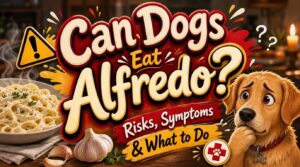
Your dog snagged a noodle off your plate—creamy, garlicky, loaded with Alfredo sauce. It happened fast, and now you’re wondering if you need to worry. You do.
Alfredo sauce contains garlic, onion, heavy cream, butter, and enough sodium to cause real harm in even small amounts. Garlic alone can destroy your dog’s red blood cells, and the damage sometimes doesn’t show up for days.
Knowing what’s in that sauce—and what it does inside your dog’s body—makes the difference between a quick cleanup and an emergency vet call.
Table Of Contents
- Key Takeaways
- No, Dogs Shouldn’t Eat Alfredo
- What’s in Alfredo Sauce?
- Why Alfredo is Dangerous
- Symptoms After Eating Alfredo
- What to Do Next
- Frequently Asked Questions (FAQs)
- What words do dogs love to hear the most?
- Can dogs eat pasta with white sauce?
- Is it okay for dogs to eat alfredo sauce?
- Can dogs eat pasta with cream?
- Can dogs eat pasta with pasta sauce?
- Can dogs have vanilla cream?
- Is Alfredo safe for dogs to eat?
- Are there any health benefits to feeding Alfredo to dogs?
- Are there any alternatives to Alfredo that are safe for dogs?
- What are some of the risks associated with feeding Alfredo to dogs?
- Conclusion
Key Takeaways
- Garlic and onion in Alfredo sauce destroy your dog’s red blood cells, and symptoms like pale gums or dark urine can take days to show up — so don’t wait to call your vet.
- The fat and sodium in a single serving are enough to trigger pancreatitis or sodium poisoning, even in small amounts.
- Dairy hits dogs hard too — most can’t digest heavy cream or cheese, leading to vomiting and diarrhea within 30 minutes.
- If your dog got into the sauce, estimate how much they ate, call your vet right away, and watch closely for a full seven days.
No, Dogs Shouldn’t Eat Alfredo
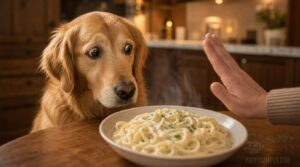
Alfredo sauce isn’t safe for dogs — not even a small taste.
The garlic and heavy cream alone make it risky, and the same logic applies to shrimp cocktail sauce dangers for dogs — another creamy, ingredient-heavy condiment worth skipping.
It’s packed with ingredients that can seriously hurt them, from the fat and salt to the garlic and dairy. Here’s what makes it so risky.
Unsafe Even in Small Amounts
Even a small taste of Alfredo sauce can be enough to cause problems for your dog. That tiny lick isn’t harmless—it’s a taste trigger for gut flora disruption and metabolic overload your dog’s system wasn’t built to handle.
Toxic ingredients cause delayed onset symptoms, and subclinical anemia can quietly develop without obvious signs. Dogs shouldn’t eat Alfredo sauce—not even once.
High Fat and Salt
Alfredo’s high fat content is genuinely hard on your dog’s body. One serving packs nearly 40 grams of fat—enough to trigger digestive motility slowdown and push a small dog toward energy density overload, fast.
The salt is just as concerning. Around 950 mg of sodium per serving causes blood pressure spikes, fluid retention, and, in serious cases, salt poisoning with vomiting and diarrhea. Contact your vet immediately if your dog ingested any.
Retailers must keep less‑healthy foods at least 2 m from checkouts, per 2 m checkout restriction.
Garlic and Onion Risks
Garlic and onions belong to the Allium genus — and for dogs, that’s a serious problem. Both trigger oxidative hemolysis, damaging red blood cells from the inside.
Powdered concentrates pose the greatest risk; they deliver far more allium toxicity to dogs per bite than fresh cloves.
Watch for these risks:
- Cumulative exposure — repeated small amounts add up to a harmful total
- Delayed onset — symptoms can appear days later
- Medication interactions — dogs on blood-related drugs face higher danger
Dairy Digestion Problems
Beyond allium dangers, dairy hits differently.
Most dogs don’t produce enough lactase — that’s Digestive Enzyme Deficiency in action — so heavy cream and Parmesan cheese sit undigested in the gut. This triggers Microbial Fermentation Bloat, while casein causes Protein-Induced Diarrhea and fats induce High-Fat Gastric Delay, worsening nausea. Intestinal Dehydration Risk rapidly follows.
| Dairy Component | Problem Caused | Onset Time |
|---|---|---|
| Heavy cream | Lactose intolerance in dogs | 30 minutes |
| Parmesan cheese | Gastrointestinal upset in dogs | 1–2 hours |
| Butter fat | High-Fat Gastric Delay | 2–4 hours |
What’s in Alfredo Sauce?

Before you can understand Alfredo sauce is risky for dogs, it helps to know exactly what’s in it. Most recipes share the same core ingredients, and each one brings its own set of problems.
Here’s what you’re usually looking at.
Butter and Heavy Cream
Butter contains 80% butterfat, while heavy cream boasts 36% or more, creating a serious saturated fat profile in every spoonful. This combination delivers a substantial saturated fat content.
For pet owners wondering about safe ingredients, it’s worth knowing that high-sodium foods like soy sauce pose serious risks for dogs, much like how rich fats can quietly add up in human diets.
Alfredo sauce, with its high emulsion temperature range, traps these fats into a rich, dense coating, amplifying the dish’s indulgent texture.
Many dogs face lactose and dairy intolerance, and such a high-fat diet poses a direct risk of triggering pancreatitis rapidly.
Parmesan Cheese
Parmesan cheese brings more than just flavor to Alfredo — its traditional production process, aging process, and flavor development create a sodium-dense ingredient your dog’s body isn’t built to handle. That crystalline texture and nutty depth come at a cost: high parmesan cheese sodium content and lactose that dogs with dairy intolerance cannot process.
Even a small amount packs a serious nutritional punch, posing risks due to excess sodium and lactose. These elements can overwhelm a dog’s digestive system, particularly for those with dairy intolerance.
Garlic and Onion
Most Alfredo recipes quietly sneak in two of the most dangerous ingredients for dogs: garlic and onion. Here’s why they’re so harmful:
- Sulfur compound chemistry damages red blood cells
- Allicin activation process begins the moment garlic is crushed
- Onion irritant vapors signal the same toxic chemistry at work
- Powdered allium potency is far stronger than fresh forms
- Raw vs cooked impact matters little — both trigger allium toxicity in dogs
Even tiny amounts of these toxic food ingredients for pets can cause serious harm.
Added Salt
Salt might seem harmless, but a single Alfredo serving packs nearly 950 mg of sodium — more than a dog needs all day. This high sodium load triggers an immediate thirst spike and frequent urination. Over time, it strains the kidneys and stresses the heart, particularly in dogs prone to these conditions.
The effects of excessive salt intake are multifaceted. Short-term consequences include increased thirst and urination, while long-term exposure risks kidney damage and cardiovascular strain. Electrolyte imbalances and nausea may also develop, further compromising a dog’s health.
| Salt Effect | What Happens | Risk Level |
|---|---|---|
| Thirst spike | Dog drinks excessively | Moderate |
| Kidney strain | Electrolyte imbalances occur | High |
| Appetite loss | Nausea sets in quickly | Moderate |
Salt toxicity and sodium poisoning in dogs are serious risks — even small amounts can be dangerous. Never underestimate their impact.
Herbs and Spices
Alfredo often gets a sprinkle of extras that look harmless but aren’t. Herbs and spices add aroma intensity through essential oil profiles — and some are genuinely toxic to dogs.
- Garlic – Allium toxicity in dogs is real, even in dried form
- Onion – same Allium risk, powdered versions are more concentrated
- Parsley – safe in tiny amounts only
- Black pepper – irritates the digestive tract
- Seed-derived spices – fresh vs dried both carry risks for sensitive dogs
Why Alfredo is Dangerous
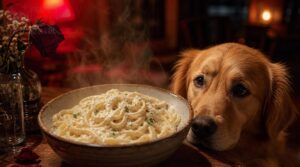
Alfredo sauce isn’t just unhealthy for dogs — it’s actually dangerous in several specific ways. Here’s what makes this dish so problematic for your pup.
Each ingredient brings its own set of risks, and together they can cause serious harm quickly.
Pancreatitis From Fat
Fat overloads your dog’s pancreas quickly. Alfredo’s butter and cream create serious high-fat diet risks for dogs — the pancreas floods itself with enzymes trying to keep up, triggering Lipotoxic Enzyme Activation and Pancreatic Lipolysis Damage. This cascade worsens with Fatty Pancreatic Infiltration and Obesity Inflammation, driving the Triglyceride Pancreatitis pathway.
Canine pancreatitis treatment is intensive. The condition progresses rapidly, even from small quantities: Even two tablespoons can tip a small dog into a dangerous spiral.
Allium Toxicity
Beyond the fat risk, garlic and onion toxicity attacks your dog’s blood. Both belong to the allium family, and even small amounts trigger oxidative hemolysis, destroying red blood cells faster than the body can replace them.
- Heinz‑body formation clumps damaged hemoglobin inside cells
- Delayed onset means signs appear days later
- Dark urine indicates active hemolysis
- Species susceptibility varies, but dogs are genuinely vulnerable
Lactose Intolerance
Alfredo hits another weak spot: dairy. About 15% of dogs have lactase deficiency, meaning they can’t properly break down lactose in heavy cream and cheese. Undigested lactose triggers osmotic diarrhea and fermentation gas within 30 minutes. Even a dose threshold as small as two tablespoons of Alfredo sauce can start that uncomfortable chain reaction.
The blood damage from Allium compounds is serious, but dairy poses additional risks.
Sodium Poisoning
Dairy isn’t the only threat hiding in that creamy sauce. One serving of Alfredo contains around 949 mg of sodium — more than a typical dog needs in a full day.
When salt intake overwhelms your dog’s renal excretion limits, serum sodium thresholds spike past 150 mEq/L, triggering cellular dehydration and neurologic deterioration.
Sodium poisoning in pets can escalate fast: seizures, coma, even death.
Sodium poisoning in dogs escalates fast — from seizures to coma to death
Weight Gain Risk
Those sodium risks come with another quiet problem: weight gain. Alfalfa is calorie-dense, and dogs need far fewer calories than we do.
A single spoonful can tip your dog’s energy balance into surplus territory. High-fat diet risks for dogs include obesity, which strains joints and shortens lives.
Watch treat frequency closely — even small portions add up fast when metabolic rate slows with age.
Symptoms After Eating Alfredo
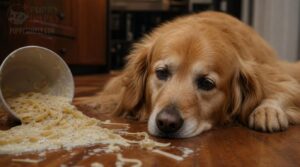
If your dog got into some Alfredo sauce, knowing what to watch for can make a real difference. Symptoms can show up fast — sometimes within minutes — or take days to appear, depending on what caused the reaction.
Here’s what to look out for.
Vomiting and Diarrhea
Vomiting and diarrhea are usually the first signs your dog ate something it shouldn’t. With Alfredo sauce, the high fat diet risks for dogs hit fast — sometimes within 30 minutes. These gastrointestinal issues create a real dehydration risk and can trigger an electrolyte imbalance quickly.
Watch for repeated episodes, as urgent care signs like lethargy alongside fluid loss mean your dog needs veterinary attention and proper fluid replacement soon.
Belly Pain
Alfredo’s fat overloads your dog’s bile system, triggering Gastric Cramping and Inflammatory Discomfort that manifests as hunching, guarding the belly, or refusing to move.
Watch for these signs:
- Visible belly swelling or Gas Buildup
- Whimpering when the abdomen is touched
- Restlessness due to abdominal pain
- Pancreatitis in dogs causing acute gastrointestinal upset
- A Dehydration Cycle exacerbated by persistent diarrhea
Lethargy or Weakness
If your dog seems unusually tired after eating Alfredo, don’t brush it off. Lethargy signals real trouble — energy deficiency and metabolic imbalance from pancreatitis in dogs drain their ability to function normally.
Allium compounds attack red blood cells, triggering hemolytic anemia. Hypernatremia and dehydration effects suppress the nervous system, causing neurological depression.
A dog that won’t stand or engage needs a vet — fast.
Pale Gums
Check your dog’s gums—healthy ones should be bubblegum pink. Pale or white gums are classic signs of anemia, indicating that hemolytic anemia may be destroying red blood cells faster than the body can replace them. This mirrors symptoms of blood loss or shock.
Allium toxicity exposure triggers this reaction, and dehydration often accompanies it. Pale gums signal that clinical signs of toxicosis are already progressing.
Call your vet immediately if you observe these symptoms.
Dark Urine
Dark urine is a serious red flag. When allium compounds cause oxidative damage to red blood cells, forcing them to burst, the breakdown products spill into urine — turning it dark brown or tea-colored. This process manifests as myoglobinuria or hemolytic anemia in action.
Dehydration effects can worsen the color. Don’t wait: dark urine signals that anemia’s causes are already at work inside your dog’s body.
What to Do Next
If your dog just got into the Alfredo sauce, don’t panic — but don’t wait either. A few quick steps can make a real difference in how things turn out.
Here’s exactly what to do.
Remove Remaining Sauce

Act fast — every second your dog has access to that sauce is another lick closer to trouble. Use paper towel removal first to lift thick residue, then follow with a damp cloth wipe on fur, paws, and muzzle.
Bowl sanitization matters too — wash everything with hot soapy water.
For floor spill cleanup, block the area and clear all drips to make licking prevention actually work.
Estimate Amount Eaten
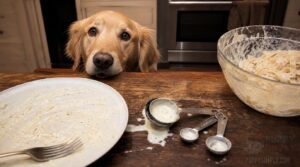
Once the area is clean, determine how much your dog actually ate—your vet will need this information.
To estimate the consumed amount, use these methods:
- Spoon measurement: Count missing teaspoons or tablespoons.
- Visual percentage: Assess whether approximately 25%, 50%, or 100% was eaten.
- Plate waste subtraction: Subtract the remaining amount from the original portion.
- Bowl area estimation: Convert portions using gram equivalents (1 tbsp ≈ 15g).
Call Your Veterinarian

Once you know how much your dog ate, contact your vet right away. Don’t wait for symptoms to appear. When you call, have your Emergency Contact Info ready and be prepared to share Symptom Description, Ingestion Timing, and a Food Sample if possible.
This table covers what to tell them:
| What to Share | Why It Matters |
|---|---|
| Breed, age, weight | Shapes risk assessment |
| Amount eaten + timing | Guides urgency of care |
| Current symptoms | Helps triage severity |
| Any medications | Prevents treatment conflicts |
Prompt veterinary care for food poisoning can prevent serious complications.
Monitor Seven Days

Even after calling your vet, your job isn’t done. Some dog poisoning symptoms—especially from garlic—show up days later. Monitor them closely for a full seven days. While you’re keeping a close eye on your dog, this is also a good time to brush up on reading their behavior—understanding how dogs signal discomfort through body language can help you catch subtle changes before they escalate.
Symptom tracking is simple when you know what to watch:
- Vomiting or diarrhea frequency
- Energy levels and unusual tiredness
- Hydration checks — dry gums signal trouble
- Stool observation for mucus or dark color
Follow escalation criteria: contact your vet if anything worsens.
Offer Safer Alternatives

Once your dog is stable, swap the rich stuff for something genuinely safe. Plain cooked chicken, steamed vegetables, and dog-safe grains like plain rice keep things simple and gut-friendly.
| Food | Why It’s Safe | Serving Tip |
|---|---|---|
| Low-fat proteins | No pancreatitis risk | Boil unseasoned |
| Steamed carrots | Fiber, low-fat | Small pieces |
| Simple homemade broth | Hydrating, bland | Unsalted only |
Frequently Asked Questions (FAQs)
What words do dogs love to hear the most?
Your pup’s ears perk up fast for a few magic words. "Walkies," "treat," "dinner," and "fetch" top the list — praise words like "good boy" work wonders too.
Can dogs eat pasta with white sauce?
Pasta itself isn’t toxic, but the white sauce is the real problem. It’s loaded with fat, salt, and often garlic — all risky for dogs. Skip it entirely.
Is it okay for dogs to eat alfredo sauce?
Absolutely not — Alfredo sauce is bad news for dogs. Salty, fatty, and full of toxic ingredients like garlic and onion, even a small taste can cause serious harm.
Can dogs eat pasta with cream?
Plain pasta in tiny amounts won’t hurt most dogs, but cream sauce changes everything. The high fat content triggers vomiting and raises pancreatitis risk fast — skip creamy pasta entirely.
Can dogs eat pasta with pasta sauce?
Most pasta sauces aren’t safe for dogs. Garlic, onion, salt, and cream all cause real harm.
Veterinary nutritional guidance is clear: skip the sauce entirely and offer plain pasta only, occasionally.
Can dogs have vanilla cream?
Vanilla cream isn’t safe for dogs. It contains heavy cream, sugar, and fat — a combination that can quickly trigger vomiting in lactose-intolerant dogs.
Always do an ingredient label check for xylitol danger before anything.
Is Alfredo safe for dogs to eat?
Like a rich meal that looks harmless but isn’t, Alfredo sauce is unsafe for dogs.
Allium toxicity, high-fat diet risks, and excess sodium make it a firm rule that dogs shouldn’t eat Alfredo sauce.
Are there any health benefits to feeding Alfredo to dogs?
Alfredo offers no real health benefits for dogs. While it contains calcium, vitamin A, and some protein, these don’t support canine nutritional needs — balanced dog food delivers far better nutrient balance without the risks.
Are there any alternatives to Alfredo that are safe for dogs?
Yes, plain cooked pasta, grilled chicken, steamed carrot mix, and unsweetened yogurt work well. Dog-formulated toppers are also great.
These dog-safe foods fit the low-fat dog diet and dog dietary guidelines perfectly.
What are some of the risks associated with feeding Alfredo to dogs?
Feeding Alfredo to dogs risks pancreatitis from fat, salt toxicity, and kidney strain. Garlic and onions are toxic ingredients, causing Allium poisoning. Dairy triggers Microbiome Disruption, while excess calories create Nutrient Imbalance and Cardiac Stress.
Conclusion
Alfredo might be a pasta problem your dog won’t soon forget—and neither will your vet bill. Regarding whether dogs can eat Alfredo, the answer is a hard no.
Garlic alone can damage red blood cells days after exposure. Fat triggers pancreatitis, while salt pushes sodium levels into dangerous territory.
If your dog gets a taste, call your vet, watch for pale gums or dark urine, and keep the next plate safely out of reach.
- https://articles.hepper.com/can-dogs-eat-alfredo-sauce/
- https://www.dogster.com/dog-nutrition/can-dogs-eat-alfredo-sauce
- https://www.dialavet.com/blog/can-dogs-eat-alfredo-sauce
- https://www.thesouthafrican.com/lifestyle/pets/can-dogs-eat-alfredo-sauce-breaking/
- https://www.zoorithm.com/dogs/can-dogs-have-alfredo-sauce