This site is supported by our readers. We may earn a commission, at no cost to you, if you purchase through links.

Here’s the truth no one tells you at the shelter: no dog is truly hypoallergenic. Not one. But some breeds come close enough to let sneezy, watery-eyed dog lovers finally bring one home.
The secret isn’t fur length. It’s proteins called Can f 1, found in dander and saliva, and how much of them a dog sheds into your carpet and couch. Poodles, Bichon Frises, and a handful of other low-shedding breeds produce less of this stuff, or trap it in tight curls before it ever hits the air.
Ready to meet the breeds that might finally let you say yes to that puppy?
Table Of Contents
- Key Takeaways
- Best Hypoallergenic Dog Breeds for Allergies
- More Low-Shedding Breeds to Consider
- What Makes Dogs Allergy-Friendly
- Choosing The Right Allergy-Friendly Breed
- Managing Dog Allergies at Home
- Top 4 Allergy Management Products
- Frequently Asked Questions (FAQs)
- Are all dog breeds hypoallergenic?
- What are the best dog breeds if you have allergies?
- Are hypoallergenic dogs good for allergies?
- Should you choose a hypoallergenic dog?
- Can allergies develop after owning a dog long-term?
- Do hypoallergenic dogs cost more than regular breeds?
- Can diet affect how much dander a dog produces?
- Can allergy shots or medications help with dog allergies?
- How long does it take to notice allergy symptoms?
- Are mixed-breed or designer dogs ever hypoallergenic too?
- Conclusion
Key Takeaways
- No dog breed is truly allergen-free, since all dogs produce dander and saliva proteins like Can f 1, but low-shedding breeds such as Poodles, Bichon Frises, and Portuguese Water Dogs release far less of it into your home.
- Coat type matters more than fur length, as curly or single-layer coats trap dander against the skin instead of releasing it, while smaller dogs shed even less due to their reduced body surface area.
- Managing allergies at home takes more than picking the right breed, so combining a pet-free bedroom, HEPA air filtration, frequent vacuuming, and regular grooming gives you the best relief.
- Choosing a hypoallergenic breed means weighing your living space, budget, and energy level against grooming demands, since dogs like Poodles need frequent professional trims while Maltese or Yorkies get by with simple home care.
Best Hypoallergenic Dog Breeds for Allergies

Spoiler alert: no dog is truly allergen-free, but some breeds make life a lot easier for sensitive noses.
If you’re set on a bigger companion, check out this guide to large hypoallergenic dog breeds and their temperaments to find one that fits your lifestyle and your lungs.
These five have earned their reputation as go-to picks for allergy sufferers, thanks to coats and traits that keep dander in check. Let’s dive into what makes each one worth considering.
Poodle
Ask ten allergy sufferers for their top pick, and most will say Poodle. Their curly wooly coat traps dander instead of releasing it, and they come in Toy, Miniature, and Standard sizes.
- Brainy and keen to please
- High exercise needs
- Prone to matting without brushing
They need mental stimulation, daily exercise, and grooming every 4–6 weeks to prevent tangles. Owners should also be aware of common hereditary risks to support long-term health.
Bichon Frise
If big grooming bills give you pause, meet a smaller trade-off. The Bichon Frise packs a dense, curly "powder puff" coat that traps dander like a poodle’s, but in a compact 7–12 pound body—perfect for small-space living.
They’re playful, affectionate shadows who love family time. Their white coat needs regular brushing to prevent mats, which can trap moisture and irritate skin.
Maltese
Silky, not curly—that’s the Maltese difference. This nonshedding coat feels like human hair, so daily brushing keeps tangles away and grips small dander buildup naturally.
Silkiness beats shedding here! Grooming costs run moderate, but their tiny frame means less allergen surface overall—a gentle, low-fuss pick among hypoallergenic dog breeds for sensitive households.
Yorkshire Terrier
Yorkshire Terriers pack big personality into a tiny, 4-to-7-pound frame. That long, silky coat grows like human hair, so shedding stays minimal—a real perk for allergy management.
Don’t let those perky, V-shaped ears fool you. Underneath the terrier confidence is a loyal, feisty companion who needs regular brushing to keep that hair-like texture tangle-free and dander under control.
Portuguese Water Dog
Ever notice how some dogs seem built for water? Portuguese Water Dogs sport a curly or wavy coat and even webbed feet for swimming—handy given their history herding fish and retrieving gear for fishermen.
Males run 50-57 cm, females a bit smaller, with a solid 10-14 year lifespan. Their low-shedding coat makes them a genuinely allergy-friendly breed for active households.
More Low-Shedding Breeds to Consider

Not every low-shedding dog fits the classic "hypoallergenic" mold, but that doesn’t make them any less worth a look. Some bring big energy and a job-ready coat, while others skip fur altogether. Here are five more breeds worth putting on your list.
Schnauzer
That beard isn’t just for looks — it’s part of a wiry double coat built to shrug off rough conditions. Shedding stays low, but professional grooming every few weeks keeps things tidy.
Comes in Miniature, Standard, or Giant sizes, so there’s one for nearly any home. Bonus: they’re alert, loyal watchdogs who’ll happily announce every visitor!
Soft Coated Wheaten Terrier
If silky over wiry sounds more your speed, meet this golden-coated charmer. That soft, single coat sheds very little, though it still needs regular brushing to stay tangle-free.
Wheatens are affectionate, steady companions with medium energy — happy on walks, happier curled up with you. Their lively terrier gait shows off real athletic grace underneath all that fluff.
Lagotto Romagnolo
Truffle hunters turned house pets — that’s the Lagotto Romagnolo in short. This Italian breed once retrieved waterfowl from marshes before switching careers entirely.
Their dense, curly coat sheds very little, though it mats without regular brushing.
- Playful, intelligent temperament
- Astonishing scenting ability
- Needs daily exercise
Bred for work, they thrive with active lifestyles and love a good sniff-and-search game at home.
American Hairless Terrier
No fur, no dander-trapping coat—just bare, expressive skin. The American Hairless Terrier is truly hairless, born with soft down that fades by 8–10 weeks.
Skin comes in any color, often freckled patterns that grow bolder with age. That bare skin means real sun and cold sensitivity, so sunscreen and sweaters aren’t optional.
Expect an energetic, affectionate companion living 13–16 years.
Chinese Crested
Two dogs in one breed, really! The Chinese Crested comes hairless or Powderpuff (fully coated), so you pick your maintenance level.
Hairless pups need sunscreen and lotion; Powderpuffs need regular brushing.
Both are small, agile, and affectionate, weighing around 10-13 pounds with a delicate bone structure. They’re attentive companions who dislike being left alone—clingy, but in a sweet way!
What Makes Dogs Allergy-Friendly
So what actually makes a dog easier to live with when you’ve got allergies? It’s not just one thing, it’s a mix of biology and coat type working together. Here’s what’s really going on under all that fur.
Dander and Saliva Proteins

Blame isn’t just about dander—your dog’s spit plays a role too. Can f 1 drives most reactions, but saliva holds over a dozen IgE-binding proteins, some brand new to science. Airborne dander particles carry allergens far past the dog itself.
| Source | Key Protein |
|---|---|
| Dander | Can f 1 |
| Saliva | Can f 2 |
| Saliva | BPIFA2 |
| Dander | Can f 6 |
| Saliva | Mucin-5B |
Low-shedding Coat Types

Saliva proteins matter, but coat type decides how much dander actually escapes into your home. Low-shedding coats grow slowly and often skip a thick undercoat, so fewer hairs release seasonally. Growth rate matters too—slower-growing hair means fewer shedding cycles.
Different dog coat types, from wiry to silky, handle allergens differently, which is why hypoallergenic dog breeds vary so much in upkeep and cost.
Curly Coats Trap Dander

Ever notice how a poodle barely leaves fur on the couch, yet still triggers a sneeze? That’s curl density at work. Tight curls physically hold dander and loose hair against the skin instead of releasing it into your air.
A poodle’s tight curls trap dander against the skin instead of releasing it into the air
That’s why matting raises allergy risks — trapped debris builds up. Regular brushing pulls dander out, so pick the right grooming tools and keep those curly or wavy coats healthy.
Single Coats Shed Less

Single-layer coats skip the dense undercoat entirely, so there’s simply less fur to release. No seasonal blowout, just steady, low-shedding patterns year-round.
That means:
- Fewer allergens floating around your home
- Less vacuuming during spring and fall
- Predictable coat maintenance instead of surprise fur storms
Cold climates may need a jacket for warmth, but your allergies get a break.
Smaller Dogs, Less Dander

Size matters more than you’d think. Less body means less surface area for skin buildup, so smaller breeds simply shed fewer flakes into the air.
| Small Breeds | Large Breeds |
|---|---|
| Less dander | More dander |
| Easier cleanup | Bigger workload |
| Limited roaming | Wider spread |
Smaller indoor allergen distribution and quicker grooming sessions mean real relief, less vacuuming, calmer lungs, happier home.
Choosing The Right Allergy-Friendly Breed

So you’ve met a few low-shedding breeds, but which one actually fits your life? Picking the right dog isn’t just about coat type, it’s about matching a breed to your home, your schedule, and your energy level. Here’s what to weigh before you fall for that adorable face.
Match Size to Home
A tiny apartment and a five-acre farm call for very different dogs. If you’re in apartment living, skip the Standard Poodle for a Toy or Yorkshire Terrier instead.
Ask yourself:
- How many square feet do I actually have?
- Can furniture handle a dog’s circulation path?
- Am I planning family growth soon?
- Do I need multi-use space for a crate?
Compare Grooming Needs
Not all "low-shedding" dogs demand the same effort. Poodles and Portuguese Water Dogs need professional trims every 6-8 weeks plus frequent bathing, while a Maltese or Yorkie gets by on home brushing and less specialized gear.
Weigh maintenance costs: curly coats mean pricier grooming bills long-term. If your budget or schedule is tight, pick a breed whose coat matches your realistic upkeep habits.
Consider Energy Level
Ever met a Portuguese Water Dog who acted like a couch potato? Didn’t think so. Matching activity needs to your lifestyle matters as much as coat type.
- Bouncy puppy energy bursts
- Restless chewing from boredom
- A tired, contented sigh after play
Working breeds need daily exercise and mental stimulation; toy breeds settle faster. Know your breed drive before committing.
Choose Predictable Coat Genetics
Here’s a fun fact: three genes—RSPO2, FGF5, and KRT71—predict 95% of coat outcomes in purebred dogs.
That’s genetic phenotype prediction at work. Dominant recessive traits mean two curly-coated parents can still surprise you, so parental genotype accuracy matters more than looks.
Ask breeders about coat locus combinations and litter outcome probabilities before choosing your hypoallergenic dog breed—it’s the smartest way to land a truly predictable coat.
Meet The Dog First
No breed chart can tell you how your body reacts to one specific dog. That’s why a real meet-and-greet beats any online breed profile.
- Watch for a relaxed face and loose posture
- Notice a wagging tail with an open mouth
- Avoid direct staring during the approach
- Let the dog come to you first
Respecting personal space and reading body language this way protects both of you before you commit.
Managing Dog Allergies at Home

Even the right breed still needs a little backup at home. Dander doesn’t just disappear on its own, it settles into carpets, couches, and bedding. Here are five simple habits that can keep your space easier to breathe in.
Create Pet-free Bedrooms
Give your bedroom back to yourself. Keep the door closed and sealed—gaps under 1/8 inch stop dander drift cold.
Swap carpet for wood, tile, or vinyl, and cover your mattress with a breathable allergen barrier. Choose leather or microfiber furniture over fabric. Wash bedding weekly at 60°C.
Small habits, but they build a true pet-free zone where you actually breathe easy.
Use HEPA Air Filtration
A sealed room helps, but dander still floats. A HEPA air purifier captures 99.97% of particles down to 0.3 microns using diffusion and interception.
Match CADR to room size, place it away from walls, and set filter replacement reminders.
- Deeper sleep
- Fewer sneezing fits
- Cleaner morning air
- Real allergy relief
Quiet modes keep noise low overnight.
Vacuum Dander Frequently
Your air purifier takes care of what’s floating, but dander settles into carpets and couches too. Twice-weekly vacuuming is your baseline—daily if allergies flare up.
| Surface | Frequency |
|---|---|
| Carpets/rugs | 2-3x weekly |
| Upholstery | Weekly |
| Pet resting spots | Every vacuum session |
| Stairs | Weekly |
Use slow, overlapping passes, and empty HEPA-filter bins outdoors to avoid recontaminating your air.
Wash Bedding Often
Sheets and pillowcases collect dander even in pet-free bedrooms, so washing weekly is the baseline—twice weekly if your dog sneaks onto the bed.
Hot water (140°F) kills dust mites, and a hypoallergenic, fragrance-free detergent protects sensitive skin. Toss in an extra rinse cycle to clear residue.
Quick wins:
- Fresher air
- Fewer sniffles
- Better sleep
- Less itching
- Calmer nights
Bathe and Brush Regularly
Regular grooming is your last line of defense against dander. Ideal bathing frequency sits around every 4-6 weeks—more often risks skin irritation.
Brush curly coats 5-7 times weekly using slicker brushes; this grips coat oils and traps loose dander before it spreads. Always prioritize post-bath drying safety with low-heat dryers, checking skin for redness afterward.
Top 4 Allergy Management Products
Good habits only go so far without the right gear backing them up. The right products can make allergen control feel a lot less like a chore and more like second nature. Here are four worth adding to your routine.
1. Chuckit Classic Ball Launcher Dog Toy

Slobber doesn’t have to touch your hands, ever again.
The Chuckit Classic Ball Launcher offers slobber-free retrieval, an ergonomic grip, and real throwing distance power—all wins for allergy-conscious households managing low-shedding dogs. Fits standard 2.5-inch balls and holds up outdoors for years. For anyone juggling dog ownership with allergies, this simple tool keeps playtime fun without extra grooming mess or hand-to-saliva contact.
2. Allerpet Dog Dander Remover

Wiping your dog down with Allerpet works like a magnet for allergens, thanks to its protein binding mechanism that grabs Can f 1 right off the fur.
- Fragrance-free, non-toxic formula with aloe and chamomile
- No bathing required—great between-wash upkeep
- Wipe outward from skin for best results
- Helps with broader allergen mitigation efforts
Pair it with regular vacuuming, and you’re covering more bases in your allergy management plan.
3. Eureka PowerSpeed Upright Vacuum Cleaner
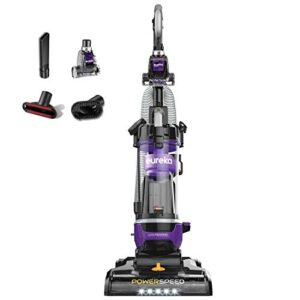
Dander doesn’t just sit on your floor—it floats. That’s why a solid vacuum matters as much as breed choice.
The Eureka PowerSpeed uses a multi-cyclone system to keep suction strong even with a full cup, covering hardwood and low-pile carpet alike. Five height settings help it hug different surfaces, and the stretch hose reaches upholstery and drapes.
It’s not a true HEPA machine, so pair it with an air purifier for finer particles. Still, at 10 pounds with a washable filter, it’s an easy, budget-friendly habit to keep up.
- Large 2.1-liter bagless dust cup means less frequent emptying
- Comes with four on-board tools, including crevice and pet attachments, for versatile cleaning
- Five height settings and a 12.6-inch cleaning path adapt easily to different floor types
- Operates at 88 decibels, which can feel loud during use
- Needs roller brush and belt cleaning every two weeks to avoid clogs or damage
- Neglecting maintenance can lead to smoke or a broken belt from trapped hair and debris
4. Afloia Air Purifier for Pets
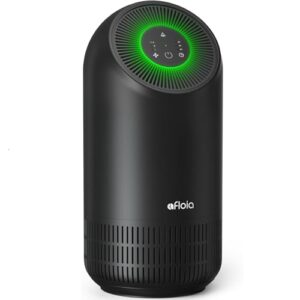
Think of this as the vacuum’s backup team, catching what floats away before it ever settles.
The Afloia runs a three-stage filtration system, pulling out 99.99% of dander, pollen, and odor. It cycles air four times an hour across 220 square feet, purifying up to 880 square feet within an hour.
Sleep mode drops noise to whisper level, so it won’t disturb your dog’s nap—or yours. Pair it with regular filter changes, and it’s a steady ally for allergy-prone households.
- Removes 99.99% of dander, pollen, smoke, odor, and mold
- Purifies up to 880 sq feet per hour, with 4x hourly air turnover in 220 sq feet
- Whisper-quiet sleep mode won’t disturb you or your pet
- Performance depends on staying on top of 3-stage filter maintenance
- Coverage drops off for spaces larger than 880 sq feet
- Compact size (7"D x 7"W x 16"H) may mean less power than bulkier units
Frequently Asked Questions (FAQs)
Are all dog breeds hypoallergenic?
Not even close—zero breeds are truly allergen-free. Every dog makes dander and saliva proteins. "Hypoallergenic" just means lower-allergen, not allergen-free. Your reaction depends on the individual dog, not just the breed label you’re trusting.
What are the best dog breeds if you have allergies?
Your best bets include the Poodle, Bichon Frise, Maltese, Yorkshire Terrier, and Portuguese Water Dog. Each offers a low-shedding coat, which means less dander floating around your home—though no breed is truly 100% allergy-proof!
Are hypoallergenic dogs good for allergies?
They’re not miracle cures, but not myths either. Hypoallergenic breeds produce less dander and shed less protein overall, easing symptoms for many allergy sufferers—though no dog is 100% safe, and individual reactions still vary quite a bit.
Should you choose a hypoallergenic dog?
If your symptoms are mild and you’re willing to keep up with grooming and cleaning, yes. But meet the dog first, since individual reactions vary, and consider allergy testing before committing to a lifelong mismatch.
Can allergies develop after owning a dog long-term?
Yes — your immune system can become sensitized over time, even to a dog you’ve tolerated for years. Continued exposure keeps allergen contact frequent, and diet, skin health, or grooming changes can shift how much dander your dog actually sheds.
Do hypoallergenic dogs cost more than regular breeds?
Often, yes. Puppy prices commonly run $1,000–$2,600, versus under $1,000 for many regular breeds. Grooming adds $600–$1,200 yearly. Lifetime costs can reach $35,000—but for allergy relief, many owners consider it money well spent!
Can diet affect how much dander a dog produces?
Ever wonder why your dog’s coat looks dull some weeks and shiny others? Diet plays a real role.
Omega-3 fatty acids and balanced nutrients support skin hydration, reducing dry, flaky skin, which means less dander shedding into your home overall.
Can allergy shots or medications help with dog allergies?
Absolutely, both can help. Antihistamines and anti-itch medications ease symptoms fast, while immunotherapy shots build long-term tolerance to specific allergens. Your vet identifies triggers through testing, then tailors treatment, often combining approaches for the best, longest-lasting relief.
How long does it take to notice allergy symptoms?
Timing varies a lot. Insect stings and food often trigger symptoms within minutes to two hours, while contact reactions can take hours to days. Anaphylaxis moves fast, usually under twenty minutes, so watch closely after any new exposure.
Are mixed-breed or designer dogs ever hypoallergenic too?
Can a doodle really dodge allergies? Not guaranteed. Mixed breeds may inherit low-allergen traits from one parent, but littermates can still shed differently. Since "hypoallergenic" isn’t officially regulated, always test tolerance with the actual dog first.
Conclusion
No pup arrives allergen-free; that’s just the honest truth. What you’re really choosing is a lower-shedding companion, one whose coat keeps troublesome proteins in check instead of floating through your living room.
That small difference is everything when you’re hunting for the best hypoallergenic breeds allergies allow you to love without a tissue box nearby. Pick wisely, groom consistently, and clean often. Do that, and your itchy eyes won’t stand between you and a wagging tail.
- https://www.parkgrovepethospital.com/top-10-hypoallergenic-dog-breeds-for-allergy-relief
- https://bazallergy.com/the-best-dog-breeds-for-allergy-sufferers
- https://www.farmingtonvethospital.com/top-hypoallergenic-dog-breeds-allergy-friendly
- https://www.dwightvet.com/hypoallergenic-dog-breeds-allergy-relief
- https://pacagen.com/blogs/dog-allergies/best-small-hypoallergenic-dogs-2026