This site is supported by our readers. We may earn a commission, at no cost to you, if you purchase through links.
Four out of five dogs show signs of periodontal disease by age three—yet most owners never reach for a toothbrush.
Dental disease doesn’t just cause bad breath; it quietly damages the gum tissue, erodes bone, and can strain the heart and kidneys over time.
The good news is that daily brushing with the right toothpaste can cut plaque by 15–20%, according to Veterinary Oral Health Council standards. Knowing which formulas actually work—and which ones are just flavored paste—makes all the difference between a clean mouth and a costly vet bill.
Table Of Contents
- Key Takeaways
- Top 10 Best Dog Toothpastes
- 1. Petsmile Veterinary Dental Toothpaste
- 2. Beef Flavor Dog Toothbrush Kit
- 3. Nutri Vet Enzymatic Dog Toothpaste
- 4. Arm Hammer Fresh Breath Dog Toothpaste
- 5. Oxyfresh Pet Dental Gel
- 6. Vet Best Enzymatic Dog Toothpaste Gel
- 7. Nylabone Advanced Dog Toothpaste
- 8. Virbac Enzymatic Dental Chews for Dogs
- 9. Radius Organic Dog Toothpaste
- 10. ProDen Seaweed Dental Powder for Dogs
- How to Choose Dog Toothpaste
- Dog Toothpaste Ingredients Matter
- Flavor and Dental Needs
- Brushing Your Dog’s Teeth
- Frequently Asked Questions (FAQs)
- Which dog toothpaste do vets recommend?
- Which human toothpaste is best for dogs?
- What should I use as toothpaste for my dog?
- Does dog toothpaste actually work?
- Is it necessary to brush my dog’s teeth?
- What are the signs of dental issues in dogs?
- Are there alternative methods of plaque removal besides brushing?
- How often should I take my dog to the vet for a dental checkup?
- What ingredients should I look for when selecting a toothpaste for my dog?
- How often should I replace dog toothbrushes?
- Conclusion
Key Takeaways
- Four out of five dogs develop periodontal disease by age three, but daily brushing with a VOHC‑approved enzymatic toothpaste can cut plaque by 15–20% and prevent costly vet bills.
- The safest dog toothpastes are swallow‑safe, fluoride‑free, and xylitol‑free—human toothpaste is toxic and should never be used on dogs.
- Enzymatic ingredients like glucose oxidase and lactoperoxidase do the real heavy lifting, breaking down bacterial biofilm at the tooth surface rather than just masking bad breath.
- Flavor matters more than most owners realize—poultry, beef, and peanut butter options boost cooperation, and matching the formula to your dog’s size, age, and gum sensitivity makes daily brushing stick.
Top 10 Best Dog Toothpastes
Not all dog toothpastes are created equal, and your dog’s mouth deserves better than guesswork. These ten picks stand out for their safety, effectiveness, and veterinary credibility. Here’s what made the cut.
Each pick reflects the kind of care that goes into finding the best dog toothpaste for long-term dental health.
1. Petsmile Veterinary Dental Toothpaste
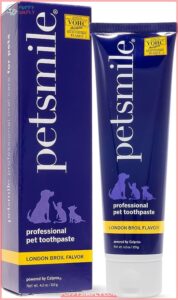
If you’re looking for a toothpaste that vets actually trust, Petsmile is worth your attention. Its star ingredient, Calprox, dissolves the protein pellicle on your dog’s teeth — the sticky layer where plaque takes hold.
It’s VOHC-approved, meaning independent testing confirmed it works. The formula is human‑grade, fluoride‑free, and safe to swallow.
You don’t even need a brush — your dog can lick it on. One 4.2 oz tube lasts roughly six months.
| Best For | Pet owners who want a vet-recommended, brush-free way to keep their dog’s or cat’s teeth clean without the daily battle. |
|---|---|
| Form Type | Paste |
| Plaque Control | Yes |
| Brush Required | No |
| Safe to Swallow | Yes |
| Flavor | Unspecified/Lickable |
| Vet Recommended | Yes, VOHC-approved |
| Additional Features |
|
- VOHC-approved with real clinical backing — not just marketing claims
- No toothbrush needed; pets lick it on, which makes the whole process way easier
- Human-grade, safe to swallow, and one tube lasts about six months
- Won’t clear heavy tartar buildup — you’ll still need a professional cleaning for that
- You have to use it almost every day to actually see results
- Pricier than most pet toothpastes, which adds up over time
2. Beef Flavor Dog Toothbrush Kit
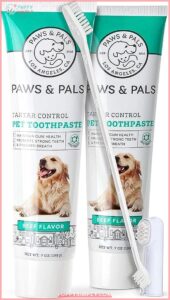
Petsmile works well if your dog tolerates licking paste off a surface. But if your pup needs more hands-on brushing, this Beef Flavor Kit covers that gap. Each kit includes a dual-head toothbrush, a fingertip brush, and two 14-ounce tubes of enzymatic toothpaste — plenty for months of regular use.
The beef-flavored enzymatic formula targets plaque and tartar while making brushing feel less like a battle. Dogs that resist chicken-based pastes often accept this one without fuss.
| Best For | Dog owners who want a more hands-on brushing routine, especially if their pup has already resisted other flavors or needs regular plaque control between vet visits. |
|---|---|
| Form Type | Paste |
| Plaque Control | Yes |
| Brush Required | Yes |
| Safe to Swallow | Yes |
| Flavor | Beef |
| Vet Recommended | Yes |
| Additional Features |
|
- Comes with both a dual-head toothbrush and a fingertip brush, so you’ve got options depending on your dog’s comfort level
- Two 14-ounce tubes means you won’t be restocking anytime soon
- Beef flavor tends to win over dogs that turn their nose up at chicken-based pastes
- Only one toothbrush in the kit, which gets tricky if you have more than one pet
- Some dogs need a slow adjustment period before they’ll tolerate brushing at all
- The foil-lined caps and thick paste consistency can make dispensing a little frustrating
3. Nutri Vet Enzymatic Dog Toothpaste
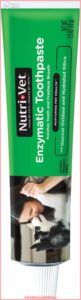
If the beef kit won your dog’s cooperation with flavor, Nutri Vet takes a similar approach — chicken-flavored and enzymatic plaque control built for everyday home brushing. The active ingredient, glucose oxidase, breaks down bacterial biofilm directly on the tooth surface.
Hydrated silica provides gentle polishing without scratching enamel. It’s non-foaming and swallow-safe, so no rinsing needed. One consideration: at 0.8 oz, it’s a small tube — larger dogs or multi-dog households will burn through it fast.
| Best For | Dog owners who want a vet-developed, enzyme-powered toothpaste that makes daily brushing easy — especially for picky dogs who respond well to chicken flavor. |
|---|---|
| Form Type | Paste |
| Plaque Control | Yes |
| Brush Required | Yes |
| Safe to Swallow | Yes |
| Flavor | Chicken |
| Vet Recommended | Yes |
| Additional Features |
|
- Enzymatic formula actively breaks down plaque and tartar at the source, not just masking the problem
- Non-foaming and swallow-safe means no rinsing, which makes the whole routine a lot simpler
- Made in the USA with NASC-certified ingredients, so you know what you’re putting in your dog’s mouth
- The 0.8 oz tube is pretty small — if you have a big dog or more than one, you’ll be reordering constantly
- Not every dog loves chicken flavor, and the scent can be strong enough to put some pups off
- It won’t replace professional cleanings, and bad breath may still linger in some dogs even with regular use
4. Arm Hammer Fresh Breath Dog Toothpaste
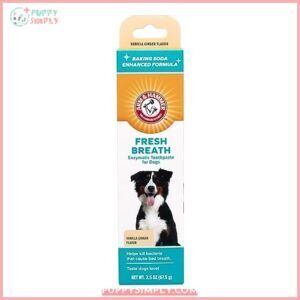
Arm & Hammer is a name most households already trust, and the Fresh Breath Enzymatic Formula carries that reliability into your dog’s dental routine. It pairs glucose oxidase and proteases with a baking soda base — enzymes break down plaque biofilm while baking soda neutralizes odor‑causing compounds.
The vanilla ginger flavor is a gentler, less meat‑forward option, so some dogs need a short acclimation period.
At 2.5 oz, it’s an affordable pick for smaller breeds or single‑dog homes.
| Best For | Dog owners who want a trusted, everyday toothpaste with gentle odor control — especially those with puppies or dogs sensitive to strong mint flavors. |
|---|---|
| Form Type | Gel/Paste |
| Plaque Control | Yes |
| Brush Required | Yes |
| Safe to Swallow | Yes |
| Flavor | Vanilla Ginger |
| Vet Recommended | Yes |
| Additional Features |
|
- Enzymatic formula actively breaks down plaque, not just masking the problem
- Baking soda base tackles bad breath without a harsh or overpowering taste
- Safe for all life stages, so it works whether you have a puppy or a senior dog
- Vanilla ginger flavor is hit or miss — some dogs just won’t warm up to it
- Manufactured in China, which may be a dealbreaker for buyers who prefer domestic products
- Won’t replace professional cleanings, so vet visits are still part of the picture
5. Oxyfresh Pet Dental Gel
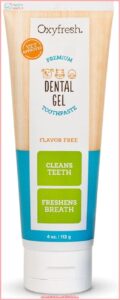
Oxyfresh takes a different approach — instead of enzymes, it relies on stabilized chlorine dioxide (called Oxygene) to neutralize the bacteria behind bad breath and plaque. Aloe vera soothes inflamed gums, and chamomile extract calms minor irritation. It’s tasteless and scent-free, which makes it ideal for sensitive or picky pets.
If your dog is fussy about flavors, pairing Oxyfresh with a proper brushing routine—covering technique, frequency, and tools—can make the whole process stress-free for both of you, as explored in this guide to dog grooming with teeth brushing.
The gel format means you can apply it with a finger, brush, or even directly on the gums — no rinsing needed.
| Best For | Pets that resist brushing or have sensitive mouths — especially cats, senior dogs, or small breeds prone to gum issues. |
|---|---|
| Form Type | Gel |
| Plaque Control | Yes |
| Brush Required | No |
| Safe to Swallow | Yes |
| Flavor | Taste-Free |
| Vet Recommended | Yes |
| Additional Features |
|
- Tasteless and scent-free, so even the pickiest pets usually tolerate it well
- Flexible application — finger, brush, or straight on the gums, whatever works
- Soothes inflamed gums and tackles bad breath without harsh ingredients
- No applicator included, so you’ll need to supply your own
- Pricier than most enzyme-based toothpastes at $11.95 per container
- Some pets may still resist the gel texture, especially at first
6. Vet Best Enzymatic Dog Toothpaste Gel
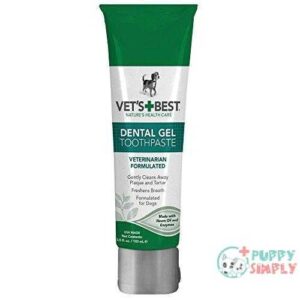
Vet’s Best Enzymatic Gel keeps things natural without sacrificing results. Its blend of aloe, neem oil, grapefruit seed extract, baking soda, and enzymes works together to break down plaque, soothe irritated gums, and freshen breath without harsh chemicals.
The gel texture makes application easy — squeeze a little onto a brush or your finger and work it along the gum line. It’s safe to swallow, so no rinsing required, and suits dogs of all sizes.
| Best For | Dogs with sensitive gums or a history of resisting brushing, especially those whose owners want a natural, chemical-free daily dental routine. |
|---|---|
| Form Type | Gel |
| Plaque Control | Yes |
| Brush Required | Yes |
| Safe to Swallow | Yes |
| Flavor | Natural |
| Vet Recommended | Yes |
| Additional Features |
|
- Vet-formulated with natural ingredients like aloe and neem oil that soothe gums while fighting plaque
- Safe to swallow — no rinsing needed, which makes the whole process way less stressful
- Works for any breed or size, so it’s a solid go-to if you have multiple dogs
- Some dogs just won’t like the flavor, which makes consistent brushing a real challenge
- Enzymatic action is gentler, so it works slower than stronger formulas — not ideal for heavy tartar buildup
- Getting it onto back teeth can be tricky, especially with bigger dogs that don’t sit still
7. Nylabone Advanced Dog Toothpaste
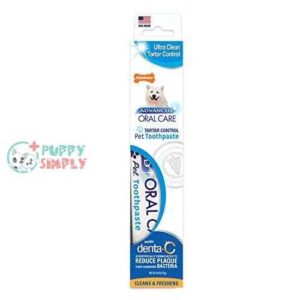
Nylabone’s Professional Paste brings a Denta-C formula to your dog’s daily routine — a targeted approach designed to reduce plaque-causing bacteria right at the source. At just $7.08 for a 2.51 oz tube made in the USA, it’s an accessible pick without compromising on quality.
The peanut butter flavor makes brushing feel less like a battle, especially for dogs who need a little extra motivation. It’s gluten-free and swallow-safe, so no rinsing needed.
| Best For | Dog owners who want an easy, affordable way to keep their pup’s teeth clean every day without a vet visit. |
|---|---|
| Form Type | Paste |
| Plaque Control | Yes |
| Brush Required | Yes |
| Safe to Swallow | Yes |
| Flavor | Original |
| Vet Recommended | Yes |
| Additional Features |
|
- The Denta-C formula actually targets plaque-causing bacteria, not just bad breath
- Dogs tend to like the flavor, which makes brushing way less of a struggle
- Gluten-free and made in the USA for $7 — solid value for a daily-use product
- Won’t tackle heavy tartar buildup — you’ll still need professional cleanings for that
- Some dogs just aren’t into the flavor, so results may vary
- Only for adult dogs, so it’s not a one-size-fits-all solution for every household
8. Virbac Enzymatic Dental Chews for Dogs
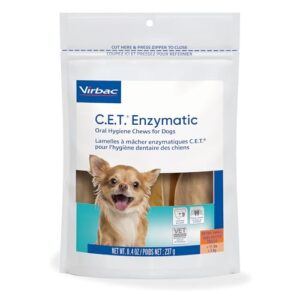
Virbac CET has been a trusted name in veterinary dentistry for over 30 years — and these enzymatic dental chews show exactly why. Each rawhide stick uses a dual-enzyme system that keeps working even after your dog finishes chewing, breaking down bacterial biofilm to reduce plaque and tartar.
The poultry flavor makes acceptance easy for most dogs. If your pup resists brushing, this is a practical alternative worth having in your routine.
| Best For | Dogs that resist tooth brushing and need a daily dental care alternative that’s both effective and tasty. |
|---|---|
| Form Type | Chew/Stick |
| Plaque Control | Yes |
| Brush Required | No |
| Safe to Swallow | Yes |
| Flavor | Poultry |
| Vet Recommended | Yes, 30+ years |
| Additional Features |
|
- The dual-enzyme system keeps fighting plaque even after your dog is done chewing — not just while they chew.
- Poultry flavor makes it easy for picky dogs to actually enjoy their dental routine.
- Vet-recommended with 30 years of trust behind it, so you’re not experimenting with an unknown brand.
- The chew can get pretty hard, which is a real concern for small breeds or dogs with flat faces — don’t leave them unsupervised.
- You’ll pay more than you would for generic dental treats, and the price adds up with daily use.
- A few buyers have run into packaging issues or discolored chews, and returns aren’t always an option depending on where you bought them.
9. Radius Organic Dog Toothpaste
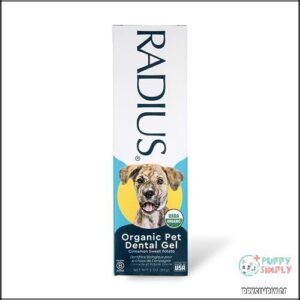
If you prioritize clean ingredients, Radius Organic Dog Toothpaste is worth a close look. It’s USDA certified organic and free from fluoride, xylitol, SLS, and synthetic dyes.
The formula combines sweet potato and coconut oil with papaya fruit extract for natural plaque-fighting action. Cinnamon and clove oils keep breath fresh without harsh chemicals.
One note: the thicker gel consistency and higher price point may not suit every budget or brushing style.
| Best For | Dog owners who want clean, organic ingredients and are happy to skip synthetic additives for a more natural dental routine. |
|---|---|
| Form Type | Gel |
| Plaque Control | Yes |
| Brush Required | Yes |
| Safe to Swallow | Yes |
| Flavor | Cinnamon-Clove |
| Vet Recommended | Yes |
| Additional Features |
|
- USDA Organic and free from xylitol, fluoride, and SLS — great for sensitive dogs
- Sweet potato and coconut oil make it palatable, so brushing is less of a battle
- TSA-compliant 3 oz tube is handy for travel or life on the go
- Cinnamon and clove can irritate dogs prone to acid reflux or GI issues
- No enzymatic ingredients, so it’s not as targeted as some dental gels
- Higher price tag than most non-organic options on the shelf
10. ProDen Seaweed Dental Powder for Dogs
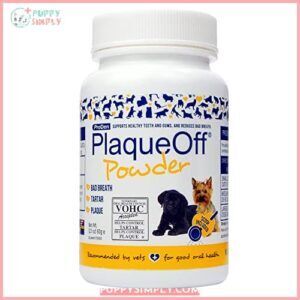
Not every dog tolerates a toothbrush — and that’s okay. ProDen PlaqueOff Powder takes a completely different approach. Just sprinkle this VOHC-approved Ascophyllum nodosum seaweed powder onto your dog’s food daily, and it works through saliva to reduce plaque and tartar over time.
Results usually appear within three to eight weeks. One caution: skip it if your dog has a thyroid condition, since the naturally high iodine content can interfere.
| Best For | Dogs whose owners want a no-fuss dental routine without the daily toothbrush battle. |
|---|---|
| Form Type | Powder |
| Plaque Control | Yes |
| Brush Required | No |
| Safe to Swallow | Yes |
| Flavor | Seaweed |
| Vet Recommended | Yes, VOHC-approved |
| Additional Features |
|
- Just sprinkle it on their food — no brushing, no fight
- VOHC-approved and free of artificial ingredients or fillers
- Tackles plaque and tartar from the inside out through saliva
- Not safe for dogs with thyroid conditions due to high iodine levels
- The tiny scoop and short handle make measuring a bit awkward
- May not cut it for dogs with heavy tartar buildup already
How to Choose Dog Toothpaste
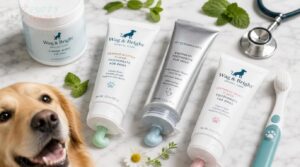
Not every dog toothpaste on the shelf is worth your money — or safe for your pup. A few key factors separate the genuinely good picks from the ones that just look appealing. Here’s what to look for before you buy.
VOHC Approval
When shopping for dog toothpaste, the VOHC seal is your clearest signal that a product actually works. The Veterinary Oral Health Council (VOHC) independently tests dental products and only certifies those that reduce plaque by at least 15–20% in controlled trials. That’s real science — not just clever packaging.
The VOHC Seal of Acceptance confirms independent scientific validation of the product’s dental benefits.
Look for the seal before you buy.
Swallow-safe Formulas
Once you’ve confirmed VOHC approval, check whether the formula is safe if swallowed.
- Thickening agents slow the paste’s flow, reducing accidental aspiration
- Safe surfactants clean without toxic residue
- Enzyme retention keeps working after ingestion
- Flavor appeal limits how much your dog consumes
- Ingestion limits are printed on packaging — follow them
A good petsafe toothpaste is non-foaming and swallow-safe by design.
Puppy-safe Options
Puppies need their own formula — not a scaled‑down version of adult paste. Look for a gentle enzymatic paste with non‑toxic ingredients your pup can safely swallow.
Soft tube design makes dispensing easier during those wiggly early sessions. Flavor acceptance matters too, so vet recommended toothpaste for puppies often comes in chicken or beef to make daily oral care feel like a treat.
Budget Considerations
Good news: quality dog dental care doesn’t have to drain your wallet. Most tubes run $5–$15, and a pea-sized amount per session means one tube lasts 30–45 days easily.
- Bulk packs cut costs by 20–40%
- Subscription programs save 5–15% annually
- Mid-range enzymatic pastes offer the best plaque-control value
- Store-brand formulas are the lowest-cost entry point
Dog Size Needs
Your dog’s size shapes everything from brushing time to flavor choice.
Small dog formulas use gentle abrasives and work well in short one-to-two-minute sessions.
Medium dogs thrive with enzymatic dog toothpaste twice daily.
Large breeds need bold flavors like beef, while extra-large dogs may need two shorter sessions.
Always confirm size-specific dosage with your vet.
Dog Toothpaste Ingredients Matter
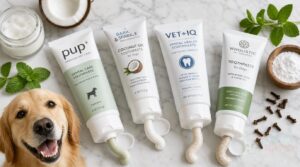
Not all dog toothpastes are created equal, and the ingredient list is where you’ll spot the difference. The right formula does more than just freshen breath—it actively fights plaque, soothes gums, and keeps your dog safe. Here’s what to look for inside the tube.
Enzymes for Plaque
Enzymes are the real workhorses in enzyme-based toothpaste. They break down the sticky extracellular matrix holding plaque together — weakening its grip before your brush even makes contact.
Products like Virbac C.E.T. Enzymatic and Vet’s Best Enzymatic use this mechanism to reduce bacterial load and disrupt biofilm consistently. Vet‑recommended for good reason.
Mild Abrasives
Not every ingredient scrubs away plaque the same way. Mild abrasives do the polishing without damaging enamel — and that distinction matters more than most owners realize.
Silica sand, calcium carbonate, and kaolin clay are the most common options. Each one smooths plaque from tooth surfaces gently. Baking soda adds mild cleansing while neutralizing acids. Together, they keep teeth clean without the aggression of harsher formulas.
Breath-freshening Agents
Bad breath isn’t just unpleasant — it’s often a sign that odor-causing bacteria are winning. That’s where breath-freshening agents come in. Peppermint oil neutralizes sulfur compounds at the source. The menthol cooling effect adds a clean finish dogs tolerate well. Eucalyptol works as an antimicrobial agent, cutting bacterial load directly.
- Hydrogen peroxide-free formulas use zinc ions and chlorhexidine instead
- Green tea extract and aloe offer natural plant fresheners that soothe while they freshen
- Mint stimulates saliva flow, your dog’s built-in bad breath remedy
Natural Soothing Ingredients
Think of natural soothing ingredients as your dog’s gum-care team.
Aloe vera delivers immediate cooling relief and helps retain moisture in sensitive oral tissues.
Chamomile and calendula calm redness and support tissue healing after brushing.
Green tea antioxidants fight oxidative stress while offering mild antimicrobial benefits.
Licorice root soothes irritated mucosa gently — a quiet helper most dogs tolerate well.
Ingredients to Avoid
Some ingredients look harmless on a label but can seriously hurt your dog.
Xylitol is the biggest threat — even tiny amounts trigger dangerous drops in blood sugar. Fluoride is equally off-limits. Both appear in human toothpastes that pets can accidentally access.
Xylitol and fluoride are both off-limits for dogs — even trace amounts can be deadly
Watch for these too:
- Palm oil and benzoate preservatives can cause stomach upset in sensitive dogs
- Cinnamon or clove oil may irritate gum tissue and trigger allergic reactions
- Artificial sweeteners like sorbitol offer no benefit and risk GI distress
Flavor and Dental Needs
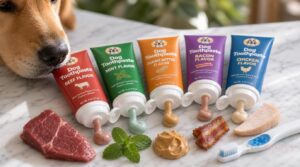
Getting your dog to actually enjoy tooth brushing often comes down to one thing: flavor. The right taste can turn a daily battle into something your dog looks forward to. Here’s what to know about matching flavors to your dog’s preferences and dental needs.
Poultry Flavors
Most dogs take to poultry flavor right away. Familiar meat aromas — from real chicken or turkey extracts — make brushing feel less like a chore and more like a treat.
VOHC-certified enzymatic toothpaste options often use poultry as their base flavor precisely because studies show strong canine acceptance, which means better cooperation and more consistent daily brushing.
Beef and Steak Options
Some dogs simply prefer beef over poultry — and steak-flavored formulas were made with exactly that in mind. Petsmile Professional, for instance, uses a vegan steak flavor that’s also a smart pick for dogs with poultry allergies.
- Great alternative for allergy-prone dogs
- VOHC-certified and fluoride-free
- Pairs well with enzymatic plaque control
Peanut Butter Flavors
Peanut butter is a fan favorite — and not just for treats. Peanut butter flavored dog toothpaste, like Arm & Hammer Fresh Spectrum, uses that familiar taste to make brushing feel like a reward.
It’s a smart play for taste-motivated dogs who resist other flavors. If your dog licks the brush clean, you’ve already won half the battle.
Sensitive Gums
Some dogs have tender, inflamed gums that make brushing uncomfortable. Plaque buildup and gum recession expose nerve endings, turning routine brushing into a painful experience.
For these dogs, a non-foaming dental gel with aloe vera or chamomile soothes irritated tissue while still clearing bacteria. Gentle circular motions at a 45-degree angle help avoid further aggravation.
Bad Breath Control
Bad breath is often the first sign something’s off in your dog’s mouth. Bacterial buildup—on both teeth and tongue—produces volatile sulfur compounds that cause that unmistakable odor.
Enzyme-based toothpaste targets those bacteria directly, and VOHC-certified formulas have the research to back them up.
Staying consistent with brushing, keeping your dog hydrated, and scheduling regular vet checkups make a real difference.
Brushing Your Dog’s Teeth
Getting your dog used to tooth brushing takes a little patience, but the right approach makes it so much easier. Most dogs come around faster than you’d expect once you follow a consistent routine. Here’s what actually works.
Start With Finger Tasting
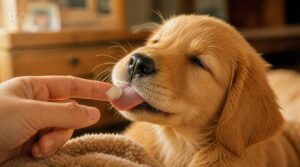
Think of finger tasting as your dog’s first handshake with dental care. Before any brush enters the picture, dab a tiny amount of vet recommended toothpaste on your fingertip and let your dog sniff and lick it freely.
This simple step reveals a lot:
- Whether your dog accepts poultry, beef, or peanut butter flavors
- How relaxed or hesitant they feel with something near their mouth
- Whether an enzyme based toothpaste sits well with their stomach
Once they’re comfortable licking from your finger, swap to a finger brush for a gentle next step.
Use Circular Motions
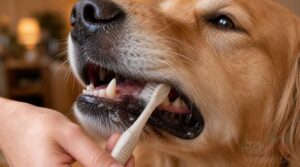
Mastering the circular motion is where real plaque removal begins. Hold the brush at a 45-degree angle to the gumline, then work in small, gentle circles — one tooth at a time. This technique lets bristles reach just beneath the gum margin, where biofilm hides.
Think of it like centripetal force: keep the motion tight and inward, and you’ll cover every surface efficiently without scrubbing too hard.
Brush Daily When Possible
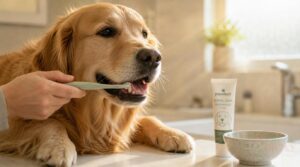
Daily brushing is the single most effective habit you can build for your dog’s oral health. A twice daily routine — morning and evening — mirrors what dental professionals recommend. Morning brushing clears overnight buildup; evening brushing targets the day’s plaque before it hardens into tartar.
- Brush before breakfast to freshen breath
- Brush after the last meal for tartar control
- Use vet recommended dental products every session
- Keep short brushing intervals — two minutes is enough
Even once daily beats skipping entirely. Consistency is everything with plaque removal.
Reward After Brushing

Your dog just sat through brushing — that deserves a payoff. Give a reward immediately after each session so your dog connects brushing with something good. A small poultry-flavored treat works beautifully, but verbal praise and a quick game of fetch are equally powerful non-food rewards that won’t add calories.
Track streaks with a simple chart to stay consistent.
Watch for Dental Problems
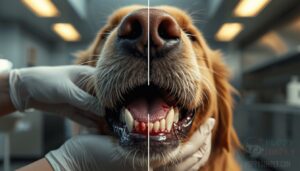
Even with daily brushing, watch your dog’s mouth closely. Persistent bad breath, bleeding gums, or dropped food can all signal trouble beneath the surface — from early gum disease to severe periodontal disease.
Dark spots, loose teeth, or visible swelling near a tooth need a vet’s attention fast. Don’t wait; catching these signs early saves teeth.
Frequently Asked Questions (FAQs)
Which dog toothpaste do vets recommend?
Vets most often reach for VOHC-certified options like Virbac C.E.T. and Petsmile—both proven to cut plaque. Vet’s Best Enzymatic Dog Toothpaste is another clinic favorite, blending enzymes with natural ingredients safely.
Which human toothpaste is best for dogs?
None. Human toothpaste is toxic to dogs. Both fluoride and xylitol — common in human formulas — can cause serious harm, even in tiny amounts. Always use a vet-approved, VOHC-certified dog toothpaste instead.
What should I use as toothpaste for my dog?
Always use a vet-recommended, VOHC-certified enzymatic dog toothpaste. Look for safe-to-swallow formulas free of fluoride and xylitol — ingredients toxic to dogs. Flavors like poultry or beef make brushing easier for both of you.
Does dog toothpaste actually work?
Yes, dog toothpaste genuinely works. Enzymatic formulas break down oral bacteria, supporting plaque and tartar removal that protects against periodontal disease. Consistent brushing delivers real breath improvement — your vet will notice the difference.
Is it necessary to brush my dog’s teeth?
Brushing your dog’s teeth isn’t optional—it’s essential. Plaque forms daily and hardens into tartar within 72 hours. Without regular brushing, periodontal disease affects most dogs by age three.
What are the signs of dental issues in dogs?
Your dog can’t tell you something hurts. Watch for bad breath, red or swollen gums, dropping food, visible tartar, or pawing at the mouth — these all signal dental trouble.
Are there alternative methods of plaque removal besides brushing?
Brushing isn’t the only option. Dental wipes and brushless gels work for resistant dogs. Water additives reduce bacteria daily. Dental chews help scrape plaque. When buildup is heavy, professional cleaning is your best move.
How often should I take my dog to the vet for a dental checkup?
Think of your vet’s office as your dog’s annual pit stop. Once a year covers most adult dogs, but senior dogs often need checkups every six months.
What ingredients should I look for when selecting a toothpaste for my dog?
Look for enzymatic formulas with lactoperoxidase or glucose oxidase. Avoid xylitol and fluoride—both toxic to dogs. Mild abrasives like silica keep enamel safe. Natural soothers like aloe calm gums gently.
How often should I replace dog toothbrushes?
Replace your dog’s toothbrush every three to four months. Splayed bristles lose contact with teeth and harbor bacteria. Even if brushing is irregular, stick to the three-month rule.
Conclusion
An ounce of prevention truly saves more than a hefty dental bill—and your dog’s mouth is where that starts.
The best dog toothpastes work hardest when you use them consistently, pair them with the right technique, and choose formulas that match your dog’s specific needs.
VOHC-approved, enzyme-based options aren’t just marketing—they deliver measurable results.
Start tonight, stay consistent, and your dog’s next vet visit might finally come with a clean bill of dental health.
- https://www.businessinsider.com/guides/pets/best-dog-toothpaste
- https://www.akc.org/expert-advice/health/dog-toothpaste-gets-job-done
- https://www.farmingtonvethospital.com/best-toothpaste-for-dogs-and-cats
- https://dogwoodanimalhospital.com/best-pet-toothpastes-tested
- https://www.dwightvet.com/best-toothpastes-for-dogs-and-cats