This site is supported by our readers. We may earn a commission, at no cost to you, if you purchase through links.
Your dog’s bowl might be ground zero for one of the most heated debates in pet nutrition. Walk into any dog park, and you’ll find owners passionately defending their choice between raw and cooked dog food—each side armed with testimonials, research studies, and strong opinions about what’s best for their furry companions.
The raw vs cooked dog food decision isn’t just about personal preference; it affects your dog’s digestive health, your grocery budget, and even the safety protocols in your kitchen. Raw advocates point to ancestral diets and enzyme preservation, while cooked food supporters emphasize pathogen elimination and convenience.
Understanding the real differences between these approaches—from nutrient retention and bacterial risks to daily costs and preparation time—helps you move past the noise and make an informed choice that fits your dog’s specific needs and your lifestyle.
Table Of Contents
- Key Takeaways
- Raw Vs Cooked Dog Food: Key Differences
- Health Benefits of Raw and Cooked Diets
- Risks and Safety Concerns
- Choosing The Right Diet for Your Dog
- Owner Experiences and Expert Insights
- Frequently Asked Questions (FAQs)
- Is it better to feed dogs raw or cooked food?
- Do dogs live longer on a raw diet?
- Which is better for dogs, raw or cooked?
- Do vets recommend a raw diet for dogs?
- What is the healthiest way to feed a dog?
- Is a raw diet actually better for dogs?
- Can puppies eat raw or cooked food?
- How much does raw food cost monthly?
- Which diet works better for allergies?
- Can I mix raw and cooked foods?
- Conclusion
Key Takeaways
- Neither raw nor cooked dog food is universally superior—the right choice depends on your dog’s individual health status, digestive tolerance, and your ability to follow strict food safety protocols consistently.
- Raw diets preserve natural enzymes and may support leaner body composition, but they carry real bacterial contamination risks (Salmonella, E. coli) that demand separate prep areas, proper refrigeration below 40°F, and careful handling to protect both dogs and humans.
- Cooked dog food enhances digestibility by breaking down complex proteins through heat, making it gentler for dogs with sensitive stomachs, though some B vitamins may be reduced during the cooking process.
- Both feeding approaches require AAFCO-compliant formulations and veterinary guidance to ensure complete nutrition, with costs ranging from $1.50–$3 daily for cooked diets versus $6–$8 daily for raw options in medium-sized dogs.
Raw Vs Cooked Dog Food: Key Differences
Raw and cooked dog food differ in ways that go beyond just temperature. Understanding these differences helps you make informed decisions about what goes in your dog’s bowl.
Raw diets demand extra care with storage and handling to avoid contamination, so knowing how to keep dog food fresh becomes even more important.
Let’s break down the key factors that set these two approaches apart.
Ingredient Types and Preparation Methods
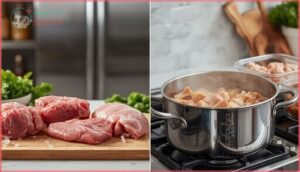
Raw meat handling and cooked food textures differ substantially in dog nutrition. Raw food diets use minced or chunked beef, chicken, and turkey kept refrigerated, while cooked options involve light steaming to preserve protein. Ingredient sourcing matters—choose reputable suppliers for fresh or frozen items. Meal preparation tips include portioning based on your dog’s weight and defrosting safely in the refrigerator, not at room temperature.
It’s also important to follow proper food safety guidelines and preparation when handling ingredients for your dog’s meals.
| Raw Dog Food | Cooked Dog Food |
|---|---|
| Minced or chunked meats; refrigerated until feeding | Light steaming or boiling; reduces fat content |
| 5-15 minutes daily prep; defrost portions as needed | 20-40 minutes cooking per batch; stores 2-3 days |
| Requires separate cutting boards for raw meat handling | Gentler on digestion; enhances palatability for picky eaters |
Nutritional Profiles and Standards

Once you’ve chosen your ingredients, the nutritional adequacy of your dog’s food becomes the focus. AAFCO Guidelines establish minimum protein quality and fat guidelines to support canine nutrition through all life stages. Complete and balanced nutrition requires careful micronutrient inclusion—both raw and cooked diets must meet nutrient profiles for vitamins and minerals.
Nutrient retention varies; raw preserves enzymes, while gentle cooking maintains digestibility without sacrificing nutritional adequacy.
| Nutritional Factor | Raw Dog Food | Cooked Dog Food |
|---|---|---|
| Protein bioavailability | High; complete amino acid profiles preserved | Moderate; heat may reduce some amino acids |
| Vitamin retention | Enzymes and water-soluble vitamins intact | B vitamins partially reduced; fat-soluble vitamins stable |
| Micronutrient stability | Natural minerals unaffected by processing | Cooking may leach some minerals into water |
| AAFCO compliance | Requires careful formulation to meet standards | Easier to standardize; commercially tested profiles |
| Digestibility for dogs | Variable; some dogs struggle with raw proteins | Enhanced; heat breaks down complex proteins |
Cost, Availability, and Convenience

Beyond nutritional adequacy, your daily expenses and prep time shape the practicality of raw dog food versus cooked dog food options. Raw diet kits for a 40-pound dog cost 6 to 8 dollars per day, while regional access varies—major metro areas stock fresh options, but rural delivery may face restrictions. Storage needs include freezer space and refrigeration below 40°F, with thawed meals lasting 2 to 3 days.
Many owners also weigh digestibility and complete balanced dog nutrition when deciding whether raw feeding fits their budget and lifestyle long-term.
| Practical Factor | Raw Dog Food | Cooked Dog Food |
|---|---|---|
| Daily expenses (medium dog) | $6–$8 per day; freeze-dried $3–$6 | $1.50–$3 times standard kibble cost |
| Regional access | Metro areas; nationwide shipping with rural limits | Widely available; local pet stores stock options |
| Prep time | 12–24 hour defrost; rotation planning required | Faster; reduced handling risks; more cleanup |
| Storage needs | Freezer at ≤40°F; 2–3 day fridge shelf life | Longer shelf life; less cold-chain dependency |
| Value assessment | Potential vet savings; bulk discounts 10–25% | Lower upfront cost; convenient for busy owners |
Health Benefits of Raw and Cooked Diets

Both raw and cooked diets offer specific health advantages, though they work in different ways depending on your dog’s individual needs.
The right choice often depends on how your dog’s body processes nutrient absorption, physical condition, and daily energy demands. Let’s look at the main health areas where these diets can make a real difference.
Digestive Health and Nutrient Absorption
Your dog’s gut is where nutrition transforms into vitality, and the raw vs cooked dog food debate centers on how each approach promotes digestive health. The small intestine absorbs amino acids, vitamins, and minerals, while the gut microbiome produces short-chain fatty acids that fuel colon cells and improve nutrient uptake.
- Enzyme function in raw diets preserves natural proteases and lipases, potentially enhancing nutrient balance
- Intestinal integrity benefits from diverse fibers that support barrier health and canine health and nutrition
- Nutritional benefits depend on proper formulation, not just cooking method, to guarantee complete nutrient uptake
Skin, Coat, and Dental Health
Your dog’s outer appearance often mirrors what’s happening inside. Omega-3 and omega-6 fatty acids reduce skin conditions while supporting coat shine, and both raw and cooked diets can deliver these when formulated correctly.
Dental care benefits from chewable textures that limit plaque, though proper nutrient absorption and gut health remain the real drivers of canine health benefits in the raw vs cooked debate.
Supplementing with products that support strong skin barrier health can further improve your dog’s coat and overall wellness.
Energy Levels and Weight Management
Caloric intake shapes energy balance, which means your dog’s weight control hinges on matching portions to activity.
If you’re exploring protein-rich additions like raw turkey gizzards, adjust daily calories accordingly to prevent weight gain.
Nutrient density varies between raw and cooked formulas, but both can support metabolic health when measured correctly. Raw diet advocates note leaner body composition, while cooked options offer controlled energy delivery.
Monitor weight trends closely and adjust portions to maintain dog wellness and best canine health benefits for long-term dog nutrition success.
Risks and Safety Concerns

While both raw and dog foods offer nutritional benefits, they also come with distinct safety challenges that you need to understand before making a decision.
The risks range from bacterial contamination to digestive issues, and each diet requires different precautions to keep your dog healthy. Here’s what you should know about the main safety concerns associated with each feeding approach.
Foodborne Illness and Contamination
Raw meat carries bacteria like Salmonella and E. coli that pose real foodborne illness risks to both dogs and humans.
Cross-contamination happens easily when raw dog food contacts countertops, bowls, or hands without proper hygiene practices. You can minimize pathogen sources by maintaining safe temperatures during storage, using separate prep areas, and following strict food safety and handling protocols to protect your household.
Digestibility and Sensitivities
Not every dog responds to raw food the same way. Some dogs with sensitive stomachs struggle to digest raw proteins and fats, experiencing loose stools or digestive issues that compromise gut health and nutrient absorption.
Cooked diets often improve digestibility through protein denaturation, making them gentler on canine nutrition needs. If your dog shows food allergies or persistent GI upset on a raw diet, cooking may support better dog health outcomes.
Safe Food Handling and Storage
Whether you feed raw or cooked, following food safety and handling practices reduces the risk of foodborne illness. Temperature control and hygiene protocols protect both you and your dog from contamination.
- Store raw and fresh foods at or below 40°F to prevent bacterial growth.
- Use separate utensils and surfaces for raw ingredients to avoid cross-contamination.
- Label and date all meals, rotating stock using first-in, first-out methods.
- Monitor for spoilage signs like off smells or discoloration before serving.
Choosing The Right Diet for Your Dog

Picking the right diet for your dog isn’t one-size-fits-all. Your dog’s age, health status, and daily activity all play a role in what they need nutritionally.
Here’s what to keep in mind when making your choice.
Assessing Age, Health, and Activity Level
Your dog’s individual profile shapes every diet planning decision. Puppy nutrition demands calorie-dense meals to fuel rapid growth, while senior care often requires gentler textures and joint support. Energy needs shift with activity—working dogs burn more fuel than couch companions.
Health monitoring through weight checks and body condition scoring helps you stay on track.
| Life Stage | Key Dietary Consideration |
|---|---|
| Puppies | Higher energy density, frequent meals |
| Adults | Steady intake, portion control |
| Seniors | Lower activity, joint support, calorie reduction |
Track patterns weekly to catch trends early and adjust in small increments as your dog’s needs evolve.
Consulting Veterinarians and Nutritionists
Once you’ve mapped your dog’s life stage and health profile, bring those findings to a professional. Board-certified veterinary nutritionists analyze diagnostic results, customize diet plans to precise nutrient targets, and coordinate with your primary veterinarian for ongoing care.
Expert advice transforms raw data into actionable nutrition planning:
- Detailed history intake covering current diet, treats, and allergies
- Body condition scoring and weight trend evaluation
- Written nutrition plan with measurable milestones
Pet wellness improves when veterinary guidance and pet nutrition advice work together.
Special Considerations for Sensitive Dogs
Beyond professional nutrition plans, sensitive dogs need extra specialized support. If your dog shows dietary sensitivities, canine allergies, or skin health issues, single-protein raw dog food or limited-ingredient cooked options often improve gastrointestinal care and nutrient tolerance.
Monitor stool quality, coat condition, and energy—then adjust portions gradually. Small changes yield big dog health benefits when you stay patient and observant.
Owner Experiences and Expert Insights

You’ve likely heard plenty of opinions about raw versus cooked dog food, and it’s hard to know who to trust.
Real-world experiences from other dog owners can offer valuable perspective, while veterinary professionals bring evidence-based guidance to the conversation. Let’s look at what both groups have to say about the practical realities of feeding raw or cooked diets.
Real-Life Results and Testimonials
Stories from real dog owners reveal both raw dog food outcomes. One lab owner reported increased energy and healthy weight within two weeks on raw dog food, while a terrier’s skin irritation cleared after consistent raw feeding.
Another pet owner noted improved stool quality and easier digestion after switching from kibble. These dog transformations illustrate varied health benefits across different nutrition approaches.
Common Challenges and Solutions
While those success stories sound promising, switching to raw dog food can test your patience. Diet change often triggers temporary digestive upset, and food safety demands strict kitchen protocols.
Many owners struggle with:
- Maintaining proper nutrient balance without professional guidance
- Managing handling risks from Salmonella and cross-contamination
- Finding reliable storage solutions that preserve freshness
- Budgeting for premium raw ingredients long-term
- Balancing raw vs cooked dog food debate with household practicality
Simple planning and veterinary support help overcome these hurdles.
Veterinary Guidance and Recommendations
Your vet plays an important role in settling the raw vs cooked dog food debate. Veterinary ethics requires they present multiple diet options, explain risks and benefits, and tailor recommendations to your dog’s unique health status.
Before making changes, ask your vet these essential questions:
| Question | Why It Matters |
|---|---|
| Does this diet meet AAFCO standards? | Ensures complete nutrition with all essential vitamins and minerals |
| What safety protocols should I follow? | Reduces contamination risk and protects household members |
| How will we monitor my dog’s response? | Tracks digestive health, weight, and overall well-being |
| When should I schedule follow-ups? | Adjusts the diet plan as your dog ages or health changes |
Veterinary research shows that pet nutrition isn’t one-size-fits-all. Your vet will assess your dog’s age, breed, activity level, and medical history before recommending raw or cooked options. They’ll provide a changeover timeline and specific feeding guidelines in your medical record.
Vets tailor dog food recommendations to each pet’s unique age, breed, activity level, and health history—not a one-size-fits-all approach
Veterinary advice includes documented health monitoring criteria. If your dog shows adverse signs during the switch, your vet can quickly adjust the diet planning approach. This professional guidance protects your dog while respecting your preferences within safety limits.
Frequently Asked Questions (FAQs)
Is it better to feed dogs raw or cooked food?
What’s the best way to keep your dog healthy and thriving? Neither raw nor cooked diets are universally better; the right choice depends on your dog’s individual health needs, digestive tolerance, and your handling commitment.
Do dogs live longer on a raw diet?
Some longevity studies suggest raw-fed dogs may live up to three years longer than kibble-fed dogs.
But lifespan factors like breed, genetics, and overall care play equally important roles in canine mortality and health.
Which is better for dogs, raw or cooked?
Neither raw nor cooked is universally better; the raw vs cooked debate depends on your dog’s health, your commitment to safe handling, and how each diet meets their individual needs.
Do vets recommend a raw diet for dogs?
Most veterinarians don’t routinely recommend raw diets for all dogs due to safety and nutritional balance concerns.
Many support raw feeding for specific healthy dogs with close monitoring, strict handling, and complete formulation.
What is the healthiest way to feed a dog?
Imagine a meal that fuels every chase, strengthens every leap, and enhances your dog’s lifelong wellness.
The healthiest feeding strategy centers on nutrient balance—complete protein, healthy fats, fiber, vitamins, and minerals—crafted to meet your dog’s unique needs while ensuring food safety.
Is a raw diet actually better for dogs?
Raw food benefits vary by individual dog.
While raw diets offer high protein and moisture from fresh meat, they aren’t universally better—proper formulation, veterinary guidance, and your dog’s unique needs determine what works best.
Can puppies eat raw or cooked food?
Like building blocks for a house, puppy nutrition requires the right foundation—and yes, puppies can safely eat raw or cooked diets when properly balanced to meet AAFCO feeding guidelines for growth.
How much does raw food cost monthly?
Monthly raw food costs usually range from $80 to $180 for medium dogs, though expenses vary widely by dog size, protein choices, and whether you choose commercial preparations or home-prepared meals with bulk ingredients.
Which diet works better for allergies?
Before smartphones tracked every sneeze, figuring out food sensitivities meant careful observation.
Both raw and cooked diets can address allergies through controlled protein sourcing, hypoallergenic options, and dietary trials guided by veterinary oversight.
Can I mix raw and cooked foods?
You can combine raw dog food and cooked dog food, but you’ll need separate prep surfaces, dedicated utensils, and careful storage to prevent cross contamination and maintain balanced canine nutrition throughout hybrid feeding.
Conclusion
There’s no one-size-fits-all answer waiting at the end of this journey—your dog’s ideal diet depends on health status, lifestyle, and your capacity to manage preparation safely.
The raw vs cooked dog food debate matters less than choosing a nutritionally complete option you can sustain consistently.
Work with your veterinarian to evaluate your dog’s specific needs, monitor their response closely, and adjust as necessary. What matters most is feeding with intention, not ideology.
- https://pubmed.ncbi.nlm.nih.gov/31025713/
- https://www.ncbi.nlm.nih.gov/pmc/articles/PMC3003575/
- https://pangovet.com/talk-to-a-vet-online-dog-nutrition/?utm_source=dogster&utm_medium=article&utm_campaign=dog-nutrition&utm_content=raw-vs-cooked-dog-food
- https://www.avma.org/raw-pet-foods-and-avmas-policy-faq
- https://pmc.ncbi.nlm.nih.gov/articles/PMC6736975/