This site is supported by our readers. We may earn a commission, at no cost to you, if you purchase through links.

That black couch looked fine on Saturday. By Monday morning, it wore a full coat of golden retriever. If you’ve ever lint-rolled your way through a week, you already know the drill—and you’ve probably started eyeing dog breeds that shed least with serious intent.
The good news: low-shedding dogs aren’t a myth, but they do come with a few surprises worth knowing before you pick one. Dander, coat type, grooming costs—it all factors in. Whether you want a lap-sized Maltese or a swim-ready Irish Water Spaniel, the right match is closer than you think.
Table Of Contents
Key Takeaways
- No dog is truly hypoallergenic—allergens live in dander and saliva, not just fur, so even the lowest-shedding breeds can still trigger reactions.
- Curly and single-layer coats are your best bet for less cleanup, since they trap loose hair instead of scattering it around your home.
- Low-shedding doesn’t mean low-maintenance — breeds like Poodles and Barbets still need regular brushing, professional clipping, and grooming budgets up to $1,000 a year.
- The right low-shedding breed isn’t just about coat type — your lifestyle, activity level, living space, and allergy sensitivity all matter just as much.
Best Small Low-Shedding Breeds

Small dogs already excel in space and portability, and a few of them barely leave a hair behind. If you’re after a compact companion that won’t redecorate your couch in fur, you’re in the right place.
From feisty little terriers to silky lap dogs, you’d be surprised how many small dog breeds that rarely shed actually fit the bill perfectly.
Here are six small breeds that keep shedding to a minimum.
Bichon Frise
The Bichon Frise might be the perfect small low-shedding dog breed recommendation if you want a fluffy companion without the fur fallout. That curly double coat traps loose hair instead of dumping it on your couch. They require about 30–40 minutes of daily physical activity.
- Weighs just 12–18 lbs — ideal apartment compatibility
- Playful personality that genuinely loves kids and other pets
- Ranks among top hypoallergenic dogs for allergy-friendly households
- Responds beautifully to positive training tips
- Watch for health concerns like skin allergies and patellar luxation
Miniature Poodle
Miniature Poodles take it a step further if the Bichon impressed you. Their Intelligence Rating is genuinely hard to beat — they pick up commands fast and love having a job to do.
Sitting comfortably on any small low-shedding breeds list, they’re Apartment Friendly, hypoallergenic, and come in stunning Color Options. Just don’t skip Health Screening — patellar luxation and eye issues are real considerations.
Exercise needs are moderate but daily.
Maltese
If intelligence won you over with the Miniature Poodle, the Maltese wins on charm. This historical lap dog has been melting hearts for centuries — and for good reason.
- Silky coat care is simpler than it looks; no undercoat means less shedding
- Affectionate temperament makes it ideal for families and seniors
- Weight management is easy at just 3–4 kg
A true gem on any low shedding dog breeds list.
Shih Tzu
The Shih Tzu brings a different kind of magic, topping many lists of low-shedding dog breeds due to its continuously growing double coat, which minimizes shedding. This trait makes it an ideal choice for Small Low Shedding Breeds for Urban Homes, as their size and temperament suit apartment living perfectly.
However, owners must remain vigilant about brachycephalic breathing in summer heat and prioritize daily eye care to maintain their health and comfort.
Yorkshire Terrier
Don’t let their tiny frame fool you — the Yorkshire Terrier packs a bold personality into a 7-pound body. Rooted in Toy Breed History, this Small Low Shedding Breeds for Urban Homes favorite is genuinely low-shedding, with a silky coat that traps loose hair beautifully.
- Coat Care Tips: Brush daily; shorter trims reduce matting
- Stubborn Training: Consistent, reward-based sessions work best
- Health Longevity: Yorkies often thrive 13–16 years
Chinese Crested
Few hairless dog breeds turn heads quite like the Chinese Crested. The hairless variety requires regular hairless skin care, including sunscreen, while the powderpuff needs consistent powderpuff coat maintenance to prevent tangles.
Both varieties are great picks if allergies are a concern, since Chinese Cresteds rank among the best low-dander dog breeds for sensitive households.
Both varieties rank among the best low-shedding dogs for sensitive households, thanks to their minimal shedding level.
| Feature | Detail |
|---|---|
| Toy Breed Proportions | 11–13 inches tall |
| Distinctive Tail Plume | Long, tapered, hair-tipped |
| Hare Feet Structure | Narrow, elongated toes |
| Shedding Level | Minimal — allergy-friendly |
| Coat Options | Hairless or powderpuff |
Their unique physical traits, such as the hare feet structure and tail plume, further distinguish the breed.
Best Medium Low-Shedding Breeds
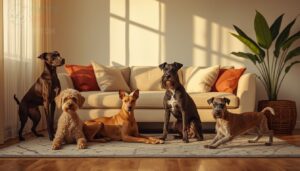
Medium-sized dogs hit a sweet spot — big enough to keep up with an active lifestyle, but not so large they take over your whole couch. If you want low shedding without going tiny, this size range has some genuinely impressive options.
Here are five medium breeds worth a serious look.
Standard Schnauzer
The Standard Schnauzer is a working dog with a stylish coat, rooted in German farm working history. Its watchdog instincts remain sharp today, reflecting its heritage.
The breed’s wiry coat sheds minimally, making it ideal for those seeking low-shedding dogs. Its signature facial bristles are not only charming but also low-maintenance, requiring minimal grooming.
With serious energy demands and high training intelligence, this dog excels with an active, engaged owner who can meet its physical and mental needs.
Portuguese Water Dog
The Portuguese Water Dog carries a proud Fishing Heritage — bred to dive into the Atlantic, herd fish into nets, and swim back with lost gear. Those Webbed Feet aren’t a quirk; they’re engineering. Today, that same drive shows up in your living room.
- Tight, wavy or curly coat with minimal dog shedding
- No undercoat means less hair floating around your home
- Considered hypoallergenic and appears on most low-shedding dog breeds lists
- Built for Water Retrieval, so swimming is pure joy
- Energetic Temperament and smart enough for real training challenges
Soft Coated Wheaten Terrier
The Soft Coated Wheaten Terrier is a farm dog that never forgot how to have fun. Its silky, low-shedding coat earns a regular spot on every hypoallergenic and low-shedding dog breeds list — but coat maintenance and grooming tips matter here.
Daily brushing is non-negotiable to manage its unique texture. Despite their high energy levels, these dogs excel in family compatibility and training ease, making the breed genuinely rewarding for active households.
Lagotto Romagnolo
Italy’s original Italian Waterdog, the Lagotto Romagnolo, earns its spot on every low-shedding dog breeds list through sheer utility. That dense, curly coat traps loose hair instead of scattering it — perfect for active families.
- Square build — sturdy, balanced, built for rough terrain
- Truffle Hunting nose — scent work keeps them mentally satisfied
- Coat maintenance and grooming tips — clip every 6–8 weeks to preserve curl texture
- Health watch — Eye Disease Risk and Neurologic Conditions require responsible breeder screening
Basenji
Meet the Basenji, Africa’s "Barkless Reputation" dog, blending catlike behavior, a short, low-maintenance coat, and strong hunting instincts. Known for their minimal shedding, these ancient canines offer both allergy-friendly practicality and a unique personality.
| Trait | Detail | Why It Matters |
|---|---|---|
| Coat Type | Short, smooth | Easy weekly grooming |
| Shedding Level | Minimal | Great for allergy-friendly homes |
| Health Watch | Fanconi Syndrome risk | DNA test recommended before purchase |
With ancient African roots, the Basenji stands as a modern low-shedding breed worthy of recognition.
Best Large Low-Shedding Breeds
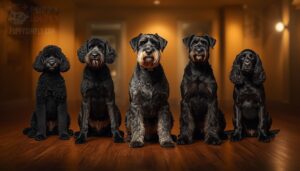
Big dogs can absolutely be low-shedding — and some of the best ones might surprise you. If you want a large companion without the endless fur cleanup, there are genuinely great options out there.
Here are five large breeds that keep shedding to a minimum.
Standard Poodle
The Standard Poodle is one of the best large low shedding dog breeds you’ll find. Its historical roots as a water retriever — including water work — shaped a dog built for both brains and activity.
Top three reasons it stands out:
- Near-hypoallergenic curly coat with minimal loose hair
- Superior Intelligence Quotient makes training straightforward
- Activity Needs fit active households perfectly
Giant Schnauzer
If the Standard Poodle caught your eye, the Giant Schnauzer might seal the deal. This powerhouse tops the list of large, low-shedding dog options with its wiry, limited-shedding coat and bold temperament.
| Feature | Detail |
|---|---|
| Size Standards | Males 65–70 cm tall |
| Exercise Demands | Daily vigorous exercise required |
| Health Concerns | Hip dysplasia, thyroid issues |
Their working heritage makes these Schnauzers outstanding — but they need committed owners.
Afghan Hound
The Afghan Hound turns heads everywhere with its long, silky coat—a showstopper that defies expectations as one of the better low-shedding dogs for large-breed enthusiasts. This breed’s elegant build, often topping 27 inches, reflects its historical origins in Afghanistan’s rugged mountains, where its independent temperament was forged.
Its hypoallergenic-friendly coat requires daily exercise and consistent brushing to prevent matting, a necessity for maintaining its striking appearance. Despite its high-maintenance fur, the Afghan Hound’s unique blend of grace and resilience makes it a standout companion for dedicated owners.
Irish Water Spaniel
If you want a large dog that actually works for your lifestyle, the Irish Water Spaniel deserves a serious look. Its curly water-resistant coat—built on historical foundations going back to 1830s Ireland—is one of the best dog coat types for low-shedding dogs.
Those webbed feet and energetic temperament mean real exercise demands daily, but allergy-sensitive households will appreciate its hypoallergenic-friendly qualities.
Barbet
Meet the Barbet — a curly-coated French gem that has been showing up in historical depictions since the 16th century. Its marsh hunting role shaped everything: the weatherproof coat, the athletic build, the love of water. For your low-shedding dog breeds list, it’s a standout.
- Weight: 35–65 lbs, height: 19.5–25.5 inches
- Low-shedding, curly coat needs regular brushing
- High Energy Levels — swimming and retrieving are favorites
- Strong Training Intelligence makes learning fun and fast
- Loyal, joyful temperament; great for active families
What Low-Shedding Really Means
Low-shedding" sounds simple, but there’s more going on under the coat than most people realize.
Before you fall in love with a breed, it helps to understand what actually causes allergies — and why less hair doesn’t always mean fewer sneezes. Here’s what you need to know.
Low-shedding Vs Hypoallergenic

"Hypoallergenic" sounds like a promise, but it’s really just marketing shorthand. The truth is, no breed is fully allergen-free—not even those on low-shedding lists. The American Kennel Club confirms this clearly.
No dog breed is truly hypoallergenic — that’s marketing, not medicine
Shedding vs allergens aren’t the same thing: Allergen transmission happens through dander and saliva too, not just loose fur. While hypoallergenic breeds shed less, this doesn’t guarantee allergy relief.
Before committing to a breed, prioritize allergy testing and breed sensitivity checks. These steps remain essential for understanding your specific triggers and a dog’s potential impact on your symptoms.
Why Dander Still Matters

Even with a low-shedding breed, dog dander still travels. Dander protein allergens—tiny particles from skin, saliva, and urine—have impressive airborne longevity, floating through indoor air long after your dog has left the room.
They hitch a ride via clothing transfer, settle into furniture, and leave household residue for months.
Understanding dog dander and saliva as separate symptom triggers is essential for any allergy-friendly dog breed guide.
Coat Types That Trap Loose Hair
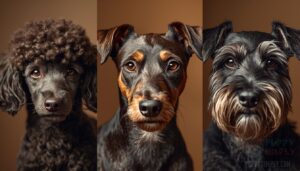
Your dog’s coat type is basically the gatekeeper of loose hair. Curly wool and corded locks trap shed strands inside tight bends—which is the secret behind low-shedding breeds like Poodles.
Single-coat dogs lack heavy double layers, so there’s far less undercoat to shed.
Wire-textured coats trap dead hair differently, too.
Understanding dog coat types helps you choose smarter.
Why No Dog is Allergen-free

No dog is truly hypoallergenic — that’s just the truth. Dog allergens like Can f 1 live in saliva and dander, not fur. Even low-shedding dog breeds release them. Understanding dog dander and saliva proteins matters more than coat type alone.
Three allergen facts worth knowing:
- Airborne allergen persistence means particles linger long after your dog leaves the room
- Male allergen Can f 5 comes from intact males’ urine and saliva
- Allergy testing limits mean no test guarantees a specific breed is safe for you
Hairless Breeds and Allergy Myths
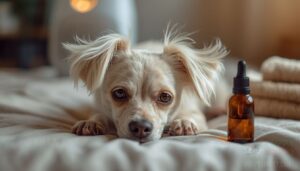
Hairless dog breeds like the Chinese Crested seem like the ideal allergy-friendly dog breeds — but that’s a Hairless Hypoallergenic Myth worth busting.
Their skin allergen sources include oils, saliva, and dander, all still very much present.
Regular bathing benefits allergy management with pets by reducing surface buildup. Add HEPA filtration tips and sun protection care, and you’ve got a smarter strategy than breed alone.
Grooming Needs Before You Choose
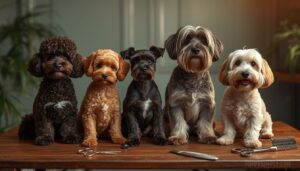
Low-shedding doesn’t mean low-maintenance — these coats still need real attention to stay healthy and tangle-free.
Before you fall for a breed, it’s worth knowing what you’re actually signing up for at the grooming table. Here’s what to expect across the five biggest factors.
Brushing Frequency by Coat Type
Not every coat plays by the same rules. Short Coat Brushing once a week keeps things tidy, while Double Coat Routine ramps up to a daily during shedding seasons.
Long Coat Care needs daily attention — skip a few days, and tangles win. Wire Coat Maintenance stays manageable weekly.
For curly coat dogs, brush two to three times weekly. Matching grooming frequency to your dog’s coat type makes all the difference.
Professional Clipping and Hand-stripping
Brushing keeps things tidy at home, but some coats need a professional’s hands. For wire-coated breeds like Schnauzers, stripping versus clipping isn’t just a preference — it’s about preserving texture. Hand-stripping pulls dead hair from the root, maintaining that crisp, weather-resistant coat intact. Clipping softens it over time.
A skilled professional groomer uses the right tools and techniques to protect your dog’s coat properly.
Typical Grooming Costs
Professional grooming isn’t cheap — but knowing what drives the bill helps you plan. Size-based pricing significantly influences costs: a Bichon visit ranges from $50–$120, while a Standard Poodle can reach $120.
Add-on services quickly increase expenses. Fees for teeth brushing or ear cleaning stack up fast, adding to the base price.
Opting for mobile grooming prioritizes convenience but comes at a premium, further raising the total cost.
Annually, budget $300–$1,000 for grooming. However, coat condition directly impacts maintenance needs; poor upkeep can push expenses higher.
Preventing Mats in Curly Coats
Curly coats are beautiful — until a mat sneaks in overnight. Daily brushing with the right detangling tools (slicker brush plus metal comb) keeps low-shedding coats tangle-free. Always perform pre-bath brushing, as wet hair tightens knots quickly.
After washing, pat dry — never rub, to prevent tangles. Regular checks for friction hotspots behind ears and armpits catch trouble early.
Managing trim length also helps; shorter coats simply mat less.
Matching Grooming Needs to Lifestyle
Your lifestyle is the real grooming blueprint. If time availability is tight, short-coated low-shedding dog breeds better suit busy weekdays than curly coats requiring weekly salon visits. Budget constraints also matter—grooming for low-shedding breeds can cost up to $120 monthly.
Factor in travel frequency, activity level, and home environment (indoor vs. outdoor living) before selecting family-friendly low-shedding dogs for apartment living. These considerations ensure a harmonious match between your lifestyle and your pet’s needs.
Frequently Asked Questions (FAQs)
What breed of dog is least likely to shed?
Poodles and Chinese Crested dogs top the low shedding dog breeds list.
Their coat genetics minimize loose hair considerably.
For allergy sufferers, these breeds with minimal shedding offer the most manageable allergen exposure in daily home life.
What dogs are usually not allowed in apartments?
Some dogs get the short end of the stick in apartment living. Insurance restrictions, liability concerns, and local breed bans often block larger breeds.
Policy breed rules commonly target pit bulls, Rottweilers, and German shepherds — though assistance animal exemptions apply.
What dogs listen the most?
Border Collies, Poodles, and German Shepherds top the list for breed listening traits. Their social motivation, training history impact, and response to cue clarity and consistent reinforcement make them naturally tuned-in partners.
Which dogs chase cats?
Ever wonder why some dogs can’t resist a sprinting cat? Breeds with high prey drive—think Greyhounds, Terriers, and Huskies—are the usual suspects.
These dogs exhibit distinct behaviors when their instincts kick in. Watch for fixed staring and stiff posture as early chase warning signs.
Do low-shedding breeds cost more to own overall?
Higher purchase prices and grooming costs can add up fast. However, health care costs, food expenses, and vet insurance vary by breed — so lifetime costs depend on your specific dog.
Are low-shedding dogs harder to train than others?
Trainability depends on breed purpose and temperament, not coat type. Poodles train easily, while Schnauzers require firm consistency.
Positive reinforcement and early socialization matter far more than whether your dog sheds.
Conclusion
Forget the lint roller — finding dog breeds that shed least is the real life hack here. You’ve got sixteen solid options, from the lap-sized Maltese to the swim-ready Irish Water Spaniel. The text honestly addresses dander, grooming costs, and what "low-shedding" actually means.
The right dog won’t just spare your couch — it’ll fit your life. Trust what you’ve learned, match it to your lifestyle, and go find your dog.
- http://www.cabidigitallibrary.org/doi/10.1079/hai.2021.0005
- https://www.akc.org/dog-breeds/poodle-standard/
- https://linkinghub.elsevier.com/retrieve/pii/S1090023316300673
- https://www.sainsburysbank.co.uk/pet-insurance/guides/low-shedding-breeds
- https://www.countryliving.com/life/kids-pets/g61207199/dogs-puppies-that-dont-shed-hypoallergenic/