This site is supported by our readers. We may earn a commission, at no cost to you, if you purchase through links.

10–20% of people are allergic to dogs—yet millions of them own one anyway.
Some push through with antihistamines, others spend weeks researching before committing to a breed.
If you’re in that second group, you already know the frustrating truth: no dog is completely allergen-free.
The real difference lies in how much dander, saliva, and shed hair a breed releases into your home.
Certain breeds produce noticeably fewer airborne allergens, making daily life far more manageable for sensitive owners.
The best hypoallergenic breeds for allergies share specific coat and grooming traits worth knowing before you choose.
Table Of Contents
- Key Takeaways
- What Makes a Dog Breed Hypoallergenic
- Top Hypoallergenic Dog Breeds for Allergies
- Choosing The Right Breed for Allergy Sufferers
- Grooming Tips for Hypoallergenic Dogs
- Reducing Dog Allergens in Your Home
- Top Products for Managing Pet Allergies
- Essential Tips for Living With Allergies and Dogs
- Frequently Asked Questions (FAQs)
- Conclusion
Key Takeaways
- No dog is completely allergen-free, but breeds like Poodles, Bichon Frises, Schnauzers, and Portuguese Water Dogs shed less and release fewer allergens, making them better for allergy sufferers.
- dog’s dander are triggered by proteins in a dog’s dander, saliva, and urine, so coat type and grooming habits play a big role in how much these allergens spread in your home.
- Regular brushing, bathing, and professional grooming help keep dander and hair under control, while cleaning routines and air purifiers make your living space more comfortable.
- Choosing the right breed means matching its traits to your allergy severity and lifestyle, and working with your allergist and vet helps you manage symptoms and enjoy life with your dog.
What Makes a Dog Breed Hypoallergenic
Not every dog triggers allergies the same way, and the reason comes down to biology, not just breed popularity.
Each dog produces different amounts of dander, saliva, and skin proteins—which is why Australian Shepherds and hypoallergenic claims deserve a closer, science-based look before you commit to a breed.
A few key factors — like how much a dog sheds, drools, and produces dander — determine how allergy‑friendly they really are.
Here’s what’s actually going on under the fur.
Understanding Allergens in Dogs
If you’ve always wanted a dog but pet allergies keep getting in the way, understanding why you react is the first step. Your immune system flags specific Can f proteins — found in a dog’s saliva, urine, and skin — as threats, triggering IgE sensitization patterns that cause sneezing and itchy eyes. The main culprits are:
Dog allergies happen when your immune system reacts to proteins in a dog’s saliva, urine, or skin, causing sneezing and itchy eyes
- Can f 1 — the most common saliva allergen pathway trigger
- Can f 5 — a urine protein trigger found mainly in male dogs
- Environmental dander spread — tiny skin flakes that travel through air and cling to everything
That’s why hypoallergenic dog breeds aren’t allergen-free — they just produce fewer of these proteins. Rural living reduces risk.
Dander, Saliva, and Shedding Explained
Now that you know what triggers reactions, here’s how those allergens actually reach you. Dander — microscopic dead skin flakes — acts as the main delivery system. Through the Saliva Transfer Mechanism, dogs lick their fur, and dried saliva flakes off as Microscopic Allergen Particles. Seasonal Shedding Peaks in spring and fall push allergen levels higher indoors.
The primary allergen in dog saliva is the Can f1 protein, which can trigger reactions.
| Allergen Source | How It Spreads |
|---|---|
| Dander | Floats in air, lands on surfaces |
| Dried Saliva | Flakes off fur during shedding |
| Shed Hair | Carries dander + saliva particles |
| Dander Surface Reservoirs | Clings to bedding, rugs, curtains |
| Airborne Particle Size | Tiny particles reach your lungs |
Coat Types and Allergen Production
So where does coat type fit in? It’s less about allergen production and more about allergen dispersion patterns.
Single vs double coats behave very differently — double coats shed in seasonal bursts, flooding your home with dander.
Curly coat mechanics trap loose hair instead of releasing it.
Furnished hair impact and genetic coat influence shape how much pet dander actually travels — making nonshedding coat breeds easier to manage.
Top Hypoallergenic Dog Breeds for Allergies
Not every dog is a good fit for allergy sufferers, but some breeds make life a whole lot easier.
These ten breeds are known for their low-shedding coats and reduced dander, making them popular picks for sensitive households.
Here’s a closer look at each one.
Poodle (Toy, Miniature, Standard)

The Poodle is one of the most popular hypoallergenic dog breeds — and for good reason. Their dense, curly nonshedding dog breed’s coat traps loose hair close to the skin, cutting down on airborne dander considerably.
Size variations include Toy, Miniature, and Standard, so there’s a fit for any home. Add in their legendary training intelligence, manageable exercise needs, and routine coat maintenance every 4–6 weeks, and allergy management feels genuinely achievable.
Bichon Frise

The Bichon Frise is a cloud-like companion that punches well above its weight for allergy sufferers.
Its Soft Double Coat works like a filter — those Hair-Catching Curls trap loose fur before it drifts through your air.
Here’s what keeps this breed among the best hypoallergenic dog breeds:
- Dander Trapping curls reduce airborne allergens substantially
- Weekly Brushing prevents buildup and matting
- Regular Trimming every few weeks keeps the coat manageable
- Minimal shedding makes pet dander control far easier indoors
Schnauzer (Miniature, Standard, Giant)

Schnauzers come in three sizes — Miniature, Standard, and Giant — making them one of the most adaptable hypoallergenic dog breeds around.
Their low-shedding coats make all three sizes a popular pick among allergy-prone owners looking for hypoallergenic dog breeds safe for asthma sufferers.
Their wiry, low‑shedding coat naturally limits allergen spread, but regular brushing keeps things in check.
| Feature | Details |
|---|---|
| Size Variations | Miniature, Standard, Giant |
| Coat Maintenance | Weekly brushing, periodic clipping |
| Energy Levels | High — needs daily activity |
| Training Challenges | Smart but stubborn; consistent training helps |
| Health Concerns | Pancreatitis, eye issues, bladder stones |
Portuguese Water Dog

If you’re managing allergies but still want an active, devoted companion, the Portuguese Water Dog checks a lot of boxes.
Their curly or wavy, low‑shedding coat makes them one of the most popular hypoallergenic dog breeds for families.
PWD grooming needs are real, though — brush twice weekly and trim regularly for matting prevention.
- Bonds deeply with the whole family
- Thrives with active, outdoor‑loving households
- Minimal shedding means less dander on your furniture
Soft Coated Wheaten Terrier

The Soft Coated Wheaten Terrier brings something genuinely special to the hypoallergenic dog breeds conversation — a single, silky coat that sheds far less than most double‑coated dogs, which naturally helps reduce dander spread indoors.
That signature Wheaten coat care routine matters, though. Daily combing manages tangle prevention, while regular trims keep the silky coat traits working in your favor for allergy management.
| Feature | Detail |
|---|---|
| Shedding Characteristics | Low shedding, single coat |
| Coat Type | Soft, silky, no undercoat |
| Grooming Frequency | Daily combing recommended |
| Dander Impact | Reduced dander spread indoors |
| Allergy Suitability | Good for mild-moderate allergies |
Maltese

The Maltese punches well above its tiny weight regarding hypoallergenic dog breeds. This small but spirited breed has long, straight hair that sheds slowly — making it a smart pick for pet allergy management in tight living spaces.
Its low shedding coat still needs regular brushing, and its gentle temperament makes training needs straightforward. Ideal for mild allergy sufferers.
Lagotto Romagnolo

The Lagotto Romagnolo is one of those low‑shedding dogs that surprises people.
Originally bred with a strong water retrieval instinct, this curly‑coated Italian breed fits naturally into the hypoallergenic dog breeds conversation.
Its thick, wool‑like coat requires consistent coat maintenance and dog grooming, and care to keep dander under control.
Family compatibility is high, though training challenges and health screening are worth researching before committing.
Afghan Hound

The Afghan Hound turns heads for a reason — that Long Fine Hair isn’t just stunning, it’s also surprisingly allergy‑friendly.
Unlike typical dog fur, this breed’s Human-like Coat behaves more like yours, meaning Minimal Shedding and less dander floating around your home. Here’s what makes this breed stand out for allergy sufferers:
- Coat Uniqueness sets it apart from most hypoallergenic dog breeds
- Low-shedding nature limits airborne allergen spread
- Single-layer coats mean less trapped dander
- Allergy Suitability is strong for mild-to-moderate sensitivity
- Regular grooming keeps the Afghan Hound’s coat manageable and clean
Kerry Blue Terrier

If long, flowing coats aren’t your style, the Kerry Blue Terrier offers something different. This breed’s wavy, soft coat doesn’t shed heavily, making it one of the more practical low shedding dogs for allergy‑prone households.
Coat Maintenance means regular brushing to stay on top of pet dander reduction.
Active Temperament Traits and moderate Exercise Needs suit energetic owners, though Training Challenges and routine dog grooming and care require commitment.
Xoloitzcuintli (Mexican Hairless)

Want something truly unique? The Xoloitzcuintli, one of the oldest hypoallergenic dog breeds, brings serious Cultural History alongside serious pet dander reduction.
The hairless variety barely sheds, making it a standout among low-allergen dogs.
Just note the Hairless Skin Care demands — sunscreen included — plus Heat Sensitivity and occasional Training Challenges.
Health Concerns are manageable with regular vet check-ins.
Choosing The Right Breed for Allergy Sufferers

Picking the right dog isn’t just about cuteness — it’s about finding a breed that actually works for your body and your life.
Your allergy history, daily routine, and living space all play a role in that decision.
Here are three key things to think through before you commit to a breed.
Assessing Allergy Severity
Before picking a breed, it helps to know exactly where your allergy symptoms fall on the scale. Symptom Scoring starts with honest self‑observation:
- Mild — sneezing or a runny nose that clears up after you leave the dog
- Moderate — constant congestion and eye redness that disrupts sleep
- Severe — wheezing or chest tightness after brief exposure
- Confirmed — Skin Prick Results or IgE Class Levels from an allergist
Asthma Trigger Evaluation matters, too. If dogs reliably cause wheezing, your allergy is medically serious. Exposure Duration Impact is real — even short contact in small spaces can spike allergic reactions for sensitive allergy sufferers.
Matching Breed Traits to Lifestyle
Once you know your allergy severity, matching breed traits to your actual lifestyle makes all the difference.
Energy Fit matters — Poodles need 60–90 minutes of daily exercise, while a Maltese is happy with short walks. Living Space, Grooming Frequency, Family Compatibility, and Travel Adaptability all shape which low-allergen dogs and hypoallergenic dog breeds truly fit your world.
Purebred Vs. Mixed Breed Considerations
Purebred dogs offer stronger allergen predictability — a Standard Poodle, for example, consistently passes low‑shedding traits across generations.
Mixed breeds vary widely depending on genetics inherited from each parent. Breeder screening, genetic health risks, and cost comparison matter too: purebreds average $2,000 upfront with higher lifetime costs, while mixes often cost less.
For allergy‑friendly pets, availability sources like shelters offer mixed hypoallergenic dog breeds at lower adoption fees.
Grooming Tips for Hypoallergenic Dogs

Even hypoallergenic dogs need regular grooming to keep allergens in check. A good routine makes a real difference — for both your dog’s comfort and your own breathing.
Here’s what you need to know to get it right.
Importance of Regular Brushing
Regular brushing is one of the simplest moves you can make for Allergy Management at home. It pulls loose fur and dander away before it settles on your furniture or floats into the air. For hypoallergenic dog breeds, aim for 2–3 sessions weekly.
- Dander Reduction: Slicker brushes trap allergens directly at the source
- Oil Distribution: Spreading natural skin oils prevents the dryness that creates extra dander
- Mat Prevention: Curly coats tangle fast without consistent grooming
- Skin Circulation: Brushing stimulates blood flow, supporting healthier skin overall
Bathing Routines to Minimize Dander
Bathing is one of the most effective pet allergy solutions you have. Aim for twice weekly — that frequency keeps dander consistently low without drying your dog’s skin.
Use lukewarm water around 100°F, a pH-balanced shampoo with colloidal oatmeal or aloe vera, and rinse until the water runs completely clear. Finish with a cool blow dryer in a ventilated space.
Professional Grooming Recommendations
Even the best home routine needs backup. Schedule professional grooming every 4 to 6 weeks — curly-coated breeds like Poodles need it closer to four.
Look for salons with HEPA Salon Air filtration and Tool Sterilization Protocols, or try a Mobile Groomer Filtration van to keep allergens out of your home.
Ask about Allergen-Free Spa Add-Ons like fragrance-free conditioning rinses for extra relief.
Reducing Dog Allergens in Your Home

Even with a low-shedding dog, allergens can still build up in your home over time. The good news is that a few simple habits go a long way toward keeping symptoms in check.
Here are the best ways to reduce dog allergens inside your home.
Allergen-Free Zones and Cleaning Routines
Think of your bedroom as a sanctuary — and keep it that way.
Bedroom door sweeps block drifting dander, while a consistent HEPA vacuum schedule on carpets and furniture makes a real difference.
Use the damp dusting technique twice weekly, choose hard floor selection over carpet where possible, and stay on top of your pet bedding wash every week.
Using Air Purifiers for Pet Dander
Cleaning routines tackle what lands on surfaces — but dog dander floats. That’s where pet air purifiers earn their keep.
- HEPA Placement: Position units 3–5 feet off the ground, near where your dog rests.
- CADR Sizing: Choose 300+ CFM for rooms your hypoallergenic dog breed uses most.
- Carbon Odor Reduction: Look for at least 1–2 pounds of activated carbon.
- Pre‑Filter Maintenance: Vacuum pre-filters weekly to protect your HEPA layer.
Washing Bedding and Toys Frequently
Air purifiers catch what floats — but dander also settles into your dog’s bedding and toys.
Wash bedding weekly using hot water cycles around 60°C, which eliminates nearly all dander proteins.
Enzyme detergent breaks down saliva and skin oils effectively.
For toy material care, machine-wash plush toys and hand‑scrub rubber ones.
Proper drying methods, like high-heat drying, finish the job.
Top Products for Managing Pet Allergies
Even with a low-shedding breed, the right products can make a real difference in how you feel day to day.
From dander removers to powerful vacuums, a few smart picks go a long way toward keeping allergens under control.
Here are four products worth having in your corner.
1. Chuckit Classic Ball Launcher Dog Toy

If your hypoallergenic dog needs exercise, the Chuckit! Classic Ball Launcher makes outdoor play much easier.
Its 26‑inch lever arm launches balls up to 100 meters — two to three times farther than a hand throw — so your dog gets a real workout without you tiring out your arm.
The cupped end scoops up wet or muddy balls hands‑free, which is a small but genuinely useful feature. It’s lightweight, durable, and fits standard 2.5‑inch Chuckit! balls right out of the box.
| Best For | Dog owners with medium-breed dogs who love outdoor fetch sessions at the park or in open spaces. |
|---|---|
| Lifestage | All Lifestages |
| Breed Size | Medium Breeds |
| Pet Friendly | Yes |
| Dander Reduction | Indirect (exercise) |
| Allergy Benefit | Low |
| Ease of Use | Simple operation |
| Additional Features |
|
- Launches balls way farther than you can throw by hand — great workout for your dog, easy on your arm
- Scoops up wet or muddy balls without touching them, which is a genuinely nice perk
- Lightweight and durable, so it holds up through lots of use
- Only works with 2.5-inch Chuckit! balls, so you’re locked into that size
- Too big for small spaces — not great if you don’t have a yard or nearby park
- Not the best fit for very small or very large breeds
2. Allerpet Dog Dander Remover

Exercise manages the energy — but what about the dander your dog leaves behind? That’s where Allerpet Dog Dander Remover steps in.
Just dampen a cloth, wipe it through your dog’s coat, and you’re done — no bath needed. It’s formulated with aloe vera, green tea, and chamomile to condition skin while pulling dander away before it goes airborne.
Used weekly, it’s scientifically shown to cut dander loads by 50%. Safe for puppies over 10 weeks, all breeds, all sizes.
| Best For | Dog owners with allergies—or anyone sharing their home with allergy-prone family members—who want an easy, bath-free way to keep dander under control. |
|---|---|
| Lifestage | All Lifestages |
| Breed Size | All Breeds |
| Pet Friendly | Yes |
| Dander Reduction | Direct (50% reduction) |
| Allergy Benefit | High |
| Ease of Use | No bath needed |
| Additional Features |
|
- Cuts dander loads by 50% with weekly use, which is actually backed by science
- Super easy to apply—just wipe it through the coat, no rinsing or bathing involved
- Made with gentle ingredients like aloe vera and chamomile, safe for pups as young as 10 weeks
- Doesn’t work for everyone—some allergy sufferers may still notice symptoms
- Needs consistent, regular use (weekly or even every few days) to stay effective
- Won’t completely eliminate allergens, just reduce them
3. Eureka PowerSpeed Upright Vacuum Cleaner
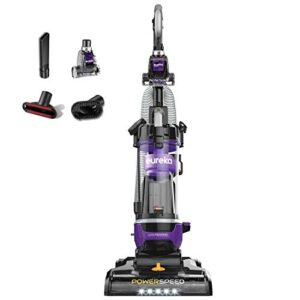
Dander doesn’t stay on your dog — it lands on floors, carpets, and furniture fast. That’s where the Eureka PowerSpeed Upright Vacuum earns its keep.
At just over 10 pounds, it’s easy to carry between rooms without wearing yourself out.
The washable foam filter traps allergens well, and the 2.1-liter dust cup means fewer stops to empty it.
It works with carpet, hardwood, and upholstery, and the included pet tool pulls hair off furniture with surprisingly little effort.
| Best For | Pet owners and renters who want a reliable whole-home vacuum that handles hair, dander, and everyday messes without breaking the bank. |
|---|---|
| Lifestage | All Lifestages |
| Breed Size | All Breeds |
| Pet Friendly | Yes |
| Dander Reduction | Direct (vacuuming) |
| Allergy Benefit | High |
| Ease of Use | Cord rewind storage |
| Additional Features |
|
- The 2.1-liter dust cup is genuinely big — you won’t be emptying it every five minutes
- Comes with a solid accessory kit, including a dedicated pet tool that actually works on furniture
- The washable foam filter saves you money and helps trap allergens over time
- At 12.3 pounds, it’s not the lightest option — not ideal if you have mobility concerns
- The cord limits how far you can roam, so expect a few outlet changes in larger spaces
- The roller brush needs regular cleaning or it’ll start to struggle, especially with pet hair buildup
4. Afloia Air Purifier for Pets
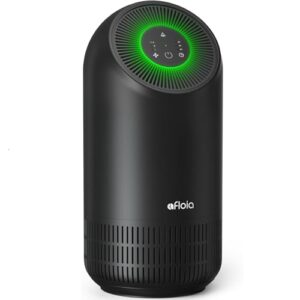
One thing most allergy sufferers overlook is the air itself. Even after vacuuming, dander particles stay floating for hours.
The Afloia Air Purifier addresses that invisible problem with a 3-stage filtration system — pre-filter, True HEPA, and activated carbon — removing 99.97% of particles including pet dander, odors, and pollen.
It cycles the air four times per hour in rooms up to 220 square feet. At under five pounds, you can move it wherever your dog usually hangs out most.
| Best For | Pet owners and allergy or asthma sufferers who want cleaner air without a lot of hassle. |
|---|---|
| Lifestage | All Lifestages |
| Breed Size | All Breeds |
| Pet Friendly | Yes |
| Dander Reduction | Direct (99.99% filtration) |
| Allergy Benefit | High |
| Ease of Use | Timer and speed control |
| Additional Features |
|
- Tackles pet dander, odors, and hair all at once with a 3-stage filter system
- Light enough (under 5 lbs) to move from room to room as needed
- Cycles the air 4 times per hour, so it’s actually doing real work, not just sitting there
- Filters need replacing every 4–6 months, which adds to the ongoing cost
- You have to register the warranty within a week of buying it — easy to forget
- Only covers up to 220 sq ft per cycle, so bigger rooms may need more than one unit
Essential Tips for Living With Allergies and Dogs

Living with a dog when you have allergies takes more than just picking the right breed.
A few smart habits can make a real difference in how you feel day to day.
Here are the most practical steps to help you and your dog thrive together.
Consulting With Allergists and Veterinarians
Think of your allergist and vet as a team working on the same problem from different angles.
Allergy testing protocols like skin prick tests and IgE blood panels pinpoint exactly which dog proteins trigger your symptoms.
Your allergist can then outline immunotherapy options and allergy management strategies, while your vet designs grooming routines and joint care plans to keep allergen levels low at home.
Monitoring and Managing Allergy Symptoms
Keeping a symptom tracking diary helps you identify triggers fast. Log when symptoms start, how long you’re around your dog, and rate severity using simple scales — mild sneezing versus serious wheezing.
Daily medications like cetirizine or loratadine manage most allergy symptoms effectively. But know your emergency signs: chest tightness, facial swelling, or hives with vomiting mean stop everything and get help immediately.
Frequently Asked Questions (FAQs)
Can allergies develop after owning a dog long-term?
Yes, adult onset allergy is real. Your immune system can shift over time, gradually developing sensitization even after years of symptom-free life with your dog.
Do hypoallergenic dogs cost more than regular breeds?
Often, yes. The purchase price, grooming expenses, and lifetime cost for hypoallergenic dogs run higher due to supply demand pressures — but some affordable breeds keep costs close to regular dogs.
Can diet affect how much dander a dog produces?
Absolutely.
What your dog eats directly affects dander production.
Essential Fatty Acids support skin hydration, Omega Balance reduces flaking, Probiotic Impact calms irritation, and addressing Food Allergy Triggers and Nutrient Deficiency Effects noticeably lowers allergens at home.
Conclusion
Funny, isn’t it—millions of allergy sufferers choose the one companion most likely to make them sneeze. But that choice doesn’t have to mean suffering.
The best hypoallergenic breeds for allergies give you a real shot at sharing your home with a dog without the constant battle. Pair the right breed with smart grooming habits and a clean environment, and the sneezing stops being the loudest thing in the room.
Your dog-loving life is still very much possible.
- https://canineboardinglodge.com.au/hypoallergenic-dog-grooming/
- https://pmc.ncbi.nlm.nih.gov/articles/PMC4996870/
- https://www.akc.org/dog-breeds/hypoallergenic-dogs/
- https://bazallergy.com/the-best-dog-breeds-for-allergy-sufferers/
- https://sundaysfordogs.com/blog/small-hypoallergenic-dogs-13-dogs-that-do-not-shed