This site is supported by our readers. We may earn a commission, at no cost to you, if you purchase through links.
Your dog’s body runs on an assembly line that never stops, building thousands of proteins every single day to repair muscle fibers, manufacture enzymes, and regenerate skin cells. But unlike humans who can synthesize certain protein building blocks internally, dogs lack the metabolic machinery to produce nine specific amino acids—compounds they must obtain entirely from food.
These essential amino acids for dogs aren’t nutritional luxuries; they’re the raw materials that determine whether your dog thrives or merely survives. Without adequate dietary intake of histidine, leucine, lysine, and six others, even a dog eating sufficient calories will experience muscle wasting, immune dysfunction, and systemic breakdowns that no supplement or medication can fully reverse.
Understanding which proteins deliver these compounds in forms your dog can actually use separates ideal nutrition from well-intentioned guesswork.
Table Of Contents
- Key Takeaways
- What Are Essential Amino Acids for Dogs?
- The Ten Essential Amino Acids Dogs Need
- Why Dogs Cannot Synthesize Essential Amino Acids
- Protein Sources and Amino Acid Quality in Dog Food
- Health Impacts of Amino Acid Deficiency in Dogs
- Assessing Dog Food for Essential Amino Acids
- Special Dietary Needs and At-Risk Dogs
- Choosing and Monitoring The Right Diet
- Frequently Asked Questions (FAQs)
- What are the essential amino acids for dogs?
- What are the best amino acids for dogs?
- Can you give amino acids to dogs?
- Can dogs get amino acids from supplements alone?
- Do homemade diets provide all essential amino acids?
- How does cooking affect amino acid availability?
- Are amino acid needs different by breed size?
- Can excess amino acids cause health problems?
- Conclusion
Key Takeaways
- Dogs cannot synthesize nine essential amino acids internally, making dietary intake from complete protein sources the only pathway to prevent muscle wasting, immune dysfunction, and systemic metabolic breakdowns that supplements cannot reverse.
- Animal proteins deliver all essential amino acids in biologically appropriate ratios with superior digestibility compared to plant proteins, which often lack one or more essential amino acids without careful blending and formulation.
- Amino acid deficiencies manifest through visible symptoms like coat deterioration and lethargy initially, but progress to irreversible damage including heart disease, kidney dysfunction, and cognitive decline when dietary requirements remain unmet over months or years.
- Life stage and health status dramatically alter amino acid requirements, with puppies needing 25-30% more energy for tissue formation, pregnant dogs requiring 25-50% increased calories in late gestation, and dogs with allergies or chronic conditions needing specialized diets that still meet AAFCO standards for complete nutrition.
What Are Essential Amino Acids for Dogs?
When you hear “protein,” you might think that’s the nutrient your dog needs most, but it’s actually the amino acids within that protein that do the real work. These small molecules act as building blocks, assembling into the specific proteins your dog’s body uses for everything from muscle repair to immune function.
Your dog can’t manufacture all the amino acids it needs on its own, so a complete and balanced dog nutrition plan ensures it gets the essential ones from quality food sources.
Your dog doesn’t need protein—it needs the amino acids within that protein to build muscle, support immunity, and repair tissue
Understanding the difference between essential and non-essential amino acids helps you see why the source and quality of protein in your dog’s diet matters more than the percentage on the label.
Definition and Function in Canine Health
Essential amino acids are nine specific protein building blocks your dog can’t manufacture internally, so they must come from food. These compounds drive protein synthesis, turning dietary protein into muscle, skin, organs, and enzymes that regulate metabolism.
Without the right amino balance, canine health suffers—tissue repair slows, immune function weakens, and growth stalls, making amino acid requirements in dogs non-negotiable for vitality. To support overall wellbeing, it’s vital to maintain throughout your dog’s life.
Difference Between Essential and Non-Essential Amino Acids
Your dog’s body manages amino acids differently depending on type. Amino acid classification splits them into two groups based on canine biochemistry—those your dog must eat and those produced internally through protein synthesis.
- Essential amino acids arrive only through dietary requirements, as dogs lack the metabolic pathways to synthesize them.
- Nonessential amino acids are manufactured from other compounds within your dog’s system.
- Both categories support identical functions in canine health and nutrient balance.
- The distinction reflects dietary necessity, not biological importance to protein production.
For a deeper understanding of how these nutrients support, extensive information exists about essential versus nonessential amino acids.
The Ten Essential Amino Acids Dogs Need
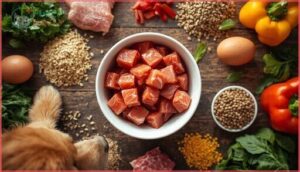
Your dog’s body depends on ten specific amino acids that must come directly from their food. Each one plays a distinct role in keeping your dog healthy, from building muscle tissue to supporting immune function.
Let’s look at what these amino acids are and how they work in your dog’s body.
List of Essential Amino Acids
Your dog needs nine essential amino acids from food: histidine, isoleucine, leucine, lysine, methionine, phenylalanine, threonine, tryptophan, and valine.
These building blocks of protein support everything from tissue growth to immune defense in canine nutrition.
Without them, your dog’s body can’t manufacture the proteins necessary for wound healing, enzyme production, and maintaining healthy muscle mass.
Roles of Each Amino Acid in The Body
Each of these nine amino acids performs distinct metabolic functions in your dog’s body. Leucine, isoleucine, and valine—the branched-chain amino acids—fuel muscle repair after exercise, while lysine drives collagen formation for healthy skin and joints. Methionine provides sulfur for antioxidant production, and tryptophan acts as a precursor for serotonin, affecting mood and sleep.
For Dachshunds specifically, choosing a dog food rich in these amino acids supports their unique spine health and energy needs during daily activity.
Together, they orchestrate protein synthesis, cellular repair, and nutrient uptake, maintaining metabolic balance across all physiological systems.
Why Dogs Cannot Synthesize Essential Amino Acids

Your dog’s body is remarkably efficient at producing many of the compounds it needs to thrive, but essential amino acids aren’t among them. Unlike humans, who can synthesize some amino acids that dogs can’t, your dog relies entirely on dietary sources to meet these specific nutritional requirements.
Understanding why this metabolic limitation exists, and what it means for your dog’s daily diet, helps you make informed decisions about their long-term health.
Canine Metabolic Limitations
Your dog’s body can’t manufacture the ten essential amino acids it needs because canine metabolic functions lack specific enzyme systems required for their synthesis.
Metabolic stress from illness or exercise accelerates protein breakdown, depleting available amino acids faster than intake can replace them.
Without adequate dietary sources, a limiting amino acid halts protein synthesis entirely, impairing nutrient absorption, energy utilization, and tissue repair throughout your dog’s system.
Importance of Dietary Intake
Because your dog depends entirely on dietary intake to meet essential amino acid requirements, you must provide complete protein sources daily to maintain amino acid balance and support digestive health.
Protein quality directly influences nutrient absorption, determining how effectively your dog’s diet delivers the amino acids necessary for tissue repair, immune function, and metabolic processes that sustain overall wellness throughout every life stage.
Protein Sources and Amino Acid Quality in Dog Food
Not all protein sources deliver the same nutritional value for your dog. The origin of the protein, whether it comes from animal or plant ingredients, directly affects how well your dog’s body can access and use those essential amino acids.
Understanding these differences will help you make better choices when evaluating what’s actually in your dog’s bowl.
Animal Vs. Plant Protein Sources
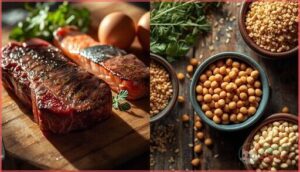
When you weigh animal proteins against plant proteins for your dog, you’re making a choice that ripples through digestibility factors, amino acid profiles, and nutrient bioavailability. Consider these realities:
- Animal proteins deliver all essential amino acids in proportions dogs evolved to use
- Plant proteins often lack one or more essential amino acids without careful blending
- Protein quality hinges on digestibility—animal sources generally score higher
- Environmental impact differs, with plant-based options using fewer resources
Both dietary protein for dogs and protein sources for dogs matter, but the biological match between animal proteins and canine needs creates a more direct path to meeting essential amino acid requirements.
Complete Vs. Incomplete Proteins
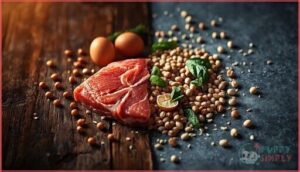
A complete protein supplies all nine essential amino acids in the ratios your dog’s body can use effectively for growth and tissue repair. Incomplete proteins fall short on one or more amino acids, creating potential amino acid deficiencies if you don’t balance protein sources for dogs carefully.
Animal proteins usually deliver complete proteins with excellent amino acid balance, while many plant options require blending to achieve dietary optimization and adequate nutrient bioavailability.
Protein Digestibility and Bioavailability
Even protein sources rich in essential amino acids won’t help your dog if they can’t be broken down and absorbed efficiently. Protein digestibility measures how much dietary protein converts to bioavailable amino acids during digestion, while bioavailability metrics assess how effectively those absorbed building blocks support tissue synthesis and nutrient utilization.
Several factors influence these processes:
- Protein structure and cooking methods alter digestion rates and amino acid absorption.
- Animal proteins usually offer higher digestibility than plant alternatives, reducing amino acid deficiencies.
- Processing techniques can improve or diminish bioavailability depending on heat and mechanical treatment.
- The complete food matrix, including fiber and fat content, affects how your dog’s body releases and uses protein sources.
Health Impacts of Amino Acid Deficiency in Dogs

When your dog doesn’t get enough of even one essential amino acid, the effects can show up quickly or build over time in ways that affect their entire body. The symptoms range from visible changes you’ll notice right away to internal problems that develop gradually and cause lasting damage.
Understanding what deficiency looks like and what it means for your dog’s future health helps you catch problems early and make better feeding decisions.
Symptoms of Deficiency
When your dog’s diet lacks sufficient essential amino acids, the warning signs often appear gradually but unmistakably. Energy decline and lethargy usually emerge first, followed by visible skin issues like dullness, flaking, or thinning coat.
Muscle wasting becomes apparent in the hindquarters, while immune problems manifest as recurrent infections.
Digestive disturbances, including chronic diarrhea or vomiting, signal that amino acid deficiencies are undermining your dog’s overall health.
Long-Term Health Consequences
Beyond the early warning signs, amino acid deficiencies accumulate silently, raising your dog’s risk of heart disease, kidney damage, and progressive muscle loss over months or years. Immune decline leaves them vulnerable to infections they’d normally fight off, while neurological issues may surface as cognitive changes or altered behavior.
Meeting dietary requirements with adequate essential amino acids prevents these serious health problems before they take hold.
Assessing Dog Food for Essential Amino Acids

Choosing the right dog food isn’t as simple as picking the bag with the highest protein percentage. You need to look beyond the numbers and understand where that protein comes from and whether it contains the complete amino acid profile your dog needs.
Let’s break down what to look for on the label and what the guidelines actually mean for your dog’s health.
Identifying High-Quality Protein Ingredients
Your dog’s food label tells an important story if you know how to read it. Look for named animal proteins like chicken or beef at the top of the ingredient list, as these provide complete essential amino acids with high protein digestibility. Avoid vague terms like “poultry meal” that lack ingredient transparency.
Protein sourcing matters because amino acid profiles and nutrient bioavailability directly impact your dog’s digestion efficiency.
AAFCO Protein Guidelines for Dogs
AAFCO standards establish the nutrient requirements your dog’s food must meet. Adult maintenance diets require at least 18 percent crude protein on a dry matter basis, while growth and reproduction formulas need 22 percent to support developing puppies.
Dog food labels stating they meet AAFCO nutrient profiles confirm the product contains adequate protein and amino acid profiles for your dog’s life stage.
Special Dietary Needs and At-Risk Dogs

Not all dogs have the same nutritional needs regarding essential amino acids. Puppies building new tissue, seniors managing age-related changes, and pregnant dogs supporting developing litters all require careful attention to protein quality and quantity.
Dogs dealing with allergies or chronic health conditions face their own unique challenges in meeting amino acid requirements.
Puppies, Seniors, and Pregnant Dogs
Your dog’s amino acid requirements shift dramatically at different life stages, so understanding these changes helps you tailor their diet appropriately. Growing puppies need higher protein and essential amino acids to fuel rapid tissue formation, while senior dogs benefit from easily digestible proteins that support muscle maintenance without overloading aging kidneys. Pregnant dogs require increased calories and balanced amino acids during the final trimester to nourish developing puppies and prepare for lactation.
- Puppies demand 25 to 30 percent more energy than adults, with essential amino acids driving skeletal and neurological development during critical growth windows
- Senior care emphasizes moderate protein intake with high bioavailability, preserving lean mass while reducing metabolic strain on liver and kidney function
- Pregnancy diet increases caloric needs by 25 to 50 percent in late gestation, ensuring adequate lysine and methionine for fetal growth and milk production
- Canine development relies on consistent amino acid availability, as deficiencies during puppyhood or pregnancy can cause irreversible structural and cognitive deficits
- Life stage feeding requires adjusting both quantity and quality of protein sources, with veterinary input essential for puppies, seniors, and pregnant dogs
Dogs With Allergies or Medical Conditions
Allergies or chronic illnesses often require dietary adjustments to manage symptoms while preventing amino acid deficiency in your dog’s diet. Novel protein sources and limited ingredient formulas can reduce inflammatory flare-ups, yet you must confirm these specialized diets meet essential amino acids requirements to avoid nutritional deficiencies.
Hypoallergenic therapeutic foods support skin health and immune balance, but always verify they align with AAFCO standards for complete canine nutrition.
Choosing and Monitoring The Right Diet

Selecting the right dog food requires more than reading the guaranteed analysis on the label, and you’ll need to evaluate protein sources, ingredient quality, and your individual dog’s response to the diet.
Your veterinarian can guide you through this process and help identify when dietary adjustments might be necessary.
Regular monitoring of your dog’s physical condition, energy levels, and overall health will confirm whether the chosen diet is truly meeting their essential amino acid needs.
Tips for Selecting Balanced Dog Food
Your first step is reading the food labeling carefully, prioritizing formulas with named animal protein sources like chicken or fish at the top of the ingredient list. These protein sources deliver optimal nutrient balance and essential amino acids compared to plant-based alternatives.
Choose products that meet AAFCO feeding guidelines for your dog’s life stage and size, ensuring their dietary needs are met through appropriate canine nutrition.
When to Consult Your Veterinarian
When should you schedule a vet visit? If your dog shows sudden appetite loss with weight drop, persistent vomiting beyond 48 hours, or poor energy on a new diet, veterinary consultation becomes essential.
Dog owners benefit from professional nutrition advice when understanding essential amino acids for dogs seems unclear.
Emergency care matters for severe dehydration or suspected protein deficiency, ensuring health checks protect your companion’s wellbeing.
Monitoring Your Dog’s Health Through Diet
Your dog’s body tells the story of their dietary health—you just need to know what to watch. Regular health monitoring ensures your dog’s nutrition stays on track. Keep these canine nutrition markers in mind:
- Track body condition score monthly; scores of 4 to 5 out of 9 indicate proper nutrient balance supporting your dog’s dietary needs
- Watch coat shine and skin quality as indicators of amino acid levels and overall dietary assessment
- Note stool consistency; firm stools reflect adequate protein digestibility in the canine body
- Record energy patterns after meals to gauge essential amino acids absorption
- Schedule yearly veterinary reviews for complete canine nutrition evaluation
Frequently Asked Questions (FAQs)
What are the essential amino acids for dogs?
Ever wonder what keeps your dog’s body running smoothly? The essential amino acids—arginine, histidine, isoleucine, leucine, lysine, methionine, phenylalanine, threonine, tryptophan, and valine—are protein building blocks your dog can’t produce independently.
What are the best amino acids for dogs?
All ten essential amino acids are equally crucial for canine health, as deficiency in any one halts protein synthesis. You can’t prioritize individual amino acids; your dog needs the complete profile for peak function.
Can you give amino acids to dogs?
Most commercial dog foods already deliver complete amino acid profiles, so supplements aren’t usually necessary.
However, under veterinary guidance, amino acid supplementation may benefit dogs with specific medical conditions, absorption issues, or unusual dietary restrictions.
Can dogs get amino acids from supplements alone?
Supplements alone won’t reliably meet your dog’s essential amino acid needs for maintenance.
Whole food proteins provide nutrient synergy and dietary balance that isolated amino acid supplements generally lack, risking supplement risks without veterinary guidance.
Do homemade diets provide all essential amino acids?
Homemade diets often miss the mark on amino acid balance, especially when relying on single protein sources or plant-based ingredients that lack methionine or lysine without proper supplementation and canine nutrition planning.
How does cooking affect amino acid availability?
Cooking generally improves protein digestibility by unfolding structures and exposing enzyme cleavage sites, enhancing amino acid release and bioavailability.
However, excessive heat degrades sensitive amino acids like lysine, reducing overall nutrient retention and availability.
Are amino acid needs different by breed size?
Yes, breed size matters. Small dogs need higher per-kilogram protein to fuel fast metabolism, while large breeds require adjusted amino acid profiles—especially lysine and arginine—to support joint health and proper growth.
Can excess amino acids cause health problems?
While rare in dogs fed commercial diets, amino acid toxicity can occur with excessive supplementation, causing kidney strain, metabolic disorders, and nutrient imbalances that disrupt protein metabolism and create excess protein risks.
Conclusion
Your dog’s ability to thrive hinges on nutrients they can’t manufacture themselves—a biological reality that makes every meal consequential. The presence or absence of essential amino acids for dogs determines whether their cells repair correctly, their immune systems respond effectively, and their organs function optimally.
You can’t reverse metabolic deficiencies with good intentions alone. Choose protein sources that deliver complete amino acid profiles, monitor your dog’s physical condition consistently, and consult veterinary professionals when nutritional questions arise.