This site is supported by our readers. We may earn a commission, at no cost to you, if you purchase through links.

Your puppy’s first obedience class can shape their behavior for years to come, but showing up unprepared turns what should be a pivotal moment into a frustrating setback. Most new puppy owners don’t realize their eight-week-old companion needs more than just a collar and enthusiasm—they need vaccinations verified, the right equipment packed, and a strategic pre-class routine that sets them up to actually learn.
The difference between a puppy who thrives in class and one who spends the hour overwhelmed or distracted often comes down to what happened in the 24 hours before you walked through that training facility door. Getting puppy obedience class preparation right means understanding development stages, managing stress signals, and bringing supplies that support positive reinforcement rather than work against it.
Table Of Contents
Key Takeaways
- Your puppy needs current vaccinations, basic impulse control, and to be at least 8 weeks old before enrolling in obedience class, with readiness assessed through name recognition and handling tolerance.
- Reducing your puppy’s meal by half one to two hours before class sharpens focus through food motivation, while a pre-class potty break and light walk prevent accidents and burn excess energy.
- Essential gear includes a 4-6 foot lightweight leash, properly fitted flat collar, treat pouch with one-handed access, clicker for precise behavior marking, and collapsible water bowl for hydration breaks.
- Arriving 10 minutes early with a brief warm-up walk helps settle nerves and establishes a calming routine, since puppies mirror your energy and stress levels during training sessions.
Key Steps Before Puppy Obedience Class
Getting your puppy ready for obedience class isn’t just about showing up on the first day. You’ll need to evaluate whether your puppy is developmentally ready, pick a class that fits your goals, and understand what’s realistic to expect during those early training weeks.
Let’s walk through the essential steps that set both you and your puppy up for success.
Assessing Your Puppy’s Readiness
Before you sign up, take stock of your puppy’s readiness. Your puppy should be at least 8 weeks old with up-to-date vaccinations.
Look for key behavioral assessment markers: does your pup respond to their name, tolerate gentle handling, and show basic impulse control for short periods? These training foundations signal your puppy’s temperament and socialization needs are aligned for preparing for puppy class success.
Pairing those early wins with dog training clickers for recall training helps reinforce name recognition and builds that crucial connection between response and reward.
Understanding language patterns, such as those found in dictionary search, can help you better communicate with your puppy.
Scheduling and Choosing The Right Class
Once your puppy’s ready, finding the right puppy training class takes careful evaluation. Compare class schedules that match your routine and your pup’s energy peaks. Review trainer qualifications—look for certified professionals using positive reinforcement during puppy obedience training. Check the enrollment process and session formats, confirming small group sizes for individualized attention.
Your evaluation criteria should prioritize safety policies, socialization opportunities, and the dog trainer’s responsiveness to guarantee successful puppy training and socialization. When evaluating a trainer’s approach, consider the importance of methodological rigor in their teaching methods.
Setting Realistic Training Goals
Before your first session starts, define what success looks like for your pup. Goal setting in puppy obedience training means identifying specific behavioral targets—like responding to their name within three seconds or sitting on cue nine out of ten times.
Use training metrics and progress tracking to measure growth over four to eight weeks, adjusting your expectations based on puppy assessment and positive reinforcement responses.
Regular check-ins during your puppy’s critical period training help you spot breakthrough moments and refine your socialization timeline.
Understanding Puppy Development Stages
Understanding your puppy’s age helps you set appropriate class expectations. Between three and fourteen weeks, your pup’s socialization window stays open—this critical phase shapes canine development and emotional growth through puppy habituation to new sights and sounds.
By sixteen weeks, behavioral training builds on earlier exposures, making puppy training class timing a key factor in long-term success.
Essential Supplies for Obedience Class
Showing up to your first puppy obedience class without the right gear can throw off your entire training session. You don’t need a truckload of equipment, but a few key items will make the experience smoother for both you and your puppy.
Before you head out, check this complete guide to your first puppy training class to see exactly what to bring and how to prepare.
Here’s what you should pack before heading out the door.
Proper Leash and Collar Selection

Your puppy’s leash and collar are your main connection during obedience training, so getting the fit right matters from day one. Here’s what you need to know:
Once the gear is sorted, clicker training techniques can help your puppy associate commands with positive outcomes faster than traditional methods alone.
- Choose a 4-6 foot leash made from soft, lightweight materials to maintain control without restricting movement or causing discomfort.
- Select a flat buckle collar or chest strap that fits snugly with two fingers of space between the collar and your puppy’s neck.
- Look for safety features like reflective components and sturdy hardware free from sharp edges.
Inspect the fit every 2-4 weeks as your puppy grows, and replace any worn equipment immediately to prevent breakage during class.
Many trainers also recommend keeping a rotation of durable chew toys for puppies on hand to redirect teething behavior during those early training sessions.
Training Treats and Treat Pouches
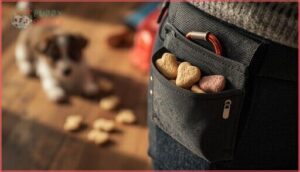
Keeping your puppy engaged means bringing the right rewards and storing them smart. Choose small, soft treats that won’t slow down the training pace, and pack them in a pouch with quick-access openings and washable linings.
High-value options work best for tricky cues, while a belt-clip design keeps your hands free. Rotate treat types to keep motivation strong throughout each session.
Clickers and Positive Reinforcement Tools

A clicker produces a sharp, distinct sound that marks the exact moment your puppy nails a behavior. Pair each click with a treat immediately—this timing creates a powerful association. Research shows clicker training speeds up learning compared to voice cues alone.
Consistency matters: click once, reward fast, and keep sessions short. Positive reinforcement training builds trust while shaping the behaviors you want.
Portable Water Bowls and Cleanup Supplies

Your puppy will need fresh water during breaks, so bring a collapsible bowl that holds 0.5 to 1.0 liters and folds flat in your bag. BPA-free silicone offers durability and heat resistance, while leakproof lids prevent spills.
Rinse the bowl after each use and sanitize it regularly with dog-safe cleaners. Pack biodegradable wipes and paper towels for quick cleanup—proper bowl maintenance keeps your puppy training essentials ready for every class.
Preparing Your Puppy for Class Success

Getting your puppy ready for class goes beyond packing the right supplies. A little preparation at home can make the difference between a distracted, anxious puppy and one who’s ready to learn.
Here’s how to set your pup up for success before you walk through those training room doors.
Pre-Class Exercise and Potty Routine
Before your first obedience training session, take your puppy outside for a potty break. Puppies under four months need bathroom opportunities every two to three hours to support housetraining and accident prevention.
A light walk on leash introduces outdoor exposure and burns energy, helping your pup focus better during class. This also builds early puppy socialization skills and supports healthy puppy development through crate training routines.
Managing Mealtime and Food Motivation
Hunger sharpens your puppy’s focus, so reduce their meal by about half one to two hours before class. This meal timing strategy fuels food reward systems without causing post-meal drowsiness.
Choose soft, pea-sized treats that align with puppy nutrition needs and support positive reinforcement. Feeding schedule optimization keeps energy steady while treat selection tips help you reward efficiently during dog training sessions.
Socialization and Handling Practice
Before class begins, your puppy needs exposure to gentle touch and varied social settings. Start desensitization methods by pairing paw handling with treats, keeping sessions under five minutes. Introduce your pup to different people and vaccinated dogs in controlled environments—this tolerance training builds confidence.
Puppies between three and twelve weeks show heightened sensitivity to handling techniques, making early puppy socialization critical for canine socialization and development during obedience training.
Tips for Reducing Pre-Class Stress
Beyond socialization, your puppy needs calming techniques to handle class energy. Arrive 10 minutes early to settle nerves—rushing triggers stress. A brief warm-up walk channels excitement constructively while establishing your pre-class routine.
Watch for yawning or lip licking; these stress management cues help you adjust your owner mindset. Keep your breathing steady—you’re modeling the calm your pup needs for successful obedience training.
Your puppy mirrors your energy, so stay calm and watch for stress signals like yawning or lip licking during training
Top 5 Must-Have Puppy Training Products
You don’t need to spend a fortune to set your puppy up for training success. The right gear makes class time smoother and keeps your focus where it belongs—on your dog.
Here are five budget-friendly products that consistently earn top marks from trainers and puppy owners alike.
1. Chuckit Dog Treat Pouch
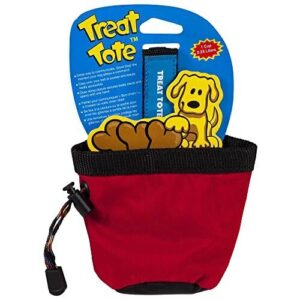
Quick access to treats makes or breaks your training momentum. The Chuckit Dog Treat Pouch clips right onto your belt or pocket, keeping your hands free for leash handling while giving you instant reward systems capability.
Its water-resistant pack-cloth materials and 1-cup capacity hold enough motivation for an entire session without weighing you down. The drawstring closure opens with one hand, so you can deliver training accessories exactly when your puppy earns them.
That split-second timing transforms obedience training from frustrating to effective.
| Best For | Dog trainers who need quick, hands-free access to treats during active training sessions without fumbling through pockets or bags. |
|---|---|
| Material | Water-resistant pack-cloth |
| Weight | 0.8 ounces |
| Primary Use | Training reward storage |
| Portability | Clip-on belt attachment |
| Durability | Heavy-duty with liner |
| Color Options | Assorted colors |
| Additional Features |
|
- Clips onto your belt or leash for instant one-handed access, keeping training momentum going without awkward pauses
- Water-resistant material protects treats from rain and spills during outdoor sessions
- Lightweight at 0.8 ounces with enough room (1 cup) for a full training session plus small toys or waste bags
- Drawstring doesn’t fully seal, so treats can dry out if left in the pouch between sessions
- Opening may be too narrow to comfortably fit your hand in when reaching for treats at the bottom
- Plastic clip can develop sharp edges or durability issues with heavy use over time
2. PetSafe Treat Pouch Sport
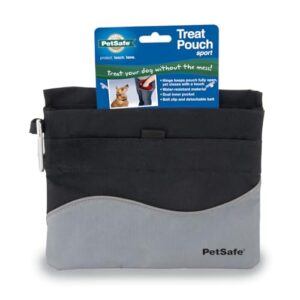
When you need both hands fully operational during obedience training, the PetSafe Treat Pouch Sport delivers with its magnetic closure and adjustable waist strap. This handsfree training solution lets you manage your leash while keeping reward systems within instant reach—critical for marking good behavior the moment it happens.
The water-resistant exterior protects your pet accessories from light rain, and the one-handed access design means you won’t fumble while your puppy’s holding that perfect sit. At under eight ounces, this dog training equipment won’t slow you down.
| Best For | Dog trainers and pet owners who need quick, hands-free access to treats during training sessions or outdoor activities. |
|---|---|
| Material | BPA-free synthetic |
| Weight | 7.2 ounces |
| Primary Use | Training reward storage |
| Portability | Belt clip/waist strap |
| Durability | Water-resistant, washable |
| Color Options | Black |
| Additional Features |
|
- Magnetic closure and one-handed access let you reward your dog instantly without fumbling
- Water-resistant material and odor-resistant lining make cleanup easy and protect treats from the elements
- Adjustable waist strap with belt clip keeps your hands completely free for leash handling
- Hinge closure may become too stiff or loose with regular use over time
- Some users report durability issues like clip breakage after about six months
- Limited storage space won’t fit larger items or multiple phones comfortably
3. HoAoOo Pet Training Clicker
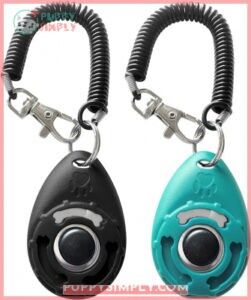
Clear communication starts the moment your puppy links sound to reward, and that’s where the HoAoOo Pet Training Clicker shines. This dog training equipment produces a sharp, consistent click that marks desired behavior within the critical 0.2–0.5 second window—essential for effective clicker training.
The lightweight clicker design features a big button and ergonomic grip for comfortable training sessions, while the wrist strap keeps it accessible during obedience training.
Pair each click with a treat to build positive reinforcement, accelerating puppy training and development through clear, immediate feedback during puppy socialization exercises.
| Best For | Dog owners who want a simple, affordable tool to teach their puppy basic commands and good behavior through positive reinforcement. |
|---|---|
| Material | Plastic |
| Weight | 41 grams |
| Primary Use | Obedience training |
| Portability | Wrist strap included |
| Durability | Metal clicker construction |
| Color Options | Black and blue |
| Additional Features |
|
- Produces a loud, consistent click that’s easy for puppies to recognize and associate with rewards during training sessions
- Lightweight design with a wrist strap makes it comfortable to carry and use during multiple training sessions throughout the day
- Comes as a 2-pack with different colored straps, so you can keep one handy in different locations or have a backup
- Some users report the build quality feels cheap and may not hold up well with heavy use or if dropped frequently
- Won’t work for every dog—some puppies may be scared of the clicking sound or not respond to this training method
- Requires precise timing and consistency to be effective, which can be challenging for first-time dog owners still learning proper technique
4. Bonza Collapsible Dog Bowl
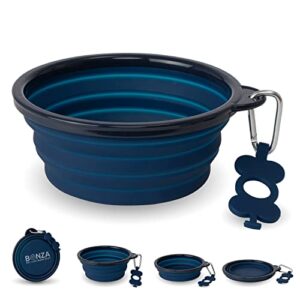
Keeping your puppy hydrated during training sessions just got simpler with the Bonza Collapsible Dog Bowl. This portable water solution features silicone material that’s BPA-free and dishwasher safe, folding flat for storage in your treat pouch or backpack.
The 33-ounce capacity aids dog hydration throughout extended obedience class sessions, while the reinforced rim ensures bowl durability even with enthusiastic drinkers.
A carabiner clip attaches directly to your leash for quick access, making puppy care and health management effortless during puppy socialization and behavior exercises with this essential dog training equipment.
| Best For | Pet owners who need a portable, space-saving water bowl for training sessions, hikes, park visits, and travel with dogs of any size. |
|---|---|
| Material | BPA-free silicone |
| Weight | 160 grams |
| Primary Use | Water/food during activities |
| Portability | Carabiner clip attachment |
| Durability | Reinforced rim |
| Color Options | Navy blue |
| Additional Features |
|
- Folds completely flat for easy storage in pockets, bags, or backpacks, making it ideal for on-the-go hydration
- Large 33 oz capacity handles extended outdoor activities without constant refills, even for bigger dogs
- Dishwasher safe and made from BPA-free silicone, so cleaning is quick and safe for your pet
- Not chew-proof, so aggressive chewers may damage or tear the silicone material over time
- Carabiner clip can slip on smooth surfaces like nylon leashes, making attachment less secure
- Some users report the bowl feels heavy when filled with water, which could be awkward during long walks
5. PetSafe Breakaway Dog Collar
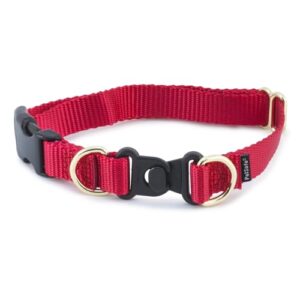
Safety comes first when selecting a collar for your puppy’s obedience training. The PetSafe Breakaway Dog Collar features a breakaway mechanism that releases under pressure, preventing potential strangulation if your pup gets snagged during play or class activities.
While you’ll want a secure puppy chest strap or standard collar for leash work, this nylon design with dual D-rings offers collar safety during supervised sessions.
Available in multiple sizes, it’s essential dog training equipment that provides peace of mind alongside your other dog accessories.
| Best For | Pet parents looking for a safety-first collar option during supervised puppy playtime, though a standard collar or harness works better for actual obedience training sessions. |
|---|---|
| Material | Nylon |
| Weight | Not specified |
| Primary Use | Daily collar wear |
| Portability | Worn on dog |
| Durability | Durable nylon |
| Color Options | Red (multiple available) |
| Additional Features |
|
- Breakaway mechanism releases under pressure to prevent choking or strangulation if your puppy gets caught on something during play
- Dual D-rings and adjustable nylon design make it versatile for everyday wear when you’re keeping an eye on your pup
- Available in multiple sizes to fit puppies from tiny breeds to larger dogs as they grow
- Not recommended as your primary training collar since the breakaway feature can release unexpectedly during leash work or active training exercises
- The buckle may wear down or degrade with repeated tension, requiring regular inspection and replacement to maintain safety
- Better suited for lightweight puppies under 20-25 lbs, so larger or more energetic pups might need a more secure alternative for obedience classes
Frequently Asked Questions (FAQs)
Can puppies attend class while still teething?
Yes, teething puppies can attend class with adjustments. Between 3 to 6 months, teething symptoms like drooling and discomfort may reduce focus, but short sessions with soft treats and class adaptations support puppy comfort while maintaining progress.
What if my puppy is fearful or shy?
If your puppy shows shy behavior or social anxiety, start with gentle, slow introductions paired with positive reinforcement.
Use calming techniques and high-value treats to build confidence through controlled socialization before joining group settings.
How do I handle puppy accidents during class?
Accidents happen when you least expect them—yet planning for them keeps everyone calm.
Stay composed, redirect your pup to the potty area, and clean quickly with enzymatic spray.
Inform your trainer for proper accident handling and classroom cleanup protocols.
Should I bring my puppys favorite toy?
You can bring a comfort toy to ease puppy anxiety, but check with your trainer first.
Many facilities prefer standardized reward systems to maintain consistency and prevent distractions during training sessions.
What happens if my puppy gets overwhelmed mid-class?
Like a boat taking on water, your puppy may show stress through whining, retreating, or yawning.
Step aside, offer water, and let them decompress—trainers expect interruptions for puppy care and emotional management.
Conclusion
Sure, you could skip puppy obedience class preparation and just wing it—after all, what’s the worst that could happen? Your overwhelmed pup might spend the entire session cowering under a chair while you fumble through empty pockets for treats you forgot.
The reality is simple: prepared puppies learn, unprepared ones survive. Invest one hour organizing supplies, practicing routines, and understanding your dog’s needs.
That small effort transforms chaos into confidence, setting the foundation for a well-trained companion who actually enjoys learning.
- http://www.doggieacademy.com/
- https://app.adjust.com/1jvtxfgt?fallback=https%3A%2F%2Fzigzag.dog%2Fen-us%2Fget-started%3Futm_source%3DAKC%26utm_medium%3Darticle%26utm_campaign%3DAKC_Xmas&redirect_macos=https%3A%2F%2Fzigzag.dog%2Fen-us%2Fget-started%3Futm_source%3DAKC%26utm_medium%3Darticle%26utm_campaign%3DAKC_Xmas
- https://separation.zigzag.dog/
- https://webapps.akc.org/obedience-training-club/