This site is supported by our readers. We may earn a commission, at no cost to you, if you purchase through links.
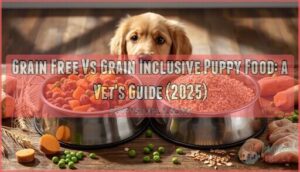
The pet food aisle has become a minefield of marketing claims, and nowhere is this more apparent than in the grain-free debate that’s dominated veterinary nutrition for the past five years. Grain-free puppy food surged in popularity around 2015, driven by human diet trends and concerns about allergies, yet recent FDA investigations into potential links between grain-free diets and heart disease have left many puppy owners second-guessing their choices.
The truth is that most puppies aren’t allergic to grains—fewer than 10% of food allergies in dogs involve grains at all—and the carbohydrate sources that replace them may carry their own risks.
Understanding the actual differences between grain-free vs grain-inclusive puppy food requires looking past the marketing to examine protein quality, nutrient bioavailability, and how these formulations support your puppy’s rapid growth phase. The choice you make now will shape your dog’s nutritional foundation for life.
Table Of Contents
Key Takeaways
- Most puppies aren’t actually allergic to grains—fewer than 10% of canine food allergies involve grains, with protein sources like chicken and beef being far more common culprits that warrant concern.
- The FDA has linked certain grain-free diets, particularly those heavy in legumes, to dilated cardiomyopathy (DCM) in dogs, raising serious questions about taurine deficiency and long-term cardiac health that you can’t ignore.
- Grain-inclusive formulas typically cost 10–30% less than grain-free options while providing reliable, AAFCO-approved nutrition that meets your puppy’s developmental needs without the emerging risks associated with alternative carbohydrate sources.
- Your individual puppy’s health status, growth requirements, and any documented sensitivities should guide your food choice far more than marketing trends or assumptions about what’s “natural”—and your veterinarian remains your best resource for personalized feeding decisions.
Grain-Free Puppy Food: Key Features
Grain-free puppy food has carved out a significant place in the pet food market, driven largely by owner preferences and perceived health benefits rather than widespread veterinary recommendations. These formulas replace traditional grains with alternative carbohydrate sources and often emphasize high protein content, which appeals to owners seeking what they view as a more “natural” diet for their puppies.
Understanding what goes into grain-free foods, why owners select them, and what concerns veterinarians have raised will help you make an informed decision about whether this approach suits your puppy’s needs.
Common Ingredients in Grain-Free Formulas
Grain-free formulas usually replace traditional grains with carbohydrate alternatives like potato starch, sweet potato, or pea starch, which serve as the energy foundation your puppy needs. You’ll often find concentrated protein sources such as chicken meal or turkey meal listed prominently, sometimes paired with novel ingredients like venison or bison.
Many recipes also incorporate fiber content through beet pulp or fermented ingredients to support your puppy’s digestive health and nutrient absorption. Choosing a balanced formula for large-breed puppies ensures your Bloodhound gets the right fiber levels to maintain steady energy and gut health.
The scientific community relies on methodological rigor to verify the accuracy of study summaries, which can inform decisions on puppy nutrition.
Reasons Owners Choose Grain-Free Diets
Understanding why owners gravitate toward grain-free diets helps you make informed choices for your puppy. Many families report perceived improvements in digestive upset after switching, particularly when puppies show signs of a sensitive stomach or suspected food allergies. Marketing narratives linking grain-free formulas to premium quality also shape pet owner preferences, while concerns about weight management and gluten-free trends mirror broader dietary trends in human nutrition.
- Reduction in digestive discomfort observed after shifting formulas
- Belief that grain-free options support puppies with food allergy concerns
- Marketing claims associating grain-free with natural, higher-quality ingredients
Potential Risks Linked to Grain-Free Diets
While grain-free diets may address some digestive concerns, emerging research raises serious red flags. Several studies link these formulations to dilated cardiomyopathy (DCM), particularly when legume-based ingredients dominate the recipe, potentially contributing to taurine deficiency and cardiac issues. You’ll also face challenges with nutrient bioavailability, ingredient mislabeling, and contaminant risks that complicate your puppy’s nutritional foundation. Many veterinarians now recommend consulting updated grain-free puppy nutrition guidelines before committing to these diets long-term.
While grain-free diets may ease digestion, emerging research links them to serious heart disease risks in puppies
| Potential Health Risks | Key Concerns |
|---|---|
| Canine Dilated Cardiomyopathy | Legumes may affect taurine status |
| Nutrient Bioavailability | Alternative carbs reduce absorption |
| Ingredient Mislabeling | Incomplete disclosure possible |
Grain-Inclusive Puppy Food: Key Features

Grain-inclusive puppy foods have been the standard in commercial canine nutrition for decades, and they continue to provide reliable, balanced nutrition for the majority of growing dogs. These formulas incorporate various whole grains that serve specific nutritional purposes, from energy provision to digestive support, while offering cost-effective options that meet AAFCO standards for puppy development. Many grain-inclusive puppy formulas are specifically tailored for breed needs, like nutrient-dense options designed for Basset Hounds, which balance energy levels with joint support during critical growth stages.
Understanding what grain-inclusive diets actually contain, how they benefit your puppy’s growth, and when concerns about grains are warranted will help you make an informed decision about your dog’s nutrition.
Typical Grains Used in Puppy Food
When you encounter grain-inclusive puppy food, you’ll notice several carbohydrate sources featured prominently on the label. The most common whole grain options include: Many natural dog food subscription services offer grain-inclusive formulas with veterinary-approved portion guidance to support healthy puppy development.
- Rice – especially white rice for easy puppy digestion and binding properties
- Oats – gentle, highly digestible grain nutrition
- Barley – provides soluble fiber benefits
- Corn – traditional carbohydrate source in many dog food ingredients
- Wheat – supplies energy and protein, though avoided in sensitivity-focused formulas
Nutritional Benefits of Whole Grains
Your puppy’s developing body draws energy from complex carbohydrates in whole grains, while fiber content bolsters gut motility and firm stools.
Grain nutrition delivers B-vitamins for metabolism, magnesium for bone health, and phytonutrients that boost nutrient absorption during rapid puppy growth.
When balanced properly, grain-inclusive diets provide nutritional balance that meets canine nutrition standards, contributing meaningfully to the grain-free vs grain-inclusive debate.
Addressing Concerns About Grain Allergies
Evidence shows that true food allergies to grains remain uncommon in puppies, with most dietary concerns stemming from protein sources rather than carbohydrates themselves. Many owners misinterpret food sensitivity as grain allergy, but veterinary guidance backs grain-inclusive diets for most dogs.
When suspected allergens arise, diagnostic elimination trials under professional supervision identify actual triggers, often revealing that pet food labels highlighting ‘grain-free’ address concerns that canine nutrition facts don’t support.
Comparing Nutritional Value and Digestibility
When comparing grain-free and grain-inclusive puppy foods, you need to look beyond marketing claims and examine how your puppy’s body actually uses these ingredients. Both diet types can provide complete nutrition, but they differ in protein sources, carbohydrate composition, and fiber profiles, all of which affect digestibility and nutrient absorption.
Let’s break down these key nutritional differences so you can make an informed choice for your growing puppy.
Protein Quality and Bioavailability

Not all proteins fuel your puppy’s growth equally—what matters most is how well their body can actually use them. Protein digestibility and amino acid profiles determine whether those nutrients support strong muscles and healthy development.
Animal-based proteins in both grain-free and grain-inclusive formulas typically offer higher bioavailability metrics than plant sources, ensuring your puppy absorbs essential nutrients efficiently for ideal canine dietary needs and nutritional balance and health.
Carbohydrate Sources and Energy Supply

Your puppy’s energy supply hinges on how well they digest carbohydrate sources—starch from rice and corn in grain-inclusive formulas delivers steady glucose release, while grain-free recipes rely on legumes and potatoes for energy density and carb utilization.
Both approaches support digestive health when properly balanced, though glycemic control matters more than whether the starch sources wear a “grain-free” label.
Fiber Content and Digestive Health

Fiber content shapes your puppy’s stool quality and gut health more than diet type. Grain-inclusive recipes use whole grains like oats and brown rice for soluble and insoluble fiber, while grain-free formulas deliver digestive enzymes support through chicory root and legumes.
Both approaches can meet gastrointestinal health and nutritional needs when fiber sources balance nutrient absorption with energy density for growing dogs.
Health Impacts: Allergies, Sensitivities, and Heart Health

When you’re choosing food for your puppy, health considerations extend beyond simple nutrition to include potential allergies, sensitivities, and emerging concerns about heart disease. The relationship between diet and long-term health outcomes isn’t always straightforward, which means you’ll need to understand both the common issues puppies face and the more complex questions researchers are still working to answer.
Let’s examine three critical health factors that should inform your decision between grain-free and grain-inclusive puppy foods.
Food Allergies and Sensitivities in Puppies
If your puppy’s scratching or tummy troubles have you concerned, you’re not alone—up to 20% of young dogs show signs of food allergies or sensitivities. Despite grain-free diets gaining popularity, chicken, beef, and dairy are actually the most common culprits in puppy nutrition issues, not grains.
Allergy testing through dietary trials, typically lasting 8 to 12 weeks, remains the benchmark for pinpointing food sensitivities in dogs with sensitive stomachs.
Grain-Free Diets and Canine Heart Disease (DCM)
While food sensitivities often steal the spotlight, the grain-free vs grain-inclusive debate took a serious turn when the FDA linked certain grain-free diets to dilated cardiomyopathy (DCM), a life-threatening canine heart disease. The concern centers on nutrient deficiencies, particularly taurine levels, and unusual protein sources in some formulations.
- DCM risk appears higher in specific breeds with genetic susceptibility
- Diets heavy in legumes (peas, lentils) warrant closer scrutiny
- Cardiac screening helps catch early warning signs in at-risk puppies
- Taurine and L-carnitine status should be evaluated in grain-free-fed dogs
- DCM prevention means choosing complete, balanced formulas over trendy labels
How Diet Affects Puppy Growth and Development
Beyond heart health, your puppy’s diet shapes every stage of development. During the first six months, growth velocity peaks—skeletal length increases rapidly between four and six weeks, while lean muscle depends on high-quality protein (22–24% crude protein minimum). Both grain-free and grain-inclusive formulas can meet these dietary needs if they balance energy, calcium, phosphorus, and essential amino acids without overfeeding.
| Growth Stage | Key Dietary Requirements |
|---|---|
| 0–8 weeks | High digestibility, adequate protein for lean mass, controlled calcium/phosphorus |
| 3–6 months | Peak energy demands, balanced nutrient density, aids skeletal maturity |
| 6–12 months | Gradual calorie reduction, maintains body condition, prevents orthopedic stress |
| All stages | Clean water, appropriate feeding frequency, portion control for breed size |
Choosing The Best Puppy Food for Your Dog

Now that you understand the nutritional differences and health considerations between grain-free and grain-inclusive puppy foods, it’s time to put that knowledge into practice. Choosing the right food for your puppy isn’t just about picking grain or no grain—it involves reading labels carefully, weighing practical factors like cost and availability, and knowing when professional guidance becomes necessary.
The following sections will walk you through the essential steps to make an informed decision that meets your puppy’s specific needs.
Evaluating Ingredient Lists and Labels
You’ll want to scrutinize each label for regulatory standards and ingredient disclosure, starting with the first five components listed by weight. Look for specific protein sources rather than vague terms, and check for AAFCO statements confirming nutritional adequacy for growth.
Ingredient quality matters more than grain-free or grain-inclusive claims, so verify nutrient fortification, additive safety, and label compliance before making your final decision.
Cost, Availability, and Quality Considerations
Once you’ve decoded ingredient lists and nutrient profiles, price comparison becomes your next checkpoint. Grain-free puppy foods usually cost 10–30% more due to ingredient sourcing challenges and specialty proteins, though you’ll find:
- Broader retail availability for grain-inclusive formulas across most pet stores
- More ingredient quality transparency from established grain-inclusive brands
- Variable pet nutrition value regardless of grain-free or grain-inclusive labels
Brand transparency and digestibility metrics matter more than marketing claims.
When to Consult Your Veterinarian
When should you pick up the phone for veterinary guidance on puppy nutrition? Seek professional advice if your puppy shows persistent vomiting, diarrhea beyond 24 hours, or sudden weight loss, as these health concerns warrant immediate veterinary care.
Before making diet changes in puppies with existing conditions, veterinary advice ensures you’re supporting ideal pet health and nutrition throughout critical developmental stages.
Frequently Asked Questions (FAQs)
Are there breed-specific grain or grain-free recommendations?
There aren’t validated, breed-specific grain or grain-free recommendations that apply universally to all dogs within a breed, despite breed group considerations.
Veterinary guidance prioritizes your puppy’s individual health status, growth needs, and energy requirements over breed alone.
How do grain choices impact stool quality in puppies?
Grain-inclusive diets generally produce firmer stools in puppies due to higher fiber content, while grain-free formulas may soften stools during dietary transitions. This reflects differences in carbohydrate sources and gut adaptation rates.
What role do grains play in puppy weight management?
Your puppy’s caloric intake determines weight trajectory more than grain presence alone.
Whole grains offer dietary fiber to support satiety and energy balance, while grain-inclusive formulas often provide moderate carbohydrate density that, when properly portioned, aids healthy puppy nutrition and weight control.
Conclusion
Marketing myths and mixed messages shouldn’t muddy your decision when choosing grain free vs grain inclusive puppy food. Your puppy’s individual needs—not trends or assumptions about grain allergies—should guide this choice, and most dogs thrive on quality grain-inclusive formulas that provide balanced nutrition during critical growth phases.
If you suspect sensitivities or have concerns about heart health, work directly with your veterinarian to evaluate symptoms, review ingredient quality, and select a diet backed by feeding trials rather than marketing alone.
- https://www.fda.gov/animal-veterinary/animal-health-literacy/questions-answers-fdas-work-potential-causes-non-hereditary-dcm-dogs
- https://petcorner.pangovet.com/pet-nutrition/dogs/essential-nutrients-dogs-need/
- https://x.com/godofprompt/status/1990526288063324577
- https://www.linkedin.com/posts/bohdanlukianets_tasks-study-research-activity-7373377539521667072-UTEi
- https://www.sciencedirect.com/science/article/pii/S0749208123000268