This site is supported by our readers. We may earn a commission, at no cost to you, if you purchase through links.
Your new puppy just squatted on your rental’s hardwood floor for the third time today, and you’re wondering if your security deposit is already gone. Living in an apartment means you can’t always dash outside every two hours, especially on the 12th floor or during a snowstorm at midnight.
Puppy training pads bridge that gap between your pup’s tiny bladder and the reality of apartment life, giving you a designated indoor potty spot that actually works.
After testing dozens of pads in real apartment settings, I’ve identified which ones handle accidents without leaking, control odors in close quarters, and stay put on slick floors. The right pad makes the difference between a stressed owner cleaning constantly and a confident one who’s nailing the housetraining process.
Table Of Contents
Key Takeaways
- The best puppy training pads for apartments combine high absorbency, strong odor control, and non-slip backing to protect your floors and keep your space fresh.
- Choosing the right pad size and type—disposable, washable, or artificial grass—depends on your dog’s breed, your apartment layout, and your commitment to cleaning.
- Consistent pad placement, predictable routines, and positive reinforcement are key to successful housetraining in small spaces without outdoor access.
- Regular pad disposal, area sanitizing, and monitoring your puppy’s health help prevent lingering smells and keep your apartment hygienic.
Best Puppy Training Pads for Apartments
Finding the right training pad can make all the difference when you’re working with limited space and no backyard access. I’ve tested dozens of options in real apartment settings, measuring absorbency, odor control, and how well they stay put on hard floors.
Here are six pads that consistently perform well for apartment dwellers and their puppies.
1. Bulldoglogy Carbon Dog Training Pads
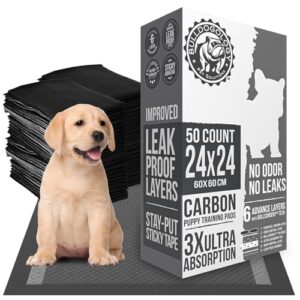
If you’re dealing with limited space and frequent accidents, Bulldoglogy’s carbon-infused puppy training pads deliver serious odor management.
The 6-layer design with Bullsorbent Polymer Technology absorbs up to 3 cups instantly, while activated carbon charcoal neutralizes smells—critical for apartment living.
At 24×24 inches, these training aids work for most breeds during puppy training. Built-in pheromones guide your dog naturally, and adhesive tabs keep pads secure on hardwood or tile.
The polymer pad materials are 3x thicker than standard options, preventing leaks that compromise pet hygiene.
| Best For | Pet owners in apartments or small spaces who need reliable odor control and leak protection during puppy training or for dogs with indoor bathroom needs. |
|---|---|
| Material | Polymer |
| Size | 24 x 24 inches |
| Layer System | 6-layer |
| Reusable | No |
| Odor Control | Yes |
| Unit Count | 50 |
| Additional Features |
|
- 6-layer construction with polymer technology absorbs up to 3 cups instantly and is 3x thicker than standard pads for superior leak prevention
- Activated carbon charcoal provides excellent odor control, making them ideal for indoor use in apartments or homes
- Built-in pheromone attractant helps guide dogs to the pad naturally, speeding up the housebreaking process
- Adhesive tape doesn’t always stick well enough to keep pads in place, especially with active dogs
- Pads can tear easily if pets scratch, dig, or chew on them
- Some customers received products that looked different from what was advertised or had packaging inconsistencies
2. Immcute Extra Large Dog Pee Pads
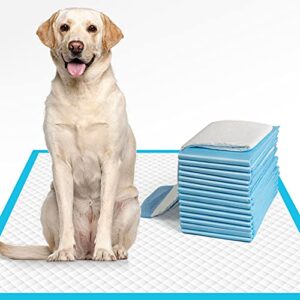
When you need more coverage, Immcute’s extra large pee pads measure 28×34 inches—ideal for bigger puppies or multi-dog homes. The 6-layer protection with quick-drying technology prevents tracking, which matters when you’re working in tight quarters.
User reviews praise the pad durability and leak-proof plastic backing, though some note smell control is average. At 40 pads per pack, you’ll get decent value for potty training, and the cushioned surface adds puppy comfort during those early dog training weeks.
| Best For | Pet owners with larger breed puppies, multi-dog households, or those needing extra coverage for senior or sick dogs in apartments and small spaces. |
|---|---|
| Material | Paper/Plastic/Polymer |
| Size | 28 x 34 inches |
| Layer System | 6-layer |
| Reusable | No |
| Odor Control | Average |
| Unit Count | 40 |
| Additional Features |
|
- Extra large 28×34 inch size provides more coverage than standard pads, reducing missed accidents
- 6-layer protection with quick-drying technology helps prevent tracking and keeps floors cleaner
- Leak-proof plastic backing and durable construction hold up well during training
- Smell control is average compared to other premium options on the market
- Some users report the pads aren’t completely leak-proof in all situations
- Pricier than standard-sized alternatives, which may add up for daily use
3. Amazon Basics Dog Training Pads
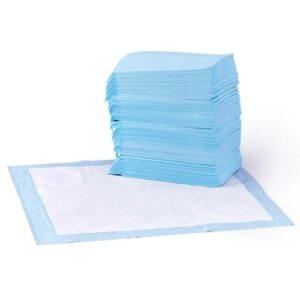
Amazon Basics Dog Training Pads offer reliable housebreaking support at a budget-friendly price. You’ll find 22×22-inch pads with a 5-layer leak-proof system that turns liquid into gel on contact, protecting your floors for up to 24 hours. The built-in attractant helps with potty training, while the plastic border prevents overflow—key for apartment living.
At 50 pads per pack, you’re covered for weeks of dog training. The pad materials are non-toxic for pet safety, though some users report curling issues since they lack adhesive backing.
| Best For | Pet owners in apartments or small spaces who need an affordable, reliable solution for puppy training or managing senior dogs with mobility issues. |
|---|---|
| Material | Plastic |
| Size | 22 x 22 inches |
| Layer System | 5-layer |
| Reusable | No |
| Odor Control | No |
| Unit Count | 50 |
| Additional Features |
|
- 5-layer leak-proof construction with gel-absorbing core keeps floors protected for up to 24 hours
- Built-in attractant helps speed up potty training and encourages dogs to use the designated spot
- Budget-friendly 50-count pack provides weeks of coverage without frequent reordering
- Pads may curl or shift without adhesive backing, requiring repositioning throughout the day
- Thinner material may not hold up well for larger breeds or heavy use
- Single-use disposable design isn’t the most eco-friendly option for sustainability-focused households
4. Pupiboo Washable Pet Pee Pads
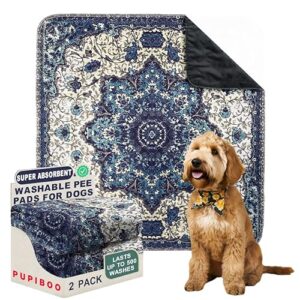
Reusable pads can save money in the long run if you’re committed to washing. Pupiboo washable pee pads feature a waterproof TPU backing and non-slip design, measuring 36×36 inches for solid coverage in apartment spaces.
The multi-layer construction absorbs liquid, while the machine-washable design makes pet hygiene straightforward. You’ll get hundreds of washes from these puppy training pads if you follow care instructions—cool water, air dry.
The eco-friendliness appeals to owners watching their waste, though you’ll need to rinse solids before laundering to maintain pad durability and control odors effectively.
| Best For | Dog owners in apartments who want an eco-friendly, cost-effective solution and don’t mind doing regular laundry to maintain reusable pee pads. |
|---|---|
| Material | TPU |
| Size | 36 x 36 inches |
| Layer System | Multi-layer |
| Reusable | Yes |
| Odor Control | Requires washing |
| Unit Count | 1 |
| Additional Features |
|
- Waterproof TPU backing and non-slip design keep floors protected and the pad in place during use
- Machine-washable construction lasts hundreds of washes, saving money over disposable options long-term
- 36×36-inch size provides solid coverage for small to medium dogs in compact living spaces
- Requires commitment to regular washing and maintenance, which adds to your household chores
- You’ll need to rinse off solids before machine washing to prevent odor buildup and maintain durability
- May not absorb large amounts of liquid quickly enough if your dog has frequent or heavy accidents
5. Artificial Grass Puppy Training Pad
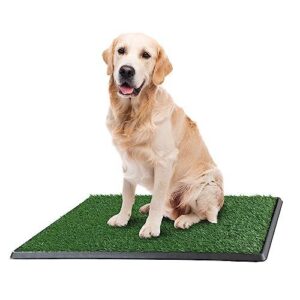
Artificial turf mimics outdoor grass, which encourages puppies to respond to natural instincts—a training aid that bridges indoor potty habits with eventual outdoor success. These puppy training pads suit pet apartment living when balconies or frequent elevator trips aren’t realistic during housebreaking.
Dog potty grass usually features synthetic blades over a drainage tray, simplifying pet hygiene through rinsing rather than laundering. You’ll manage puppy accidents by hosing down the surface, though grass maintenance requires daily waste removal to prevent odor buildup in enclosed spaces.
| Best For | Pet owners in apartments or homes without yard access who need a reusable indoor potty solution that mimics outdoor grass for easier transition training. |
|---|---|
| Material | Synthetic Plastic |
| Size | 30 x 20 inches |
| Layer System | 3-layer |
| Reusable | Yes |
| Odor Control | Requires cleaning |
| Unit Count | 1 |
| Additional Features |
|
- Mimics real grass to tap into natural instincts, making it easier to transition puppies from indoor training to outdoor bathroom habits
- Simple cleanup with just a hose rinse—no laundering needed, and the three-layer drainage system keeps liquid away from your floors
- Works indoors or on balconies and patios, giving you flexibility for elderly dogs, bad weather days, or late-night potty emergencies
- Needs daily waste removal and regular rinsing to prevent odors from building up in your apartment or home
- The 30″ x 20″ size can feel too small for multiple dogs or larger breeds, leading to missed targets
- Replacement grass gets pricey over time, and some users report shedding fibers or lingering smells if cleaning isn’t kept up
6. Artificial Grass Puppy Pee Pad
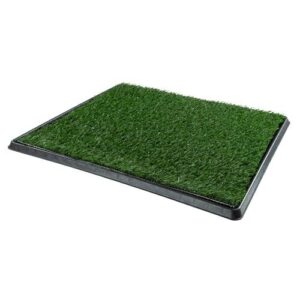
The PETMAKER system includes a 4-layer design with artificial turf over a 20.86″ x 16.73″ drainage tray, so you’ll rinse solids rather than toss entire puppy training pads. This indoor potty suits pet apartment living when balcony access is limited.
Puppy acclimation takes patience—some pups adjust quickly to the texture, while others need gradual encouragement. Daily grass maintenance and prompt waste removal guarantee odor control, though non-absorbent fibers mean you may place a disposable pad underneath during early puppy potty training stages.
| Best For | Pet owners in apartments or homes without yard access who need a reusable indoor potty solution for puppies, small dogs, or elderly pets during bad weather. |
|---|---|
| Material | PP/Artificial Turf |
| Size | 20.86 x 16.73 inches |
| Layer System | 4-layer |
| Reusable | Yes |
| Odor Control | Odor-resistant |
| Unit Count | 1 |
| Additional Features |
|
- Reusable 4-layer system with drainage tray cuts down on disposable pad waste and saves money over time
- Easy to clean with a quick rinse of soapy water, and the grass surface dries fast between uses
- Compact 20.86″ x 16.73″ size fits on balconies, patios, or small indoor spaces without taking over your apartment
- Not absorbent on its own, so you’ll likely need disposable pads underneath during the training phase
- Some puppies take weeks to adjust to the artificial grass texture and may resist using it at first
- Grass fibers can shed initially and may develop odor if you don’t rinse and air-dry after every use
Key Features to Consider in Apartment Pads
Not all puppy pads are built the same, especially when you’re working with limited space and close quarters. The right features can mean the difference between a smooth training experience and daily frustration with leaks or lingering smells.
Here’s what to prioritize when choosing pads for apartment living.
Absorbency and Leak Protection
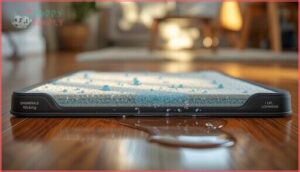
When you’re apartment-bound, absorbency isn’t negotiable—it’s your first line of defense against floor damage and frustration. Look for puppy training pads engineered with these core features:
- Liquid capacity of 150–600 ml per pad to handle multiple potty breaks without overflow
- Moisture wicking layers that pull urine into the absorbent materials quickly, preventing pooling
- Leak barriers around edges that contain fluid when your dog sits off-center
Pee pads with multi-layer construction keep surfaces dry during potty training.
Effective research papers require clear science writing.
Odor Control and Antimicrobial Properties
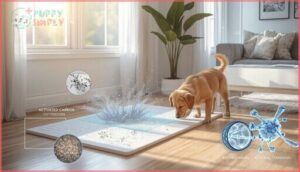
In closed quarters, freshness preservation starts with pads that use activated carbon or zeolite additives—these trap ammonia and volatile compounds within 24 hours of soiling. Antimicrobial materials incorporating quaternary ammonium or silver-ion coatings reduce bacterial counts on contact surfaces, keeping your training area cleaner. Check for third-party testing data confirming scent reduction and bacterial control before buying. When evaluating training pads, consider the importance of scientific study summaries to verify effective odor control and hygiene.
| Technology | Primary Benefit | Best For |
|---|---|---|
| Activated carbon layer | Odor neutralization of urine compounds | Multi-dog households |
| Zeolite additives | Ammonia trapping in enclosed spaces | Studio apartments |
| Silver-ion coating | Bacterial control on pad surface | Sensitive-nosed owners |
| Quaternary ammonium | Microbial inhibition over 24 hours | High-traffic training zones |
| Fragrance-free formulas | Gentle scent reduction without irritants | Puppies with allergies |
Pad Size and Coverage for Small Spaces
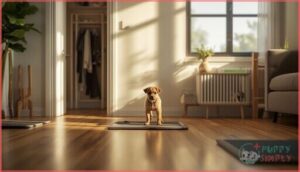
Square footage matters when choosing puppy training pads for cramped quarters—your layout dictates which dimensions work best. When floor planning your indoor pet solutions, match pad size to your puppy’s breed and typical stance:
- 12×12 inches for toy breeds in studio apartments—covers small breed paw placements without crowding walkways.
- 17×24 inches balances coverage and space optimization in tight entryways.
- 18×28 inches creates defined potty stations in corner pad placement setups.
- 24×24 inches manages overflow during multi-use cycles in high-traffic zones.
Regularly reassess pee pads as your puppy grows to maintain proper apartment layout flow.
Adhesive Tabs and Non-Slip Backing
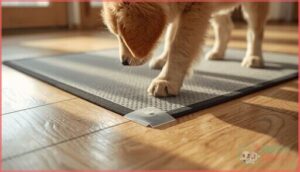
Pad security starts with proper adhesive strength—tabs that grip tile or laminate without leaving residue when you change pads. Non-slip materials on the backing prevent shifting when your puppy steps on the edge, which is critical for building confidence during training.
Adhesive tabs and non-slip backing keep puppy pads firmly in place, building your dog’s confidence during apartment training
Look for floor protection features like low-tack adhesives; they secure pee pads effectively while safeguarding your apartment’s surface from damage.
Eco-Friendly and Sustainable Materials
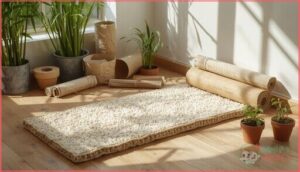
Beyond secure backing, you’ll want to weigh environmental impact. Biodegradable options crafted from sustainable fibers like bamboo or cotton break down faster than synthetic polymers. Natural materials—including compostable pads with plant-based cores—reduce landfill waste while supporting sustainable pet care goals. When shopping for ecofriendly pet products, look for:
- Certified compostable layers or eco friendly polymers such as PLA
- Natural grass alternatives that biodegrade naturally
- Recycled-content backing to minimize virgin plastic
- Low-VOC adhesives for healthier indoor air
Types of Puppy Pads for Apartment Living
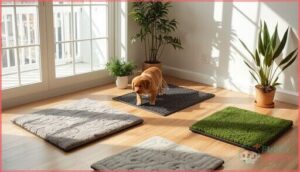
Not all puppy pads are created equal, and the type you choose can make or break your apartment training setup. You’ll find disposable options that prioritize convenience, reusable pads that cut down on waste, grass alternatives that mimic the outdoors, and eco-friendly materials for the sustainability-minded.
Here’s what sets each type apart and which situations they handle best.
Disposable Puppy Pads
Most apartment owners start with disposable puppy pads because they’re simple to use and toss after accidents. These single-use pee pads rely on superabsorbent polymers to lock in moisture, and many include activated carbon for odor control methods.
You’ll find disposable pad sizes ranging from 24 x 24 inches up to 44 x 30 inches, so pick based on your puppy’s breed and typical pet waste management needs.
Washable and Reusable Pads
If you’re tired of tossing single-use pee pads every day, washable options cut waste and save money over time. These reusable designs layer moisture-wicking fabric over a waterproof core, and many embed odor control agents to limit bacterial growth.
Look for reinforced seams and non-toxic pad materials—BPA-free and lead-free construction keeps pet safety front and center during repeated machine washes.
Artificial Grass and Real Grass Options
Some owners prefer artificial grass puppy training pads because they’re cleanable, antimicrobial-infused, and won’t attract pests in your apartment.
Real grass options like DoggieLawn offer a familiar outdoor scent that can accelerate puppy potty training, though they need regular misting and solid removal.
Both eco alternatives work well for indoor grass setups—just match drainage design to your floor type and your pup’s bathroom frequency.
Natural and Biodegradable Pads
Plant-based pads made from cornstarch or PLA substrates break down in industrial composting within 90 to 180 days, offering eco-friendly options for city dwellers.
You’ll find biodegradable materials paired with wood-pulp cores that absorb well while keeping your carbon footprint lower.
Look for ASTM D6400 or EN 13432 stamps to verify compostable products, and remember—these sustainable pads need proper facility disposal, not just your kitchen compost bin.
Training Tips for Apartment Potty Success
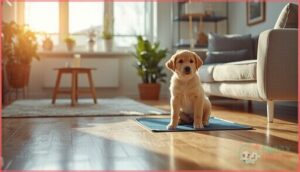
Getting your puppy to use pads consistently in an apartment takes more than just laying one down and hoping for the best. You’ll need a smart approach that covers location, timing, and the right encouragement to build reliable habits.
Here’s what actually works when you’re working with limited space and no backyard.
Choosing The Right Location for Pads
You’ll want to start with Pad Placement Strategies that reduce noise and foot traffic. Position your Puppy Training Pads in a quiet corner away from food bowls, ensuring Visibility Factors with consistent lighting.
Proximity Planning matters—choose a spot near an exit to simplify outdoor transitions later.
Surface Compatibility is vital, so secure Pee Pads on water-resistant flooring with non-slip backing for Indoor Dog Care success.
Establishing a Consistent Routine
Nearly every successful apartment potty routine hinges on Predictable Schedules and careful Elimination Timing. Set regular pad trips—every 2 to 3 hours for young pups—matching their Physiological Needs. Stick to Cue Consistency and log each visit.
Routine Adjustment matters: if accidents repeat, tweak timing. These practical Housebreaking Tips make Puppy Training Pads truly work for effective Pet Training.
Using Positive Reinforcement and Cues
Pairing a clear Verbal Cue with immediate praise or a treat creates powerful Reward Systems that cement Positive Feedback fast. Keep Training Sessions brief—2 to 5 minutes—and repeat them several times daily to build Cue Consistency.
High-value rewards boost motivation, especially in new apartment corners. These Dog Training Tips transform Pet Potty Training into a reliable habit, making Puppy Training efficient and enjoyable for both of you.
Transitioning From Pads to Outdoor Training
Your puppy won’t stay on Puppy Pads forever, so begin Outdoor Schedules when they hit 12 to 16 weeks. Create a clear Potty Zone in your yard, use the same cue you practiced indoors, and adjust Shift Phases based on Weather Adaptation needs.
Track success with simple Reliability Tracking—log each outdoor win—and phase out the Indoor Dog Potty once your pup demonstrates consistent Dog Potty habits outside.
Maintenance and Hygiene in Apartment Settings
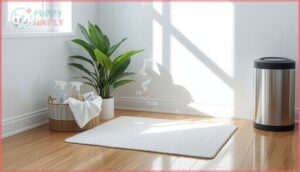
Keeping your apartment fresh and clean takes more than just laying down pads and hoping for the best. You’ll need a solid routine for changing pads, sanitizing surfaces, and controlling odors before they take over your living space.
Here’s what you need to know to maintain a hygienic setup that works for both you and your puppy.
Proper Pad Disposal and Replacement
Used pads belong in sealed trash bags—not your kitchen bin—to prevent odor control issues from overwhelming your apartment. Rotate among multiple puppy pads or disposal methods to avoid concentrated sanitation practices problems. Follow local waste management regulations for absorbent products.
Proper pad rotation and disposal methods protect your floors from moisture damage while maintaining the pet training tips foundation you’ve worked hard to establish.
Cleaning and Sanitizing The Area
After disposal, sanitizing protocols become your next line of defense. Spray enzymatic cleaners on hard floors to break down urine proteins—this odor removal tactic works faster than standard disinfectants.
Wipe baseboards weekly with pet-safe disinfectant options, and wash reusable puppy pads in hot water. These hygiene practices keep your apartment fresh and support consistent pet training tips without compromising dog care standards.
Managing Odors in Enclosed Spaces
Beyond wiping surfaces, you need active odor neutralization strategies in tight quarters. Run air purification units near your puppy pads to capture volatile compounds, or place baking soda trays for natural smell absorption. Crack windows daily—simple ventilation systems dilute ammonia faster than scent masking sprays.
These indoor dogs require layered pet care tactics, and proper puppy training includes managing the air you breathe, not just the floor you clean.
Monitoring Puppy Health and Allergic Reactions
Apartment life means watching your puppy’s skin and behavior closely—some pad materials trigger contact dermatitis or respiratory irritation. Track any unusual scratching, paw licking, or sneezing after pad use; these symptoms warrant allergy testing and veterinary care.
Keep a quick log of stool quality and energy levels for health screening, because early symptom tracking catches nutrition gaps or behavioral shifts before they escalate into bigger puppy care problems.
Frequently Asked Questions (FAQs)
Can puppy pads work for senior dogs too?
Yes, puppy pads work well for senior dogs facing mobility issues or incontinence. Place them at ground level to prevent arthritis-related falls, choose non-toxic materials, and change them frequently to maintain hygiene.
How do I stop my puppy from shredding pads?
Redirect your puppy’s energy with chew toys and prompt interruptions when shredding starts.
Choose reinforced pads with sturdy edges, supervise pad use closely, and reward calm behavior to break destructive habits quickly.
Are scented pads better than unscented options?
Neither is universally better—scent preferences vary by dog. Unscented pads reduce fragrance safety risks and pet allergies, while scented materials may offer odor control. Test both during puppy training to gauge your pup’s acceptance.
What if my puppy misses the pad consistently?
Missing the mark isn’t just frustrating—it signals something’s off. Consistent miss analysis often reveals simple fixes.
Check pad placement strategies, track miss patterns, adjust training cues, and rule out health issues.
Do pheromone attractants actually help with training?
Pheromone attractants show mixed results in training outcomes. They may reduce stress-related behaviors when combined with consistent routines, but they shouldn’t replace positive reinforcement.
Consider them supplemental, not essential for successful puppy pad training.
Conclusion
A soggy carpet doesn’t have to define your first months together. The right puppy training pads for apartments turn chaos into manageable routine, protecting your floors while your pup learns the ropes.
Pair a leak-proof, odor-controlling pad with consistent timing and positive reinforcement, and you’ll build habits that stick.
Your security deposit stays intact, your stress drops, and your puppy gains confidence one successful trip at a time. That’s apartment housetraining done right.
- https://academichelpexpress.blog/2024/08/please-use-the-bulleted-points-and-the-rubric-below-to-guide-your-work-your-pa/
- https://onlinepubs.trb.org/onlinepubs/nchrp/cd-22/manual/v1appendixb.pdf
- https://www.ai-literacy.se/research-prompts.html
- https://www.linkedin.com/posts/bohdanlukianets_tasks-study-research-activity-7373377539521667072-UTEi
- https://www.writingclearscience.com.au/category/writing-guides/writing-research-papers/page/2/