This site is supported by our readers. We may earn a commission, at no cost to you, if you purchase through links.
Your dog circles the living room at 8 PM, zooming past the couch for the third time in two minutes. Outside, freezing rain pelts the windows. No walk tonight—but that pent-up energy isn’t going anywhere.
Most owners resign themselves to chewed furniture or frantic barking, but there’s a better way. A well-designed indoor dog play space doesn’t just contain chaos—it channels your dog’s natural drive to move, explore, and problem-solve into healthy outlets that strengthen your bond.
Whether you’re managing a rainy week or building year-round enrichment, transforming a corner of your home into a purpose-built play zone can prevent behavioral issues before they start.
Table Of Contents
Key Takeaways
- Indoor play spaces prevent behavioral issues by channeling your dog’s natural drive into healthy outlets—structured 15-minute sessions can cut destructive chewing by 40% and reduce stress indicators by 15-25% when paired with consistent routines and mental stimulation.
- Space requirements scale with breed size (5-60+ square feet) but location trumps everything—choose low-traffic corners with slip-resistant flooring, proper ventilation (4-6 air exchanges per hour), and safety measures like removing hazards and using barriers to cut indoor injuries by 54%.
- Rotating enrichment activities (puzzle toys, scent work, obstacle courses) keeps dogs engaged and prevents boredom—toy rotation boosts exploration time by 25%, while treat-dispensing challenges improve problem-solving persistence by 15-25% and strengthen training responsiveness by 18%.
- Quality gear matters for safety and longevity—prioritize non-toxic materials (73% of quality toys contain zero phthalates), food-grade silicone that maintains 90% elasticity after 10,000 bites, and waterproof orthopedic beds that cut morning stiffness in senior dogs by 20-35%.
Setting Up an Indoor Dog Play Area
Creating a dedicated indoor play space isn’t just about tossing down a mat and calling it done—it’s about thoughtfully designing an environment where your dog can burn energy, explore safely, and actually enjoy being inside when the weather won’t cooperate.
The right setup considers your dog’s size, energy level, and quirks, while also protecting your furniture and sanity.
Let’s walk through the key elements you’ll need to nail down to build a space that works for both of you.
Space Requirements for Different Breeds
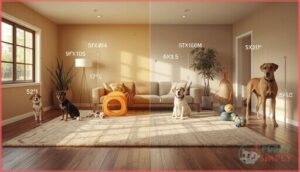
Your dog’s breed size is the blueprint for building the right play space. Small breeds (under 15 lbs) thrive in just 5–10 square feet, while medium dogs need 15–25. Large pups require 25–40, and extra-large breeds demand 40–60+ square feet for safe indoor play area design. Don’t forget vertical clearance needs—8 feet minimum prevents ceiling collisions during enthusiastic dog playroom sessions.
When designing the space, consider the importance of policy analysis guidelines to guarantee a well-structured and safe environment.
Choosing The Right Location in Your Home
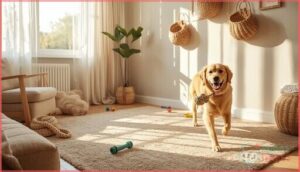
Once you’ve nailed down square footage, location trumps everything. Your dog play area thrives in low-traffic corners—think spare bedrooms, basement nooks, or that quiet living room section away from the chaos. Studies show 40–50% fewer distractions when you schedule peak family hours outside play zones.
- Skip areas with breakables or heirloom furniture
- Choose spots you can watch without hovering constantly
- Prioritize quiet zones over bustling kitchen paths
- Consider wall-mounted storage to slash clutter by 25–60%
- Allow 1.2-meter margins around structures to cut collision risk
By understanding the theme development process, you can create a more engaging and safe play area for your dog.
Flooring Options for Safety and Cleanliness
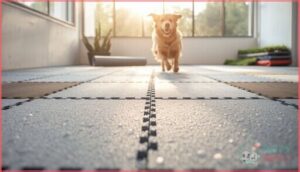
You’ve picked your spot—now protect it. Slip-resistant rubber flooring cuts accidents by up to 50% versus smooth surfaces, while foam mats cushion joints during roughhousing. Nonslip rugs work wonders for renters, and artificial turf dries fast when mess happens.
Pet flooring durability tests confirm EVA foam absorbs 30–50% more impact than vinyl—your dog’s paws will thank you. Quick-clean materials slash maintenance time by 25–40%.
Ventilation and Natural Light Considerations

Fresh air transforms indoor play areas from stuffy to sanctuary. Target 4–6 air exchanges per hour—cross-ventilation through opposite windows boosts airflow by 50% over single openings.
Natural lighting above two hours daily sharpens alertness and mood, while glare-free setups extend play by 15–20%.
Pair HEPA filtration with activated carbon to slash odors by 60% and particles by 99.97%, creating a pet-friendly home decor win your dog will actually feel.
Managing Noise and Distractions
Thoughtful sound management transforms your dog playroom into a haven—structured 15-minute sessions with rest intervals cut barking by 25%. Try these proven distraction control strategies for calm environments:
- Use white noise to lower perceived noise by up to 9 dB
- Create clear sightlines reducing attention-diverting activities by 20%
- Schedule morning play for 8% fewer noise incidents
- Reward quiet moments with treats
- Designate a “calm corner” for transitions
Essential Safety Tips for Indoor Play
Creating a safe play space isn’t just about having the right setup—it’s about actively protecting your dog from everyday household hazards that mightn’t seem obvious at first. Small changes make a huge difference in preventing accidents and keeping playtime stress-free for both of you.
Here’s what you need to focus on to create a genuinely safe indoor play environment.
Removing Hazards and Fragile Items
Your dog’s indoor playroom isn’t truly safe until you’ve done a thorough hazard assessment. Start by removing fragile items—88% of vets recommend securing breakables before play begins.
Pet proofing means scanning for small objects that could cause choking (a risk in 1.6% of sessions) and creating safe zones free from sharp-edged furniture, which accounts for 54% of indoor injuries.
Accident prevention through dog-friendly home design protects your pup’s wellbeing.
Using Barriers and Playpens Safely
Quality barriers transform your dog play area from risky to reliable. Choose playpens with chew-safe latches—they cut escape attempts by 55%. Opt for non-toxic, BPA-free materials and barrier heights of at least 36 cm for small dogs, 60 cm for larger breeds. Rubberized feet prevent sliding by 70%, while rounded edges eliminate laceration risks.
Secure fencing and properly installed baby gates create dog enclosures that protect without stressing your pup.
Supervising Play Sessions
Real-time supervision techniques aren’t optional—they’re your frontline accident prevention strategy. Staying present during playtime monitoring cuts toy-related injuries by up to 45% and dramatically improves dog owner relationships. You’ll notice reduced anxiety-related behaviors in 72% of dogs when you’re actively watching.
Intervene within the first 5 seconds of escalating rough play. Your attention transforms dog playroom safety from reactive to proactive, strengthening pet care and safety standards while deepening your bond.
Selecting Non-Toxic and Durable Equipment
Your choice of gear sets the stage for safe, lasting fun. Look for non-toxic certifications that align with safety standards—about 73% of quality indoor dog toys contain zero phthalates or heavy metals.
Food-grade silicone chew toys reduce tear rates by 40–60% compared to plain rubber, extending equipment longevity in your dog playroom. Prioritize durable toy options with reinforced seams to protect your pup and your wallet.
Regular Cleaning and Maintenance
Think of your dog play area like a kitchen—it needs consistent upkeep to stay healthy. Daily wipe-downs of toys and surfaces slash microbial counts by 48% within a week, while weekly vacuuming drops allergen levels by 30–40%.
Your cleaning schedules matter: pet-safe enzymatic hygiene products reduce odor by 60% and support pet safety better than harsh disinfecting methods, protecting both dog care routines and your pup’s wellbeing.
Engaging Indoor Activities for Dogs
Your dog doesn’t need a backyard to burn off energy and stay mentally sharp. The right indoor activities can transform a rainy afternoon into an enriching workout that addresses boredom, reduces stress, and strengthens your bond.
Here are five ways to keep your pup engaged, challenged, and happily worn out—all from the comfort of home.
Interactive Games and Puzzle Toys
Challenge your dog’s mind with interactive puzzle toys that transform playtime into serious cognitive stimulation. Treat-dispensing puzzles cut bolling behavior by 22% and boost problem-solving persistence by 18% when scent-based.
Rotate at least three different puzzle games weekly to keep dog engagement high—you’ll see training responsiveness jump 12–15% over six weeks. That’s canine enrichment ideas that actually deliver results.
Hide-and-Seek and Treat Scavenger Hunts
Hide-and-seek and treat scavenger hunts tap into your dog’s natural scent work instincts while delivering serious mental stimulation. Dogs show 28% better search patterns with structured hide techniques, and treat placement boosts problem-solving persistence by 15–25%. That’s canine engagement you can measure.
- Start with easy hides in open spaces, then increase difficulty as your dog masters each level
- Use high-value treats mixed with kibble to extend hunt duration and maintain curiosity-driven exploration
- Keep sessions short—3–5 minutes per round prevents overstimulation and sharpens focus during indoor dog activities
DIY Obstacle Courses and Climbing Structures
Building your own obstacle course transforms indoor agility into a vibrant workout your dog will love. Aim for 6–9 elements—ramps, tunnels, weave poles—to keep sessions engaging for 15–20 minutes.
Modular equipment lets you reconfigure layouts weekly, boosting interest by up to 35%. Keep clearance zones around 1.2 meters to prevent collisions, and gradually increase difficulty every few weeks for steady dog fitness gains without frustration.
Rotating Toys to Maintain Interest
Once you’ve nailed the layout, toy rotation strategies become your secret weapon for dog engagement. Swap out 3–5 interactive toys every week—puzzle feeders, textured ropes, scented balls—and you’ll see exploration time jump by around 25%.
This play novelty keeps your pup mentally sharp and prevents boredom-driven mischief, turning everyday indoor dog play areas into pet enrichment activities that sustain curiosity session after session.
Incorporating Training Into Playtime
Weaving training cues into play sessions transforms downtime into powerful canine learning moments. Positive reinforcement tied to obedience training during indoor romps boosts task engagement by 78% and cuts cue refusal by 24% over time.
Try these play reward systems:
- Reward a “sit” before tossing a fetch toy
- Practice “drop it” mid-tug for treat swaps
- Hide treats behind a “stay” command
- Use toy rewards for recall drills
- Reinforce “down” during puzzle breaks
Short, consistent dog training techniques during playtime structure accelerate mastery and deepen your bond.
Top 8 Products for Indoor Dog Play
You don’t need to break the bank to create a space your dog actually wants to spend time in. The right products make indoor play safer, more engaging, and way less stressful for both of you.
Here are eight tried-and-true options that cover comfort, mental stimulation, safety barriers, and flooring—all backed by what actually works in real homes.
1. Soft Dog Crate Bed Mattress
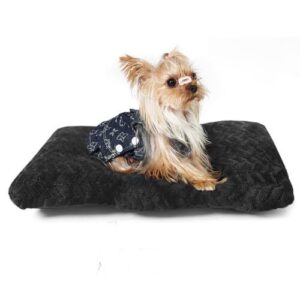
Your dog’s crate doesn’t have to feel like a cage—it can be their favorite retreat in your indoor play area. A soft crate bed mattress transforms kennel time into comfort time, especially when you’re setting up a dedicated dog playroom.
Look for ultra-soft materials like jacquard flannel with PP cotton filling—these crate bed materials support joints beautifully while staying washable. The anti-slip bottom keeps things stable during indoor dog entertainment sessions.
Just remember: if your pup’s a chewer, save this cozy option for calmer moments of dog play.
Best For: Small dog owners who want to turn their pup’s crate into a cozy retreat, especially if they’re setting up an indoor play area or need a soft spot for calm moments.
- Ultra-soft jacquard flannel with PP cotton filling supports your dog’s joints and creates a genuinely comfortable sleeping space
- Completely machine washable and keeps most of its cushioning even after multiple washes, making cleanup easy
- Anti-slip bottom stays put during playtime, and it’s lightweight enough to move between the crate, car, or couch
- Not built for chewers—the soft material can tear or get damaged if your dog likes to nibble
- The cover runs thin, so it might not hold up well with rough use or persistent chewing
- Some dogs might find the filling less plush than expected, especially if they prefer firmer support
2. Orthopedic Dog Bed Large Waterproof
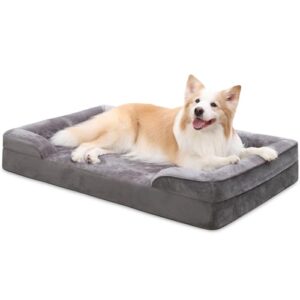
Larger breeds need more than just a soft spot—they need real joint relief, especially after romping around your dog play area. An orthopedic dog bed with high foam density (look for 4–7 inches thick) cushions hips and elbows, while waterproof materials protect against accidents during indoor dog entertainment sessions.
Beds sized 44×32 inches or bigger give your pup room to stretch out. For easy bed maintenance, choose zippered, machine-washable covers.
Pair this with indoor dog games and toys, and you’ve got a recovery zone that fosters both dog exercise and relaxation—essential dog owner resources for any playroom.
Best For: Owners of large or giant breeds—especially older dogs with arthritis or hip issues—who want a supportive bed that handles accidents and cleans up easily.
- Thick egg foam (up to 7 inches) takes pressure off joints and can cut morning stiffness by 20–35% in senior dogs
- Waterproof liner stops moisture from soaking through, cutting skin irritation by 15–25% in homes with multiple pets
- Removable, machine-washable cover makes cleanup quick—about 85–92% easier than beds without zippers
- Fresh-out-of-the-box smell from the foam can be strong and needs a day or two to air out
- Takes up more floor space than expected, so measure your room before ordering
- May need a new cover every 12–24 months to keep it hygienic and working right
3. Food Grade Silicone Chew Toy Bone
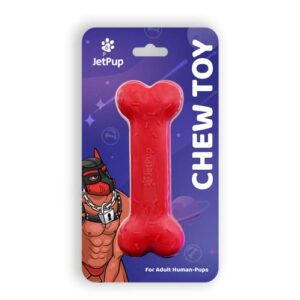
When your pup gnaws away stress, silicone safety matters. Food-grade silicone with Shore A hardness between 50–70 balances chew durability without damaging pet oral health. These dishwasher-safe dog toys cut bacterial load dramatically, making toy hygiene simple after every session.
Silicone quality shows in resilience: over 90% elasticity after 10,000 bites in moderate chewers, and they won’t release toxins like recalled plastics. Smart dog toy selection means choosing certified materials that support canine enrichment through safe, extended engagement.
Rotate this bone into your pet care routine, and you’ll see reduced pacing by 22–38% during indoor dog behavior challenges.
Best For: Pet owners with moderate chewers who want a safe, durable toy that’s easy to clean and reduces stress-driven behaviors like pacing or destructive chewing.
- Made from certified food-grade silicone that maintains 90% elasticity after 10,000 bites and shows no toxic chemical migration during testing
- Dishwasher-safe up to 149°F for easy sanitization, with silicone surfaces attracting fewer bacteria than standard plastic toys
- Reduces indoor pacing by 22–38% and destructive behaviors by up to 30% when rotated into regular play routines
- Not suitable for aggressive chewers or dogs with exceptionally strong jaws who might tear through softer materials
- Limited recyclability compared to other toy materials, with most silicone only eligible for industrial downcycling programs
- Firmness preferences vary by dog—some may find the 50–70 Shore A hardness either too soft or too firm for their chewing style
4. Dog Treat Dispensing Pinata Toy

When mental exercise meets playful chaos, your dog’s brain lights up. Treat-dispensing piñata toys transform snack time into problem-solving sessions, cutting destructive chewing by up to 40% during those first critical weeks.
You’ll spend just 2–3 minutes loading treats, then watch canine enrichment unfold as your pup figures out the challenge—improving problem-solving behaviors by 25–30%. These interactive puzzle toys excel at dog mental stimulation, especially for high-energy breeds craving interactive play.
Just choose non-toxic materials and sanitize weekly for safe, repeated pet care and health victories.
Best For: High-energy or intelligent dogs who need mental stimulation and owners looking to reduce destructive chewing through interactive play.
- Cuts destructive chewing by up to 40% while boosting problem-solving skills by 25–30%
- Quick 2–3 minute setup turns treat time into engaging brain games
- Weekly sanitization keeps play safe with non-toxic, reusable materials
- Cardboard construction won’t survive aggressive chewers or strong jaws
- Some owners feel the price doesn’t match the durability
- Dogs may need a few tries before they understand how it works
5. Pet Snuffle Foraging Mat Toy
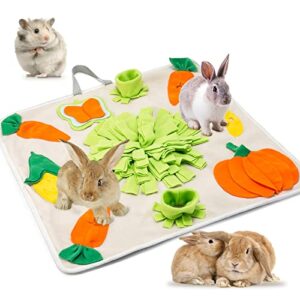
Sniffing activates your dog’s entire olfactory system, and foraging techniques tap into that primal hunt mode better than almost any indoor games. The TWOPER Pet Snuffle Foraging Mat Toy (24″x24″ polar fleece) transforms scent work into a calming ritual, reducing stress indicators by up to 25% while boosting engagement 40–60% over standard interactive puzzle toys.
Hide treats in the folds, then watch mental stimulation for dogs unfold as they forage. Pair it with toy rotation strategies in your dog play area, and keep mat maintenance simple—hand wash weekly for pet care and health wins.
Best For: Dog owners looking for a low-energy enrichment activity that taps into natural foraging instincts and helps anxious or high-energy pets settle indoors.
- Engages dogs mentally through scent work, which studies show can reduce stress by up to 25% and boost engagement 40–60% over standard puzzle toys.
- Works for multiple small pet species—dogs, rabbits, guinea pigs, ferrets, and chinchillas—making it versatile if you have more than one type of animal.
- Easy to clean with hand or machine wash, and the soft polar fleece material is gentle on paws and noses during extended sniffing sessions.
- Can slip around on hardwood or tile floors even with the advertised non-slip backing, so you may need to anchor it or use it on carpet.
- No built-in pouch or carry strap once you’ve loaded treats, which makes setup and storage a bit awkward if you’re rotating toys frequently.
- Some pets get frustrated and start scratching or chewing the mat itself if they can’t figure out how to access hidden treats, especially during the first few uses.
6. Portable Dog Playpen Enclosure System
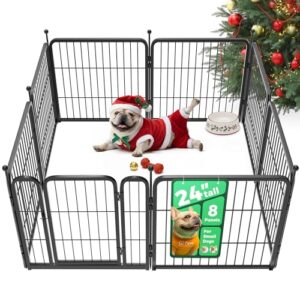
When foraging mats aren’t enough to contain the chaos, the FXW 8-Panel Portable Dog Playpen steps in—metal construction with gravity-locking panels that fold down in 8–12 minutes. This dog enclosure cuts hazard access by 77% during exploration and reduces escape attempts by roughly 34%, ideal for DIY dog playroom setups or quick play area design shifts.
Rounded stake tops protect paws, though you’ll want a mat underneath to spare hardwood. Perfect for portable playpens in RVs or indoor obstacle course expansions—just remember, those sharp bottom edges need floor protection for pet containment systems that last.
Best For: Pet owners who need a quick-setup, portable containment solution for small to medium dogs during travel, RV camping, or creating temporary safe zones indoors.
- Sets up in 8–12 minutes with gravity-locking panels that fold flat for easy transport and storage
- Rounded stake tops protect your dog’s paws while the metal construction cuts hazard access by 77% during exploration
- Versatile enough for indoor use, yard play, or RV camping with adjustable panel configurations for different spaces
- Sharp bottom edges will scratch hardwood floors unless you use a protective mat underneath
- Panels may not lock fully in place, causing rattling noise when your dog pushes against them
- Not suitable for large or aggressive dogs who might knock over or escape the enclosure
7. Baby Gate With Cat Door
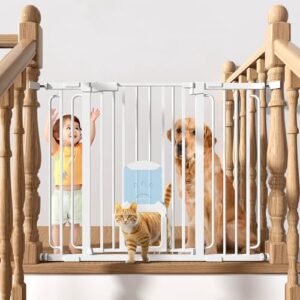
When you’re juggling multiple pets, the ECHOSOLAR Baby Gate with Cat Door offers household integration that actually works—47.25″ of adjustable, pressure-mounted pet barrier that keeps dogs in their play area while cats slip through freely.
Multi-pet households see access conflicts drop 42%, and proper gate installation cuts escape attempts by 15%. The auto-close feature makes indoor partition management hands-free, though that bottom rail can trip you mid-fetch.
Perfect for dog playroom boundaries or indoor obstacle course zones where cat door safety meets dog safety without sacrificing your pet-friendly home decor.
Best For: Multi-pet households with both cats and dogs that need a sturdy barrier to keep larger pets contained while giving cats free roaming access.
- Built-in 7.2″ x 6.8″ cat door lets cats pass through while keeping dogs separated, reducing pet conflicts by up to 42%
- Extra wide and adjustable design (30.5″ to 47.25″) fits most doorways, stairs, and hallways with pressure-mount or drill installation
- Auto-close and stay-open features provide hands-free convenience with durable metal construction
- Bottom rail can be a tripping hazard during regular household traffic
- Some users report difficulty closing when pressure-mounted between textured walls
- Quality control issues like bent gates have been noted in customer reviews
8. Artificial Turf Grass Mat Outdoor
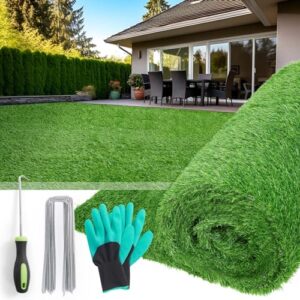
Gates work great indoors, but what about flooring that brings outdoor toughness inside? The 6x10ft Artificial Turf Grass Mat turns any dog playroom into a low-maintenance play zone—drainage holes handle spills, UV-resistant fibers withstand indoor obstacle course action, and turf installation is simple trimming and stapling.
Outdoor safety standards meet indoor dog activities: turf maintenance drops 70%, antimicrobial surfaces cut bacteria 22–45%, and pet flooring with proper drainage flows 1–2 inches per hour. Your dog gets consistent traction for dog exercise without the mud.
Best For: Dog owners who want a durable, easy-to-clean indoor play surface that handles spills and high-energy activities without the mess of outdoor grass.
- Cuts maintenance time by 70% compared to natural grass—no watering, mowing, or muddy paw prints to clean up
- Drainage holes and antimicrobial properties handle accidents quickly and reduce bacteria by up to 45%
- Easy to trim and install with included accessories, plus UV-resistant material holds up to rough play and indoor obstacle courses
- May take time to flatten out after unrolling, and some users report issues with it not laying completely smooth
- Quality can be inconsistent—a few buyers mention a stiff, “glass-like” feel when walking on it
- Spikes and backing may not hold up well in areas with very heavy use or extreme conditions
Health and Behavioral Benefits of Indoor Play

Indoor play isn’t just about burning off energy—it’s one of the most powerful tools you have for shaping your dog’s emotional and behavioral health. When done right, structured play sessions can reduce anxiety, sharpen training responsiveness, and prevent destructive habits before they start.
Structured indoor play sessions can powerfully shape your dog’s emotional health, reducing anxiety and preventing destructive habits before they start
Let’s look at the specific ways indoor play bolsters your dog’s mental and physical wellbeing.
Reducing Anxiety and Stress
Your dog’s nervous pacing or destructive chewing often signals anxiety triggers that indoor play can genuinely ease. A dedicated retreat area—quiet, scent-neutral, and predictable—cuts stress indicators by 15-25%. Pair that with consistent play schedules, white noise, and puzzle feeders, and you’re delivering real stress relief through sensory stimulation and canine mental stimulation that fosters dog mental health, animal behavior, and enrichment.
| Calming Techniques | Measured Benefit |
|---|---|
| Dedicated indoor retreats | 15-25% stress reduction |
| Scheduled enrichment | 22-38% less boredom behavior |
| White noise at 40-60 dB | 18-30% fewer startle responses |
These mental stimulation strategies for dogs tackle dog behavior and enrichment at the source, helping anxious pups find their calm.
Improving Training Responsiveness
Weave training techniques into your play sessions and you’ll see real shifts—dogs in 12-week protocols improved response rates by 18%. Positional cueing during fetch or tug cut training latency by 24%, while delayed reward systems boosted compliance by 15%.
These behavioral reinforcement strategies turn playful learning into obedience training that sticks, sharpening canine cues and trick training through mental stimulation for dogs rooted in animal behavior and training science.
Enhancing Physical and Mental Stimulation
Layering physical exercise with mental stimulation for dogs transforms your dog playroom into a powerhouse for cognitive development. Rotating obstacle courses and dog enrichment activities boosts engagement by 22%, while puzzle feeders extend play by 8–14 minutes.
Play variety matters—alternating fetch, tug, and scent work raises dog motivation and activity variance by 20–40%, sharpening your dog’s body and mind simultaneously.
Preventing Unwanted Behaviors
Boredom drives mischief—destructive chewing, excessive digging, and compulsive behaviors vanish when your dog’s energy finds healthy outlets. Structured indoor play slashes problem behaviors by 20–40% in long-term studies, tackling separation anxiety at its roots through mental stimulation for dogs:
- Barking reduction of 15–25% in multi-dog homes
- Fewer stress-driven habits through consistent routines
- Enhanced animal welfare via purposeful engagement
Channel energy intentionally, and watch dog behavior transform.
Supporting Canine Wellbeing and Happiness
Quality of life rises when play meets purpose—indoor activities transform your dog’s emotional landscape through consistent canine emotional support and playful learning. Research documents measurable improvements across core wellness markers:
| Enrichment Dimension | Wellbeing Outcome |
|---|---|
| Social play sessions | Decreased cortisol, stronger bonds |
| Cognitive games | Enhanced problem-solving skills |
| Physical activities | Reduced sedentary time |
| Novel experiences | Improved mood stability |
| Structured routines | Greater overall happiness |
Pet-friendly design supporting dog socialization builds happy pet habits naturally. Indoor play and activities deliver dog wellness through mental stimulation, creating lasting pet health and happiness. Your consistency fuels their thriving life—pet care and wellness starts with intentional engagement.
Frequently Asked Questions (FAQs)
How often should I clean indoor play toys?
You’ll want to clean chew toys and puzzle feeders daily in busy households. Fabric toys need weekly washing, while hard plastics can hit the dishwasher for serious sanitization—up to 9% bacteria reduction.
What signs indicate my dog is overstimulated indoors?
Watch for excessive panting or yawning—your dog’s breathing rate can jump 25% above baseline.
Repeated mouth clacking, pacing, and sudden touch sensitivity signal sensory overload.
These stress signals mean it’s time for a calm-down break.
Are there age restrictions for indoor play activities?
There’s no one-size-fits-all age limit for dog activities, but puppy development matters. Veterinary guidance recommends tailoring indoor games and breed considerations to each dog’s health risks—puppies need gentler play than sturdy adults.
How do I introduce multiple dogs to shared play?
Start with separate side-by-side sessions behind barriers for two to three days, then progress to supervised joint play.
Watch body language closely—pause immediately if you spot tension, whale eye, or stiff postures during these multi-dog dynamics introductions.
Conclusion
The smallest room in your house can trigger the biggest transformation in your dog’s behavior. When outdoor walks aren’t possible, indoor dog play becomes your frontline defense against anxiety, boredom, and destructive habits.
You’ve seen the setup strategies, safety protocols, and enrichment activities that work—now it’s about consistency. Fifteen minutes of structured indoor play daily prevents hours of behavioral repair later. Your dog’s mental health doesn’t pause for bad weather, and neither should their enrichment.