This site is supported by our readers. We may earn a commission, at no cost to you, if you purchase through links.

Anyone who’s heard the sudden crunch of a table leg or discovered a shredded slipper knows that puppies can turn into tiny demolition crews without warning. Razor-sharp teeth meet boundless curiosity, and suddenly nothing in your home is safe from their jaws.
Aggressive chewing doesn’t mean you’ve got a “bad” puppy; it’s usually their answer to teething pains, boredom, or anxious energy waiting for an outlet. With the right puppy training tips, you can channel those chomping instincts into healthy habits—and save more than a few of your belongings along the way.
Table Of Contents
Key Takeaways
- Aggressive chewing in puppies is often driven by teething, boredom, stress, or environmental triggers, and can be managed with the right approach.
- Redirecting your puppy to durable, safe chew toys and teaching “leave it” and “drop it” commands quickly reduces destructive chewing.
- Consistent positive reinforcement, structured training routines, and patience are crucial for shaping healthy chewing habits over time.
- Puppy-proofing your home, monitoring for medical issues, and providing a mix of chew zones and engaging toys keep both your belongings and your puppy safe.
Key Reasons Puppies Chew Aggressively
If your puppy has turned into a tiny chewing machine, you’re not alone. There are a handful of common reasons this behavior pops up, and each one can look a little different.
Let’s take a closer look at what might be making your puppy chew with so much enthusiasm.
Teething and Natural Instincts
Teething pain lights a fire under puppy instincts, pushing your dog toward constant oral exploration. Chewing isn’t just a pastime—it’s a natural behavior, critical for coping with sore gums and learning about the world.
Appropriate chew management means offering safe chew toys that soothe puppy teething and reduce destructive behavior before it takes root in your home.
Effective training requires understanding research network principles to develop a well-structured approach.
Boredom and Lack of Stimulation
Once puppies finish soothing their gums, boredom steps in as the next driver for chewing behavior. Without enough Mental Stimulation or Environmental Enrichment, your pup quickly turns to chewing as an outlet.
Playtime Activities and varied chew toys encourage Sensory Exploration and Cognitive Development, steering puppy chewing energy away from destructive behavior and putting healthy puppy training habits in motion.
Similar to how students utilize study guides online to improve their learning, puppies also require engaging activities to redirect their energy.
Separation Anxiety and Stress
Beyond boredom, stress from being left alone drives intense chewing behavior in many puppies. Up to 40% of young dogs show separation anxiety, with cortisol spiking within 30 minutes of your departure. Watch for Stress Signals like pacing or whining—these Anxiety Triggers often escalate into destructive chewing.
Gradual departures and predictable routines can reduce separation phobia by 40–60%, helping aggressive chewers feel secure.
Identifying Environmental Triggers
It’s not always just stress stirring up destructive behavior. Everyday life throws curveballs—noise pollution from vacuums, household hazards like tangled cords, and even textile variety on your floors spark curiosity. Seasonal changes or crowded afternoons can lead to sensory overload for aggressive chewers. Watch for these triggers so you can fine-tune your puppy proofing and keep chew toys within easy reach.
- Sudden loud noises unsettling your puppy
- Cords or cables exposed in busy rooms
- Soft rugs, hard floors, and furniture tempting teeth
- Holidays or company creating a sensory whirlwind
Effective Training Tips to Curb Aggressive Chewing
Solid training can make all the difference with a puppy who loves to chew. Before you pick a new chew toy, it’s worth getting the basics down first.
Here are a few practical tips that set the stage for success.
Redirecting to Appropriate Chew Toys

Did you know redirecting behavior with the right chew toys can cut destructive chewing overnight? For aggressive chewers, opt for durable chews made from safe materials that outlast ordinary toys. Chew toy selection matters—textured options boost engagement. By offering a dedicated chew kit, you actively channel puppy teething into healthy habits.
| Type | Durability | Engagement Level |
|---|---|---|
| Textured Rubber Bone | High | Excellent |
| Rope with Knots | Medium-High | Very Good |
| Interactive Puzzle | High | Exceptional |
Teaching “Leave It” and “Drop It” Commands

Master Command Training by teaching “Leave It” and “Drop It”—the gold standards for Puppy Obedience and Behavior Modification. Reliable cue-word training strengthens Chew Inhibition and discourages destructive behavior fast.
For success:
- Use high-value Reward Systems
- Pair commands with chew toys
- Integrate positive reinforcement
- Practice in various environments
Effective training techniques shape confident, well-mannered puppy behavior.
Using Positive Reinforcement Techniques

Nearly every puppy responds faster when positive reinforcement is woven into training. Use immediate Reward Timing—ideally within two seconds after your pup chews the right toy.
Combine Consistent Reinforcement and varied Reinforcement Schedules, like clicker training, to anchor positive feedback.
This approach speeds behavior modification, curbs destructive behavior, and sets the stage for healthy puppy development and chewing habits.
Consistency and Patience in Training

Think of training your puppy like slowly layering bricks—each day’s Consistent Feedback and structured Training Schedules create a steady foundation. Patience isn’t just a virtue; it’s your greatest tool. Stick to reliable Reward Systems and a Patient Approach.
Building good puppy habits is like laying bricks—each day’s patient, consistent feedback creates a foundation for lifelong learning
Over time, positive reinforcement and LongTerm Planning gently guide chewing behavior, transforming destructive habits into healthy puppy development with proven, practical training techniques.
Top 5 Chew Products for Aggressive Puppies
Finding the right chew for your puppy can make all the difference regarding stubborn chewing habits. Certain treats and toys stand out for durability and appeal, helping channel your pup’s energy where it belongs.
Here are five top choices worth exploring for even the most determined chewers.
1. Natural Beef Marrow Dog Bones
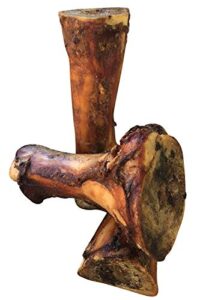
Looking for a satisfying outlet for aggressive chewers? Natural beef marrow dog bones step up as a time-tested solution for destructive chewing and puppy dental health. These beef bones, packed with natural chew benefits, help curb boredom while supporting jaw strength.
Marrow bone safety hinges on picking a bone larger than your pup’s mouth and supervising every session. Rotate marrow bones with chew toy alternatives to minimize risk and monotony—always discard small fragments to guarantee these dog bones remain a safe choice.
Best For: Owners of large, active adult dogs who need a long-lasting, natural chew to help prevent destructive boredom.
- All-natural single ingredient with no additives and responsibly sourced from USA cattle.
- Supports dental health and reduces destructive chewing with high engagement rates.
- Long-lasting and nutrient-rich, packed with real marrow and meaty bits to keep dogs occupied.
- May splinter or break for extremely aggressive chewers despite safety claims.
- Not suitable for puppies under 12 weeks or small dogs due to choking and injury risk.
- Price may not be worth it if your dog can destroy bones especially quickly.
2. Natural Beef Lung Dog Treats
Few chews balance treat variety and puppy digestion as well as natural beef lung dog treats. If your aggressive chewer needs a high-reward outlet, these grain-free, single-ingredient options satisfy intense chewing habits without extra fillers.
The natural ingredients and chew durability make them ideal for redirecting destructive behavior, supporting both your puppy training goals and oral health.
Plus, dog treats like these break easily for controlled rewarding—perfect for teaching impulse control or rewarding calm moments. That’s the beef lung benefits advantage in everyday puppy life.
Best For: Puppies and dogs of all sizes that need a healthy, high-value chew for training or managing strong chewing instincts.
- All-natural, single-ingredient treat that’s high in protein and easy to digest.
- Supports dental health and makes training easier with breakable pieces.
- Responsibly sourced from USA grass-fed, free-range cattle with no artificial fillers.
- Price may be higher than multi-ingredient or imported treats.
- Pieces vary in size and shape due to their natural sourcing.
- Not suitable for dogs with specific beef allergies or dietary restrictions.
3. Natural Beef Trachea Dog Chews
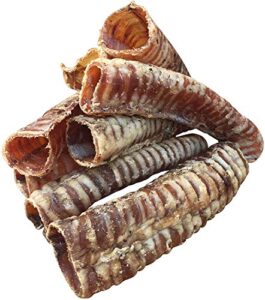
When your puppy’s energy turns to aggressive chewing, natural beef trachea dog chews can be a game changer. Their chew durability stands up to determined jaws, while textured cartilage scrubs teeth and bolsters dental health.
The trachea benefits go beyond teeth—rich in beef nutrition like collagen and glucosamine, they naturally promote joint health.
Trachea chews also offer dog treats with safer edges than dense dog bone chews, giving you an option that satisfies chewing habits and helps manage destructive behavior with peace of mind.
Best For: Owners of puppies or adult dogs with strong chewing habits, especially those looking to support joint and dental health with a natural, single-ingredient treat.
- Supports joint health with collagen, glucosamine, and chondroitin.
- Helps clean teeth and reduce plaque while keeping dogs engaged.
- Durable yet safer chewing option for aggressive chewers of all life stages.
- May be too fatty for some dogs and could cause loose bowels.
- Requires supervision to prevent choking, especially in puppies.
- Not ideal for dogs with beef allergies or certain sensitivities.
4. Natural Long Lasting Dog Bones
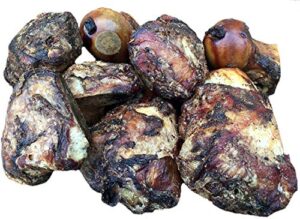
Aggressive chewers often need more than just tough toys; natural long lasting dog bones, especially raw beef bones packed with marrow, keep determined puppies busy and satisfied. The chew durability of dense marrow bones also safeguards furnishings and aids healthy teeth and gums.
Marrow benefits extend to real dog nutrition, providing essential minerals. For bone safety, stick to sizes your pup can’t swallow whole and always supervise—raw bones hold up best, minimizing splinter risk and maximizing chewing satisfaction for your curious pup.
Best For: Owners of large breed, aggressive chewers who need a natural, safe, and long-lasting bone to keep their dog entertained, occupied, and away from destructive habits.
- Made from single-ingredient, grass-fed USA beef with no preservatives or artificial flavors.
- Marrow-filled bones last longer than plain bones and provide essential nutrients for dogs.
- Helps reduce destructive chewing and keeps dogs mentally stimulated for hours.
- May be greasy at first and better suited for outdoor use until excess fat is gone.
- Can break apart, posing a choking risk for smaller dogs and requiring supervision.
- Some users consider the price high compared to alternatives, and heating/cooling may be needed to control grease.
5. Natural Beef Knee Cap Bones
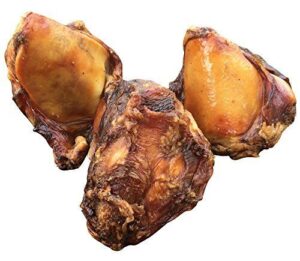
Just as marrow bones satisfy relentless chewers, Beef Knee Caps offer a sturdy, enriching option for puppies that simply won’t quit. These natural chews are packed with joint-supporting cartilage and real marrow, promoting both bone health and dog health with every session.
Their shape keeps dogs engaged longer, curbing destructive chewing by channeling natural instincts into positive enrichment. For aggressive chewers, knee cap beef bones deliver impressive chew durability—making them a smart addition to your safe chew rotation and overall puppy enrichment plan.
Best For: Pet parents with small to medium dogs who want a natural, tough chew that keeps pups busy and supports joint health.
- Made from single-ingredient, USA-sourced beef bone with no additives or preservatives.
- Packed with marrow and cartilage for longer chew times and joint support.
- Great at curbing destructive chewing and providing mental enrichment.
- Can become a choking hazard if the bone gets too small and needs close supervision.
- Not ideal for very large dogs due to smaller size.
- Some find the price a bit high compared to other natural chews.
Preventing Destructive Chewing in The Home

Keeping your home safe and your puppy out of trouble starts with a few smart changes to your space. The right setup makes it easier to steer your pup away from things they shouldn’t chew.
Here’s what to think about when planning your home environment.
Puppy-Proofing Living Spaces
Ever notice how quickly a curious nose can find trouble? Puppy-proofing the home isn’t just about Dog Proof gear—it’s a mindset. Prioritize Hazard Removal, Cord Protection, and Secure Furniture to create safe, supervised areas. Use Pet Gates to block off rooms, stash chew toys in easy reach, and remember: every room benefits from a watchful eye and some clever crate training.
- Tuck away cords behind heavy furniture or cord covers.
- Store shoes, books, and valuables up high or behind closed doors.
- Install pet gates to keep your puppy in safe, supervised zones.
Creating Chew-Only Zones
A well-marked Chew Zone Design acts as a landing pad for wild chewing behavior—your first line of Puppy Safety. Set clear Zone Boundaries using a crate or playpen, and load the space with Chew Toy Variety.
With supervised play and consistent reinforcement, aggressive chewers learn which spots and items are fair game, dramatically reducing destructive behavior around your home.
Rotating and Supervising Chew Toys
Chew Toy Rotation isn’t just trendy—it’s a dog training method that keeps chewing behavior focused where you want it. Pair Supervised Play with regular Toy Safety Checks: watch for wear, switch toys weekly, and manage Chew Time. You’ll reduce destructive behavior and encourage positive reinforcement, making puppy socialization enjoyable and safe for everyone.
- Peace of mind
- Fewer ruined shoes
- Happier playtimes
Monitoring for Medical or Behavioral Issues
Regular Health Monitoring makes all the difference regarding chewing behavior. If you notice sudden changes, pain responses, or signs like persistent chewing, it’s time for a thorough Pain Assessment and Veterinary Care.
Don’t overlook Behavioral Signs such as separation anxiety or excessive destructive behavior—targeted Medical Checks guarantee your growing puppy’s teething pain or underlying canine behavior issues are addressed early.
Frequently Asked Questions (FAQs)
What age does aggressive chewing typically stop?
Picture a Labrador puppy who gnawed furniture daily until six months. By nine to twelve months, aggressive chewing usually calms, as teething pain subsides, training consistency builds, and enrichment strategies match the natural puppy development stages and chewing cessation age benchmarks.
Can diet changes reduce my puppys chewing?
Dietary Influences and Nutrient Balance can support Chew Reduction in puppies. Proper Feeding Strategies also ease Teething Relief but also discourage Destructive Chewing—especially for aggressive chewers—by aligning dog nutrition with Puppy Development needs.
Are certain breeds more prone to chewing?
Certain breeds, especially large or high-energy types, tend to show more persistent and intense chewing patterns.
Genetic factors, teething issues, and breed-specific traits all influence dog behavior and chewing patterns throughout puppy development.
How do I stop nighttime chewing behavior?
As the saying goes, “An ounce of prevention is worth a pound of cure.” A consistent Nighttime Routine, Chew Toy Rotation, Calming Techniques, and Environmental Modification all help steady Sleep Patterns, preventing destructive chewing and encouraging better dog behavior overnight.
Should I use bitter spray on furniture?
Bitter spray effectiveness on furniture varies—some puppies ignore it or acclimate quickly. While deterring chewing behavior temporarily, it doesn’t address root causes.
For long-term chew prevention and furniture protection, combine deterrent methods like bitter apple with training alternatives and enrichment.
Conclusion
Chewing channels curiosity, calms chaos, and crafts canine character—when you guide it wisely. The right puppy training tips for aggressive chewing also preserve your possessions and nurture positive bonds with your pup.
Every playful bite is an opportunity to teach, redirect, and reward better behaviors. Stick with steady structure and watch your furry friend flourish.
When you approach stubborn chewing as a stepping stone, you’ll see transformation—one chew, one command, one confident, happy puppy at a time.