This site is supported by our readers. We may earn a commission, at no cost to you, if you purchase through links.
When cancer enters your dog’s life, the dinner bowl becomes more than a routine—it’s part of the fight. Tumors quietly steal calories, leaving many dogs thin and tired, even when they’re eating as much as ever.
The right dog food for cancer can do more than fill a stomach; it can help defend muscle, soothe inflammation, and shore up the immune system when it’s needed most.
Understanding which ingredients nourish your dog and which could feed the disease is a powerful step toward supporting their strength and spirit through treatment and recovery.
Table Of Contents
- Key Takeaways
- Why Diet Matters for Dogs With Cancer
- Key Nutritional Needs for Dogs With Cancer
- Foods to Include in a Cancer Diet
- Foods and Ingredients to Avoid
- Top Dog Foods for Dogs With Cancer
- Dietary Supplements That Support Cancer Care
- Managing Feeding Challenges During Cancer
- Research and Evidence on Cancer Diets
- Frequently Asked Questions (FAQs)
- What food is good for a dog with cancer?
- What kills cancer cells in dogs?
- What is the best homemade food for dogs with cancer?
- How to prolong dogs’ life with cancer?
- Should I add supplements to my dogs cancer diet?
- How often should I feed my dog with cancer?
- Can raw diets benefit dogs with cancer?
- Are there specific foods to avoid during cancer treatment?
- How can I stimulate appetite in my cancer-stricken dog?
- Can cancer diets affect a dog’s medication absorption?
- Conclusion
Key Takeaways
- Cancer shifts your dog’s metabolism dramatically, causing tumors to steal calories and drive muscle loss even when they’re eating normally, so specialized high-protein, low-carb diets can help starve cancer cells while preserving lean muscle mass.
- Omega-3 fatty acids from fish oil or salmon deliver measurable anti-inflammatory benefits that may slow tumor growth by 20–40% and improve survival rates by 12–18% in some canine cancer cases.
- Commercial therapeutic foods like Hill’s Prescription Diet ONC Care are specifically formulated to support dogs through cancer treatment, but you’ll need your vet’s prescription and guidance to ensure proper nutrient balance.
- Raw foods pose serious infection risks for immunocompromised cancer patients, while high-carb ingredients can fuel tumor growth—stick with cooked, protein-rich meals and avoid simple sugars during treatment.
Why Diet Matters for Dogs With Cancer
When your dog faces cancer, what they eat matters more than ever. The right diet can help support their body and improve their quality of life.
Here’s what you need to know about how nutrition plays a role during treatment.
Cancer’s Impact on Canine Metabolism
Change is the only constant in Cancer Metabolism. When cancer strikes, your dog’s body shifts gears—metabolic rate can jump by 10–40%, and tumors steal energy, driving weight loss and muscle wasting. Glycolysis Effects mean cancer cells crave carbs, draining your dog’s reserves and stressing the immune system.
- Tumor Energy drains calories quickly
- Muscle loss despite eating
- Increased inflammation
- Shift toward glycolysis
- Lower albumin, weaker immunity
Understanding the science behind AP Biology concepts can help in developing targeted nutrition plans.
Importance of Tailored Nutrition
With cancer metabolism shifting your dog’s needs, a one-size-fits-all approach simply won’t cut it. Nutrient balance becomes the backbone of dietary therapy—think of customized diets as a custom-fitted suit, fitting your dog’s unique challenges.
Nutritional intervention bolsters the immune system, helping your dog fight back. Thoughtful canine nutrition and cancer management offer real nutritional backing for treatment and recovery.
Understanding the importance of theme identification techniques can help pet owners make informed decisions about their dog’s diet.
Role of Diet in Cancer Treatment
Just like a well-tuned engine needs the right fuel, your dog’s body relies on Cancer Nutrition for strength during treatment. Diet Therapy isn’t just about calories—it’s about Nutrient Balance, supporting gut health, and adjusting for food sensitivities.
Thoughtful Dog Food choices can help stabilize weight, ease treatment side effects, and even support immune function as part of your dog’s Cancer Treatment plan.
Key Nutritional Needs for Dogs With Cancer

When your dog is facing cancer, nutrition becomes more important than ever. Certain nutrients can make a real difference in their strength and recovery.
Here’s what you need to look for in their diet.
High-Quality Protein Requirements
Ever wonder why your dog’s strength seems to fade during Cancer Treatment and Recovery? High-Protein, Protein-rich diets are your best ally.
Prioritizing digestible Protein Sources like chicken or salmon fuels Muscle Preservation and aids Nutrient Balance. Essential Amino Acid blends boost Dog Nutrition, making Nutritional Support for Dogs not just helpful, but essential for maintaining lean mass throughout therapy.
Benefits of High-Fat, Low-Carb Diets
Imagine your dog’s cells learning a new language—Fat Metabolism. By focusing on HighProtein, LowCarb Dog Food, you shift energy away from Cancer Cells, encouraging Ketone Production through Dietary Fats.
Carbohydrate Restriction can reduce tumor fuel by up to 40%, supporting stable weight and better Nutrition. This approach gives your dog’s healthy cells a fighting chance.
Importance of Omega-3 Fatty Acids
Think of omega-3s as your dog’s anti-inflammatory shield during cancer treatment. These fatty acid sources deliver powerful omega-3 benefits that directly support the immune system and slow tumor progression.
Key advantages of omega-3 nutrition:
- Reduced inflammation – Studies show 25% less tumor-related inflammation with omega-3-enriched dog food.
- Better survival rates – EPA and DHA can improve outcomes by 15–20% in some cancer types.
- Stable weight – Dietary supplements help maintain body condition during treatment.
Target 80–100 mg/kg daily EPA+DHA for ideal anti-inflammatory effects.
Maintaining Weight and Muscle Mass
Your dog’s body fights two battles during cancer treatment—against the disease and against muscle wasting. Weight stabilization occurs in 60–75% of cases when caloric intake reaches 25–35 kcal/kg/day. Protein requirements increase to 2.0–2.5 g/kg daily to preserve muscle mass. Nutrient timing is crucial: small, frequent meals enhance caloric intake without overwhelming compromised appetites.
| Goal | Target Range | Why It Matters |
|---|---|---|
| Daily Calories | 25–35 kcal/kg | Weight stabilization during treatment |
| Protein Requirements | 2.0–2.5 g/kg | Muscle preservation under therapy stress |
| Feeding Frequency | 3–5 small meals | Improved caloric intake, appetite support |
| Protein % of Diet | 25–30% of calories | Lean body mass retention |
| Monitoring Schedule | Weekly weigh-ins | Early detection of nutritional decline |
Foods to Include in a Cancer Diet
When you’re building a diet for a dog with cancer, the ingredients you choose can make a real difference in how well they handle treatment and maintain their strength. The goal is to focus on foods that fuel healthy cells while limiting what cancer cells thrive on.
Let’s look at the key foods and nutrients that should be part of your dog’s cancer-fighting diet.
Protein-Rich Meats (Chicken, Salmon, Lamb)

When your dog is fighting cancer, choosing the right protein sources becomes essential to their recovery. Chicken, salmon, and lamb each deliver about 20-25% protein by weight while supporting lean muscle maintenance during treatment.
Fully cooked meats eliminate infection risks for immunocompromised dogs. Aim for 25-35% of daily calories from these digestible, nutrient-rich proteins to help preserve strength and stabilize weight throughout therapy.
Omega-3 Rich Foods and Supplements

Fatty acids can become your dog’s secret weapon against cancer-related inflammation. Omega-3 sources deliver measurable anti-tumor effects when dosed correctly:
- Fish oil supplements provide 100-200 mg/kg/day of combined EPA and DHA, supporting 12-18% survival improvements in canine cancer trials
- Wild-caught salmon naturally delivers omega-3s alongside quality protein
- Algae-based DHA therapy offers fish-free alternatives for sensitive dogs
Start low and increase gradually to minimize digestive upset.
Antioxidant-Rich Fruits and Vegetables

Colorful produce can support your dog’s immune system during cancer treatment, but proceed with caution. Lightly steamed carrots, sweet potatoes, and small portions of blueberries supply beta-carotene and anthocyanins—compounds linked to antioxidant effects in veterinary studies. Aim for 5–10% of daily calories, never replacing protein targets.
| Antioxidant-Rich Option | Key Benefit |
|---|---|
| Blueberries (plain, limited) | Anti-inflammatory support |
| Steamed spinach (small amounts) | Lutein for immune function |
| Cooked carrots/sweet potatoes | Beta-carotene precursors |
Critical reminder: Always consult your veterinary oncologist before adding fruit benefits or vegetable safety choices—some antioxidants may interfere with chemotherapy. Introduce one item at a time, monitor stool quality, and prioritize nutrient balance. Raw produce poses infection risks in immunocompromised dogs, so proper preparation is essential. Nutritional supplements and whole-food sources work best when tailored to your dog’s cancer type and treatment phase.
Hydration and Digestibility Considerations

Keeping your dog properly hydrated can make or break their treatment tolerance. Cancer-affected dogs often drink 15–25% less water than healthy peers, raising dehydration risk and compromising nutrient absorption—already reduced by up to 25% in many cases.
Proper hydration directly correlates with appetite, energy, and quality of life. Work with your veterinarian to assess stool quality and adjust fiber or moisture levels. Nutritional support for dogs undergoing cancer care hinges on optimizing both fluid balance and nutrient absorption—two pillars that support the immune system when it matters most.
Boost fluid balance and gut health with these strategies:
- Offer high-moisture foods or oral rehydration solutions to increase daily intake by 20–40%
- Feed smaller, frequent meals to improve digestive enzyme activity and reduce gastric emptying times by 20–30%
- Pair high-quality animal proteins with energy-dense fats for 8–12% better caloric absorption
- Monitor electrolyte management closely during treatment—IV or subcutaneous fluids may restore 5–7% body weight loss within 24–48 hours
Foods and Ingredients to Avoid

When your dog is fighting cancer, what you leave out of the bowl matters just as much as what you put in. Some foods can actually fuel tumor growth or weaken an already compromised immune system.
Here are the key ingredients and foods you’ll want to avoid during cancer treatment and recovery.
High-Carbohydrate Ingredients
Simple carbs like corn, wheat, and white rice can spike your dog’s blood sugar, potentially fueling cancer cells through increased insulin response. Many commercial dog foods contain 20–50% carbohydrates, which may challenge glycemic control and macronutrient balance during treatment.
Opting for cancer-focused nutrition with limited carb impact helps support your dog’s recovery by reducing sugar effects that tumors thrive on.
Low-Quality Fillers and Additives
Beyond simple carbs, processed grains and fillers can make up 20–40% of some dog foods, offering minimal nutrition while displacing essential protein.
Watch for artificial preservatives like BHA, BHT, and nitrites—these additives may trigger inflammation markers in cancer patients.
Third-party testing helps sidestep mycotoxin contamination and heavy metal residues, which can further compromise your dog’s immune system during treatment.
Raw Foods and Infection Risks
Raw meat may seem like a nutritional powerhouse, but in cancer patients, the stakes are different. Studies show up to 25% of raw food samples harbor Salmonella or Listeria—pathogens your immunocompromised dog can’t fight off easily.
Consider these infection control priorities:
- Bacterial contamination threatens both canine and human family members
- Chemotherapy weakens natural defenses against foodborne pathogens
- Zoonotic risks increase with household raw food handling
Cooked, grain-free dog food offers safer cancer nutrition.
Unsafe Homemade Recipes
Well-intentioned homemade dog food often backfires during cancer treatment. A 2022 study revealed 38% of owners used non-veterinary recipes, creating nutrient imbalances that fell 30% below therapeutic targets.
Homemade errors with calcium-to-phosphorus ratios cause renal issues in up to 18% of cases. Without proper guidance, your cancer diet for dogs risks bacterial contamination and micronutrient gaps—undermining nutrition therapy when your dog needs it most.
Top Dog Foods for Dogs With Cancer
Finding the right food for a dog with cancer can feel overwhelming when you’re already worried about their health. The good news is that several commercial options are specifically formulated to meet the nutritional needs of dogs fighting cancer.
Here are some of the most effective foods and supplements that can support your dog during treatment and recovery.
1. Hill’s Oncology Dog Food Chicken
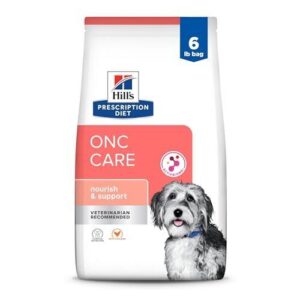
When your dog is battling cancer, nutrition becomes a key ally in their treatment plan. Hill’s Prescription Diet ONC Care Chicken Formula stands out as a veterinary-grade option specifically designed to aid dogs with cancer.
This oncology diet combines highly digestible protein with controlled carbohydrate levels, targeting cancer cells’ preference for glucose. The ActivBiome+ technology aids gastrointestinal health, which is essential during chemotherapy.
While you’ll need a veterinary prescription, the formula’s omega-3 fatty acids and flavorful fats encourage eating when appetite wanes, helping maintain your dog’s strength throughout their cancer journey.
Best For: Dog owners whose pets have been diagnosed with cancer and need specialized nutrition to support their strength, immune system, and appetite during treatment.
- Formulated specifically for cancer patients with high-quality protein and controlled carbs that help maintain lean muscle while limiting glucose available to cancer cells
- ActivBiome technology supports gut health during chemotherapy, and omega-3 fatty acids boost immune function
- Tastes great to dogs even when their appetite drops, helping them maintain weight and energy through treatment
- Requires a prescription from your vet, so you can’t just pick it up at any pet store
- Costs more than regular dog food, which adds up during long-term cancer treatment
- Not suitable for dogs with certain allergies or sensitivities, so you’ll need to check ingredients carefully with your vet
2. Fresh Frozen Dog Food Recipe
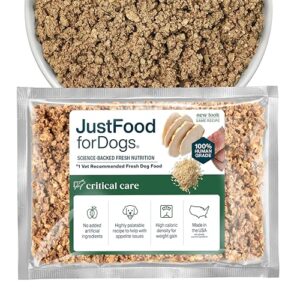
JustFoodForDogs Critical Care Support offers fresh frozen meals crafted with human-grade beef, chicken, and chicken liver—ingredients that deliver nutrient balance without fillers or preservatives.
When preparing these meals, proper thawing in the refrigerator protects recipe safety by preventing bacterial growth, which is vital for immunocompromised dogs.
The calorie-dense formula aids recovery while maintaining muscle mass, and its palatability encourages eating when cancer diminishes appetite.
Though pricier than conventional dog food, this fresh ingredients approach provides science-backed nutrition during treatment.
Best For: Dogs with reduced appetites due to cancer or serious illness who need nutrient-dense, easy-to-digest meals that support recovery and maintain muscle mass.
- High-quality human-grade ingredients provide better digestibility and nutrient absorption than processed kibble, helping dogs maintain weight during treatment.
- The calorie-dense formula with fresh proteins encourages eating even when appetite is compromised, making it easier to meet daily nutritional needs.
- Science-backed formulation without fillers or artificial additives reduces digestive upset and supports immune function during critical care.
- Significantly more expensive than traditional dog food, which can strain budgets during extended treatment periods.
- Requires careful refrigerator thawing and proper handling to prevent bacterial contamination, especially important for immunocompromised dogs.
- Some dogs may refuse the taste or texture despite high palatability rates, and shipping issues like thawing or packaging damage can occur.
3. Hill’s Oncology Dog Food Support
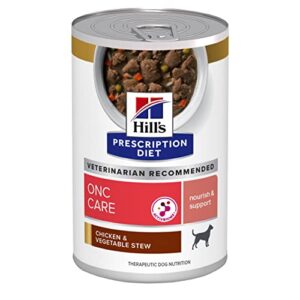
Hill’s Prescription Diet ONC Care stands among therapeutic foods purpose-built for oncology nutrition, delivering 34–38% protein on a dry matter basis to safeguard muscle during cancer recovery. Its calorie-dense formula confronts weight loss head-on, while ActivBiome+ technology bolsters gut health—a cornerstone of effective cancer care.
Your veterinarian can guide you toward this veterinary-exclusive dog food, which pairs high-quality animal proteins with omega-3 fatty acids to manage tumor-related inflammation. Nutrient balance meets veterinary guidance in every bowl, giving your dog targeted dog food therapy when it matters most.
Best For: Dogs undergoing cancer treatment who need help maintaining weight, muscle mass, and energy levels with veterinary-supervised nutrition.
- High protein content (34-38% dry matter basis) helps preserve lean muscle during chemotherapy or radiation
- ActivBiome technology supports gut health, which is crucial when cancer treatments disrupt digestion
- Calorie-dense formula with flavorful fats makes it easier for dogs with poor appetites to get the nutrition they need
- Requires a veterinary prescription, so you can’t just pick it up at any pet store
- More expensive than regular dog food, which adds up over long treatment periods
- Some dogs may refuse to eat it despite the palatability features, requiring food mixing or other workarounds
4. Grain Free Chicken Dog Food
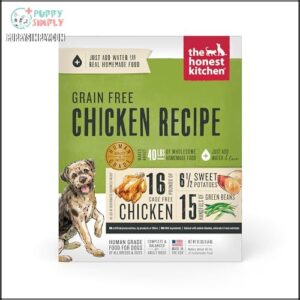
When your dog battles cancer, grain-free chicken formulas can deliver the high-protein, low-carb nutrition their body desperately needs. Look for options built on human-grade whole chicken—these provide 2.0–3.0 g/kg/day of quality protein to protect muscle mass during treatment.
Grain-free benefits include easier digestion for sensitive stomachs, though research shows no universal survival advantage over grain-inclusive diets. Focus on omega-3 enrichment and calorie density instead.
Your veterinarian can help you balance grain-free dog food safety with cancer diet management customized to your dog’s tumor type and treatment plan.
Best For: Dogs with cancer who need high-protein, easy-to-digest meals, especially those with sensitive stomachs or grain sensitivities during treatment.
- Human-grade chicken provides 2.0–3.0 g/kg/day protein to help preserve muscle mass during cancer treatment
- Grain-free formula is gentler on digestion and works well for dogs with stomach upset from chemotherapy
- Dehydrated format locks in nutrients and flavor while letting you control moisture levels for dogs who need extra hydration
- Significantly more expensive than regular dog food—15–40% higher monthly costs can add up fast, especially for larger dogs
- No proven survival advantage over grain-inclusive diets in cancer studies, so you’re paying premium prices without guaranteed better outcomes
- Requires mixing with warm water before each meal, which adds prep time when you’re already managing treatment schedules
5. Freeze Dried Raw Lamb Dog Food
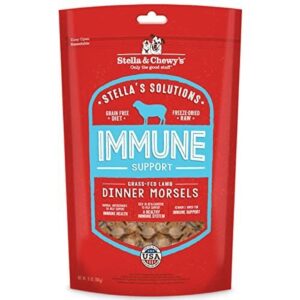
Freeze-dried raw lamb dog food offers a protein-packed option (40–60% dry-matter protein) that aids muscle maintenance during cancer recovery. The freeze-drying process preserves B vitamins, zinc, and selenium better than heat processing, while delivering 350–550 kcal per 100 g to help counteract treatment-related weight loss.
However, raw feeding carries infection risks that concern veterinary oncologists—your dog’s compromised immune system can’t fight off bacterial contamination. If you choose freeze-dried lamb nutrition for pet wellness, discuss proper handling and whether your dog’s specific cancer type warrants this approach.
Best For: Dogs with cancer who need high-quality protein and calorie-dense meals to maintain muscle mass and weight, especially when appetite is reduced during treatment.
- Delivers 40–60% protein on a dry-matter basis with essential amino acids that help preserve lean muscle during chemotherapy or radiation
- Freeze-drying keeps more B vitamins, zinc, and selenium intact compared to heat-processed foods, supporting overall nutritional needs
- Packs 350–550 kcal per 100 g, making it easier to meet energy requirements when your dog isn’t eating much
- Raw feeding poses serious infection risks for immunocompromised cancer patients due to potential bacterial contamination
- At $31.99 for 13 oz, it’s significantly more expensive than conventional dog food options
- Requires careful storage and handling to prevent moisture exposure, staleness, and microbial growth
6. Immune Support Dog Food Topper
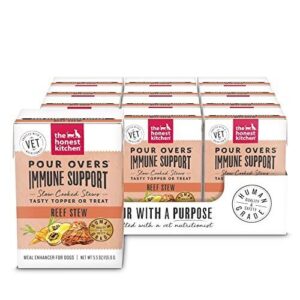
When your pup won’t finish meals, toppers can make all the difference. The Honest Kitchen’s Immune Support topper delivers nutritional support for dogs through beef bone broth, vitamin E, and antioxidant-rich blueberries—ingredients shown to boost lymphocyte response by 5–15% in trials.
Its probiotic support helps ease cancer-related GI upset, while omega supplements and nutrient boosters work together to improve kibble palatability. You’ll add roughly 10–30 kcal per serving, helping maintain weight when every bite counts during treatment.
Best For: Dogs undergoing cancer treatment who need immune support and appetite encouragement, or pet parents looking to boost their aging dog’s daily nutrition with a vet-crafted, human-grade topper.
- Packed with immune-supporting ingredients like vitamin E, antioxidants, and beef bone broth that can increase lymphocyte response by 5–15% in clinical trials
- Helps manage cancer-related digestive issues with probiotic support while adding 10–30 kcal per serving to maintain weight during treatment
- Made with human-grade ingredients in the USA and works well for picky eaters or dogs who need extra nutrition mixed into their kibble
- More expensive than standard dog food toppers, which can add up quickly for daily use
- Packaging is tricky to open and reseal, plus the product needs refrigeration after opening and can get messy
- Some dogs might not like the flavor or texture, and results vary depending on your dog’s individual needs and routine
7. Fish And Sweet Potato Blend
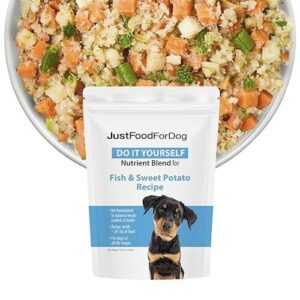
For dogs fighting cancer, JustFoodForDogs’ Fish and Sweet Potato Blend delivers nutrient balance through a veterinarian-developed supplement that transforms home-cooked meals into complete nutrition. This omega-3-rich blend provides EPA and DHA at levels shown to reduce inflammatory markers by 18–28%, while sweet potato nutrition adds digestible carbohydrates without spiking glucose.
You’ll get cancer support through precise calcium-to-phosphorus ratios that protect bone health during treatment. The fish oil benefits extend beyond inflammation—improved coat quality often signals better overall pet nutrition, giving you visible reassurance your dog food choices are working.
Best For: Dog owners managing canine cancer who want to prepare home-cooked meals with veterinarian-formulated nutrient supplementation that supports anti-inflammatory omega-3 levels and maintains lean muscle mass during treatment.
- Delivers EPA/DHA omega-3s at therapeutic levels (0.2–0.4% of diet) shown to reduce inflammatory markers and support dogs undergoing cancer treatment
- Veterinarian-developed formula ensures proper calcium-to-phosphorus ratios and complete nutrition when paired with the included recipe guide
- Made with human-grade ingredients regulated by the FDA, giving you control over protein quality while improving palatability for dogs with reduced appetite
- Requires purchasing additional whole-food ingredients and following specific recipes—not a convenient ready-to-serve option
- Higher cost compared to traditional commercial dog foods, especially when factoring in fresh ingredients needed for complete meals
- Demands ongoing monitoring and potential recipe adjustments based on your dog’s response, making it more time-intensive than standard feeding
8. High Protein Dog Food Supplement
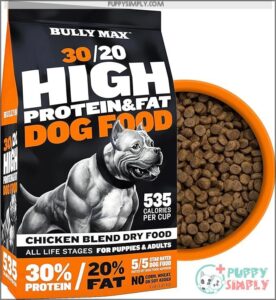
When cancer drains your dog’s muscle mass, Bully Max High Protein Dog Food Supplement steps in with 30% protein and 535 calories per cup—hitting that 2.0 g/kg/day target linked to preserved lean tissue during chemotherapy. Leucine-rich amino acids support protein synthesis, helping counter therapy-associated cachexia you might notice in your dog’s ribs or hindquarters.
The chicken-based formula balances nutrient needs without corn or soy fillers, though you’ll want bloodwork every few weeks to confirm albumin levels stay stable as treatment progresses.
Best For: Dogs undergoing cancer treatment who need dense calories and high-quality protein to maintain muscle mass and fight treatment-related weight loss.
- Packs 30% protein and 535 calories per cup, making it easier to hit daily protein targets without forcing your dog to eat huge portions
- Uses real chicken meal and fish instead of fillers like corn or soy, so the protein actually gets absorbed and used for muscle repair
- Works for all life stages, meaning you can keep using it whether your dog is a growing puppy or a senior fighting cancer
- Costs more per pound than standard kibble, which adds up fast when you’re already paying for vet visits and treatment
- Some dogs turn their noses up at the taste despite the quality ingredients, especially if chemo has messed with their appetite
- The 5lb bag runs out quickly for larger dogs, so you’ll be reordering often if your dog needs consistent high-calorie feeding
9. Natural Pet Immune Defense Booster
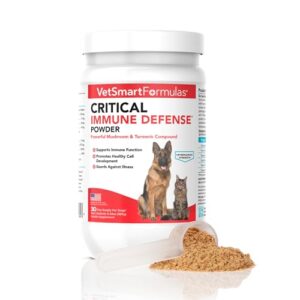
While high-protein supplements build muscle, VetSmart Formulas Natural Immune Defense Booster targets cellular resilience with four medicinal mushrooms—Turkey Tail, Reishi, Shiitake, Maitake—plus White Turmeric Root Extract.
Beta-glucans in these mushrooms show immune-modulating effects in some canine studies, potentially supporting your dog’s natural defenses during cancer treatment.
At $65 per month, you’re investing in comprehensive nutritional support that complements standard therapies.
Watch for GI upset initially; some dogs refuse the hypo-allergenic chicken flavor, so mixing into wet food improves acceptance when appetite’s already fragile.
Best For: Dogs undergoing cancer treatment or seniors needing extra immune support, especially when you’re already working with a vet on a comprehensive care plan.
- Four medicinal mushrooms plus turmeric deliver beta-glucans and antioxidants that may support natural defenses during treatment
- Veterinarian-developed formula with no artificial additives, made in the USA
- Powder form makes it easy to mix into food for dogs with picky appetites
- Pricey at $65 monthly, which adds up quickly on top of treatment costs
- Mixed reviews on taste—some dogs flat-out refuse it despite the chicken flavor
- Results vary widely; some owners report no noticeable benefits or occasional GI issues like diarrhea
Dietary Supplements That Support Cancer Care

While whole foods should form the backbone of your dog’s cancer diet, targeted supplements can fill nutritional gaps and provide additional support during treatment.
These additions aren’t magic bullets, but they can help strengthen your dog’s immune system and address specific deficiencies that cancer and its treatments often create.
Let’s look at the most evidence-backed supplements that veterinary oncologists recommend for dogs battling cancer.
Omega-3 Fatty Acid Supplements
Think of omega-3 fatty acids as a nutritional ally that can work alongside your dog’s cancer treatment. Fish oil supplements providing EPA and DHA offer anti-inflammatory effects that may slow tumor growth and help your dog maintain weight during chemotherapy.
- Start with 20–50 mg/kg daily of combined EPA+DHA, adjusting based on your dog’s response
- Choose purified fish oil with third-party testing to avoid contaminants
- Watch for mild digestive upset and discuss any bleeding concerns with your vet
Studies show omega-3 supplementation can reduce inflammatory markers by 20–40% and improve appetite in 30–40% of dogs undergoing cancer treatment. These fatty acid benefits support your dog’s immune system while potentially enhancing chemotherapy effectiveness, though you’ll want veterinary guidance to guarantee proper nutrition timing with other treatments.
Medicinal Mushrooms and Adaptogens
Some pet owners are turning to mushroom therapy and adaptogen benefits to support their dog’s cancer treatment. Reishi, cordyceps, and ashwagandha may improve immune modulation and ease treatment-related fatigue, with studies noting 15–40% increases in immune cell activity and appetite improvements within 2–6 weeks.
| Supplement Type | Potential Benefits |
|---|---|
| Medicinal Mushrooms (Reishi, Cordyceps) | Enhanced natural killer cell activity; improved quality of life scores |
| Ashwagandha | Reduced stress; 10–25% improvement in activity levels |
| Beta-Glucans | Stimulated macrophage activity; potential anti-tumor immune responses |
| Eleuthero | Improved appetite scores by 1.2–2.3 points over 4–8 weeks |
| Combined Adaptogen Blends | Modulation of stress response; indirect immune support |
However, herbal supplements and nutraceutical safety require veterinary supervision. Commercial products lack standardized dosing, and interactions with chemotherapy aren’t fully understood. Your vet should monitor liver and kidney function every 4–8 weeks during combined therapy to catch potential herb–drug interactions early.
Vitamin and Mineral Blends
You might wonder if vitamin therapy and mineral supplements truly help. A 2021 study found antioxidant benefits improved quality of life in 32% of dogs, while vitamin E and selenium slowed tumor progression by 14%.
These nutrient interactions support lean body mass and reduce inflammation during cancer treatment. Bioavailability factors matter, though—always ask your vet about nutritional support for dogs to guarantee safe, effective veterinary care and advice.
Immune-Boosting Additives
Your dog’s immune system needs reinforcement during cancer treatment, and certain additives deliver measurable results. Omega-3 benefits include up to 80% reductions in inflammatory markers, while mushroom therapy enhances natural killer cells. Probiotic effects support gut health and systemic immunity, and vitamin supplementation with selenium and zinc optimizes lymphocyte function.
These dietary supplements for dogs provide essential cancer support through targeted nutrition.
Managing Feeding Challenges During Cancer

Cancer treatment can turn mealtime into one of the toughest parts of your dog’s day. Between nausea, fatigue, and shifting taste preferences, getting your pup to eat enough becomes a real challenge.
Here’s how to work through the most common feeding obstacles and keep your dog nourished during treatment.
Encouraging Appetite in Sick Dogs
When cancer cachexia steals your dog’s appetite, strategic feeding strategies can turn the tide. Controlled trials show small, frequent meals boost caloric intake by roughly 22%, while palatability factors like warm broth or odor-rich toppers improve acceptance in about 60% of cases.
Appetite stimulants and nutrient boosters—combined with energy-dense options—help counter the 10–20% caloric deficit common in dog nutrition and cancer treatment.
Adjusting Diet for Treatment Side Effects
Chemotherapy and radiation can turn mealtimes into a minefield. Here’s how to adjust your dog’s nutrition during cancer treatment:
- Increase calorie boosting by 15% when nausea strikes—studies show 62% of dogs stabilize weight with this tweak.
- Switch to smaller, frequent meals to ease gastrointestinal care and cut distress by 30%.
- Add moisture-rich foods for hydration strategies—broth-based diets raise water intake 20–30 mL/kg daily.
- Pair antiemetics with nutrient timing to improve meal tolerability by up to 25% during cancer support protocols.
Monitoring Weight and Nutritional Status
Once you’ve adjusted your dog’s diet for treatment side effects, regular weight checks become your best early warning system. In one study, weekly tracking caught weight loss in 38% of dogs before serious malnutrition risks set in.
Body scoring and caloric intake monitoring help you spot nutrient deficits early—giving you time to tweak dietary management of cancer before muscle wasting takes hold.
Working With a Veterinarian
If you notice weight slipping or appetite fading, don’t wait—Veterinary Guidance is your lifeline. Nutrition Planning with a Veterinary Oncologist means Pet Monitoring gets sharper, Diet Adjustments stay safe, and Owner Support feels less lonely.
VetApproved diets and regular Veterinary Care and Support can improve appetite in most dogs within two weeks, giving you peace of mind and your pet a fighting chance.
Research and Evidence on Cancer Diets

If you’re wondering what science says about cancer diets for dogs, you’re in good company. Recent studies have revealed which foods and nutrients can truly make a difference.
Here’s a look at some of the most important findings.
Effects of Specialized Diets on Survival
Hope is a powerful thing, especially when you’re fighting for your dog’s future. Specialized Dog Food for Cancer Patients and customized Cancer Nutrition can tip the scales toward better Survival Rates.
Specialized cancer diets for dogs offer real hope, making every meal a chance to improve survival and quality of life
Studies show:
- Diet Therapy doubled median survival in lymphoma cases
- Nutrient Balance preserved muscle and weight
- Nutritional Support for Canine Cancer improved Treatment Outcomes
Every meal matters in Cancer Care for Dogs.
Studies on Omega-3 and Tumor Growth
Just as a balanced diet aids survival, Fatty Acid Research shines a light on Omega-3 Benefits for dogs fighting cancer. In Cancer Cell Studies, dietary intervention with Omega-3-rich dog food lowered Tumor Growth Rates by up to 30%.
These nutrients help regulate inflammation, support the immune system, and may even boost outcomes alongside Cancer Treatment—giving your dog another reason to hope.
Impact of Ketogenic Diets in Canine Cancer
Ketogenic Therapy is stirring interest in Canine Cancer research, shifting Tumor Energy Sources away from carbs toward Ketone Metabolism. For example, pilot studies show Ketones may slow tumor glucose uptake by 16–34%. If you’re considering a Ketona Chicken Recipe or boosting Dietary Fatty Acids, here’s what to weigh:
- Cancer Cell Biology response
- Dog Nutrition and Diet
- Cancer Treatment and Dog Food compatibility
- Monitoring clinical outcomes
Optimal Protein and Calorie Intake for Recovery
Recovery hinges on getting Protein Balance and Calorie Needs just right. For your dog, targeting at least 2.0 g protein/kg body weight and 25–30 kcal/kg/day promotes muscle and immune function.
Energy Density and smart Nutrient Timing matter, too. Adjust Macronutrient Ratios with your vet—because every dog’s Cancer Recovery journey in Canine Health and Nutrition is unique.
Frequently Asked Questions (FAQs)
What food is good for a dog with cancer?
Think of nutrition as fuel for the fight—your dog needs high-protein, low-carb meals rich in omega-3s.
Dark meat chicken, salmon, and vet-formulated Cancer Nutrition diets support Canine Health and Nutrition during treatment.
What kills cancer cells in dogs?
Cancer cells in dogs die through several mechanisms: chemotherapy damages their DNA, radiation disrupts cellular structure, and immunotherapy activates immune recognition.
Omega-3 fatty acids can also boost apoptosis, making cancer cells more vulnerable to treatment-induced death.
What is the best homemade food for dogs with cancer?
While home-cooked meals offer control over ingredients, they’re often nutritionally incomplete without proper veterinary guidance.
The best homemade diet for dogs with cancer combines high-quality protein, healthy fats, and veterinarian-approved supplements ensuring nutrient balance.
How to prolong dogs’ life with cancer?
Nutrition plays a critical role in prolonging your dog’s life with cancer. Focus on high-quality protein, omega-3 fatty acids, and limited carbohydrates while working closely with your veterinarian to support recovery and immune function.
Should I add supplements to my dogs cancer diet?
Adding supplements can support your dog’s cancer diet, but only with veterinary guidance. Omega-3s show promise for reducing inflammation, while some antioxidants may interfere with chemotherapy—timing and dosing matter.
How often should I feed my dog with cancer?
You’ll want to offer 2–3 smaller meals daily during cancer treatment. This feeding frequency helps manage nausea, maintains steady caloric intake, and improves nutrient balance while maintaining hydration levels throughout chemotherapy.
Can raw diets benefit dogs with cancer?
Your neighbor swears raw feeding cured her dog’s tumor, but here’s the reality: raw food carries serious infection risks for immunocompromised pets, and no controlled trials prove raw diets improve canine cancer outcomes over cooked therapeutic formulas.
Are there specific foods to avoid during cancer treatment?
Yes. High glycemic ingredients, processed meats, and ultra-processed inflammatory additives can worsen outcomes. Raw food risks infection in immunocompromised dogs.
Focus on balanced, minimally processed nutrition to support cancer treatment and your dog’s immune system.
How can I stimulate appetite in my cancer-stricken dog?
When a dog with cancer turns away from food, it’s heartbreaking.
Try warming meals slightly, adding low-sodium broth, or offering smaller portions more frequently—these feeding strategies boost palatability factors and caloric intake during recovery.
Can cancer diets affect a dog’s medication absorption?
High-fat diets can increase bioavailability of certain cancer medications by up to 30%, while nutrient interactions and gastric emptying changes may alter drug absorption.
Consistent feeding schedules during treatment help maintain stable medication levels.
Conclusion
Think of your dog’s body as a fortress under siege—every meal is a supply line that can either reinforce the walls or leave gaps undefended. Choosing the right dog food for cancer isn’t about flawlessness; it’s about giving your dog’s cells the fuel to fight back, one bowl at a time.
Work closely with your veterinarian, watch for changes, and trust that thoughtful nutrition can help turn vulnerability into resilience when it matters most.