
This site is supported by our readers. We may earn a commission, at no cost to you, if you purchase through links.

When your dog’s kidneys start to fail, the food in their bowl becomes medicine. Each meal either slows the disease’s progression or accelerates it—there’s no neutral ground. Yet kidney disease affects nearly 10% of dogs, and early dietary intervention can add months or even years of quality life.
The challenge? Most commercial dog foods contain levels of phosphorus, protein, and sodium that can overwork already-compromised kidneys, turning what should be nourishment into a burden. The right renal diet reduces waste buildup in the bloodstream, eases symptoms like excessive thirst and lethargy, and helps maintain your dog’s muscle mass without overwhelming their struggling organs.
Choosing dog food for kidney disease means understanding which nutrients to restrict, which to maintain, and how to keep your dog interested in eating when appetite often wanes.
Table Of Contents
- Key Takeaways
- Key Nutritional Needs for Dogs With Kidney Disease
- Signs and Diagnosis of Kidney Disease in Dogs
- How Diet Impacts Canine Kidney Disease
- What to Avoid in Dog Food for Kidney Disease
- Top 10 Dog Foods for Kidney Disease
- 1. Low Phosphorus Kidney Dog Food
- 2. Low Phosphorus Dog Food Formula
- 3. High Protein Fish Dog Food
- 4. Senior Dog Food Chicken Recipe
- 5. Grain Free Venison Dog Food
- 6. Grain Free Lamb Dog Food
- 7. Inukshuk Professional Dog Food Formula
- 8. Whole Grain Chicken Dog Food
- 9. Natural Chicken Dog Food Pouches
- 10. Kidney Support Wet Dog Food
- Choosing Between Prescription and Non-Prescription Diets
- Tips for Transitioning Dogs to a Renal Diet
- Monitoring Progress and Adjusting Diet Over Time
- Frequently Asked Questions (FAQs)
- What foods are good for dogs with kidney disease?
- How can I reverse my dog’s kidney disease naturally?
- Is pumpkin good for dogs with renal failure?
- Can dogs with kidney disease eat canned food?
- How much protein should a kidney diet contain?
- What are the best protein sources for kidney diets?
- Can I add supplements to kidney disease dog food?
- How often should I feed a dog with kidney disease?
- Can homemade diets work for kidney disease?
- How does dehydration worsen kidney disease progression?
- Conclusion
Key Takeaways
- Dietary phosphorus restriction to 0.3–0.8% dry matter basis is the single most powerful intervention to slow chronic kidney disease progression, with studies showing stabilized blood markers and extended survival by several months when combined with moderate, high-quality protein sources.
- The ideal renal diet balances controlled phosphorus and sodium with 14–28% digestible protein, high moisture content (70–85% in wet foods), and omega-3 fatty acids to reduce inflammation while preserving muscle mass without overwhelming compromised kidneys.
- Prescription renal diets offer precisely calibrated nutrient profiles for stage 2+ kidney disease, but successful feeding requires gradual transition over 2–6 weeks, appetite monitoring, and regular veterinary lab work to adjust formulations as disease progresses.
- Avoid high-phosphorus ingredients like chicken meal and organ meats, excessive protein or sodium, artificial additives, and toxic foods like grapes or raisins, as these accelerate kidney damage and undermine therapeutic benefits even in otherwise supportive diets.
Key Nutritional Needs for Dogs With Kidney Disease

When your dog has kidney disease, choosing the right food becomes one of the most powerful tools you have to slow progression and support their quality of life. The ideal renal diet isn’t just about cutting back on certain nutrients—it’s about striking a careful balance that protects kidney function while still meeting your dog’s energy and nutritional needs.
When your dog has kidney disease, choosing the right food becomes one of the most powerful tools you have to slow progression and support their quality of life
Let’s walk through the specific nutritional considerations that matter most when managing kidney disease through diet.
Low Phosphorus Content for Kidney Support
Phosphorus reduction is your most powerful tool in slowing kidney disease progression. When kidneys can’t filter this mineral, it builds up and worsens damage—think of it like debris clogging an already strained system. Low phosphorus content in renal support diets helps restore nutrient balance and ease the burden on failing kidneys. Understanding AP study resources can help in managing complex information.
- Dietary management with phosphorus-restricted foods can slow disease progression by several months
- Target ratios below 0.8 mg phosphorus per calorie align with veterinary renal guidelines
- Serum phosphate levels drop 20–40% within weeks on proper kidney health diets
- Phosphorus binders remain secondary; dietary restriction is your cornerstone for renal support
Moderate, High-quality Protein Sources
While phosphorus often takes center stage, protein quality is equally crucial for your dog’s muscle preservation. Aim for a protein content of 14–28% on a dry matter basis—sufficient to safeguard lean tissue without accumulating excessive nitrogenous waste. High digestibility is essential, ensuring that every gram provides complete amino acids your dog can effectively utilize. Effective research networks play a vital role in understanding the significance of protein quality in canine nutrition.
| Protein Feature | Why It Helps |
|---|---|
| Novel proteins (fish, venison) | Reduce sensitivities, boost palatability |
| Complete amino acid balance | Maintains muscle without excess waste |
| High biological value | Aids nitrogen balance in kidney disease |
| Gradual protein adjustment | Prevents azotemia spikes during shift |
Quality surpasses quantity in importance—selecting renal support formulas with superior protein digestibility leads to improved dog nutrition and health outcomes. Managing kidney disease in dogs relies on striking this balance: providing adequate protein levels for strength while controlling intake to alleviate kidney strain.
Controlled Sodium and Potassium Levels
Beyond protein moderation, sodium reduction, and potassium management form the electrolyte backbone of effective renal diets. You’ll want sodium restricted to about 0.15–0.3 g per 100 kcal—this helps control blood pressure and curb fluid retention that strains already compromised kidneys.
Potassium levels require individualized tuning: your vet will monitor serum values to prevent hyperkalemia in late-stage kidney disease while supporting electrolyte balance alongside phosphorus control.
High Moisture for Hydration
Hydration matters just as much as what’s on the nutrition label. Canned or semi-moist wet foods deliver up to 70–85% moisture, helping dilute uremic toxins and keep urine concentration low—both critical for managing kidney disease in dogs.
High moisture:
- Aids natural kidney flushing
- Improves appetite and intake
- Reduces crystal formation risk
- Complements fluid therapy at home
- Eases the workload on compromised nephrons
Your dog’s hydration directly influences renal support outcomes.
Added Omega-3 Fatty Acids and Supplements
Fatty Acid Benefits extend beyond basic nutrition—omega-3 supplements deliver EPA and DHA at roughly 0.1–0.4 g per 1,000 kcal, supporting kidney health through inflammation reduction and improved renal perfusion. Evidence links omega-3 fatty acids to slowed CKD progression and reduced proteinuria, making them essential renal support tools.
| Omega-3 Source | Key Benefit |
|---|---|
| Fish oil | High EPA effects, proven anti-inflammatory |
| Flax-derived | Plant-based option, good palatability |
| Nutritional supplements | Targeted dose control for CKD stages |
Signs and Diagnosis of Kidney Disease in Dogs

Catching kidney disease early can make all the difference in your dog’s treatment and quality of life. You’ll want to know what warning signs to look for at home, how your vet will confirm a diagnosis, and why acting quickly matters so much.
Let’s walk through the key symptoms, diagnostic steps, and the real benefits of early detection.
Common Symptoms to Watch For
Catching kidney failure early can make all the difference in your dog’s quality of life. You’ll want to watch for telltale clinical signs of chronic kidney disease in dogs, especially as they age. The most common indicators of declining canine kidney health include:
- Increased thirst and frequent urination – water intake may jump 40-60% above normal
- Appetite loss and weight decline – affecting up to half of dogs with progressing kidney disease
- Lethargy signs and a dull coat – subtle but important red flags
Vomiting issues and urine changes also warrant immediate veterinary attention when managing kidney disease in dogs.
Veterinary Diagnostic Tests and Staging
Your veterinarian will use multiple kidney function tests to stage chronic kidney disease accurately. Diagnostic imaging, like ultrasound, catches structural changes in 70–80% of suspected cases.
Biomarker analysis—including SDMA, creatinine, and urine protein-to-creatinine ratio—provides vital staging algorithms. IRIS staging combines these markers to assign disease progression from Stage 1–4, ensuring proper renal care under veterinary guidance customized to your dog’s kidney function needs.
Importance of Early Detection
Spotting Early Signs of kidney disease can extend your dog’s quality time by months. When kidney screening catches problems before symptoms appear, you gain precious weeks to implement renal support strategies—yet 60–75% of cases aren’t diagnosed until late stages.
Regular diagnostic tools like SDMA testing and owner awareness of increased thirst help you stay ahead of chronic kidney disease, giving managing kidney disease in dogs a real fighting chance through early disease prevention.
How Diet Impacts Canine Kidney Disease

When your dog is dealing with kidney disease, the right diet becomes one of your most powerful tools. What you feed can slow progression, ease symptoms, and meaningfully improve quality of life.
Here’s how specific dietary changes work to support compromised kidneys and protect your dog’s long-term health.
Role of Phosphorus Restriction in Disease Progression
Phosphorus restriction stands as the single most powerful dietary lever you can pull to slow chronic kidney disease progression in your dog. When you limit phosphorus intake, you directly reduce secondary hyperparathyroidism—a cascade that damages remaining nephrons.
Studies show that dogs on low-phosphorus diets experience stabilized blood urea nitrogen and creatinine levels over 6–12 months, translating to:
- Slower azotemia progression compared to standard diets
- Reduced phosphorus-driven kidney injury markers
- Extended median survival times by several months
- Lower urinary phosphorus excretion, confirming effective dietary management
Protein Moderation for Kidney Function
Protein moderation—not elimination—protects kidney function while preserving your dog’s muscle mass. Renal diets usually supply 14–20% protein on a dry matter basis, striking a careful balance that minimizes uremic toxin buildup without causing malnutrition.
| Protein Intake Level | Outcome in CKD Dogs |
|---|---|
| Moderate (17.2% DM) | Stable clinical status, maintained albumin |
| Excessive (110 g/1000 kcal) | Increased uremic crises, higher mortality |
| Too Low (8.2% DM) | Hypoalbuminemia, muscle wasting |
Dietary protein adjustments should align with IRIS stage: early disease focuses on phosphorus control, while stage 3–4 requires strategic protein reduction. High-quality animal proteins deliver essential amino acids efficiently, supporting kidney health without overwhelming nephron capacity. Regular monitoring of blood urea nitrogen, body condition, and serum albumin guides fine-tuning of protein levels as renal function changes—ensuring ideal nutrient ratios throughout disease progression.
Managing Sodium and Hydration
Beyond protein, sodium restriction and hydration form a powerful pair in renal care and support. Reducing sodium levels by 20–40% (commonly 0.25–0.5 g per 1000 kcal) helps control hypertension and fluid retention, while high moisture content diets boost daily water intake by 20–50%.
Together, these hydration strategies improve kidney perfusion and electrolyte balance, slowing azotemia and supporting long-term fluid management in kidney disease.
Benefits of Limited Ingredient Diets
Simplified formulas with single-source novel proteins—duck, venison, kangaroo—can ease digestive strain and minimize sensitivities in dogs already battling kidney disease. Hypoallergenic foods reduce allergens that might trigger inflammation, letting you focus on managing phosphorus content and protein levels without competing dietary variables.
Limited ingredient diets offer:
- Fewer triggers for gastrointestinal upset
- Clearer tracking of nutrient tolerance
- Enhanced palatability in picky eaters
- Simplified monitoring of renal diets’ effectiveness
What to Avoid in Dog Food for Kidney Disease

Choosing the right food for your dog’s kidney disease is just as important as knowing what to keep off the menu. Certain ingredients and formulations can accelerate kidney damage, worsen symptoms, or undermine the benefits of an otherwise supportive diet.
Let’s look at the specific food components you’ll want to avoid to protect your dog’s remaining kidney function.
High-phosphorus Ingredients
Certain ingredients push phosphorus levels dangerously high for dogs with kidney disease. Chicken meal, fish meals, and organ meats deliver phosphorus content that can exceed 1.5% on a dry matter basis—far above the 0.5–0.8% target for renal diets.
Your safest move? Steer clear of formulas featuring these concentrated protein sources and prioritize products with explicit low-phosphorus labeling for better mineral management and kidney health.
Excessive Protein and Sodium
High-protein formulas and salt-heavy recipes create additional kidney strain your dog doesn’t need. A 2020 study showed that protein reduction to moderate levels slowed azotemia progression by 12% over six months, while sodium control at 0.3–0.5% dry matter reduced blood pressure and proteinuria by 8–15%.
Dietary moderation and nutrient balance matter—choose formulas designed specifically for managing canine kidney disease.
Artificial Additives and Fillers
Many commercial diets contain synthetic preservatives and fillers that complicate canine nutrition for kidney disease. A 2020 study found 68% of renal formulas included at least one artificial additive, raising concerns about palatability effects and long-term tolerance.
Watch for these additive risks in nonprescription dog food options:
- BHA/BHT preservatives — linked to low-grade inflammation in novel studies
- Carrageenan thickeners — present in 31% of renal diets, affecting GI tolerance
- Isolated amino acids — replacing whole proteins, altering phosphorus content ratios
Natural alternatives with whole ingredients support better kidney disease management.
Foods Linked to Kidney Strain
Some foods carry hidden hazards that escalate kidney strain in already compromised dogs. Grapes, raisins, and star fruit rank among the most toxic ingredients, documented to induce acute renal injury even in small amounts.
Beyond these dietary toxins, watch for food allergens and nutrient imbalance. Excessive phosphorus content undermines kidney health and contradicts core principles of therapeutic renal diets designed for careful dietary considerations for dogs with kidney disease.
Top 10 Dog Foods for Kidney Disease
Now that you know what to look for—and what to avoid—let’s walk through ten dog foods that meet the nutritional standards for managing kidney disease. Each option balances controlled phosphorus, moderate protein, and supportive ingredients to help your dog feel better while easing the strain on their kidneys.
You’ll find a mix of formulas here, from prescription-level renal support to carefully formulated non-prescription choices that align with kidney-friendly guidelines.
1. Low Phosphorus Kidney Dog Food
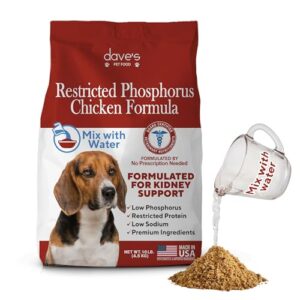
When you’re managing your dog’s kidney disease, controlling phosphorus levels becomes one of the most powerful tools at your disposal. Dave’s Pet Food Chicken Formula Crumble delivers this with precision—restricting phosphorus to around 0.3–0.5% on a dry matter basis, which can markedly slow CKD progression.
You’ll need to mix it with water rather than feeding it dry, but that actually boosts hydration while creating a customizable texture your dog might find more appealing than standard kibble.
Best For: Dog owners managing chronic kidney disease who want veterinarian-formulated, low-phosphorus food that increases hydration through water mixing and supports renal health with omega-3s.
- Phosphorus restricted to 0.3–0.5% dry matter basis, which research shows can slow CKD progression and improve survival rates
- Must be mixed with water, forcing increased hydration that aids kidney function and waste clearance
- Fortified with EPA and DHA omega-3s that provide anti-inflammatory benefits and may help modulate kidney disease progression
- Significantly more expensive than regular dog food, which adds up over time for long-term kidney management
- Mixed reviews on palatability—some dogs refuse it or lose interest quickly, making consistent feeding difficult
- Can’t be fed dry and requires daily water mixing, which adds prep time and may not work for all feeding schedules
2. Low Phosphorus Dog Food Formula
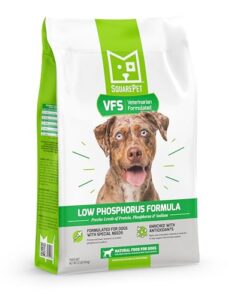
SquarePet’s Turkey & Brown Rice Formula demonstrates what kidney support through dietary management really looks like—phosphorus levels hover around 0.4% on a dry matter basis, targeting that sweet spot where mineral balance protects kidney function without sacrificing nutrition.
You’re getting phosphorus reduction paired with moderate protein from cage-free turkey and whole eggs, plus omega-3s from salmon oil to address inflammation. The formula’s nutrient optimization extends to antioxidants and essential amino acids, helping your dog maintain muscle mass while renal diets ease the burden on compromised kidneys.
Best For: Dog owners managing chronic kidney disease who want a phosphorus-restricted formula with quality animal proteins and omega-3s to support renal function without requiring a veterinary prescription.
- Phosphorus content around 0.4% (dry matter basis) falls within the ideal range for slowing kidney disease progression while maintaining proper calcium-to-phosphorus ratios
- Combines cage-free turkey and whole eggs as digestible protein sources with salmon oil providing EPA and DHA to reduce renal inflammation
- Includes targeted nutrients like taurine, L-carnitine, and antioxidants to support muscle mass, heart health, and immune function during dietary management
- Higher price point compared to standard dog foods, which can add up for long-term feeding
- Strong smell (described as cardboard-like) may turn off some dogs, potentially requiring food toppers or mixing to maintain palatability
- Not appropriate for advanced kidney disease cases needing very low phosphorus levels, and some dogs need a gradual transition period to adjust
3. High Protein Fish Dog Food
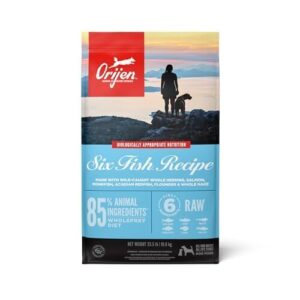
Acana’s fish formula turns high-quality protein into a kidney health management strategy. With 85% animal ingredients from whole mackerel, herring, and redfish, you’re delivering protein digestibility rates around 90–95%.
Fish protein benefits extend beyond muscle maintenance: EPA and DHA omega-3 fatty acids reduce inflammatory markers linked to kidney disease progression. These omega-3 supplements, commonly comprising 0.5–2% of renal diet formulas, support slower azotemia advancement.
The fish oil effects pair with moderate protein levels (targeting that 18–28% dry matter range) to balance kidney workload with nutritional adequacy.
Best For: Dogs with sensitive stomachs, allergies, or early-stage kidney concerns who need high-quality fish protein with omega-3s for skin, coat, and renal support.
- 85% fish ingredients with exceptional protein digestibility (90–95%) and EPA/DHA omega-3s that help reduce inflammation and support kidney function
- Grain-free, poultry-free formula works well for dogs with common food sensitivities or dermatitis
- Suitable for all life stages except large breed puppies, making it versatile for multi-dog households
- Expensive compared to standard kibble, and the 23.5 lb bag lacks resealable packaging which can impact freshness
- Some dogs reject the strong fish smell or taste, and gradual transition over 7–14 days is essential to avoid digestive upset
- Not a prescription renal diet—requires veterinary guidance for dogs with diagnosed kidney disease to ensure proper phosphorus and protein levels
4. Senior Dog Food Chicken Recipe
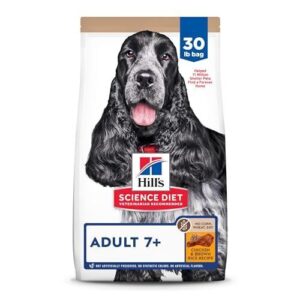
Hill’s Science Diet Senior stands out in senior health and renal diets as a chicken-based formula balancing kidney support without prescription requirements. Your dog gets moderate protein from lean poultry—hitting that 14–22% dry-matter target—while keeping phosphorus under 0.5% to slow disease progression. The chicken nutrition profile delivers essential amino acids without overloading compromised kidneys.
Studies show senior dogs on similar formulations improve caloric intake by 12% and boost dog hydration through moisture-enhancing ingredients, supporting kidney health while maintaining lean muscle mass critical for aging companions.
Best For: Senior dogs (7+) needing kidney support and balanced nutrition without a prescription, especially those with food sensitivities to corn, wheat, or soy.
- Chicken-based protein delivers essential amino acids while keeping phosphorus under 0.5% to protect kidney function and slow CKD progression
- Easy-to-digest formula with omega-6s and vitamin E supports healthy skin, coat, and immune system in aging dogs
- Studies show similar formulations increase caloric intake by 12% and improve hydration by 7–15%, helping senior dogs maintain energy and lean muscle
- More expensive than many other senior dog food brands on the market
- 30-pound bag size may be too large for smaller households or dogs with lower appetites
- Some customers report occasional delivery and packaging issues
5. Grain Free Venison Dog Food
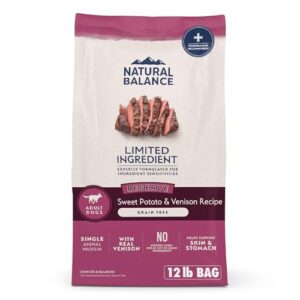
Natural Balance’s Limited Ingredient Sweet Potato & Venison formula ($52.99 for 12 lb) shifts grain-free venison nutrition into kidney support territory. You’ll find venison benefits extend beyond allergy control—this single-animal protein delivers complete amino acids at moderate levels while naturally containing less phosphorus than beef or poultry sources.
The grain-free approach uses sweet potatoes for digestible fiber, supporting dietary management without compromising renal diets’ core goals. Fish oil adds EPA/DHA omega-3s, targeting inflammation reduction vital for dog nutrition in kidney disease.
Best For: Dogs with kidney disease who also have food sensitivities or allergies, especially those needing reduced phosphorus and single-protein diets.
- Venison naturally contains less phosphorus than beef or chicken, helping reduce kidney workload while delivering complete amino acids for muscle maintenance
- Fish oil provides omega-3 fatty acids (EPA/DHA) that can slow kidney disease progression through anti-inflammatory effects
- Limited ingredient formula with one animal protein source makes it easier to manage both allergies and kidney issues simultaneously
- Not specifically formulated as a renal diet, so phosphorus levels may still be higher than veterinary kidney formulas (which target below 0.5-0.8% dry matter)
- Some customers report quality control issues and formula changes when ordering through certain retailers
- At $52.99 for 12 pounds, it’s pricier than standard dog food without guaranteed renal-specific nutrient levels
6. Grain Free Lamb Dog Food
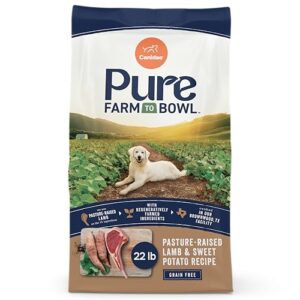
CANIDAE Grain Free Lamb & Sweet Potato ($47.49 for 22 lb) proves grain-free diets don’t sacrifice renal support foods when chosen carefully. You’ll appreciate lamb protein benefits—pasture-raised lamb delivers high biological value while naturally containing less phosphorus than chicken or beef, critical for phosphorus control in kidney disease management.
The formula’s sweet potato base provides digestible energy without grains, though you’ll want veterinary oversight to confirm it meets your dog’s specific renal diet targets. Added moisture content importance comes through enhanced palatability, helping maintain kidney health when appetite wanes.
Best For: Dog owners managing early-stage kidney disease who want a grain-free option with high-quality lamb protein and are working closely with their vet to monitor phosphorus levels.
- Pasture-raised lamb provides high biological value protein with naturally lower phosphorus than chicken or beef, making it easier to stay within renal diet targets
- Sweet potato base offers digestible energy without grains, and the formula’s moisture content helps with palatability when appetite drops
- Made in small batches in Texas with 10 or fewer ingredients and no artificial additives, giving you transparency and quality control
- Higher price point at $47.49 for 22 lb compared to standard kibble, and some buyers report the cost keeps climbing
- Doesn’t guarantee prescription-level phosphorus restriction, so you’ll need your vet to verify it meets your dog’s specific kidney disease stage
- Shipping delays and short expiration dates have been reported, which matters when you’re managing a consistent renal diet
7. Inukshuk Professional Dog Food Formula
While grain-free options suit some dogs, whole-grain formulations like Inukshuk Professional Dog Food Formula ($89.99 for 33 lb) offer balanced canine wellness through energy-sustaining carbohydrates.
You’ll find chicken meal and fish meal provide moderate protein—helpful for kidney health when phosphorus levels align with your dog’s CKD stage. The added glucosamine supports joint mobility, though you’ll need veterinary guidance for CKD to confirm this matches renal nutrition targets.
Its naturally preserved formula maintains food palatability, encouraging consistent intake when kidney disease dampens appetite. Regular monitoring ensures this dog food aids, rather than strains, compromised renal function.
Best For: Dog owners managing chronic kidney disease who need a moderate-protein, reduced-phosphorus formula that supports joint health and encourages eating when appetite drops.
- Moderate protein from chicken and fish meal helps balance kidney workload while maintaining muscle mass in CKD dogs
- Added glucosamine and chondroitin support joint mobility alongside renal management
- Natural preservation and palatability features encourage consistent food intake when kidney disease reduces appetite
- High shipping costs due to 33-pound weight make it expensive beyond the $89.99 base price
- Requires veterinary supervision to confirm phosphorus levels match your dog’s specific CKD stage
- May not suit dogs with dietary restrictions beyond kidney concerns, limiting flexibility for multi-condition management
8. Whole Grain Chicken Dog Food
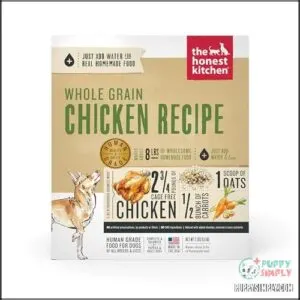
The Honest Kitchen’s dehydrated whole-grain chicken formula offers a gentler path to kidney health through human-grade ingredients and balanced chicken nutrition. You’ll rehydrate this food to release four times its dry weight, naturally boosting dog hydration while delivering moderate protein for renal diets.
Its grain benefits include digestible organic barley that won’t trigger common food allergies, supporting pet wellness when your dog’s appetite wavers. With veterinary guidance for CKD, this option bridges complete kidney disease management and mealtime enjoyment—no preservatives or fillers to strain compromised kidney health.
Best For: Dog owners seeking a natural, human-grade food option that supports kidney health through high moisture content and quality ingredients, especially for dogs with sensitive stomachs or mild renal concerns.
- Rehydrates to 4x its weight, significantly boosting daily water intake to support kidney function and hydration
- Made with human-grade, free-range chicken and organic grains without preservatives, fillers, or common allergens like corn, wheat, and soy
- Versatile serving options as a complete meal or kibble topper, making it easier to transition picky eaters or dogs with reduced appetites
- Higher carbohydrate content may cause digestive issues like constipation in some dogs
- Moderate protein levels may not meet the needs of highly active dogs, growing puppies, or advanced CKD cases requiring stricter protein control
- More expensive per serving than conventional kibble, and some dogs may reject the texture or taste without added flavor enhancers
9. Natural Chicken Dog Food Pouches
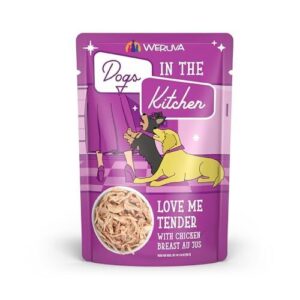
Weruva’s Love Me Tender pouches deliver clean, shredded chicken breast in moisture-rich gravy—ideal when you need convenient wet food options that won’t overwhelm sensitive kidneys.
You’ll appreciate the grain-free formula and absence of carrageenan, corn, or artificial preservatives, which simplifies pouch nutrition for dogs with concurrent food sensitivities.
These organic choices contain moderate protein and high moisture to support kidney health without prescriptive restrictions. Use them as complete renal diets or toppers to spark appetite in finicky eaters managing chronic kidney disease.
Best For: Dog owners seeking a convenient, high-moisture chicken pouch that’s gentle on kidneys and suitable for picky eaters or as a meal topper for dogs with CKD.
- High moisture content (70–85%) boosts daily water intake by 20–40%, helping maintain hydration and support kidney function in CKD dogs.
- Grain-free, carrageenan-free formula with no corn, wheat, soy, or artificial additives makes it easier on dogs with food sensitivities or digestive issues.
- Shredded chicken breast in gravy offers moderate protein and appealing texture, encouraging appetite in finicky eaters while keeping phosphorus levels reasonable.
- Not a veterinary-formulated renal diet, so phosphorus and protein levels may not meet strict CKD requirements without veterinary guidance.
- Some dogs may experience digestive upset or reject the texture, especially if introduced too quickly without a gradual transition period.
- Supply issues and availability problems have been reported, which can disrupt consistent feeding routines for dogs on specialized diets.
10. Kidney Support Wet Dog Food
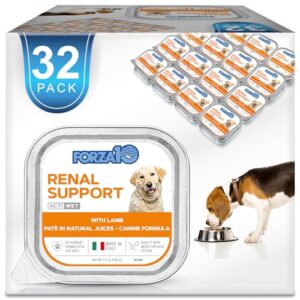
Forza10’s Renal Support formula combines vet-formulated hydrolyzed lamb protein with cranberries and dandelion to target kidney health directly—all while delivering the wet food benefits of 78% moisture that dog hydration demands in chronic renal diets.
You’ll find phosphorus restricted below 0.4% dry-matter, moderate protein around 24 g per 1000 kcal, and zero artificial preservatives to minimize food sensitivities.
It’s a therapeutic foods option backed by veterinary guidance and support, suitable for all life stages and especially effective in IRIS Stage 1–3 kidney disease when compliance matters most.
Best For: Dog owners managing chronic kidney disease (CKD) in early to mid-stages who need a wet food option that combines therapeutic phosphorus restriction with high moisture content for better hydration and compliance.
- Vet-formulated with hydrolyzed lamb protein that’s gentle on sensitive stomachs while maintaining the moderate protein levels (around 24g per 1000 kcal) needed for kidney support
- Keeps phosphorus below 0.4% on a dry-matter basis, meeting the clinical targets that help slow kidney disease progression in dogs
- High moisture content (78%) naturally boosts hydration, which is crucial for dogs with renal issues who often don’t drink enough water on their own
- Significantly more expensive than regular wet dog food, which adds up quickly when feeding daily or across multiple dogs
- Strong smell that some dogs and owners find off-putting, making palatability a potential issue despite generally positive acceptance rates
- Availability can be inconsistent, with customers reporting stock shortages or delayed shipments that disrupt feeding routines
Choosing Between Prescription and Non-Prescription Diets

When your dog is diagnosed with kidney disease, one of the first decisions you’ll face is whether to choose a prescription renal diet or stick with a non-prescription option. Both approaches have their place, and understanding the trade-offs helps you make the right call for your dog’s specific stage and needs.
Let’s break down the key factors that should guide your decision.
Cost and Accessibility Considerations
Budget planning for kidney diets starts with understanding the cost gap: prescription diets often run 50–90% more per month than standard foods, with dry formulas priced around $40–70 per bag and canned options exceeding $60 per case.
Fortunately, pet insurance may cover vet-prescribed therapeutic foods when medically necessary, easing the financial burden.
Non-prescription kidney-friendly options offer more accessible price points, though nutritional profiles vary.
Nutritional Differences
Prescription renal diets deliver precisely calibrated phosphorus levels—usually 0.3–0.6 g per 1000 kcal—alongside moderate, high-quality protein sources (18–28% dry matter basis) and controlled sodium to ease kidney burden. In contrast, non-prescription options vary widely in mineral balance and moisture content, sometimes lacking the therapeutic omega fatty acid supplementation and strict nutritional management of kidney disease standards that distinguish true renal diets from kidney-friendly alternatives.
- Phosphorus reduction: Prescription formulas cut dietary phosphorus by 40–60% versus standard foods, directly supporting kidney health.
- Protein quality: Digestible animal proteins (whey, egg) optimize amino acid delivery without excess nitrogenous waste.
- Hydration support: Elevated moisture content (75–85%) in wet renal diets boosts daily water intake by 20–40%.
When to Use Prescription Renal Diets
Your vet will usually recommend a prescription renal diet once lab work confirms stage 2 or higher chronic kidney disease. At this point, controlled phosphorus and protein become essential to slow disease progression and stabilize azotemia.
Prescription diets offer customized electrolyte profiles and calcium-phosphorus balance that non-prescription options rarely match, making veterinary guidance critical during diet shift to support long-term kidney health.
Tips for Transitioning Dogs to a Renal Diet
Switching your dog to a renal diet isn’t something you can rush—their kidneys and their taste buds both need time to adjust. A thoughtful shift helps reduce digestive upset while giving you a chance to spot any food sensitivities before they become problems.
Here’s how to make the change as smooth as possible for your dog.
Gradual Dietary Changes

Switching your dog to a renal diet overnight rarely works—think of it as turning a ship, not flipping a switch. A staged introduction over 2–6 weeks improves adherence and reduces digestive upset while achieving your nutrient targets.
- Start by mixing 25% new food with 75% old food for 3–5 days.
- Gradually shift to 50-50 over the next week, watching for appetite changes.
- Increase to 75% renal diet by week two, monitoring hydration and stool quality.
- Complete the shift by week three or four, adjusting the timeline based on your dog’s tolerance and lab work trends.
Encouraging Appetite and Mealtime Interest

Even a perfectly balanced renal diet won’t help if your dog won’t eat it. Appetite stimulation starts with texture and aroma—warming meals 10–15°C above room temperature can boost intake by up to 12%.
Try smaller, more frequent servings (2–3 times daily) to reduce meal fatigue, and consider adding low-sodium broth to improve flavor options while supporting hydration strategies vital for CKD management.
Monitoring for Sensitivities or Adverse Reactions

Once your dog accepts the new food, watch closely for trouble signs. About 22% of dogs with kidney disease show adverse reactions within four weeks of diet change, and gastrointestinal health can shift quickly.
Key alerts include:
- Vomiting or diarrhea within the first week (occurs in 9% of cases)
- Decreased appetite or meal refusal in the first two weeks (14% of dogs)
- Flatulence or soft stools signaling food intolerance (11% incidence)
Regular fecal monitoring and sensitivity testing help catch issues early, allowing you to adjust renal diets before CKD management stalls.
Monitoring Progress and Adjusting Diet Over Time

Once your dog starts a renal diet, the journey doesn’t end there—regular monitoring keeps you one step ahead of the disease. Your vet will use blood work, weight tracking, and quality-of-life assessments to fine-tune your dog’s nutrition as their condition changes.
Here’s what to watch for and how to adjust their diet as kidney disease progresses.
Regular Veterinary Check-ups and Lab Work
Routine veterinary schedules—usually every one to three months for chronic kidney disease—are non-negotiable. Lab test results tracking creatinine, BUN, SDMA, phosphorus, and potassium reveal how well your dog’s kidney function is responding to therapeutic diets.
Blood pressure monitoring and urinalysis round out disease monitoring, giving you and your veterinarian the health tracking data needed to fine-tune veterinary care and slow progression effectively.
Tracking Weight, Appetite, and Quality of Life
Beyond blood work, you’ll want to track your dog’s weight, appetite, and overall energy at home. Studies show that 40–60% of dogs with chronic kidney disease lose weight within six months without proper dietary intervention, and a 5–10% drop over one to three months can signal progression.
Monitoring hydration, meal intake, and quality metrics like mobility helps you catch declines early—improving kidney health outcomes and your dog’s daily comfort.
Adjusting Food Formulations as Kidney Disease Advances
As chronic kidney disease shifts through each renal staging level, your dog’s nutritional blueprint must evolve. Managing chronic kidney disease in dogs means adjusting progressive formulation targets—tighter phosphorus caps, refined nutrient timing, and vigilant monitoring for food sensitivities.
Renal diets for stage III differ from stage I; dietary phasing aligned with lab values optimizes outcomes. Adapting dietary management for kidney disease preserves comfort and function across every stage.
Frequently Asked Questions (FAQs)
What foods are good for dogs with kidney disease?
Foods good for kidney disease prioritize low phosphorus, moderate high-quality protein, controlled sodium, and ample moisture.
Kidney Friendly Foods include fish, eggs, and omega-3-rich options that support Renal Diet Options while preserving Pet Wellness Strategies.
How can I reverse my dog’s kidney disease naturally?
Unfortunately, you can’t reverse chronic kidney disease naturally in dogs—no herbal supplements or alternative therapies have been proven to cure it.
However, dietary management, omega-3 fatty acids, and hydration strategies can slow progression meaningfully.
Is pumpkin good for dogs with renal failure?
Pumpkin offers soluble fiber that aids gut health and may help bind toxins, but it won’t slow kidney disease progression.
Use small amounts alongside your vet-prescribed renal diet—never as a replacement.
Can dogs with kidney disease eat canned food?
Like adding oil to a squeaky hinge, canned food benefits dogs with kidney disease through moisture content.
Renal diets in canned form deliver proper phosphorus levels while supporting kidney health, making the food shift easier and improving canine renal health.
How much protein should a kidney diet contain?
Most renal diets target 20–25% of calories from high-quality protein—roughly 0–4 grams per kilogram daily—to preserve muscle while reducing kidney strain and nitrogenous waste accumulation.
What are the best protein sources for kidney diets?
Quality trumps quantity when dietary protein assists failing kidneys. Fish, egg, and poultry offer 80-95% biologic value with excellent amino acids and phosphorus control, while novel proteins like venison improve digestibility for ideal renal diet nutrition.
Can I add supplements to kidney disease dog food?
Yes, but only under veterinary guidance. Omega-3 fatty acids can reduce kidney inflammation, while B-complex vitamins may support appetite.
Never add phosphate binders or potassium supplements without professional oversight—they require careful monitoring.
How often should I feed a dog with kidney disease?
Most dogs with kidney disease do best eating 2–3 small meals daily.
This feeding schedule maintains steady energy, eases digestion, and helps manage nutrition timing—especially when dietary management for kidney disease focuses on controlling protein and phosphorus intake.
Can homemade diets work for kidney disease?
A 2020 trial found homemade diets matched prescription renal foods for survival, but nutrient balance requires veterinary guidance.
Custom recipes can work when carefully formulated, monitored through regular lab work to confirm kidney health and diet safety.
How does dehydration worsen kidney disease progression?
When your dog doesn’t drink enough, reduced renal perfusion decreases kidney function and accelerates nephron loss. Dehydration effects worsen azotemia, strain filtering capacity, and hasten chronic kidney disease progression—making consistent hydration therapy essential for renal health.
Conclusion
Every meal you serve becomes a bridge—carrying your dog from discomfort toward stability, one careful bite at a time. Selecting the right dog food for kidney disease isn’t just about restriction; it’s about preserving joy, energy, and time together.
Armed with veterinary guidance and the nutritional insights from this guide, you can transform your dog’s bowl into a source of healing. The choices you make today echo in the quality of every tomorrow you’ll share.
- https://www.ncbi.nlm.nih.gov/books/NBK481583/
- https://vcahospitals.com/know-your-pet/kidney-failure-chronic-in-dogs
- https://www.proplanvetdirect.com/wet-nf-kidney-function-advanced-care?srsltid=AfmBOopg14jP_AG89K3OwqfXoFlh4eBl6ng3XolOrC-QnYiUCW11SUUO
- http://mailto:orders
- https://todaysveterinarypractice.com/nutrition/diet-dogs-ckd-chronic-kidney-disease/