This site is supported by our readers. We may earn a commission, at no cost to you, if you purchase through links.

Wire-haired dogs are beautiful—until you skip a week of grooming and suddenly you’re wrestling a matted mess that won’t budge. That wiry, dense coat isn’t just for looks. It’s a double-layered trap for loose fur, debris, and tangles that form faster than most owners expect.
The coarse outer layer grabs onto shed undercoat and holds it tight, which means the wrong brush won’t just underperform—it’ll make things worse. Finding the right wire haired dog brush changes everything, turning a frustrating chore into a five-minute routine your dog might actually tolerate. These ten picks cut through the guesswork.
Table Of Contents
- Key Takeaways
- Unique Grooming Needs of Wire-Haired Dogs
- Choosing The Right Brush for Wire-Haired Coats
- Top 10 Wire Haired Dog Brushes Reviewed
- 1. Maxpower Pet Grooming Rake Tool
- 2. Swihauk Self Cleaning Slicker Brush
- 3. Dipoo Self Cleaning Shedding Brush
- 4. SleekEZ Dog Shedding Brush
- 5. Cafhelp Stainless Steel Dog Combs
- 6. Burt’s Bees Dog Brush
- 7. Bonza Silicone Pet Brush
- 8. Cat Grooming Brush Tool
- 9. BioSilk Detangling Pin Brush for Dogs
- 10. Chris Christensen Dog Pin Brush
- Benefits of Slicker Brushes for Wire-Haired Dogs
- Using Dematting Tools Safely and Effectively
- Essential Grooming Tools Beyond Brushes
- Brushing Techniques for Wire-Haired Breeds
- Grooming Frequency and Maintenance Tips
- Frequently Asked Questions (FAQs)
- What kind of brush to use on a wire-haired dog?
- How often should I brush wire on a haired dog?
- What happens if you don’t strip a wire-haired dog?
- Can diet affect a wire-haired dogs coat?
- Are wire-haired breeds hypoallergenic or low-shedding?
- When should puppies start their grooming routine?
- How does weather impact wire-haired coat health?
- Conclusion
Key Takeaways
- Wire-haired dogs have a double coat that traps loose fur and debris like velcro, so skipping even a week of grooming can turn minor tangles into stubborn mats fast.
- The right brush makes all the difference — slicker brushes handle surface knots, undercoat rakes pull out dead fur from below, and dematting tools tackle the tough stuff safely.
- Hand-stripping beats brushing alone if you want to keep that wiry texture crisp and true to breed standards, since brushing over time softens the coat and reduces its natural harshness.
- Consistency is your best tool — brushing one to three times a week, targeting mat-prone spots like armpits, ears, and collar areas, keeps your dog comfortable and your floors cleaner.
Unique Grooming Needs of Wire-Haired Dogs
Wire-haired dogs aren’t your average pets — their coarse coats come with a whole different set of grooming rules.
Unlike typical breeds, wire-haired dogs often need hand-stripping instead of clipping — check out this home dog grooming guide for different coat types to figure out what works best for yours.
Getting it right means understanding what that wiry texture actually needs to stay healthy and tangle-free.
Here’s what every wire-haired dog owner should know before picking up a brush.
Coat Texture and Mat Prevention
Wire-haired dogs carry a double coat that works against them when neglected. The coarse outer layer traps loose undercoat like velcro, and that packed-in debris is where mats are born.
Coat maintenance and texture preservation matter here because once moisture or friction gets involved, tangles tighten fast. The right deshedding brush, slicker brush, or undercoat rake makes all the difference for real shedding control and mat prevention.
Importance of Regular Brushing
Regular dog brushing does more than keep your wirehaired dog looking sharp. It’s your best line of defense for shed control, coat health, and catching skin problems early.
Brushing one to two times weekly spreads natural oils, clears dead skin, and keeps that wiry texture crisp. Good grooming frequency and smart brush techniques make coat maintenance manageable — and your dog noticeably more comfortable.
Hand-stripping Versus Brushing
Beyond dog brushing techniques, there’s a bigger decision to make: hand-stripping versus brushing. Stripping pulls dead guard hairs from the root, keeping coat texture harsh, color rich, and shedding lower — exactly what breed standards demand.
Brushing alone softens the wire-haired dog’s jacket over time. If skin health and coat health management matter to you, stripping is worth the time commitment.
Choosing The Right Brush for Wire-Haired Coats
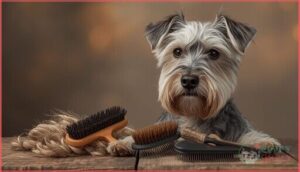
Not every brush works for wiry coats, and grabbing the wrong one can make grooming a real battle.
The right pick comes down to a few key things — brush type, fit for your dog’s size, and how it feels in your hand. Here’s what to look for before you buy.
Brush Types for Wiry Textures
Not all brushes are built for the battle that’s a wiry coat. Slicker Brushes cut through surface knots without wrecking texture. Pin Brushes smooth and distribute oils after stripping work.
Undercoat Rakes pull dead undercoat from beneath that tough topcoat. Dematting Tools slice through stubborn mats safely.
And Rubber Brushes? Great for bath time on your wire-haired dog.
Factors to Consider When Selecting a Brush
Five things decide whether a dog brush actually works for wiry coats.
Pin length matters — short pins suit trimmed coats, while longer ones reach through 2 to 4 inches of growth.
Coat thickness tells you how stiff the bristles need to be.
Brush materials, like stainless steel pins, resist rust and last.
And always check that your slicker brush is easy to clean.
Brush Size and Handle Comfort
Size and grip aren’t afterthoughts — they’re what make or break a grooming session. The wrong dog brush turns a simple task into a wrestling match.
- A 3–4 inch slicker brush head covers more coat per stroke on larger wire-haired dog breeds
- Compact 2–2.5 inch brush heads give grip control around legs and faces
- Ergonomic grips with rubber grip materials reduce wrist fatigue
- Non-slip comfort designs prevent twisting on fidgety dogs
- Balanced grooming tools let you focus on coat, not the struggle
Top 10 Wire Haired Dog Brushes Reviewed
Not all brushes are created equal, especially when you’re dealing with that tough, wiry coat.
After testing dozens of options, these ten stood out for actually getting the job done.
Here’s what made the cut.
1. Maxpower Pet Grooming Rake Tool
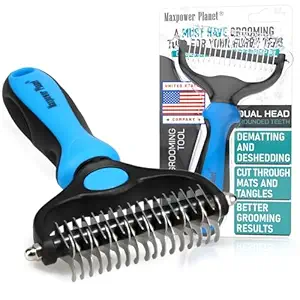
The Maxpower Planet Pet Grooming Rake is a two-in-one tool that actually pulls its weight. One side has 9 teeth for tackling stubborn mats and knots, and the other has 17 teeth for thinning and deshedding. Those rounded metal tips won’t scratch your dog’s skin, even on sensitive spots.
The rubber, non-slip handle keeps your grip steady through long sessions. For wire-haired breeds with dense undercoats, this rake can cut shedding by up to 95 percent — fewer tumbleweeds rolling across your floor.
| Best For | Dog and cat owners with thick-coated or double-coated breeds who want to cut down on shedding and keep mats under control. |
|---|---|
| Primary Material | Rubber |
| Coat Suitability | Thick double coats |
| Shedding Reduction | Yes |
| Detangling | Yes |
| Ergonomic Handle | Non-slip rubber |
| Pet Compatibility | Dogs and cats |
| Additional Features |
|
- Two sides in one tool — switch between dematting and deshedding without grabbing a second brush
- Rounded teeth are safe on skin, so you’re not constantly worrying about scratching your pet
- Non-slip rubber handle makes long grooming sessions way more comfortable to hold
- Can tug on stubborn mats, which isn’t fun for pets with sensitive skin
- Teeth can catch on thick knots and need to be cleared out as you go
- Not a great fit for short-haired or thin-coated pets — it’s really built for fluffier breeds
2. Swihauk Self Cleaning Slicker Brush
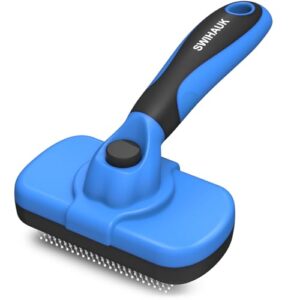
The Swihauk Self Cleaning Slicker Brush is the one tool that makes cleanup feel almost too easy. Press the button, and the stainless steel bristles retract, pushing collected fur forward in one clean sheet — no picking hair out with your fingers.
The rounded bristle tips stay gentle on skin, and the TPR handle fits your grip without fatigue. It works on both long and short coats, making it a solid everyday brush for wire-haired breeds between professional sessions.
| Best For | Pet owners with dogs or cats of any coat length who want a gentle, easy-to-clean brush for regular shedding maintenance. |
|---|---|
| Primary Material | Thermoplastic Elastomers |
| Coat Suitability | Long and short hair |
| Shedding Reduction | Yes |
| Detangling | Yes |
| Ergonomic Handle | Lightweight TPR |
| Pet Compatibility | Dogs and cats |
| Additional Features |
|
- The self-cleaning button is genuinely handy — press it and the fur slides right off, no digging required.
- Rounded bristle tips are soft enough for sensitive skin, so your pet won’t dread brush time.
- Lightweight TPR handle makes longer grooming sessions comfortable to hold.
- It’s not built for heavy-duty deshedding, so thick or heavily matted coats might need something more aggressive.
- You’ll need to work slowly and gently — rushing it won’t get the loose hair out effectively.
- Stubborn knots can cause some resistance, so it’s better as a maintenance brush than a detangler.
3. Dipoo Self Cleaning Shedding Brush
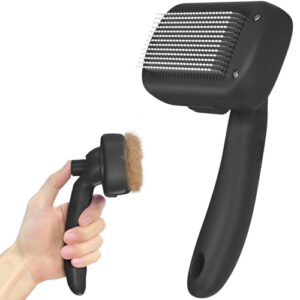
The Dipoo Self Cleaning Shedding Brush is a quiet workhorse for wire-haired owners who want less mess between grooming sessions. Its fine, rounded-tip bristles glide through wiry coats without scratching sensitive skin — a real win for terrier types that hate harsh tools.
One press of the button and collected fur lifts off in a sheet. No picking, no fussing. The lightweight TPR handle won’t tire your hand, and it accommodates both dogs and cats, making it a practical pick for multi-pet households.
| Best For | Pet owners with long-haired dogs or cats — especially those in multi-pet households who want a low-fuss grooming routine. |
|---|---|
| Primary Material | Thermoplastic Elastomers |
| Coat Suitability | Long and short hair |
| Shedding Reduction | Yes |
| Detangling | Yes |
| Ergonomic Handle | Lightweight TPR |
| Pet Compatibility | Dogs, cats, horses |
| Additional Features |
|
- The self-cleaning button is a genuine time-saver — press it and the fur just falls off, no picking required.
- Rounded bristles are gentle enough for sensitive skin, so even fussy pets tend to tolerate it well.
- The lightweight TPR handle is comfortable to hold, even during longer grooming sessions.
- Not the best match for short-haired dogs with double coats — you might not get much out of it.
- Some users found it less effective compared to other brushes at a similar price point.
- Like any brush, it needs regular cleaning to keep performing well, which adds a little upkeep.
4. SleekEZ Dog Shedding Brush
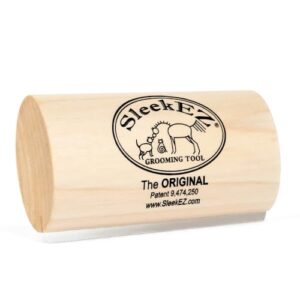
The SleekEZ Dog Shedding Brush does something most tools can’t — it grabs hair at the tips instead of digging into the skin. That patented wave tooth pattern makes a real difference for wire-haired breeds that are sensitive to aggressive brushing.
It reduces shedding by up to 95%, and hair falls neatly to the ground rather than clumping on the brush. The poplar wood handle feels solid and light. It also pulls hair off furniture and car seats — genuinely adaptable.
| Best For | Dog owners who are tired of finding fur on every surface and want a gentle, effective tool that works across different coat types. |
|---|---|
| Primary Material | Wood and Metal |
| Coat Suitability | All fur types |
| Shedding Reduction | Yes |
| Detangling | Yes |
| Ergonomic Handle | Standard handle |
| Pet Compatibility | Dogs all breeds |
| Additional Features |
|
- Cuts shedding by up to 95%, so you’re not constantly lint-rolling your couch
- The wave tooth pattern is gentle enough for sensitive or wire-haired breeds
- Works beyond just grooming — pulls pet hair off furniture and car seats too
- The metal teeth can dull over time, which means performance may slip eventually
- Might not be the best fit for every coat type — some breeds just don’t respond as well
- A few users find other shedding tools work better for their specific needs
5. Cafhelp Stainless Steel Dog Combs
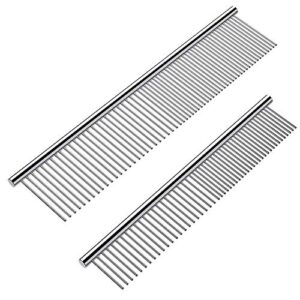
After grabbing hair at the surface, sometimes you need a tool that works closer to the roots. That’s where the Cafhelp Stainless Steel Dog Combs earn their spot.
You get two sizes — 6.3 and 7.4 inches — so you can switch between body and detail work without missing a beat. The rounded stainless steel teeth glide through wiry coats without scratching skin, and the dual-spaced teeth handle both big tangles and fine finishing. Light, sturdy, and easy to rinse clean.
| Best For | Pet owners with dogs or cats of any coat length who need a reliable, everyday comb for detangling, de-shedding, and keeping things tidy. |
|---|---|
| Primary Material | Stainless Steel |
| Coat Suitability | Long and short hair |
| Shedding Reduction | Yes |
| Detangling | Yes |
| Ergonomic Handle | Standard handle |
| Pet Compatibility | Dogs and cats |
| Additional Features |
|
- Two sizes mean you can tackle big sections and tight spots without switching tools
- Rounded stainless steel teeth are gentle on skin while still working through tangles
- Easy to rinse clean and built to last
- Struggles with very small or tight knots — you’ll need to make several passes
- May feel awkward in hand depending on your grip
- Not the best fit for pets with super dense or curly coats
6. Burt’s Bees Dog Brush
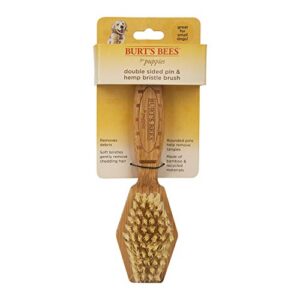
Sometimes you want a brush that’s gentle enough for daily use but still gets the job done. The Burt’s Bees Double Sided Pin and Hemp Bristle Brush does exactly that.
One side lifts out tangles and debris with rounded metal pins that won’t scratch skin. Flip it over, and the hemp bristle side smooths the topcoat and adds a natural shine.
The bamboo handle keeps it light — about 2.89 ounces — so your hand won’t tire out mid-session.
| Best For | Small dog and puppy owners who want a gentle, eco-friendly brush they can use every day without irritating their pet’s skin. |
|---|---|
| Primary Material | Bamboo and Recycled |
| Coat Suitability | Long and short hair |
| Shedding Reduction | Yes |
| Detangling | Yes |
| Ergonomic Handle | Bamboo handle |
| Pet Compatibility | Dogs and cats |
| Additional Features |
|
- Double-sided design gives you two tools in one — pins for detangling, bristles for smoothing and shine
- Made from bamboo and recycled materials, so it’s a solid pick if you care about sustainability
- Gentle enough for daily use on both short and long coats
- Too small for larger dogs — you’d be at it all day
- The pin side gets mixed reviews; some owners find it doesn’t do much
- Needs regular cleaning or fur builds up fast and kills the effectiveness
7. Bonza Silicone Pet Brush

If your dog tenses up the moment you reach for a brush, the Bonza Silicone Pet Brush might change that. Soft silicone bristles glide over the skin without scratching, making it a great pick for sensitive pets.
It doubles as a bath brush, working shampoo deep into the coat while loosening dirt. The removable hair screen makes cleanup fast, and the whole thing is dishwasher-safe. Best suited for short coats.
| Best For | Pet owners with dogs or cats who have short to medium-length hair and tend to get anxious during grooming sessions. |
|---|---|
| Primary Material | Silicone |
| Coat Suitability | Short to medium hair |
| Shedding Reduction | Yes |
| Detangling | No |
| Ergonomic Handle | Comfy grip |
| Pet Compatibility | Dogs and cats |
| Additional Features |
|
- Soft silicone bristles are gentle enough for sensitive skin, so grooming doesn’t turn into a battle
- Works as a bath brush too—lather, massage, and deshed all in one go
- Dishwasher-safe and easy to clean, which is always a win
- Not a great fit for long-haired dogs—the bristles just can’t cut through thicker coats
- The removable hair screen is handy, but snapping it back into place gets old fast
- Some short-haired dog owners found it didn’t pull loose fur as well as they hoped
8. Cat Grooming Brush Tool
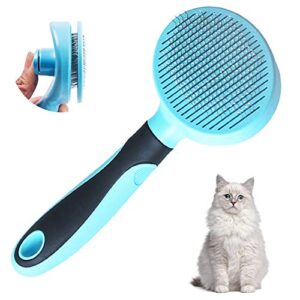
Here’s a grooming secret most people overlook — cat slicker brushes work surprisingly well on small or sensitive wire-haired dogs. The SDY IDUSE Cat Grooming Brush Tool features fine bent wire pins with rounded safety tips that glide through coarse coats without scratching the skin.
Its self-cleaning button releases trapped fur fast, and the anti-slip handle gives you real control. It’s especially handy for tricky spots like behind the ears or under the elbows where bigger brushes just can’t reach.
| Best For | Pet owners with cats or small wire-haired dogs who want an easy, daily grooming tool that’s gentle on sensitive skin. |
|---|---|
| Primary Material | Metal and Plastic |
| Coat Suitability | All coat types |
| Shedding Reduction | Yes |
| Detangling | Yes |
| Ergonomic Handle | Anti-slip handle |
| Pet Compatibility | Dogs and cats |
| Additional Features |
|
- The self-cleaning button makes removing trapped fur quick and painless — no picking hair out by hand.
- Fine rounded wire tips are soft enough for sensitive pets while still tackling tangles and loose undercoat.
- The anti-slip handle gives you good control, especially in tricky spots like behind the ears or under the legs.
- The bristles can bend or fall out over time, so it may not hold up well with heavy daily use.
- The hair release button doesn’t always do a complete job — you might still need to pull some fur out manually.
- It can tug on fur if you’re not careful, so sensitive pets may need a slow, gradual introduction.
9. BioSilk Detangling Pin Brush for Dogs
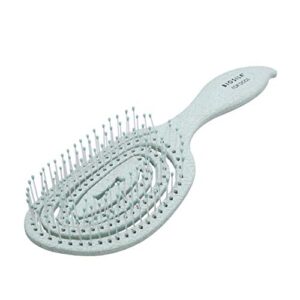
If you want something gentle without sacrificing results, the BioSilk Detangling Pin Brush deserves a spot in your kit. Its spiral flex technology lets the soft pins bend with your dog’s body, working through tangles without yanking.
That’s a real win for wire-haired breeds with sensitive skin. The eco-friendly , plant-based handle feels solid in your hand, and the built-in cleaning comb keeps the pins clear fast.
Works on wet or dry coats, which makes it easy to fit into any routine.
| Best For | Dog owners who want a gentle, everyday detangling brush for medium to long-haired dogs, especially those with sensitive skin. |
|---|---|
| Primary Material | Silk |
| Coat Suitability | All coat types |
| Shedding Reduction | Yes |
| Detangling | Yes |
| Ergonomic Handle | Ergonomic handle |
| Pet Compatibility | Dogs all sizes |
| Additional Features |
|
- Soft pins work through tangles without pulling, so grooming stays comfortable even for sensitive pups
- Eco-friendly materials and an ergonomic handle make it easy and guilt-free to use
- Helps distribute natural oils, leaving your dog’s coat looking healthy and smooth
- Bristles are spaced out a bit too wide for some users, which can reduce how well it grabs tangles
- Not a great fit for dogs with very thick, matted, or super short coats
- A few buyers have had issues with the brush coming apart over time
10. Chris Christensen Dog Pin Brush
The Chris Christensen 27mm Oval Pin Brush is a professional-grade tool that earns its price tag. Handmade in Germany with stainless steel pins and a lightweight beechwood handle, it’s built to last through daily use.
The rounded, polished tips glide through wiry coats without scratching skin — a real difference-maker for dogs who dread brush time. It distributes natural oils beautifully and reduces static. If your wire-haired dog needs a daily brush that actually respects their coat, this one delivers.
| Best For | Dog owners with long-haired, double-coated, or sensitive breeds who need a gentle daily brush that actually gets the job done. |
|---|---|
| Primary Material | Beech Wood and Steel |
| Coat Suitability | All coat types |
| Shedding Reduction | Yes |
| Detangling | Yes |
| Ergonomic Handle | Beech wood body |
| Pet Compatibility | Dogs all breeds |
| Additional Features |
|
- Rounded, polished pins glide through thick or wiry coats without irritating the skin
- Reduces static and spreads natural oils for a healthy, shiny coat
- Handmade in Germany with quality materials that hold up to daily use
- Pricier than most dog brushes on the market
- Some users have reported pin rusting after a few months
- No push-button fur release, so cleanup takes a little extra effort
Benefits of Slicker Brushes for Wire-Haired Dogs
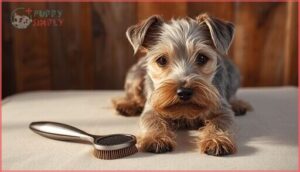
Slicker brushes are a revelation for wire-haired dogs, and once you see the difference they make, you won’t go back. They’re not just about looks — they actually support your dog’s skin and coat from the inside out.
Here’s what they bring to the table.
Removing Loose Fur and Debris
A slicker brush is your best fur removal tool for wire-haired dogs — full stop. Those closely spaced wire bristles lift grass seeds, burrs, and dried mud before they ever reach the skin.
Pair it with an undercoat rake for serious loose hair management, and you’ve got reliable shedding prevention built into your routine. Consistent coat maintenance really does keep the mess where it belongs — off your furniture.
Detangling and Mat Removal
Tangles don’t wait, and neither should you. A slicker brush addresses early-stage knots before they tighten into mats — but knowing when to switch tools matters just as much.
- Use a dematting comb to slice through stubborn knots
- Apply detangling sprays directly to mats before any tangle removal attempt
- Hold hair near the skin to prevent hair breakage while working
- Finish with an undercoat rake to clear what’s left behind
Maintaining Coat Health
A healthy wire coat isn’t just about looks — it’s a window into your dog’s overall wellbeing. Regular use of a slicker brush keeps coat texture crisp while revealing hidden skin issues early. Watch for flakes, odors, or thinning.
A wire coat is a window into your dog’s wellbeing — brush it regularly and it will reveal the truth
| Health Indicator | Possible Cause | Action |
|---|---|---|
| Dull, dry coat | Nutrition impact | Review diet |
| Excessive tangles | Bathing frequency too high | Reduce washes |
| Flaky skin | Skin issues or allergies | Vet check |
| Soft coat texture | Over-bathing | Adjust routine |
| Patchy fur | Underlying health condition | Consult vet |
Stay consistent with your wire-haired dog’s dog brushes and coat health routine.
Using Dematting Tools Safely and Effectively

Dematting a wire-haired dog sounds simple until you’re halfway through a stubborn knot and your dog starts squirming.
Getting it right takes the right approach, not just the right tool.
Here’s what you need to know to handle tangles safely and keep your dog comfortable through the whole process.
Techniques for Tangle Removal
Breaking tangles on a wire-haired dog doesn’t have to be a battle. The secret is working smart, not hard.
- Start with hair sectioning, tackling one small area at a time
- Apply detangling sprays lightly, letting them soak in before gentle brushing
- Use a slicker brush for surface knots, then follow with an undercoat rake
- Always work ends to roots for safe mat removal techniques
Tangle prevention starts with patience.
Areas Prone to Matting on Wire-haired Dogs
Once you’ve tackled technique, knowing where to look makes all the difference. Wire-haired dogs have hot spots that mat faster than anywhere else.
These areas are prone to matting due to various reasons, and targeting them first can help in maintaining a well-groomed dog.
| Body Area | Why It Mats | Tool to Use |
|---|---|---|
| Ear Matting / Collar Tangles | Friction from rubbing and moisture | Slicker Brush |
| Armpit Knots / Belly Mats | Movement, sweat, and ground contact | Undercoat Rake |
| Leg Feathering / Toes | Debris, dampness, and constant rubbing | Fine-tooth Comb |
Solid dog grooming techniques and mat removal routines start by targeting these zones first.
Preventing Discomfort During Grooming
Now that you know where mats hide, how you handle them matters just as much. For your wire-haired dog, gentle touch isn’t optional — it’s the whole game.
Use your slicker brush with light strokes, keep your grooming pace slow, and pause often. Good skin care means watching for flinching. Canine relaxation starts with you staying calm and consistent.
Essential Grooming Tools Beyond Brushes
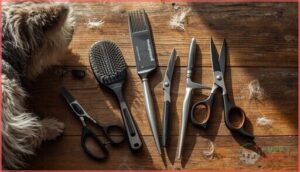
Brushes are just the beginning in maintaining a wire-haired coat in top shape.
A few other tools deserve a permanent spot in your grooming kit.
Here’s what you actually need beyond the brush.
Undercoat Rakes and Their Uses
An undercoat rake is one of those dog grooming tools that quietly does the heavy lifting. For your wire-haired dog, rake designs with closely spaced metal teeth reach deep for undercoat removal without stripping the topcoat.
Regular use means real shedding control and better coat thinning overall. Always rake with the coat’s natural direction — that’s your grooming safety rule number one.
Combs for Finishing Touches
Once the rake clears that dense underlayer, a comb takes you the rest of the way. Stainless steel comb materials resist rust and stay smooth through countless sessions.
Tooth spacing matters — start with wide tooth comb passes to release remaining tangles, then switch to fine teeth for finishing techniques on beards and legs. Ergonomic grips keep your grip steady through every last stroke.
Nail Clippers for Foot Health
Three things wreck a dog’s paw health fast — overgrown nails, ignored cuticles, and skipped trims. For your wire-haired dog, nail trimming is non-negotiable. Long claws shift weight unnaturally, stress joints, and can curl into the pad.
- Sharp blades make clean cuts without splitting
- Safety guards prevent cutting the quick
- Scissor clippers work best for thick nails
- Check nails weekly for early overgrowth
- File edges smooth after every trim
Brushing Techniques for Wire-Haired Breeds
Even the best brush won’t do much if you’re using it the wrong way.
Wire-haired coats have their own rules, and once you know them, grooming gets a whole lot easier. Here’s what you need to keep in mind every time you pick up that brush.
Brushing in The Direction of Hair Growth
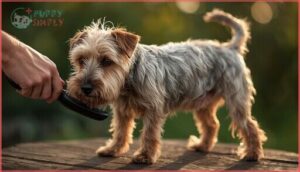
Always brush your wire-haired dog following natural hair growth patterns — head to tail, spine down toward the belly. This simple brush stroke technique keeps coat layering intact and makes tangle prevention easy.
On legs and rump, adjust your angle as the hair shifts direction. Your slicker brush glides smoother, your dog stays calmer, and natural coat maintenance actually works the way it should.
Using Gentle, Even Pressure

Pressure control makes or breaks every grooming session. Too hard, and your wire-haired dog’s sensitive skin shows it fast — think redness on the belly or flinching near the ribs. Your slicker brush should feel like a gentle massage, not a scrape.
- Light, even strokes reach the undercoat without digging in
- Gentle strokes prevent skin irritation on thin-skinned spots
- Tangle removal works better starting soft, then building slightly
- Brush handling stays consistent when your grip stays relaxed
That’s the real secret to safe, effective pet grooming tools use.
Tips to Reduce Static and Breakage
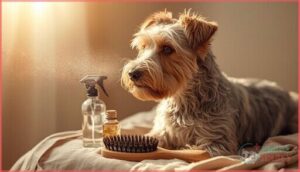
Static electricity is the silent troublemaker behind breakage and flyaway hairs. For effective static reduction, lightly mist your dog’s coat with an antistatic spray before brushing — it makes a real difference.
Coat hydration matters too, so use leave-in sprays with oils or proteins. Humidity control helps year-round; aim for 40 to 60 percent indoors. Smart brush selection — avoiding plastic — keeps tangles and coat care frustrations minimal.
Grooming Frequency and Maintenance Tips
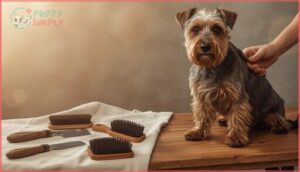
Keeping your wire-haired dog looking sharp isn’t just about having the right brush — it’s about knowing when and how to use it.
A solid routine makes all the difference between a coat that thrives and one that turns into a tangled mess. Here’s what you need to know to stay on top of it.
How Often to Brush Wire-haired Dogs
No two wire-haired dogs are exactly alike, so your brushing schedule should flex with their lifestyle. Here’s a simple grooming frequency guide for coat maintenance and mat prevention:
- Twice weekly for short, trimmed coats
- Three times weekly for longer or clipped coats
- Daily during shedding season for shedding control
- After every outdoor outing for active dogs
Consistency is everything.
Signs Your Dog Needs Grooming
Your wire-haired dog’s coat tells you everything — if you know how to listen to signs. Watch for these health indicators before grooming frequency becomes a problem.
| Matting Signs & Coat Condition | Skin Irritation & Shedding Control |
|---|---|
| Dull, flat, greasy coat | Redness or bumps under fur |
| Knots behind ears or collar | Repeated licking or chewing spots |
| Loose clumps on furniture | Flaky, dry skin patches |
| Uneven rough and smooth patches | Musty odor returning quickly post-bath |
| Comb won’t reach skin | Yeasty smell from ears |
These signals mean your wire-haired dog needs coat maintenance tips — now, not later.
Maintaining Coat Between Grooming Sessions
Catching those warning signs early is half the battle — but what happens between appointments matters just as much.
Aim for two quick brushing sessions a week. That’s your best coat maintenance tip for shedding control and mat prevention. A light detangling spray on friction spots keeps hair texture intact.
Good canine hygiene practices and consistent brush maintenance go a long way for your wire-haired dog.
Frequently Asked Questions (FAQs)
What kind of brush to use on a wire-haired dog?
For dog grooming with a wire-haired dog, your best bet is a slicker brush paired with an undercoat rake.
Together, they handle coat care, manage hair texture, and keep pet maintenance simple.
How often should I brush wire on a haired dog?
Brush your wirehaired dog one to two times per week for steady coat maintenance and mat prevention.
Boost grooming frequency to daily during shedding seasons or after outdoor adventures for reliable shedding control.
What happens if you don’t strip a wire-haired dog?
Skip stripping your wire-haired dog and the coat goes soft, dull, and hard to manage.
You’re looking at matting problems, skin issues, texture changes, and real follicle health damage over time.
Can diet affect a wire-haired dogs coat?
Yes, absolutely. Protein intake, fatty acid balance, vitamin deficiencies, and mineral supplements all shape your wirehaired dog’s coat health from the inside out.
No amount of dog grooming fixes a diet that’s quietly working against you.
Are wire-haired breeds hypoallergenic or low-shedding?
Wire-haired breeds are low-shedding, not truly hypoallergenic. Individual sensitivity matters most.
Regular dog grooming and canine hygiene practices support dander control, while stripping benefits keep your wirehaired breed allergy friendly year-round.
When should puppies start their grooming routine?
Ironically, the best time to start puppy grooming age routines is before they actually need it. Aim for 8 to 12 weeks. Early handling benefits last a lifetime.
How does weather impact wire-haired coat health?
Weather effects hit wiry coats hard. Temperature swings dry out skin, humidity triggers matting, and seasonal shedding spikes demand extra attention.
Stay ahead with smart wirehaired dog care and consistent grooming techniques to protect coat health year-round.
Conclusion
The right wire haired dog brush is less a product and more a turning point—the moment grooming stops feeling like a battle and starts feeling like routine care. Your dog’s coat tells you everything: dull, matted fur means the wrong tool; smooth, clean texture means you’ve nailed it.
Trust what works, stay consistent, and don’t wait for mats to take over before you act. A tangle-free coat doesn’t happen by accident. It happens by choice.
- https://www.akc.org/expert-advice/health/types-dog-brushes-shedding/
- https://warnerpetproducts.com/safari-wire-pin-pet-brush/
- https://blog.vetriscience.com/the-best-dog-brushes-by-coat-type-a-vet-recommended-guide
- https://www.petedge.com/grooming-tools/dog-grooming-brushes/dog-grooming-slicker-brushes
- https://chrischristensen.com/collections/brushes