This site is supported by our readers. We may earn a commission, at no cost to you, if you purchase through links.
You love your dog, but nothing scrambles your brain faster than spotting them snacking in the yard on—you know what. Far from an odd quirk, poop-eating has deep roots in a dog’s biology and pack instincts, stretching back much further than most people realize.
Stress, health hiccups, even boredom can spark this off-putting behavior, turning otherwise tidy pets into backyard scavengers.
Understanding why dogs eat poop isn’t about shaming your best friend—it’s the first step toward keeping your home clean and your dog’s health on track.
Table Of Contents
- Key Takeaways
- Why Do Dogs Eat Poop?
- Medical Causes of Coprophagia
- Behavioral and Environmental Triggers
- Dietary and Nutritional Factors
- Health Risks of Eating Poop
- How to Stop Dogs From Eating Poop
- Frequently Asked Questions (FAQs)
- Is it dangerous for dogs to eat their own poop?
- What are the most common reasons why dogs eat poop?
- How can I prevent my dog from eating poop?
- Can coprophagia be a sign of an underlying medical condition?
- What should I do if my dog suddenly starts eating poop?
- Is coprophagia more common in certain dog breeds?
- Are there specific times when dogs eat poop?
- Does coprophagia impact a dog’s relationship with humans?
- Conclusion
Key Takeaways
- Dogs eat poop due to a mix of instinctive pack behaviors, nutritional deficiencies, and curiosity—especially during puppyhood.
- Medical issues like digestive disorders, parasites, or poor diet can trigger or worsen coprophagia, making a vet check important if the habit appears suddenly.
- Stress, boredom, and attention-seeking often drive poop-eating, with multi-dog homes and inconsistent routines increasing the risk.
- Cleaning up waste promptly, using positive reinforcement, and addressing diet and health concerns are key steps to help stop this behavior.
Why Do Dogs Eat Poop?
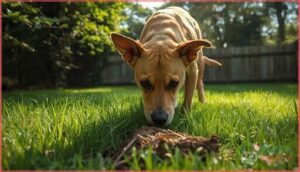
If your dog eats poop, you’re definitely not alone in wondering why. There are a few key reasons behind this habit, and some might surprise you.
Let’s look at what really drives dogs to do it.
Evolutionary and Instinctual Reasons
When you see your dog eat poop, it’s not just a random quirk—it’s rooted in survival behavior. Dogs evolved as scavengers, relying on instinctual roots like parasite avoidance and den hygiene. By consuming fresh feces, they protect the pack and recover nutrients.
This pack behavior, seen in nursing and wild canids, helps guarantee communal health and survival. Some dogs may do it due to nutritional deficiencies.
Puppy Exploration and Development
For puppies, eating poop often starts as sensory development and curiosity—much like toddlers tasting everything. During early puppyhood, social learning from their mother and littermates shapes this behavior. Boredom factors and immature digestive systems can make stool seem appealing.
Most puppies outgrow coprophagia as their digestive maturation progresses and their environment becomes more stimulating, reducing transitional behavior linked to exploration.
At two months old, puppies may have frequent bowel movements, impacting their digestion and behavior.
Pack Behavior and Survival Strategies
As your puppy grows, pack dynamics come into play. Social coprophagia—dogs eating fresh poop from pack mates—helps with den hygiene and parasite avoidance.
In wild settings, this behavior keeps the living area clean and reduces disease risk. When resources are scarce, dogs use coprophagia as a survival strategy, reflecting deep-rooted canine behavior shaped by social behavior in dogs.
Medical Causes of Coprophagia

Sometimes, a dog’s poop-eating habit comes from more than just curiosity or boredom. Certain medical issues can trigger this behavior, making it important to examine your dog’s health more closely.
Here are some common medical reasons you’ll want to keep in mind.
Digestive Disorders and Malabsorption
Ever wonder why digestive issues can drive your dog to eat poop? Disorders like exocrine pancreatic insufficiency (EPI) and intestinal malabsorption disrupt nutrient absorption, leaving dogs hungry despite eating.
Cobalamin deficiency, infectious causes, and altered fecal metabolomics all play a role. When digestive health falters, coprophagia often appears as a desperate attempt to recover lost nutrients.
Nutritional Deficiencies
When your dog’s diet falls short, poop suddenly becomes a tempting snack. Nutritional deficiencies in dogs can spark coprophagia, especially with:
- Vitamin B or mineral shortages (like iron or zinc)
- Enzyme lack, often tied to digestive problems
- Fiber imbalance from poor-quality food
Dietary supplements for dogs, including vitamin supplements, sometimes help restore dog health and nutrition.
Parasites and Other Health Issues
When your dog eats poop, you’re not just dealing with a messy habit—you’re risking exposure to spurious parasites and resistant bacteria. False positives on fecal tests often stem from coprophagia, making it tricky to spot real intestinal infections.
Medication exposure and poor gut health can follow, so if you notice these behaviors, reach out to your veterinarian for guidance.
Behavioral and Environmental Triggers
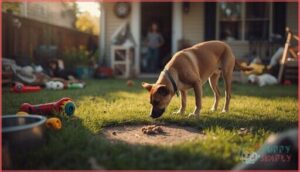
Dogs often eat poop for reasons that go beyond medical issues. What happens in their environment and how they interact with people or other pets can play a big part.
Let’s look at some common triggers that might be behind this behavior.
Anxiety, Stress, and Confinement
Stress can turn a dog’s world upside down—think Shelter Coprophagia or sudden Change Triggers after a move. Anxiety and Confinement Effects often lead to Stress Manifestations like shadow chasing or circling, with coprophagia as a Behavioral Outcome.
Environmental factors matter; crowded homes, lack of enrichment, and confinement all raise the risk, making stress reduction a key part of managing this behavior.
Attention-Seeking and Learned Behaviors
Have you noticed how some dogs seem to eat poop just to get a rise out of you? Owner reactions, especially strong ones, can turn coprophagia into an attention-driven behavioral problem.
Mimicking others and environmental influence also play a role—dogs learn by watching.
Behavior modification works best when you’re consistent, but prevalence patterns show attention-seeking behaviors are tough to break without patience.
Multi-Dog Household Dynamics
Multi-dog homes can feel like a bustling marketplace, where social learning and pack hierarchy shape dog behavior. Allocoprophagia—eating others’ feces—often rises with resource competition and environmental stress.
Intraspecific coprophagic and interspecific coprophagy behaviors aren’t just quirks; they heighten disease spread. Behavioral triggers multiply, making management tricky when one dog’s actions ripple through the entire household.
Dietary and Nutritional Factors
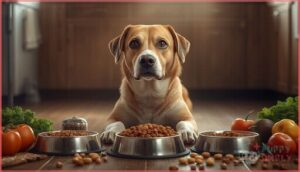
Sometimes, what your dog eats—or doesn’t eat—can play a big role in why they start snacking on stool. There are a few common food-related issues that can trigger this habit.
Let’s look at some of the main dietary factors that might be at work.
Poor Diet Quality or Inadequate Calories
Ever wonder why your dog seems obsessed with eating poop? Often, it’s a sign their diet isn’t hitting the mark. Poor Diet Digestibility or Caloric Malnutrition can drive hunger and nutrient-seeking behavior. Watch for:
- Inadequate Nutrient Absorption
- Protein Deficiency
- Low-quality dog food
- Irregular Feeding Frequency
- Unresolved dietary deficiencies
Addressing nutritional gaps helps curb this habit.
Improper Feeding Practices
If your dog’s mealtimes are unpredictable or portions aren’t matched to their size and age, hunger and dietary deficiencies can creep in. Erratic meal times and lack of post-meal supervision often lead to poop-eating, especially in multi-dog homes.
Consistent feeding routines, quality dog food, and attentive human interaction help support healthy dog diet and nutrition, reducing this behavior.
Use of Supplements and Enzyme Aids
If your dog’s meals are on track but poop-eating persists, enzyme deficiency or low Vitamin B-Complex might be at play. Nutritional supplements, digestive enzymes, or probiotic blends can sometimes help, especially for older pets. Commercial deterrents like For-Bid are popular, though results vary.
Supplement trends show owners often combine digestive supplement aids with a high-fiber diet and behavioral training.
Health Risks of Eating Poop
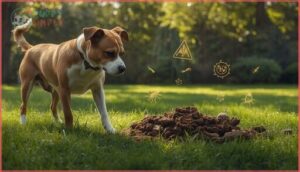
Eating poop isn’t just an unpleasant habit—it can put your dog’s health at risk. There are a few important dangers every owner should know about.
Here’s what you need to watch for if your dog has picked up this behavior.
Parasites and Infectious Diseases
When your dog eats poop, you’re facing real health risks—especially parasite transmission and bacterial infections. Intestinal parasites can cause chronic digestive issues, while viruses and harmful bacteria, like Salmonella, lead to serious illness. The zoonotic potential means these infections can even jump to humans. Clinical consequences range from hidden intestinal infections to long-term problems that affect your dog’s overall well-being.
When your dog eats poop, they risk serious illness from parasites and bacteria—problems that can even threaten your family’s health
- Roundworms, hookworms, and whipworms often spread through fecal consumption
- Bacterial infections like E. coli and Salmonella trigger gastrointestinal distress
- Viral risks include parvovirus and hepatitis exposure
- Zoonotic potential: parasites and pathogens can infect people in your household
Dangers From Eating Cat or Wild Animal Feces
Beyond parasites and bacterial infections, eating cat feces or wild animal waste puts your dog at risk for toxin exposure and intestinal blockages. Cat litter can cause dangerous obstructions, while wild scat may contain plant toxins or rodenticides.
These health risks also carry zoonotic potential—meaning viruses, bacteria, and parasites picked up from feces can spread to humans or other pets.
When to Consult a Veterinarian
If you notice a sudden onset of stool eating, especially with concurrent symptoms like vomiting or weight loss, it’s time for a veterinarian consultation. Diagnostic testing helps uncover medical conditions in dogs, from metabolic disorders to parasites. Compulsive behavior or persistent coprophagia often signals a medical problem.
Follow-up care ensures your dog’s health problems are managed and monitored effectively.
How to Stop Dogs From Eating Poop
If your dog’s poop-eating habit has you stumped, you’re not alone. There are practical steps you can take to help break this behavior.
Here’s what you can try to make a real difference.
Environmental Management and Cleanliness
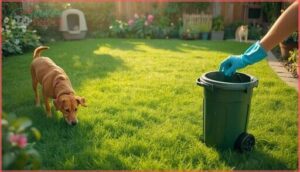
Did you know a single gram of dog feces can hold millions of bacteria? That’s why regular Waste Removal and Yard Sanitation matter.
Clean up promptly in public spaces, manage the cat litter box, and keep odors under control.
Environmental management for dogs—paired with enrichment activities—reduces temptation and risk, keeping your home and community safer for everyone.
Training and Positive Reinforcement
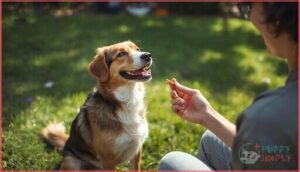
A treat at the right moment can change everything. Positive reinforcement—especially with consistent cues like “leave it”—boosts training efficiency and owner compliance.
For example:
- Use immediate rewards for ignoring poop.
- Practice obedience training with clear, repeated commands.
- Pair reward timing with desired behaviors.
- Stick to proven training methods for lasting behavior modification.
Behavioral Modification Techniques
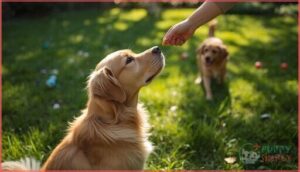
Changing a poop-eating habit often means playing the long game with smart behavior modification techniques. You’ll need Consistency Importance—practice the “leave it” command, pair Positive Reinforcement with every win, and try Habit Breaking strategies like Aversion Therapy or interrupting the behavior.
Effective Command Training works best when you reinforce good choices, not just correct unwanted ones, nudging real change over time.
Making Poop Unappealing
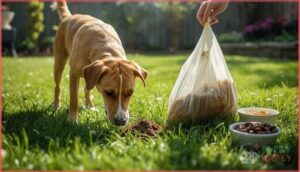
Sometimes, stopping poop-eating is like outsmarting a determined toddler. Taste-aversion products or bittering agents may promise big changes, but most dogs ignore these flavor tricks. Environmental strategies—like picking up fresh poop quickly—are your best bet.
If you want to experiment, try gluten deterrents or digestive enzymes as dietary adjustments. Preventing poop-eating often means outpacing your dog’s taste buds, not outmuscling them.
Frequently Asked Questions (FAQs)
Is it dangerous for dogs to eat their own poop?
Persistent poop-eating poses parasite risks, bacterial infections, and viral transmission, fueling a re-infection cycle and GI upset.
Health problems like intestinal parasites or underlying medical conditions can surface, so a medical examination is wise for canine health issues.
What are the most common reasons why dogs eat poop?
The most common reasons dogs eat poop include nutrient malabsorption, dietary deficiencies, hunger, behavioral triggers like stress or attention-seeking, puppy exploration, and breed predisposition.
These causes of coprophagia often reflect underlying nutritional deficiencies or behavioral problems.
How can I prevent my dog from eating poop?
Ever wondered if you can truly prevent your dog from eating poop? Cleanliness protocols and leash supervision work wonders. Pair these with the “leave it” command, behavioral modification techniques, taste aversion, and vet consultation—these dog training methods support effective environmental management for dogs.
Can coprophagia be a sign of an underlying medical condition?
Yes, coprophagia can signal underlying medical conditions like digestive disorders, nutritional deficiencies, parasitic infections, or hormonal imbalances.
If you notice frequent poop-eating, consult your veterinarian to rule out canine health issues or gastrointestinal disease behind the behavior.
What should I do if my dog suddenly starts eating poop?
Where there’s smoke, there’s fire—if your dog suddenly starts eating poop, schedule a medical evaluation with your veterinarian.
Rule out medications, health problems, or underlying medical conditions, consider parasite testing, and address behavioral changes or dietary changes as needed.
Is coprophagia more common in certain dog breeds?
Breed predispositions play a role in coprophagia in dogs. Retriever tendencies and terrier habits make these breeds more likely to eat poop, while poodles show a notable absence.
Genetic links also influence dog behavior problems and dog health issues.
Are there specific times when dogs eat poop?
Imagine a stopwatch running—most dogs eat poop right after defecation, especially in multi-dog scenarios or before feeding times.
Stress-related episodes and puppyhood stages also trigger this behavior, with anxiety often weaving into the timing.
Does coprophagia impact a dog’s relationship with humans?
Coprophagia often strains the dog-owner bond, leading to adoption failure, owner revulsion, and affection withdrawal. Punitive responses and health anxiety can worsen behavioral issues, making poop eating a challenge for dog owners and complicating dog training and responsibilities.
Conclusion
What drives your dog to such an unexpected habit, and how can you respond with confidence instead of frustration? Understanding why do dogs eat poop shines a light on their instincts, health, and environment, helping you see past the mess to the root cause.
With patience, clean routines, and gentle training, you can guide your dog toward healthier choices. Every step you take brings your home closer to peace—and your dog closer to the well-being they deserve.
- https://edepot.wur.nl/43992
- https://www.ardengrange.com/nutrition-and-advice/fact-sheets/canine-fact-sheets/fact-sheet-behavior-section/fact-sheet-coprophagia/
- https://www.diamondpet.com/blog/health/safety/dogs-eat-poop/
- https://www.petscare.com/news/faq/is-eating-poop-a-behavioral-issue-in-dogs
- https://www.akc.org/expert-advice/health/why-dogs-eat-poop/