This site is supported by our readers. We may earn a commission, at no cost to you, if you purchase through links.

Your dog’s kibble ingredient list reads like a chemistry experiment gone wrong—corn gluten meal, animal digest, BHA, and a dozen words you can’t pronounce. Meanwhile, wholesome dog food ingredients focus on recognizable components that actually nourish your pet: named proteins like chicken or salmon, digestible grains such as brown rice, and real fruits and vegetables packed with antioxidants.
The difference isn’t just aesthetic. Dogs fed high-quality, minimally processed ingredients show measurable improvements in coat shine, energy levels, and digestive health compared to those eating filler-heavy formulas. Understanding what separates premium nutrition from cheap substitutes equips you to make choices that extend your dog’s healthy years and prevent common diet-related issues.
Table Of Contents
- Key Takeaways
- What Makes Dog Food Ingredients “Wholesome”
- Key Animal Proteins in Wholesome Dog Food
- Nutritious Grains and Grain Alternatives
- Essential Fats and Oils for Dogs
- Fruits and Vegetables in Wholesome Recipes
- Added Vitamins, Minerals, and Supplements
- Ingredients to Avoid in Wholesome Dog Food
- Wholesome Ingredients for Sensitive Stomachs
- Ingredient Analysis of Wholesomes Dog Food
- Comparing Wholesome Dog Food Ingredients by Life Stage
- Frequently Asked Questions (FAQs)
- What are the ingredients in wholesomes dog food?
- What are the ingredients in wholesome blend dog food?
- Can dogs eat raw wholesome ingredients safely?
- How to transition between different wholesome foods?
- Do wholesome ingredients prevent specific health issues?
- Whats the shelf life of wholesome dog food?
- Are organic ingredients necessary for wholesome dog food?
- Conclusion
Key Takeaways
- Named animal proteins like chicken meal deliver nearly three times more protein than fresh meat and support stronger muscles, while quality fats from sources like fish oil reduce inflammation and improve coat shine.
- Wholesome ingredients prioritize minimal processing and clear sourcing over fillers like corn gluten meal, with digestibility rates above 80% ensuring your dog actually absorbs the nutrients rather than passing them through.
- The ideal omega-6 to omega-3 ratio sits around 5:1 to support immune function without triggering excess inflammation, while balanced calcium and phosphorus prevent skeletal stress in growing puppies.
- Avoid preservatives like BHA and BHT due to potential cancer links, and remember that grains aren’t common allergens in dogs—most food sensitivities actually stem from protein sources, not carbohydrates.
What Makes Dog Food Ingredients “Wholesome”
When you’re scanning dog food labels, “wholesome” shouldn’t just be a marketing buzzword—it means ingredients that actually support your dog’s health. Real wholesome ingredients are recognizable, minimally processed, and provide specific nutritional benefits rather than just filling the bag.
For smaller breeds with unique dietary needs, like Yorkies, choosing nutritionally balanced food with wholesome ingredients becomes even more critical to support their metabolism and energy levels.
Wholesome dog food ingredients are recognizable, minimally processed, and deliver real nutritional benefits—not just marketing fluff
Understanding what makes an ingredient truly wholesome helps you separate quality nutrition from clever packaging.
Definition of Wholesome Ingredients
When you’re scanning dog food labels, wholesome ingredients are those that skip the processing maze and keep their natural nutrition intact. They’re real, recognizable whole foods—not synthetic shortcuts or mystery additives.
Here’s what sets them apart:
- Minimal processing that preserves vitamins and minerals your dog actually needs
- Clear sourcing so you know exactly where the protein or grains come from
- Balanced nutrients without relying on artificial preservatives or fillers
- Real food focus using organic sources and high-quality nutrition over cheap substitutes
For more insight into the values behind wholesome choices, check out the Wholesome Way philosophy.
Importance for Canine Health
Wholesome dog food ingredients don’t just sound good—they directly support canine health in measurable ways. Quality proteins fuel muscle development, while balanced fats promote a shiny coat and reduce skin irritation.
Digestible carbohydrates maintain steady energy, and antioxidants from fruits and vegetables strengthen immune function.
| Health Benefit | Key Nutrients | Impact on Dog Wellness |
|---|---|---|
| Coat and Skin Health | Omega-3, Omega-6, Biotin | Reduces itching, improves shine |
| Digestive Support | Fiber, Prebiotics | Firm stools, nutrient absorption |
| Immune Function | Vitamins A, C, E, Zinc | Enhanced resilience, faster recovery |
When you choose Wholesomes Dog Food with high-quality dog food ingredients, you’re investing in long-term canine nutrition and overall pet care.
A balanced diet is central to your dog’s vitality, as highlighted in the importance of proper care and nutrition.
Key Animal Proteins in Wholesome Dog Food

Animal protein sits at the heart of quality dog food, and understanding your options matters when choosing what goes into your pup’s bowl. The protein source affects everything from digestibility to nutrient density, with some ingredients packing nearly three times more protein than their raw counterparts.
Let’s look at the main protein sources you’ll find in wholesome formulas and what makes each one valuable for your dog’s health.
Chicken Meal and Its Benefits
You’ll often see chicken meal listed first in Wholesomes Chicken Meal and Rice and similar formulas because it packs nearly three times more protein than fresh chicken. This concentrated protein source delivers essential amino acids your dog needs for strong muscles and steady energy.
The rendering process removes moisture, creating a shelf-stable ingredient rich in calcium and phosphorus that promotes bone health and digestive wellness in pet nutrition and health.
Salmon and Lamb Proteins
Salmon protein and lamb protein stand out as alternative meat quality options in formulas like Wholesomes Pet Food Sensitive Skin & Stomach recipes. Both deliver complete amino acids your dog needs, while salmon benefits include omega-3 fatty acids for coat health and lamb nutrition provides higher iron content.
- Salmon offers all nine essential amino acids for muscle repair
- Lamb supplies easily absorbed iron supporting red blood cell production
- Fish oil in salmon reduces inflammatory responses naturally
- Both protein sources suit dogs with chicken or beef sensitivities
- Rotating these proteins can prevent new food intolerances over time
Protein Quality and Digestibility
Your dog’s body doesn’t use all protein sources equally—digestibility matters as much as amount. Animal proteins like chicken meal achieve nearly complete amino acid absorption, while some plant proteins reach only 70-80% nutrient absorption even after processing.
Wholesomes Dog Food prioritizes high-digestibility protein sources that minimize digestive issues and boost protein efficiency, vital whether you choose grain-free diets or grain-inclusive formulas for peak dog nutrition.
Nutritious Grains and Grain Alternatives
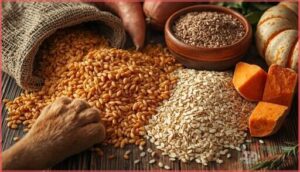
Carbohydrates fuel your dog’s energy and support digestive health, but not all carb sources are created equal. Some dogs thrive on wholesome grains like brown rice, while others need grain-free alternatives due to sensitivities or preferences.
When choosing ingredients, avoid low-quality fillers and look for premium Goldendoodle puppy foods that prioritize digestible carbs and real nutrients.
Let’s look at the main carbohydrate ingredients you’ll find in quality dog foods and what each brings to the bowl.
Brown Rice and Rice Bran
Think of brown rice as nature’s steady fuel. It keeps the bran and germ intact, delivering fiber content around 3.5 to 4 grams per cup plus manganese and B vitamins for digestive health.
Rice bran benefits include healthy fats and antioxidants that support your dog’s coat.
Wholesomes Whole Grain Dog Food uses these whole grains in grain inclusive recipes, offering a middle ground in the Grain-Free vs. Grain-Inclusive Dog Food debate while maintaining dog food ingredients and safety.
Peas and Legumes
Legumes pack a serious nutritional punch in modern pet nutrition. Peas deliver about 25% protein alongside soluble fiber that promotes digestive health and steady energy release. Their lysine content helps maintain muscle in active dogs, while B vitamins and minerals like manganese round out the nutrient balance.
Consider these legume benefits in Wholesomes Dog Food:
- Pea protein complements chicken meal for complete amino acid profiles
- Fiber content aids satiety and promotes healthy stool formation
- Resistant starch helps regulate blood sugar responses
- Processing reduces anti-nutritional factors that can bind minerals
- Natural ingredients provide phytonutrients without corn, soy, or wheat
Monitor your dog’s tolerance when introducing pea-based formulas.
Grain-Free Carbohydrate Sources
Grain-free formulas rely on alternative carbohydrates when you need to avoid traditional cereals. These options create balanced nutrition without corn, wheat, or soy in your dog’s bowl.
Sweet potato supplies beta-carotene and fiber with a lower glycemic impact than refined starches. Tapioca alternatives like cassava offer clean energy and smooth texture, while pumpkin provides soluble fiber support for sensitive digestion. Yucca advantages extend to palatability and gut health.
Essential Fats and Oils for Dogs

Fats don’t just add calories to your dog’s food—they support everything from brain function to a shiny coat. The right balance of omega fatty acids keeps skin healthy, reduces inflammation, and helps your dog absorb essential vitamins.
Let’s look at the key fats and oils you’ll find in quality dog foods and what they actually do for your pet.
Chicken Fat and Omega-6 Fatty Acids
Chicken fat delivers essential omega-6 fatty acids, especially linoleic acid, which your dog can’t produce on its own. This ingredient boosts energy density and aids skin barrier function, helping maintain a healthy coat.
Wholesomes Chicken Meal and Rice includes chicken fat for high-quality nutrition, but remember that fatty acid balance matters—aiming for an omega-6 to omega-3 ratio around 5:1 promotes proper immune function without encouraging excess inflammation.
Fish Oils and Skin Health
Fish oil supplements deliver omega-3 benefits your dog needs for sturdy skin barrier function and inflammation reduction. EPA and DHA support skin hydration, reduce roughness in sensitive skin, and promote balanced sebum production—critical for dogs with skin and coat health concerns.
For ideal fatty acid balance in pet nutrition, look for formulas pairing omega-3s with omega-6s to support dog health and wellness without triggering excessive inflammatory responses.
Role of Fats in Dog Nutrition
Fat plays multiple roles beyond skin support in dog food. It delivers 9 kcal per gram as a concentrated energy source, making it essential for active canines.
Fat solubility allows absorption of vitamins A, D, E, and K—critical for pet nutrition and care. Omega balance between omega-3 and omega-6 fatty acids regulates inflammation while supporting canine dietary needs.
Highly digestible fats also function as a digestion aid, improving stool quality and boosting nutrition profiles.
Fruits and Vegetables in Wholesome Recipes
Fruits and vegetables add more than just color to your dog’s bowl. They deliver vitamins, minerals, fiber, and natural antioxidants that support everything from immune function to digestive health.
Let’s look at what you’ll commonly find in wholesome recipes and why these ingredients matter.
Common Fruits Used

Many wholesome dog food recipes include apples, blueberries, bananas, and cranberries to boost pet nutrition with natural ingredients.
These fruits provide targeted canine wellness benefits when incorporated thoughtfully into pet food ingredients:
- Apples deliver soluble fiber pectin for healthy pet digestion and stable blood sugar
- Blueberries offer anthocyanin antioxidants that support immune function and cognitive health
- Banas provide quick-energy potassium as occasional healthy treats
- Cranberries contain proanthocyanidins supporting urinary tract wellness in controlled portions
Vegetables for Vitamins and Fiber
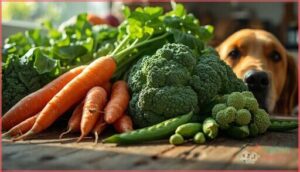
You’ll find carrots, spinach, kale, broccoli, and peas across wholesome pet food ingredients, each delivering specific vitamin boosters and fiber sources your dog needs. Carrots provide 2.8 grams of fiber per cup with vitamin C. Leafy greens like spinach offer 28 milligrams of vitamin C per 100 grams.
Pea nutrition contributes roughly 4.5 grams of fiber per cooked cup, supporting canine dietary needs through ingredient quality that meets rigorous nutrition profiles and ingredient analysis for dog food standards.
Antioxidant Benefits

Beyond fiber and vitamins, those colorful vegetables deliver cellular protection through antioxidants that strengthen your dog’s immune support systems. Berries, leafy greens, and orange vegetables in high-quality nutrition formulas neutralize free radicals, protecting skin & coat health while supporting gut health.
Natural ingredients rich in vitamin E, beta-carotene, and polyphenols provide pet health through ingredient quality that defends against oxidative stress at the cellular level.
Added Vitamins, Minerals, and Supplements

Even the best whole-food ingredients can’t provide every nutrient your dog needs in the right amounts. That’s where fortification comes in—targeted vitamins, minerals, and supplements fill the gaps and keep formulas balanced for long-term health.
Let’s look at what gets added and why it matters.
Key Vitamins for Dogs
Your dog’s body needs a steady supply of vitamins to thrive. Vitamin balance forms the foundation of dog nutrition and immune support. Here are four critical vitamin groups for canine health:
- Vitamins A and E protect cells and support vision
- B-complex vitamins fuel energy metabolism
- Vitamin D regulates calcium absorption
- Vitamin C strengthens immunity in aging dogs
Proper dietary supplements promote nutritional balance and pet wellness and health.
Essential Minerals for Health
Mineral balance in dog nutrition involves more than calcium alone. Your dog’s body requires a network of minerals for strong bones, enzyme function, and daily energy.
The table below shows key minerals and their roles in pet health and nutrition:
| Mineral | Primary Function | Common Sources |
|---|---|---|
| Calcium | Bone structure, teeth health | Meat meals, fish |
| Phosphorus | Works with calcium for skeletal support | Animal protein sources |
| Zinc | Immune function, skin health | Meat, eggs |
| Iron | Red blood cell formation, oxygen transport | Organ meats, fish |
| Copper | Iron utilization, tissue development | Liver, legumes |
Adequate phosphorus role and zinc benefits support your dog’s nutritional balance. Iron supplements may be necessary when dietary intake falls short, though most wholesome formulas provide sufficient amounts through animal-based ingredients with higher bioavailability than plant sources.
Importance of Balanced Supplementation
Synergy among nutrients determines how well your dog absorbs and uses each vitamin and mineral. Balanced nutrition means every ingredient fulfills a purpose without creating excess that stresses organs or disrupts amino acid profiles.
Focus on these principles for supplement safety:
- Match mineral ratios to your dog’s life stage and activity level
- Choose probiotics proven to support gut health and nutrient uptake
- Verify ingredient quality through third-party testing
- Adjust nutrition profiles as your dog ages or changes diet
Ingredients to Avoid in Wholesome Dog Food

Not all ingredients belong in your dog’s bowl, even in brands marketed as wholesome. Some fillers, additives, and preservatives can undermine the quality you’re looking for or trigger sensitivities in your pet.
Here’s what to watch out for when reading labels.
Fillers and Artificial Additives
Watch for filler ingredients like corn and wheat that add bulk without real nutrition to your dog’s bowl. Artificial colors may look appealing but offer zero health benefits and can trigger sensitivities in some pets.
Flavor enhancers and emulsifier safety concerns matter too—they boost palatability but don’t provide protein or fat your dog actually needs for wellness.
Controversial Preservatives
Certain preservatives raise red flags in pet food ingredients and safety discussions, even though regulatory agencies permit them. BHA/BHT risks include potential links to cancer and hormonal disruption, prompting many manufacturers to remove them from ingredient quality standards.
Nitrate concerns center on carcinogen formation when heated. Sulfite sensitivity can trigger respiratory distress in vulnerable pets, while sorbate (potassium sorbate) may cause skin reactions—all worth checking on dog food ingredients labels.
Potential Allergens
Food allergies develop when your dog’s immune system treats certain proteins as threats. The big eight allergens—dairy, eggs, soy, wheat, fish, shellfish, tree nuts, peanuts, and sesame—trigger canine reactions ranging from itching to gastrointestinal distress.
Pet sensitivities manifest through redness, ear infections, and paw licking. Allergen testing helps identify dietary triggers, guiding you toward grain-free diets or limited ingredient diet formulas for sensitive skin stomach issues.
Wholesome Ingredients for Sensitive Stomachs

If your dog struggles with digestive upset or skin irritation, choosing the right ingredients can make all the difference. Sensitive stomach formulas prioritize gentle, high-quality components that won’t trigger inflammation or discomfort.
Let’s look at the key nutritional factors that support digestive health and a healthy coat.
Easily Digestible Proteins
When your dog has a sensitive stomach, protein sources with digestibility above 80 percent help most amino acids absorb in the small intestine. Skinless chicken, turkey, white fish, and eggs are gentle on digestion and support stomach health.
Hydrolyzed proteins break into tiny fragments for dogs with chronic issues, while novel options like duck or rabbit help manage food sensitivities. These gentle diets improve nutrient balance and stool quality.
Grain-Free Vs. Grain-Inclusive Options
Your dog’s dietary needs may guide your choice between grain-free and grain-inclusive dog food. Grain-free diets rely on legumes and potatoes for energy, while grain-inclusive formulas use rice, oats, or barley. Both formats deliver complete nutrition when formulated properly.
Grains aren’t common allergens in dogs—food sensitivities often involve proteins instead. Choosing grain-free options or grain-inclusive dog food depends on your pet’s individual tolerance, not blanket assumptions about grain benefits.
Support for Skin and Coat Health
Skin and coat health relies on more than just avoiding food sensitivities in dogs—your pet needs strategic nutrition. Omega fatty acids create a strong skin barrier, while antioxidant-rich ingredients protect cells from damage. Ingredient quality matters greatly for sensitive skin stomach formulas, where omega balance and the gut-skin axis work together to promote coat shine.
- Fish oil delivers EPA and DHA that reduce inflammation and boost coat luster
- Balanced omega-6 to omega-3 ratios prevent dermatitis while supporting supple skin
- High-quality proteins provide amino acids for keratin production and stronger fur
- Vitamins A, E, and biotin support skin cell renewal and prevent flaking
Ingredient Analysis of Wholesomes Dog Food

When you’re comparing dog foods, understanding what’s actually in the bag makes all the difference. Wholesomes uses a fairly consistent formula across their recipes, but the details matter—especially the balance between protein sources and carbohydrates.
Let’s break down what you’ll find on their ingredient labels, how their formulas stack up nutritionally, and what the company shares about where these ingredients come from.
Typical Ingredient Lists
When you flip over a bag of Wholesomes, you’ll find ingredient labels that tell the real story. Named meat meals like chicken meal top the list, offering about 300% more protein density than fresh chicken. Brown rice follows as a digestible carbohydrate source, with rice bran, chicken fat, and peas rounding out the core meal composition.
Here’s what a typical nutrition profile looks like:
| Nutrient | Dry Matter % | Key Protein Sources |
|---|---|---|
| Protein | 27.7% | Chicken meal, salmon |
| Fat | 16.3% | Chicken fat, fish oils |
| Carbohydrates | 41.5% | Brown rice, peas |
You’ll notice the ingredient quality focuses on whole grains rather than corn, soy, or wheat. Food additives remain minimal, with essential vitamins and minerals promoting complete nutrition profiles. The fat-to-protein ratio of 56% signals notable meat content, which aids your dog’s muscle maintenance and energy needs throughout their day.
Meat-to-Carbohydrate Ratio
Understanding your dog’s protein balance helps you choose food that matches their activity level. Wholesomes delivers a fat-to-protein ratio of 56%, indicating meaningful meat sources in every bowl. The carb content sits at 41.5%, providing steady energy levels without excessive starch.
Here’s what this nutrient ratio means for your pup:
- Higher protein sources support lean muscle maintenance through quality chicken meal and fish proteins
- Moderate grain free diets alternatives balance wholesomes chicken meal and rice formulas for sustained activity
- Lower starch loads reduce digestive stress compared to filler-heavy competitors
- Practical pet nutrition advice suggests this balance works well for most adult dogs with average exercise routines
Transparency and Sourcing
When evaluating pet food ingredients and safety, you’ll notice Wholesomes whole grain dog food states “made in the USA” but doesn’t offer full supply chain transparency.
The brand lacks detailed ingredient disclosure about sourcing ethics or manufacturing process specifics.
Without published quality control measures or animal feed and nutrition standards documentation, verifying pet food manufacturing and production claims becomes challenging for concerned pet parents.
Comparing Wholesome Dog Food Ingredients by Life Stage

Your dog’s nutritional needs shift dramatically from puppyhood through adulthood, and ingredient lists should reflect those changes. Wholesomes offers formulas customized to different life stages, each with specific protein levels, calorie density, and digestibility features.
Here’s what separates puppy recipes from adult maintenance formulas and specialized large breed options.
Puppy Nutrition Needs
Your puppy’s developing body demands far more than downsized adult portions. Proper Puppy Nutrition Needs center on fueling rapid growth without overloading delicate joints. A Pet Nutritionist evaluating Puppy Diet Plans checks three essentials:
- Protein from 22 to 32 percent to build muscle and tissue during critical Growth Stages
- Balanced calcium and phosphorus to prevent skeletal stress in large breeds
- DHA-rich fats supporting brain development and immune function
Strategic Feeding Schedules and nutrient-dense recipes like Puppy Chicken Meal Rice support healthy Puppy Development throughout this vital phase.
Adult Maintenance Formulas
Your adult dog thrives on steady energy, not peaks and valleys. Adult Nutrition through Maintenance Diets balances protein from chicken meal at roughly 27.6 percent with carbohydrates near 43 percent, supporting Healthy Weight without excess calories.
Wholesomes dog food offers Balanced Recipes in both grain-free vs grain-inclusive dog food options, delivering complete dog nutrition that bridges everyday wellness and Senior Care as your companion ages.
Large Breed and Sensitive Formulas
Large dogs carry more weight on their joints, so your Large Breed formulas need controlled fat and added glucosamine for Joint Support.
Wholesomes Sensitive Skin & Stomach recipes use easily digestible chicken meal and salmon to calm upset bellies while supporting Digestive Health.
Grain Free options minimize allergens, while grain-inclusive versions with brown rice offer steady energy—both customized to Breed Specificity and gentler on sensitive systems.
Frequently Asked Questions (FAQs)
What are the ingredients in wholesomes dog food?
Wholesomes dog food lists chicken meal, brown rice, peas, rice bran, and chicken fat as core ingredients.
You’ll find named animal proteins first, followed by digestible carbohydrates and essential fatty acids to support your dog’s health.
What are the ingredients in wholesome blend dog food?
Ingredient quality matters when you’re choosing the right nutrition for your companion. Wholesomes dog food blends feature named meat meals like chicken or salmon, brown rice, peas, chicken fat, and added vitamins for balanced pet wellness.
Can dogs eat raw wholesome ingredients safely?
You can feed raw wholesome ingredients, but Bacterial Contamination and Digestive Issues require caution.
Safe Handling, veterinary guidance, and gradual transitions help guarantee Nutrient Balance while minimizing Raw Food Risks for your dog.
How to transition between different wholesome foods?
You don’t want to shock your dog’s system. Gradual introduction over 7 to 14 days helps. Mix 25 percent new food with familiar meals first, then increase slowly while monitoring digestive tolerance.
Do wholesome ingredients prevent specific health issues?
Quality proteins and balanced fats help reduce digestive issues, skin allergies, and chronic diseases. Omega-3s support joint health and immune systems, while grain-free or sensitive stomach formulas address specific canine health and wellness needs effectively.
Whats the shelf life of wholesome dog food?
Unopened Wholesomes dry food usually lasts 12 to 18 months. Once opened, store it in an airtight container and use within 6 to 12 weeks for peak freshness and food safety.
Are organic ingredients necessary for wholesome dog food?
Organic ingredients aren’t required for wholesome dog food to be nutritious. Your dog benefits most from high-quality named proteins and balanced nutrients, whether organic or conventional, paired with natural preservatives and thoughtful sustainable sourcing practices.
Conclusion
You’re what you eat—and the same holds true for your dog. Choosing wholesome dog food ingredients isn’t about chasing trends; it’s about recognizing that named proteins, digestible carbohydrates, and real produce form the foundation of long-term health.
When you understand ingredient labels and prioritize quality over marketing claims, you’re investing in fewer vet visits, more energetic years, and a shinier coat. Your dog’s bowl deserves the same scrutiny as your own plate.
- https://www.dogfoodadvisor.com/dog-food-reviews/sportmix-wholesomes-dog-food/?utm_source=chatgpt.com
- https://www.self.com/story/midwestern-pet-foods-recall-salmonella?utm_source=chatgpt.com
- https://wholesomespetfood.com/frequently-asked-questions/?utm_source=chatgpt.com
- https://www.wholesomespetfood.com/children-of-fallen-patriots/
- https://www.fda.gov/animal-veterinary/outbreaks-and-advisories/fda-alert-certain-lots-sportmix-pet-food-recalled-potentially-fatal-levels-aflatoxin