This site is supported by our readers. We may earn a commission, at no cost to you, if you purchase through links.

There’s an undeniable magic in the way a small dog barrels down the hallway, paws skidding, heart set on greeting you like you’re the best thing since liver treats. These little bundles of joy may weigh less than a sack of flour, but the love and loyalty packed into those pint-sized bodies is anything but tiny.
From sunbeam-loving Chihuahuas to snorty French Bulldogs squeezed into city apartments, there’s a whole universe of small dog breeds suited for every lifestyle and living space. Find out how these pocket-sized companions can transform your days with their quirks, needs, and stubbornly big personalities.
Table Of Contents
Key Takeaways
- Small dog breeds bring outsized personalities and devotion, fitting perfectly into apartments or busy urban lives while demanding specific care for their size.
- Health needs for these pint-sized pups include regular grooming, careful nutrition, and watching out for breed-specific issues like dental, heart, or respiratory problems.
- There’s huge variety in small dog personalities, coats, energy levels, and suitability for different lifestyles—so matching a breed to your daily routine is key.
- Despite their size, many small dogs are energetic, fiercely loyal, and need smart socialization, training, and stimulation to thrive as loving companions.
What Defines a Small Dog Breed?
Regarding small dogs, size isn’t the only thing that matters. There’s a whole world of personalities, quirks, and living needs packed into these pint-sized pups. Let’s take a closer look at what really sets small breeds apart.
If you’re curious about the unique personalities and what daily life is really like with petite pups, this detailed guide on Yorkshire Terrier temperament is worth checking out for honest insights and owner tips: What It’s Like Owning a Yorkshire Terrier—Personality & Temperament Guide.
Size and Weight Standards
Regarding small dog breeds, think of them like the Goldilocks zone of canine size: not too big, not too tiny. Breed standards label small dogs as weighing under 22 pounds, standing 10–16 inches tall, with toy breeds even lighter—often under 10 pounds. Weight limits, body proportions, and growth rates all play into proper size classification.
For a deeper dive into how size, temperament, and lifestyle fit together, check out this overview of official small dog breed standards and care tips.
Understanding small dog care is essential for their well-being.
Typical Temperament and Personality
Size is just the beginning—temperament is where Small Dog Breeds really show their stripes. Think lively personalities packed with emotions and quirks. For example, terriers can be bold and clever, while toy dog breeds shine with pure affection. Here’s what you might notice:
To find out which toy breeds are especially loved for their charm and loyalty, check out this helpful guide to the best toy dog breeds.
- Fiercely loyal
- High energy
- Barky when excited
- Prone to dog anxiety
- Quick to connect with people
Many owners find that understanding small dog needs is essential for building a strong bond with their pet.
Suitability for Apartments and Small Spaces
If you’re dreaming of easy Apartment Living, Small Dog Breeds can be urban superstars—think “compact roommate energy.” Most need just clever Indoor Enrichment and snug Space Requirements to thrive. Prefer a hush-hush companion? Some Apartment Dogs barely bark.
Here’s how popular breeds stack up for apartment life:
| Dog Breed | Space Needs |
|---|---|
| French Bulldog | Very Low |
| Cavalier Spaniel | Low |
| Chihuahua | Very Low |
| Havanese | Low |
Distinction Between Small and Toy Breeds
Here’s where size really matters. Not every petite pup is a Toy Breed, and breed size classification isn’t just about cuteness—it’s about structure, sturdiness, and care.
Toy Dogs, like the Toy Poodle, live in their own extra-small weight class, usually under 10 pounds, while other small dog varieties might clock in at 30 pounds or less.
Popular Small Dog Breeds
There’s a whole world of small dog breeds out there, each packed with its own personality and charm. If you’re curious about what makes these little dogs so special, you’re in the right spot.
Let’s get to know some favorites that could steal your heart.
If you’re curious about which gentle, loving breeds fit well with family life, you’ll find a thoughtfully curated guide on the best apartment-friendly dogs right here.
Affenpinscher

Ever met a dog that looks like it’s plotting its next caper from behind a set of bushy eyebrows? That’s the Affenpinscher—famous for its “Monkey Face” and a fearless temperament packed into a toy breed body.
Rooted in Affenpinscher history as a rat-catcher, this small dog breed’s curious nature and playful personality keep life interesting (and occasionally mischievous!).
Boston Terrier

Breeding both brains and bravado, the Boston Terrier—affectionately dubbed the “American Gentleman”—turns heads with its tuxedo coat and comic little grin. Here’s why this unique entry among small dog breeds stands out:
If you’re looking for a lovable companion that won’t demand too much upkeep, check out this list of low-maintenance dogs ideal for seniors.
- Rich breed history rooted in Terrier Training.
- Excellent canine behavior with proper Dog Socialization.
- Adaptable for city life.
- Straightforward Pet Care and Health needs.
Cavalier King Charles Spaniel

Looking for pure heart in a pint-sized package? The Cavalier King Charles Spaniel wins every time, effortlessly blending royal companions’ charm with gentle souls’ warmth.
With straightforward Cavalier training and easy spaniel grooming, these small dog breeds give you both grace and real-world practicality.
Their breed characteristics and traits make them stars in pet care and health—just ask any King Charles fan.
French Bulldog

What’s the secret behind the French Bulldog’s cult following? They’ve conquered pet insurance lists and apartments from coast to coast—not just with charm, but with a breed history built for city life. French Bulldog care is refreshingly simple when you master:
- Bulldog training basics
- Honest pet care routines
- Compassion for breathing quirks
- Embracing playful owner experiences
Havanese

If you crave softness that doubles as companionship, the Havanese is your velvet-clad shadow—one of the gentlest Toy Breeds within Small Dog Breeds. Havanese Grooming is a daily ritual (that silk doesn’t brush itself), while reliable Havanese Training makes city walks a breeze.
Their lively behavior, resilient health, and selective nutrition habits keep Small Dog Care honest and rewarding.
Chihuahua

Think the tiniest things can’t have the loudest personalities? Meet the Chihuahua—bold, loyal, and famously sassy among Small Dog Breeds. Quick Chihuahua Training and vigilant Puppy Socialization are your best allies with this pint-sized dynamo. Tiny body, mighty heart: that’s centuries of Breed History packed into one Toy Breed. Nutrition, daily Chihuahua Grooming, and safe handling keep these small dogs thriving.
- Lively, alert temperament—always ready to announce visitors!
- Compact stature: usually just 6–8 pounds
- Sensitive to cold—bring out the sweaters
- Needs calorie-dense, balanced Small Dog Nutrition
- Early socialization critical to prevent big-dog attitudes
Yorkshire Terrier

After the Chihuahua’s spunky curtain call, get ready for the Yorkshire Terrier—your classic pocket-sized boss! Smart and quick to learn Yorkie Training, they’re the definition of “big attitude, small package.”
Overflowing with classic Terrier Behavior, these dogs require attention to their Canine Exercise Needs and Small Dog Nutrition to keep them glowing.
Keep that fine coat immaculate with Pet Grooming Tips, and remember: this Toy Breed thrives with care tailored to their unique needs.
Pomeranian
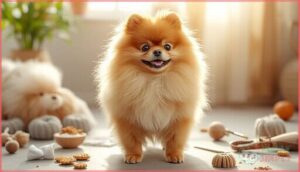
Ready for a whirlwind of fluff? The Pomeranian struts in, full of life and unmistakable confidence. Beneath that iconic puffball coat is a vigilant watchdog wrapped in six pounds of sass. For a happier Pom:
- Daily Pomeranian Grooming for mat-free fur
- Pomeranian Training with treats
- Focused Small Dog Nutrition
- Proactive Pomeranian Health checks
- Fun-first Dog Socialization
Maltese
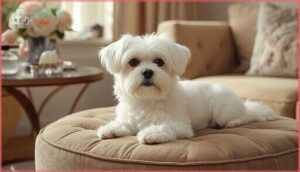
Craving a little luxury? The Maltese brings it—a silk-cloud coat, one-of-a-kind charm, and a personality radiant enough to light up any room. But don’t let those gentle eyes fool you: Maltese Behavior swings brave and bold.
They thrive on Maltese Grooming, heartfelt Maltese Training, and premium Maltese Nutrition, making them royalty among Small Dog Breeds and standout Hypoallergenic Dog Breeds.
Toy Poodle
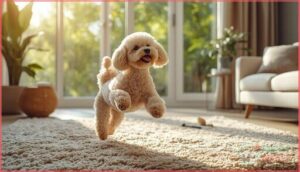
If the Maltese is luxury, the Toy Poodle is pure brilliance wrapped in a wiggly ball of curls. Toy Poodles—top-tier among Intelligent Breeds—turn Toy Training into a game you’ll both win.
Famous for Poodle Grooming and beloved as Small Companions, they top the charts for Poodle Health and shine in the realm of Hypoallergenic Dog Breeds.
Small Dog Breeds by Coat and Type

Coat type can make a world of difference when you’re choosing a small dog. Some pups come with fluffy manes, others sport sleek fur, and a few hardly shed at all. Let’s look at how these different types shake out.
Long-Haired Breeds
Let’s be clear: long-haired breeds like the Yorkshire Terrier, Shih Tzu, Toy Poodle, Maltese, and Havanese turn heads everywhere they go, but that silky glamour isn’t easy. If you want to keep mats at bay and their coats camera-ready, here’s what you need:
- Daily brushing
- Weekly coat checks for tangles
- Smart bathing routines
- Professional Grooming Tips
Short-Haired Breeds
Sleek, short-haired small dog breeds—think Boston Terrier, French Bulldog, or whippet—take the prize for “easy on the brush, not on the charm.”
With short hair care, coat maintenance is a breeze, but make no mistake: these dogs shed! Gentle brushing and the right grooming tips will help you manage dog shedding so your couch isn’t their second coat.
Hypoallergenic Breeds
Allergy Prevention is at the heart of choosing hypoallergenic dogs among small dog breeds. Low Shedding heroes like the Poodle, Bichon Frise, and Maltese work wonders for dander control—great news for pet allergies.
While no breed guarantees a sneeze-free life, thoughtful breed selection steers you closer. Just remember, these “low maintenance dogs” demand regular grooming, too!
Designer and Mixed Small Breeds
What’s behind the sky-high demand for doodles and mini mixes? Designer small dog breeds—think Yorkiepoos or Maltipoos—blend a dash of Terrier, Poodle, or Chihuahua charm with trend-driven appeal. But let’s talk reality:
- Designer Costs soar past $2,000 per pup
- Breeding Ethics can be iffy
- Hybrid Health isn’t guaranteed
- Mixed Benefits cover big personalities in little packages
Health and Care Needs of Small Dogs

There’s a lot to juggle in keeping your little dog happy and healthy. A few key needs always rise to the top of the checklist.
Here’s what you’ll want to watch for as you care for your pint-sized pup.
Common Health Issues
You’d think being tiny means being tough, but small dog breeds have their unique baggage regarding dog health and wellness. From dental problems (think crowded teeth) to orthopedic issues, respiratory diseases, heart conditions like mitral valve disease, and the ever-lurking metabolic disorders—here’s how these canine health hiccups stack up among small dog breeds:
| Health Issue | Breeds Most Affected |
|---|---|
| Dental Problems | Yorkshire Terrier, Maltese |
| Orthopedic Issues | Toy Poodle, Shih Tzu |
| Respiratory Diseases | French Bulldog, Pomeranian |
| Heart Conditions | Cavalier King Charles Spaniel |
| Metabolic Disorders | Chihuahua, Toy breeds |
Exercise and Activity Requirements
Who says small dogs are couch potatoes? Even the tiniest breeds crave action—just on their terms. Dial in daily walks and bursts of playtime, matched to their energy levels. Mix up activities for mental stimulation, and keep sessions short but frequent. This boosts happiness and health, especially for dog breeds for apartments.
- Daily walks
- Exercise intensity matters
- Mental stimulation games
- Playtime duration: short but frequent
- Essential for energetic dogs
Grooming and Maintenance Tips
Wipe muddy paws, brush that glorious coat (daily for the long-haired, weekly for the short), and keep nail trims on the calendar—your furniture and your dog’s posture will thank you. Don’t forget daily dental hygiene.
Add ear cleaning, routine baths, and shedding control to your Dog Grooming checklist. Small Dog Breeds shine brightest with regular care.
Nutritional Considerations
Once you’ve got the grooming routine down, don’t overlook what lands in your dog’s bowl. For Small Dog Breeds, everything’s about balance—high nutrient density, protein requirements customized to fast metabolisms, and a watchful eye on caloric intake.
Here are five keys every loving owner should keep close:
- Clever portion control
- Multiple small meals each day
- Energy-dense kibble
- Lean protein sources
- Steady vigilance against sneaky obesity
Choosing The Best Small Dog for Your Lifestyle

Regarding small dogs, not every breed will fit every home or routine. The right match depends on your family, your energy, and the way you live day to day. Let’s take a closer look at what truly matters when choosing your new little companion.
The perfect small dog isn’t one-size-fits-all—it’s about finding the right fit for your lifestyle, family, and energy
Family and Children Compatibility
Almost every family dreams of a loyal dog curled up beside their kids, but not all Small Dog Breeds are cut out for the chaos of childhood.
Kid Friendly Breeds like the Cavalier King Charles Spaniel and Havanese thrive with Parental Guidance, gentle handling, and smart Socialization Techniques.
Remember: Family Dynamics and Child Safety Tips are key for happy, FamilyFriendly Dog Breeds.
Dogs for Seniors or Singles
If wrangling kids isn’t your scene, Small Dogs shine as Senior Companions or for Lonely Hearts living solo. Breeds like the Bichon Frise, Pug, or Shih Tzu offer gentle Dog Therapy and Pet Benefits—think warm laps, easy grooming, and manageable walks.
For Low Maintenance Pet Ownership and Apartment living with pets, these Dog Breeds for Seniors are a smart, heartfelt choice.
Activity Level and Energy Needs
Every day, your small dog’s spark needs an outlet—think brisk walks, playful fetch, or puzzle toys that challenge their mind. Energy requirements vary wildly between dog breeds; a Chihuahua’s daily exercise needs can rival a marathon runner’s spirit, while a French Bulldog prefers short strolls.
Meeting both physical stimulation and mental fatigue keeps your pet’s caloric needs and behavior in balance.
Training and Socialization Requirements
Imagine you’re sculpting a confident companion, not a barking bundle of nerves. Positive Reinforcement, Puppy Socialization, and customized Dog Training are your golden tools for Small Dog Breeds.
Focus on:
- Structured Obedience Training early
- Exposure to varied environments (Canine Communication wins)
- Gradual Behavioral Modification if needed
- Consistent Dog Training and Socialization for lifelong Canine Companionship
Frequently Asked Questions (FAQs)
What are common expenses for small dog breeds?
One minute you’re falling for those puppy-dog eyes; the next, you’re calculating Initial Costs like adoption fees, Monthly Fees for food, ongoing Veterinary Care, unexpected medical bills, grooming, and Insurance Options—all critical ingredients for successful, stress-free Pet Ownership.
How long do small dog breeds typically live?
Small dog breeds often outlive larger pups, with an average life expectancy of 10–15 years—sometimes reaching 18.
Longevity factors? Good dog care and maintenance, grooming, and tackling health risks early keep aging at bay.
Can small dogs travel easily with owners?
City dogs under 22 pounds often breeze through Air Travel, Pet Accommodations, and Train Transport thanks to compact carriers.
International Regulations require microchips and vaccines, but safe Dog Care and Maintenance make travel-friendly small dog breeds perfect for Pet Friendly Living.
Are small dog breeds prone to barking frequently?
Like little alarm bells in a noisy garden, certain dog breeds—especially terrier types and the tiniest watchdogs—are genetically wired for regular barking.
Barking triggers range from sudden noises to boredom. Smart training strategies can help minimize vocalization patterns.
Do small dogs require toys suited for their size?
Choosing toys that match your dog’s size isn’t optional—it’s a must. Small Dog Toys are designed for their mouths, keep playtime safe, and prevent injuries. Remember: Size Matters. Always check Toy Safety for every breed-specific pick.
Conclusion
Let yourself off the leash and welcome a world where small dog breeds steal your heart—and your spot on the couch. Whether you crave a shadow who follows your every move or a firecracker who keeps you guessing, there’s a tiny dynamo ready to match your stride.
The best ones don’t just fit in your lap—they fill your life. Choose with your heart and your lifestyle in mind, and let life’s adventures begin—one wag at a time.
- https://www.aspcapetinsurance.com/resources/small-breed-dogs/
- https://www.countryvetmom.com/post/dog-toy-breeds-sizes-traits-behavior-pros-and-cons-dr-gaffud
- https://www.akc.org/expert-advice/nutrition/breed-weight-chart/
- https://www.wisdompanel.com/en-us/blog/small-dog-health-problems
- https://dogwellnet.com/content/population-statistics/general-breeds-specific-disease-inform/information-on-breeding-animals/registries-health-information/registration-figures-worldwide-%E2%80%93-from-top-thirty-to-endangered-breeds-r292/