This site is supported by our readers. We may earn a commission, at no cost to you, if you purchase through links.

Your neighbor’s eight-pound terrier just chased off a delivery driver while your friend’s Labrador watched from the couch. Size doesn’t dictate personality, and small breed dogs prove that point every single day.
These compact companions pack distinct temperaments, health needs, and care requirements into bodies that weigh under 22 pounds. Some descend from working terriers bred to hunt vermin in tight spaces. Others were crafted purely for companionship on royal laps.
Understanding what sets small breeds apart helps you match energy levels, grooming demands, and space requirements to your actual lifestyle instead of just falling for a cute face in a pet store window.
Table Of Contents
- Key Takeaways
- What Qualifies as a Small Breed Dog?
- Key Characteristics of Small Dog Breeds
- Popular Small Dog Breeds Explained
- Health and Care Needs for Small Breeds
- Choosing The Right Small Dog for You
- Frequently Asked Questions (FAQs)
- How do small breed dogs handle cold weather?
- What are the best travel options for small breed dogs?
- How do small breed dogs interact with larger pets?
- Are there specific training challenges for small breed dogs?
- What are the best small dogs for first-time owners?
- Do small breed dogs bark more than larger breeds?
- Can small dogs live comfortably in cold climates?
- How much does it cost to own a small dog annually?
- Conclusion
Key Takeaways
- Small breed dogs under 22 pounds carry wildly different temperaments—from bold terriers with strong prey drives to gentle lap companions—so matching their energy level and working background to your actual lifestyle matters more than picking the cutest face.
- These compact dogs face unique health vulnerabilities, including crowded teeth that need brushing three to four times weekly, higher rates of heart valve disease and knee problems, and faster heat loss in cold weather that demands protective gear.
- Intelligence varies dramatically across small breeds, with Papillons and Toy Poodles mastering commands in five to fifteen repetitions while some toy breeds prioritize cuddling over complex training, making breed research essential before committing.
- Annual costs for small dog ownership typically run $500 to $2,000 when you factor in calorie-dense food portions, regular dental cleanings, breed-specific grooming needs, and veterinary checkups that catch age-related changes early in their 12-to-16-year lifespans.
What Qualifies as a Small Breed Dog?

You might think small dogs are all the same size, but there’s actually a range that separates them from their larger canine cousins.
If you’re curious about breeds that pack big personality into a compact frame, the miniature Rottweiler offers a fascinating example of size variation within beloved breeds.
The distinction comes down to specific measurements and a few physical features that define what breeders and vets consider “small.”
Many small dog breeds with big personalities fall into this category, typically weighing under 22 pounds and standing less than 16 inches tall at the shoulder.
Here’s what separates a small dog from the rest of the pack.
Tools like dog training clickers designed for small breeds can help you communicate more effectively during training sessions.
Weight and Height Criteria
You’ll find most small dog breeds weigh under 22 pounds and stand about 10 inches or less at the shoulder. These weight limits and height benchmarks guide size classification across breed standards, helping you know whether your pup fits the small category.
Growth patterns usually wrap up by 10 to 12 months, so you can confirm your dog’s final body mass index early. For more detail on breed standards for weight, you can review common classifications and healthy ranges.
Toy Vs. Small Breeds
Knowing the difference between toy and small breeds helps you pick the right companion. Toy breeds—like Chihuahuas and Pomeranians—typically weigh under 10 to 15 pounds and fit the Toy Group classification, bred for lap-dog life. Small breeds outside that group can reach 30 pounds and often come from working backgrounds, giving you sturdier frames and higher energy.
Here are key size comparisons and breed classifications:
- Toy temperaments lean toward cuddling and staying close to you indoors.
- Small breed variations include terriers and herding types with stronger prey drive.
- Companion needs differ—toy dogs thrive on gentle handling, while sturdy small breeds tolerate active play.
- Weight ranges separate toy dog breeds (under 15 pounds) from small dog breeds (16 to 30 pounds).
- Small dog breed selection depends on whether you want a fragile lap companion or an energetic small partner.
For specific measurements, you can refer to this helpful. Understanding small dog breed characteristics now guides you toward the best match for your home.
Common Physical Traits
Once you’ve narrowed down breed sizes, you’ll notice shared physical patterns across small dogs. Most weigh up to 20 pounds and stand 9 to 14 inches tall at the shoulder.
Body proportions tend toward compact frames with backs slightly longer than their height. Coat variations run from silky to wiry, while facial features often show large, expressive eyes and short muzzles.
Limb structure stays sturdy despite delicate appearances.
Key Characteristics of Small Dog Breeds
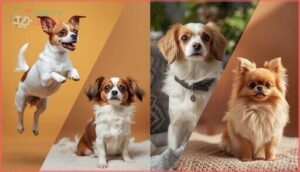
Small dog breeds aren’t one-size-fits-all personalities packed into tiny bodies. You’ll find everything from quiet lap warmers to busy terriers who think they’re ten times their actual size.
If you’re drawn to the charm of a teacup pug, research their unique care needs and health considerations before committing.
Understanding what makes these little dogs tick—their moods, their smarts, and their energy—helps you figure out which breed might actually fit your life.
Temperament and Personality Range
Small dog breeds pack wildly different personality types into compact frames. Your future canine companion might strut around like a tiny lion or melt into your lap like butter. Understanding these emotional needs and behavioral traits helps you find the right match.
- Bold watchdogs like Chihuahuas and Pomeranians show big-dog confidence despite their size
- Gentle souls such as Bichon Frises prefer soft social contact over confrontation
- Fearless terriers tackle challenges that seem way too large for their bodies
- Sensitive types need calm homes and predictable routines to feel secure
- Independent spirits like Dachshunds explore confidently without constant reassurance
Social skills and confidence levels vary dramatically across small dog breeds, so you’ll want to think about breed-specific characteristics when choosing your perfect companion.
Intelligence and Trainability
Don’t let size fool you—many small dog breeds rank among canine cognition superstars. Papillons and Toy Poodles master basic commands in five to fifteen repetitions, proving that intelligence isn’t measured in pounds. These quick learners excel at problem-solving and obedience training when you use clicker methods and short, rewarding sessions. Your small companion can learn complex tricks, ace agility courses, and respond to cues with over 85 percent accuracy. Consistency and positive reinforcement release their sharp minds better than any other approach.
| Training Aspect | High Intelligence Breeds | What You’ll See |
|---|---|---|
| Learning Speed | Papillons, Miniature Schnauzers, Toy Poodles | New commands mastered in 5–15 repetitions |
| Problem Solving | Pembroke Welsh Corgis, Shetland Sheepdogs | Figure out complex puzzles within minutes |
| Obedience Training | Most small breeds with consistency | 85%+ accuracy on known commands |
| Best Methods | All trainable small dogs | Clicker methods, 3–5 minute sessions, treats |
Activity and Exercise Needs
Most small dog breeds demand more movement than apartment dwellers expect. Your Canine Companions thrive on daily walks totaling one to two miles, plus two ten-minute play sessions that blend physical conditioning with mental stimulation. Jack Russells and terriers need vigorous exercise routines, while Shih Tzus prefer gentle strolls.
Breeds like the German Shepherd Pitbull mix require especially consistent training and socialization from an early age to channel their energy productively.
Dog behavior improves when small dog training and socialization pair movement with cues, turning dog care and maintenance into bonding time that prevents boredom and destructive habits.
Popular Small Dog Breeds Explained
Each small breed brings something different to the table—from feisty lap-sized personalities to athletic companions who just happen to be compact. Knowing what makes each breed tick helps you figure out which one might actually fit your life, not just your living room.
Here’s a closer look at some of the most popular small dogs and what sets them apart.
Chihuahua

You’ll recognize a Chihuahua by its oversized personality packed into a 4–6 pound frame. These devoted companions bond intensely with one or two people and can be wary of strangers. Chihuahua behavior often leans bold and confident, which makes early Chihuahua training essential for managing their feisty streak.
- Size: Usually 6–8 pounds and under 9 inches tall
- Lifespan: 12–20 years with proper care
- Coat: Smooth or long-haired varieties
- Energy: Moderate; enjoys short daily walks
- Temperament: Loyal, alert, sometimes stubborn
Yorkshire Terrier
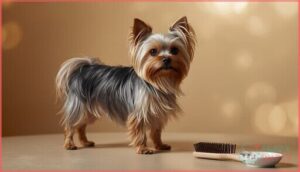
Yorkshire Terriers pack silky elegance and terrier spunk into a portable 4–7 pound body. Their floor-length coat demands consistent grooming and gentle brushing to prevent mats. Training methods built on positive reinforcement work best—these toy companions can be stubborn but respond well to short sessions. Despite their small habitat needs, Yorkies stay alert and vocal, making them confident watchdogs.
| Characteristic | Detail | Care Focus |
|---|---|---|
| Weight | 4–7 pounds | Monitor dog nutrition closely |
| Coat Type | Long, silky, hypoallergenic | Daily brushing required |
| Energy Level | Moderate to high | Short walks plus indoor play |
| Temperament | Bold, affectionate, tenacious | Early socialization essential |
| Lifespan | 12–15 years | Regular dental checkups |
Pomeranian
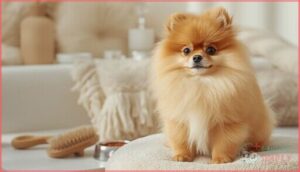
Behind that cloud of fluff lives a bold little companion who thinks it’s much bigger than its 3–7 pound frame. Pomeranian grooming demands your commitment—brush that double coat several times weekly to prevent tangles. When choosing the right small dog breed, consider these Pomeranian must-knows:
- They thrive on short training sessions with positive rewards
- Pet nutrition needs calorie-dense food in tiny portions
- Small dog health and wellness checks should monitor their delicate knees
This toy breed’s confident bark makes it an alert watchdog for any small companion role.
Maltese

Gentle affection in silk-white fur—that’s your Maltese. Weighing under 7 pounds, this breed offers calm companionship and enjoys routine brushing to keep its low-shedding coat immaculate. Maltese grooming pairs with calorie-dense pet nutrition in tiny servings to support small dog health and wellness.
When choosing the right small dog breed, consider these dog breed characteristics:
| Care Area | Maltese Need |
|---|---|
| Dog Training | Positive, patient sessions |
| Exercise | 20–30 minutes daily |
| Canine Health | Regular dental checks |
| Breed History | Ancient lap companion |
Bichon Frise
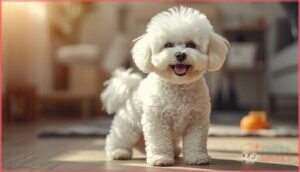
Your Bichon Frise brings cheerful, sociable energy wrapped in a hypoallergenic cloud. This Small Dog Breeds standout weighs 12–18 pounds and thrives on Dog Socialization with children and other Family Pets.
Regular Dog Grooming keeps the curly coat mat-free, while positive Training Methods build reliable manners.
Bichon Health benefits from daily 30-minute walks and Pet Care routines that include dental checks, making Breed-Specific Characteristics shine in apartment or house settings.
Affenpinscher

Where the Bichon bubbles with fluff, your Affenpinscher packs fearless personality into a wiry 7–10 pound frame. This Small Dog Breeds marvel sports a curious nature and loyal companionship that defies its toy stature.
- Affenpinscher Grooming demands weekly brushing to tame the rough coat
- Playful traits emerge during short, spirited training sessions
- Pet Care includes early socialization to channel bold, watchdog instincts
Small Dog Breeds Characteristics shine through confident, amusing antics.
Alaskan Klee Kai
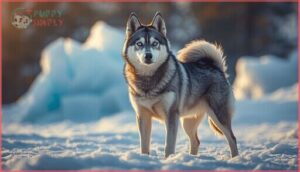
If Affenpinschers charm with terrier grit, your Alaskan Klee Kai brings Arctic Origins into Small Dog Breeds territory. This miniature husky look-alike stands alert and energetic, weighing 10–15 pounds depending on Klee Kai Size classification.
Alaskan History reveals Dog Breeding focused on companion traits, so Kai Training rewards curiosity with short, positive sessions.
Small Breed Comparison shows higher exercise needs than lap dogs, making Pet Care and Health routines active yet manageable.
Pembroke Welsh Corgi
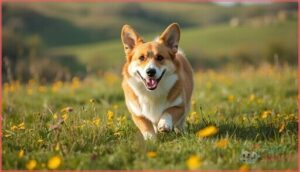
While Klee Kais bring northern energy, your Pembroke Welsh Corgi balances Herding Instincts with Small Dog Breeds Overview charm. Corgi History reveals royal favorites bred for cattle work, so Intelligent Training draws on:
- Quick cue response from working-dog lineage
- Moderate exercise preventing boredom behaviors
- Corgi Nutrition supporting sturdy, low frames
- Breed Standards emphasizing fox-like faces
- Pet Care and Health monitoring spine alignment
Dog Breeding favored bold personalities in compact bodies.
Jack Russell Terrier

Your Jack Russell may look small, but this Terrier packs high-octane energy and sharp instincts that demand active Pet Companionship. Terrier Training must channel intense prey drive through daily runs and puzzle games.
Dog Behavior specialists note that these small dogs thrive when given jobs—agility, fetch, or scent work prevent boredom and curb Breed-Specific Characteristics like digging and barking.
American Eskimo Dog
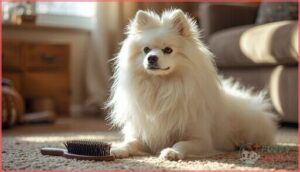
Beneath that cloud of white fur, your American Eskimo Dog hides a quick, clever mind that makes Eskimo Dog Training both rewarding and essential.
American Eskimo Grooming demands regular brushing to prevent mats in their thick double coat.
Dog Socialization Tips suggest early exposure to new people and pets, so this Small Breed companion stays friendly and confident rather than aloof with strangers.
Basenji

This compact hunter from Ancient Origins in Africa won’t bark like other dogs—your Basenji “yodels” instead. Their hunting style relied on stealth and speed across open terrain, shaping their gentle nature and alert independence.
Five hallmarks of this small breed:
- Compact Build under 18 pounds with a curled tail
- Cat-like grooming habits that keep them tidy
- High intelligence that demands mental challenges
- Moderate exercise needs with bursts of speed
- Breed-Specific Characteristics include wrinkled brows and unique vocalizations
Australian Terrier
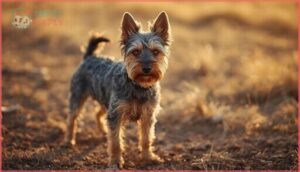
Your Australian Terrier packs spirited energy into a 14-pound frame, reflecting centuries of Australian history where these plucky dogs hunted snakes and guarded homesteads.
Breed standards call for a rough, weather-resistant coat that needs weekly terrier grooming.
Owner experiences reveal loyal companions that respond well to dog training when you use positive methods.
This small breed dog star thrives on mental challenges and brief outdoor adventures.
American Hairless Terrier

Your American Hairless Terrier offers a unique twist on small dogs—a sleek, bare-skinned companion that emerged from Rat Terrier lines through a spontaneous mutation in breed history. Hairless care demands sunscreen outdoors and gentle moisturizing, while terrier training and dog socialization shape this lively breed into a confident pet.
Terrier nutrition caters to their energetic metabolism, and breed-specific characteristics include minimal shedding, making dog breed selection easier for allergy-conscious homes seeking pet care and maintenance simplicity.
Rat Terrier
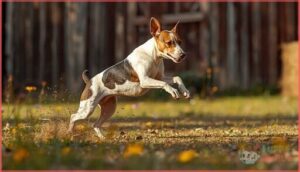
Your Rat Terrier brings scrappy farm-dog grit into a compact frame, with Rat Terrier history rooted in vermin control and agility that demands consistent terrier training.
Small breed nutrition fuels their boundless energy, while dog socialization tempers their bold streak. In breed comparison, they’re lower-maintenance than many toys yet need plenty of activity.
This small dog’s breed-specific characteristics—loyalty, alertness, and resilience—make dog breed selection rewarding when you match their drive with engaged pet care and maintenance.
Yorkipoo

While terriers bring tenacity, cross breeding Yorkshire Terrier genes with Poodle smarts creates the Yorkipoo—a hybrid valued for toy genetics that balance playfulness and trainability. Small training sessions work wonders with these keen learners. Yorkipoo grooming varies by coat type, and hybrid health usually benefits from genetic diversity.
When considering small breed dogs, this blend offers:
- Cheerful, adaptable temperament
- Moderate exercise needs
- Potential for low shedding
- Strong bond with owners
- Suitability for apartments
Dog breeding and care choices reflect pet ownership and responsibility.
Health and Care Needs for Small Breeds

Small dogs pack a lot of personality into a tiny body, but they also come with specific care needs that differ from larger breeds. From what you feed them to how you protect their teeth, understanding these differences helps you keep your small companion healthy for years.
Let’s walk through the key health and care considerations every small breed owner should know.
Nutrition and Feeding Requirements
Your small dog’s calorie intake depends on weight and activity level. A five-kilogram companion usually needs about 125 grams daily, split into two meals for steady energy. Feeding schedules matter—toy breeds may need several small portions to prevent low blood sugar.
Proper nutrient balance maintains canine health and wellness without dietary supplements when you choose AAFCO-approved food. Monitor meal portions using body condition scores—you should feel ribs with light pressure while seeing a visible waist. Adjust pet nutrition and diet by ten percent if weight shifts, keeping your small pet’s health on track.
| Nutrient | Adult Requirement |
|---|---|
| Protein | 18% dry matter basis |
| Fat | Moderately higher than large breeds |
| Treats | Maximum 10% daily calories |
| Meal Frequency | 2 meals, 8-12 hours apart |
Common Health Issues
Beyond nutrition, you’ll face breed-specific characteristics that impact small pet health. Heart problems like mitral valve disease affect nearly half of tiny companions, while joint diseases such as patellar luxation cause skipping gaits. Dental issues from crowding can harm kidneys and liver.
Eye care, skin allergies, and respiratory sensitivity in flat-faced breeds need ongoing attention to maintain canine health and wellness.
Dental Care and Grooming
Regular oral hygiene and coat grooming protect small dogs from preventable problems. Tooth brushing three to four times weekly reduces plaque on crowded teeth, while dental chews offer support between sessions. Grooming needs vary widely:
- Long coats need brushing several times weekly to prevent tangles
- Double coats require undercoat removal without shaving guard hairs
- Nail trimming every three to four weeks prevents joint strain
- Paw fur trimming improves traction indoors
- Regular face wiping controls tear staining
These breed-specific characteristics shape your grooming routine.
Lifespan and Veterinary Care
Longevity rewards proactive planning. Small dogs often reach 12 to 16 years with consistent veterinary checkups and preventive medicine. Annual exams catch age-related changes early, while senior dog care adjusts to mobility and organ function shifts. Pet insurance offsets unexpected costs. Healthy aging tips include weight management and dental cleanings to reduce systemic complications.
Breed-specific information guides tailored wellness plans that support dog health and animal welfare throughout every phase.
| Life Stage | Veterinary Care Focus |
|---|---|
| Puppy to Adult | Vaccinations, spay/neuter, baseline blood work |
| Middle Years | Dental cleanings, parasite prevention, weight monitoring |
| Senior | Organ screening, arthritis management, cognitive support |
Choosing The Right Small Dog for You

Picking the right small dog isn’t just about falling for a cute face. Your daily routine, living space, and who shares your home all play a role in finding a good match.
Let’s walk through the key factors that’ll help you choose a small breed you can truly thrive with.
Lifestyle and Space Considerations
Your daily routine and home setup matter more than square footage when you’re choosing a small dog breed. Think through these essentials before bringing home your new companion:
- Apartment living works beautifully for calm breeds, but high-energy terriers need daily outdoor walks beyond quick potty breaks.
- Space efficiency means clear floor area for play, not just room count.
- Urban planning details like stair access and nearby green space shape your dog’s quality of life.
- Home adaptation includes secure windows and balcony barriers to prevent falls.
Small dogs thrive in pet-friendly apartments when their exercise and mental stimulation needs match your lifestyle.
Family Compatibility
Successfully blending a small dog into your household depends on shared family dynamics and realistic pet integration plans. Examine your household schedules to see if everyone can share pet care tasks like feeding and walks.
Child safety requires close supervision during play, especially with fragile toy breeds. Choose companion animals with calm temperaments for families with young kids.
A pet-friendly lifestyle grows from honest conversations about responsibilities and socialization tips before bringing home small pets.
Training and Socialization Needs
Your small dog’s confidence starts with early puppy socialization between 3 and 16 weeks. Enroll in structured classes that teach dog obedience and canine communication through short, reward-based sessions.
Expose your pup to different people, sounds, and calm dogs to support social learning and prevent fear-based barking. Gentle handling of paws and ears now makes grooming easier later.
Behavioral training prevents pushiness, keeping small dog breeds’ characteristics charming instead of bossy.
Responsible Ownership Tips
Responsible pet ownership starts before you bring your new companion home. Here’s how to prepare:
- Pet safety tips: Secure household pet proofing by removing toxins and blocking escape routes, then register a microchip with current contact information.
- Canine health checks: Schedule veterinary visits within two weeks and maintain vaccination records year-round.
- Owner responsibilities: Commit to dog training methods using positive reinforcement and daily enrichment that honors small dog breeds’ characteristics.
Frequently Asked Questions (FAQs)
How do small breed dogs handle cold weather?
Most tiny pups lose body heat quickly because their surface area outpaces their volume.
That’s why you’ll notice shivering, lifted paws, or reluctance to move when temperatures drop below comfortable levels.
What are the best travel options for small breed dogs?
Air travel works best when your dog weighs under 15 pounds and stays calm in an approved carrier.
Car safety demands secured crates or harnesses, while pet hotels and train rides require advance booking.
How do small breed dogs interact with larger pets?
Picture a whippet racing past a Boston terrier: size difference shapes every interaction.
Socialization tips, safety measures, and understanding prey drive help you manage play style between companion animal benefits seekers sharing apartment living with pets.
Are there specific training challenges for small breed dogs?
Yes, small dog breeds face unique Animal Training hurdles. House Training can take longer, and Leash Manners require patience.
Clicker Training, Positive Reinforcement, and early Socialization Techniques help address Breed-Specific Characteristics effectively.
What are the best small dogs for first-time owners?
Cavalier King Charles Spaniels, Bichon Frises, and Havanese excel for Pet Ownership newcomers. Their gentle temperaments ease Dog Socialization, while forgiving training styles match Breed Selection priorities.
Owner Preparation stays manageable with moderate grooming and predictable Breed-Specific Characteristics.
Do small breed dogs bark more than larger breeds?
Barking patterns reflect canine communication more than size alone. Breed-specific characteristics and individual temperament shape noise levels and vocalization types—terriers often alert frequently, while some toy breeds stay quieter through consistent animal behavior and training.
Can small dogs live comfortably in cold climates?
Cold climate adaptation depends on coat type and breed-specific characteristics. Dense undercoats provide small dog insulation, but winter safety tips include protective gear, frostbite prevention measures, and monitoring for hypothermia risks in vulnerable canine companions.
How much does it cost to own a small dog annually?
Pet ownership responsibilities include annual supplies, food expenses, and veterinary costs that generally range from $500 to $2,
Toy breed budgets and ownership fees vary based on grooming needs and veterinary care requirements.
Conclusion
Picture your mornings with a small companion who mirrors your energy, fits your space, and thrives under your care. Small breed dogs deliver that match when you look past their size and focus on temperament, health patterns, and daily demands.
You’ve learned what separates terrier grit from lapdog loyalty, toy breeds from small companions, and grooming marathons from low-maintenance coats. Now skip the impulse adoption. Choose the dog whose needs align with the life you actually live.
- https://www.akc.org/dog-breeds/smallest-dog-breeds/
- https://www.wagbar.com/small-dog-breeds-guide-personality-care-and-urban-living
- https://muensterpet.com/blogs/blog/top-health-and-personality-traits-of-6-popular-small-dog-breeds
- https://onlinelibrary.wiley.com/doi/10.1111/jsap.13724
- https://www.aspcapetinsurance.com/resources/small-breed-dogs/