
This site is supported by our readers. We may earn a commission, at no cost to you, if you purchase through links.

Your dog turns their nose up at dinner, again, and you’re left wondering if you’re doing something wrong. That recurring cycle of vomiting, diarrhea, or those heartbreaking whimpers after meals tells you something’s off, but pinpointing the culprit feels like solving a puzzle with missing pieces.
Dogs with sensitive stomachs don’t just need any food—they need ingredients that soothe rather than irritate, proteins their systems can actually process, and nutritional support that rebuilds what’s been compromised. The right sensitive stomach dog food can transform your pup from a picky, uncomfortable eater into one who eagerly finishes their bowl without the digestive aftermath.
Understanding what triggers these reactions, recognizing the warning signs early, and knowing which formulas actually deliver on their promises makes all the difference between managing symptoms and finally addressing the root cause.
Table Of Contents
- Causes and Signs of Sensitive Stomachs
- Key Features of Sensitive Stomach Dog Foods
- How to Choose The Right Dog Food
- Top 10 Sensitive Stomach Dog Foods
- 1. Honest Kitchen Grain Free Dog Food
- 2. JustFoodForDogs Balanced Remedy Dog Food
- 3. Open Farm Digestive Health Dog Food
- 4. Hill’s Digestive Care Dog Food
- 5. Dr Harvey’s Canine Health Dog Food
- 6. Dr Harvey’s Canine Health Dog Food Base Mix
- 7. Royal Canin Digestive Care Dog Food
- 8. Purina Pro Plan Sensitive Skin Dog Food
- 9. Purina One Digestive Health Dog Food
- 10. Open Farm Ancient Grain Dog Food
- Tips for Managing Sensitive Stomachs in Dogs
- Frequently Asked Questions (FAQs)
- What is the best food for dogs that throw up a lot?
- Does sensitive stomach dog food help with diarrhea?
- What is the best dog food for a sensitive stomach?
- How to transition my dog to a new food?
- Can I feed my dog raw food for a sensitive stomach?
- What are the signs of a sensitive stomach in dogs?
- How to determine if a dog food is high-quality?
- Can stress cause sensitive stomach in dogs?
- Are homemade diets safe for sensitive stomachs?
- How long until new food shows results?
- Conclusion
Causes and Signs of Sensitive Stomachs
When your dog’s stomach acts up, figuring out what’s behind it can feel overwhelming at first. The good news is that sensitive stomachs usually follow recognizable patterns, with specific causes and telltale signs that point you in the right direction.
If you’re wondering whether certain foods like coconut might be contributing to the issue, it’s worth checking how your pup’s digestive system responds.
Let’s walk through what triggers digestive upset in dogs, which symptoms deserve your attention, and when it’s time to call your vet.
Common Causes in Dogs
Your dog’s sensitive stomach usually stems from one of three main digestive triggers that disrupt gut health and cause vomiting, diarrhea, or flatulence:
- Food sensitivities – Dairy, corn, wheat, or artificial additives trigger stomach disorders and digestion issues within hours of eating
- Infection risks – Parasites like Giardia cause dietary triggers leading to loose stools
- Medical conditions – Pancreatitis from high-fat meals produces severe abdominal discomfort
Dogs may also suffer from common health problems such as ear infections, internal parasites, and flea infestations that can contribute to digestive upset.
Symptoms to Watch For
Spotting gastro issues early helps you act before sensitive stomach issues worsen.
Watch for vomiting causes like bile after meals, diarrhea signs including mucus or blood in stool, and abdominal pain shown through whining or a hunched posture.
Loss appetite lasting over 24 hours, frequent flatulence, and digestion issues such as excessive drooling all signal your dog needs dietary attention or veterinary care.
Understanding the importance of recognizing serious disease symptoms early can help you protect your dog’s health.
When to Seek Veterinary Help
While some tummy troubles resolve on their own, certain urgent symptoms demand immediate veterinary care. If your dog shows these emergency care signs, don’t wait:
- Severe vomiting or diarrhea lasting over 24 hours despite dietary changes
- Blood in stool or vomit indicating serious gastrointestinal problems
- Collapse, difficulty breathing, or blue gums requiring canine first aid
- High fever above 103°F with trembling
Trust your instincts—vet visit signs matter.
Key Features of Sensitive Stomach Dog Foods
When you’re shopping for a dog food that won’t upset your pup’s stomach, certain features make all the difference between relief and continued discomfort. The right formula combines carefully selected ingredients, proper nutritional balance, and digestive support that caters to your dog’s specific needs.
Let’s look at the key features you should prioritize when choosing a sensitive stomach dog food.
High-Quality Ingredients

When you’re choosing dog food for sensitive stomachs, ingredient sourcing makes all the difference. Look for clearly labeled protein sources with traceable origins, and check that natural preservatives replace synthetic ones. You’ll want a proper omega balance, specific probiotic strains with CFU counts, and fiber sources that aid gentle digestion while maintaining nutritional balance and nutrient retention.
| Quality Indicator | What to Look For | Why It Matters |
|---|---|---|
| Protein Source | Species-specific labeling (chicken, salmon) with farm origin | Ensures digestibility and reduces mystery ingredients that trigger upset |
| Fiber Source | Whole grains, beet pulp, or psyllium with amounts listed | Promotes healthy gut movement without overwhelming sensitive systems |
| Omega Balance | Defined ratios of Omega-3 and Omega-6 from salmon or chicken fat | Reduces inflammation and promotes a calm digestive tract |
| Probiotic Strains | Specific strains like Lactobacillus with CFU counts per serving | Actively rebuilds beneficial gut bacteria for better nutrient absorption |
| Natural Preservatives | Tocopherols or rosemary extract instead of BHA/BHT | Protects nutrient retention without adding harsh chemicals that irritate |
AAFCO Nutritional Standards

Standard compliance protects your dog’s health through regulatory oversight that ensures nutritional balance. You’ll see “complete and balanced” label claims on AAFCO-compliant dog food for sensitive stomachs, verified through feeding trials or nutrient profiles that confirm proper protein, fat, and mineral levels for digestive health.
This framework gives you confidence that sensitive stomach management starts with proven, regulated formulas designed for your dog’s specific life stage.
Common Allergens to Avoid

Identifying food allergies and intolerances protects your dog’s intestinal sensitivity and digestive health. Here’s what you need to watch for on ingredient lists:
- Dairy allergens – milk, cheese, and yogurt often trigger vomiting or diarrhea in lactose-intolerant dogs
- Common proteins – beef, chicken, and eggs frequently cause food sensitivities in dogs with sensitive stomachs
- Grain sources – wheat and corn can provoke allergic reactions, making grain-free formulas beneficial for some dogs
- Artificial additives – synthetic colors, preservatives, and flavor enhancers may worsen digestive upset
Choose novel proteins like venison or duck when managing food allergies.
Beneficial Additives (Probiotics, Prebiotics)

Your dog’s digestive health depends on microbiome balance, which probiotics and prebiotics help restore. Probiotics introduce beneficial bacteria like Lactobacillus strains that improve stool consistency, while prebiotic sources such as inulin feed these microorganisms.
Some formulas include digestive enzymes to further boost nutrient breakdown and absorption. Synbiotic effects occur when you combine both additives, creating stronger gut health support than either alone.
Novel Protein Sources
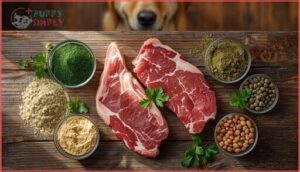
Novel protein sources like venison, duck, and emerging options help your dog avoid common allergens while meeting nutritional needs. Insect proteins, algae benefits, and plant proteins from peas or lentils offer digestible alternatives, particularly valuable in limited ingredient diets.
- Fermentation methods improve plant protein digestibility and reduce anti-nutritional factors
- Cell based and cultured proteins provide hypoallergenic profiles with precise amino acid composition
- Novel protein sources minimize cross-reactivity in dogs with multiple food sensitivities
How to Choose The Right Dog Food

Choosing the right food for your dog’s sensitive stomach isn’t something you should do alone. Your veterinarian plays a key role in identifying what’s causing the upset and guiding you toward the best nutritional approach for your dog’s specific needs.
Consult your veterinarian to pinpoint your dog’s digestive issues and find the best nutritional plan for their sensitive stomach
Once you’ve selected a new food, the way you introduce it and track your dog’s response will determine whether you’ve found the right fit.
Consulting Your Veterinarian
Your vet is your best partner when choosing dog food for sensitive stomachs—they’ll review your dog’s medical history and current symptoms to create a tailored digestive health management plan. Veterinary guidance might include stool tests, blood work, or imaging to pinpoint the root cause, plus prescription diets when needed.
Regular follow ups guarantee you’re on the right track.
| What Your Vet Does | Why It Matters | What You Gain |
|---|---|---|
| Reviews medical history | Identifies patterns in digestive issues | Tailored approach to treatment |
| Orders diagnostic tests (stool tests, blood work) | Uncovers hidden health problems | Accurate diagnosis, not guesswork |
| Recommends prescription diets | Provides clinical-grade nutrition | Faster relief for upset stomachs |
| Schedules follow ups | Monitors progress over time | Adjusted plan as your dog improves |
| Offers home care guidance | Keeps your dog safe between visits | Confidence in managing flare ups |
Transitioning to a New Diet
Switching dog food for sensitive stomachs too fast can backfire—your dog’s gut needs time to adjust during dietary phases, facilitating gut healing and preventing food intolerance. Here’s your meal planning roadmap for a smooth changeover that maintains nutrient balance and aids digestive health.
- Days 1–3: Mix 25% new dog food with 75% old food
- Days 4–6: Shift to 50% new, 50% old
- Days 7–9: Increase to 75% new, 25% old
- Day 10: Switch completely to 100% new diet
Monitoring Your Dog’s Response
Once you’ve made the switch, your real work begins—tracking how your dog’s digestive health responds. Watch for stomach comfort signs like firm stools, steady energy, and normal appetite during food trials.
Keep a simple log for reaction tracking: note any diarrhea, vomiting, or gas patterns. Gut wellness improvements usually show within seven to fourteen days, helping you confirm the new dog food aids their gut health.
Top 10 Sensitive Stomach Dog Foods
Now that you know what to look for in a sensitive stomach formula, let’s walk through ten trusted options that have helped countless dogs find relief.
Each food on this list meets strict nutritional standards while addressing common digestive triggers with carefully selected ingredients. You’ll find a range of formats and protein sources here, so you can choose what works best for your dog’s specific needs.
1. Honest Kitchen Grain Free Dog Food
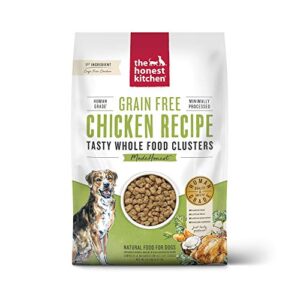
If your dog struggles with tummy troubles, The Honest Kitchen Grain Free Dog Food offers a human-grade solution that’s gentle on sensitive systems. You’ll appreciate that it uses cage-free chicken as its first ingredient, paired with wholesome oats and beneficial probiotics to support digestive health.
The dehydrated format requires adding water before serving, creating a texture similar to homemade meals that many picky eaters find appealing. While it’s pricier than conventional options, you’re getting complete nutrition without fillers, meat meals, or artificial preservatives.
| Best For | Dog owners with pets that have sensitive stomachs, food allergies, or those who want human-grade nutrition without fillers or artificial ingredients. |
|---|---|
| Brand | The Honest Kitchen |
| Primary Protein | Chicken |
| Food Form | Dry |
| Life Stage | Adult |
| Weight | 20.3 Pounds |
| Digestive Support | Probiotics |
| Additional Features |
|
- Human-grade ingredients with cage-free chicken, wholesome oats, and probiotics that support digestive health and overall wellness
- No fillers, meat meals, or artificial preservatives—just real, recognizable ingredients
- Easy to digest and customizable texture by adding water, making it ideal for picky eaters or dogs with sensitive systems
- Significantly more expensive than traditional dog food options
- Requires preparation (adding water) before serving, which takes extra time
- Some reports of packaging issues and dogs losing interest in the food over time
2. JustFoodForDogs Balanced Remedy Dog Food
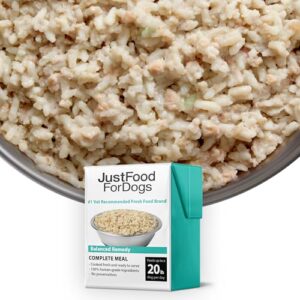
For dogs with especially troubled tummies, JustFoodForDogs Balanced Remedy takes a minimalist approach that often works wonders. You’ll find just one protein (ground turkey) and one starch (white rice), making it easier to pinpoint what your dog can tolerate.
The fresh, human-grade ingredients arrive gently cooked in shelf-stable packaging, so there’s no need for refrigeration until opened. It’s definitely an investment compared to kibble, but many owners report noticeable improvements in digestion, energy, and coat quality within weeks of switching.
| Best For | Dogs with persistent digestive issues or sensitive stomachs who need a simple, easily digestible diet with minimal ingredients. |
|---|---|
| Brand | JustFoodForDogs |
| Primary Protein | Ground Turkey |
| Food Form | Pate |
| Life Stage | Adult |
| Weight | 12.5 Ounces |
| Digestive Support | Low Fat Low Residue |
| Additional Features |
|
- Single protein and single starch formula makes it easy to identify and avoid food sensitivities
- Human-grade fresh ingredients gently cooked to preserve nutrients without artificial preservatives
- Shelf-stable packaging is convenient for travel and storage without refrigeration
- Significantly more expensive than traditional kibble or canned dog food
- Some customers report quality control issues like inconsistent ingredient mixing or packaging sizes
- Higher cost may not fit every dog owner’s budget for long-term feeding
3. Open Farm Digestive Health Dog Food
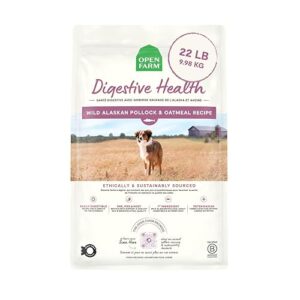
If your dog needs more than a simple limited-ingredient diet, Open Farm Digestive Health offers an advanced approach to gut wellness. The formula features wild Alaskan pollock as the first ingredient, paired with oatmeal and pumpkin for gentle digestion.
What sets it apart is the complete microbiome support—prebiotics, probiotics, and postbiotics work together to restore balance in your dog’s digestive system. It excludes common triggers like poultry, corn, and soy, while the fiber blend helps firm up stool quality naturally.
| Best For | Dogs with chronic digestive issues or sensitive stomachs who need comprehensive gut support beyond basic limited-ingredient formulas. |
|---|---|
| Brand | Open Farm |
| Primary Protein | Wild Alaskan Pollock |
| Food Form | Pellet |
| Life Stage | Adult |
| Weight | 21.9 Pounds |
| Digestive Support | Pre Pro Postbiotics |
| Additional Features |
|
- Complete microbiome support with prebiotics, probiotics, and postbiotics helps restore and maintain digestive balance
- Wild Alaskan pollock as the first ingredient provides easily digestible protein without common poultry allergens
- Excludes multiple potential irritants including corn, wheat, soy, peas, and artificial additives
- Significantly more expensive than standard dog food options
- Strong fishy smell can be off-putting for some owners
- Some dogs may still experience upset stomachs or refuse to eat it despite the digestive-focused formula
4. Hill’s Digestive Care Dog Food
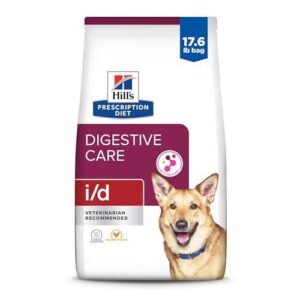
When digestive upsets strike regularly, Hill’s Digestive Care brings veterinary-backed relief to the table. This formula uses ActivBiome+ Digestion, a proprietary blend of prebiotic fibers that works alongside highly digestible chicken to settle your dog’s stomach quickly.
The added B vitamins and electrolytes help restore balance after bouts of diarrhea or vomiting, while omega fatty acids support skin health during digestive stress. Since it requires a veterinarian’s recommendation, you’ll get professional guidance on whether this clinical nutrition approach fits your dog’s specific needs.
| Best For | Dogs with chronic digestive issues or sensitive stomachs who need veterinary-supervised nutrition to manage frequent upsets and support long-term gut health. |
|---|---|
| Brand | Hill’s Prescription Diet |
| Primary Protein | Chicken |
| Food Form | Dry |
| Life Stage | Adult |
| Weight | 17.6 Pounds |
| Digestive Support | ActivBiome+ Digestion |
| Additional Features |
|
- ActivBiome prebiotic blend works with highly digestible chicken to quickly calm upset stomachs and improve nutrient absorption
- B vitamins and electrolytes help restore balance after digestive episodes while supporting immune health with clinically proven antioxidants
- Reduces crystal formation risk and promotes healthy skin with omega fatty acids during digestive recovery
- Requires a vet’s recommendation, adding an extra step and potential cost before you can purchase
- Premium veterinary formula comes with a higher price tag that may strain some budgets
- Some dogs reject the taste, and the bag can spoil within 2-3 weeks after opening without proper storage
5. Dr Harvey’s Canine Health Dog Food
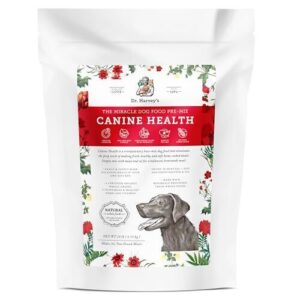
Full control over your dog’s protein source sets Dr Harvey’s Canine Health apart from traditional kibble. You’ll rehydrate this base mix of 6 organic whole grains and 9 dehydrated vegetables, then add your choice of meat and healthy oil to create a complete meal.
The 10-pound bag makes 66 one-pound servings, and since there aren’t any preservatives, dyes, or synthetic ingredients, you’re feeding exactly what you see. Many owners report firmer stools and improved digestion within days of switching.
| Best For | Dog owners who want complete control over protein sources and prefer whole-food ingredients without fillers or artificial additives. |
|---|---|
| Brand | The Honest Kitchen |
| Primary Protein | Customizable |
| Food Form | Dehydrated |
| Life Stage | All Life Stages |
| Weight | 10 Pounds |
| Digestive Support | 9 Vegetables 6 Grains |
| Additional Features |
|
- Choose your own protein source, making it ideal for dogs with allergies or specific dietary needs
- Makes 66 one-pound meals from a 10-pound bag, offering good value despite higher upfront cost
- Noticeable improvements in digestion, stool quality, and skin issues within days
- Requires meal prep time to rehydrate and add protein and oil for each feeding
- More expensive than traditional kibble options
- Not a complete meal on its own—you must add protein and healthy fats separately
6. Dr Harvey’s Canine Health Dog Food Base Mix
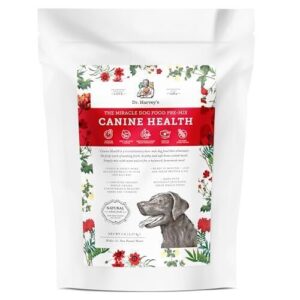
A base mix like Dr Harvey’s Canine Health offers you the building blocks for a truly customized meal, especially if your dog’s tummy is easily upset. You’ll spot real pieces of sweet potatoes, carrots, and rolled oats—no mystery powders here.
Simply add your own cooked or raw protein and a healthy oil, and you’ve got a meal that’s easy to digest and free from fillers or artificial additives. For pups with unique sensitivities, this flexibility can make all the difference.
| Best For | Dog owners who want complete control over their pet’s diet and need flexibility to accommodate allergies, sensitivities, or specific health conditions like kidney or liver disease. |
|---|---|
| Brand | The Honest Kitchen |
| Primary Protein | Customizable |
| Food Form | Dehydrated |
| Life Stage | All Life Stages |
| Weight | 5 Pounds |
| Digestive Support | 9 Vegetables 6 Grains |
| Additional Features |
|
- Full customization lets you choose the exact protein and oil, making it ideal for dogs with food sensitivities or allergies
- Real, recognizable ingredients like sweet potatoes and oats with no fillers, preservatives, or artificial additives
- One 5-pound bag stretches into 33 meals, offering good value despite the higher upfront cost
- Requires extra effort—you’ll need to add protein and oil yourself and follow prep instructions carefully
- More expensive per meal than regular kibble, which might not fit every budget
- Some dogs may turn their nose up at the taste, especially if they’re used to commercial food
7. Royal Canin Digestive Care Dog Food
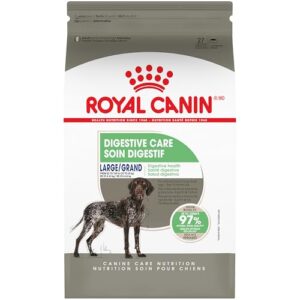
Royal Canin Digestive Care brings together carefully selected proteins and a balanced fiber blend to ease the workload on your dog’s gut. You’ll notice the kibble’s texture encourages slower chewing, which helps prevent gulping and bloating.
Prebiotics nourish beneficial bacteria, supporting long-term digestive harmony and more consistent stool quality. This formula skips common irritants, so it’s easier for sensitive stomachs to handle day after day.
Available in both dry and wet options, it fits smoothly into your pup’s routine without fuss.
| Best For | Large-breed dogs with sensitive stomachs who need gentle, highly digestible nutrition to support consistent stool quality and reduce digestive upset. |
|---|---|
| Brand | Royal Canin |
| Primary Protein | Highly Digestible Proteins |
| Food Form | Pellet |
| Life Stage | Adult |
| Weight | 30 Pounds |
| Digestive Support | Prebiotics Dietary Fibers |
| Additional Features |
|
- Combines prebiotics and digestible proteins to ease stomach sensitivity and promote healthier gut bacteria
- Kibble texture encourages slower eating, which helps prevent gulping and bloating in large dogs
- Available in both dry and wet formulas so you can customize meals based on your dog’s preferences
- Pricier than standard kibble, which can add up for large-breed feeding schedules
- Some dogs are picky and may need wet food mixed in to stay interested in their meals
- Wet food has a strong smell that can linger on your dog’s breath
8. Purina Pro Plan Sensitive Skin Dog Food
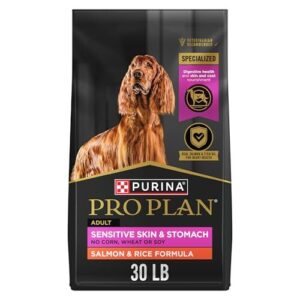
Purina Pro Plan Sensitive Skin brings real salmon to the top of the ingredient list, paired with oatmeal that’s gentle on tender digestive systems. You’ll find guaranteed live probiotics in every bite, supporting both gut balance and immune strength without corn, wheat, or soy to trigger reactions.
Sunflower oil delivers omega-6 fatty acids for healthy skin and a glossy coat, while the easy-to-digest formula reduces stomach upset and keeps stools firmer. It’s a reliable choice when your pup needs both digestive relief and skin support in one bowl.
| Best For | Dogs with sensitive skin and stomachs who need gentle, high-protein nutrition that won’t trigger digestive issues or allergic reactions. |
|---|---|
| Brand | Purina Pro Plan |
| Primary Protein | Salmon |
| Food Form | Dry |
| Life Stage | Adult |
| Weight | 30 Pounds |
| Digestive Support | Live Probiotics |
| Additional Features |
|
- Real salmon as the first ingredient provides quality protein while being easier on sensitive systems than chicken or beef
- Live probiotics support gut health and immune function, helping reduce digestive upset and firmer stools
- Omega-6 fatty acids from sunflower oil promote healthier skin and a shinier coat without common allergens like corn, wheat, or soy
- Higher price point at $77.48 for a 30 lb bag compared to standard dog food brands
- Some customers have reported quality control issues including finding bugs in the food
- May not completely resolve symptoms for dogs with severe food allergies or environmental sensitivities
9. Purina One Digestive Health Dog Food
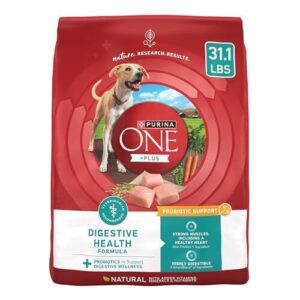
Real chicken leads the way in Purina ONE, combined with a SmartBlend of highly digestible ingredients that help your dog absorb nutrients more efficiently.
You’re getting probiotics in every bowl to balance intestinal flora and promote better stool quality, which makes a noticeable difference for dogs with sensitive stomachs.
The formula skips artificial flavors, preservatives, and unnecessary fillers, delivering essential vitamins and minerals instead. It’s a straightforward, veterinarian-recommended option that aids digestive comfort through consistent daily nutrition.
| Best For | Dog owners looking for a digestive-focused formula with real chicken and probiotics, especially if their adult dog has a sensitive stomach or occasional digestive issues. |
|---|---|
| Brand | Purina ONE |
| Primary Protein | Chicken |
| Food Form | Chunk |
| Life Stage | Adult |
| Weight | 31.1 Pounds |
| Digestive Support | Probiotics Enriched |
| Additional Features |
|
- Real chicken as the first ingredient with added probiotics for better digestion and nutrient absorption
- No artificial flavors, preservatives, or fillers—just clean nutrition with omega-6 for skin and coat health
- Supports multiple health areas including joints, immune system, and heart function in one formula
- Higher price point compared to standard dog food brands at around $50 for a 31-lb bag
- Some customers have experienced delivery issues and inconsistent product availability
- May not work for dogs with specific dietary restrictions—always check with your vet before switching foods
10. Open Farm Ancient Grain Dog Food
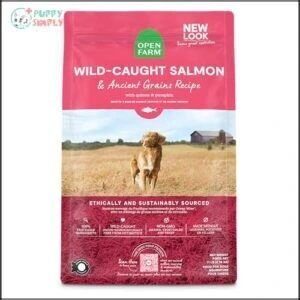
Open Farm brings ancient grains like oats, barley, and brown rice together with wild-caught salmon or humanely raised chicken, creating a digestible foundation that’s gentler on sensitive systems. You’ll appreciate the 90% animal protein content paired with non-GMO fruits, veggies, and gut-friendly superfoods like pumpkin and coconut oil.
Every ingredient is 100% traceable through their transparency tool, so you know exactly where each component originates. The oven-baked kibble preserves nutrients while delivering natural flavor that even picky eaters enjoy, supporting steady energy and comfortable digestion.
| Best For | Dog owners with pets who have sensitive stomachs or allergies, and those looking for high-quality, traceable ingredients with ancient grains and high animal protein content. |
|---|---|
| Brand | Open Farm |
| Primary Protein | Wild-Caught Salmon |
| Food Form | Pellet |
| Life Stage | All Life Stages |
| Weight | 11 Pounds |
| Digestive Support | Ancient Grains Superfoods |
| Additional Features |
|
- 90% animal protein from wild-caught salmon or humanely raised chicken with 100% traceable ingredients you can verify through their transparency tool
- Ancient grains like oats, barley, and brown rice combined with superfoods like pumpkin and coconut oil support healthy digestion and coat
- Suitable for all life stages from puppies to seniors, with oven-baked kibble that preserves nutrients and natural flavor
- Significantly more expensive than most other dog food brands on the market
- Some dogs may experience digestive issues like severe diarrhea or reactions due to potential cross-contamination with allergens like poultry
- No returns accepted for defective products, and not all dogs will enjoy the taste or texture
Tips for Managing Sensitive Stomachs in Dogs

Finding the right food is just one piece of the puzzle when you’re helping your dog overcome tummy troubles. You’ll also need to make some thoughtful adjustments to how and when you feed, along with keeping a watchful eye on what goes into your pup’s mouth throughout the day.
Here are four practical strategies that can make a real difference in managing your dog’s sensitive stomach.
Elimination Diet Strategies
When digestive health isn’t improving, an elimination diet can pinpoint food allergens causing trouble. Work with your veterinarian to create a diet planning strategy that removes suspected triggers one at a time.
Keep a symptom tracking journal documenting stool quality and energy levels for four to six weeks. This systematic approach helps identify which ingredients support gut health and nutrition balance in hypoallergenic formulas.
Consistent Feeding Routines
Once you’ve identified trigger ingredients, your dog’s digestive health thrives on predictability. Set a fixed feeding schedule with the same meal portioning at consistent times each day—this facilitates nutrient timing and helps your dog’s gut health anticipate digestion.
- Choose a calm feeding environment free from distractions
- Measure portions accurately to maintain stable dog nutrition and health
- Stick to your routine even on weekends to prevent stomach upset
Avoiding Table Scraps and Non-Food Items
Beyond maintaining a routine, protecting your dog’s digestive health means keeping human food out of reach. Table scraps like onions, garlic, and fatty foods can trigger toxic reactions or pancreatitis, while non-food items—coins, hair ties, plastic wrap—pose choking and blockage risks.
Pet-proofing your home with secure trash cans and childproof latches creates a safe feeding environment that promotes gastrointestinal health and prevents emergency vet visits.
Importance of Patience and Observation
Managing sensitive stomachs in dogs requires patient owners who track stool consistency and energy levels across several weeks, since digestive health responses can take two to six weeks to stabilize.
Create a calm environment with quiet meals at consistent times, use slow feeding techniques to reduce vomiting, and introduce gentle transitions between dog foods to support long-term gastrointestinal health.
Frequently Asked Questions (FAQs)
What is the best food for dogs that throw up a lot?
When your dog throws up frequently, the best approach starts with a limited ingredient formula featuring a single high-quality protein and easily digestible carbohydrates, ideally supplemented with probiotics for gut health.
Does sensitive stomach dog food help with diarrhea?
Yes, when loose stools stem from food sensitivities or gut irritation, specialized formulas with easily digestible proteins, probiotics, and limited ingredients can substantially improve stool consistency and support long-term digestive health in affected dogs.
What is the best dog food for a sensitive stomach?
Limited ingredient formulas with novel proteins like venison or duck work well for sensitive stomach issues in dogs, especially when paired with probiotics and easily digestible carbohydrates to support gut health.
How to transition my dog to a new food?
Start with a 25 percent new to 75 percent current ratio, then gradually shift toward 100 percent new food over five to seven days to protect gut health and maintain nutrient balance.
Can I feed my dog raw food for a sensitive stomach?
Raw food may support gut health in some dogs, but bacteria risk, nutrient balance challenges, and bone hazards demand careful vet supervision—especially when managing sensitive stomachs and canine digestive health complications.
What are the signs of a sensitive stomach in dogs?
Frequent flatulence, frustrating vomiting, and foul diarrhea flag digestive issues in dogs.
You’ll notice stomach discomfort through gurgling sounds, decreased appetite, and occasional skin irritation—all signs your dog’s gut health needs attention.
How to determine if a dog food is high-quality?
You’ll want to check the ingredient panel carefully, looking for named animal proteins at the top and an AAFCO statement confirming complete nutrition for your dog’s life stage.
Can stress cause sensitive stomach in dogs?
Yes, stress absolutely can cause sensitive stomachs in dogs. Anxiety disrupts the gut-brain connection, altering digestion speed, reducing stomach acid, and changing gut microbiota.
This leads to vomiting, diarrhea, and discomfort.
Are homemade diets safe for sensitive stomachs?
Homemade diet risks include nutrient balance challenges and food safety concerns, though specially designed recipes with veterinary guidance can work.
DIY nutrition planning requires careful attention to gut health, food allergies, and microbiome needs for sensitive stomachs.
How long until new food shows results?
Most dogs show digestive relief within one to two weeks after switching to a sensitive stomach formula, though stool quality often normalizes sooner—usually within three to seven days of completing the gradual switch.
Conclusion
Take Bailey, a golden retriever who spent two years cycling through countless foods before her owner discovered a limited-ingredient formula with hydrolyzed protein. Within three weeks, the vomiting stopped, her coat shined, and mealtime became something she actually enjoyed.
Finding the right food takes patience and observation, but watching your dog thrive again makes every careful ingredient label worth reading. Your pup deserves that same transformation.
- http://www.merckvetmanual.com/mvm/management_and_nutrition/nutrition_small_animals/nutritional_requirements_and_related_diseases_of_small_animals.html
- http://www.acvn.org/
- https://secure.balanceit.com/recipegenerator_ver4/index.php?
- https://www.thefarmersdog.com/diy
- https://www.thepetbeastro.com/dr-harveys-premix-dog-food-canine-health-10-lbs.html