This site is supported by our readers. We may earn a commission, at no cost to you, if you purchase through links.
Your dog’s body builds muscle tissue and maintains immune function through the protein in their bowl—but not all protein sources deliver the same nutritional punch. A chicken breast offers nearly 31 grams of complete protein per 100 grams, while many plant-based alternatives fall short on essential amino acids like taurine.
The difference matters more than you might think. Dogs process animal proteins differently than grains or legumes, with higher bioavailability for key nutrients like iron and zinc.
Whether you’re feeding a high-energy puppy who needs 32 percent protein or a senior dog requiring easily digestible options, understanding quality protein sources helps you make informed choices that support your dog’s specific needs at every life stage.
Table Of Contents
Key Takeaways
- Animal proteins, like chicken, beef, salmon, and eggs, deliver complete amino acid profiles with higher bioavailability than plant-based options, making them the most efficient choice for muscle maintenance, immune function, and overall canine health.
- Your dog’s protein needs shift throughout life—puppies require 22-32% for growth, adults need 18-25% for maintenance, and seniors benefit from 20-25% easily digestible protein to prevent muscle loss.
- Rotating protein sources (chicken, beef, salmon, novel meats like venison) reduces the risk of food sensitivities, provides broader nutrient diversity, and supports long-term gut health better than feeding a single protein indefinitely.
- Reading labels matters more than marketing claims—look for named animal proteins as the first ingredient, minimal fillers like corn or wheat, and avoid formulas heavy on synthetic additives or vague “meat by-products“.
Essential Protein Sources for Dogs
Your dog’s diet needs quality protein to support muscle development, energy, and overall health.
Different breeds have unique nutritional needs, so check out dietary requirements by breed to ensure your dog gets the right balance.
Animal-based proteins provide the most complete amino acid profiles for your pet’s nutritional needs. Let’s look at the most beneficial protein sources you can choose for your dog’s food.
Chicken – Benefits and Considerations
Chicken stands as one of the most reliable protein sources for dogs, delivering all essential amino acids your dog needs for muscle repair and growth.
You’ll find skinless chicken breast offers about 31 grams of protein per 100 grams cooked weight, making it a lean, high-quality protein choice. It’s easy on digestive health and provides phosphorus and selenium for bone strength and immune support.
Always serve plain, cooked chicken without bones to prevent choking hazards. For more on the health benefits of chicken, consult trusted dietary resources.
Beef – Nutritional Profile
Beef offers your dog 26 to 31 grams of high-quality protein per 100 grams cooked, complete with all essential amino acids for muscle maintenance.
What sets beef nutrition apart is its heme iron content—about 2 to 3 milligrams per serving—which your dog absorbs easily, preventing deficiency.
You’ll also get highly bioavailable zinc supporting immune function, plus B12, riboflavin, and niacin for energy metabolism. You can find more about essential vitamins and minerals that beef provides to support your dog’s health.
Salmon – Omega-3 and Protein Content
While red meats build muscle, fish brings something extra to your dog’s bowl. Salmon delivers 20 to 25 grams of animal protein per 100 grams—about 11 grams per 100 calories—plus roughly 2,000 milligrams of EPA and DHA omega-3 fatty acids per serving. That combination benefits your dog’s skin, coat, heart, and joints in ways other protein sources for dogs simply can’t match.
Salmon delivers complete protein plus omega-3s that support your dog’s skin, coat, heart, and joints unlike any other meat
Why salmon nutrition stands out for dog nutrition:
- Protein density meets fatty acids – You get complete amino acids alongside long-chain omega-3s your dog uses directly for whole-body health.
- Visible coat improvements – Regular salmon intake often produces a softer, shinier coat within weeks by promoting natural oil balance and healthy skin cell membranes.
- Anti-inflammatory aid – The EPA and DHA in fish oil help reduce skin inflammation and promote joint comfort in active or aging dogs.
Turkey – Lean Protein Option
If your dog needs fewer calories without cutting protein, turkey fits the bill perfectly. Turkey breast delivers about 26 grams of high-quality protein per 3.5-ounce serving with minimal fat—making it one of the leanest meats available.
You’ll also get zinc, selenium, and B vitamins that support energy metabolism. White meat turkey provides all nine essential amino acids your dog’s muscles need, with excellent protein digestibility and natural satiety that helps control portions between meals.
Lamb – Balanced Protein and Fat
When you’re looking for nutrient balance in your dog’s bowl, lamb stands out as a complete protein package. A three-ounce portion delivers roughly 23 grams of high-quality protein with all nine essential amino acids, plus monounsaturated fats that support coat health and digestive comfort.
Lean cuts offer exceptional protein balance, making lamb nutrition particularly valuable for maintaining muscle mass while managing fat content effectively.
Venison – Novel Protein for Sensitivities
If your dog struggles with itching or upset stomach after meals, venison benefits might offer the relief you’re seeking.
As a novel protein rarely used in commercial foods, venison provides excellent allergy management for food allergies and sensitivities. This lean red meat delivers complete amino acids with minimal allergen risk, making it ideal for sensitive stomach cases and digestive health support through elimination diets.
Bison – Lean Red Meat Alternative
When you’re searching for lean meats that pack nutritional punch, bison stands out as a lean protein powerhouse with roughly 25 percent fewer calories than beef.
This red meat alternative offers higher iron and zinc levels, greater omega-3 fatty acids, and complete amino acids your dog needs. Plus, sustainable farming practices make bison a responsible choice for conscientious pet parents seeking high-quality protein sources for dogs.
Duck – Nutrient-Rich Choice
When your dog needs variety beyond standard poultry, duck nutrition delivers a nutrient profile that’s both rich and well-rounded.
This animal protein stands out among protein sources for dogs because it provides:
- High-quality heme iron supporting red blood cell production and sustained energy levels
- Complete amino acids necessary for muscle maintenance and tissue repair
- Zinc and selenium boosting immune function and antioxidant defenses
- Omega-3 and omega-6 fatty acids promoting heart health and reducing inflammation
- B vitamins including niacin and riboflavin for metabolic support
Duck offers nutritional benefits that make it ideal for dogs with sensitivities to chicken or beef, while its digestive health advantages come from highly bioavailable protein that’s easily absorbed.
Eggs – Highly Digestible Protein
You won’t find a more complete protein package than eggs for your dog’s diet. With all nine essential amino acids in ideal amounts, eggs deliver near-perfect digestibility thanks to rapidly-absorbed albumin.
Whether boiled or poached, they provide lean, high-quality protein that promotes pet wellness without excess fat. Just watch for egg allergy signs when introducing this powerhouse protein source.
Animal-Based Vs Plant-Based Proteins
Not all protein sources work the same way in your dog’s body. Animal proteins provide a complete amino acid profile that closely matches what dogs need, while plant-based options often fall short in digestibility and nutritional completeness.
Here’s what you should know about each type and when they might fit into your dog’s diet.
Amino Acid Profiles in Animal Proteins
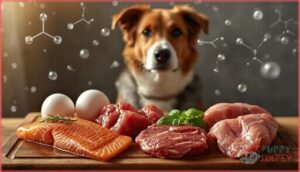
Animal protein sources stand out because they deliver essential amino acids your dog can’t make on his own. Eggs and dairy score highest for lysine, while beef and chicken balance methionine levels perfectly. Fish like salmon add leucine and omega-3s for muscle health. Think of it this way: blending different animal-based proteins gives your dog a complete amino acid profile that enhances everything from coat shine to strong muscles.
| Protein Source | Key Amino Acids |
|---|---|
| Eggs & Dairy | High lysine, methionine |
| Beef & Chicken | Balanced leucine, isoleucine |
| Salmon & Fish | Lysine, omega-3 fatty acids |
| Organ Meats | Boosts essential amino acids |
| Whey Protein | Rapid amino acid availability |
Digestibility and Bioavailability
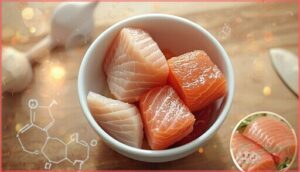
Having complete amino acids doesn’t mean much if your dog can’t absorb them. Protein absorption depends on intestinal transporters and digestive enzymes that break down proteins within six to eight hours. Highly digestible meats like lean poultry and fish deliver better amino acid bioavailability than heavily processed sources.
Gut health directly impacts nutrient uptake, so you’ll want proteins that support digestive health in dogs for ideal nutritional balance.
| Factor | Impact on Digestibility |
|---|---|
| Cooking Method | Preserves protein integrity |
| Particle Size | Affects enzyme access |
| Gut Microbiota | Enhances protein quality |
| Moisture Content | Improves nutrient release |
Limitations of Plant-Based Proteins for Dogs
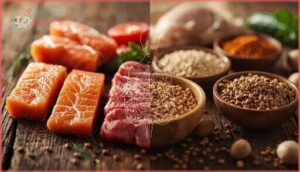
Plant proteins face real hurdles in dog nutrition. They’re lower in protein density per gram and often miss key amino acids like taurine, which promotes heart health. Your dog’s gut can struggle with the extra fiber, leading to gas or loose stools. Nutrient gaps mean you’ll likely need synthetic vitamins—B12, vitamin D, and omega-3s don’t naturally occur in plant sources.
| Limitation | Why It Matters |
|---|---|
| Incomplete Amino Acid Profiles | Requires multiple plant sources to meet canine needs |
| Lower Bioavailability | Iron and zinc absorption reduced without careful formulation |
| Higher Fiber Content | Increases stool bulk and may cause digestive issues |
| Synthetic Supplementation | B12, taurine, and vitamin D must be added artificially |
When to Consider Plant Protein Sources
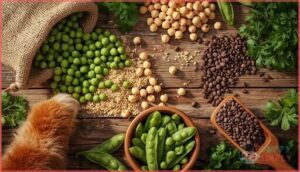
Despite the challenges, plant proteins have their place. Your dog might benefit when coping with food allergies, balancing gut health, or when you’re seeking sustainable sources. Protein blends combining plant and animal options can deliver phytonutrients while maintaining amino acid balance. It’s about strategic use, not replacement.
| Situation | Plant Option | Why It Works |
|---|---|---|
| Food allergies to chicken, beef | Pea protein, lentils | Novel proteins reduce allergic reactions |
| Digestive support needs | Chickpea, quinoa blends | Fiber aids gut motility and microbiome |
| Budget-conscious feeding | Soy or pea concentrates | Cost-effective when paired with animal sources |
| Ethical preferences | High-quality protein mixes | Sustainable sources meet values without sacrificing nutrition |
| Rotation diet plans | Mixed plant-animal formulas | Diversity prevents flavor fatigue and sensitivities |
Special Dietary Considerations for Protein

Not every dog has the same protein requirements. Your dog’s age, activity level, health status, and individual sensitivities all shape what they need from their food.
Let’s look at specific situations where protein needs change and how to adjust accordingly.
Protein Needs by Life Stage (Puppy, Adult, Senior)
Your dog’s protein needs shift as they move through puppyhood, adulthood, and their golden years. Understanding life stage feeding helps you make informed choices about canine health and nutritional balance.
Here’s what you need to know about protein sources for dogs at each stage:
- Puppy nutrition demands 22 to 32 percent protein to fuel rapid canine development and immune system strength.
- Adult maintenance usually requires 18 to 25 percent protein to preserve lean muscle and support daily energy needs.
- Senior health benefits from 20 to 25 percent easily digestible protein to counter age-related muscle loss.
- Small breeds need higher protein per pound than large breeds due to faster metabolism.
- Consult your veterinarian to tailor protein needs based on your dog’s unique life stage and body condition.
High-Protein Diets for Active and Working Dogs
Active dogs and canine athletes need 25 to 40 percent high protein dog food to meet energy needs and support muscle recovery.
Performance nutrition delivers complete protein sources for dogs—chicken, beef, salmon, and eggs—to fuel endurance and repair tissue after work. Protein requirements climb with intensity, so match protein rich foods to your dog’s activity level.
Novel protein sources help prevent sensitivities in working dogs on demanding schedules.
Managing Protein Intake in Kidney Disease
Managing protein intake becomes critical when kidney function declines. Your veterinarian will guide protein restriction customized to your dog’s renal health stage—usually 0.6 to 0.8 grams per kilogram for chronic kidney disease without dialysis nutrition support.
Dialysis nutrition requirements differ, often increasing to 1.0 to 1.2 grams per kilogram. Canine nephrology experts recommend complete protein sources for dogs like eggs and lean poultry for ideal dog nutrition and health.
Regular monitoring of dog health and wellness markers ensures pet nutrition advice protects kidneys while preventing muscle loss.
Food Allergies and Alternative Protein Sources
Food allergies often show up as itchy skin or digestive upset. Allergy testing helps identify triggers, letting you switch to novel proteins like venison, rabbit, or duck. Hypoallergenic diets with alternative protein sources work best when you stick to one protein initially.
Consider these sensitivity management strategies:
- Start protein rotation gradually after symptoms resolve
- Choose limited ingredient formulas for digestive health in dogs
- Avoid common allergens like chicken or beef during elimination trials
- Monitor reactions when introducing novel protein sources
Protein Requirements for Pregnant and Nursing Dogs
Pregnancy nutrition demands two to four times your dog’s normal protein intake to support fetal development and lactation support. You’ll need high-quality protein sources for dogs like chicken, beef, salmon, and eggs—each offering complete amino acid profiles essential for canine health.
Focus on nutrient balance by feeding multiple small meals daily, and consult your vet to tailor portions based on breed and litter size.
Tips for Choosing Quality Protein Dog Foods
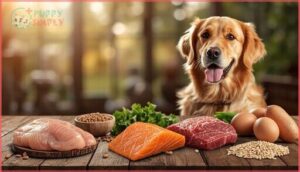
Not all dog foods are created equal, and reading the label is your first line of defense. You need to know what to look for beyond the protein percentage to guarantee your dog gets real nutrition, not just marketing hype.
Here’s what matters most when choosing quality protein-based foods.
Identifying Fillers and Additives
When you’re scanning pet food labels, look for ingredient quality by checking what comes after the main protein sources.
Filler ingredients like corn, wheat, and rice bulk up the bag but don’t improve dog nutrition. These regulatory compliance-required listings reveal additive risks too—anything you can’t pronounce deserves a second look.
High-quality protein means minimal junk diluting those essential dietary considerations your dog depends on.
Importance of Protein Diversity and Rotation
Rotating protein sources builds a stronger foundation for your dog’s health than sticking with one meat forever. Protein diversity delivers a fuller amino acid balance, enhances gut health through varied nutrients, and reduces the chance of food sensitivities developing over time.
- Cycle through chicken, beef, salmon, and novel protein sources like venison every few weeks
- Include both muscle and organ meats to optimize nutrient variety
- Track your dog’s energy and stool quality to gauge how well dietary flexibility is working
This approach gives you more control over long-term wellness while expanding access to high-quality protein and animal-based proteins your dog needs.
Consulting Your Veterinarian for Protein Guidance
Your veterinarian brings real expertise to canine health and diet planning that goes beyond online advice. They’ll perform a complete protein assessment customized to your dog’s life stage, activity level, and any conditions like kidney disease or allergies.
Here’s what pet care and wellness guidance covers:
| Assessment Area | Why It Matters |
|---|---|
| Dietary history and body condition | Identifies gaps in current protein sources for dogs |
| Lab work and monitoring | Tracks how well pet monitoring enhances health optimization |
| Food trial design | Tests novel proteins when sensitivities appear |
They’ll help you interpret labels, coordinate with veterinary nutrition specialists when needed, and adjust protein intake as your dog ages—turning dog nutrition into a partnership instead of guesswork.
Top Protein-Rich Dog Foods to Consider
You’ve learned what to look for in high-quality protein dog foods—now let’s talk about specific products that deliver on those standards.
The following options represent different protein sources, life stages, and dietary needs to help you find the right fit for your dog. Each one offers strong protein content with quality ingredients worth considering for your pet’s nutrition plan.
1. Purina Pro Plan High Protein Dog Food
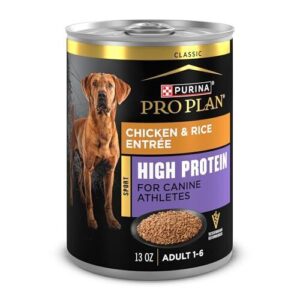
You’ll find Purina Pro Plan offers two solid high-protein options worth considering. Their wet formula delivers 13-ounce cans with real chicken as the first ingredient, containing 23 essential vitamins and nutrients.
For active dogs, the Sport Performance 30/20 formula provides 30% protein and 20% fat to fuel lean muscle and endurance. It includes EPA omega-3s and glucosamine for joint support during intense activity. Both options skip artificial colors and preservatives, making them straightforward choices for protein-focused feeding.
| Best For | Dog owners looking for a high-protein wet food that supports active lifestyles, immune health, and overall vitality with real chicken and essential nutrients. |
|---|---|
| Primary Protein | Chicken |
| Food Form | Wet |
| Age Range | Adult |
| Grain-Free | No |
| Artificial Additives | None |
| Weight/Size | 12 cans (13 oz) |
| Additional Features |
|
- Real chicken as the #1 ingredient with 23 essential vitamins and no artificial additives
- Versatile feeding options—works as a complete meal, topper, or between-meal treat
- Supports multiple health areas including immune system, heart health, and joint function
- Shipping issues with damaged or dented cans reported by some customers
- Price has increased over time and may vary between purchases
- Some dogs may not enjoy the taste or texture of the wet formula
2. I and Love and You Dog Food
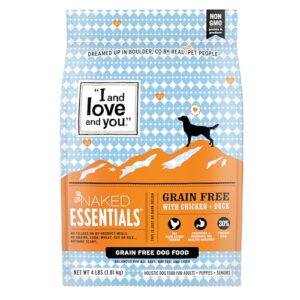
I and Love and You takes a different approach with grain-free formulas that pack 30-40% protein. You’ll see real meat—chicken, duck, or lamb—listed first on the label. Their Naked Essentials and Nude Food lines skip corn, wheat, and soy while adding probiotics to support digestion.
The 4-pound bags work well for testing new proteins with sensitive dogs. Some pups won’t touch it, and the kibble stays firm even when wet, so you might need to crush it for picky eaters.
| Best For | Dogs with food allergies or sensitivities who need high-protein, grain-free nutrition with digestive support. |
|---|---|
| Primary Protein | Chicken & Duck |
| Food Form | Dry |
| Age Range | Adult |
| Grain-Free | Yes |
| Artificial Additives | None |
| Weight/Size | 4 lbs |
| Additional Features |
|
- Real chicken and duck as primary ingredients with 30-40% protein and no fillers or artificial additives
- Includes prebiotics and probiotics to support healthy digestion and gut health
- Grain-free and gluten-free formula made with non-GMO ingredients
- Some dogs find the food unpalatable and won’t eat it
- Kibble stays hard even when wet, which may require crushing for picky eaters
- Smaller 4-pound bag size means more frequent purchases for regular feeding
3. Maev Raw Dog Food
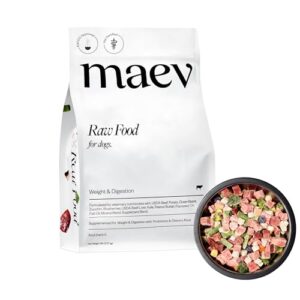
Maev ships human-grade USDA beef straight to your door in flash-frozen cubes. Each serving contains real organ meat, fresh vegetables like kale and zucchini, plus built-in supplements—probiotics for digestion, fish oil for coat health, and glucosamine for joints. You won’t need to defrost anything; just portion and serve.
The convenience comes at a price: $112 for 10 pounds. Some owners report quality inconsistencies, with more vegetables than expected and occasional shipping issues where packages arrive thawed.
| Best For | Dog owners who want convenient, human-grade raw food with built-in supplements and don’t mind paying premium prices for flash-frozen delivery. |
|---|---|
| Primary Protein | Beef |
| Food Form | Raw/Frozen |
| Age Range | Adult |
| Grain-Free | Yes |
| Artificial Additives | None |
| Weight/Size | 10 lbs |
| Additional Features |
|
- Flash-frozen cubes make serving easy—no defrosting needed, just portion and serve
- Complete nutrition in one package with probiotics, fish oil, and glucosamine already mixed in
- USDA human-grade beef with organ meat and fresh vegetables like kale and zucchini
- Expensive at $112 for 10 pounds compared to other raw food options
- Some customers report quality issues with more vegetables than meat in their batches
- Shipping problems can leave packages thawed on arrival, affecting freshness
4. Open Farm Grain Free Dog Food
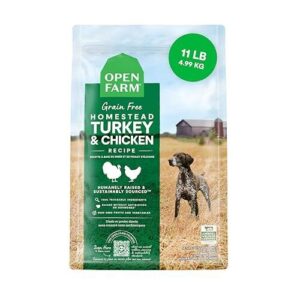
Open Farm grain free kibble delivers traceable chicken and turkey from farms that meet humane standards. You’ll find non-GMO vegetables like peas and pumpkin instead of corn or wheat, which can help if your dog reacts poorly to grains. The protein content sits above 30%, supporting active dogs without excess filler ingredients.
Expect to pay more—roughly $90 for 11 pounds. The oven-baked process preserves flavor, though some owners mention kibble size runs small for larger breeds.
| Best For | Dog owners who prioritize ethically sourced, grain-free nutrition and don’t mind paying premium prices for traceable ingredients. |
|---|---|
| Primary Protein | Turkey & Chicken |
| Food Form | Dry |
| Age Range | All Life Stages |
| Grain-Free | Yes |
| Artificial Additives | None |
| Weight/Size | 11 lbs |
| Additional Features |
|
- High protein content (over 30%) from humanely raised chicken and turkey supports active dogs
- Non-GMO vegetables replace common allergens like corn and wheat, helping dogs with sensitivities
- Transparent sourcing lets you trace ingredients back to specific farms
- Expensive at roughly $90 for 11 pounds compared to standard dog food brands
- Small kibble size may not satisfy larger breeds
- Some customers received bags with expiry dates approaching too soon
5. Acana Limited Ingredient Dog Food
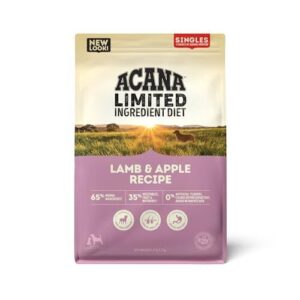
Acana Singles Limited Ingredient Diet zeroes in on one animal protein—duck, lamb, pork, or fish—to reduce allergen exposure if your dog struggles with common proteins. You’ll see fresh or raw meat near the top of the label, paired with lentils and peas instead of grains.
Each 4.5-pound bag costs around $25, reflecting North American sourcing and minimal processing. The freeze-dried liver coating boosts palatability, though some dogs find the kibble hard without soaking.
| Best For | Dogs with food sensitivities or allergies who need a simplified, high-protein diet with traceable ingredients. |
|---|---|
| Primary Protein | Lamb |
| Food Form | Dry |
| Age Range | Adult |
| Grain-Free | Yes |
| Artificial Additives | None |
| Weight/Size | 4.5 lbs |
| Additional Features |
|
- Single animal protein source reduces allergen exposure for sensitive dogs
- 65% animal ingredients with fresh or raw meat as primary ingredient
- Supports digestive health with fiber, prebiotics, and probiotics blend
- Higher price point at around $25 for 4.5 lb compared to mainstream brands
- Hard kibble texture may require soaking for some dogs
- Bags lack ziplock seal, making it harder to keep food fresh after opening
6. Purina Pro Plan Large Breed Dog Food
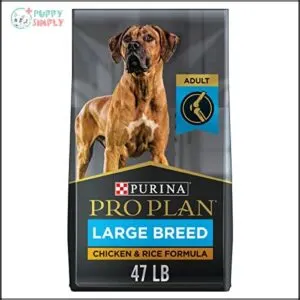
Purina Pro Plan Large Breed targets dogs over 50 pounds with real chicken as the first ingredient and a protein level around 26 percent. You’ll find glucosamine and EPA omega-3s to support joint cartilage and mobility—critical when extra weight stresses hips and knees.
The prebiotic fiber aids digestion, while calcium and phosphorus ratios protect bone health during growth or maintenance. A 47-pound bag runs less than many premium brands, though the size can complicate delivery. Check feeding guides carefully to prevent overfeeding in less-active pets.
| Best For | Owners of large breed dogs (50+ pounds) who want a high-protein formula that supports joint health and muscle conditioning without breaking the bank. |
|---|---|
| Primary Protein | Chicken |
| Food Form | Dry |
| Age Range | Adult – Large Breed |
| Grain-Free | No |
| Artificial Additives | None |
| Weight/Size | 47 lbs |
| Additional Features |
|
- Real chicken as the first ingredient delivers solid protein for muscle maintenance
- Glucosamine and EPA omega-3s help protect joints from the stress of carrying extra weight
- More affordable than most premium large-breed formulas while still offering complete nutrition
- The 47-pound bag can be awkward to handle and may cause delivery headaches
- Not ideal if your dog has specific dietary restrictions or sensitivities
- Easy to overfeed less-active dogs if you don’t follow the portion guidelines closely
7. Blue Buffalo Senior Dog Food
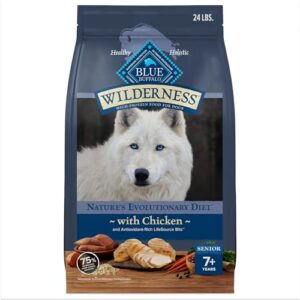
Blue Buffalo Senior places real chicken as ingredient number one and delivers 75 percent of protein from animal sources—exactly what aging muscle tissue needs. You’ll also find glucosamine and chondroitin to cushion joints, plus LifeSource Bits packed with antioxidants for immune support.
The formula skips chicken by-products, corn, wheat, and soy, though some dogs drink more water due to the dry texture. At 24 pounds, it costs more than standard options, but the nutrient balance promotes mobility without excess calories.
| Best For | Senior dogs who need high-quality protein to maintain muscle mass and joint support to stay active. |
|---|---|
| Primary Protein | Chicken |
| Food Form | Dry |
| Age Range | Senior |
| Grain-Free | No |
| Artificial Additives | None |
| Weight/Size | 24 lbs |
| Additional Features |
|
- Real chicken as the first ingredient with 75% animal-based protein for healthy aging muscles
- Glucosamine and chondroitin support joint health while antioxidant LifeSource Bits boost immunity
- No chicken by-products, corn, wheat, soy, or artificial additives
- Higher price point compared to many other senior dog food brands
- Dry kibble texture may cause some dogs to drink more water than usual
- Contains potential allergens like chicken and fish that may not suit all dogs
8. Ziwi Peak Lamb Dog Food
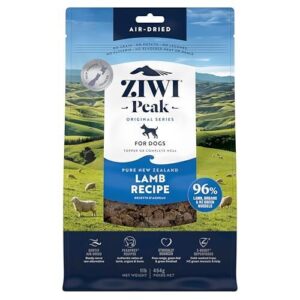
Ziwi Peak Lamb packs 96 percent lamb and organs into its air-dried formula—no fillers, just concentrated nutrition. You’re getting lamb tripe, lung, heart, liver, and bone alongside New Zealand green mussels for joint support.
The air-drying process preserves nutrients like a raw diet but processes more safely. It’s grain-free, ultra-low carb, and works as a complete meal or topper for all life stages.
The price runs high, and some dogs experience loose stools on an exclusive diet, but the single-protein focus suits sensitive stomachs.
| Best For | Dog owners seeking a high-protein, single-ingredient food for pets with sensitive stomachs or those wanting a nutrient-dense topper. |
|---|---|
| Primary Protein | Lamb |
| Food Form | Air-Dried |
| Age Range | All Life Stages |
| Grain-Free | Yes |
| Artificial Additives | None |
| Weight/Size | 16 oz |
| Additional Features |
|
- 96% lamb and organs deliver concentrated protein and nutrients without fillers or grains
- Air-dried processing keeps raw nutrition intact while being safer than unprocessed raw diets
- New Zealand green mussels support joint health, making it suitable for puppies through seniors
- Premium pricing makes it one of the more expensive dog food options available
- Some dogs develop diarrhea when fed exclusively, requiring gradual introduction or mixing
- Non-returnable policy means you’re stuck with it even if your dog won’t eat it
9. Portland Pet Food Dog Toppers
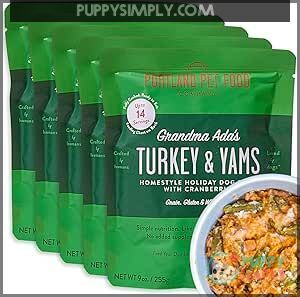
Portland Pet Food Dog Toppers won’t replace your dog’s kibble, but they’ll boost nutrition and flavor without the mystery ingredients. Each pouch lists 9 to 11 human-grade items—turkey, yams, Northwest salmon—all sourced from farms near Portland and gently cooked to keep nutrients intact.
They work well for picky eaters or seniors needing extra appeal at mealtime. The Turkey & Yams variety delivers B vitamins, zinc, and digestible protein. Cost runs steep, and some dogs show sensitivity to certain recipes, so introduce gradually.
| Best For | Dog owners looking for a clean-ingredient wet food topper to boost their pup’s kibble with real nutrition and appeal—especially helpful for picky eaters or seniors who need extra flavor. |
|---|---|
| Primary Protein | Turkey |
| Food Form | Wet |
| Age Range | All Life Stages |
| Grain-Free | Not Specified |
| Artificial Additives | None |
| Weight/Size | 3.14 lbs |
| Additional Features |
|
- Human-grade ingredients (11 or fewer per pouch) with full transparency—no fillers or mystery additives
- Shelf-stable and microwave-safe for easy storage and serving
- Packed with B vitamins, zinc, and antioxidants to support digestion, coat health, and overall wellness
- Pricey compared to standard wet food toppers
- Some dogs may react poorly to certain recipes—introduce slowly to test tolerance
- Won’t work as a standalone meal for most dogs, so you’ll still need to buy kibble
Frequently Asked Questions (FAQs)
How much protein does my dog actually need daily?
Most adult dogs need 18–25% protein daily for maintenance—roughly 1–2 grams per pound of body weight.
Puppies, seniors, and active dogs often require higher amounts to support growth, muscle preservation, and energy.
What are signs of protein deficiency in dogs?
Your dog may show muscle loss around the hips and shoulders, develop a dull or thinning coat, tire easily, heal slowly from wounds, or lose appetite despite maintaining normal weight.
Should I supplement with protein powder for dogs?
You might think more protein is better, but most healthy dogs don’t need powders.
A quality diet covers their needs.
Only consider supplements for recovery or underweight pups—after talking with your vet.
Conclusion
Here’s the irony: choosing quality protein sources for dogs isn’t about finding the single “best” option—it’s about matching your dog’s unique needs with the right combination.
That athletic shepherd thrives on different protein than your aging beagle. Your veterinarian can help you decode labels, identify sensitivities, and adjust percentages as your dog ages.
The protein that builds strong muscles today becomes the foundation for healthy years ahead.
- https://pangovet.com/talk-to-a-vet-online-dog-nutrition/?utm_source=hepper&utm_medium=article&utm_campaign=dog-nutrition&utm_content=good-protein-sources-for-dog
- https://www.ncbi.nlm.nih.gov/pmc/articles/PMC7143362/
- https://www.vetmed.ucdavis.edu/sites/g/files/dgvnsk491/files/inline-files/Vegetarian_Cats.pdf
- https://www.aafco.org/Consumers/pet-food-labeling/
- https://www.healthline.com/nutrition/12-omega-3-rich-foods