This site is supported by our readers. We may earn a commission, at no cost to you, if you purchase through links.

Your puppy’s upset stomach isn’t just uncomfortable—it’s responsible for nearly one-third of all veterinary visits during those critical first months. When your little one experiences frequent loose stools, vomits foamy yellow bile between meals, or suddenly turns their nose up at dinner, you’re witnessing more than typical puppy behavior. These symptoms point to a sensitive digestive system that needs specialized nutritional support.
The challenge? Most conventional puppy foods contain ingredients like beef, dairy, or chicken that trigger two-thirds of food sensitivity cases, making your choice of diet critical to your puppy’s comfort and development.
Finding the right formula means understanding which proteins your puppy can actually digest, which carbohydrates won’t upset their system, and how ingredients like prebiotics and omega fatty acids work together to build a stronger gut.
Table Of Contents
- Key Takeaways
- Signs Your Puppy Has a Sensitive Stomach
- Causes of Sensitive Stomachs in Puppies
- Key Ingredients in Sensitive Stomach Puppy Food
- Top 5 Puppy Foods for Sensitive Stomachs
- How to Transition Your Puppy to New Food
- When to Consult a Veterinarian for Digestive Issues
- Frequently Asked Questions (FAQs)
- How long should I feed sensitive stomach puppy food?
- Can I mix regular and sensitive stomach puppy foods?
- Are there home remedies for puppy stomach sensitivity?
- What treats are safe for puppies with sensitive stomachs?
- How do I transition from sensitive to regular puppy food?
- Can puppies outgrow sensitive stomach issues over time?
- Are grain-free diets better for sensitive stomachs?
- How does water quality affect puppy digestion?
- Should I feed smaller meals more frequently?
- Can stress during weaning cause long-term sensitivities?
- Conclusion
Key Takeaways
- Sensitive stomach issues affect nearly one-third of veterinary visits in puppies, with beef, dairy, and chicken triggering two-thirds of food sensitivity cases, making protein selection your most critical dietary decision.
- Effective sensitive stomach formulas combine easily digestible proteins like salmon or hydrolyzed options with gentle carbohydrates (white rice, oatmeal, sweet potato) and gut-supporting ingredients including prebiotics, probiotics, and omega-3 fatty acids.
- Transitioning to new food requires a gradual 10-14 day process for sensitive puppies, mixing increasing ratios of new to old food while monitoring stool quality and overall health for signs of digestive upset.
- Veterinary consultation becomes essential when symptoms include severe diarrhea lasting over 24 hours, bloody vomit or stool, dehydration signs, or persistent issues that don’t improve with dietary changes within two weeks.
Signs Your Puppy Has a Sensitive Stomach
When your puppy’s tummy isn’t quite right, they’ll usually let you know—though not always in obvious ways. Some signs show up in their stool or after meals, while others reveal themselves through behavior changes you mightn’t immediately connect to digestion.
Here’s what to watch for so you can catch sensitive stomach issues early and help your pup feel better.
Common Digestive Symptoms in Puppies
When your puppy’s gut health is off-balance, you’ll notice telltale signs. Puppy diarrhea—ranging from soft-serve consistency to frequent loose stools—is the most common red flag, affecting up to 30% of veterinary visits. Vomiting causes concern too, especially when foamy yellow bile appears between meals. Watch for excessive flatulence, gurgling stomach sounds, and decreased appetite.
These digestive issues signal your sensitive puppy needs digestive relief through proper nutrition and care. If your puppy is experiencing persistent gastrointestinal problems, it may be related to gastroenteritis issues.
Behavioral Indicators After Meals
Beyond physical symptoms, you’ll notice behavioral shifts that reveal stomach discomfort. Watch for these post-meal anxiety signs:
- Excessive licking of the abdomen right after eating
- Restlessness or pacing instead of settling down
- Hunched posture or reluctance to have their belly touched
- Eating aversions—approaching food hesitantly or refusing previously accepted meals
- Irritability or seeking extra comfort from you
These mealtime stress behaviors often signal your puppy needs digestive relief through gentler nutrition. Identifying digestive sensitivity issues is essential for providing the right care.
How to Identify Food-related Sensitivities
When behavior changes persist, identifying food allergies requires a different approach than you might expect. Food allergy tests through blood work aren’t reliable for diagnosing digestive issues in sensitive puppies—instead, veterinarians recommend an 8–12 week elimination diet trial.
You’ll feed a novel protein source exclusively, tracking gastrointestinal health daily. This method remains the benchmark for confirming food sensitivities and guiding nutritional counseling.
Causes of Sensitive Stomachs in Puppies

Your puppy’s sensitive stomach doesn’t just happen out of nowhere—there’s always something triggering those uncomfortable symptoms.
Understanding what’s behind the digestive upset is the first step toward finding the right food and giving your pup relief.
Let’s look at the most common culprits that can throw a puppy’s digestive system off balance.
Food Intolerances and Allergies
Your puppy’s tummy troubles might stem from immune system reactions to everyday proteins. Food allergies affect 1–2% of dogs, with beef, dairy, and chicken triggering roughly two-thirds of cases, while food intolerances occur without immune involvement—making allergen avoidance and dietary restrictions essential for sensitive puppies.
- Beef alone accounts for about one-third of canine food allergies
- Paw licking affects approximately 72% of dogs with confirmed sensitivities
- Gut health supplements and immune system support aid recovery
- Food allergy tests help identify triggers, though elimination diets remain primary benchmark
Dietary Indiscretion and Rapid Diet Changes
Curiosity drives many puppies to gobble down trash, plants, or stray objects—dietary indiscretion that triggers stomach upset in a significant portion of young dogs. Switching foods too quickly compounds digestive issues by disrupting gut health and nutrient balance before beneficial bacteria adapt.
You’ll minimize stomach issues by shifting gradually over 7–10 days, protecting your puppy from diet-related food allergies and digestive distress during dietary changes.
Parasitic Infections and Other Health Factors
Internal invaders like hookworms and Giardia account for parasites in roughly one-third of dogs, with younger animals facing even higher risk. These infections disrupt intestinal balance and trigger vomiting, diarrhea, and poor nutrient absorption—symptoms easily mistaken for food allergies or sensitive stomach issues.
Your vet’s fecal screening distinguishes parasitic causes from dietary triggers, ensuring you support your puppy’s digestive health and immune response with appropriate parasite control and puppy sensitive stomach food.
Key Ingredients in Sensitive Stomach Puppy Food
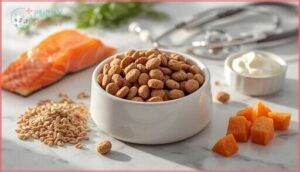
When you’re shopping for puppy food designed for sensitive stomachs, the ingredient list matters more than you might think. Certain proteins, carbohydrates, and supplemental ingredients can make all the difference between continued digestive upset and a happy, healthy pup.
Let’s look at the key components you’ll want to find on that label.
Easily Digestible Proteins
When your puppy’s stomach is on edge, choosing the right protein sources makes all the difference. High-quality animal proteins—like chicken, turkey, or salmon—offer outstanding digestibility, often exceeding 88%, which means your puppy’s system can absorb amino acids efficiently without taxing sensitive digestive health.
What makes protein truly digestible for puppies with sensitive stomachs?
- Fresh muscle meats deliver 28–34% higher digestibility than heavily processed meals
- Hydrolyzed proteins break down into smaller pieces, reducing allergic responses while maintaining nutrient balance
- Real salmon as the first ingredient provides gut health benefits and omega fatty acids
- Limited ingredient diets simplify protein sources, making it easier to identify triggers
Gentle Carbohydrates for Energy
The right carb sources deliver steady energy release without overwhelming sensitive puppies’ digestive health. White rice and oatmeal top the list—they’re bland, highly digestible, and keep fiber benefits balanced around 2–4%.
Sweet potato offers a gentler starch type with a lower glycemic impact, while whole grains like barley support gut health through soluble fiber that firms stools naturally in puppy sensitive stomach food formulas.
Prebiotics, Probiotics, and Digestive Enzymes
Think of your puppy’s gut as a bustling ecosystem—prebiotics feed the good guys, probiotics deliver reinforcements, and digestive enzymes break down the work.
Your puppy’s gut is an ecosystem where prebiotics feed good bacteria, probiotics reinforce them, and enzymes break down food
Studies show prebiotic supplements enrich beneficial bacteria like Bifidobacterium and boost butyrate production, firming stools naturally. Meanwhile, probiotic benefits include measurable drops in diarrhea scores and pathogen counts.
For puppies lacking pancreatic enzymes, enzyme therapy restores nutrient absorption, supporting microbiome balance and overall digestive health in sensitive stomach cases.
Omega Fatty Acids for Gut Health
Omega benefits extend beyond coat shine—EPA and DHA from fish oils actively calm gut inflammation and strengthen your puppy’s intestinal barrier. These fatty acid sources work alongside probiotic support to increase beneficial bacteria like Bifidobacterium, improving digestive health in puppies with sensitive stomachs:
- Reduces inflammation and aids mucus production for nutrient absorption
- Balances gut microbiome by decreasing harmful bacteria
- Enhances digestion when combined with digestive enzymes and probiotic supplements
Top 5 Puppy Foods for Sensitive Stomachs
Now that you know what to look for in a sensitive stomach formula, let’s talk about the actual products that deliver. I’ve narrowed down five puppy foods that check all the boxes—from easily digestible proteins to gut-supporting ingredients your puppy needs.
Here’s what made the cut and why each one stands out for delicate digestive systems.
1. Sensitive Stomach Puppy Food Salmon
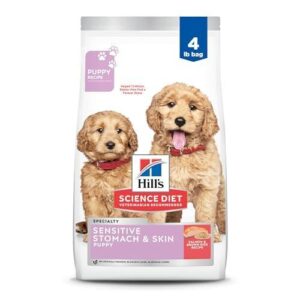
When your young dog’s tummy turns even the simplest meal into a battle, fish-based formulas often come to the rescue. Sensitive stomach puppy food salmon leverages easily digestible fish protein and naturally occurring omega-3s from fish oil to soothe inflammation and support gut health.
Clinical trials show hydrolyzed fish diets achieve exceptional digestive tolerance in dogs with chronic intestinal issues, making salmon nutrition a smart choice for sensitive puppies. You’ll notice firmer stools and less flatulence as your pup’s digestive health stabilizes on these gentle, purpose-built puppy food formulas.
Best For: Puppy owners dealing with loose stools, frequent tummy upsets, or skin irritation who want a gentle, fish-based diet that’s easy to digest and supports both gut health and coat quality.
- Clinical studies show hydrolyzed fish diets achieve 100% remission in dogs with chronic gut issues, plus you’ll see firmer stools and better fecal quality within weeks.
- Salmon delivers concentrated omega-3s (EPA and DHA) that calm inflammation, support brain development, and add shine to your puppy’s coat—all from one protein source.
- Prebiotic fiber feeds good gut bacteria while the formula skips common allergens like chicken, corn, and wheat, making it ideal for pups with multiple sensitivities.
- Price point runs higher than standard puppy kibble, and some owners question whether the premium cost matches the nutritional value for their specific dog.
- Contains chicken meal despite being a salmon formula, so it won’t work for puppies with confirmed chicken allergies.
- Mixed customer feedback on whether pups actually enjoy the taste and finish their bowls consistently.
2. Purina Sensitive Skin Puppy Food
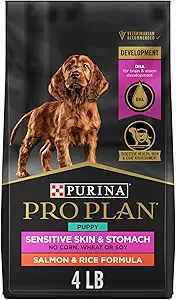
Purina Pro Plan Puppy Sensitive Stomach & Skin formula delivers targeted nutrition when your puppy struggles with food allergies or digestive upset. Real salmon leads the Purina ingredients list at 28% crude protein, while rice and oat meal provide gentle carbohydrate sources that won’t overtax sensitive puppies.
You’ll find natural prebiotic fiber from dried chicory root supporting intestinal bacteria, plus 18% crude fat with omega-6 fatty acids nourishing coat health.
This puppy sensitive stomach food tackles both digestive health and skin issues simultaneously—a practical solution for puppies showing multiple sensitivities.
Best For: Puppies with sensitive stomachs, itchy skin, or chicken allergies who need gentle nutrition that supports both digestive and skin health.
- Real salmon as the first ingredient provides 28% protein while addressing common food allergies
- Natural prebiotic fiber and easily digestible rice help firm up stools and reduce digestive upset within a week
- Omega-6 fatty acids and fish oil deliver visible improvements in coat quality and skin condition
- Unpleasant smell that some pet owners find off-putting
- Higher price point compared to standard puppy formulas, with inconsistent pricing across retailers
- May not work for all puppies with specific dietary needs beyond basic sensitivities
3. Blue Buffalo Puppy Food Basics

Blue Buffalo Basics Turkey & Potato formula strips away ingredient complexity, offering your sensitive puppy a single-animal-protein diet that eliminates common triggers like chicken, beef, and dairy. Deboned turkey anchors this recipe, while potatoes deliver gentle carbohydrate energy your puppy’s developing gut can handle.
You’ll appreciate the grain-free design paired with DHA for brain development and omega fatty acids supporting both digestive health and coat quality.
Blue Buffalo benefits extend to puppies showing skin and stomach sensitivities simultaneously, making this sensitive stomach diet a strategic choice for multi-symptom relief.
Best For: Puppies with food sensitivities or allergies who need a limited-ingredient diet that’s easy on sensitive stomachs and skin.
- Single animal protein (turkey) and no chicken, corn, wheat, or soy makes it easier to pinpoint and avoid allergens
- DHA and ARA support healthy brain and eye development during critical puppy growth stages
- Grain-free formula with potatoes offers gentle digestion for puppies prone to stomach upset
- Higher price point compared to standard puppy foods may not fit every budget
- Some puppies don’t love the taste, and others experience loose stools during transition
- Limited-ingredient approach means it may be overkill for puppies without actual sensitivities
4. Salmon Dog Food For Allergies
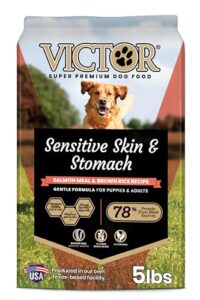
When turkey doesn’t solve your puppy’s food allergies and intolerances, salmon emerges as a powerful novel protein alternative. Hydrolyzed diets featuring salmon work by breaking proteins into fragments too small to trigger immune reactions—clinical trials document significant pruritus reduction in allergic puppies within four weeks.
This hypoallergenic dog food delivers allergy relief while providing fish oil rich in omega-3s that calm inflamed intestinal tissue.
For sensitive puppies showing both skin and digestive symptoms, salmon benefits extend beyond basic puppy sensitive stomach food to address underlying immune hypersensitivity.
Best For: Puppies with confirmed or suspected food allergies who haven’t responded to turkey-based diets and need a hypoallergenic protein source that also supports skin and digestive health.
- Hydrolyzed salmon protein breaks down into tiny fragments that are less likely to trigger allergic reactions, with clinical studies showing reduced itching and skin inflammation in most dogs within 4–8 weeks
- High in omega-3 fatty acids from fish oil, which naturally calm inflammation in both the gut and skin—helpful when your puppy has multiple allergy symptoms at once
- Avoids common allergens like chicken, beef, corn, wheat, and soy, making it a solid choice for elimination diets or long-term management of food sensitivities
- Some puppies may experience loose stools or diarrhea when first switching to salmon-based foods, especially if the transition isn’t gradual
- Hydrolyzed formulas and specialty hypoallergenic diets tend to cost more than standard puppy foods
- Not every dog improves on salmon—over half of allergic dogs in studies needed more than four weeks to show clear benefits, so patience and veterinary guidance are important
5. Purina Pro Plan Large Breed Puppy Food
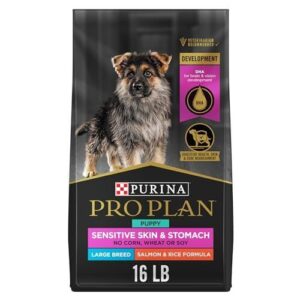
Growing large breed puppies face unique challenges—their rapid development strains digestive systems while demanding precise nutrition for healthy skeletal growth.
Purina Pro Plan Large Breed Nutrition caters to both needs with salmon-based sensitive stomach management that aids appropriate growth rates without overwhelming delicate guts. This breed-specific diet delivers DHA for brain development plus live probiotics that maintain stool quality in sensitive puppies.
Puppy food reviews consistently highlight its dual-action formula: digestive health and relief paired with controlled calcium-phosphorus ratios preventing joint disorders common in large breeds.
Best For: Large breed puppies with sensitive stomachs or skin issues who need controlled growth nutrition to protect their developing joints.
- Salmon and rice formula is gentle on sensitive digestive systems while live probiotics help maintain healthy stool quality
- Controlled calcium and phosphorus levels support safe skeletal development in breeds prone to joint problems
- Omega-rich fish oil provides DHA for brain and vision development plus fatty acids for healthier skin and coat
- Some puppies experience diarrhea or refuse to eat it despite the sensitive stomach formulation
- Higher price point compared to standard puppy foods makes it a bigger investment
- May not work for all food sensitivities—some owners report needing to switch to different brands or formulas
How to Transition Your Puppy to New Food
Switching your puppy to a new food isn’t something you should rush through, especially when dealing with a sensitive stomach. The key is making the change gradually so their digestive system has time to adjust without causing upset.
Let’s walk through the right way to shift your puppy’s diet, what to watch for during the process, and the mistakes that can set you back.
Step-by-step Transition Guidelines

Switching your puppy to new food requires patience and a gradual shift to protect their sensitive stomach. Start by mixing 25% new puppy sensitive stomach food with 75% current food for days 1–2. Increase to 50-50 by days 3–4, then 75% new food on days 5–6.
For puppies with stomach sensitivity, extend this food introduction to 10–14 days, adjusting your meal planning if digestive upset appears.
Monitoring Stool and Overall Health

During this shift, track your puppy’s stool quality daily using a simple scoring system—healthy stools should be firm, log-shaped, and easy to pick up.
Watch for health indicators like energy levels, appetite, and digestive balance. If you notice loose stools, vomiting, or lethargy lasting beyond 24 hours, these gastrointestinal health changes signal the need to slow down or pause your nutrition monitoring timeline.
Avoiding Common Transition Mistakes

Even small missteps during dietary changes can undo your hard work. To support your puppy’s nutrient balance and minimize digestive issues, avoid these common errors:
- Changing too much at once: Switching both puppy food brand and protein source simultaneously makes identifying food intolerance nearly impossible and triples the difficulty of pinpointing triggers in sensitive stomachs.
- Rushing gradual transitions: Puppies with digestive concerns need 10–14 days, not the standard week, for their digestive enzymes to adapt.
- Adding treats mid-switch: New snacks during dietary changes confuse the picture—stick with probiotic supplements if extra support is needed.
When to Consult a Veterinarian for Digestive Issues

While most sensitive stomach issues improve with the right diet, some digestive problems require professional attention. You’ll want to know the difference between normal adjustment symptoms and signs that something more serious is going on.
Let’s look at when it’s time to call your vet, what to expect during diagnosis, and how they’ll help create a feeding plan that works for your puppy.
Warning Signs Needing Professional Help
Some digestive issues demand immediate veterinary care, not home remedies. If your puppy experiences severe diarrhea for more than 24 hours, vomits blood, or shows dehydration signs like dry gums or sunken eyes, don’t wait. Abdominal pain, bloody stool, or collapse require emergency care.
While food sensitivities cause discomfort, these red flags signal serious gastrointestinal health crises needing urgent professional intervention.
Diagnostic Steps and Treatment Options
Your veterinarian will create a targeted treatment plan based on thorough diagnostic tests. After evaluating your puppy’s symptoms, they usually follow this approach:
- Complete blood work and urinalysis to rule out organ dysfunction or anemia affecting gastrointestinal health
- Multiple fecal examinations for parasites like whipworms causing sensitive stomach issues
- Abdominal imaging when physical signs suggest masses or intestinal problems
- Eight-week elimination diet trials to identify specific food sensitivities triggering digestive issues
This systematic veterinary care pinpoints root causes rather than just managing symptoms temporarily.
Personalized Dietary Recommendations
Once diagnostics reveal the underlying issue, your veterinarian will design a bespoke nutrition plan through detailed dietary assessment and nutrient profiling.
Individualized diets address your puppy’s specific triggers—whether that means specific feeding schedules, limited ingredient diet formulations, or hypoallergenic dog food options.
This specialized approach to puppy nutrition and health ensures the sensitive stomach puppy food you choose actually resolves symptoms rather than temporarily masking them.
Frequently Asked Questions (FAQs)
How long should I feed sensitive stomach puppy food?
Most puppies thrive on sensitive stomach formulas until they reach twelve months of age—right when their digestive systems mature.
Large breeds often need these gentle diets longer, sometimes extending to eighteen months during their extended growth phase.
Can I mix regular and sensitive stomach puppy foods?
Yes, you can mix them, but only through a gradual seven-to-ten-day shift. Start with 25% sensitive stomach food, increasing slowly to avoid diarrhea or vomiting—especially critical for puppies with sensitive stomachs.
Are there home remedies for puppy stomach sensitivity?
When mild digestive issues strike, short-term bland diets—boiled chicken with white rice—offer gentle relief.
Probiotic supplements, plain pumpkin for fiber therapy, and careful hydration tips support gastrointestinal health, though persistent symptoms warrant professional evaluation.
What treats are safe for puppies with sensitive stomachs?
For puppies with sensitive stomach issues, choose gentle rewards like limited ingredient treats featuring a single novel protein, or fiber-rich snacks containing pumpkin.
Probiotic treats support digestive comfort while maintaining a hypoallergenic dog food approach.
How do I transition from sensitive to regular puppy food?
Shifting to regular puppy food requires patience and a gradual approach. Mix increasing amounts of the new food with your current diet over 10 to 14 days, monitoring stool quality closely throughout.
Can puppies outgrow sensitive stomach issues over time?
Some digestive issues improve as your puppy’s gut maturation progresses and digestive enzymes develop, but true food allergies rarely resolve.
Nutritional therapy, with appropriate puppy sensitive stomach food, plus probiotic benefits, helps manage ongoing food tolerances concerns effectively.
Are grain-free diets better for sensitive stomachs?
Grain-free formulas don’t automatically ease digestive issues. Most puppies with sensitive stomachs respond better to limited ingredient diets featuring easily digestible proteins and probiotic support, rather than simply removing grains from their nutrition balance.
How does water quality affect puppy digestion?
Your puppy’s drinking water plays a surprisingly large role in gut health.
Water contamination from parasites like Giardia, chemical disinfectants altering digestive enzymes, and high mineral impact can all trigger sensitive stomach symptoms and digestive issues.
Should I feed smaller meals more frequently?
Like splitting firewood instead of hauling logs, dividing your puppy’s daily ration into three to four smaller meals reduces digestive burden, supporting stomach health and minimizing symptoms through strategic nutrient timing and careful dietary management.
Can stress during weaning cause long-term sensitivities?
Yes, stress during weaning can compromise gut health and microbiome development, potentially increasing sensitivity triggers later. Early immune system disruption may heighten risks for digestive issues and food allergies, making puppy sensitive stomach food essential.
Conclusion
Your puppy’s digestive comfort will shape their energy, growth, and quality of life for years to come. By selecting the right puppy food for sensitive stomachs—one built around novel proteins, gentle carbohydrates, and gut-supporting ingredients—you’re doing more than managing symptoms. You’re building resilience from the inside out.
Shift carefully, watch for improvement, and remember: digestive issues that persist beyond two weeks deserve veterinary attention. Your puppy’s healthiest days start with what fills their bowl.
- https://pmc.ncbi.nlm.nih.gov/articles/PMC4774851/
- https://www.adventureden.ca/best-dog-food-for-sensitive-stomach-compare-top-brands/
- https://v-dog.com/blogs/v-dog-blog/study-shows-meat-dairy-are-most-common-allergens-in-dogs
- https://pubmed.ncbi.nlm.nih.gov/39955592/
- https://www.poochandmutt.co.uk/blogs/nutrition/what-best-food-dogs-with-sensitive-stomachs