This site is supported by our readers. We may earn a commission, at no cost to you, if you purchase through links.

Your puppy’s frequent vomiting and loose stools aren’t just messy inconveniences—they’re red flags that their digestive system can’t handle their current diet. Up to 30% of puppies experience food-related gastrointestinal distress during their first year, often triggered by specific proteins, grains, or additives their developing gut simply can’t process.
When standard puppy formulas contain 15 to 20 different ingredients, identifying the culprit becomes a frustrating guessing game. That’s where specialized puppy food brands for sensitive stomachs come in, offering limited ingredient formulas with hydrolyzed proteins and digestive support that target the root cause rather than masking symptoms.
The right food doesn’t just stop the diarrhea—it transforms your puppy’s comfort, energy levels, and long-term digestive health.
Table Of Contents
- Key Takeaways
- Causes of Sensitive Stomachs in Puppies
- Key Ingredients for Sensitive Puppy Diets
- Signs Your Puppy Needs Sensitive Stomach Food
- Top Puppy Food Brands for Sensitive Stomachs
- Tips for Transitioning to Sensitive Stomach Foods
- Frequently Asked Questions (FAQs)
- What is the best food for a puppy with a sensitive stomach?
- What is the #1 vet recommended puppy food?
- What dog food won’t give puppies diarrhea?
- Can puppies outgrow sensitive stomach issues over time?
- Are homemade diets better for sensitive puppy stomachs?
- How long until new food shows improvement?
- Should I give supplements alongside sensitive stomach food?
- Can treats worsen my puppys digestive problems?
- Conclusion
Key Takeaways
- Limited ingredient formulas with single protein sources like salmon, turkey, or hydrolyzed chicken reduce gastrointestinal upset in puppies by eliminating common allergens and making it easier to identify specific dietary triggers.
- Transitioning to sensitive stomach food requires a 10-day gradual process, mixing increasing ratios of new food with old food (starting at 25% new), while monitoring stool quality to prevent worsening digestive issues.
- The most effective puppy foods for sensitive stomachs combine easily digestible proteins with probiotics like Lactobacillus and prebiotic fiber to restore gut balance, with most puppies showing stool improvements within 3-7 days.
- Veterinarian-recommended brands like Purina Pro Plan, Natural Balance L.I.D., and Blue Buffalo offer specialized formulas with DHA for brain development, moderate fat content below 12%, and no artificial additives that commonly trigger vomiting or diarrhea.
Causes of Sensitive Stomachs in Puppies
Your puppy’s sensitive stomach doesn’t appear out of nowhere. Understanding what triggers digestive upset helps you choose the right food and avoid preventable discomfort.
Choosing nutritionally balanced food designed for small breeds can make a real difference in managing these sensitivities.
Let’s look at the three main categories of causes that can affect your puppy’s gastrointestinal health.
Common Dietary Triggers in Puppy Food
Food allergens often sit at the heart of your puppy’s digestive issues. Protein sensitivities to beef, chicken, or dairy can trigger vomiting and diarrhea, while grain intolerances from wheat or corn cause bloating and loose stools. Additive reactions to artificial colors and preservatives like BHT irritate sensitive stomachs further. For a thorough overview of, consult veterinary sources for additional insight.
- Common protein triggers: Beef, chicken, eggs, and soy provoke gastrointestinal upset in susceptible puppies
- Grain-based culprits: Wheat and corn contribute to food allergies and persistent digestive issues
- Hidden irritants: Artificial additives and preservatives disrupt gastrointestinal health in young dogs
Health Conditions Affecting Digestion
Beyond food allergies and intolerance, underlying health conditions often drive your puppy’s digestive issues. Inflammatory bowel disease causes chronic diarrhea and nutrient malabsorption, while gastrointestinal infections from parvovirus or bacterial pathogens trigger sudden vomiting.
Pancreatic insufficiency reduces digestive enzymes, leading to poor absorption and weight loss. Intestinal malabsorption syndromes prevent proper nutrient uptake, compromising gastrointestinal health and stunting growth in young dogs. Understanding the importance of regular screening and early detection can help in managing and preventing GI issues.
Environmental and Genetic Factors
Your puppy’s digestive issues don’t always stem from the food bowl alone. Genetic predisposition makes certain breeds more vulnerable to food intolerance, while environmental toxins like pesticides disrupt gut microbiome balance.
Maternal nutrition during pregnancy shapes enzyme production, and epigenetic factors influence how your pup’s gut develops. Consider these contributors:
- Breed-specific genetic sensitivities affecting canine nutrition
- Pesticide exposure altering intestinal lining
- Stress from housing conditions worsening gut health
- Early-life maternal diet impacting digestive enzyme development
Key Ingredients for Sensitive Puppy Diets

When your puppy’s stomach is constantly upset, the ingredient list on their food bag matters more than you might think. Certain proteins, carbohydrates, and additives can either soothe or irritate their developing digestive system.
Let’s look at what you should seek out—and what you need to avoid—when choosing a sensitive stomach formula.
Easily Digestible Protein Sources
When you’re choosing food for your pup with digestive issues, lean animal proteins like chicken, turkey, and fish deliver the fastest protein absorption and highest nutrient bioavailability. Hydrolyzed proteins break down even quicker, easing gut health management. Egg provides complete amino acid profiles your puppy needs.
For sensitive stomach support, pair digestible proteins with probiotics in a limited ingredient diet to improve digestion speed and reduce discomfort.
| Protein Source | Digestion Speed | Key Benefit |
|---|---|---|
| Chicken & Turkey | Fast | Lean, easily absorbed |
| Hydrolyzed Protein | Very Fast | Pre-broken amino acids |
| Egg | Fast | Complete amino profile |
Grain Vs. Grain-free Options
Grain inclusive dog food delivers steady carbohydrate sources like brown rice and barley, offering fiber that often promotes digestive health in puppies with sensitive stomachs.
Grain free alternatives replace grains with legumes or potatoes, sometimes increasing protein density but potentially causing softer stools. Your puppy’s individual response determines which option provides better nutrient balance—monitor stool quality when choosing between grain free diets and limited ingredient diet formulas.
Role of Probiotics and Fiber
Frequently, probiotics introduce beneficial bacteria like Lactobacillus and Bifidobacterium that balance your puppy’s gut health and reduce diarrhea episodes. Fiber source ingredients act as prebiotic foods, feeding good bacteria while producing short-chain fatty acids that strengthen intestinal walls.
Many puppy food brands for large breed puppies now combine these probiotic strains with targeted DHA levels to support both digestive balance and cognitive development during critical growth phases.
- Probiotics improve stool consistency in sensitive stomach puppies
- Fiber supplements support nutrient absorption and bowel regularity
- Together they create digestive enzymes that enhance gut health
- This synergy reduces sensitivity to dietary changes
Ingredients to Avoid
Artificial additives like BHA and BHT irritate sensitive stomachs, while dairy triggers including lactose and whey provoke vomiting in puppies with ingredient intolerance.
Meat byproducts and grain fillers such as processed corn offer minimal nutrition and worsen stool quality. Soy allergens commonly cause food allergies and intolerances, making limited ingredient diets or grain free formulas safer choices for digestive comfort.
Signs Your Puppy Needs Sensitive Stomach Food

Recognizing when your puppy needs specialized nutrition isn’t always straightforward. Some signs are obvious, like frequent vomiting or diarrhea, while others—such as food refusal or excessive gas—can be easy to miss.
Here’s what to watch for in your puppy’s digestion, behavior, and overall health.
Digestive Symptoms to Watch For
Your puppy’s digestive issues often show up in visible, measurable ways. Frequent loose stools or diarrhea lasting over 24 hours can signal gut health problems and may lead to dehydration.
Vomiting more than once daily, especially green or yellow bile, indicates stomach irritation. Watch for abdominal bloating or distention—these vomiting causes and diarrhea management concerns require immediate veterinary evaluation to prevent complications from food allergies or canine digestive issues.
Behavioral Cues and Eating Patterns
Your puppy’s meal pacing reveals hidden gut health struggles before symptoms appear. Puppies finishing dog food in under two minutes risk bloating, while delayed eating often signals discomfort with their current puppy food formula.
- Eating rhythms: Consistent meal times prevent begging and support stable digestion
- Food preferences: Sudden flavor changes may indicate exploratory eating rather than true sensitive stomach issues
- Satiety signals: Tail lowering and head turning away mark fullness—key for portion control in feeding environments
When to Consult Your Veterinarian
Persistent vomiting beyond 12 hours demands urgent veterinary care—don’t wait if blood appears in stool or vomit. Schedule routine health checkups at 8 and 12 weeks to monitor gastrointestinal health and weight patterns.
Persistent vomiting beyond 12 hours or blood in stool requires urgent veterinary care—don’t wait
Telemedicine uses include non-urgent symptom monitoring, but emergency care requires in-clinic vet visit signs like dehydration, bloating, or refusal to drink for over 12 hours.
Top Puppy Food Brands for Sensitive Stomachs
Finding a puppy food that won’t upset your little one’s stomach can feel overwhelming with so many options on shelves. The good news is that several brands have developed specialized formulas with limited ingredients, gentle proteins, and digestive support specifically for sensitive puppies.
Here are seven veterinarian-recommended brands that consistently help puppies with digestive concerns thrive.
1. Natural Balance Salmon Puppy Food
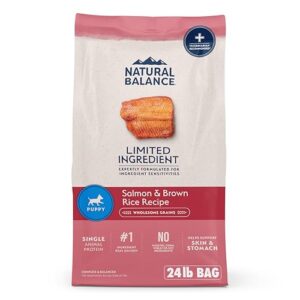
Natural Balance L.I.D. Salmon & Brown Rice Puppy Formula stands out as a veterinarian-recommended option for young dogs with digestive sensitivities. You’ll find real salmon as the first ingredient, providing approximately 24% crude protein to support muscle development.
The formula includes brown rice for digestible fiber and DHA for cognitive growth. With its limited ingredient approach—no soy, gluten, or artificial additives—this food helps you identify potential allergens while maintaining complete nutrition. The small kibble size accommodates developing jaws in growing puppies.
| Best For | Puppy owners looking for a simple, clean diet that’s easy on sensitive stomachs and supports healthy growth without unnecessary fillers. |
|---|---|
| Primary Protein | Salmon |
| Grain Status | Limited Ingredient |
| Bag Weight | 24 lbs |
| Brain Development Support | DHA Included |
| Manufacturing Origin | Not Specified |
| Digestive Support | Brown Rice Fiber |
| Additional Features |
|
- Real salmon as the main ingredient delivers quality protein and omega fatty acids for healthy skin and coat
- Limited ingredient formula makes it easier to pinpoint food sensitivities or allergies in growing puppies
- Includes DHA for brain development and small kibble sized perfectly for puppy mouths
- Some puppies may be picky about the salmon flavor and refuse to eat it
- Limited ingredient approach might not provide enough variety for puppies without specific dietary needs
- Bags sometimes arrive damaged during shipping, according to customer reports
2. Orijen Grain Free Puppy Dog Food
While salmon offers digestible protein, some puppies need an even higher protein density.
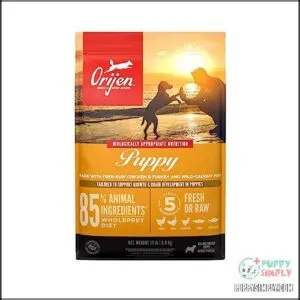
Orijen Grain Free Puppy delivers 38% crude protein from fresh or raw chicken, turkey, wild-caught fish, and cage-free eggs. You’re feeding a WholePrey diet that includes muscle meat, organs, and cartilage—mimicking what puppies would consume in nature.
With 20% crude fat and only 15% carbohydrates, this formula promotes lean growth without grain-related sensitivities. The freeze-dried liver enhances palatability while maintaining nutrient density for ideal digestion.
| Best For | Puppy owners who want a high-protein, grain-free formula that mirrors a natural diet with fresh poultry, fish, and organ meats for optimal growth and development. |
|---|---|
| Primary Protein | Chicken & Turkey |
| Grain Status | Grain-Free |
| Bag Weight | 13 lbs |
| Brain Development Support | Brain Health Support |
| Manufacturing Origin | USA |
| Digestive Support | WholePrey Organs |
| Additional Features |
|
- 85% fresh or raw ingredients deliver 38% protein and 20% fat for lean muscle development
- WholePrey approach includes organs and cartilage for complete, nutrient-dense nutrition
- Grain-free recipe with only 15% carbs helps puppies with sensitivities digest food easily
- Higher price point compared to standard puppy foods
- Transition period may cause temporary digestive upset or loose stools
- Some puppies may be picky eaters and reject the taste
3. Blue Buffalo Puppy Food Turkey Recipe
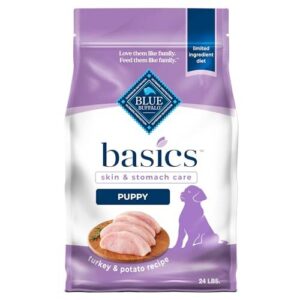
If your puppy can’t tolerate poultry from multiple species, you’ll want a single animal protein source. Blue Buffalo’s Turkey Recipe uses deboned turkey as the first ingredient, paired with brown rice and oats for gentle digestion.
This formula includes DHA for cognitive development and omega fatty acids from fish oil and flaxseed to support healthy skin. The small-bite kibble promotes tartar removal while delivering 24-pound bag options—ideal for puppies requiring limited protein exposure without sacrificing essential growth nutrients.
| Best For | Puppies with poultry sensitivities who need a single-protein diet that still supports healthy growth and brain development. |
|---|---|
| Primary Protein | Turkey |
| Grain Status | Grain-Free |
| Bag Weight | 24 lbs |
| Brain Development Support | DHA & ARA |
| Manufacturing Origin | Not Specified |
| Digestive Support | Gentle Digestion Formula |
| Additional Features |
|
- Real turkey as the first ingredient with no chicken by-products, corn, wheat, or soy
- Includes DHA and ARA for brain and eye development during critical puppy growth stages
- Small-bite kibble designed to help reduce tartar buildup while being easy for puppies to chew
- More expensive than many other puppy food brands on the market
- Some buyers report receiving bags with punctures or packaging issues
- May not work for all puppies, as some owners have noted digestive issues or food intolerance
4. Acana Grain Free Puppy Dog Food
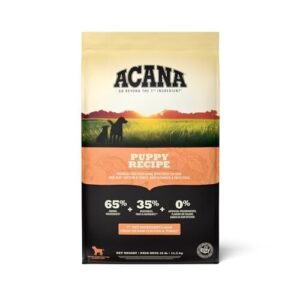
For grain-sensitive puppies, Grain Free Puppy Food centers on free-run chicken and turkey with 65% animal ingredients. You’ll get EPA and DHA from flounder to support brain development, plus whole fruits and vegetables that deliver digestive fiber without wheat or corn.
The freeze-dried coating boosts palatability for picky eaters, while the protein-dense formula (usually around 30-35% crude protein) fuels rapid growth. Expect to pay premium pricing for this 25-pound bag, but many owners report improved stool quality and reduced tear staining within weeks.
| Best For | Puppy parents looking for a grain-free, high-protein option to support brain development and digestive health in growing dogs with potential sensitivities. |
|---|---|
| Primary Protein | Chicken & Turkey |
| Grain Status | Grain-Free |
| Bag Weight | 25 lbs |
| Brain Development Support | EPA & DHA |
| Manufacturing Origin | USA |
| Digestive Support | Fruits & Vegetables |
| Additional Features |
|
- 65% animal ingredients (free-run chicken, turkey, eggs) deliver protein-dense nutrition for rapid puppy growth
- EPA and DHA from flounder and fish oil support brain development during critical early months
- Freeze-dried coating and whole fruits/vegetables improve palatability while promoting digestive health and reducing tear stains
- Premium pricing makes it significantly more expensive than standard puppy food brands
- Some puppies refuse to eat it due to taste or smell preferences, and return policies may be restrictive
- Not suitable for all food allergies despite being grain-free, so check ingredients carefully for your puppy’s specific sensitivities
5. Taste Of The Wild Puppy Food
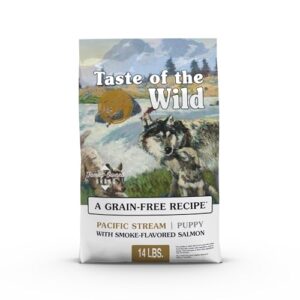
You’ll find two formulas worth considering: Pacific Stream uses smoke-flavored salmon as the #1 ingredient, while High Prairie features roasted bison and venison. Both deliver 27% protein to promote joint and muscle growth in puppies.
The grain-free recipes replace wheat with sweet potatoes, and proprietary K9 Strain probiotics aid digestion alongside dried chicory root prebiotic fiber. DHA from fish oil enhances brain development, and many owners notice firmer stools within two weeks.
The 14-pound Pacific Stream bag runs $39.99.
| Best For | Puppy owners looking for a high-protein, grain-free formula that supports muscle development and digestive health, especially for active breeds or pups with sensitive stomachs. |
|---|---|
| Primary Protein | Salmon |
| Grain Status | Grain-Free |
| Bag Weight | 14 lbs |
| Brain Development Support | Not Specified |
| Manufacturing Origin | USA |
| Digestive Support | Probiotics & Prebiotics |
| Additional Features |
|
- Real salmon as the first ingredient with 27% protein to build strong muscles and bones
- Contains K9 Strain probiotics and DHA for better digestion and brain development
- Many owners report firmer stools and improved coat quality within two weeks
- Higher price point at $39.99 for 14 pounds compared to standard puppy foods
- Some puppies may need a gradual transition period or dislike the smoke-flavored taste
- Grain-free formulas aren’t necessary for all dogs and may not suit every puppy’s needs
6. Purina Pro Plan Sensitive Puppy Food
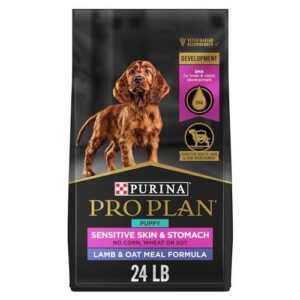
You’ll recognize Pro Plan Sensitive by its lamb-first ingredient list paired with easily digestible oat meal—no corn, wheat, or artificial colors. The formula provides DHA from omega-rich fish oil to support brain and vision development, while guaranteed live probiotics and natural prebiotic fiber strengthen your puppy’s immune system and digestive tract.
Omega-6 fatty acids and vitamin A nourish sensitive skin, and calcium plus phosphorus build strong bones. The 24-pound bag costs more than budget options, but veterinarians frequently recommend this line for digestive comfort.
| Best For | Puppies with sensitive stomachs or skin who need a gentle, highly digestible formula that supports immune health and development. |
|---|---|
| Primary Protein | Lamb |
| Grain Status | Contains Oat Meal |
| Bag Weight | 24 lbs |
| Brain Development Support | DHA from Fish Oil |
| Manufacturing Origin | Not Specified |
| Digestive Support | Prebiotic Fiber & Probiotics |
| Additional Features |
|
- Lamb and oat meal formula is easy on sensitive digestive systems
- DHA from fish oil supports brain and vision development during critical growth phases
- Live probiotics and prebiotic fiber promote healthy digestion and immune function
- More expensive than most standard puppy food brands
- 24-pound bag size may be too large for owners of single small-breed puppies
- Won’t address all potential food sensitivities or allergies beyond the formula’s scope
7. Nutro Ultra Puppy Dog Food
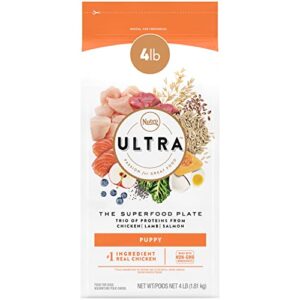
Nutro Ultra Puppy blends chicken, lamb, and salmon into a trio-protein formula that delivers a broader amino acid profile for growing muscles. You’ll find real chicken listed first, backed by whole grains and rice derivatives for steady energy and digestive support.
The 4-pound bag includes glucosamine and chondroitin for joint health, plus DHA to promote brain development. Superfoods like chia, kale, and blueberries add antioxidants for immune strength, though some puppies may grow finicky after extended use—monitor your pup’s appetite and stool quality closely.
| Best For | Puppy owners looking for a multi-protein formula with added superfoods to support growth, brain development, and overall health in small to medium breeds. |
|---|---|
| Primary Protein | Chicken, Lamb & Salmon |
| Grain Status | Contains Grains |
| Bag Weight | 4 lbs |
| Brain Development Support | Brain Development Support |
| Manufacturing Origin | Not Specified |
| Digestive Support | Healthy Digestion Support |
| Additional Features |
|
- Triple protein blend (chicken, lamb, salmon) provides diverse amino acids for muscle development
- Includes DHA for brain development plus glucosamine and chondroitin for joint support
- Packed with superfoods like chia, kale, and blueberries for immune system strength
- Not suitable for large breed puppies that will reach 70 lbs or more as adults
- Some puppies may become picky eaters and refuse the food after prolonged use
- May contain trace amounts of GMO material due to cross-contact during manufacturing
8. Solid Gold Small Breed Dog Food
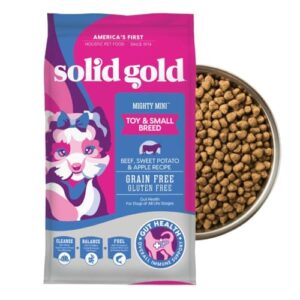
Solid Gold Mighty Mini targets toy and small breed puppies with sensitive digestion through grain-free kibble sized for tiny mouths. Real beef leads the ingredient panel, delivering muscle-building protein alongside probiotic Bacillus coagulans for gut balance.
You’ll notice omega fatty acids from salmon oil and flaxseed to support skin hydration and coat shine. The 4-pound format includes dried chicory root as a prebiotic and pea fiber for stool regularity, though switch gradually—some puppies experience loose stools during the first week of feeding.
| Best For | Small breed dog owners looking for grain-free kibble with probiotics to support sensitive stomachs and digestive health. |
|---|---|
| Primary Protein | Beef |
| Grain Status | Grain-Free |
| Bag Weight | 4 lbs |
| Brain Development Support | Not Specified |
| Manufacturing Origin | Not Specified |
| Digestive Support | Probiotics & High Fiber |
| Additional Features |
|
- Real beef as the first ingredient provides quality protein for muscle development
- Includes probiotics and prebiotics to promote healthy digestion and gut flora
- Omega fatty acids support immune health, skin hydration, and a shiny coat
- May cause diarrhea or upset stomach during the transition period if not switched gradually
- Contains pea fiber, which some pet owners prefer to avoid
- Lower fat content may not provide enough energy for highly active dogs
Tips for Transitioning to Sensitive Stomach Foods
Switching your puppy to a new food isn’t something you should rush through—going too fast can make digestive issues worse instead of better.
The key is introducing the sensitive stomach formula gradually while keeping a close eye on how your puppy’s body responds. Here’s how to switch safely without triggering another round of stomach upset.
Gradual Diet Changes to Prevent Upset

Switching dog food abruptly can trigger stomach upset and food intolerance in puppies with digestive health challenges. You’ll protect your puppy’s gut health and maintain nutrient balance during diet change by following these proven steps:
- Mix 25% new food with 75% old food for days 1-3
- Increase to 50-50 ratio for days 4-6
- Shift to 75% new food for days 7-9
- Complete the switch to 100% new sensitive stomach formula by day 10
Add probiotics to support dietary restrictions throughout the process.
Monitoring Stool Quality and Digestion

Your puppy’s stool reveals how well their sensitive stomach tolerates new dog food. Track color, consistency, and frequency daily during the switch—Bristol Scale types 3-4 signal healthy digestion efficiency and nutrient absorption. Pale or loose stools indicate gut health monitoring concerns requiring probiotics or veterinary fecal examination.
| Stool Color Analysis | What It Means | Action Needed |
|---|---|---|
| Brown, firm sausage | Ideal digestive health | Continue current diet |
| Yellow or gray | Poor fat absorption | Consult veterinarian |
| Green or mucus-filled | Rapid transit or inflammation | Monitor for 48 hours |
Adjusting Feeding Amounts and Schedules

Once stool quality stabilizes, fine-tune portion control and meal timing to match your puppy’s digestive rhythm. Feed 3 to 4 smaller meals daily—dividing 2 to 3% of body weight evenly prevents canine digestive issues and aids steady caloric intake.
- Split sensitive stomach dog food into breakfast, midday, and evening portions
- Adjust feeding frequency during growth spurts by 10–20%
- Keep meal timing consistent within a 1–2 hour window
- Track weight weekly to calibrate puppy food amounts
- Reduce evening portions if fullness or overnight discomfort appears
Frequently Asked Questions (FAQs)
What is the best food for a puppy with a sensitive stomach?
The best food features a single, easily digestible protein source like hydrolyzed chicken or salmon, moderate fat content, gentle carbohydrates such as rice, and probiotics—all designed to minimize gastrointestinal upset in growing puppies.
What is the #1 vet recommended puppy food?
Veterinarians frequently recommend Purina Pro Plan for its balanced nutrition and digestibility.
The formula features real chicken as the first ingredient, providing easily absorbed protein that promotes healthy gastrointestinal function in growing dogs.
What dog food won’t give puppies diarrhea?
Look for formulas with fat content below 12 percent and fiber under 6 percent in dry foods.
Limited-ingredient diets featuring novel proteins like lamb or salmon reduce the risk of food intolerance-related diarrhea.
Can puppies outgrow sensitive stomach issues over time?
Many puppies do outgrow sensitive stomach issues as their digestive systems mature, usually by 12-18 months.
However, food intolerance factors and underlying canine digestive issues may persist, requiring ongoing sensitive stomach remedies.
Are homemade diets better for sensitive puppy stomachs?
Homemade diets can work for puppies with sensitive stomachs, but you’ll need veterinary guidance to guarantee proper nutrient balancing.
Without specially designed recipes, you risk deficiencies that harm growth and digestive health.
How long until new food shows improvement?
You’ll usually notice stool improvements within 3 to 7 days when switching to a sensitive stomach puppy food, though full gastrointestinal health stabilization may require 2 to 4 weeks of consistent feeding.
Should I give supplements alongside sensitive stomach food?
Supplements aren’t always necessary if you’ve chosen a complete formula. However, probiotics can support gut health and digestive enzymes may help break down nutrients—consult your veterinarian before adding dietary additions.
Can treats worsen my puppys digestive problems?
Yes, treats can trigger digestive problems. High-fat content, novel proteins, or artificial preservatives may cause diarrhea and vomiting. Choose limited-ingredient, low-fat options and introduce gradually to protect gut sensitivity.
Conclusion
Your puppy’s digestive comfort depends on one coincidence: finding the right formula that matches their unique gut chemistry. Armed with these seven puppy food brands for sensitive stomachs, you’ve eliminated the guesswork.
Monitor stool consistency during transitions, watch for improved energy levels, and don’t hesitate to consult your veterinarian if symptoms persist beyond two weeks. The right formula doesn’t just stop the vomiting—it builds the foundation for lifelong gastrointestinal resilience and ideal nutrient absorption.
- https://dogfoodadvisor.com/dog-food-reviews/we-feed-raw/
- https://maevinc.sjv.io/GKO3k9
- https://pangovet.com/?utm_source=dogster&utm_medium=article&utm_campaign=dog-nutrition&utm_content=best-puppy-foods-for-sensitive-stomachs
- https://www.akc.org/expert-advice/news/peas-linked-dcm-canine-heart-disease/
- https://www.petmd.com/blogs/nutritionnuggets/dr-coates/2015/february/all-fiber-not-same-32501