This site is supported by our readers. We may earn a commission, at no cost to you, if you purchase through links.

Your puppy’s first year shapes everything from bone density to brain development—and the food you choose drives those outcomes. First-time owners face a crowded market where every brand claims to be “complete and balanced,” yet nutrient profiles vary wildly between formulas.
Some deliver the high-quality proteins and essential fatty acids puppies need for healthy growth, while others fall short on bioavailable nutrients despite impressive ingredient lists. Understanding what separates science-backed nutrition from marketing hype protects your pup from deficiencies that show up months or even years later.
The eight brands we’ve evaluated meet strict AAFCO standards and deliver consistent results in real-world feeding trials, giving you a vetted starting point for this critical decision.
Table Of Contents
- Key Takeaways
- Why Puppy Nutrition is Crucial for Growth
- Key Ingredients in Quality Puppy Food
- Types of Puppy Food Explained
- Nutritional Guidelines for First-Time Owners
- Top 8 Puppy Food Brands for Beginners
- How to Choose The Right Puppy Food Brand
- Feeding Tips for First-Time Puppy Owners
- Transitioning Your Puppy to New Food
- When to Consult Your Veterinarian About Puppy Food
- Frequently Asked Questions (FAQs)
- Conclusion
Key Takeaways
- Your puppy’s first year demands 20-30% high-quality protein and specific fatty acids like DHA to build strong bones, muscles, and brain function—deficiencies now show up as lifelong health problems.
- Real meat as the first ingredient, AAFCO certification, and proper calcium-to-phosphorus ratios (1.2-1.4:1) separate science-backed puppy nutrition from marketing hype across brands.
- Gradual food transitions over 7-10 days, consistent feeding schedules (3-4 meals daily for young puppies), and monthly weight tracking prevent digestive upset and ensure balanced growth.
- Large breed puppies need glucosamine-fortified formulas with controlled growth rates, while small breeds require calorie-dense options—one-size-fits-all feeding causes joint problems or stunted development.
Why Puppy Nutrition is Crucial for Growth
Your puppy’s first year is when their body does the most growing, and what you feed them now shapes their entire life. The right nutrition fosters everything from strong bones to a sharp mind, while poor food choices can lead to serious health problems down the road.
What you feed your puppy in their first year shapes their entire life, from bone strength to brain development
Here’s what makes puppy nutrition different from feeding adult dogs and why it matters so much.
Unique Nutritional Needs of Puppies
Your puppy’s body isn’t just a smaller version of an adult dog—it’s a high-speed construction zone. During rapid growth phases, puppies need 20-30% of their daily calories from high-quality protein to build strong muscles and organs.
Nutrient timing matters too, because spreading meals across the day promotes digestive health and steady development. Brain development depends on specific fatty acids like DHA, making puppy nutrition fundamentally different from what adult dogs require.
Ensuring the scientific study of puppy nutrition involves careful consideration of methodological rigor to provide accurate information.
Impact of Nutrition on Development
The right nutrition directly shapes your puppy’s growth metrics, from bone density to muscle mass. Cognitive development depends on nutrient timing—DHA and EPA support brain maturation during critical developmental stages.
You’ll notice stronger immune responses and healthier teeth when essential vitamins reach your pup at the right time. These early health outcomes set the foundation for your dog’s entire life.
Consequences of Poor Diet in Puppies
When your puppy doesn’t get proper nutrition, the effects show up fast and can last a lifetime. Here’s what malnutrition does:
- Growth delays from insufficient calories lead to stunted bones and delayed teething
- Nutrient deficiencies (calcium, phosphorus, vitamin D) cause weak bone mineralization and orthopedic problems
- Obesity risks from excess calories stress joints and trigger early osteoarthritis
- Poor protein quality weakens muscle development and immune function
- Digestive issues like chronic diarrhea block nutrient absorption entirely
These puppy health problems are preventable with the right diet.
Key Ingredients in Quality Puppy Food

You want to give your puppy the best start in life, and that begins with understanding what goes into their bowl. Quality puppy food isn’t just about filling their stomach—it’s about fueling rapid growth with the right building blocks.
Let’s break down the key ingredients that separate outstanding puppy food from the rest.
Importance of High-quality Proteins
Think of high-quality proteins as the building blocks your puppy’s body needs to grow strong. Animal-derived protein sources deliver complete amino acids that fuel healthy tissue development and support digestive health.
Poor protein quality compromises nutrient absorption and can weaken your pup’s immune system.
When choosing puppy nutrition, prioritize real meat as the first ingredient—it makes all the difference in canine nutrition and sets the foundation for lifelong wellness.
Essential Fats for Energy and Brain Health
Healthy fats are essential for powering your puppy’s rapid growth and cognitive development. Quality canine nutrition includes fats not just as a source of calories, but as vital nutrients that support energy metabolism and brain function.
- DHA and EPA support cognitive function and vision during critical growth phases
- Omega-6 fatty acids like ARA contribute to neural development and healthy skin
- Fat solubility facilitates nutrient absorption of key vitamins A, D, E, and K
- Concentrated energy meets your pup’s high activity demands without overfeeding carbs
- Fatty acid balance influences inflammatory response and immune system maturation
When selecting a puppy diet, look for formulas that list fish oil or quality animal fats early in the ingredients to ensure your puppy receives these essential nutrients.
Vital Vitamins and Minerals
Your puppy’s dietary needs extend beyond protein and fat—micronutrients build the foundation for lifelong health. Adequate calcium promotes proper bone growth, usually around 1.0–1.5% in puppy nutrition formulas, while phosphorus aids energy metabolism in a balanced ratio near 1:1.
DHA benefits brain and vision development, and vitamin balance prevents deficiencies without risking fat-soluble toxicity.
Mineral supplements should align with AAFCO nutritional requirements for safe, complete puppy diet support.
The Role of Whole Grains and Fruits
Grains like oats and barley deliver complex carbohydrates that fuel your puppy’s boundless energy, while fruits such as blueberries add fiber and antioxidants to strengthen immunity. Whole food ingredients support puppy digestion better than processed fillers, though grain-free options suit pups with sensitivities.
For balanced pet nutrition, look for:
- Named whole grains early in the ingredient list
- Fruits in moderation—never replacing primary proteins
- Nutrient balance with animal protein listed first
- Natural ingredients free from refined grains and added sugars
Types of Puppy Food Explained
You’ll find three main types of puppy food on store shelves, and each one works differently for your growing pup. Understanding the basics of dry kibble, wet food, and fresh or raw diets helps you make the right choice for your lifestyle and budget.
Let’s break down what each option offers so you can pick what works best.
Dry Kibble Benefits and Drawbacks

Dry kibble is a go-to for many first-time puppy owners—and for good reason. It offers convenience and a long shelf life without refrigeration, making dry food nutrition straightforward to manage. You’ll find that consistent calorie content aids portion control, supporting healthy puppy digestion. However, kibble variety differs widely in quality, so always check ingredient labels and provide fresh water alongside meals to keep your pup hydrated.
| Aspect | Benefit | Drawback |
|---|---|---|
| Storage | Stays fresh in airtight containers | Requires protection from moisture |
| Cost | Budget-friendly compared to fresh diets | Quality varies; some use fillers |
| Palatability | Helps with dental abrasion when paired with brushing | May be less appealing to picky eaters |
Wet Food Pros and Cons

Wet food benefits include high moisture content that aids hydration—especially helpful for puppies who don’t drink enough. You’ll notice improved palatability factors that entice picky eaters, while dietary flexibility allows mixed feeding with kibble. Nutrient retention stays strong in quality formulas.
- Rich moisture aids kidney function and overall canine health
- Enhanced aroma and texture improve acceptance in reluctant puppies
- Shorter shelf life after opening demands careful storage
- Higher cost per calorie compared to dry puppy food options
Fresh and Raw Diets for Puppies

Raw feeding offers fresh food benefits like improved coat condition and energy, but raw diet risks include pathogen exposure and nutritional imbalances. Commercial fresh options like Freshpet deliver high-protein diets and natural ingredients with controlled nutrient profiles—safer than home-prepared raw feeding.
Your puppy needs carefully balanced diets with proper calcium and phosphorus ratios for bone growth. Always consult your veterinarian before choosing grain-free options or any raw puppy nutrition plan.
Nutritional Guidelines for First-Time Owners

Getting the nutrition right from day one sets your puppy up for a lifetime of good health. You don’t need a degree in veterinary science to make smart choices, but you do need to understand a few key numbers and ingredients.
Let’s break down the essential nutritional guidelines that’ll help you confidently pick the right food for your new pup.
Recommended Protein and Fat Percentages
Your puppy’s food should contain 22–32% protein and 8–20% fat on a dry matter basis to support healthy growth stages. High-protein diets fuel canine nutrition needs, while proper fat content ensures nutrient balance and caloric density without risking excessive weight gain during critical growth periods.
Most veterinary-backed puppy nutrition formulas target the higher end of these ranges for ideal muscle development and energy.
Critical Nutrients for Healthy Growth
Beyond macros like protein sources and fat content, your pup needs omega-3s (especially DHA) for brain and eye maturation, plus calcium-to-phosphorus ratios near 1.2–1.4:1 for strong bones.
Vitamin balance—A, D, and E promotes canine development and immune strength, while trace mineral supplements like zinc aid nutrient absorption.
Together, these elements drive healthy puppy growth and long-term dog nutrition success.
Choosing Foods With Real Meat as The First Ingredient
When you scan that ingredient list, spot a named meat protein—chicken, beef, or lamb—at the top. Real food signals higher-quality amino acids for puppy growth, better nutrient balance, and improved palatability. To confirm you’re choosing wisely:
- Verify the meat source is specifically named, not generic “meat”
- Check that protein percentage matches your pup’s life stage
- Confirm calcium-to-phosphorus ratios support healthy bone development
Natural ingredients paired with meat sources fuel excellent dog nutrition.
Top 8 Puppy Food Brands for Beginners
Finding the right puppy food shouldn’t feel overwhelming when you’re just starting out. The brands below are reliable, nutritionally complete, and easy to find at most pet stores or online.
Each option offers solid nutrition without breaking the bank or requiring a degree in canine dietetics to understand.
1. Beneful Healthy Puppy Dog Food
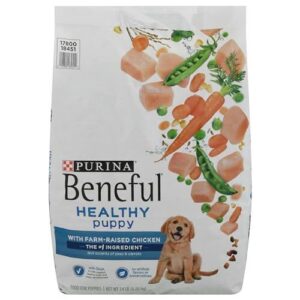
If you’re watching your budget while getting started with puppy nutrition, Purina Beneful Healthy Puppy offers solid value. This dog food delivers 29 grams of protein per cup from USA-raised chicken and includes 23 essential vitamins and minerals for nutrient balance.
Dog food reviews frequently note its DHA content aids healthy brain development. You’ll find it meets AAFCO standards for growth, though some puppies show sensitivities to certain Beneful ingredients. Monitor your pup’s response during the first few weeks of puppy feeding.
| Best For | Budget-conscious puppy owners looking for an affordable, widely available food that meets basic nutritional standards with real chicken as the first ingredient. |
|---|---|
| Brand | Beneful |
| Primary Flavor | Chicken |
| Age Range | Puppy |
| Form | Granule |
| Weight | 14 lbs |
| Protein Source | Real Chicken |
| Additional Features |
|
- High protein content at 29g per cup with USA-raised chicken as the primary ingredient supports growing puppies
- Includes DHA for brain and vision development plus 23 essential vitamins and minerals for complete nutrition
- Affordable price point at $33.20 for 14 lbs makes it accessible for most budgets
- Some puppies may experience sensitivities or allergies to certain grain or protein ingredients in the formula
- Quality and palatability can vary between batches according to consumer reports
- Lower-grade protein sources compared to premium brands, which may affect long-term digestibility
2. Blue Buffalo Puppy Food Chicken
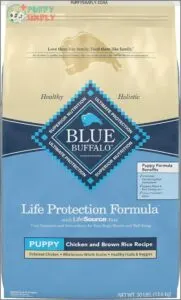
Blue Buffalo Life Protection Formula brings real chicken as its first ingredient, delivering around 26% protein for growing muscles. You’ll appreciate the antioxidant-rich LifeSource Bits that support your puppy’s immune system, plus DHA and ARA for brain development.
This dog food avoids chicken by-product meals and common allergens like corn, wheat, and soy—helpful if you’re concerned about food allergies. While some puppies experience initial digestive adjustments, the nutrient balance generally supports healthy puppy care. Monitor your pup’s response to confirm this chicken nutrition works for their individual needs.
| Best For | Puppy owners seeking a chicken-based formula with real meat as the first ingredient, DHA for brain development, and no corn, wheat, or soy. |
|---|---|
| Brand | Blue Buffalo |
| Primary Flavor | Chicken & Brown Rice |
| Age Range | Puppy |
| Form | Pellet |
| Weight | 30.28 lbs |
| Protein Source | Real Chicken |
| Additional Features |
|
- Real chicken is the primary ingredient with around 26% protein to support healthy muscle growth
- Contains DHA and ARA for cognitive development plus antioxidant-rich LifeSource Bits for immune support
- Avoids chicken by-product meals and common allergens like corn, wheat, and soy
- Some puppies may experience digestive upset or diarrhea during the transition period
- Not all dogs find the food palatable, which can lead to feeding challenges
- May cause gas in certain puppies, particularly those with sensitive stomachs
3. Purina Pro Plan Puppy Food Classic
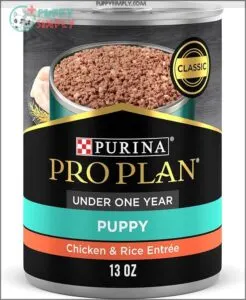
Purina Pro Plan Classic Puppy Food delivers 26–30% protein and 12–16% fat to fuel your growing pup’s development. You’ll find chicken as the primary ingredient, plus added DHA for brain and vision health—critical nutrients that support early growth stages.
This wet formula works well for puppies with dental sensitivities or those shifting from mother’s milk. The caloric density aligns with puppyhood energy demands, though you’ll pay a bit more than basic brands.
Always shift gradually over 7–10 days to avoid digestive upset.
| Best For | Puppy owners seeking complete nutrition with high-quality protein and DHA to support brain development, lean muscle growth, and immune health during the first year. |
|---|---|
| Brand | Purina Pro Plan |
| Primary Flavor | Chicken & Rice |
| Age Range | Puppy |
| Form | Wet |
| Weight | 9.8 lbs |
| Protein Source | Chicken |
| Additional Features |
|
- High protein content (26–30%) from real chicken supports healthy muscle development
- Includes DHA for brain and vision development during critical growth stages
- Wet formula is gentler on sensitive stomachs and easier for puppies transitioning from mother’s milk
- Higher price point compared to basic puppy food brands
- Some formulas contain meat by-products that may not appeal to all owners
- Requires gradual transition over 7–10 days to prevent digestive issues
4. High Prairie Puppy Dog Food
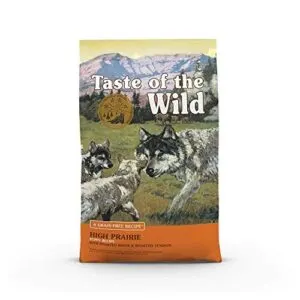
Taste of the Wild High Prairie Puppy Dog Food delivers 28% high protein from real roasted bison and venison, supporting your pup’s muscle development and puppy development needs. This grain-free formula includes DHA for brain health and proprietary probiotics that aid digestion—essential for puppies with sensitive stomachs.
You’ll also get omega fatty acids for coat health and antioxidants for immune support. The nutrient balance aligns with puppy nutrition requirements, though the $59.99 price tag for 28 pounds reflects premium positioning. Shift gradually to optimize digestive benefits.
| Best For | Puppy owners looking for a high-protein, grain-free formula with real meat as the first ingredient, especially helpful for pups with sensitive digestion or food sensitivities. |
|---|---|
| Brand | Taste of the Wild |
| Primary Flavor | Bison & Venison |
| Age Range | Puppy |
| Form | Dry Kibble |
| Weight | 28 lbs |
| Protein Source | Roasted Bison & Venison |
| Additional Features |
|
- 28% protein from real roasted bison and venison supports strong muscle and bone development
- Grain-free recipe with DHA, probiotics, and omega fatty acids covers multiple health bases—brain function, digestion, coat quality, and immune support
- Includes antioxidants and superfoods for overall wellness during critical growth stages
- $59.99 for 28 pounds puts it at a premium price point that may not fit every budget
- Some puppies may be picky about the taste or find the kibble texture too hard without mixing in wet food
- Results can vary by individual puppy—not every dog responds the same way to grain-free or high-protein diets
5. Natural Puppy Food With Chicken
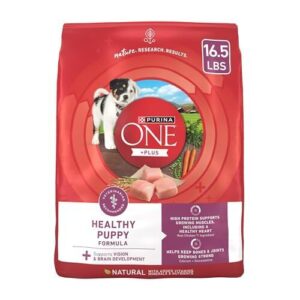
Real chicken delivers complete amino acids that fuel your puppy’s rapid muscle and organ development. Natural puppy food with chicken usually includes 25–30% high-protein content, DHA for brain health, and omega-3s for coat shine—all without artificial preservatives.
You’ll find fruits and vegetables added for antioxidants and fiber, supporting healthy digestion. Check for AAFCO statements confirming the formula meets puppy nutrition requirements.
Shift gradually over 7–10 days using consistent feeding guidelines, and monitor your pup’s stool quality to make sure the natural ingredients agree with their system.
| Best For | Puppy owners who want high-protein chicken-based nutrition with DHA and antioxidants to support healthy growth, brain development, and immune function without artificial additives. |
|---|---|
| Brand | Purina ONE |
| Primary Flavor | Chicken |
| Age Range | Puppy |
| Form | Pellet |
| Weight | 16.5 lbs |
| Protein Source | Real Chicken |
| Additional Features |
|
- Real chicken as the first ingredient provides complete amino acids for strong muscle and organ development
- Includes DHA for brain and vision development plus omega-3s for a shiny coat
- AAFCO-compliant formulas ensure nutritionally complete and balanced meals for growing puppies
- Some puppies may experience digestive issues like diarrhea during transition or from filler ingredients
- May contain corn gluten meal or soybean meal, which some owners prefer to avoid
- Requires gradual 7–10 day transition period to prevent stomach upset
6. Hill’s Science Diet Puppy Food
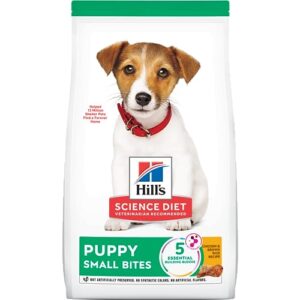
Science Diet uses clinically tested formulas to support healthy puppy development from day one. You’ll find real chicken or fish as the first ingredient, plus DHA from fish oil to help your pup’s brain and vision mature properly.
Hills Formula balances protein, fat, calcium, and phosphorus to fuel growth without overloading bones. The brand meets AAFCO nutrient profiles and offers dry kibble sized for small or medium breeds.
Hills Science Diet provides consistent nutrient balance, making it a reliable choice for your puppy’s nutrition and health needs.
| Best For | Pet parents who want a vet-recommended puppy food with clinically tested formulas and DHA for healthy brain and eye development. |
|---|---|
| Brand | Hill’s Science Diet |
| Primary Flavor | Chicken |
| Age Range | Puppy |
| Form | Pellet |
| Weight | 15.5 lbs |
| Protein Source | Chicken Meal |
| Additional Features |
|
- Real chicken or fish listed as the first ingredient with no artificial flavors or preservatives
- Includes DHA from fish oil to support brain, vision, and cognitive development during critical growth phases
- Meets AAFCO nutrient profiles with balanced protein-to-energy ratios designed specifically for puppies
- More expensive than many competing puppy food brands
- Contains grain fillers like wheat and barley that some owners prefer to avoid
- May require careful portion control and gradual transitions to prevent digestive issues
7. Royal Canin Small Puppy Food
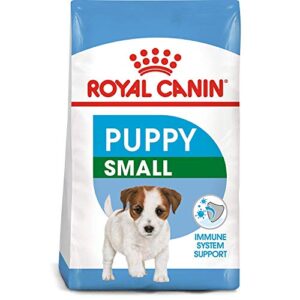
Royal Canin tailors every pellet for small breeds up to 10 months old, addressing the unique needs of tiny jaws and high energy demands. The kibble size fits mouths barely bigger than a quarter, making chewing manageable for picky eaters.
You’ll find chicken by-product meal as a protein base, brewers rice for easy digestion, and antioxidants to strengthen your puppy’s immune system. Royal Canin includes prebiotics to support digestive health, though some owners find the price steep compared to other dog food options on the market.
| Best For | Owners of small breed puppies under 10 months who need specialized kibble sized for tiny mouths and want veterinarian-recommended nutrition with immune support. |
|---|---|
| Brand | Royal Canin |
| Primary Flavor | Chicken |
| Age Range | Puppy |
| Form | Pellet |
| Weight | 13 lbs |
| Protein Source | Chicken By-Product Meal |
| Additional Features |
|
- Kibble designed specifically for small jaws makes eating easier for puppies with picky appetites
- Contains antioxidants and prebiotics to support developing immune systems and digestive health
- Meets the high energy needs of small breed puppies during their critical growth phase
- More expensive than many competing puppy food brands
- Some customers report their puppies experienced digestive issues or vomiting
- Relies on chicken by-product meal rather than whole meat as the primary protein source
8. Purina Pro Plan Puppy Food

Purina Pro Plan caters to large breed support with glucosamine-fortified recipes that slow bone growth to healthy rates. You’ll spot real chicken as the first ingredient in most formulas, delivering 28–30% protein alongside DHA from fish oil for brain and vision development.
The brand meets AAFCO puppy nutrition facts standards and includes antioxidants for immune health. Many veterinarians recommend establishing a puppy feeding schedule with Pro Plan because the calorie density matches active lifestyles without overfeeding risks that compromise pet nutrition goals.
| Best For | Large breed puppy owners who want glucosamine support for healthy joint development and a high-protein formula backed by veterinary recommendations. |
|---|---|
| Brand | Purina Pro Plan |
| Primary Flavor | Chicken & Rice |
| Age Range | Large Breed Puppy |
| Form | Dry |
| Weight | 34 lbs |
| Protein Source | Real Chicken |
| Additional Features |
|
- Real chicken as the first ingredient delivers 28–30% protein to fuel growth and energy needs
- Glucosamine helps large breed puppies develop strong joints while maintaining appropriate growth rates
- DHA from fish oil supports brain and vision development during critical early months
- Premium pricing may stretch budgets for owners of multiple puppies or long feeding periods
- Large 34-pound bag size can be awkward to store and may go stale before smaller households finish it
- Not ideal for puppies with chicken sensitivities or owners preferring grain-free formulations
How to Choose The Right Puppy Food Brand

Picking the right puppy food isn’t just about grabbing the first bag you see on the shelf. You need to think about your puppy’s specific needs, check for quality certifications, and understand what those labels actually mean.
Here’s what to focus on when you’re standing in that pet food aisle.
Considering Breed, Size, and Age
Your puppy’s breed, size, and age directly shape their nutritional needs. Small breeds burn calories faster per pound than large ones, requiring higher-density puppy food. Meanwhile, giant breeds need careful calcium ratios to support bone growth without overloading joints. Track your pup’s weight every 1–2 weeks and adjust portions as they hit different growth stages.
| Breed Size | Calories per Pound | Key Nutrient Focus |
|---|---|---|
| Toy/Small | Higher metabolic rate | Calorie-dense formulas |
| Medium | Moderate energy needs | Balanced minerals |
| Large/Giant | Lower per-pound needs | Joint-support nutrients |
| All Sizes | Varies by age | Protein 25-30% |
| Puppy Stage | Rapid growth phase | Calcium-phosphorus balance |
Life-stage and Breed-specific Formulas
Many puppy foods target specific growth stages or breed sizes, tailoring nutrient levels and calorie density to your pup’s expected adult weight. Life-stage formulas support puppy development from weaning through adolescence, while breed-specific options adjust protein (22–32% dry matter basis) and fat content for small, medium, or large breeds.
Formula shift should follow age and weight milestones—consult feeding charts to prevent overfeeding or undernourishment.
Importance of AAFCO or NRC Certifications
After selecting a formula that matches your puppy’s size and age, check for AAFCO or NRC certification on the label. These standards confirm the dog food meets nutrient profiles for growth—covering protein, fat, and essential minerals your pup needs.
Label compliance matters because:
- Certified formulas undergo feeding trials or nutrient analyses to verify claims
- Regulatory oversight reduces mislabeling risks and ensures batch consistency
- Quality assurance backs veterinary advice during checkups and feeding adjustments
Look for the AAFCO statement printed on the bag to ensure you’re investing in pet nutrition backed by science.
Feeding Tips for First-Time Puppy Owners

You’ve picked out the perfect food for your puppy, but knowing how to feed it makes all the difference in their growth and health. Getting the basics right from day one prevents common problems like overfeeding, picky eating, and uneven development.
Here are three essential feeding practices every first-time puppy owner should master.
Establishing a Feeding Routine
Your pup thrives on predictability—feeding schedules create structure that eases anxiety and aids healthy digestion. Start with three to four small meals daily, then shift to two as your puppy matures. Consistent feeding routines regulate bathroom habits and help you track growth more effectively.
| Age Range | Meal Frequency |
|---|---|
| 8–12 weeks | 4 meals per day |
| 3–6 months | 3 meals per day |
| 6–12 months | 2 meals per day |
| 12+ months | 2 meals per day |
| Adult | 1–2 meals per day |
Choose a quiet, stable feeding location and stick with the same times each day. This consistency reinforces puppy feeding guidelines and makes puppy care and feeding simpler for first-time owners managing puppy nutrition and health.
Proper Portion Control
Accurate portion sizes matter more than you think—overfeeding can trigger joint problems and obesity, while underfeeding stunts growth. Check your puppy food packaging for feeding schedules based on weight and age, then measure with a proper scoop to match caloric intake.
Adjust portions monthly as your pup grows, balancing nutrient intake with puppy nutrition and health needs for ideal dog nutrition.
Monitoring Growth and Weight
Tracking your pup’s growth trajectory reveals whether your feeding plan is working. Weigh your puppy monthly during the first six months, comparing results against breed-specific growth charts to spot any weight trends that signal nutritional imbalances.
Watch for these puppy development milestones:
- Visible waist when viewed from above
- Palpable ribs without excessive fat cover
- Steady weight gains aligned with age expectations
Proper nutrient balance fosters ideal canine health and nourishment throughout puppy development and growth.
Transitioning Your Puppy to New Food

Switching your puppy’s food isn’t as simple as swapping one bag for another. A rushed change can lead to stomach upset, diarrhea, and unnecessary stress for both of you.
Here’s how to make the change smoothly and safely.
Gradual Food Introduction Steps
Switching your puppy’s food isn’t a race—it’s a carefully measured dance. Start by mixing 25% new puppy food with 75% current food for the first few days of your puppy feeding schedule.
Gradually increase the new food ratio every two to three days. This gradual introduction aids puppy development and growth while protecting their sensitive digestive system during nutrition planning transitions.
Preventing Digestive Upset
Your puppy’s stomach is more delicate than you might think. Protecting digestive health during food shifts requires strategic timing and careful observation. Follow these steps to maintain gut balance and avoid food sensitivity:
- Extend the shift to 10–14 days if your puppy shows signs of stomach upset
- Keep fresh water available at all times to support healthy digestion
- Monitor stool consistency daily—loose stools signal you’re moving too fast
- Stick to consistent feeding times to stabilize your puppy’s gut microbiome
Adjusting Portions During Transition
As you swap foods, you’ll need to fine-tune portion sizes to match your puppy’s changing needs. Weigh your pup weekly and watch for steady growth—if weight gain slows, bump up portions by 2-4% increments.
Monitor energy levels and stool quality as you adjust feeding schedules. Proper portion control ensures nutrient balance during shift strategies, supporting healthy puppy development and growth.
When to Consult Your Veterinarian About Puppy Food

You don’t have to figure out every nutrition question on your own. Your veterinarian is your best resource when you’re unsure about what to feed your puppy or notice changes in their health.
Here are three key situations when you should reach out for professional guidance.
Signs of Food Intolerance or Allergies
Watch for allergy symptoms like persistent itching, ear infections, or digestive issues such as vomiting and diarrhea after meals. Skin problems, hair loss, or recurring paw licking can signal food reactions.
Nutrient deficiencies may show as poor weight gain or dull coat.
If you notice these signs affecting your puppy’s health and wellness, contact your vet to identify the trigger and adjust your puppy nutrition plan.
Customizing Diet for Special Needs
Some puppies need special diets customized to medical conditions like kidney issues, heart problems, or obesity. Your vet can recommend high-protein diets, grain-free options, or nutrient supplements based on your pup’s health.
Food allergies or dietary restrictions require careful ingredient tracking and elimination trials under professional supervision.
Regular monitoring of growth metrics and body condition ensures your pet nutrition plan meets their unique needs effectively.
Getting Professional Feeding Recommendations
Working with a board-certified veterinary nutritionist gives you expert nutrition planning customized to your puppy’s growth trajectory and health profile. Your vet can help by:
- Creating feeding strategies based on your pup’s breed, weight, and age
- Reviewing growth curves to prevent over- or under-nutrition
- Adjusting portions as your puppy matures
- Identifying food intolerances and recommending alternative proteins
- Scheduling follow-ups for ongoing health monitoring
Regular veterinary guidance ensures your pet nutrition plan promotes peak dog health and wellness throughout puppyhood.
Frequently Asked Questions (FAQs)
Can puppies eat treats during training sessions?
Yes, training rewards are excellent tools when kept small and plain. Use high-value, calorie-conscious healthy snacks strategically to reinforce behaviors without disrupting your pup’s daily nutritional balance or causing digestive issues.
How often should I change puppy food brands?
Wondering if rotating puppy food brands boosts nutrient balance? You don’t need to switch brands regularly.
Stick with one high-quality puppy food for at least 4-12 weeks unless your vet recommends a change.
Is grain-free food better for all puppies?
No, grain-free options aren’t universally better. Studies link some grain-free diets to heart risks in dogs, and most puppies thrive on balanced, grain-containing formulas. Always consult your veterinarian before choosing grain-free puppy food.
Should I supplement my puppys commercial food?
Most complete puppy foods don’t need supplements—nutrient balance matters more than food additives. Over-supplementation risks toxicity with puppy vitamins.
Trust veterinary recommendations and dog food ingredients over healthy alternatives unless medical needs require puppy nutrition adjustments.
What human foods are safe for puppies?
Plain cooked chicken, turkey, and eggs make safe puppy treats.
Blueberries and carrots work as healthy human snacks.
Avoid chocolate, grapes, onions, and xylitol—these damage canine nutrition and compromise dog health immediately.
Conclusion
Your puppy’s nutritional foundation will echo through every stage of their life—from those first wobbly steps to their golden years. Choosing between puppy food brands for first-time owners doesn’t require a veterinary degree, just attention to protein quality, AAFCO certification, and your pup’s specific size requirements.
Start with one of these eight vetted options, monitor your puppy’s energy and coat condition, and adjust as they grow. You’re setting them up for lasting health.
- https://petcorner.pangovet.com/pet-nutrition/dogs/protein-for-dogs/
- https://talkspetfood.aafco.org/roleofaafco
- https://wsava.org/wp-content/uploads/2021/04/Selecting-a-pet-food-for-your-pet-updated-2021_WSAVA-Global-Nutrition-Toolkit.pdf
- https://www.fda.gov/animal-veterinary/animal-health-literacy/complete-and-balanced-pet-food
- https://www.petmd.com/dog/nutrition/evr_dg_whats_in_a_balanced_dog_food