This site is supported by our readers. We may earn a commission, at no cost to you, if you purchase through links.

Your puppy’s constant paw-licking and recurring ear infections might not be behavioral quirks—they’re often the first red flags of food allergies, a condition affecting approximately 10% of all canine allergy cases. Unlike environmental allergies that come and go with the seasons, food sensitivities persist year-round, gradually eroding your puppy’s comfort and health.
The protein sources in conventional puppy foods—chicken, beef, dairy—frequently trigger immune responses that manifest as inflamed skin, digestive upset, and chronic discomfort. Identifying the right hypoallergenic formula requires understanding which ingredients cause reactions and which puppy food brands for allergies offer genuinely therapeutic solutions rather than marketing claims.
Six veterinary-recommended brands stand out for their use of hydrolyzed proteins, novel protein sources, and scientifically validated formulations designed specifically for allergic puppies.
Table Of Contents
- Key Takeaways
- Signs Your Puppy Has Food Allergies
- What Causes Allergies in Puppy Food
- Choosing Hypoallergenic Puppy Food
- Top 6 Puppy Food Brands for Allergies
- Key Features of Allergy-Friendly Puppy Foods
- Transitioning Your Puppy to New Food
- When to Seek Veterinary Advice for Allergies
- Frequently Asked Questions (FAQs)
- Conclusion
Key Takeaways
- Food allergies in puppies persist year-round and commonly stem from protein sources like chicken, beef, and dairy rather than grains, requiring 8–12 week elimination diets with novel or hydrolyzed proteins to identify triggers.
- Symptoms manifest across three systems—persistent skin irritation (scratching, redness, hair loss), digestive upset (vomiting, diarrhea), and respiratory distress (sneezing, coughing)—with skin and gastrointestinal signs distinguishing food allergies from environmental reactions.
- Limited ingredient diets combining one protein with one carbohydrate, or hydrolyzed formulas that break proteins into smaller peptides, reduce immune recognition of allergens while meeting AAFCO puppy growth standards.
- Transitioning to hypoallergenic food requires a gradual 7–10 day process with careful symptom monitoring, and most puppies show improvement within 2–4 weeks though complete relief may take 8 weeks under veterinary supervision.
Signs Your Puppy Has Food Allergies
Food allergies in puppies don’t always show up the way you’d expect. Your puppy might scratch constantly, have frequent stomach upset, or display respiratory issues that seem to come out of nowhere. If your puppy shows signs of food intolerance, switching to high-quality wet food options may help ease digestive discomfort.
Recognizing these signs early helps you pinpoint the problem and get your puppy the relief they need. Recognizing these signs early helps you pinpoint the problem and get your puppy the relief they need from food allergies.
Common Allergy Symptoms in Puppies

Spotting allergy symptoms early helps protect your puppy’s health. Food allergies often announce themselves through persistent signs you can’t ignore: If you notice these warning signs, switching to hypoallergenic puppy food can help eliminate potential allergens and restore your puppy’s comfort.
- Skin issues like redness, rashes, or constant scratching at itchy ears and paws
- Digestive health disruptions including vomiting, diarrhea, or chronically soft stools
- Respiratory distress with sneezing, coughing, or nasal discharge
These dog allergies warrant professional allergy testing to pinpoint triggers and restore puppy nutrition balance. Understanding scientific study methods is essential for accurate diagnosis and treatment.
Skin, Digestive, and Respiratory Signs

Your puppy’s allergy symptoms usually surface in three key areas. Skin irritation appears as constant scratching, redness around the paws and ears, or patchy hair loss from inflammation reactions. Digestive issues include vomiting within hours of eating, chronic diarrhea, or excessive gas. Respiratory problems like sneezing, coughing, or nasal discharge signal respiratory distress. If you notice these symptoms, switching to grain-free dog food options might help reduce your puppy’s allergic reactions.
Puppy allergies typically show up as constant scratching and skin redness, digestive upset like vomiting or diarrhea, or respiratory distress with sneezing and coughing
These dog allergies often develop skin infections when left untreated. Dogs with untreated allergies can develop painful skin infections, which is why proper bathing techniques for allergic dogs are essential for maintaining healthy skin.
Differentiating Food Vs. Environmental Allergies

Food allergies often trigger gastrointestinal distress—vomiting, diarrhea, or weight loss—alongside skin reactions, whereas environmental allergens cause year-round itch focused on paws, face, or ears.
Post-meal symptom timing suggests food trials, while continuous itching points to environmental triggers like pollen or dust mites.
Diagnostic tests, including elimination diets or skin testing, confirm which allergen drives your puppy’s allergic reactions and guide targeted management.
What Causes Allergies in Puppy Food

Your puppy’s immune system can mistakenly identify certain food ingredients as threats, triggering an allergic response. The culprits aren’t always obvious—they range from specific proteins to grains and even synthetic additives.
Understanding what commonly causes these reactions helps you make informed choices when selecting your puppy’s food.
Typical Allergens Found in Puppy Food
When your puppy shows allergy symptoms, certain ingredients are frequently to blame. Proteins like beef, chicken, and fish top the list of common allergens, along with dairy, egg, and peanut derivatives.
Carbohydrate sources such as corn, wheat, and soy can trigger ingredient sensitivities in susceptible puppies. Artificial additives and preservatives have also been linked to food allergies, making hypoallergenic dog food and grain-free dog food options worth considering for allergy prevention.
Protein, Grain, and Additive Sensitivities
Identifying which components trigger your puppy’s immune system requires careful observation. Protein sources like beef, chicken, or dairy can provoke IgE-mediated reactions that manifest as itchy skin or recurrent ear infections. Here’s what you should monitor:
- Protein sources: Novel ingredient dog food with venison or duck may reduce reactions when common proteins fail.
- Grain alternatives: Grainfree dog food helps isolate carbohydrate triggers during sensitivity testing.
- Additive effects: Hypoallergenic dog food excludes artificial preservatives linked to dermatitis.
Dietary rotation under veterinary guidance aids long-term management of food allergies.
Understanding Limited Ingredient Diets
A limited ingredient diet narrows your puppy’s protein and carbohydrate sources to one or two carefully selected components, making it easier to pinpoint sensitivities. Novel proteins like venison pair with a single carbohydrate in these formulations.
Hydrolyzed diets break proteins into smaller peptides that bypass immune recognition.
Strict adherence for 8–12 weeks reveals whether symptoms improve under veterinary supervision.
Choosing Hypoallergenic Puppy Food

When your puppy shows signs of food allergies, you’ll need to choose a diet that minimizes their exposure to triggering ingredients. Hypoallergenic puppy foods use specialized proteins and simplified ingredient lists to reduce allergic reactions while supporting healthy growth.
Understanding the difference between hydrolyzed proteins, novel proteins, and grain-free formulas will help you select the right option for your puppy’s specific needs.
Benefits of Hydrolyzed and Novel Proteins
When your puppy struggles with food allergies, hydrolyzed proteins offer a pioneering solution by breaking down into small peptides that improve protein digestion and support allergen reduction. Novel proteins like venison or duck provide alternatives when common ingredients trigger reactions. Clinical evidence shows reduced skin and gastrointestinal symptoms in puppies fed these hypoallergenic dog food options.
Key benefits include:
- Peptide therapy through hydrolyzed diets minimizes immune system recognition of allergens
- Novel ingredients expand acceptable protein sources beyond chicken, beef, and dairy
- Controlled elimination trials help identify safe proteins under veterinary guidance
Both approaches require professional oversight for best results.
Limited Ingredient Vs. Grain-free Options
When selecting hypoallergenic diets for your allergic puppy, you’ll face two distinct paths. Limited ingredient diets combine one protein source with a single carbohydrate, making it easier to pinpoint triggers during elimination trials. Grain-free dog food benefits aren’t universal—most canine allergies stem from animal proteins, not grains.
Grain alternatives like potatoes or legumes replace cereals but don’t guarantee hypoallergenic options. Novel proteins and hydrolyzed foods work within either framework. Your choice depends on your puppy’s suspected allergens and nutritional needs.
Neither approach proves preferable across all cases, so veterinary guidance ensures adequate protein sources for growth.
Top 6 Puppy Food Brands for Allergies
You’ve narrowed down the problem, and now you need a food that actually works. The brands below are formulated specifically for puppies dealing with allergies, whether from protein sensitivities, grain reactions, or other common triggers.
Each option brings something different to the table, so you can match your puppy’s specific needs with the right formula.
1. Purina Pro Plan Sensitive Skin Dog Food
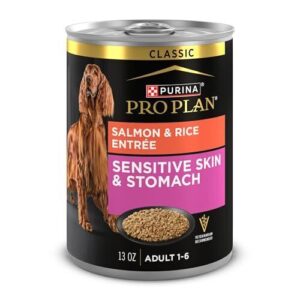
When your puppy’s constant scratching points to food allergies, Purina Pro Plan Sensitive Skin Dog Food offers a clinically tested solution. This formula uses carefully selected protein sources—real salmon paired with easily digestible rice—to minimize allergen triggers while supporting skin health through omega-3 fatty acids and linoleic acid.
The limited ingredient approach, combined with natural prebiotic fiber, tackles both dermatological and gastrointestinal sensitivities. You’ll find it meets AAFCO standards for puppy growth, though switching should occur gradually over 7-10 days to prevent digestive upset.
| Best For | Dog owners whose puppies struggle with skin irritation or digestive issues linked to food sensitivities, especially when traditional formulas haven’t worked. |
|---|---|
| Brand | Purina Pro Plan |
| Primary Protein | Salmon |
| Age Range | Adult |
| Food Form | Pate |
| Weight | 12 cans (13 oz each) |
| Made In | USA |
| Additional Features |
|
- Real salmon and rice formula is easy on sensitive stomachs while delivering omega fatty acids that visibly improve coat quality and reduce scratching
- Includes prebiotics and 23 essential vitamins to support both gut health and overall puppy development in one complete meal
- Clinically backed by veterinary research and meets AAFCO puppy nutrition standards, so you’re not gambling with your pup’s growth
- Higher price point compared to standard puppy foods, which adds up fast with growing dogs who eat more each month
- Some customers report finding bugs or quality control issues in cans, though this seems inconsistent across batches
- Won’t solve allergies caused by environmental factors or severe protein sensitivities that require prescription diets
2. Wellness Natural Dog Food
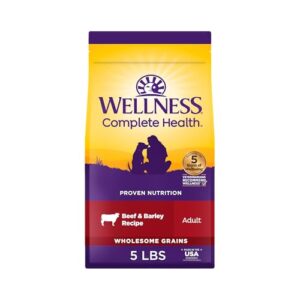
Wellness Natural Dog Food positions itself as a whole-health option, but you’ll want to examine ingredient panels carefully if your puppy shows food allergy symptoms. Most Wellness Complete Health formulas feature chicken as the primary protein—not a novel or hydrolyzed source—which may trigger reactions in sensitive puppies.
While the brand emphasizes natural ingredients without artificial preservatives and excludes corn or soy in many recipes, it doesn’t consistently offer hypoallergenic dog food options across puppy diets. Limited ingredient diets exist within specific Wellness lines, though thorough allergen management often requires veterinary-guided testing.
| Best For | Dog owners looking for a natural, protein-rich kibble with recognizable ingredients and no corn, wheat, or soy, though it may not suit puppies with specific protein allergies. |
|---|---|
| Brand | Wellness |
| Primary Protein | Beef |
| Age Range | Adult |
| Food Form | Kibble |
| Weight | 5 pounds |
| Made In | USA |
| Additional Features |
|
- Made with real beef and barley, plus added vitamins and minerals for immune support, digestive health, and a healthy coat
- No artificial colors, flavors, or preservatives, and manufactured in the USA with quality-controlled ingredients
- Suitable for multiple life stages and sizes, making it a versatile choice for households with more than one dog
- Some dogs may reject the taste or texture, and the transition period can cause temporary digestive upset like diarrhea
- Higher price point compared to budget-friendly brands, which may not fit all budgets for long-term feeding
- Not ideal for dogs with chicken sensitivities or specific allergies, since many Wellness formulas rely on common proteins rather than novel sources
3. Wellness Natural Dog Food With Grains
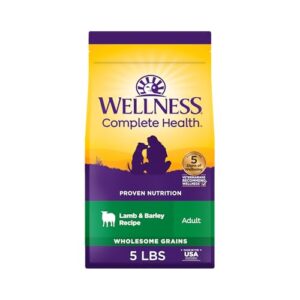
Another grain-inclusive formula from Wellness Complete Health blends whole grains like barley, oats, and brown rice with deboned turkey or chicken as protein sources. These grains provide steady energy for growing puppies, though they aren’t hypoallergenic dog food options if your pup reacts to common cereals.
The natural ingredients—free from artificial preservatives—meet AAFCO puppy nutrition standards, with balanced calcium and DHA for development. However, food sensitivities to poultry proteins or grains remain possible.
If dog food allergies and intolerance appear during feeding, you’ll need veterinary guidance rather than assuming grain benefits automatically suit your puppy.
| Best For | Puppy owners looking for a grain-inclusive formula with natural ingredients and balanced nutrition for growth, especially if their dog tolerates grains and poultry proteins well. |
|---|---|
| Brand | Wellness |
| Primary Protein | Lamb |
| Age Range | Adult |
| Food Form | Dry |
| Weight | 5 pounds |
| Made In | USA |
| Additional Features |
|
- Meets AAFCO puppy nutrition standards with balanced calcium, phosphorus, and DHA to support healthy bone development and brain function
- Uses whole grains like barley, oats, and brown rice for steady energy alongside quality protein sources like deboned turkey or chicken
- Made with natural ingredients and no artificial preservatives, colors, or by-products in the formula
- Not suitable for puppies with grain sensitivities or poultry protein allergies, which can cause digestive or skin reactions
- Requires a gradual 7–14 day transition period to prevent GI upset, which takes patience and careful monitoring
- May be pricier than basic puppy foods, though it falls in the mid-range for Wellness product lines
4. Wellness Sensitive Skin Dog Food
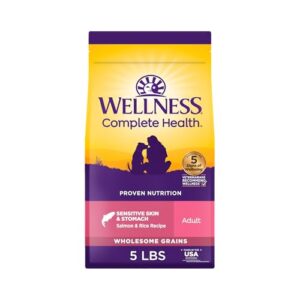
When poultry proteins spark reactions, Wellness Sensitive Skin & Stomach turns to salmon and rice—a limited ingredient diet that sidesteps chicken and beef entirely. This hypoallergenic dog food formulation tackles both food allergies and sensitive stomach concerns, though some puppies initially reject the stronger fish aroma.
Your puppy gets omega fatty acids for skin health plus probiotics to calm digestive upset, all meeting AAFCO growth standards.
Shift gradually, watch for improvement in itching or gastrointestinal signs, and consult your vet if symptoms persist—individual responses vary widely even with carefully selected dog nutrition strategies.
| Best For | Dogs with sensitive skin or stomachs who react poorly to chicken, beef, or wheat-based foods. |
|---|---|
| Brand | Wellness |
| Primary Protein | Chicken |
| Age Range | Adult |
| Food Form | Dry |
| Weight | 5 pounds |
| Made In | USA |
| Additional Features |
|
- Salmon and rice formula skips common allergens like chicken, beef, and wheat while delivering omega fatty acids for healthier skin and coat.
- Includes probiotics and easily digestible ingredients that support gut health and reduce digestive upset.
- Meets AAFCO standards for adult dogs with added vitamins, glucosamine, and antioxidants for overall wellness.
- Costs more per pound than standard dog food brands, which adds up over time.
- Strong fish smell may turn off some dogs during the transition period.
- Not ideal for dogs with salmon allergies or those needing specialized veterinary diets.
5. Victor Sensitive Skin Dog Food
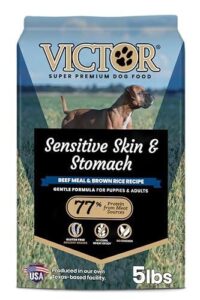
Buffalo and whitefish anchor Victor Sensitive Skin Dog Food, offering novel proteins that dodge chicken and beef—two frequent culprits behind dog food allergies. This nutrient-dense formula combines omega fatty acids with limited ingredient diets for allergen reduction, addressing both sensitive skin and sensitive stomach concerns in growing puppies.
Grain-free dog food benefits appeal to some owners, though Victor also produces grain-inclusive options. You’ll notice improvements in skin health and allergy symptoms within four to eight weeks if the formula suits your pup’s individual triggers.
| Best For | Dog owners with puppies or adult dogs experiencing skin irritation, itching, or digestive issues related to common protein allergies. |
|---|---|
| Brand | Wellness |
| Primary Protein | Whitefish |
| Age Range | Adult |
| Food Form | Dry |
| Weight | 5 pounds |
| Made In | USA |
| Additional Features |
|
- Novel proteins like buffalo and whitefish help avoid typical allergens found in chicken or beef-based foods
- Omega fatty acids support healthier skin and coat, often showing visible improvement within 4-8 weeks
- Available in both grain-free and grain-inclusive formulas to match your dog’s specific dietary needs
- Higher price point compared to standard dog food brands
- May take several weeks to see noticeable results, requiring patience during the transition period
- Strong kibble odor that some pet owners find unpleasant
6. Hill’s Science Diet Sensitive Stomach Dog Food
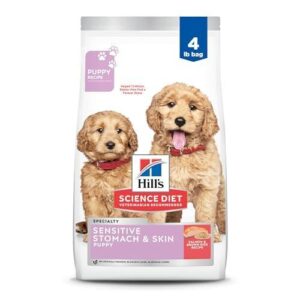
Hills Science Diet Sensitive Stomach targets digestive disturbances that often accompany dog food allergies in puppies. Prebiotic fiber fuels beneficial gut bacteria, while easily digestible ingredients reduce strain on immature digestive systems.
You’ll find omega-6 fatty acids and vitamin E supporting skin health—critical since allergy symptoms frequently manifest as dermatitis or hot spots.
The formula meets AAFCO nutrient profiles for growth, though limited ingredient diets may still prove necessary if your puppy shows persistent reactions. Hills Prescription Diet options offer hydrolyzed proteins for confirmed food allergies requiring veterinary oversight.
| Best For | Puppies with sensitive stomachs or mild skin issues who need easily digestible food that supports gut health and development. |
|---|---|
| Brand | Wellness |
| Primary Protein | Salmon |
| Age Range | Adult |
| Food Form | Kibble |
| Weight | 5 pounds |
| Made In | USA |
| Additional Features |
|
- Prebiotic fiber and digestible ingredients help reduce digestive upset and support a healthy gut microbiome
- Omega-6 fatty acids and vitamin E nourish skin and coat, which helps with allergy-related skin problems
- Meets AAFCO growth standards and includes DHA for brain and eye development in growing puppies
- Contains chicken meal, so it won’t work for puppies with chicken allergies
- More expensive than many other puppy food options on the market
- May not be strong enough for puppies with confirmed food allergies who need hydrolyzed protein formulas
Key Features of Allergy-Friendly Puppy Foods
When you’re shopping for puppy food to manage allergies, you’ll notice certain features show up again and again. These aren’t just marketing buzzwords—they’re functional design choices that help reduce your puppy’s exposure to common triggers.
Let’s look at three key characteristics that separate allergy-friendly formulas from standard puppy foods.
Absence of Common Allergens
True allergen-free puppy food requires rigorous testing and validated protocols to confirm disease-causing proteins like wheat, beef, dairy, poultry, or soy are absent. Studies confirm that puppies on hydrolyzed diets or novel protein sources show fewer adverse reactions when intact allergenic peptides are removed.
- Hypoallergenic formulas use hydrolyzed protein sources that break down amino acid sequences, reducing cross-reactivity risks
- Limited ingredient diets simplify potential triggers by combining 1–2 protein sources with a single carbohydrate
- Grain-free dog food benefits may address sensitivities, though veterinary guidance confirms appropriateness for your puppy’s food allergies
Use of Wholesome, Natural Ingredients
Whole food benefits begin when you select real meat or meat meals as your puppy’s primary protein. These ingredients deliver better digestibility and nutrient balance than synthetic additives.
Natural preservatives, organic ingredients, and healthy additives reduce inflammatory responses tied to food sensitivities.
Limited ingredient diets for dogs and hypoallergenic dog food formulations favor transparent labeling, helping you assess grain-free dog food benefits while supporting ideal dog nutrition and health.
Nutritional Adequacy for Puppy Growth
Growth stages demand precise puppy nutrition to support rapid development. You need formulas meeting AAFCO nutrient profiles with 22–32% protein and 1.2–1.8 kcal per gram, ensuring caloric intake fuels healthy weight gain.
Feeding guidelines adjust portions as your pup matures, while limited ingredient diets for dogs and grain-free dog food benefits address sensitivities without compromising canine dietary needs or dog nutrition and health throughout critical growth windows.
Transitioning Your Puppy to New Food

Switching your puppy to a new food isn’t something you want to rush. A sudden change can trigger digestive upset or mask the very symptoms you’re trying to resolve.
The process requires patience, close observation, and a methodical approach that protects your puppy’s developing system.
Gradual Switching Process
Switching your puppy to allergy-friendly food isn’t a race—it’s a careful introduction that protects their developing digestive system. A proper shift timeline spans 7–10 days, minimizing upset while revealing food allergy symptoms in dogs early.
Follow these switching strategies for managing dog allergies:
- Days 1–3: Mix 25% new food with 75% current diet
- Days 4–6: Blend equal portions of both foods
- Days 7–9: Shift to 75% new, 25% old food
- Day 10: Complete the dietary adjustment to 100% new formula
This gradual food introduction facilitates allergen testing by isolating reactions to specific ingredients in limited ingredient diets for dogs.
Monitoring for Adverse Reactions
Watch your puppy closely during the shift—small changes can signal big problems. Track food allergy symptoms in dogs using pruritus scoring (rating itch intensity 0–10 daily) and note gastrointestinal tolerance through stool consistency records. Document vomiting, diarrhea, or worsening dog skin health immediately.
Adverse reaction reporting to your vet facilitates dietary reassessment before managing dog allergies becomes complicated, making veterinary followup essential for food allergies and sensitivities. Monitoring progress is vital during a food trial process to identify specific allergies.
Adjusting Portion Sizes for Puppies
Calorie calculation starts with your puppy’s current weight: expect 55–110 kcal per pound daily, adjusted by activity level and growth monitoring needs. Divide portions into 3–4 meals for puppies under six months to support canine nutrition and portion control.
When switching to dog food for allergies, reassess nutrient balance weekly using a digital scale—precise puppy feeding prevents both under- and overfeeding during dietary restrictions.
When to Seek Veterinary Advice for Allergies

You can’t always manage your puppy’s allergies on your own. Some symptoms require professional evaluation to avoid complications and guarantee your puppy gets the right treatment.
Here’s when you should schedule a vet visit to address potential food allergies.
Allergy Testing and Elimination Diets
Diagnosing food allergies in your puppy relies on elimination diets rather than standard allergy testing, which carries limited diagnostic value.
Your veterinarian will guide an 8 to 12-week food trial using novel or hydrolyzed proteins. You’ll maintain strict dietary management throughout, avoiding all treats and table scraps.
Sequential reintroduction of ingredients follows, with careful reaction monitoring to pinpoint specific allergens and establish long-term hypoallergenic dog food strategies.
Managing Severe Allergic Reactions
When allergy symptoms escalate beyond itching or mild digestive upset, immediate emergency response becomes critical. Anaphylaxis treatment requires veterinary guidance—your puppy’s life may depend on rapid intervention.
Severe reactions to hypoallergenic dog food or other allergens demand professional assessment and reaction prevention strategies:
- Facial swelling or difficulty breathing signals anaphylaxis requiring urgent care
- Pale gums with weak pulse indicate hypotension needing immediate stabilization
- Acute vomiting with fever suggests systemic reactions beyond typical food allergy symptoms and treatment
- Epinephrine administration under veterinary direction manages life-threatening episodes
- Emergency action plans help you respond confidently to dog food for allergies complications
Long-term Dietary Planning for Allergic Puppies
Once your puppy stabilizes, you’ll need a strategic growth monitoring plan spanning 8–12 weeks of elimination trials followed by veterinary re-evaluations every 4–6 months.
Track stool quality, coat condition, and itching scores daily to inform dietary adjustments.
Verify your chosen Dog Food for Allergies meets AAFCO nutrient balance for development while supporting immune system maturation and allergy prevention throughout their critical growth phases.
Frequently Asked Questions (FAQs)
Can puppies outgrow their food allergies over time?
Most food allergies persist without dietary changes—natural outgrowth isn’t reliably documented.
Your puppy’s immune system may show reduced signs after strict avoidance, but canine development varies individually.
Veterinary re-evaluation ensures proper management.
Are homemade diets safe for puppies with allergies?
While home-prepared meals might seem tempting for your allergic puppy, they pose serious nutrient balance risks without vet supervision.
Commercially prepared hypoallergenic dog food generally offers safer, more reliable dietary trials for managing food allergies.
How long until allergy symptoms improve with new food?
You’ll generally notice symptom reduction within 2 to 4 weeks after switching to hypoallergenic dog food.
Complete relief timeline extends to 8 weeks for most allergies, though severe cases may require longer for full food tolerance.
Do hypoallergenic puppy foods cost significantly more than regular?
Ironically, spending more upfront can save you money later. Hypoallergenic dog food for allergies costs 10–40% more than standard options, though store-brand budget options narrow that gap while delivering food value.
Can probiotics help puppies with food allergy symptoms?
Probiotics may support gut health and help balance your puppy’s microbiome, potentially easing some digestive symptoms linked to food intolerance.
However, they can’t replace hypoallergenic dog food or proper allergy prevention strategies.
Conclusion
Managing food allergies isn’t a guessing game—it’s a systematic process of elimination and observation. The six puppy food brands for allergies outlined here provide scientifically formulated options that address common triggers while aiding developmental nutrition.
Your puppy’s symptoms won’t vanish overnight, but consistent dietary management paired with veterinary oversight creates the foundation for long-term comfort. Document reactions, maintain feeding schedules, and adjust only when evidence backs change. Relief begins with informed choices.
- https://elsevier.blog/sub-points-outlining-organization/
- https://thefarmersdog.otegtm.net/c/2442109/1640964/9488
- https://www.dpbolvw.net/click-100788894-15827016
- https://www.fda.gov/animal-veterinary/outbreaks-and-advisories/fda-investigation-potential-link-between-certain-diets-and-canine-dilated-cardiomyopathy
- https://openfarmpet.ca/